Marrakesh Street Walks.
Today was an excellent day, and I made up for not taking any guided street walks up until now on this trip, and took two, one right after the other. As always (or almost always), they were very good, providing information and yielding small details that I’d be unlikely to get any other way, and adding a level of deeper insight to the area, geographically, historically, and culturally, and that’s in part because the tour guides are always locals themselves, in addition to often having a wide breadth of knowledge.
I actually booked a free tour for 10 am this morning, but literally at the last minute, but when I arrived at the meeting point no-one was there. I gave up and left after about 15 minutes, although did later receive an apology email saying the tour had been cancelled due to unexpected circumstances. But by then I’d booked a 2 pm paid tour ($18) and a free 5 pm tour (expecting to pay about $10 as a tip), so I was still set for guided tours instead of wandering around on my own, using the web as my guide, as I have been doing for this trip.
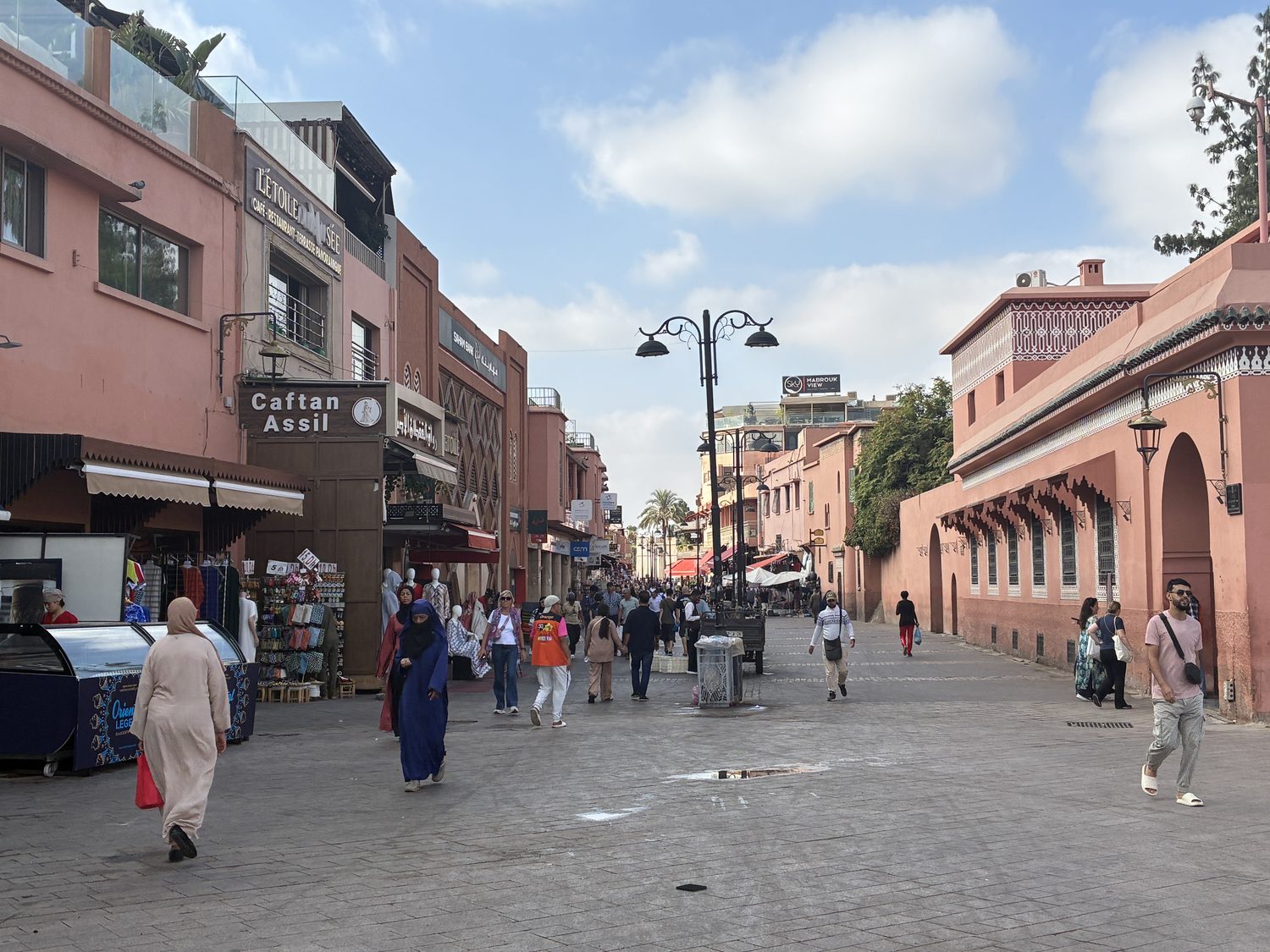
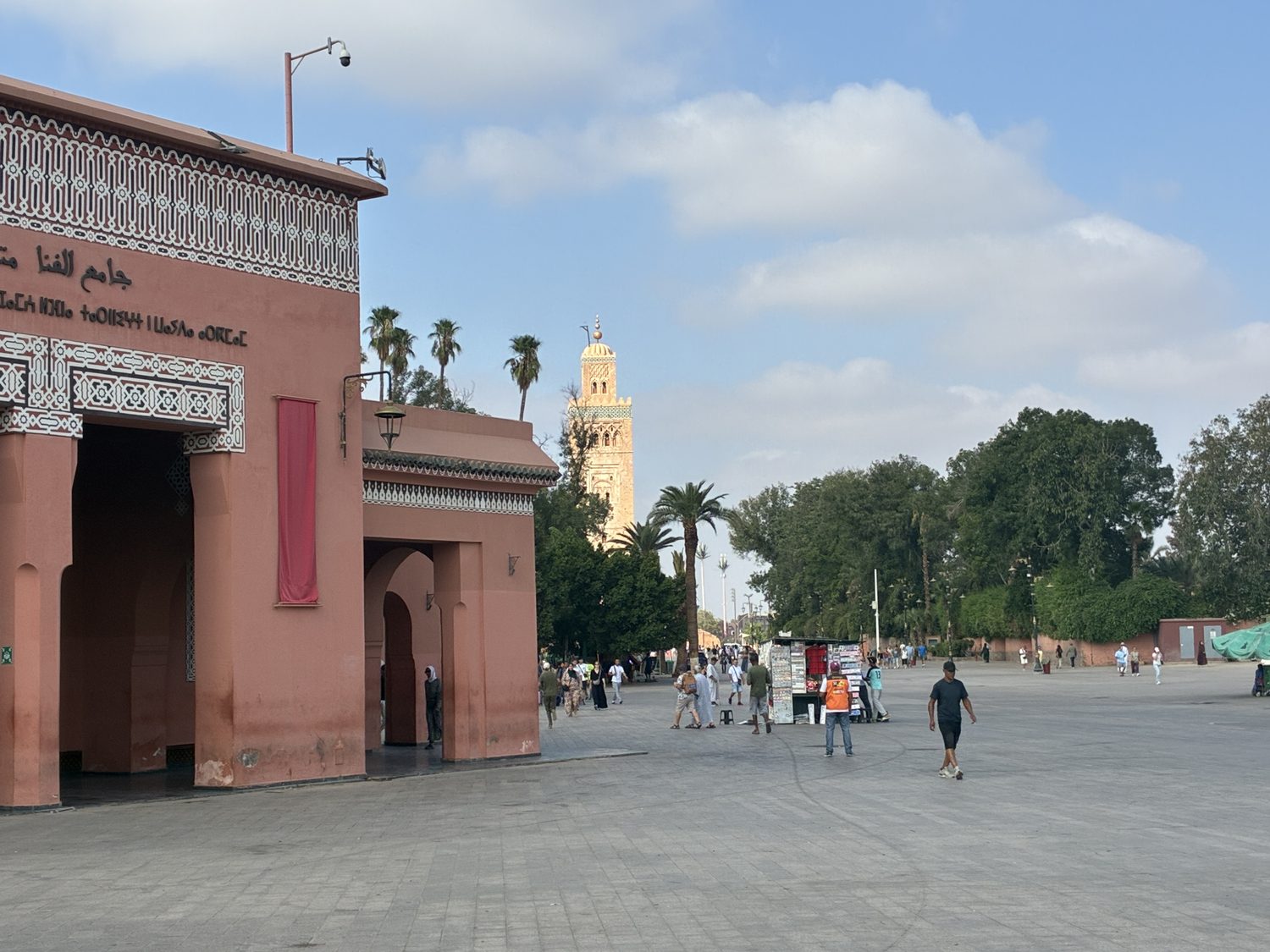
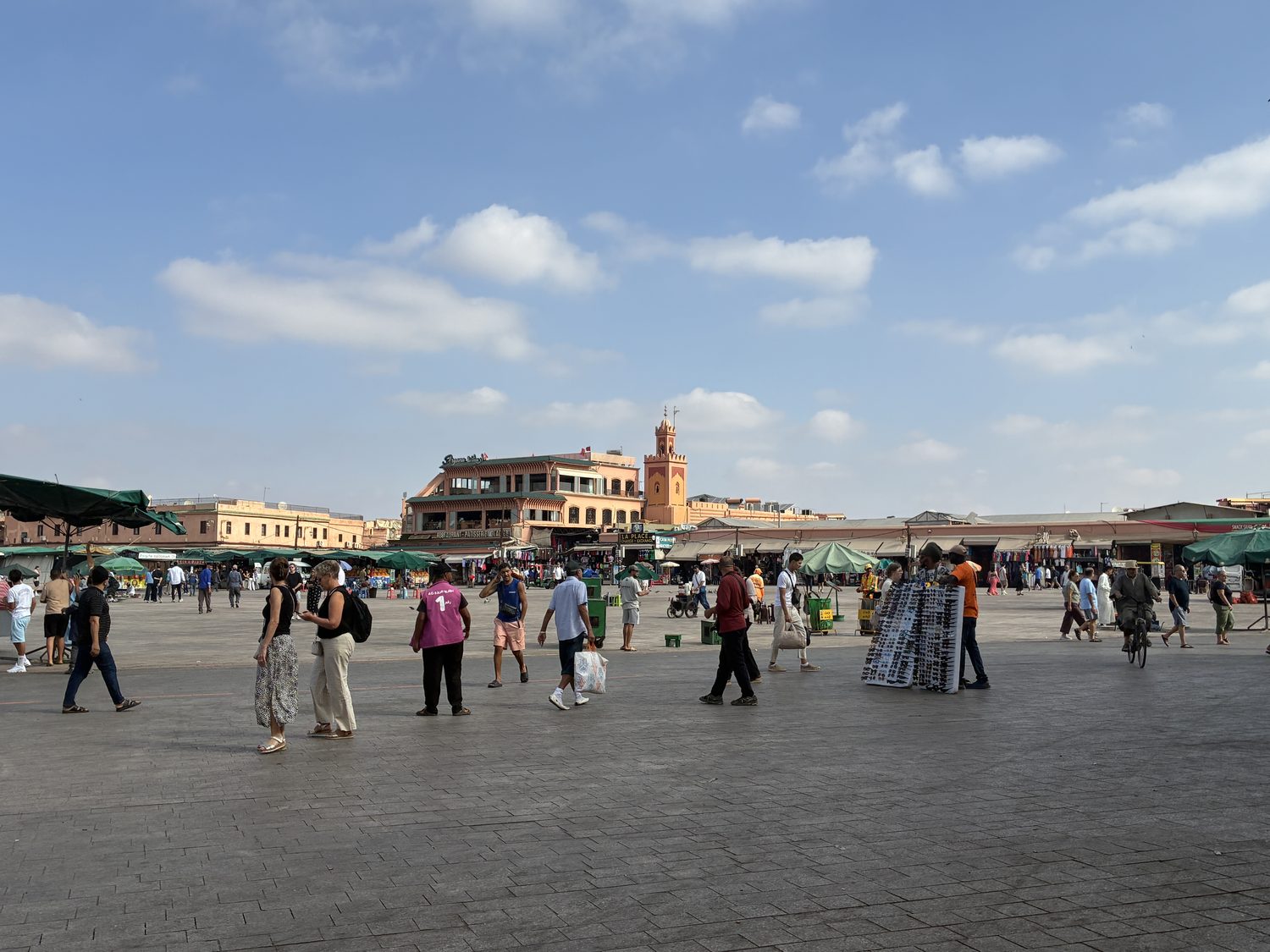
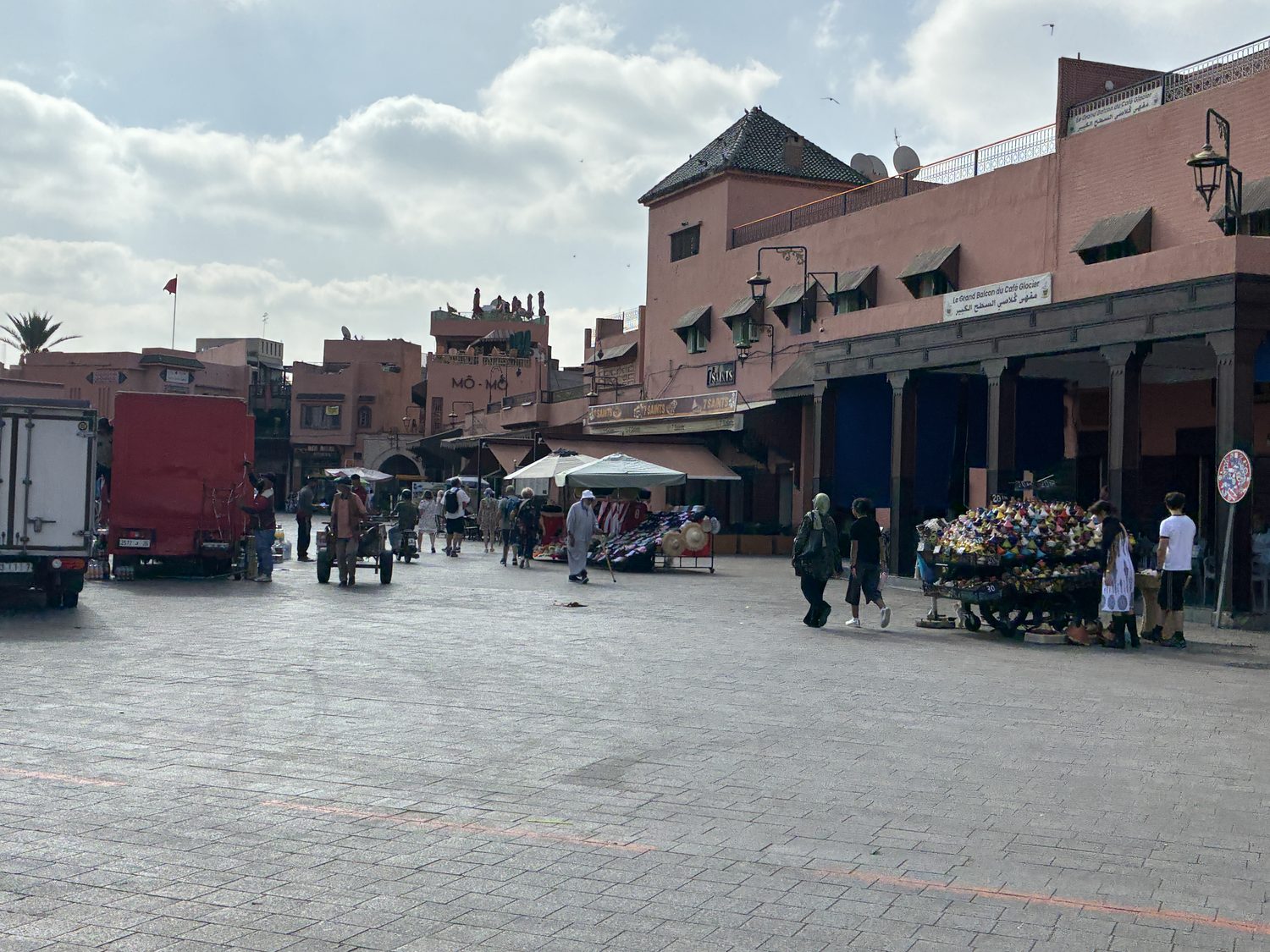
That said, I started my day by doing just that, using the internet as my guide, which usually pays off and performs well, but sometimes doesn’t. This morning, I had a bit of both. By the time I’d booked those back-to-back afternoon tours and put together an agenda for myself until the first walk at 2, it was almost 11, giving me three hours to toodle around on my own. The internet got it just right by sending me to the Secret Gardens, but not so well in having me visit a couple of other places I either couldn’t find, or couldn’t figure out when I got there.
One thing I haven’t mentioned until now is the level of poverty seen on the streets, not limited to just Morocco, of course, but with many of the developing countries/emerging economies I’ve visited. Although I haven’t seen a great many people on the streets, appealing to people passing by for money, there nonetheless have been plenty, and it is awful and heart wrenching to witness it. In many cases, these people are just sitting there, disengaged and seeming dejected and without much hope, just seeking whatever they can from those passing by. They also look like they need the help. It is too sad. The other thing I’ve noticed on this trip is the number of terribly disabled people I’ve seen, sometimes young children or teenagers being pushed in a wheelchair by a parent, and sometimes an adult child or other family member, often with serious disabilities from birth. In other cases, seeing adults with missing limbs or terribly disfigured, like a man I saw yesterday who was mostly torso, using his arms to get around. What must life be like for these people, and perhaps especially in a country where there may not be much government help. It It is beyond words.
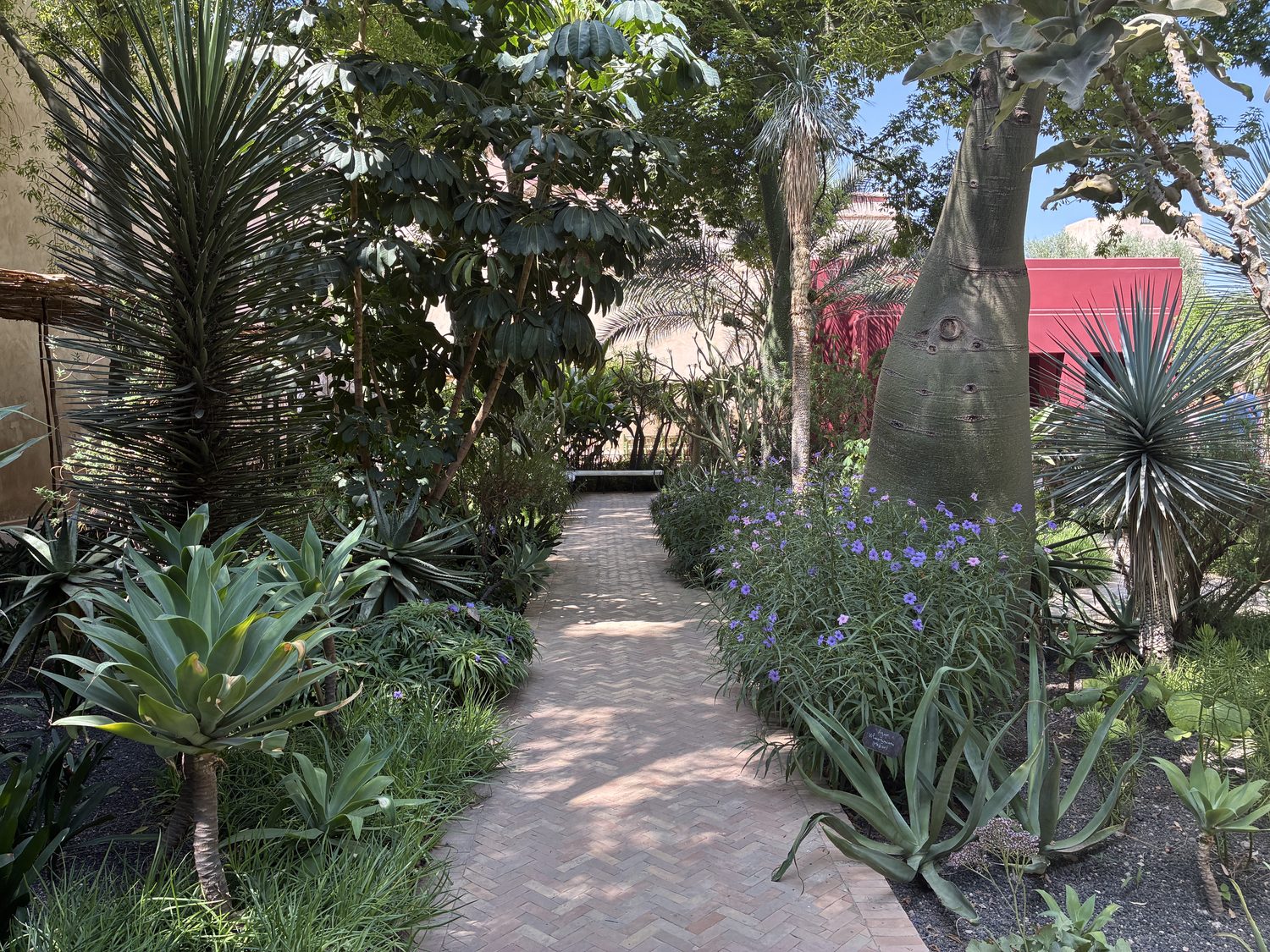
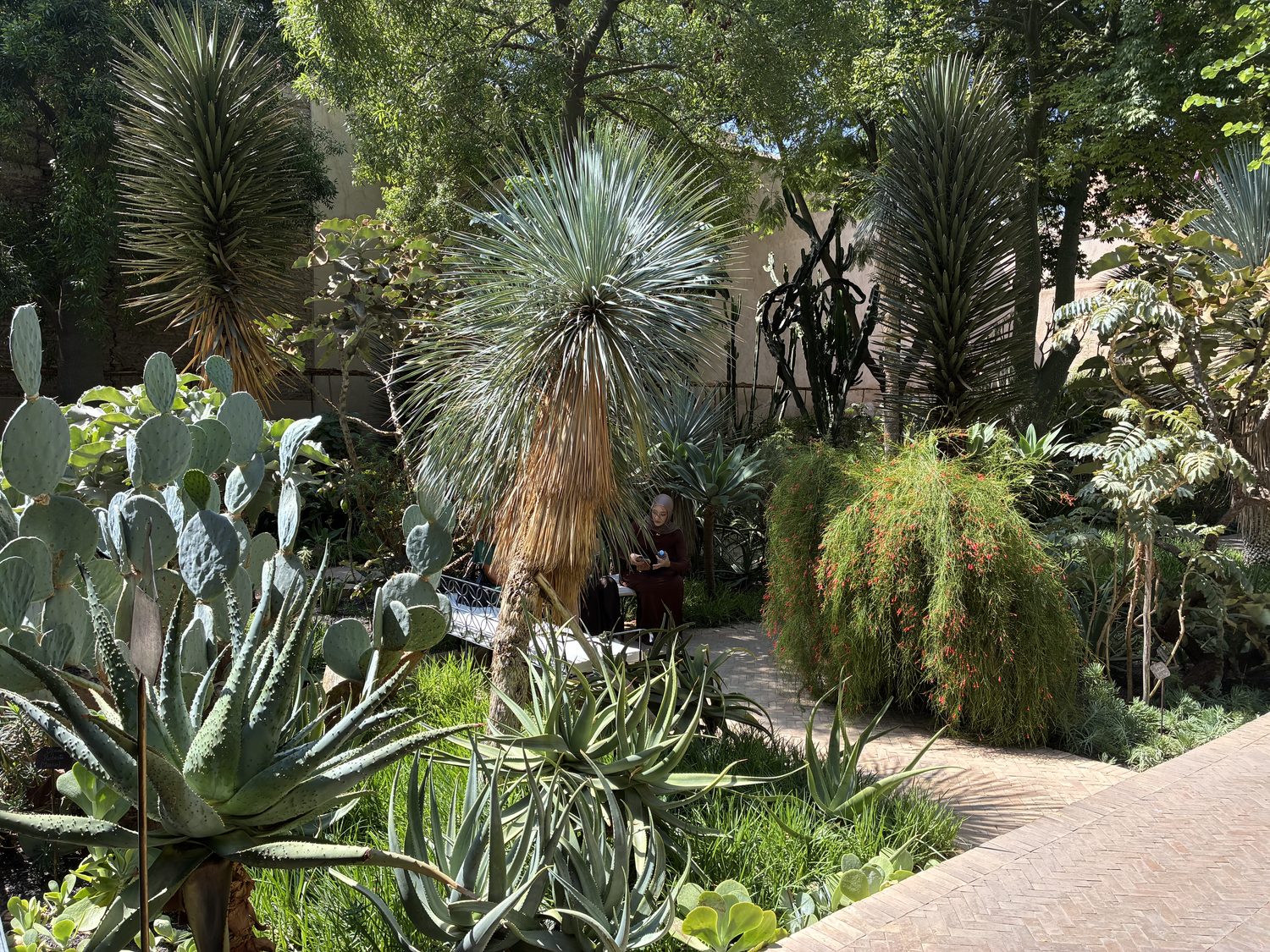
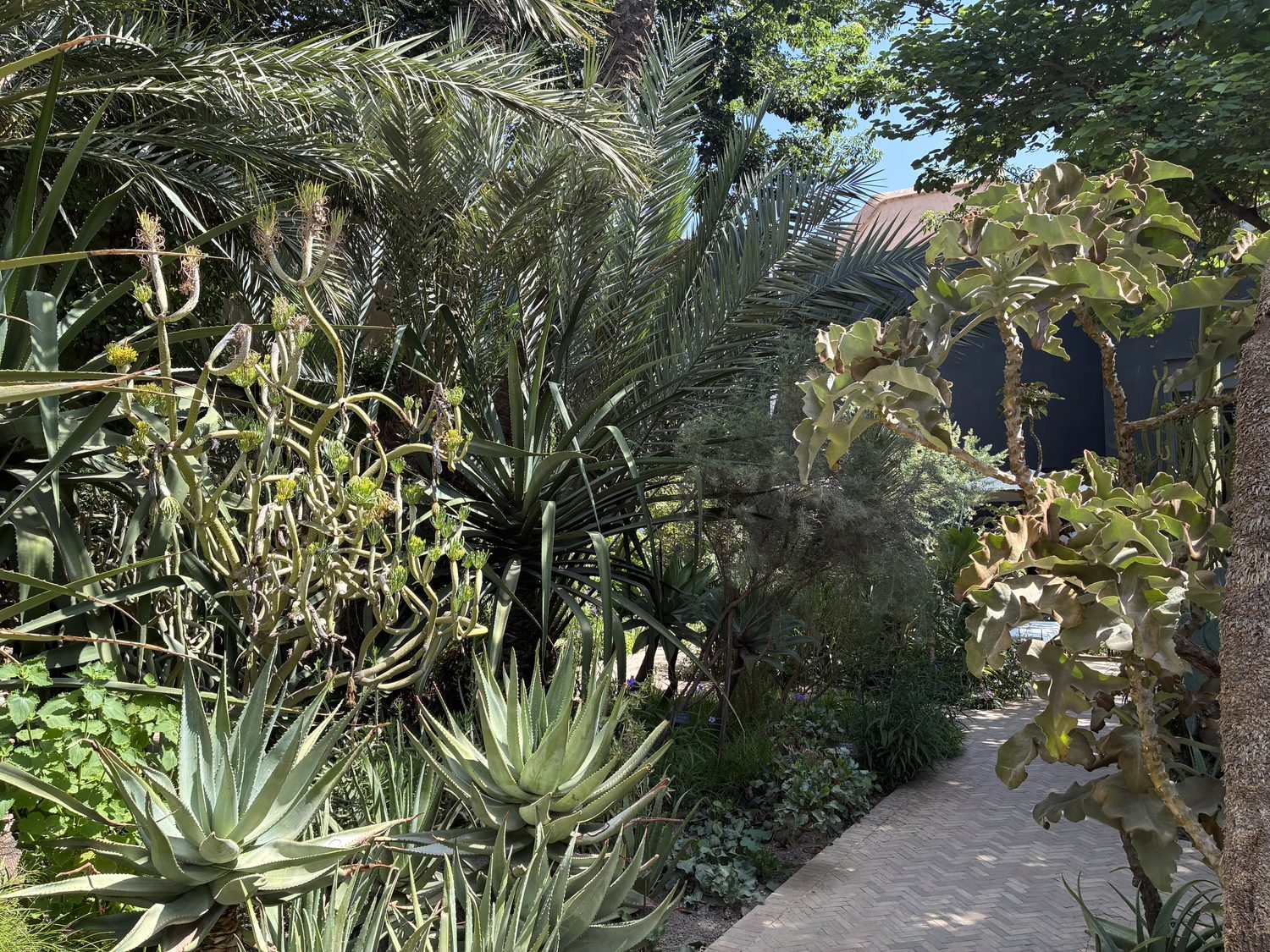
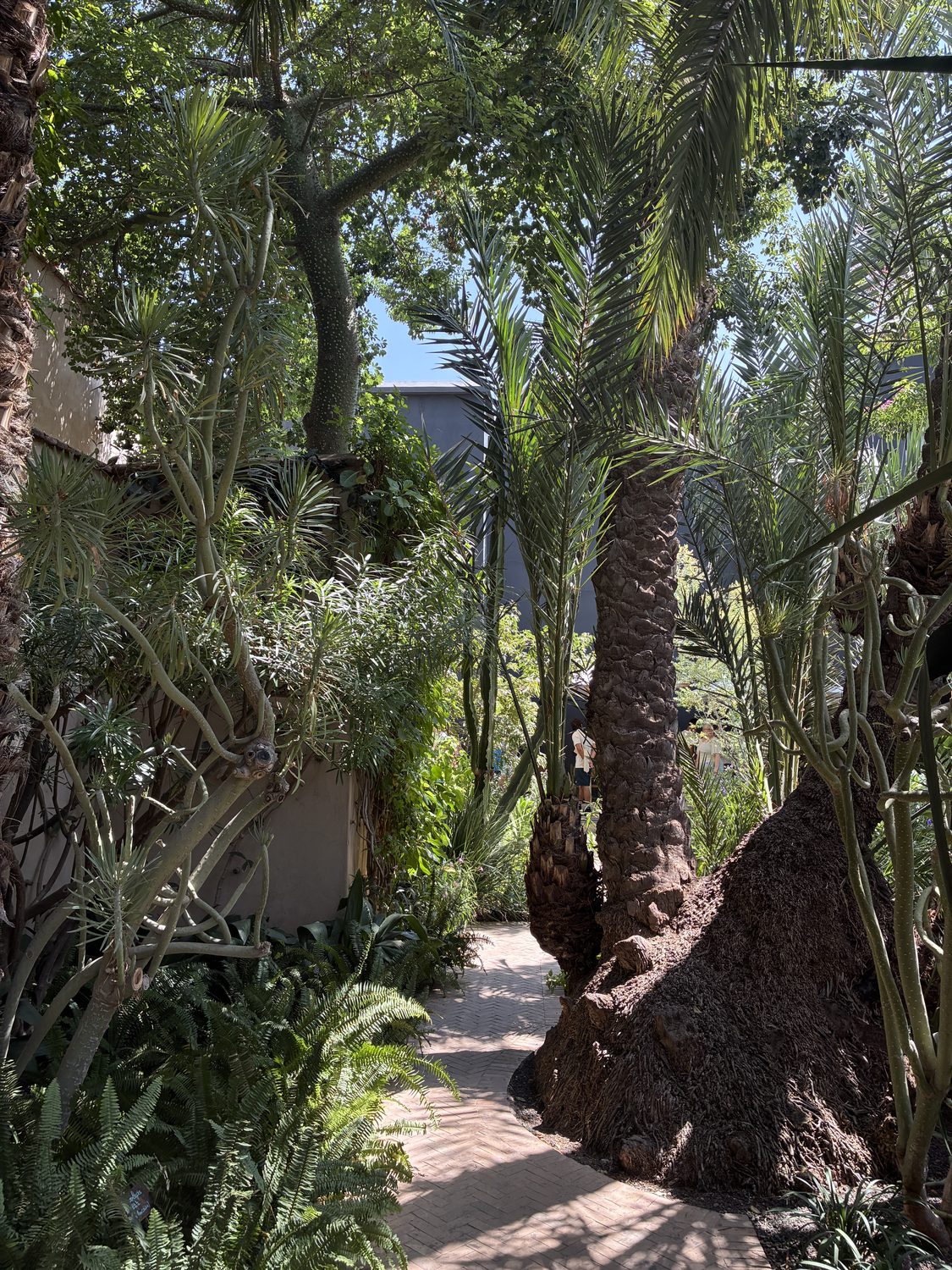
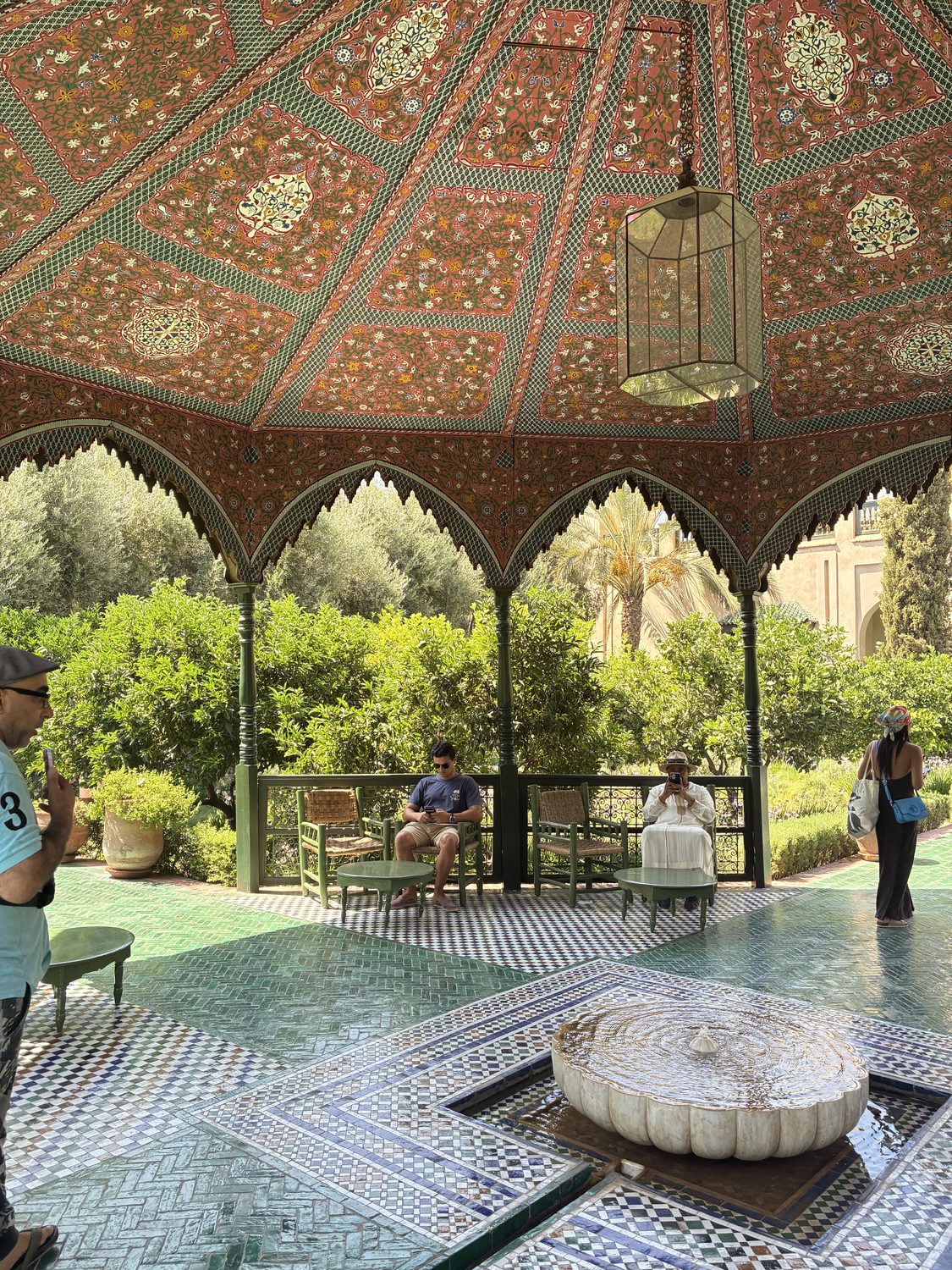
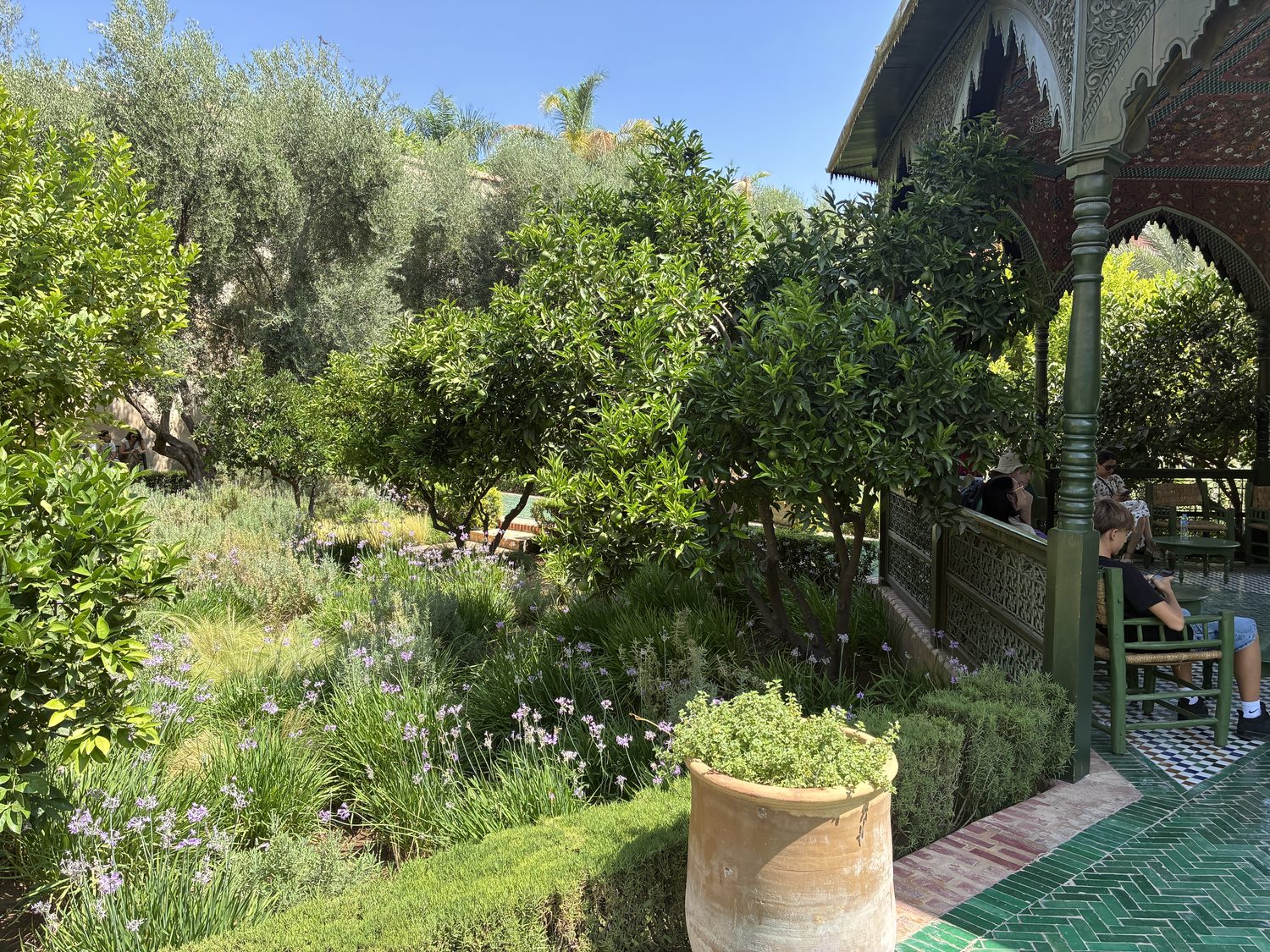
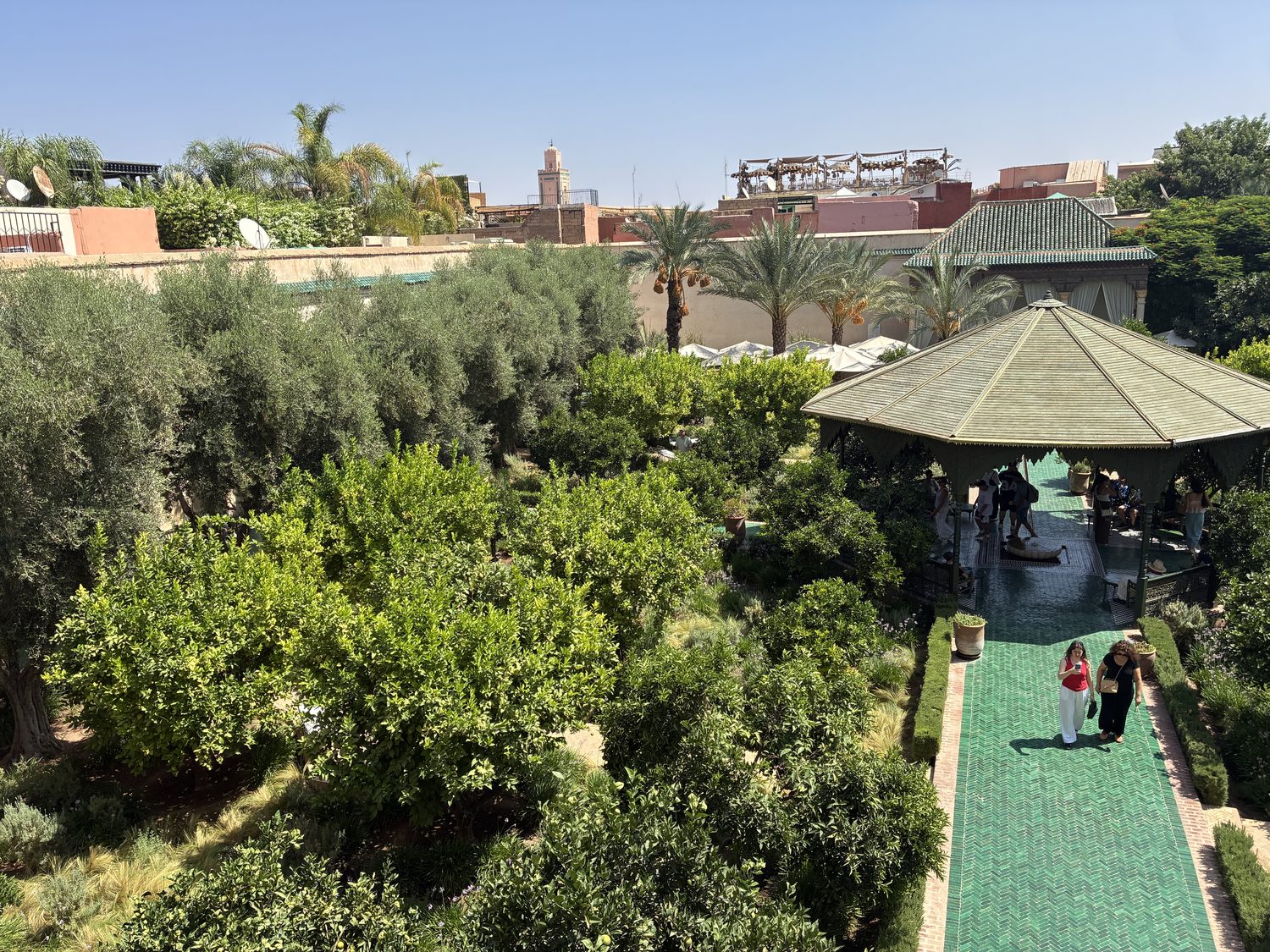
I again walked pretty much all day, starting around 11, and getting back to Riad Andalla around 8:30 in the evening, after getting some dinner in a small restuarant nearby (of which there are many). In the late morning, my first stop was the delightful and serene Le Jardin Secret, the Secret Garden in the Mouassine quarter of the Medina, which dates back to the 17th century, although much of what we see today stems from its 19th century reconstruction. The secret part of the garden is the fact that such a garden existed and exists in the middle of the medina, unseen from the outside and hidden by its walls. It’s not large, but large enough, and is lovely. I do have a thing for gardens.
I meandered around some more, following leads from the internet, which either didn’t prove of much interest, or I couldn’t actually find in the winding streets of the various souks that make up the medina market. Weather-wise, it was hot, of course, but as hot, hovering around the mid-80s,instead of around 97 degrees, as it has been.
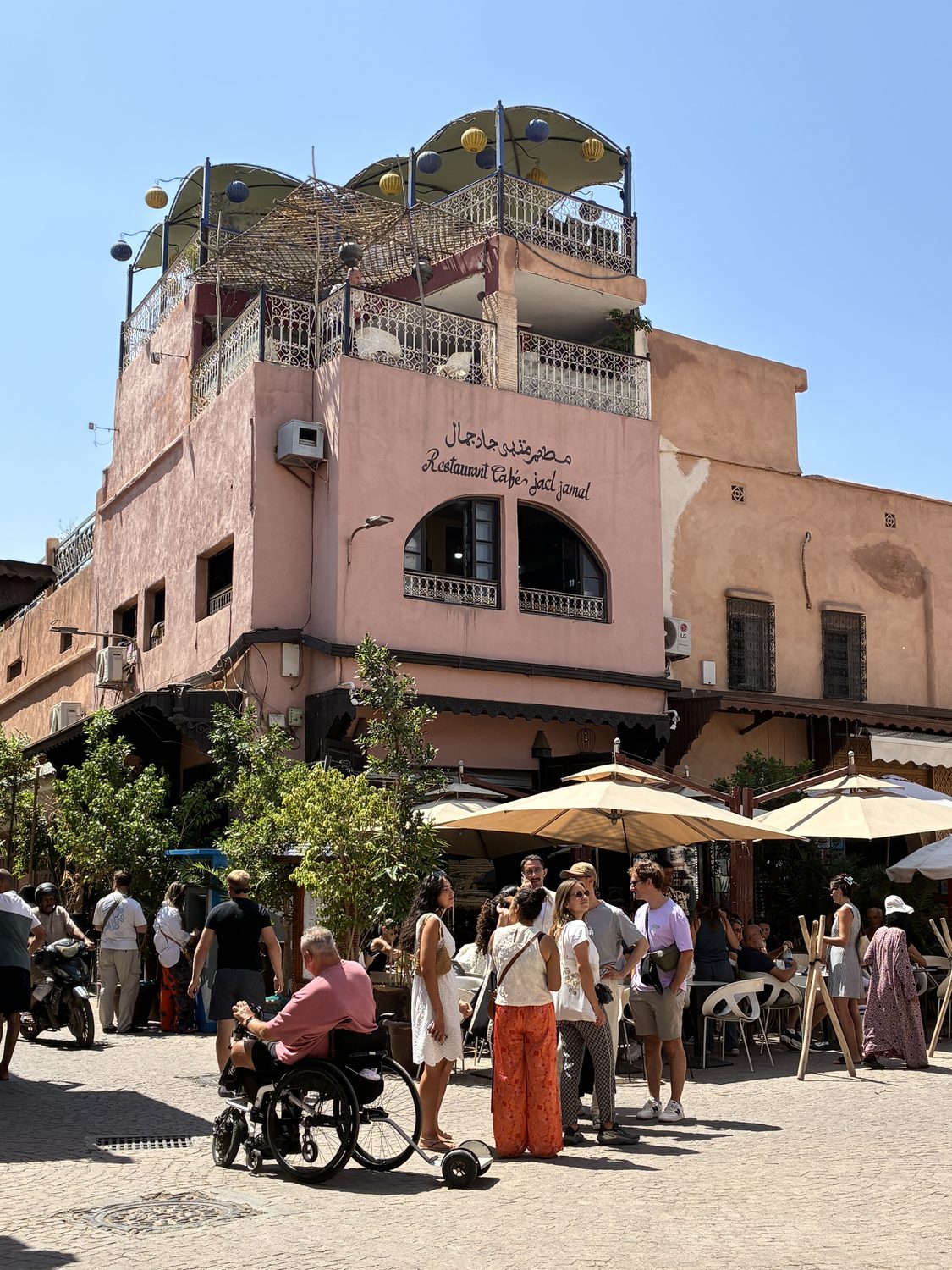
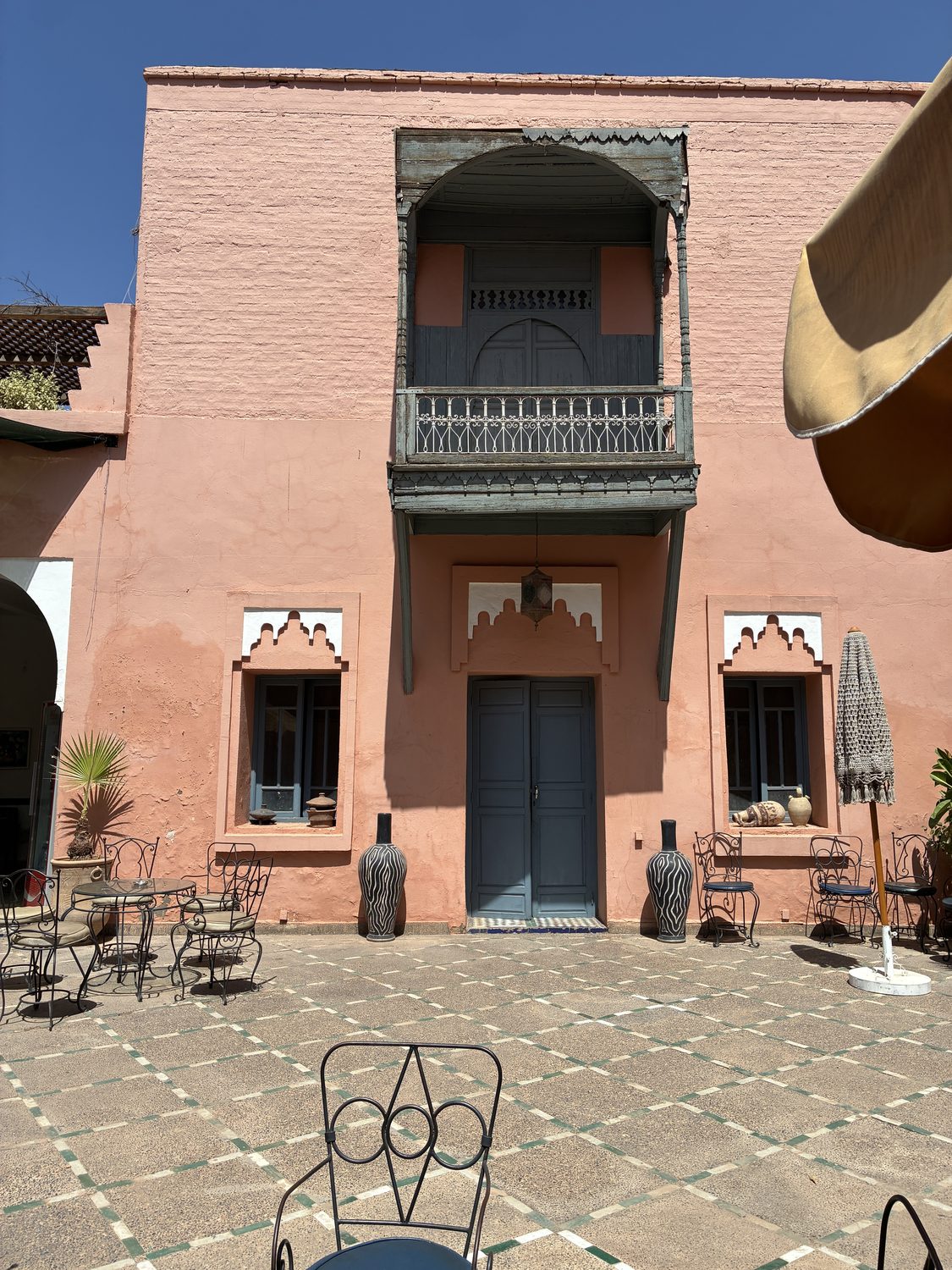
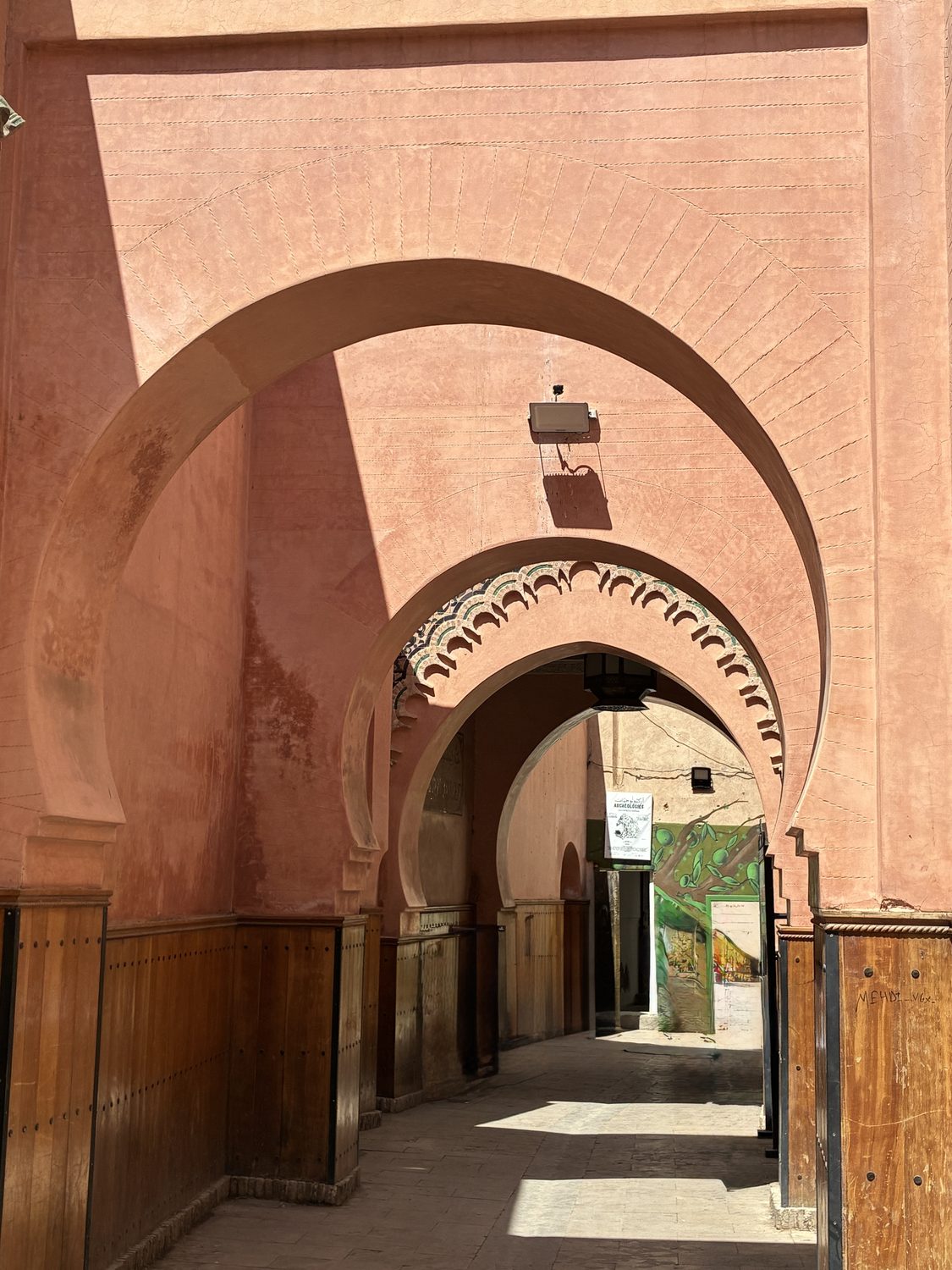
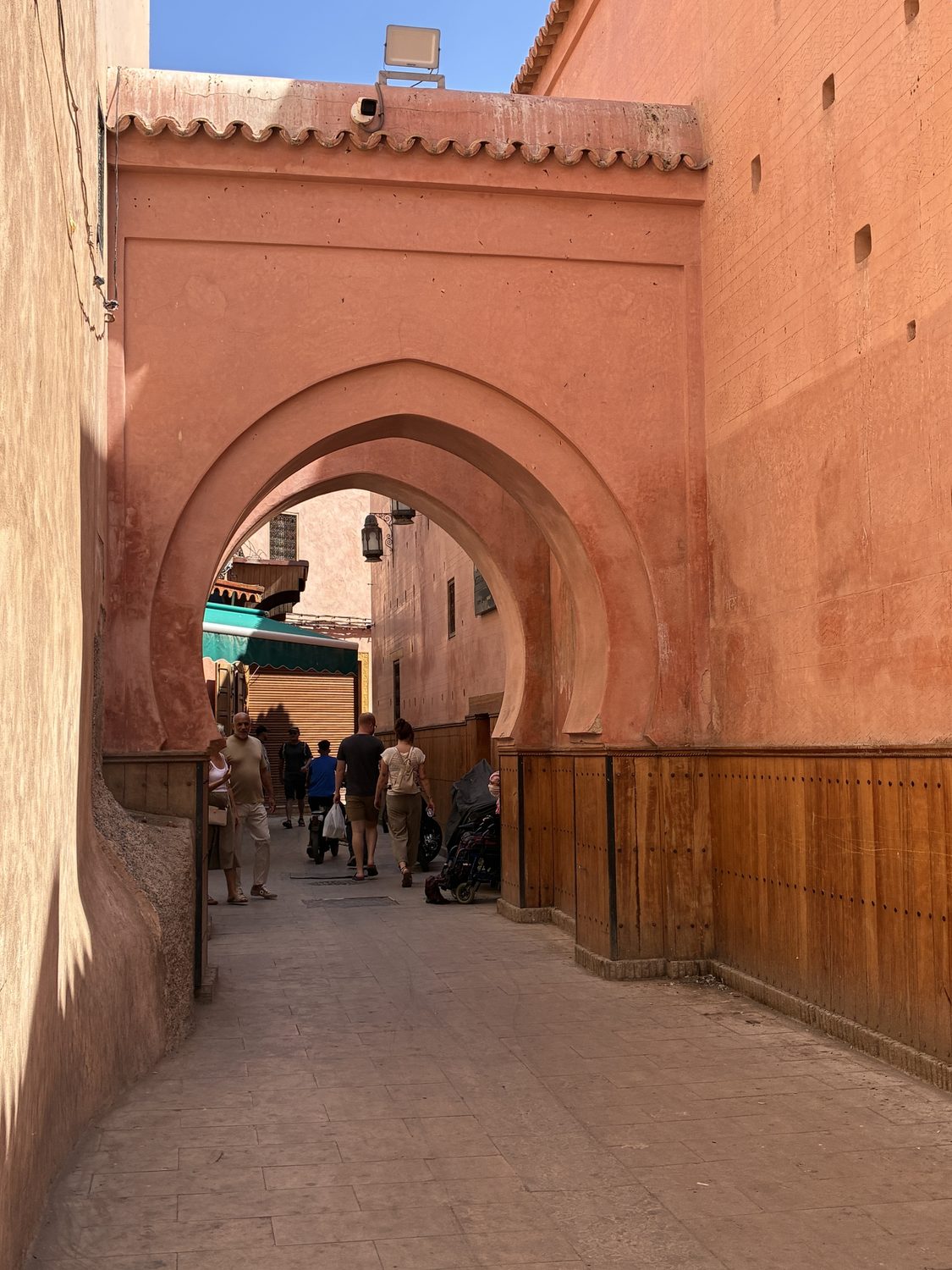
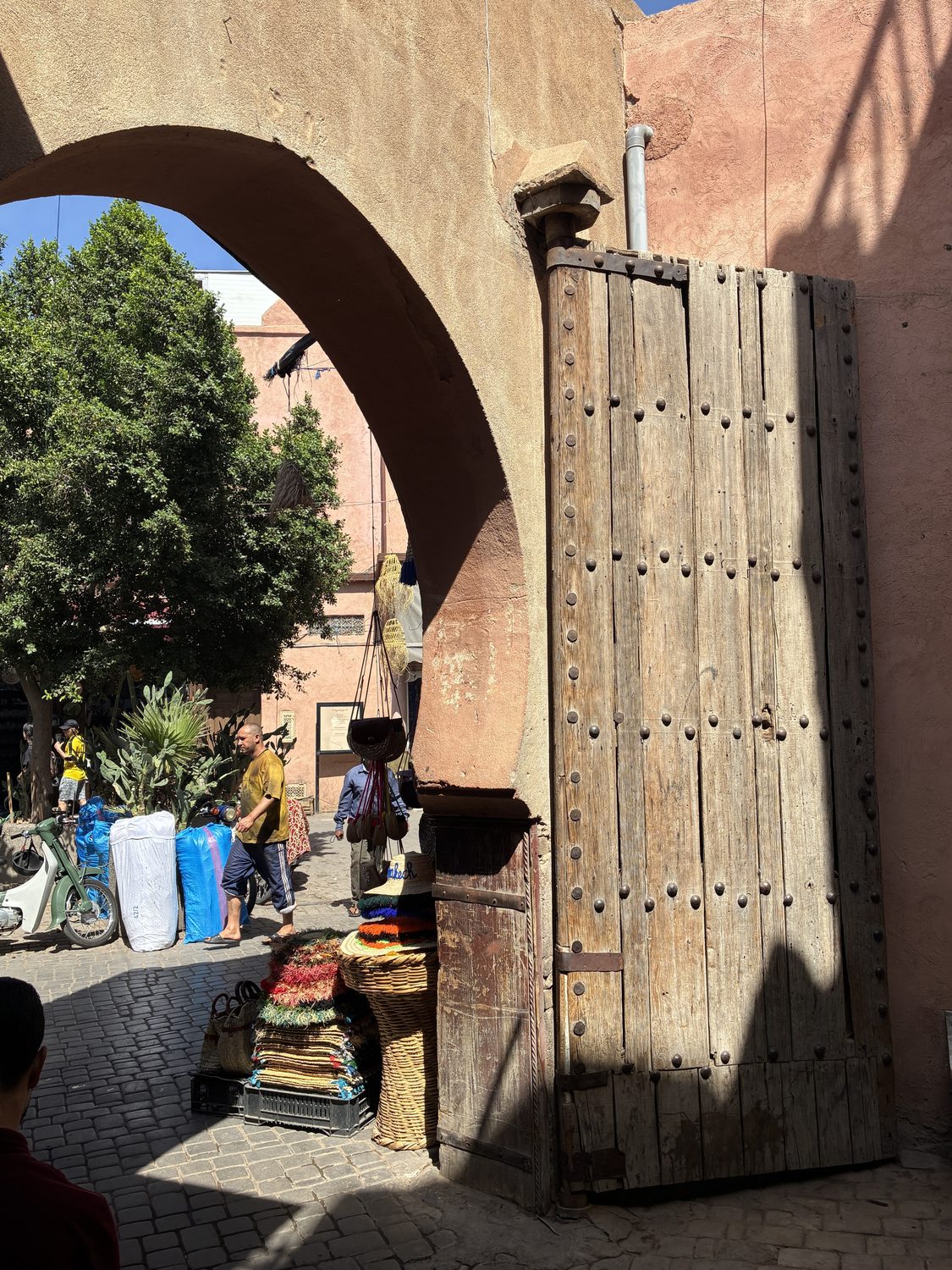
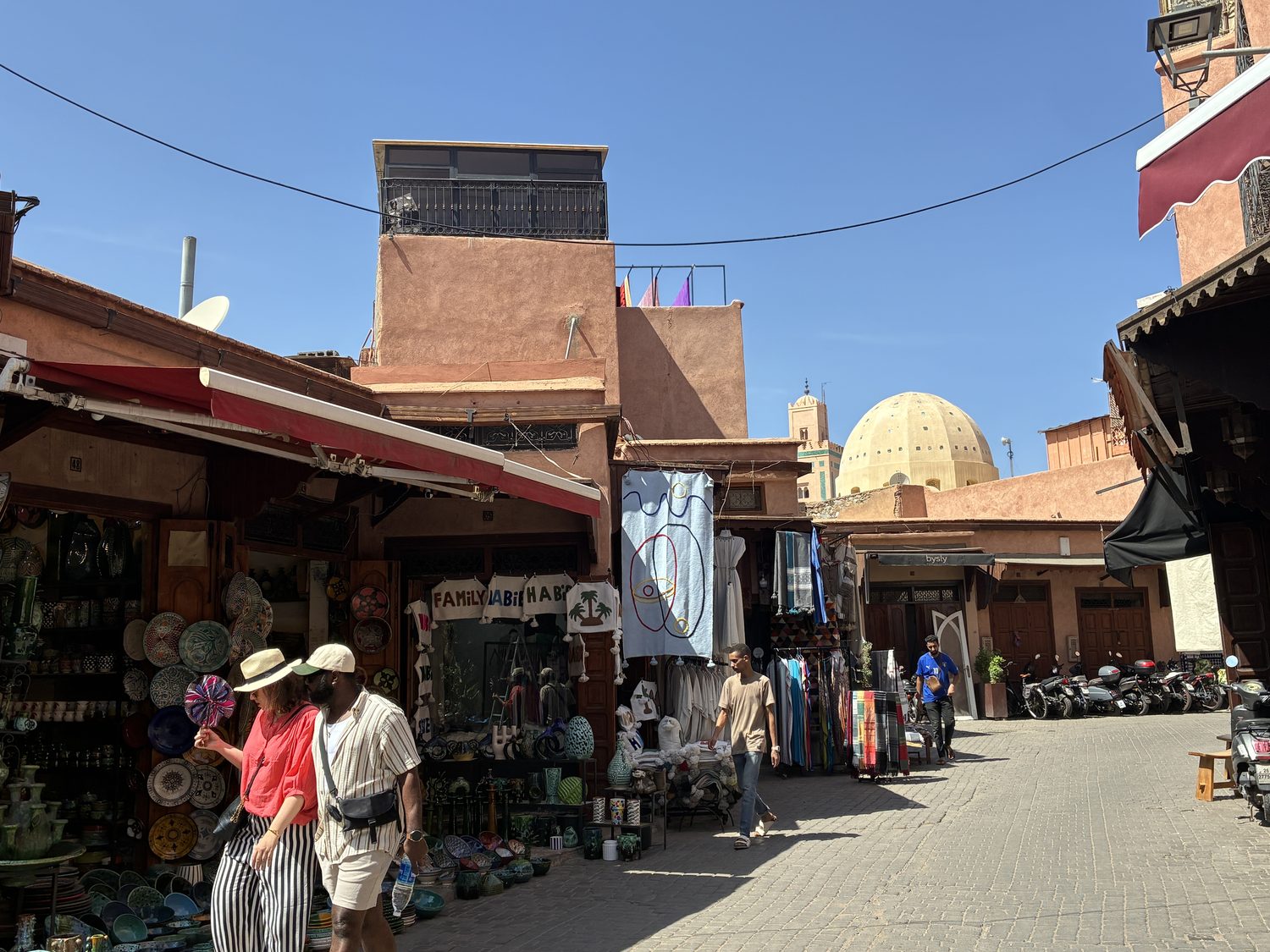
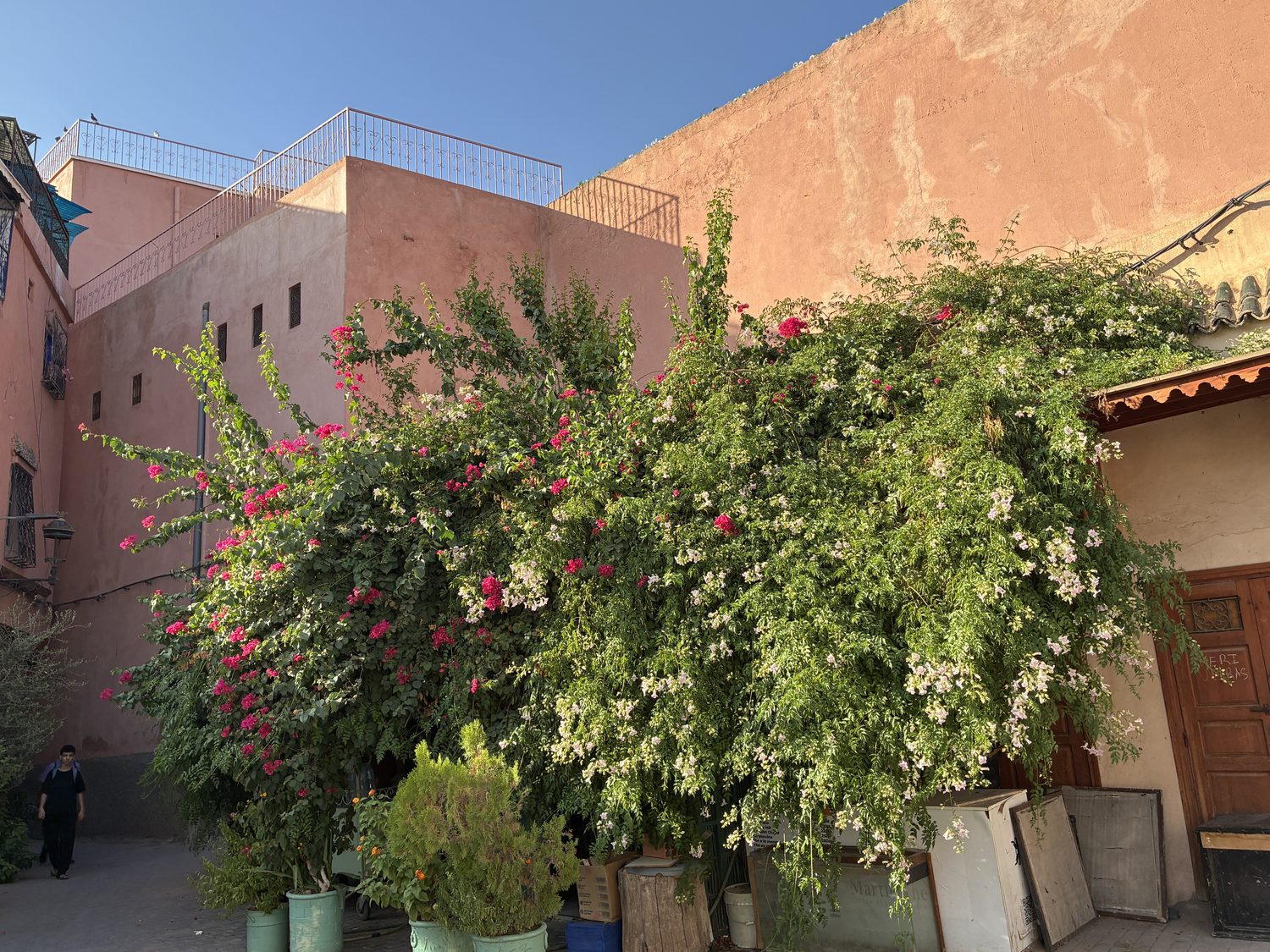
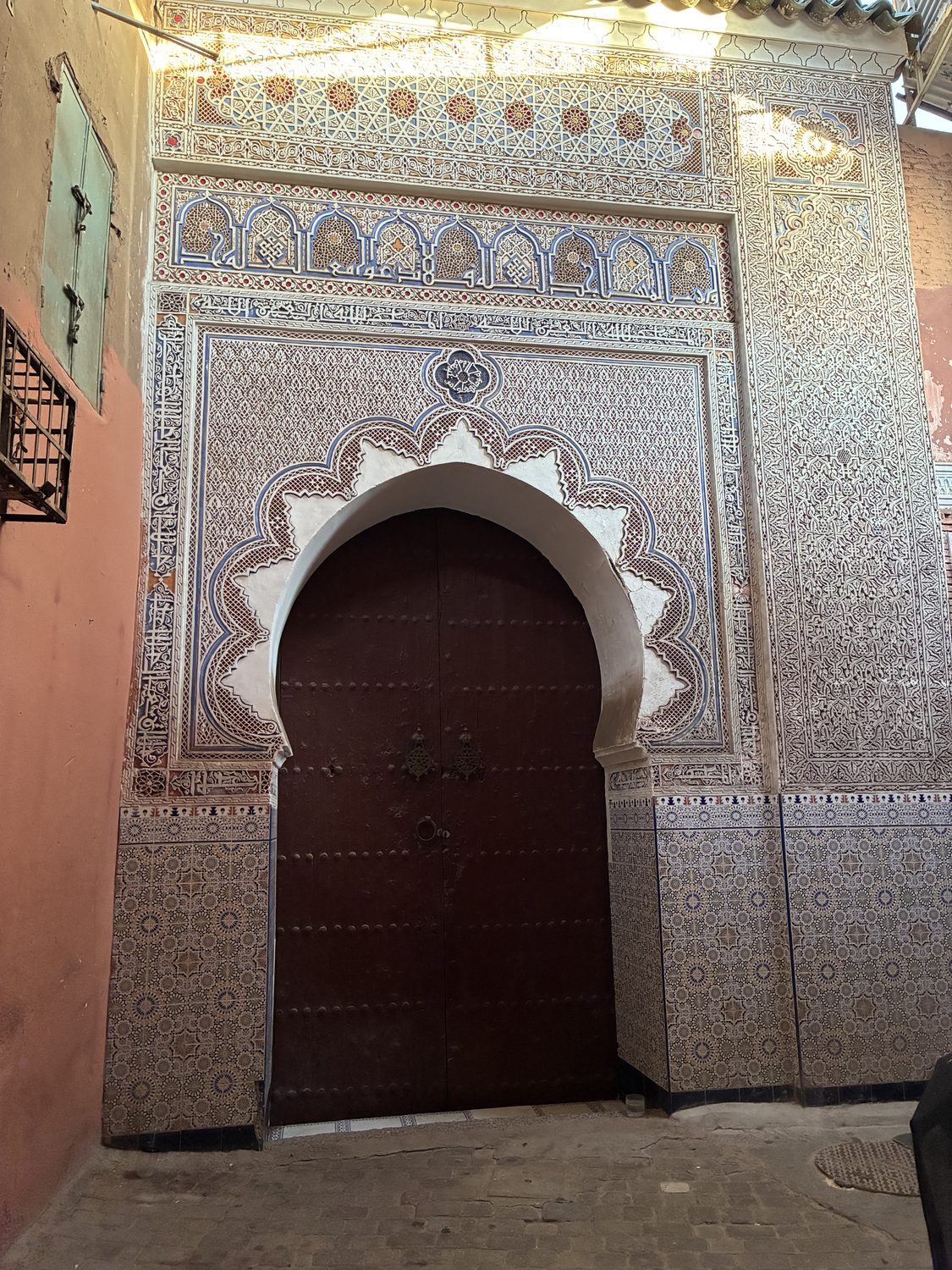
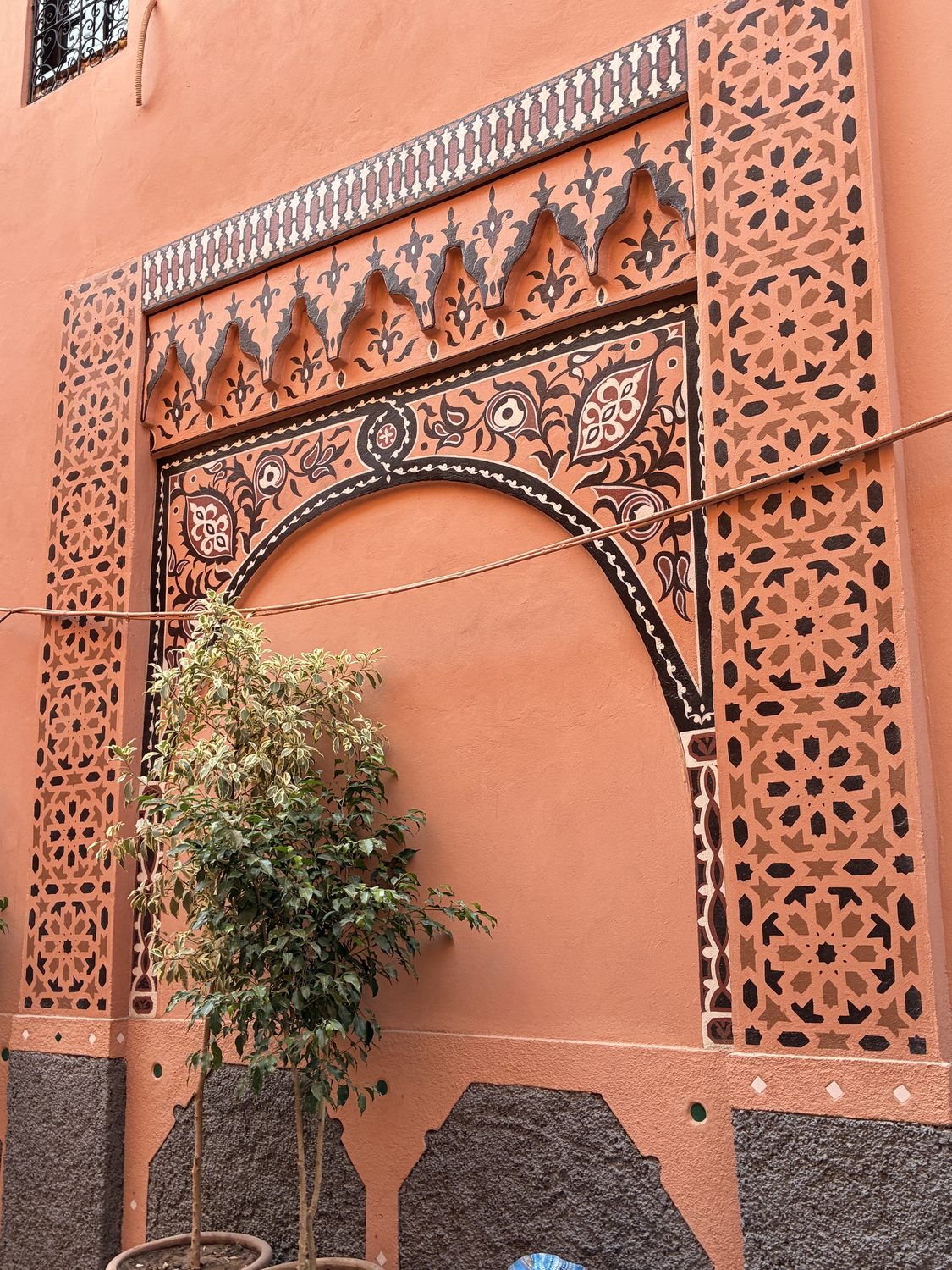
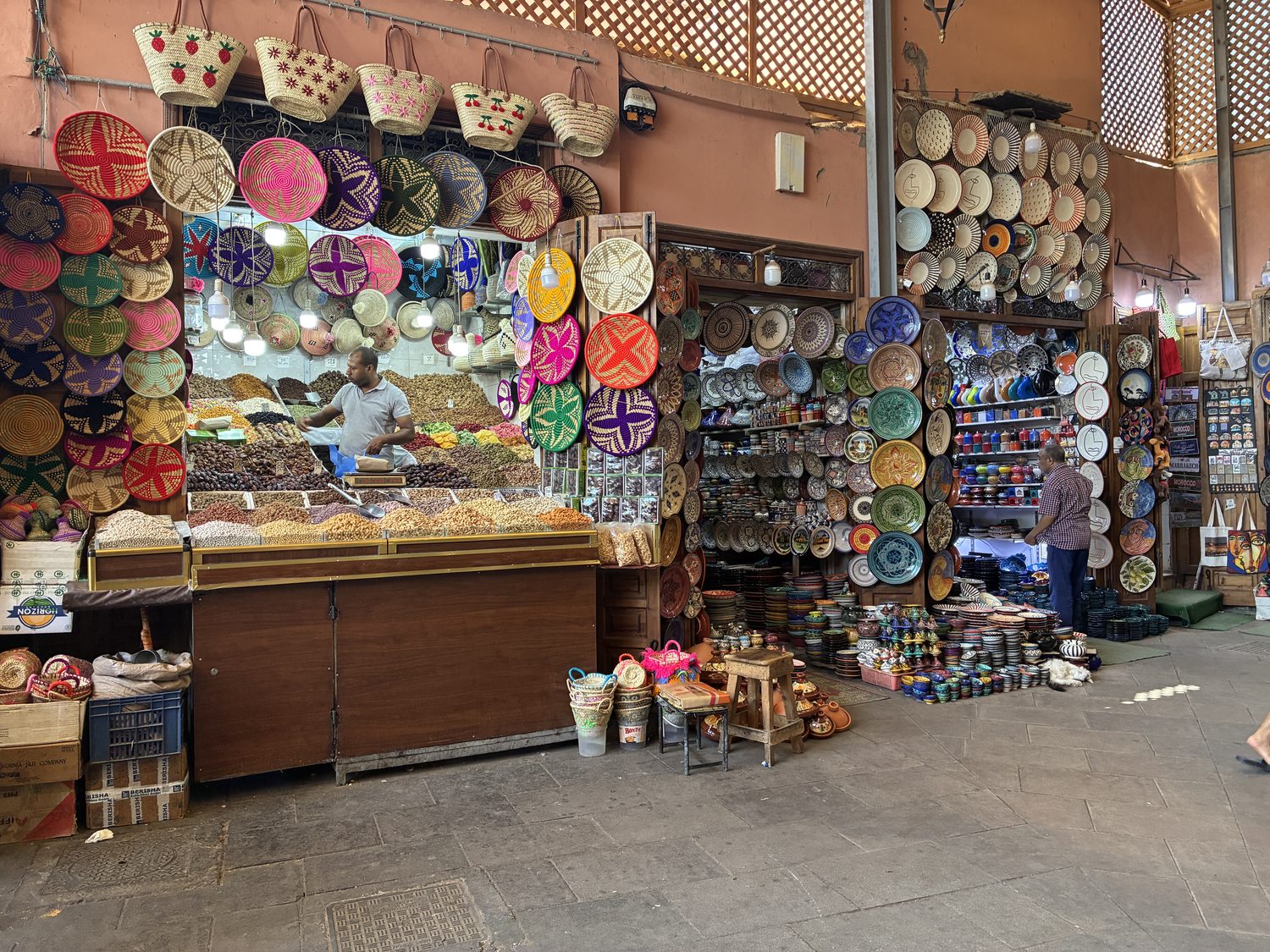
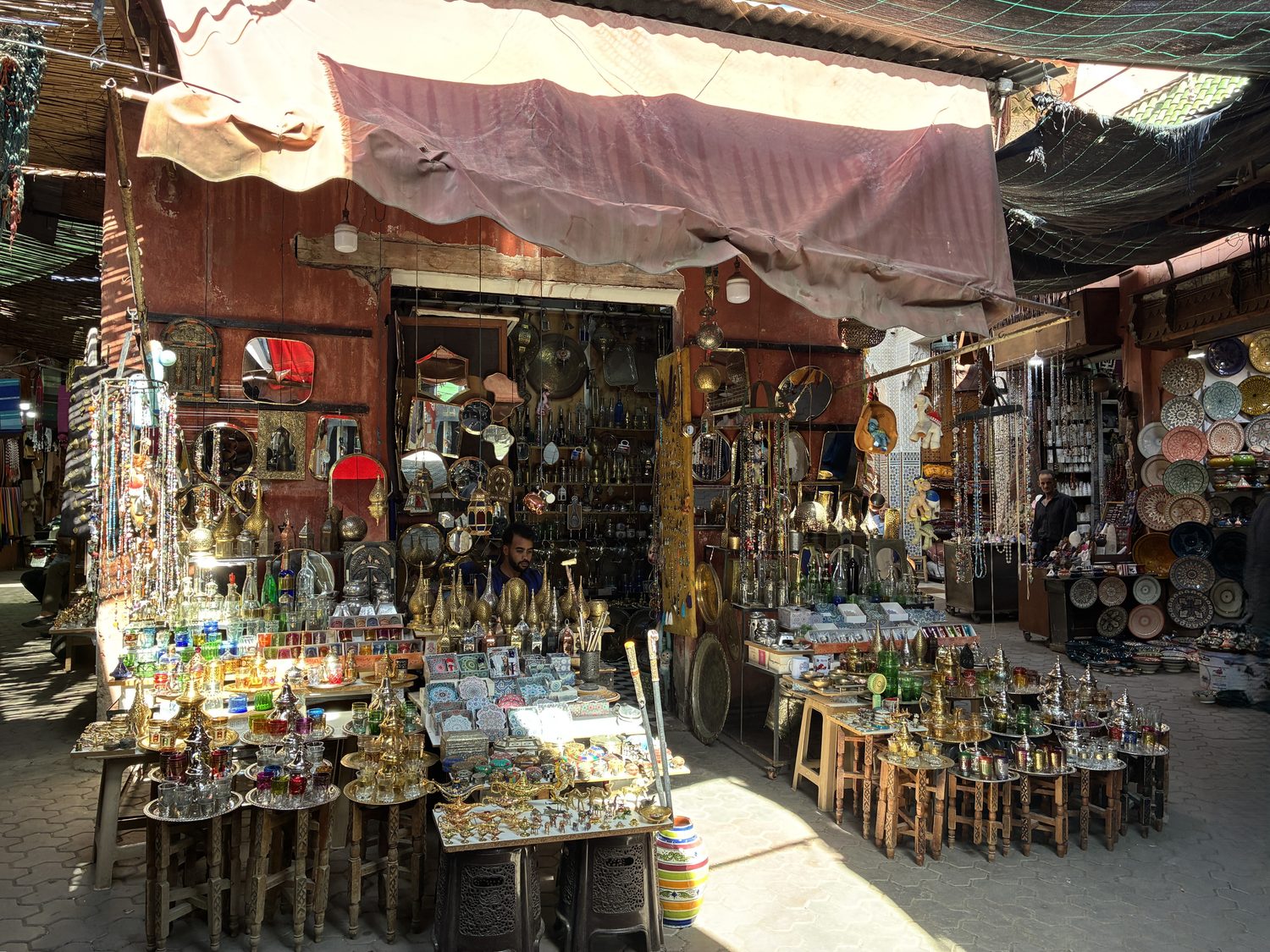
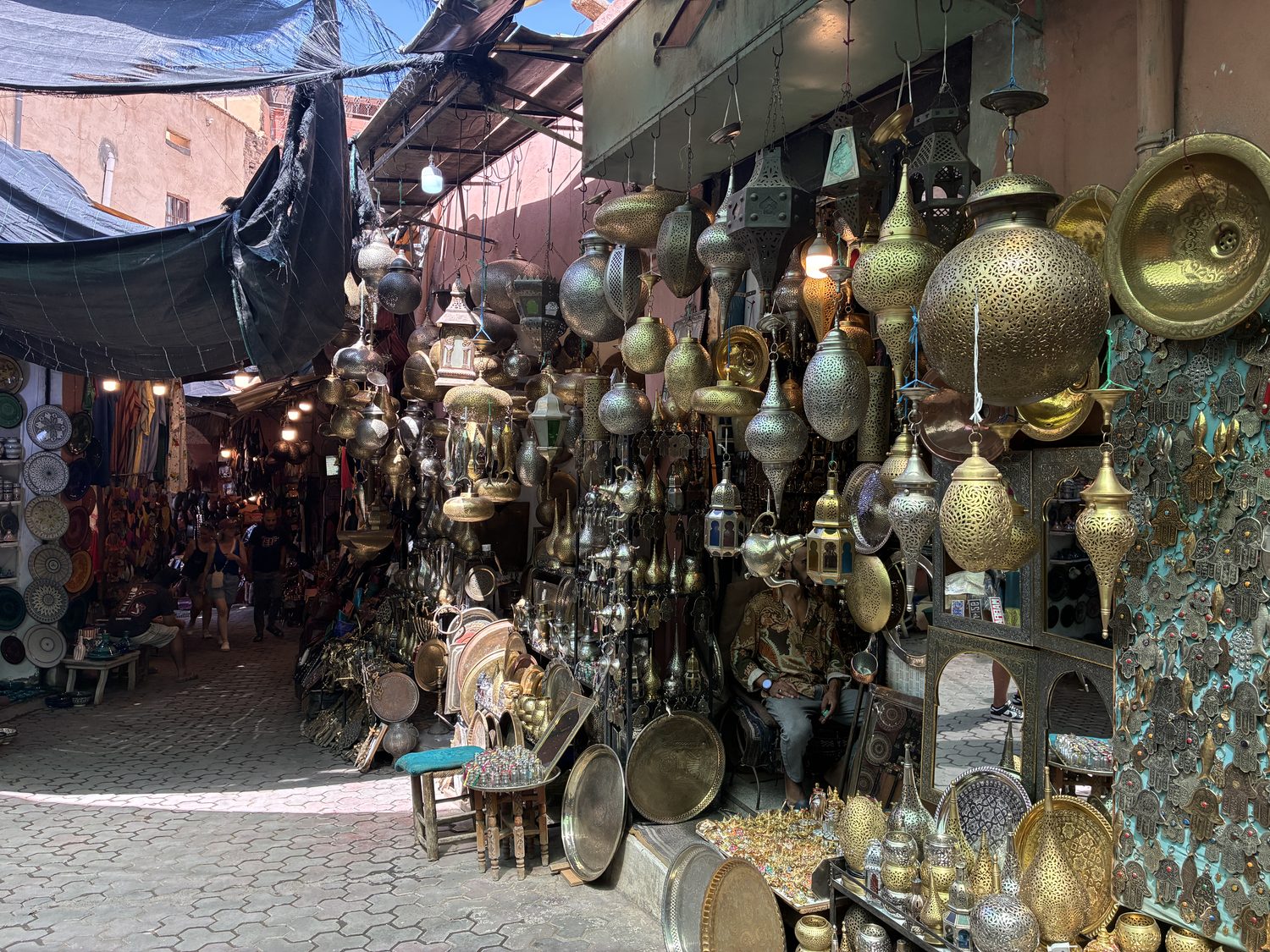
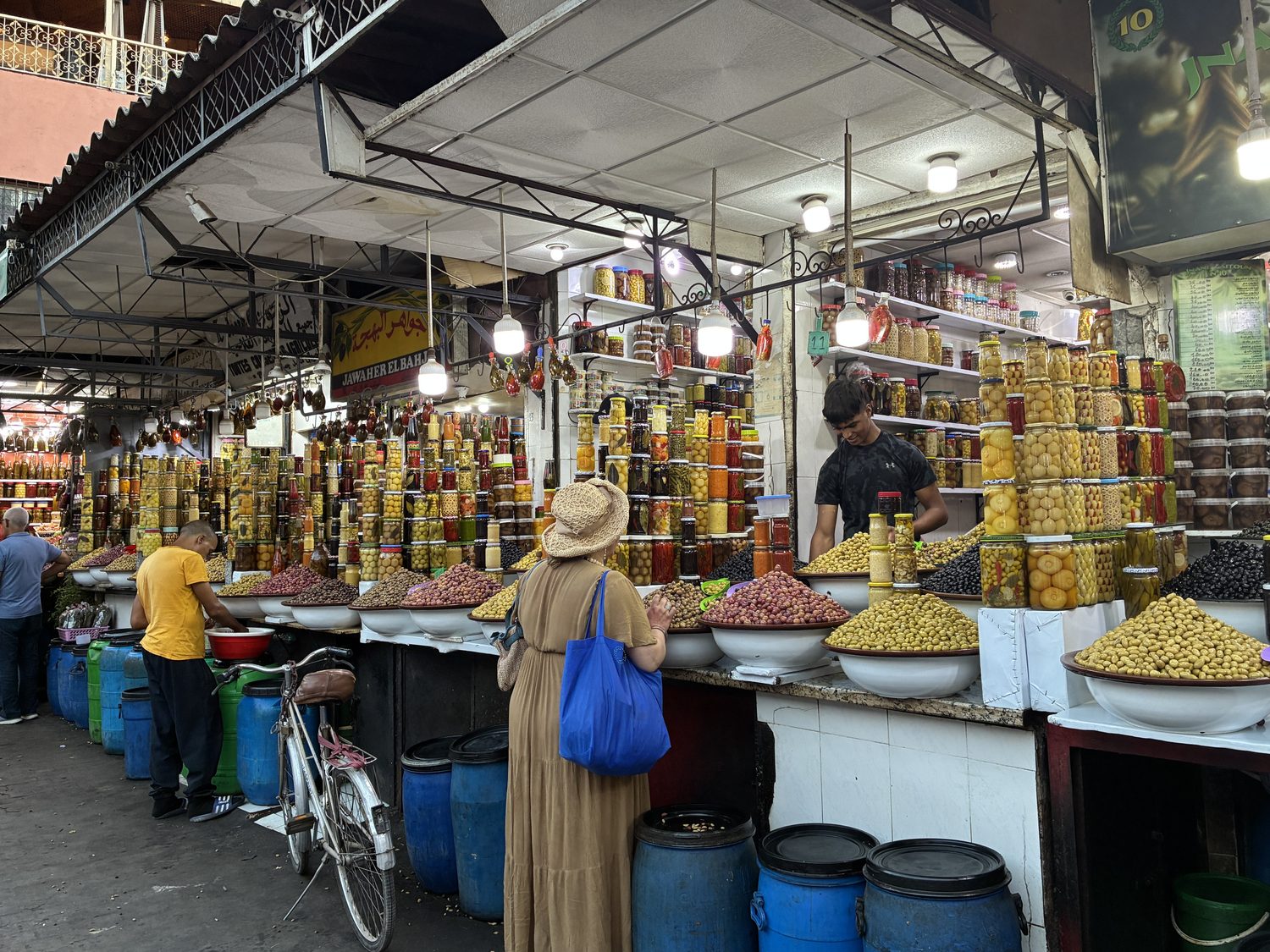
About the souk, I learned, as the day went on and my two tours unfolded, that there are around fifty individual souks, and sometimes souikas, which are smaller souks, that all interconnect with one another to form the larger market, and these are entirely shopping areas, with no residences.
Like the streets in Hanoi, which are named for the specialty businesses and shops that once dominated and operated on those streets, the same is true for the individual souks, such as Souk Semmarine for textiles and clothing, Souk Cherratine for leatherworkers, and Souk Attarine for herbs, spices, and perfumes. There are perhaps twenty such specialty souks, although many have lost their specialty, like Souk Haddadine, which was once where blacksmiths shod horses. Other souks still maintain a concentration of their specialty stores, as was also true in the Fes souks, but now include a far greater range of shops. Overall, though, the souk it is one giant and continuous marketplace, selling goods of every kind. And like the much older and more decrepit Fez souk, the Marrakesh souk is a UNESCO World Heritage site, protected against significant change and retaining its ancient roots and character.
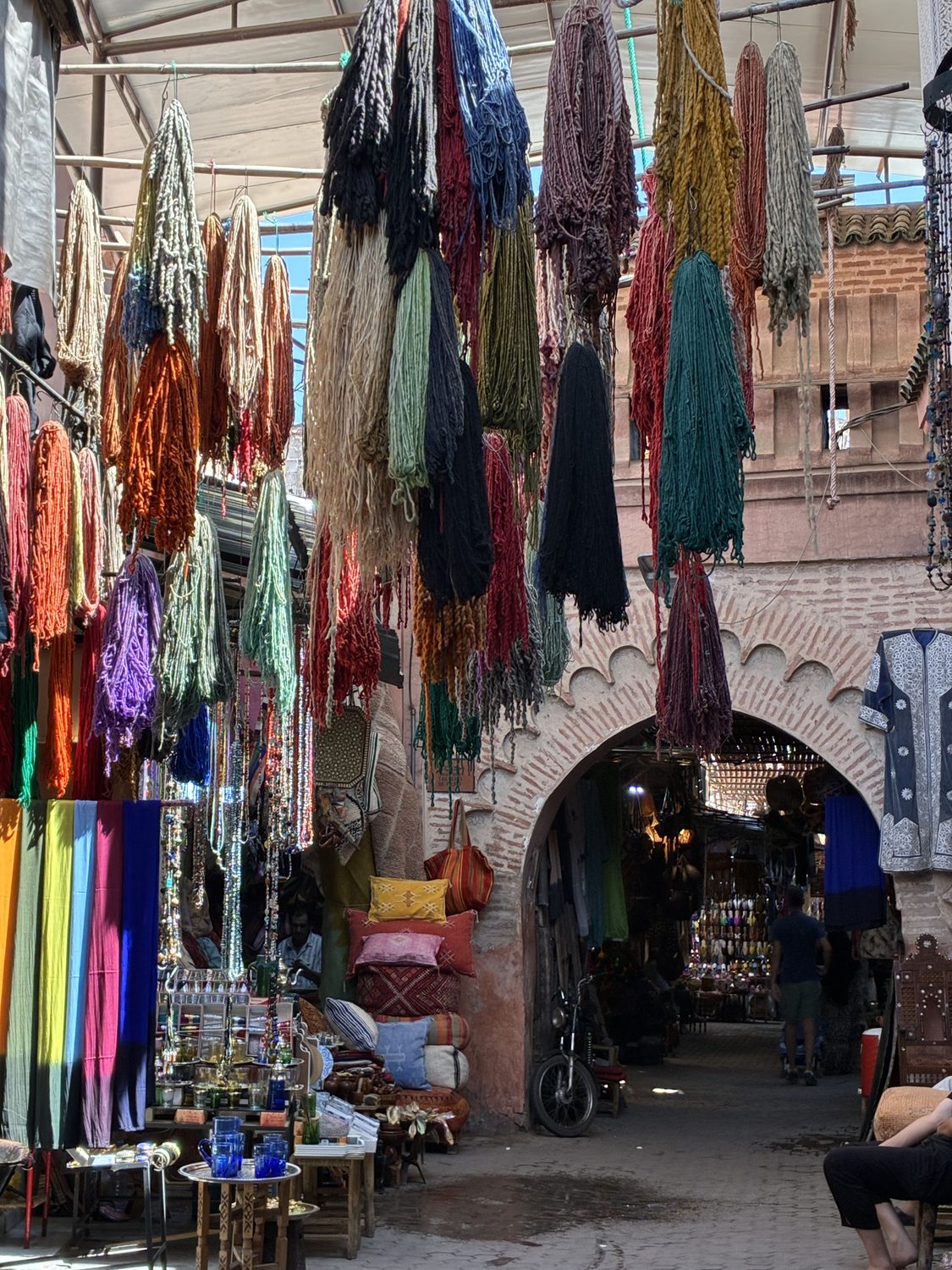
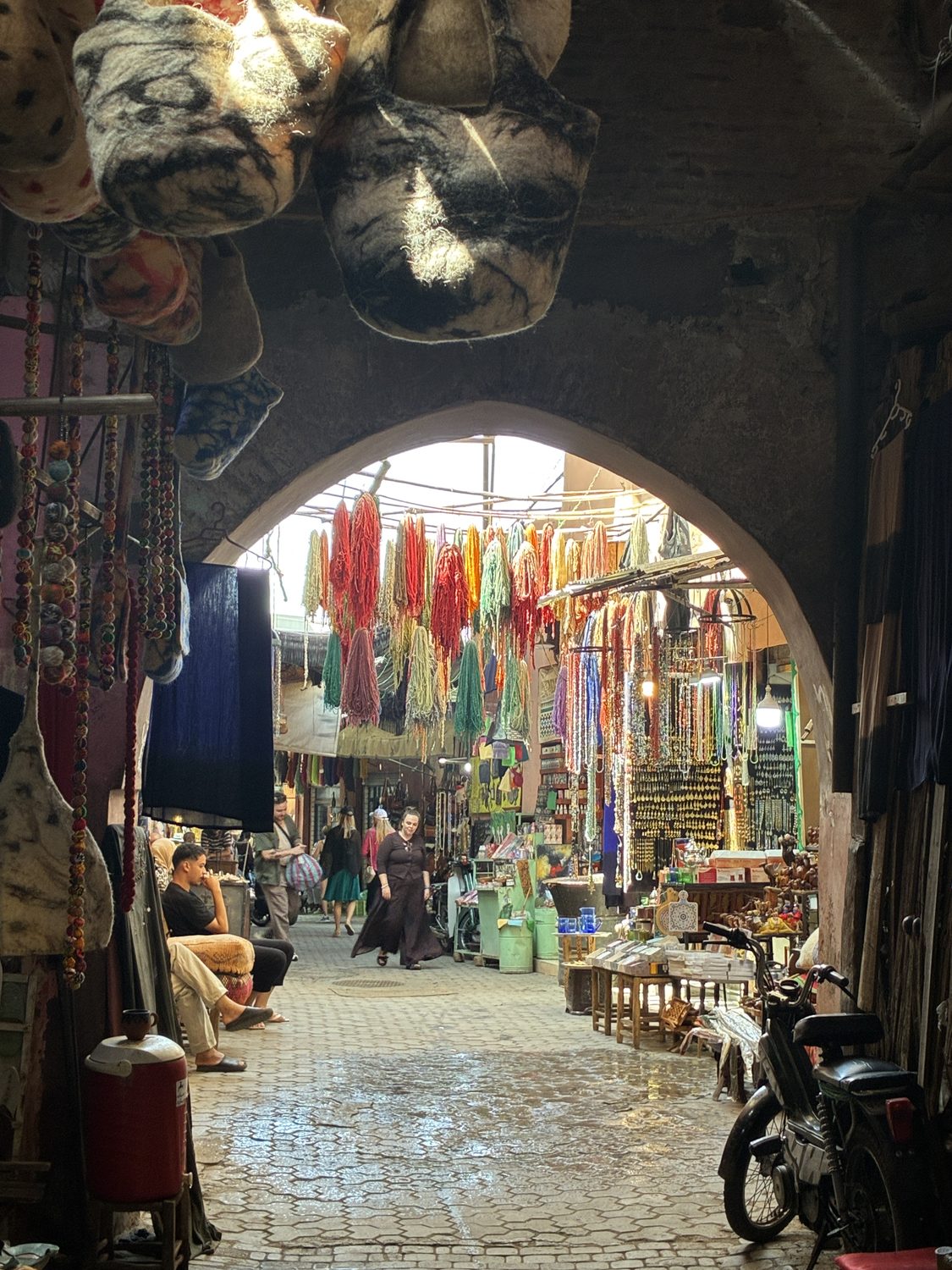
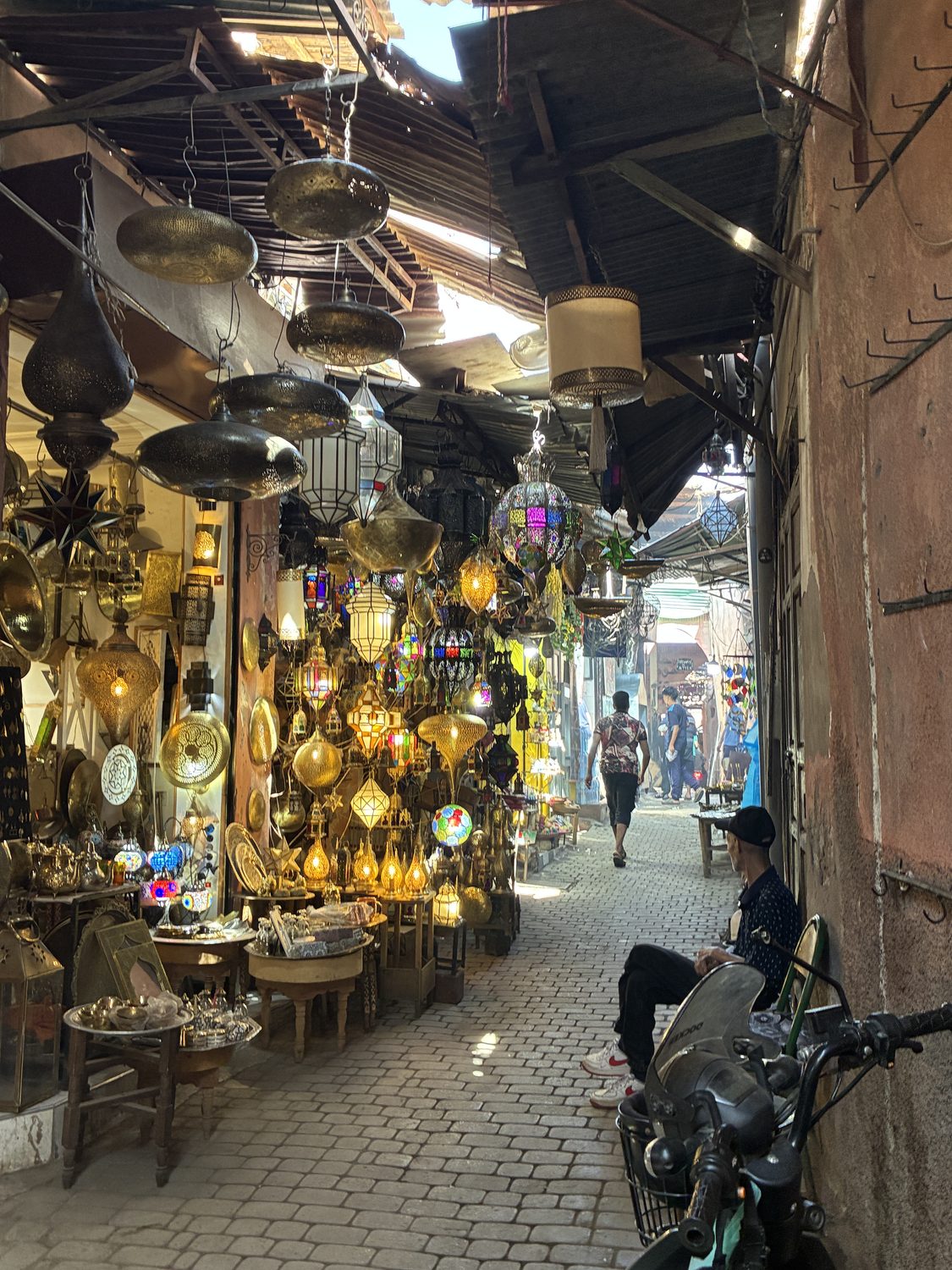


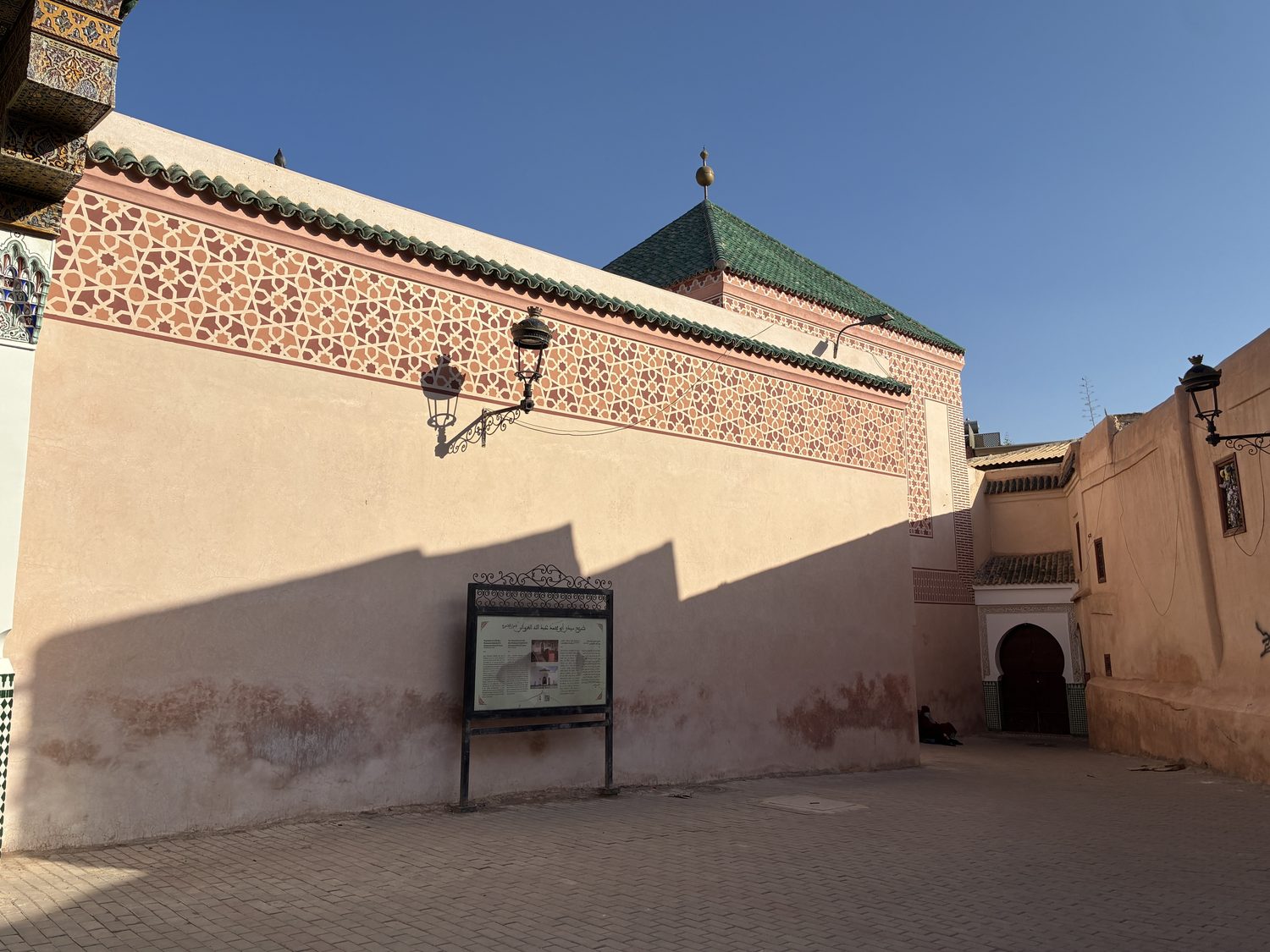
One thing about the medieval character of these cities and their medinas is that, of course, they haven’t changed much in their one thousand or so years of existence. London is a much older city, dating back two thousand years, but it looks entirely different now, with few exceptions, whereas these Moroccan cities, which are half the age of London, seem so much more ancient precisely because they haven’t changed. The same buildings. The same streets. They are incredible because in many respects they have remained frozen in time.
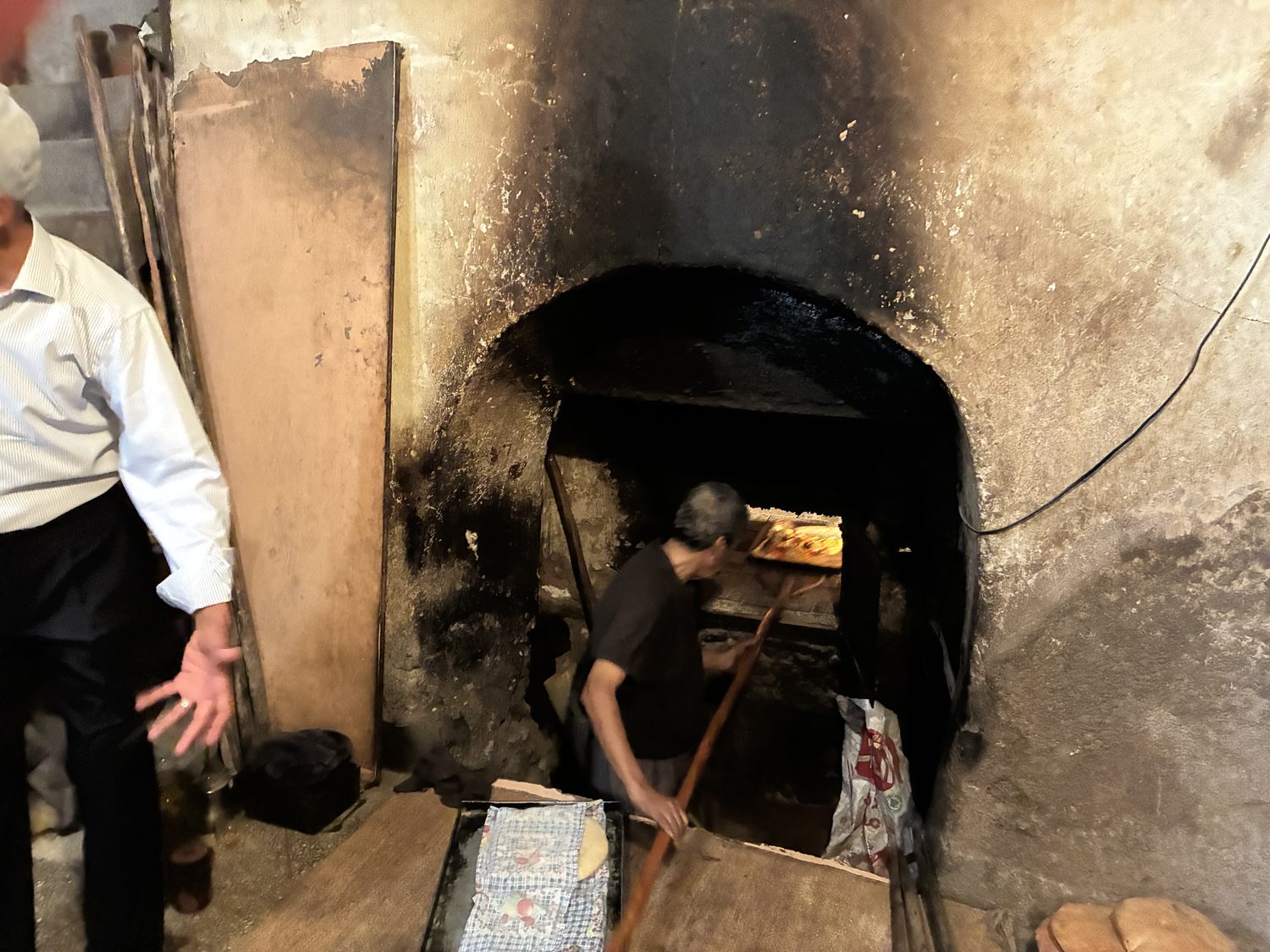
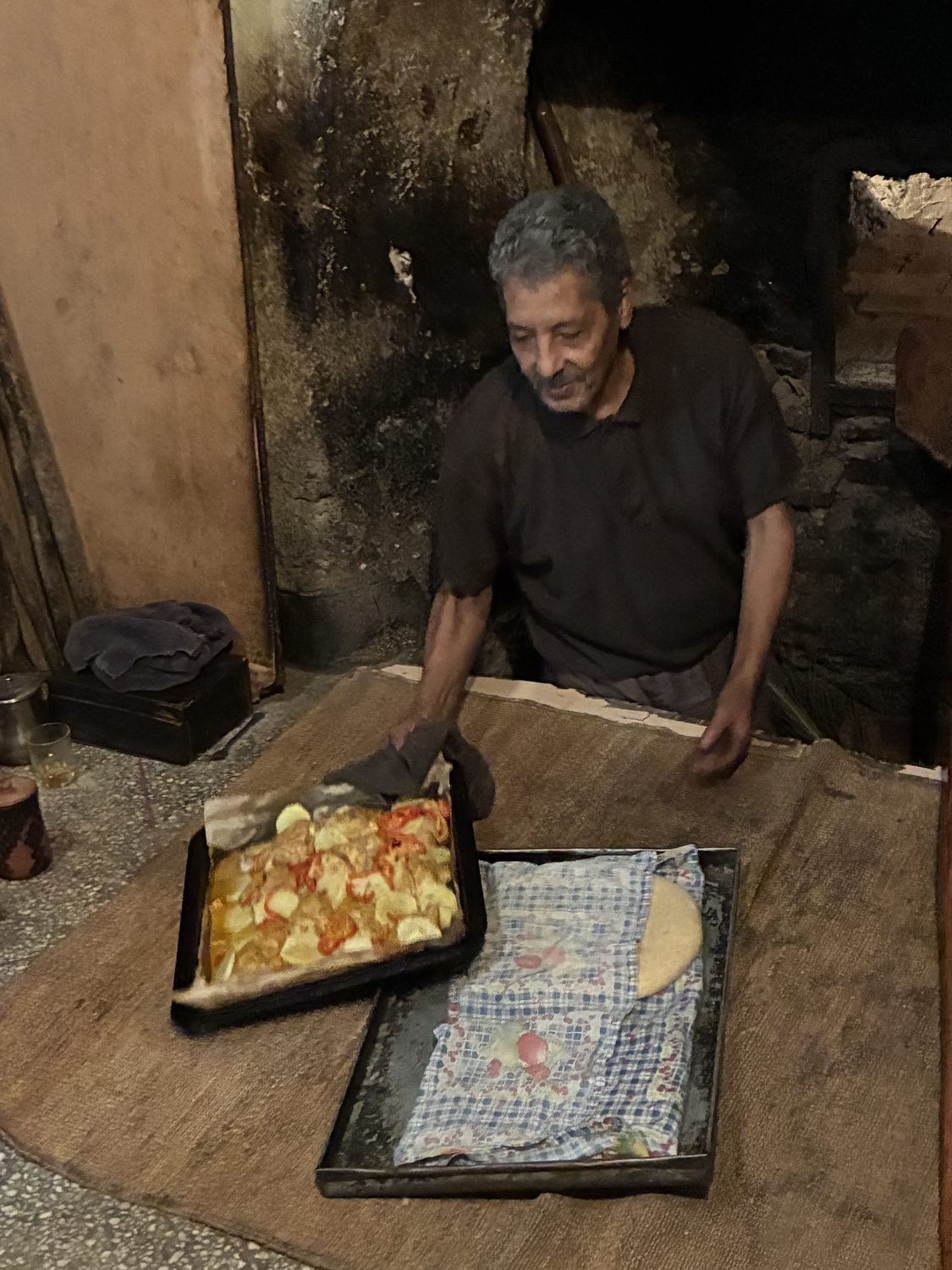
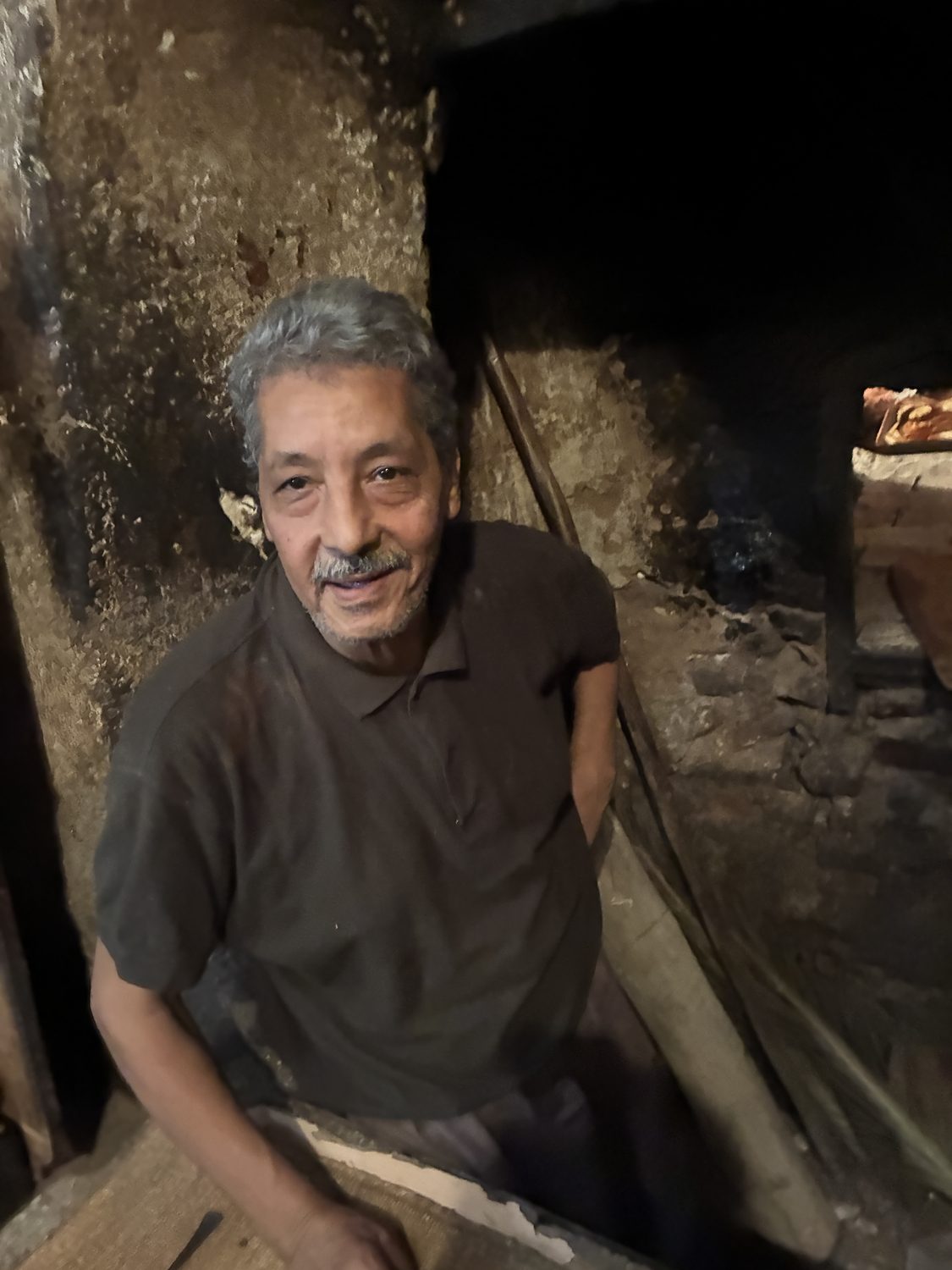
My first guide was Abdul, a super nice, well-humored, and knowledgeable guy who’s been a guide for 25 years, and his tour involved a number of stops to visit artisans of one of one kind or another, and to see them at work and learn about what they were doing and how that fit into community and cultural life. He told us that each area of the market and community, more-or-less districts, has three things: a mosque, a Hamman (community baths), and a community bakery. And that’s where we started.
We stopped in at a community bakery, where locals make their own bread, other foods, and sometimes meals, at home, but bring them into their local community bakery, where for a small amount (like one dirham for one loaf of bread) they get baked in super hot wood fired ovens. We also stopped at a local street food vendor, and a leather goods store and workshop, where we watched the leather makers at work, making shoes, bags, and furniture, among other leather items. At the dyers market, where dyes are made for wools and textiles, we saw how the dyes are made and used, and the finished goods then sold in their own shop or other shops in the souk. Our last stop was at a herbal and spice store where we got a detailed tour of how the herbs and spices and made and how they are used, and for what purpose. There are spices for every kind of food, with subtle differences, and that’s even more true for the herbs and teas, which are available for any given ailment or purpose you can imagine: cold sores, sexual prowess, migraines, hair growth, joint pain, good humor, sleep, acne… you name it. One interesting note. Unlike the rest of the market where bargaining and haggling is the order of the day, that is not the case for the pharmaceutical-like herb and spice apothecaries, where prices are fixed and not to be haggled.
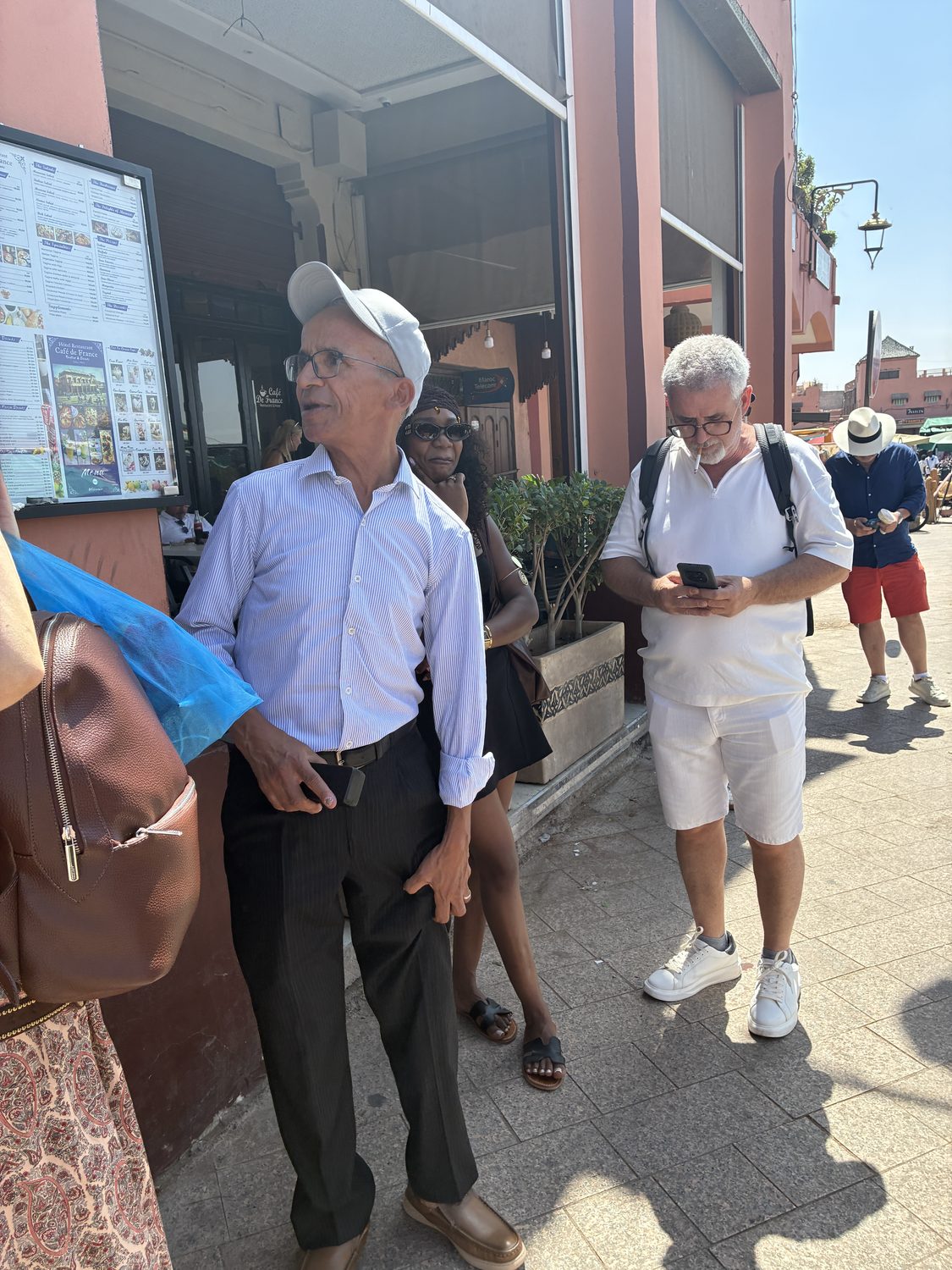
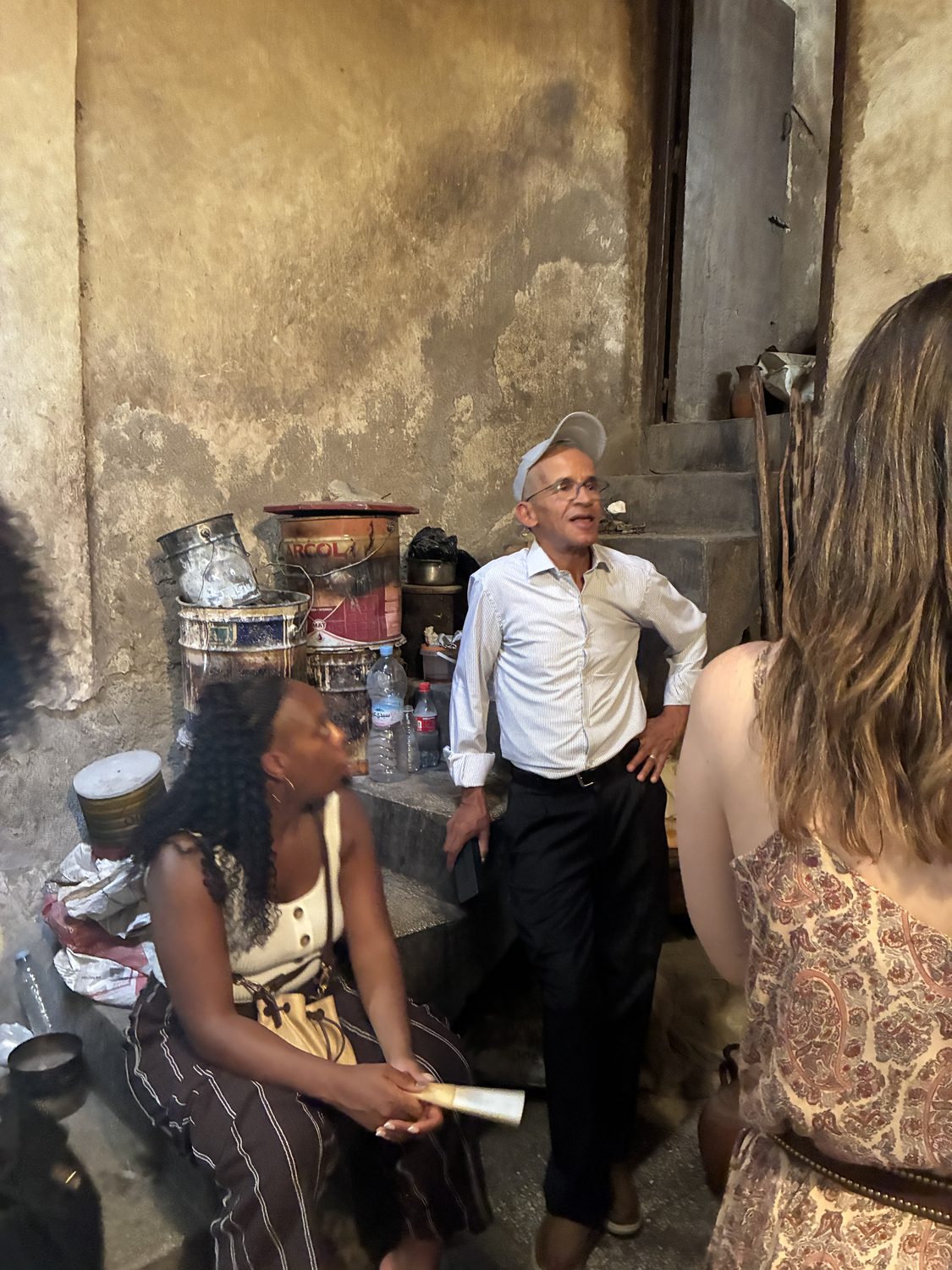
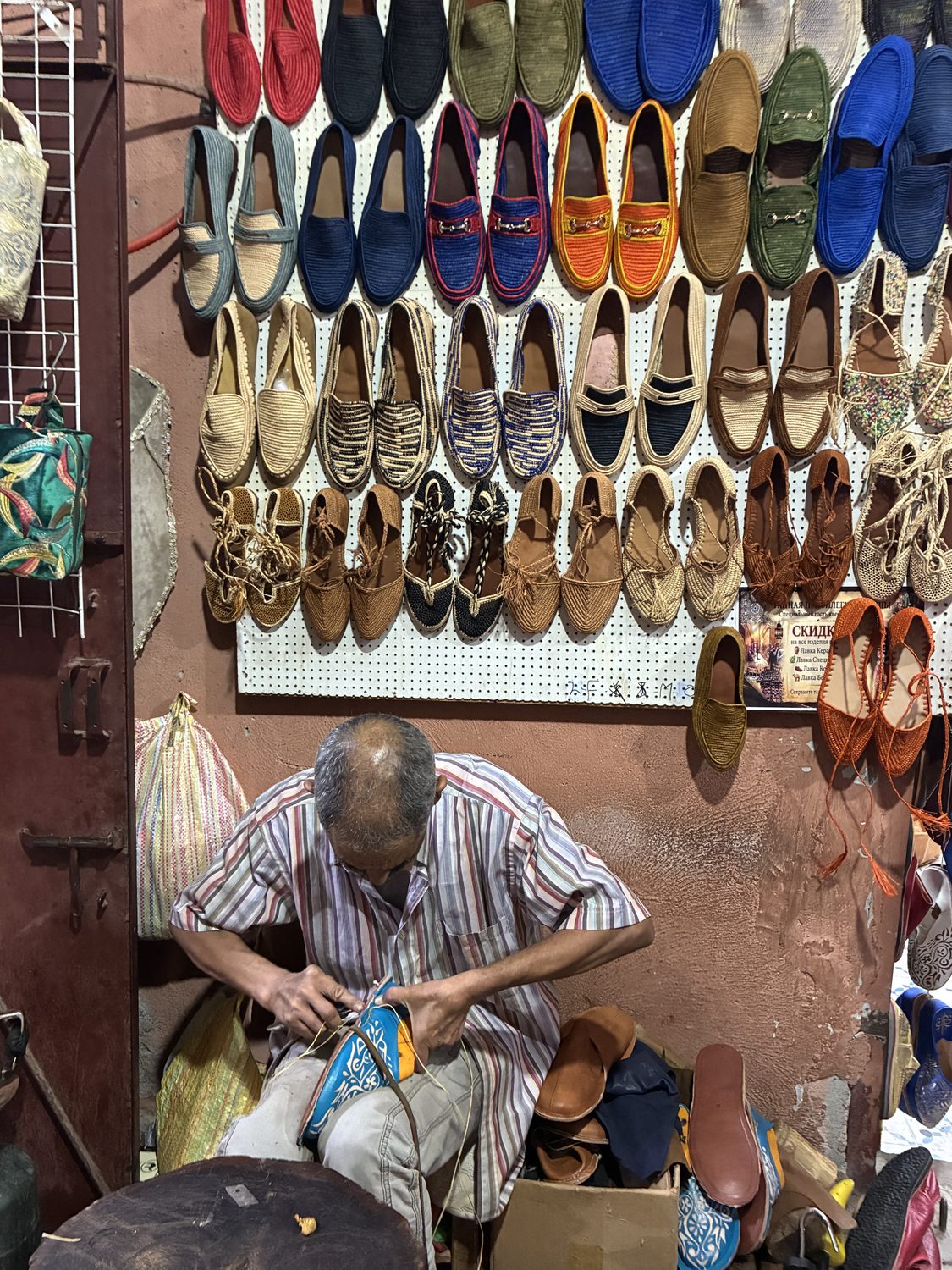
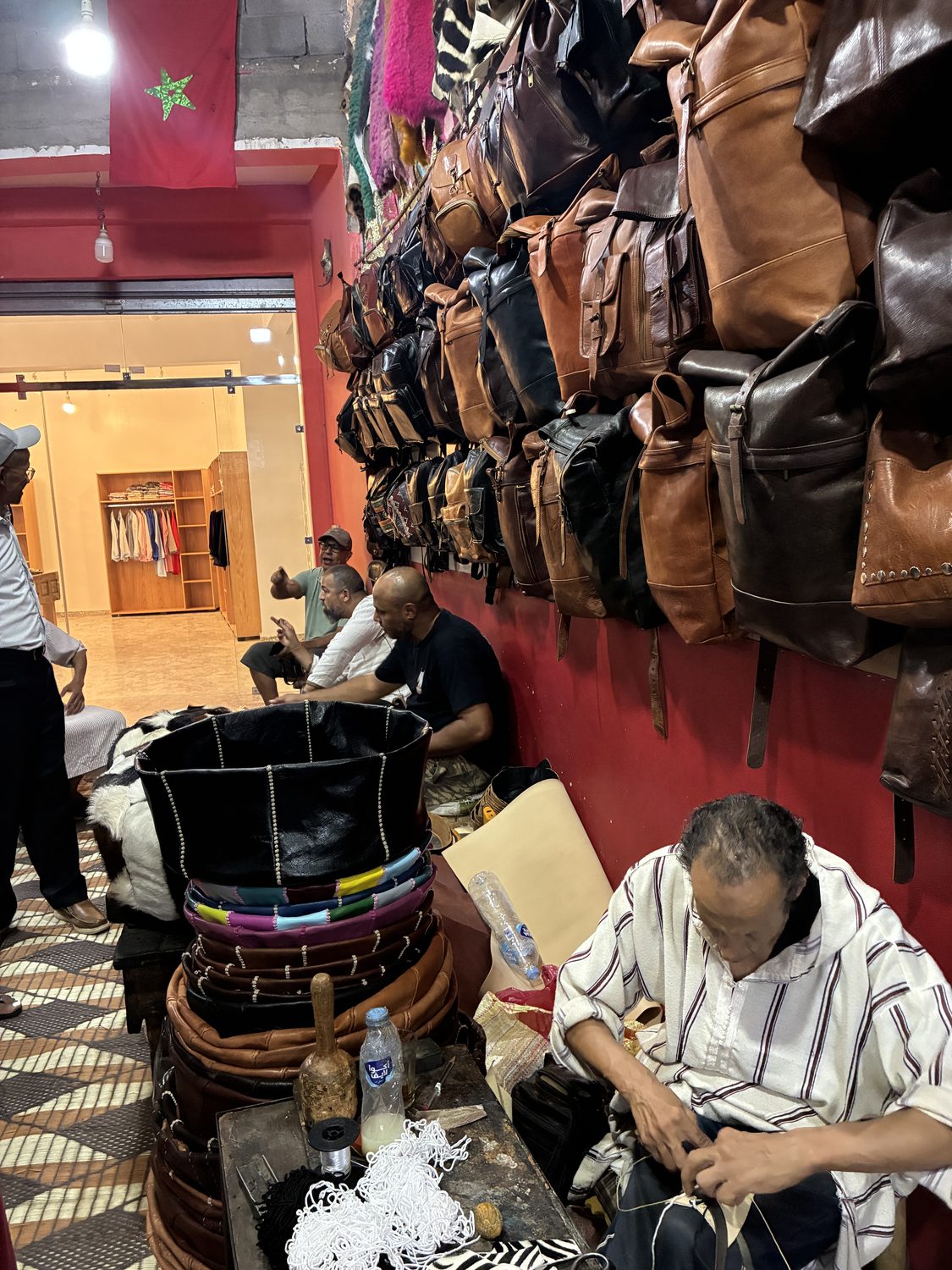
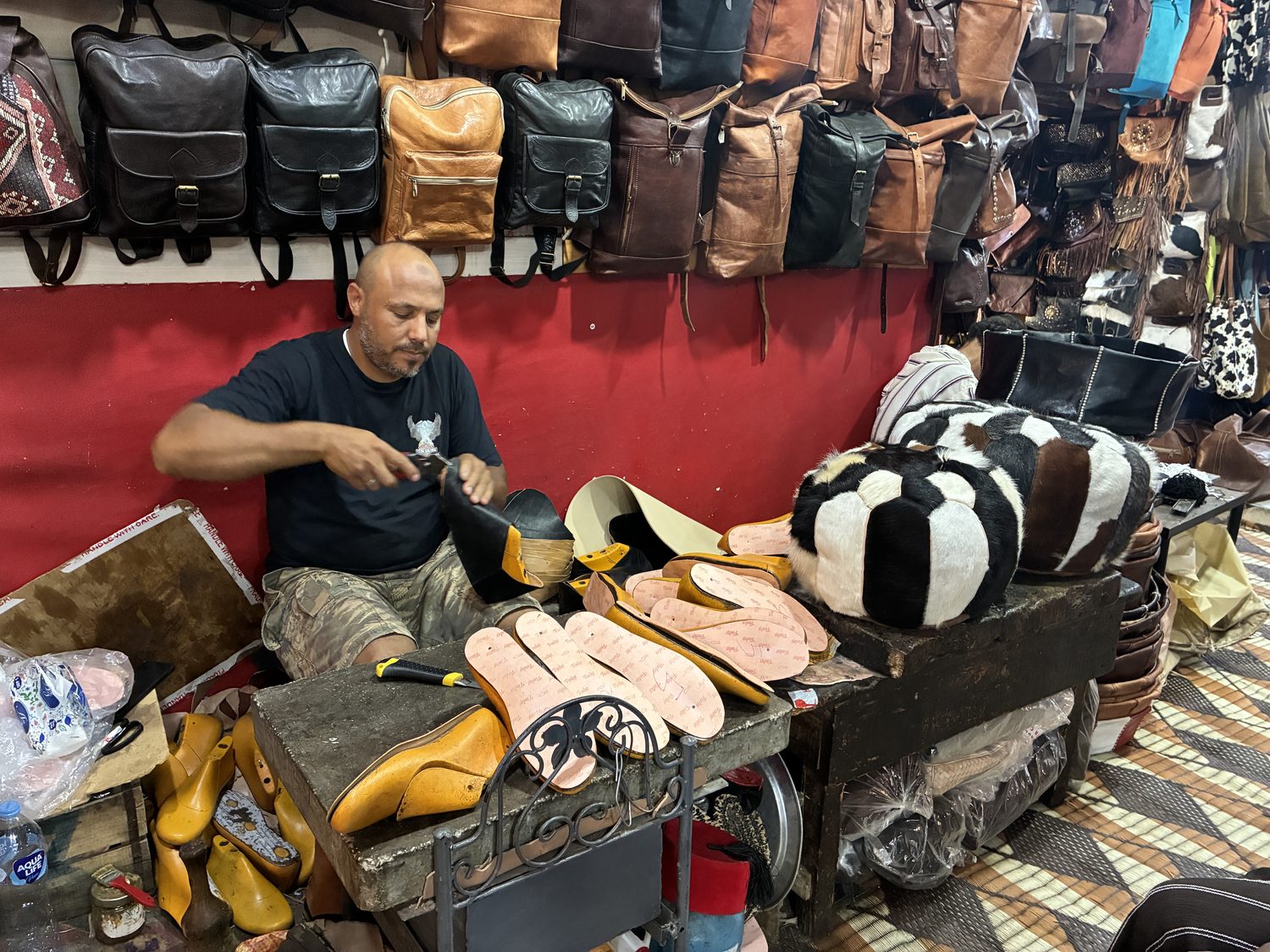
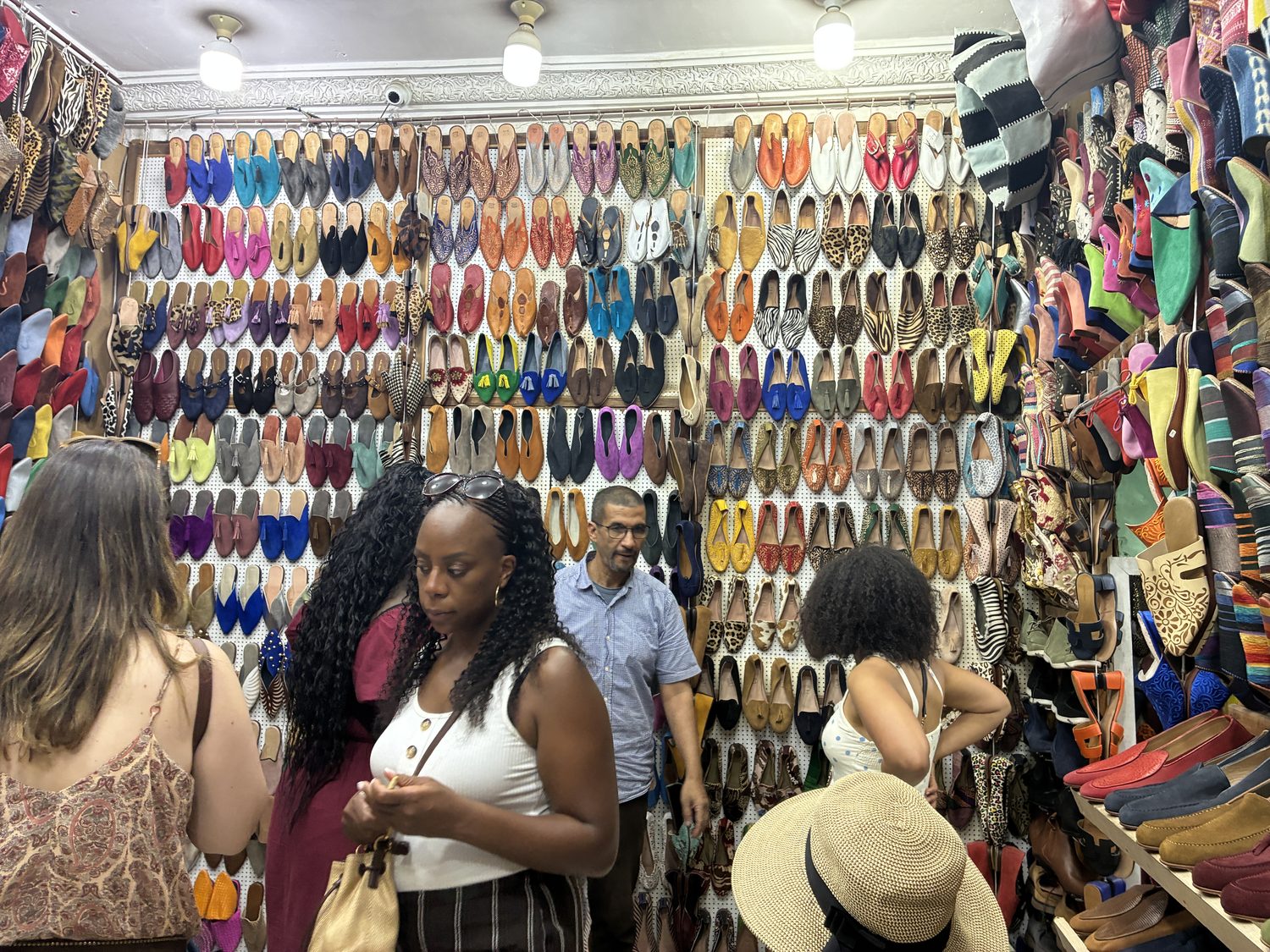

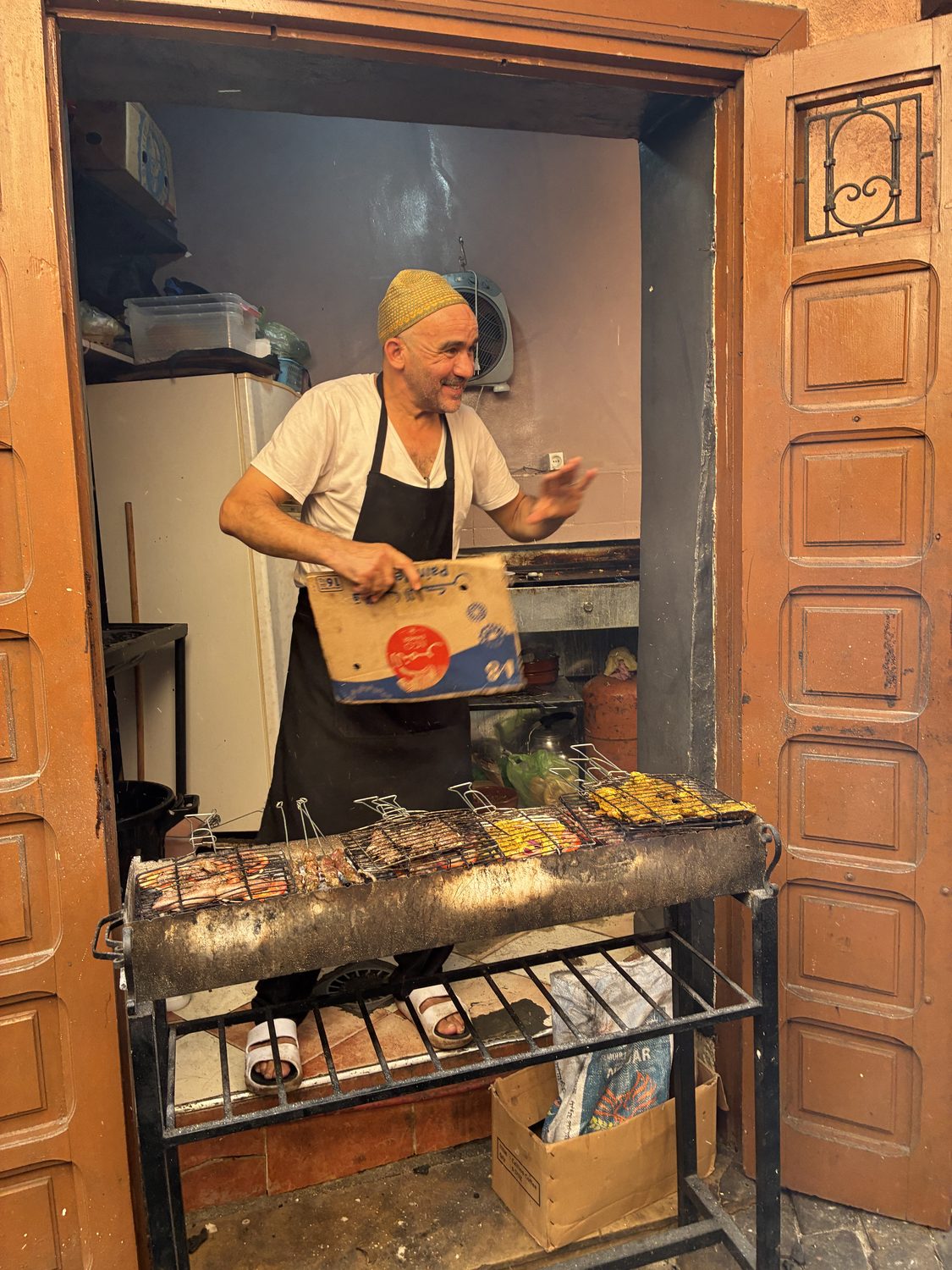
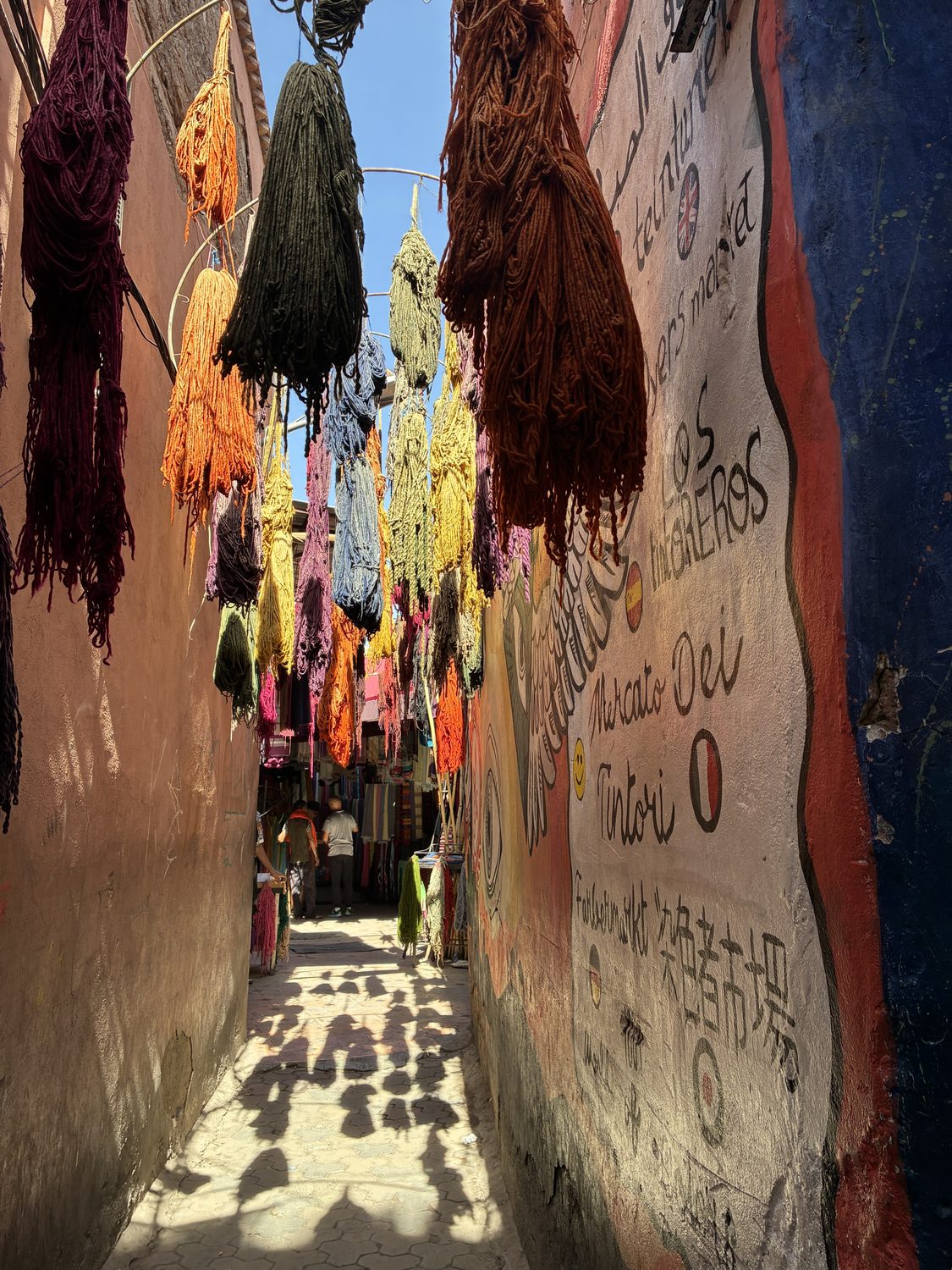
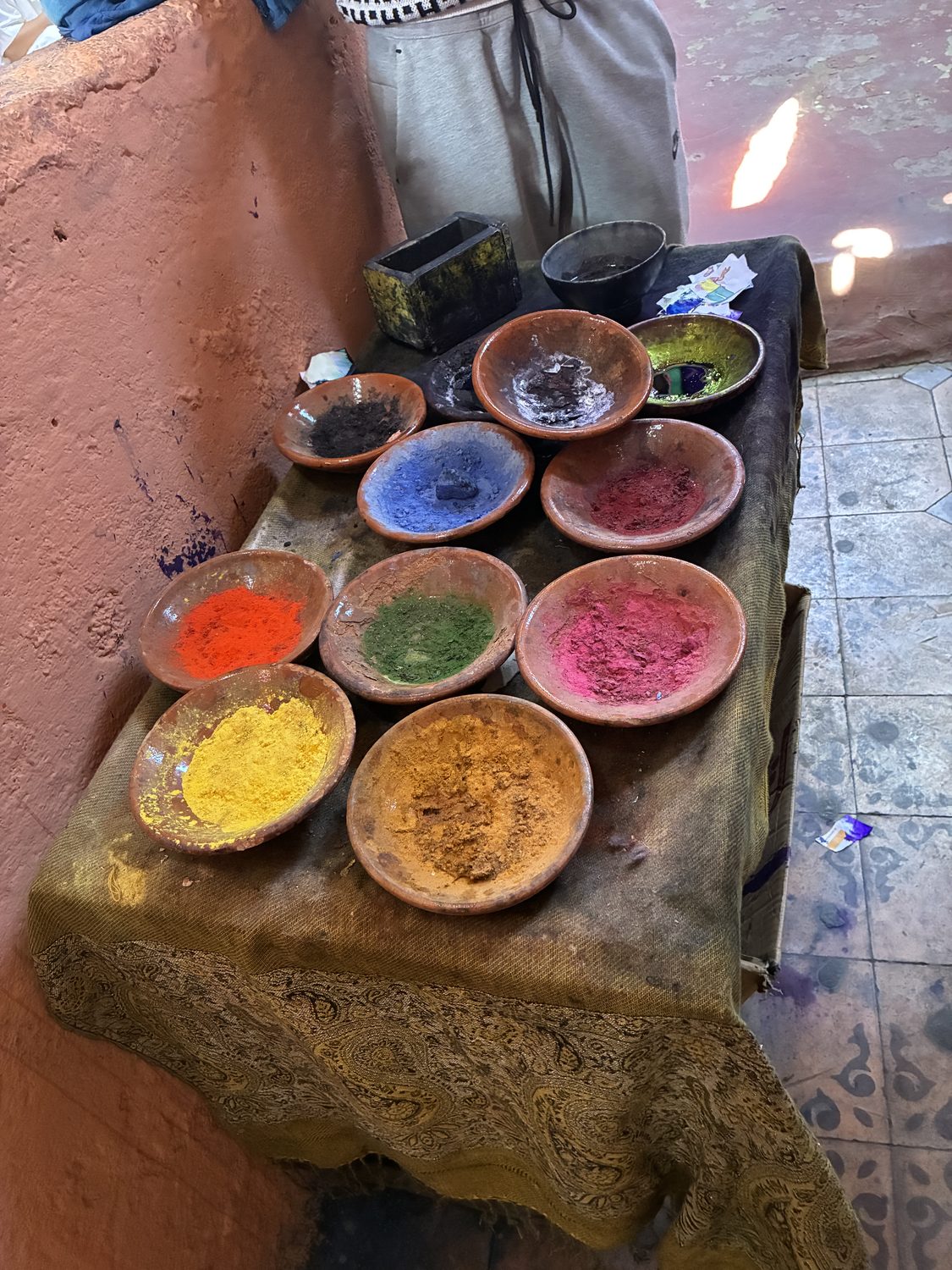

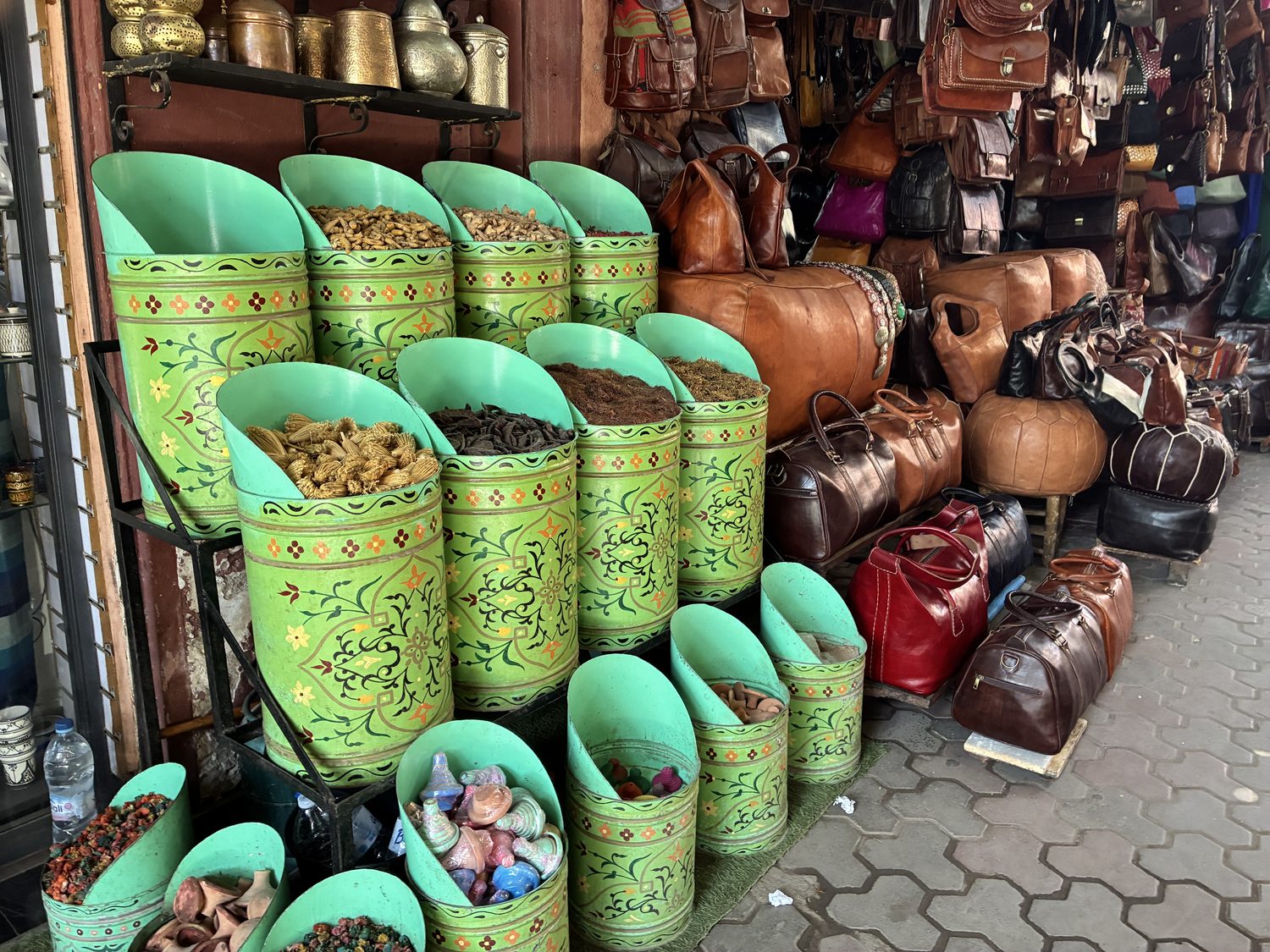


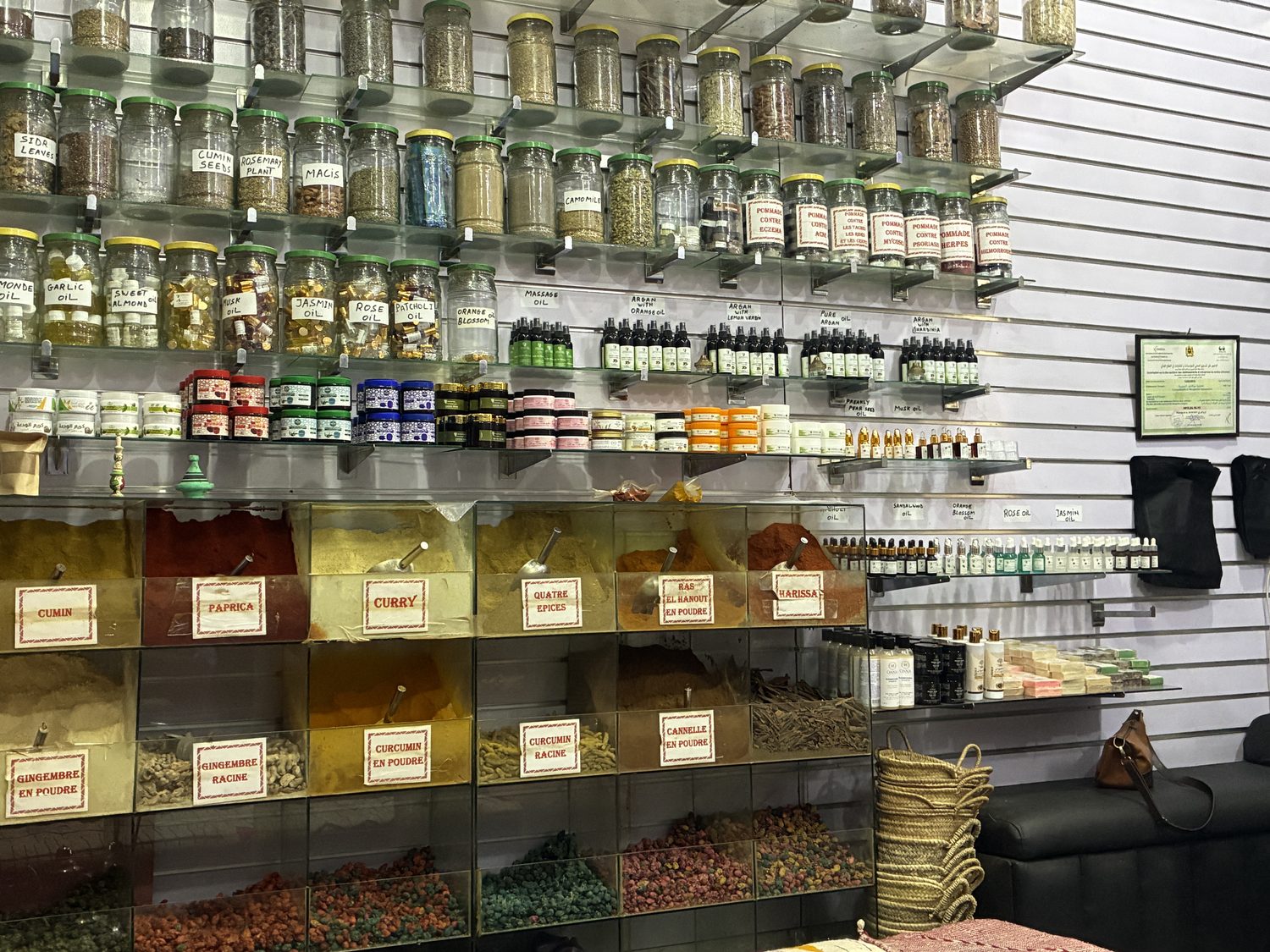
In our small tour group, we had a group of four very nice young English women (two were from East Finchley)who were pretty outspoken and wanted to use the tour as an opportunity to shop, with Abdul helping them to communicate with the sellers we visited,haggle over prices, and make purchases. That actually was not as outlandish as it may sound, because something like that, negotiating the souks and learning the art of haggling, was an intended part of the tour. Still, they tended to increasingly highjack the tour as there were only six of us in total, but they were great fun and were clearly very much enjoying themselves, and Abdul was very good humored about it, but often, in a good humored way, commented about how much longer this tour was taking than when he ran the walk with much larger groups.
Although we did a fair amount of walking and learning about what we were seeing, we spent far more time shopping , and sitting and waiting while the group shopped. As the tour was nearing its end, and the women stopped once more to try on clothing, I had to peel off and say goodbye, as the next tour, at 5 pm, was looming ahead.
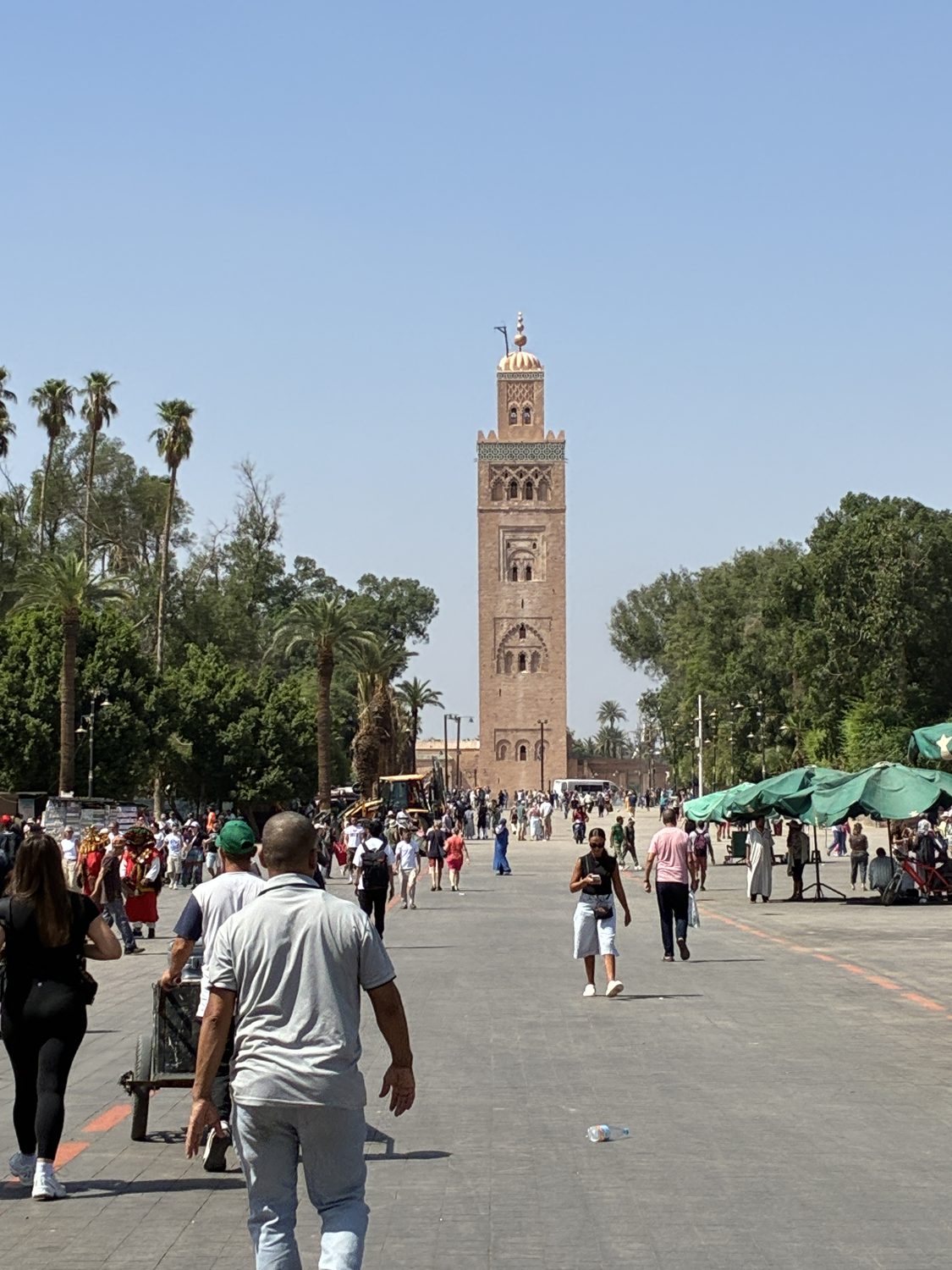
I arrived about ten minutes late for tour number two, with my second guide for the day, Abdellllah, another knowledgeable and well humored guy, who was a fountain of information. This tour was again largely of the souk, although also covered other spots, such as the Koutoubia Mosque from where we started the tour, and the nearby Koubba of Fatima Zohra, a small white domed building near the Mosque, which is a shrine to Lalla Fatima Zohra, a revered female mystic and saint form the 17th and 18th centuries, who was buried there.
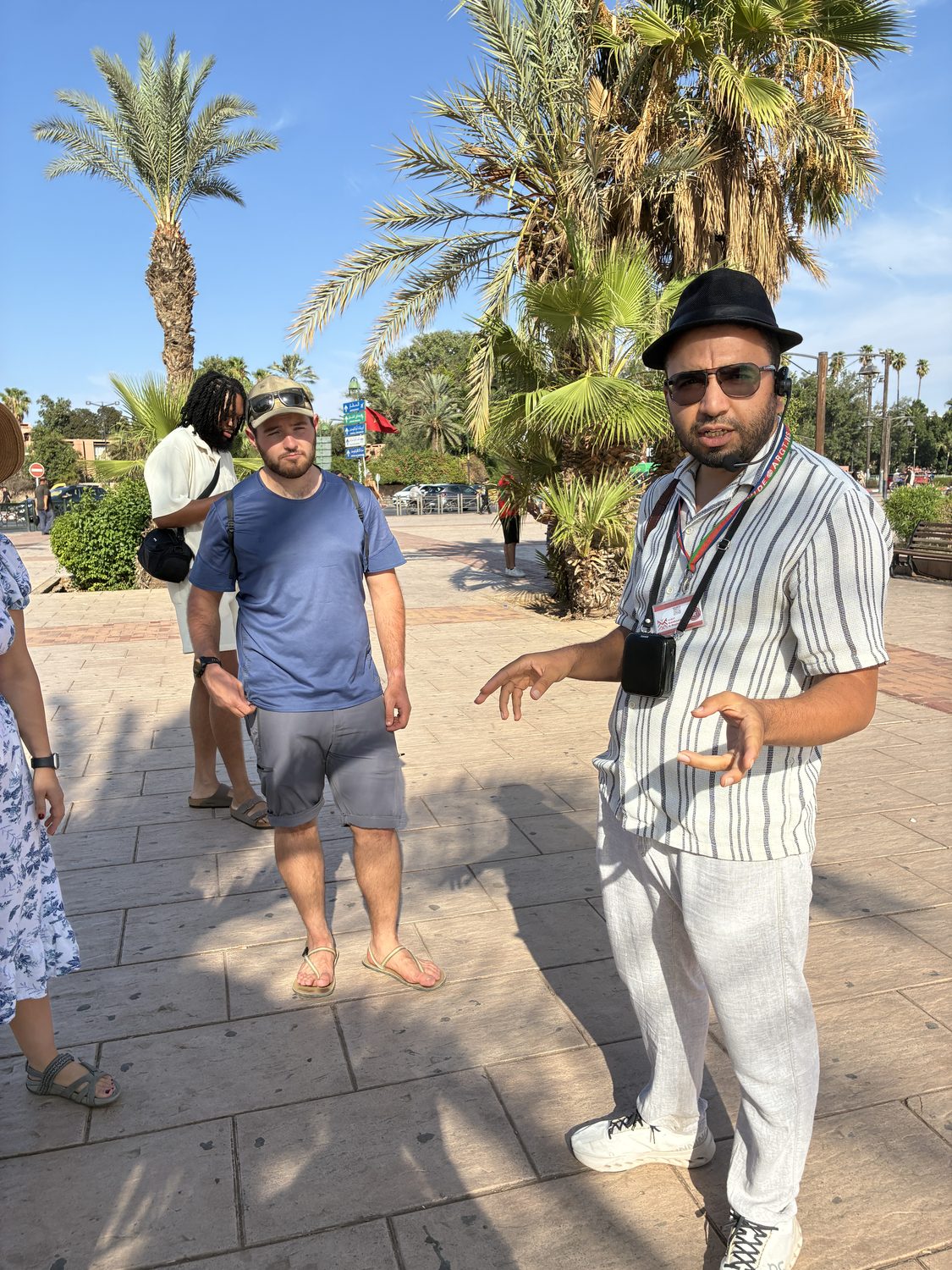
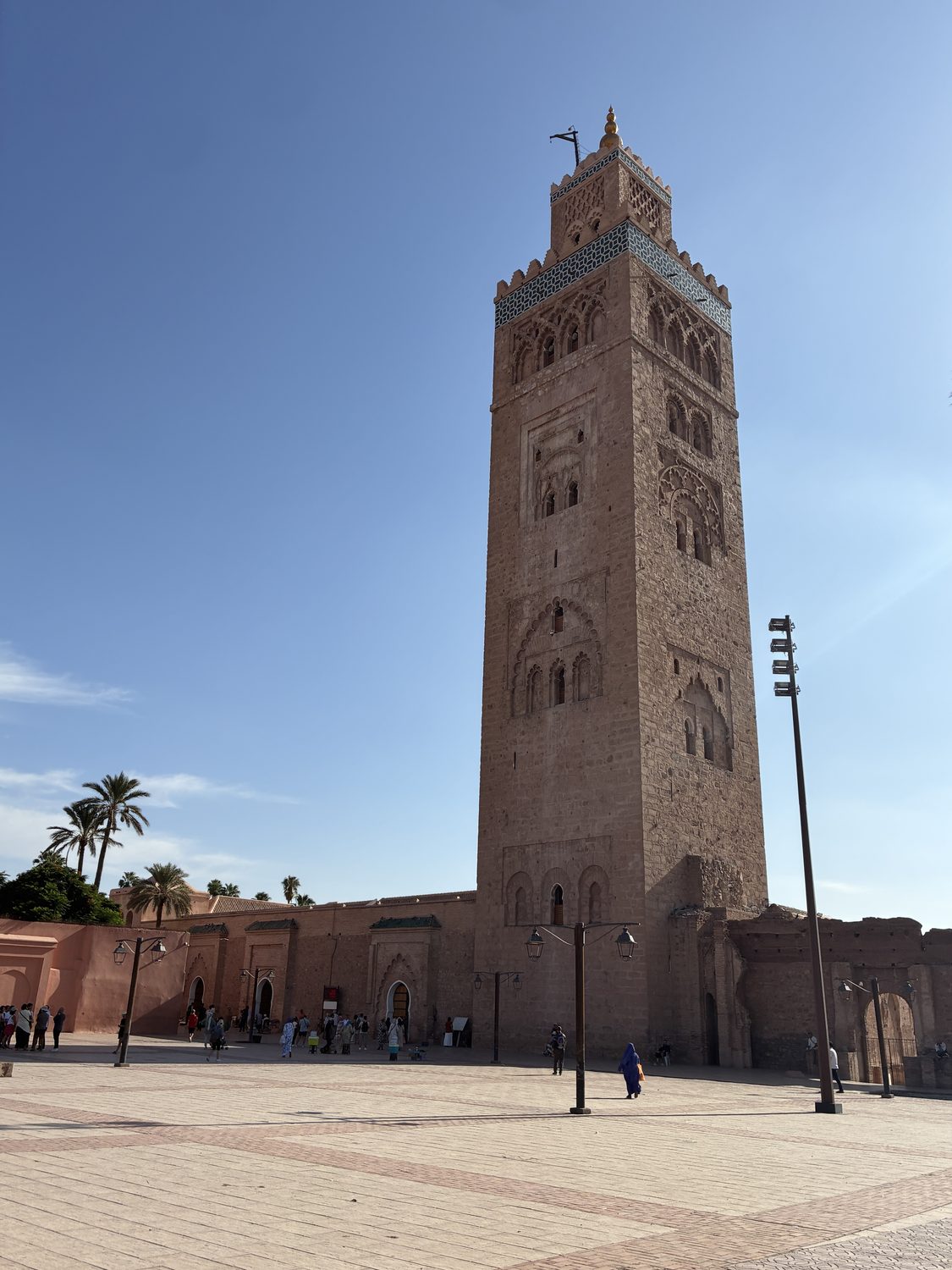
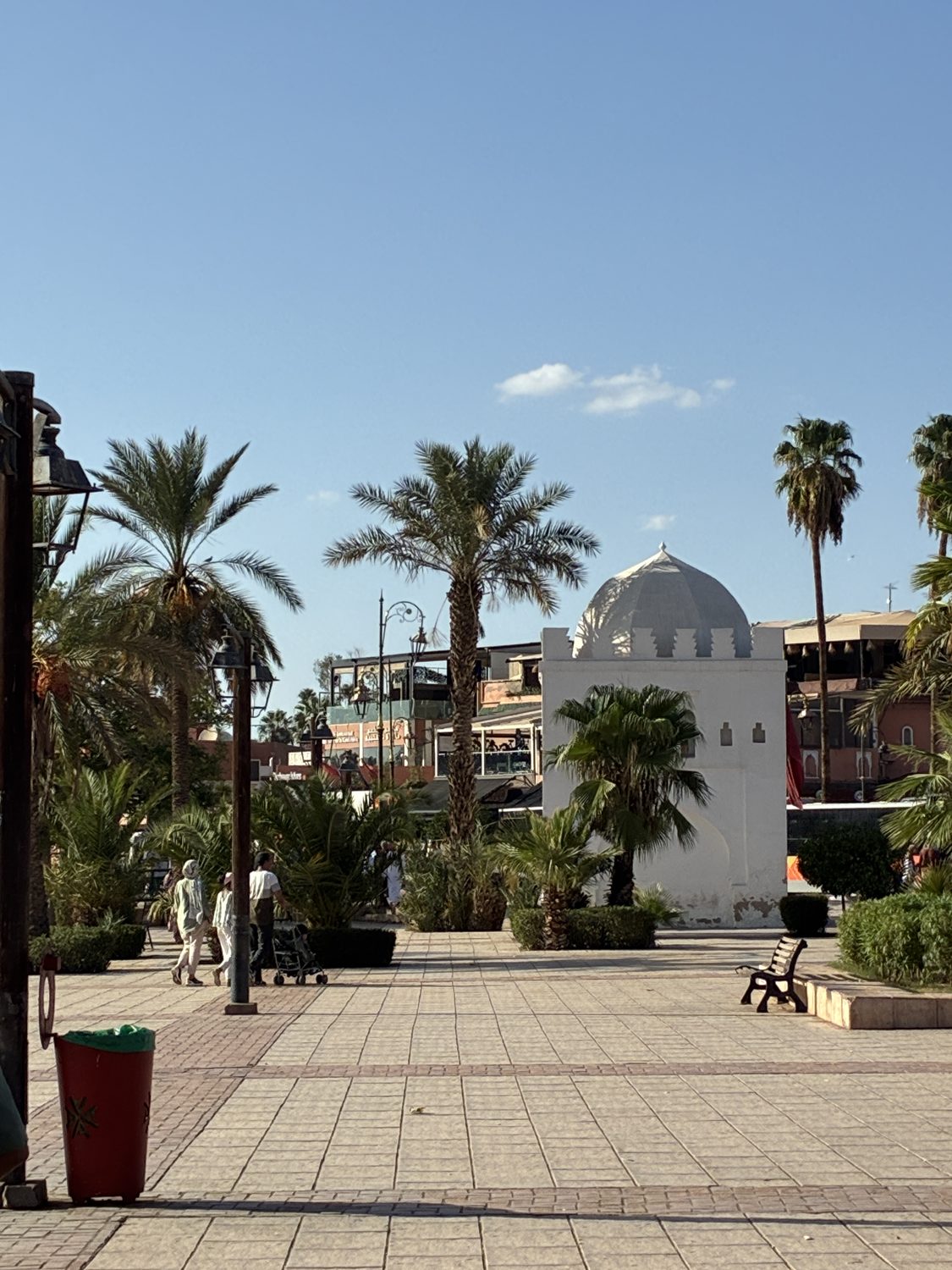
We spent another 2½ hours walking the medina and souks, and visited similar places to my first tour, as well as my own wanderings around the souks and medina, including the Hammams, traditional Moroccan bathhouses that are are also an essential and ancient aspect of community life in the medina. Abdellah also spent a lot of time talking about the history and naming of the souks, and the interconnections between and among them.
We also learned from Abdullah, who is native Amazigh, or Berber, as are many people in Morocco, and across all of North Africa, about Amazigh and the local cultures, languages, and dialects. Amazigh is now one of the two official languages of Morocco, along with Arabic, which in Morocco is spoken as an amalgam of Arabic, Amazigh, French, and Spanish, known as Darija. Moroccans understand traditional Arabic, but middle eastern speakers of Arabic may not understand Darija.
The word Berber has largely been replaced by Amazigh, recognizing the Amazigh people as the indigenous people of North Africa for thousands of years, and long before the Arab conquest of North Africa between 680 and 705 and the spread of Islam among the indigenous Amazigh between 700–710. From that point on, the two cultures began to merge, each cross-fertilizing the other, and giving rise to the Moroccan culture. Although it is considered an Arab country, a member of the Arab League, Morocco is a country with deeply rooted and intertwined Amazigh roots, traditions, and culture.
The European word Berber seems to have been drawn from the term used by the Romans to describe the Amazigh when they occupied parts of Morocco around 40 ACE . They used the word barbarus, referring to people whose language was unintelligible to them, drawn from the Greek word meaning outsider, later shortened to Barber, and then Europeanized to Berber. It shares its root with the word barbarian, but has a different meaning.
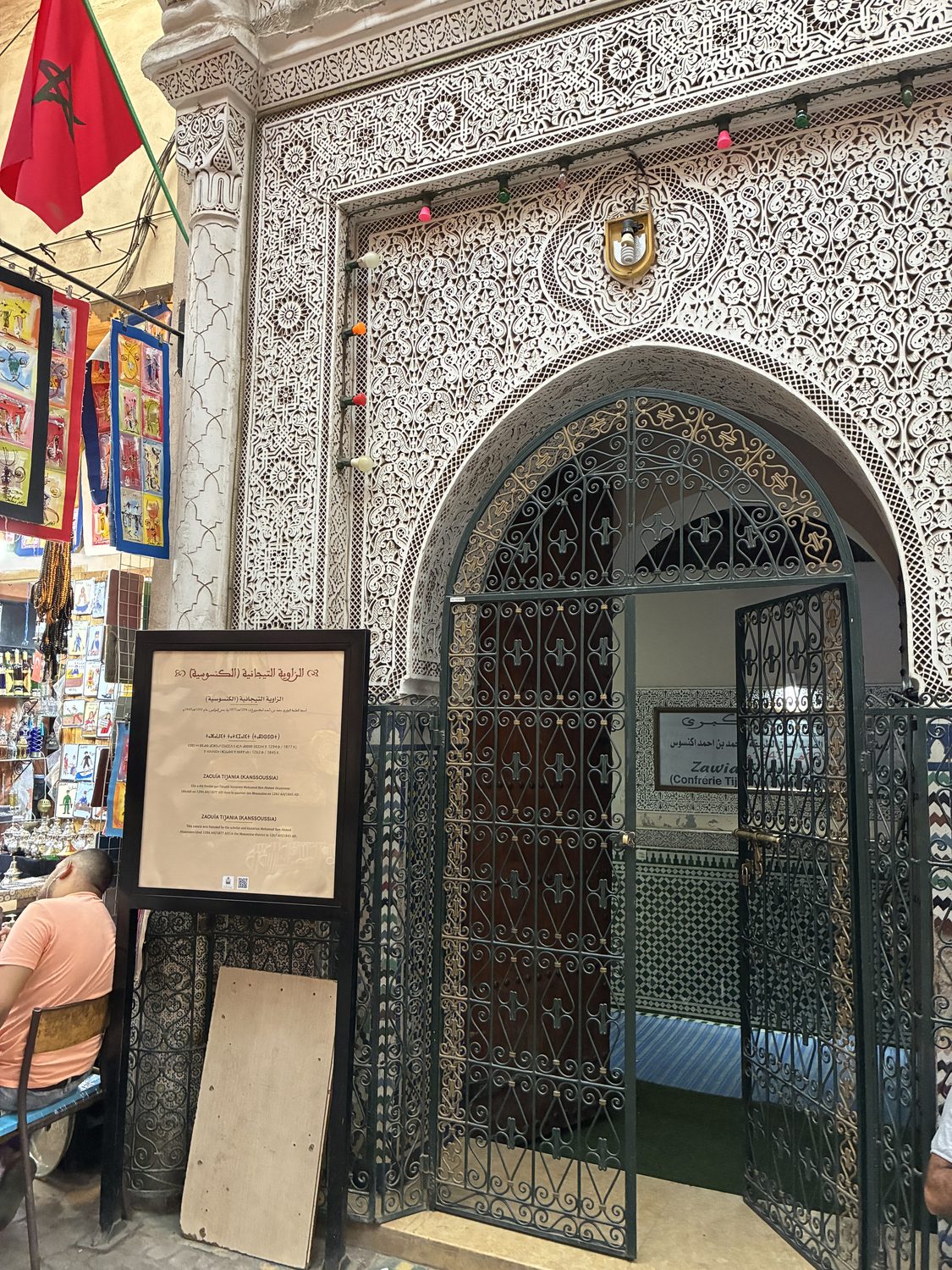
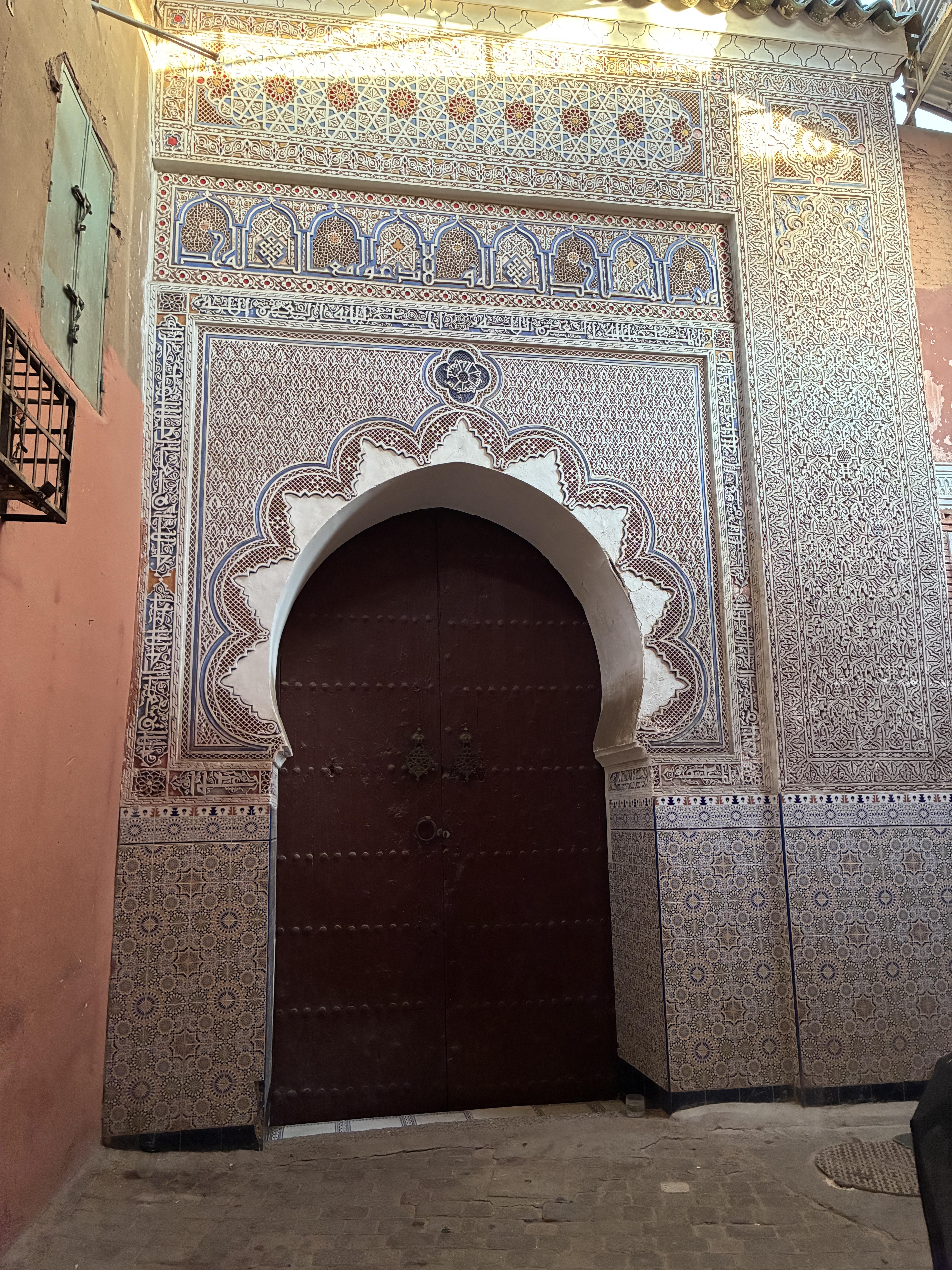

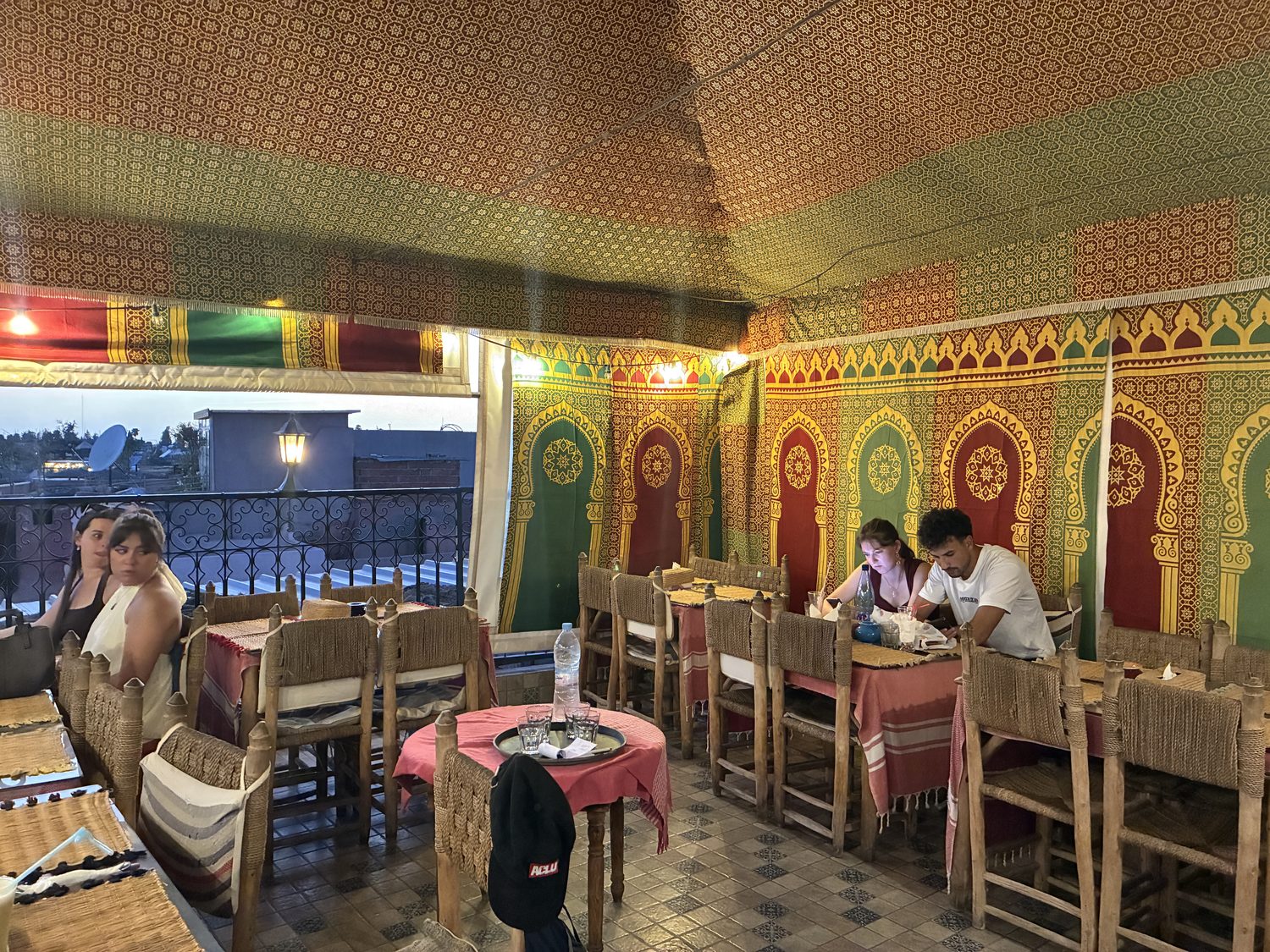
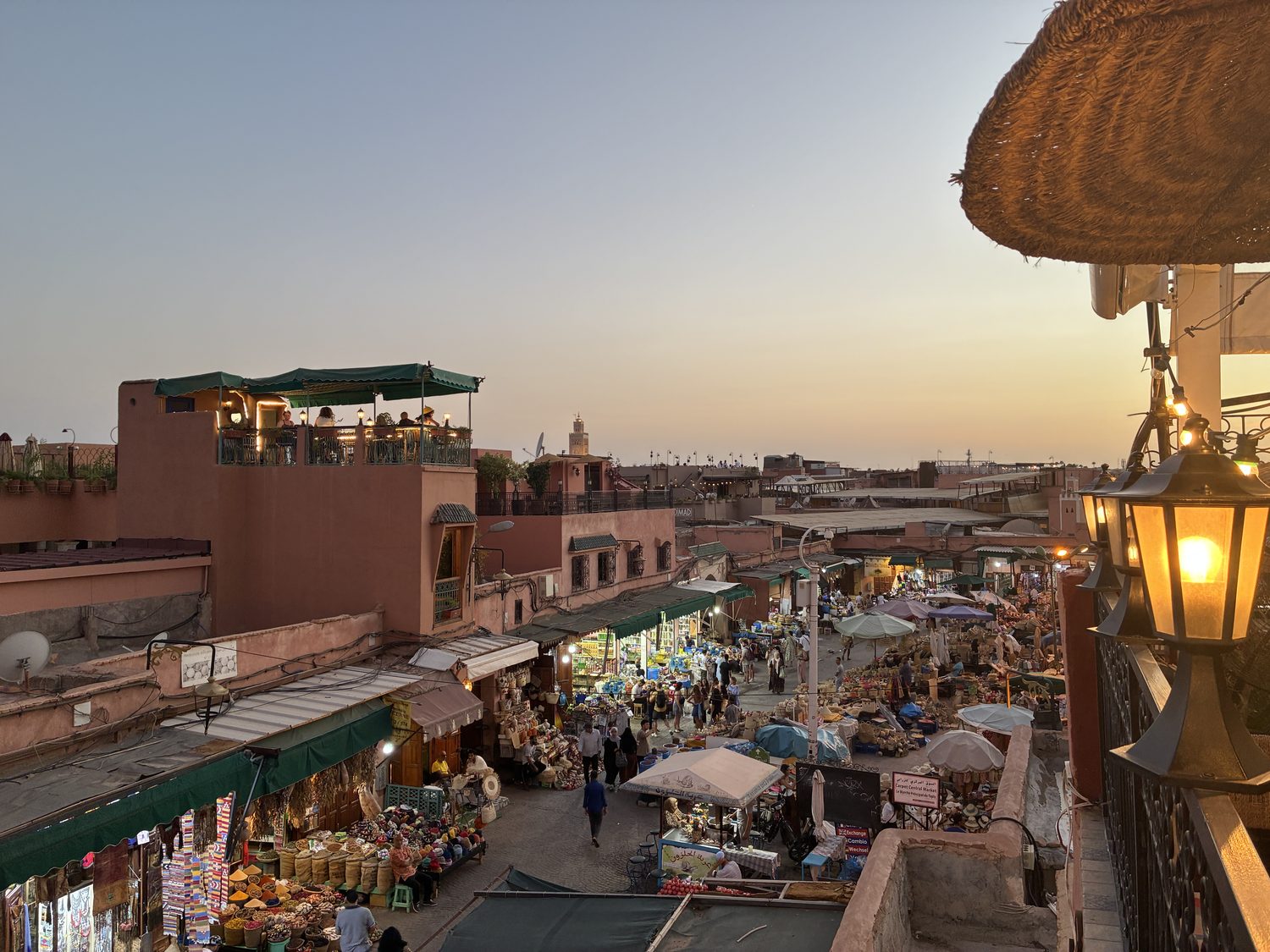
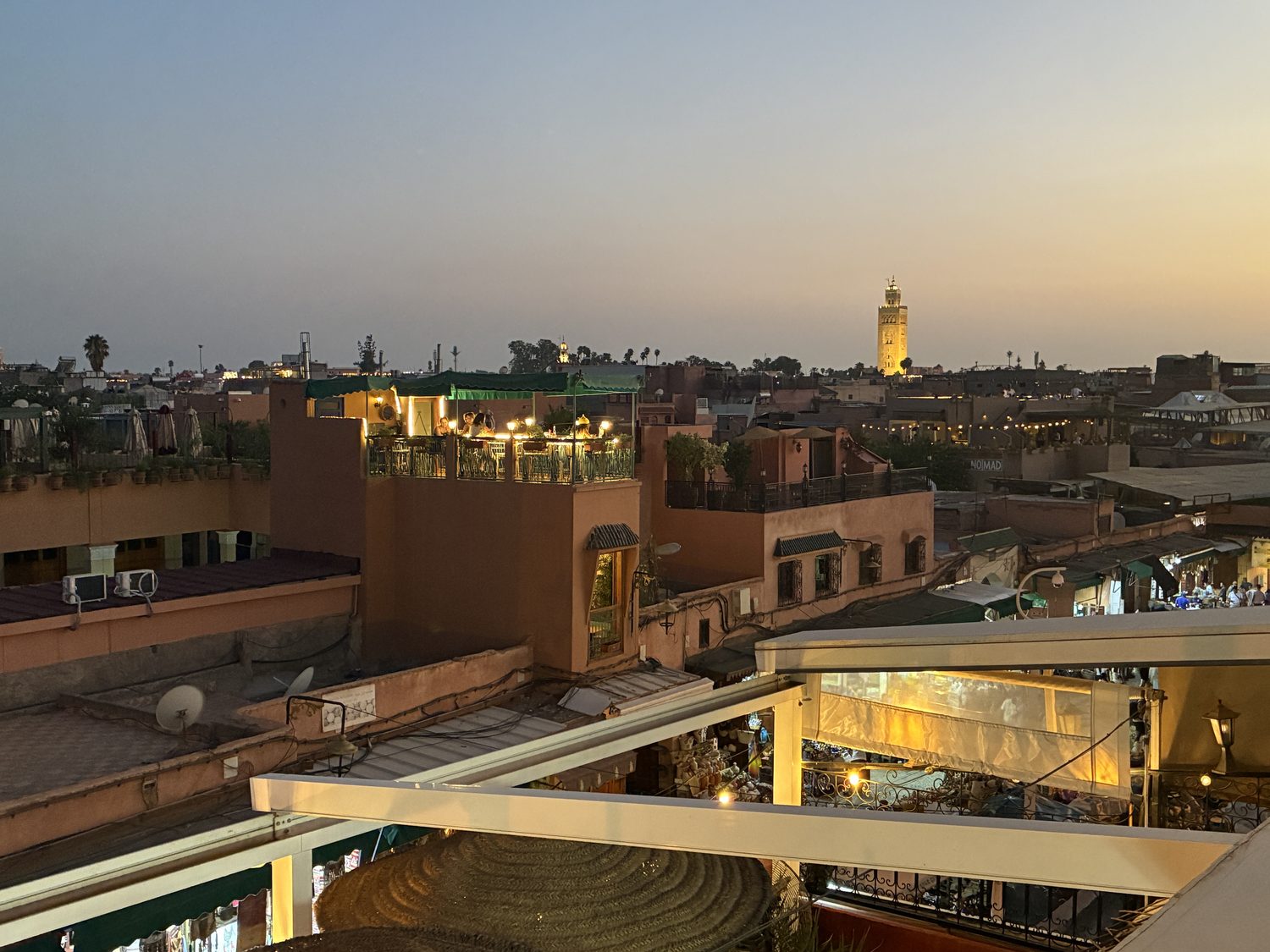
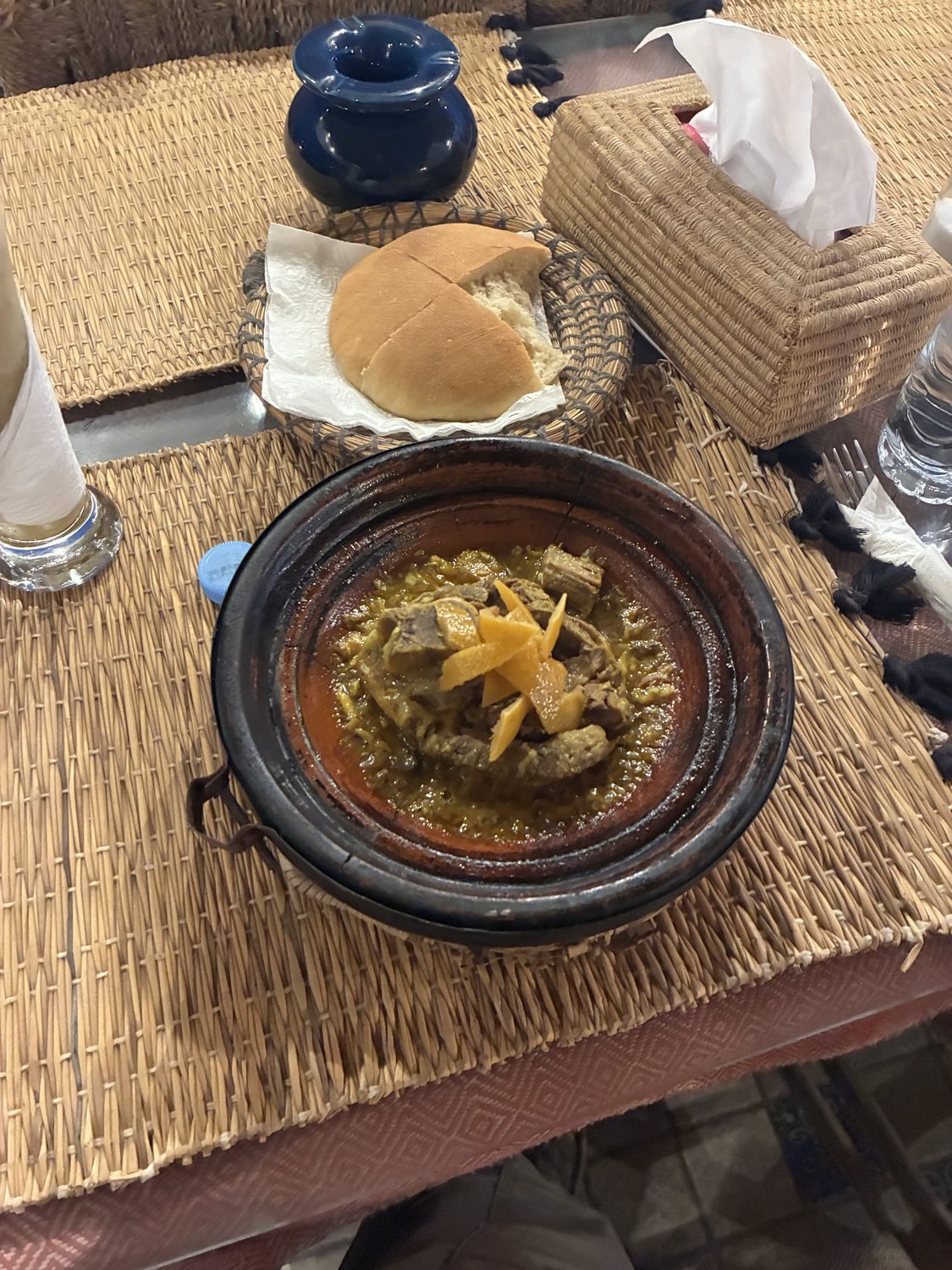
After the second tour ended, which i again enjoyed and learned a lot from, I headed off to find something to eat, and ate at a small restuarant with an upper outdoor terrace, and had Tangia Marrakech, a local specialty meat dish. Tasty!

And then back to the riad, prepare for tomorrow’s trip to the Sahara, and to sleep.