To the Sahara.
Photos to be added
I finished my blog up from last night, rather hurriedly, packed my backpack, checked out of Riad Andalla, and walked to Cafe de France, the meeting point for the three day Sahara Tour, arriving right at 8 am, in the relatively empty early morning Jemaa el-Fnaa.
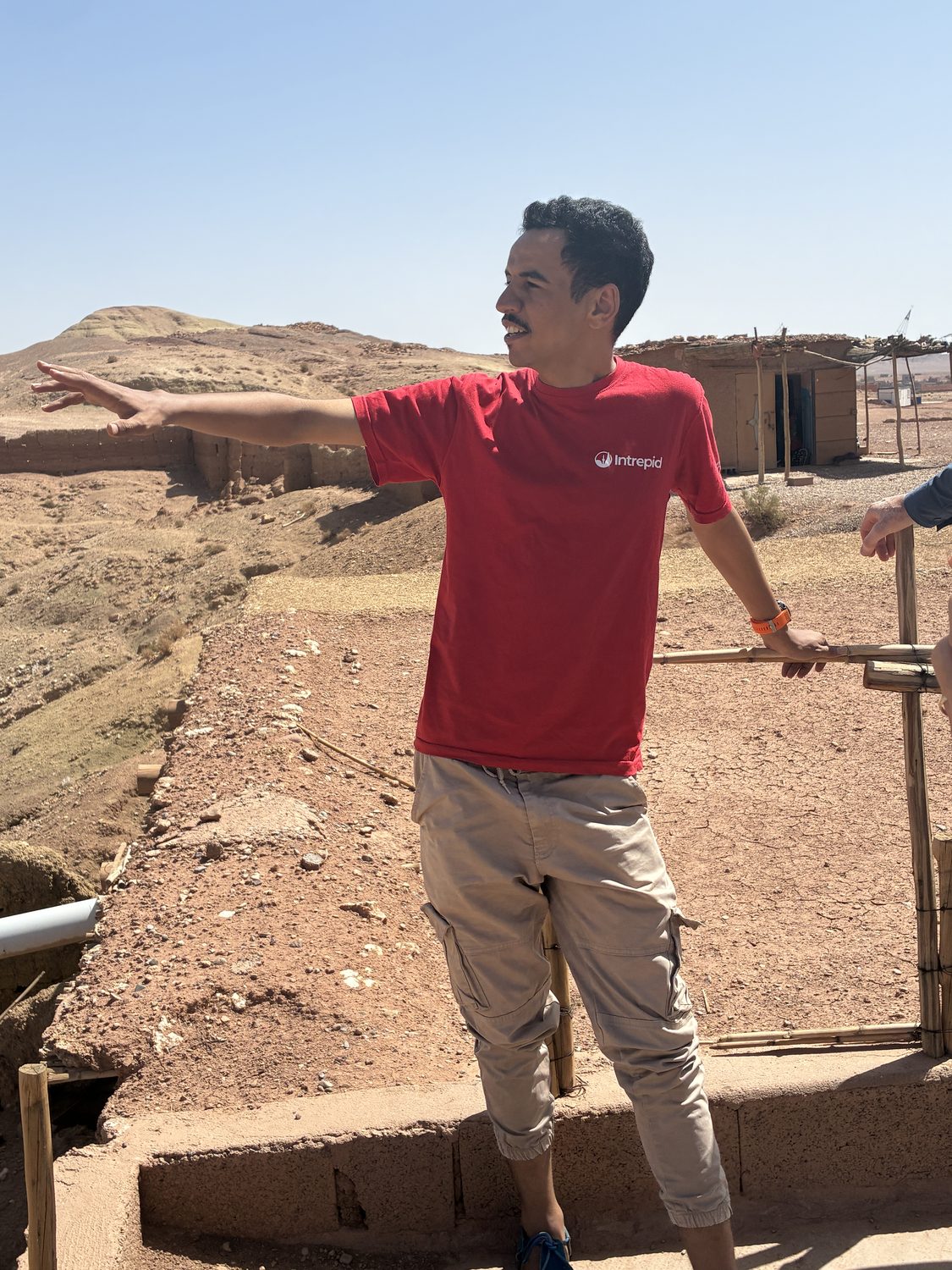
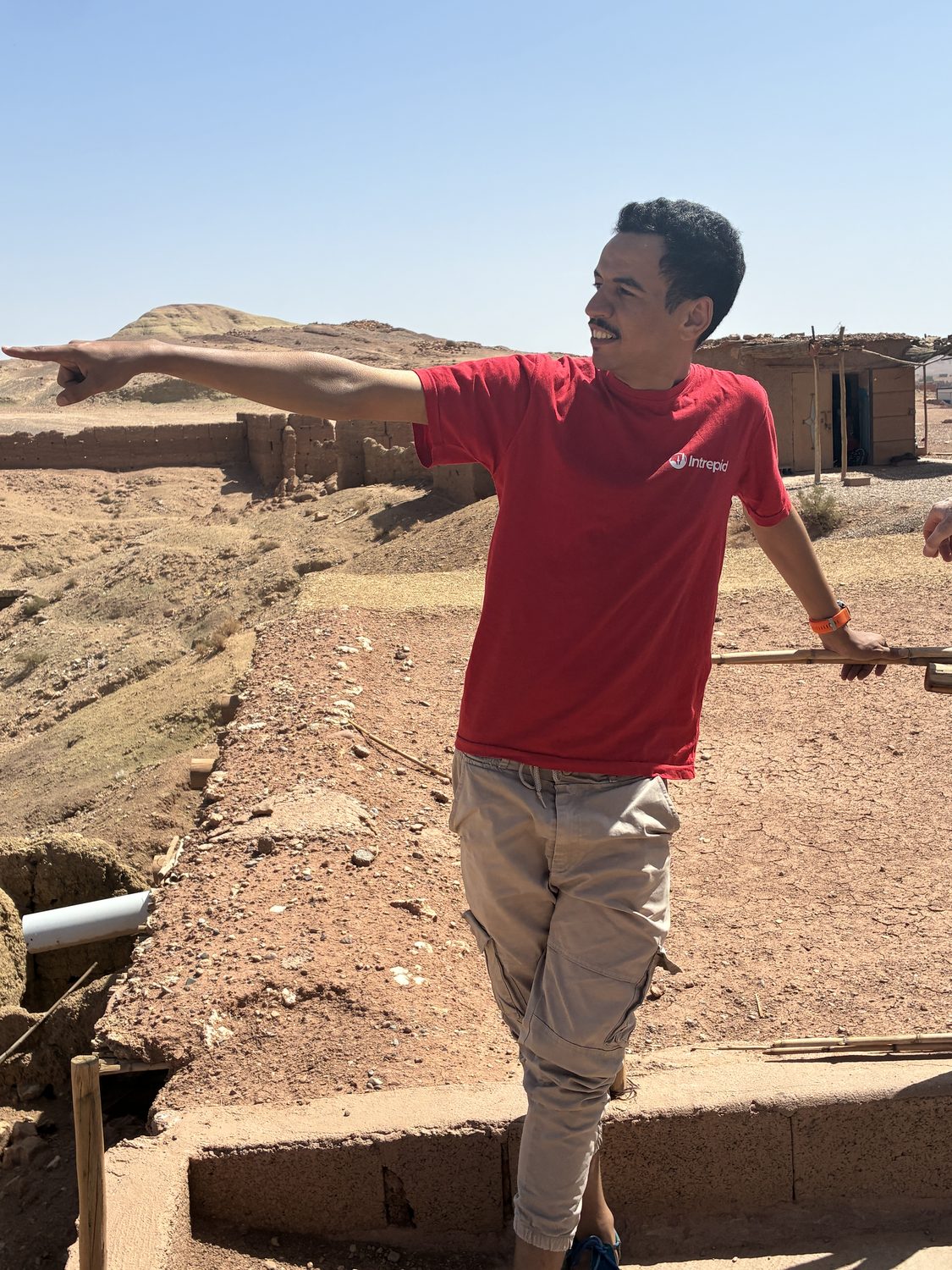
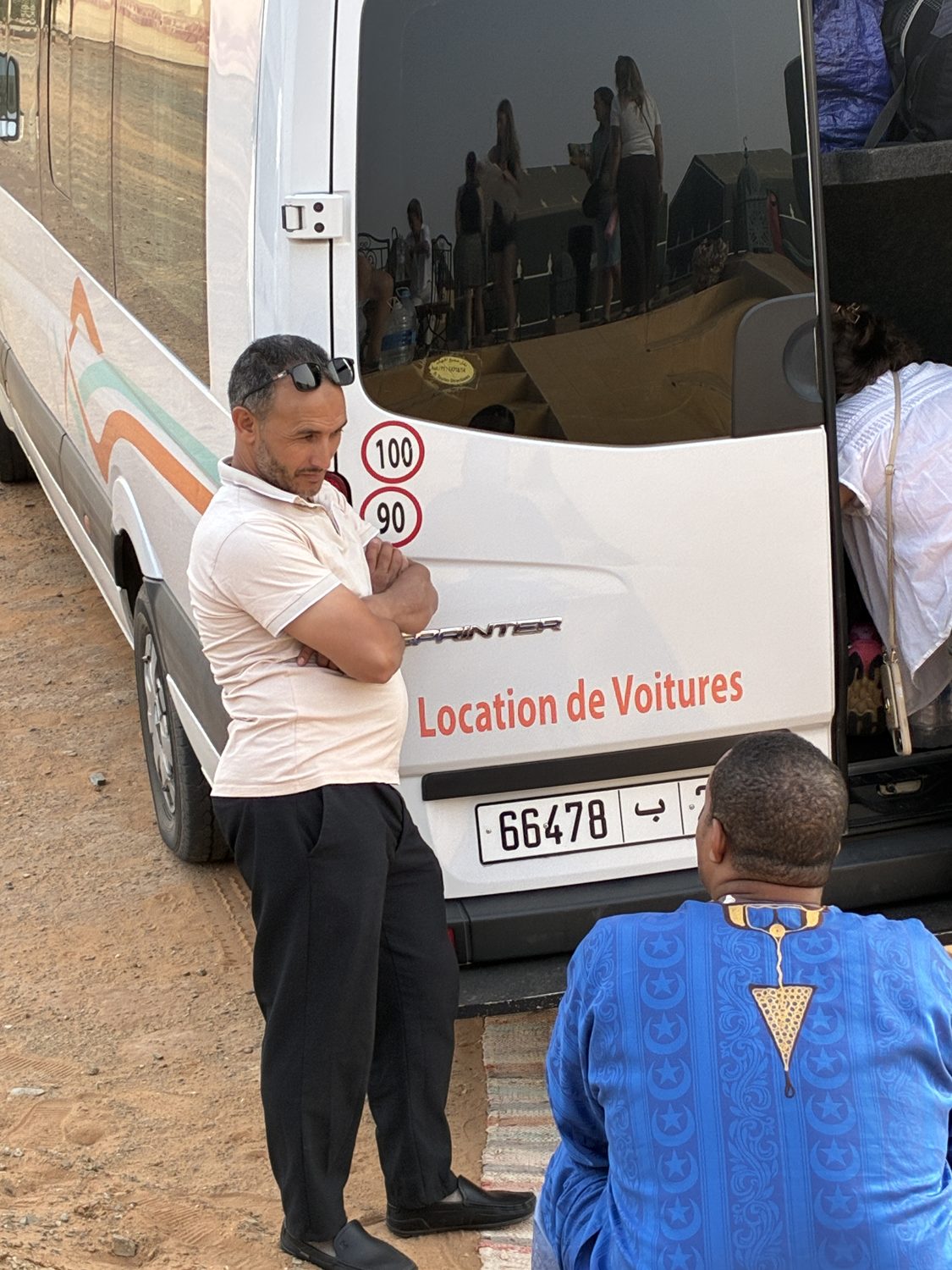
Moments later, I was aboard the Intrepid Tours van, along with ten others, and our driver Abdul and guide Charif, heading out of the city, east and southeast toward the Atlas Mountains, and beyond that the Sahara, although we won’t actually reach the desert until tomorrow.
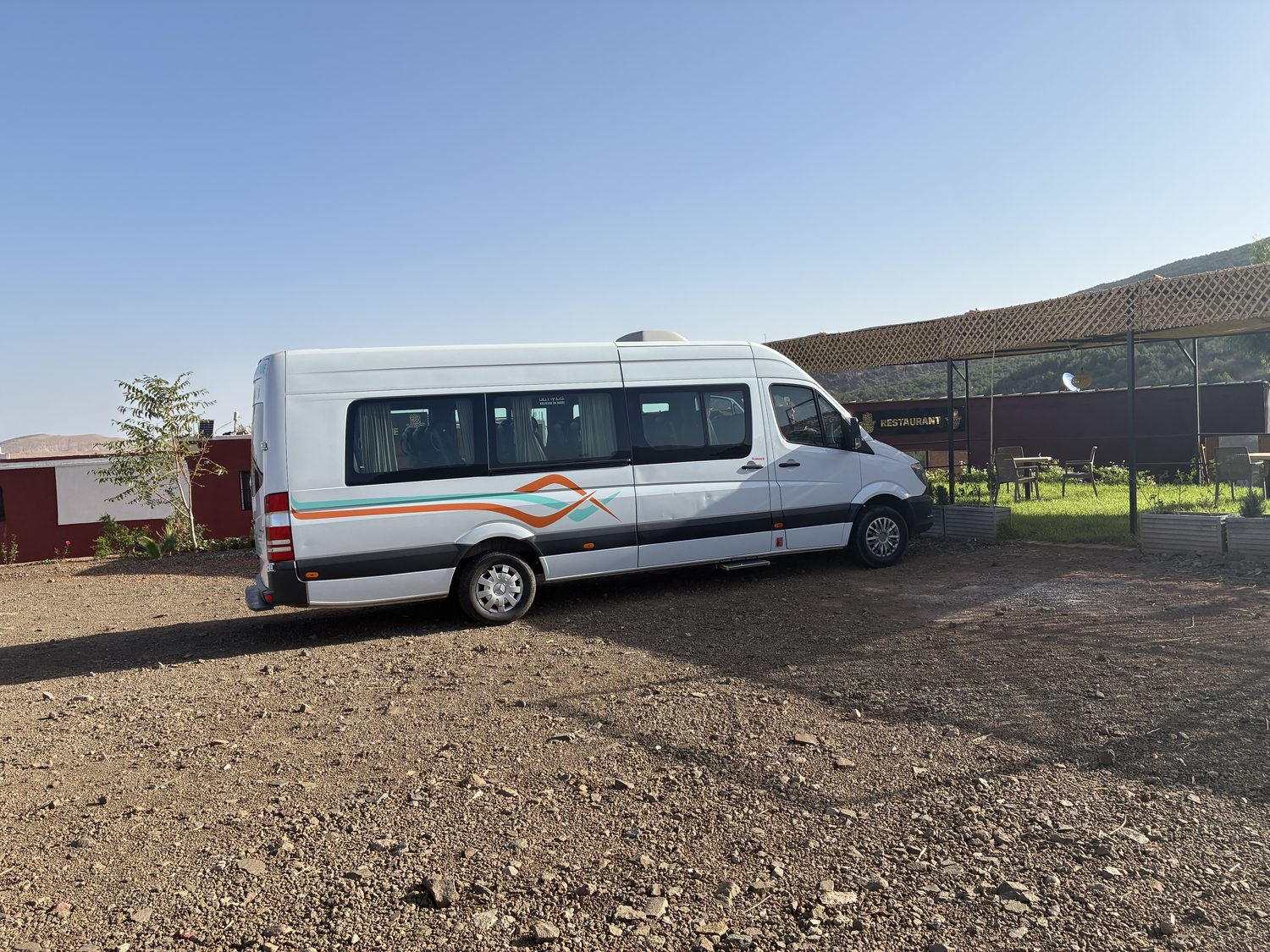
Marrakesh itself is not in the desert, but sits on the edge of arid plains just north of the High Atlas Mountains, and is known as a gateway to the Sahara. The Sahara actually begins much farther southeast though, around the region of Merzouga and Erg Chebbi, where we’re heading. And, of course, Marrakesh is not the only way into the Sahara . I could actually have taken the trip from Fes to Marrakesh through the Sahara , which might have been more varied as on this trip we’ll be returning to Marrakesh on a similar route to the way we’re coming in – but I wanted to take the train, riding i the Marrakesh Express. I was actually once in the Sahara, a long time ago at 18, in Algeria, which has far more land in the Sahara than any of the eleven countries across which the Sahara stretches.

In Morocco, including the Rif Mountains ,where Chefchaouen is located, Morocco has four major mountain ranges, and three are part of the Atlas range. The lower Anti-Atlas, which is lower, older, and most rugged and least vegetated; the Middle Atlas, with extensive forests, lakes, and plateaus; and the High Atlas, described as the highest and most spectacular, running south of Marrakesh, with Mount Toubka , at almost 14,000 feet, the highest peak in North Africa.
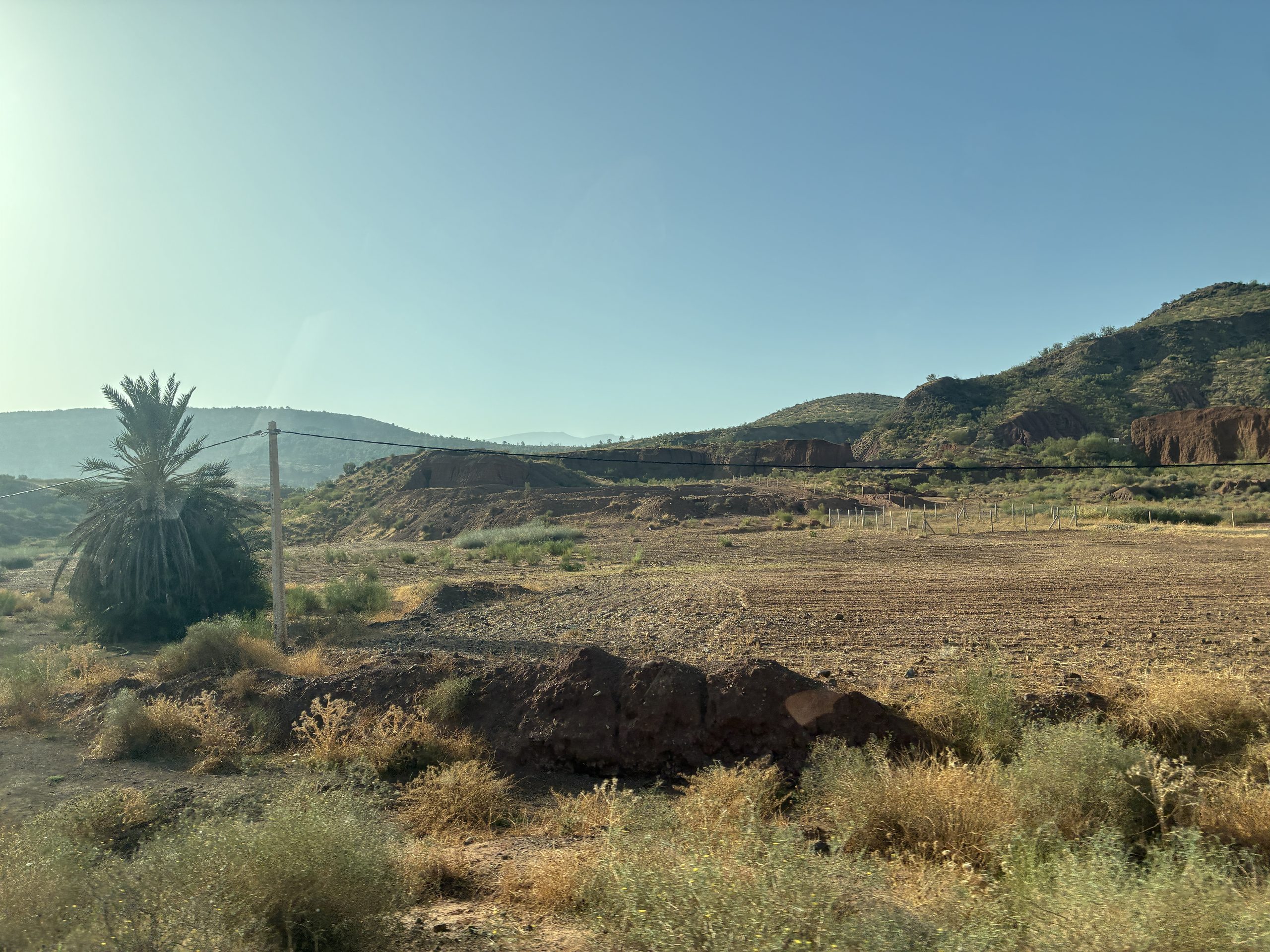
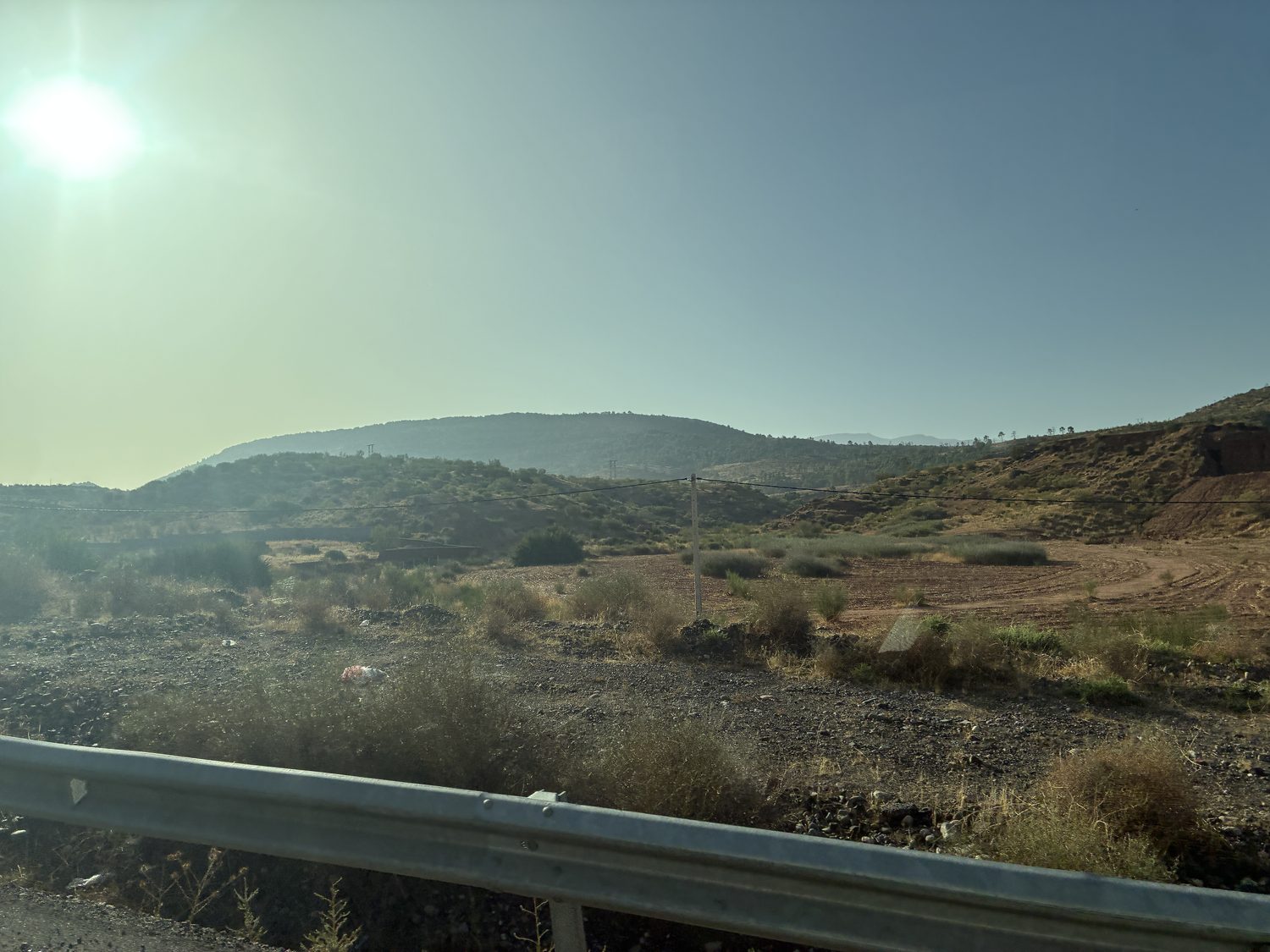
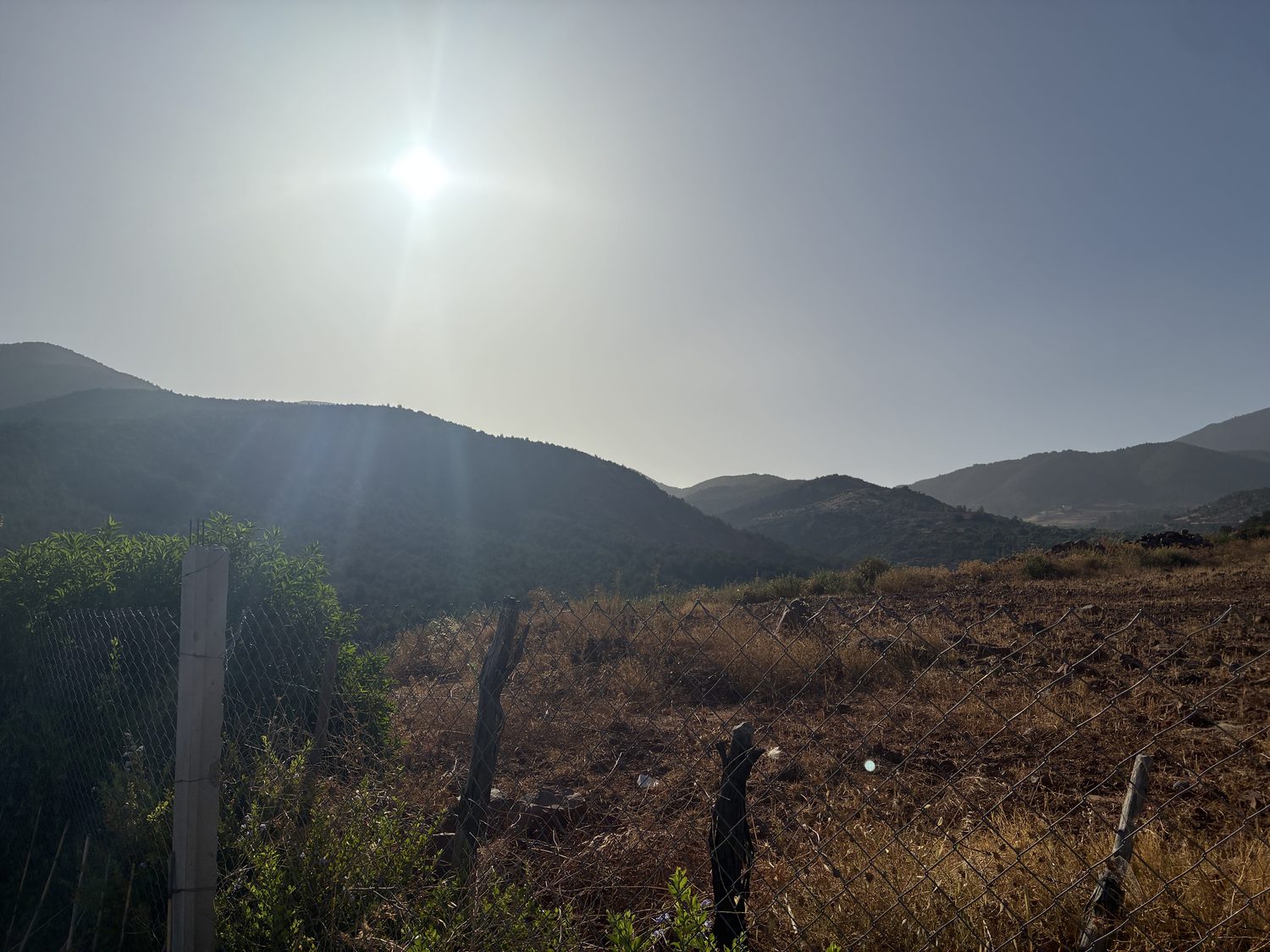
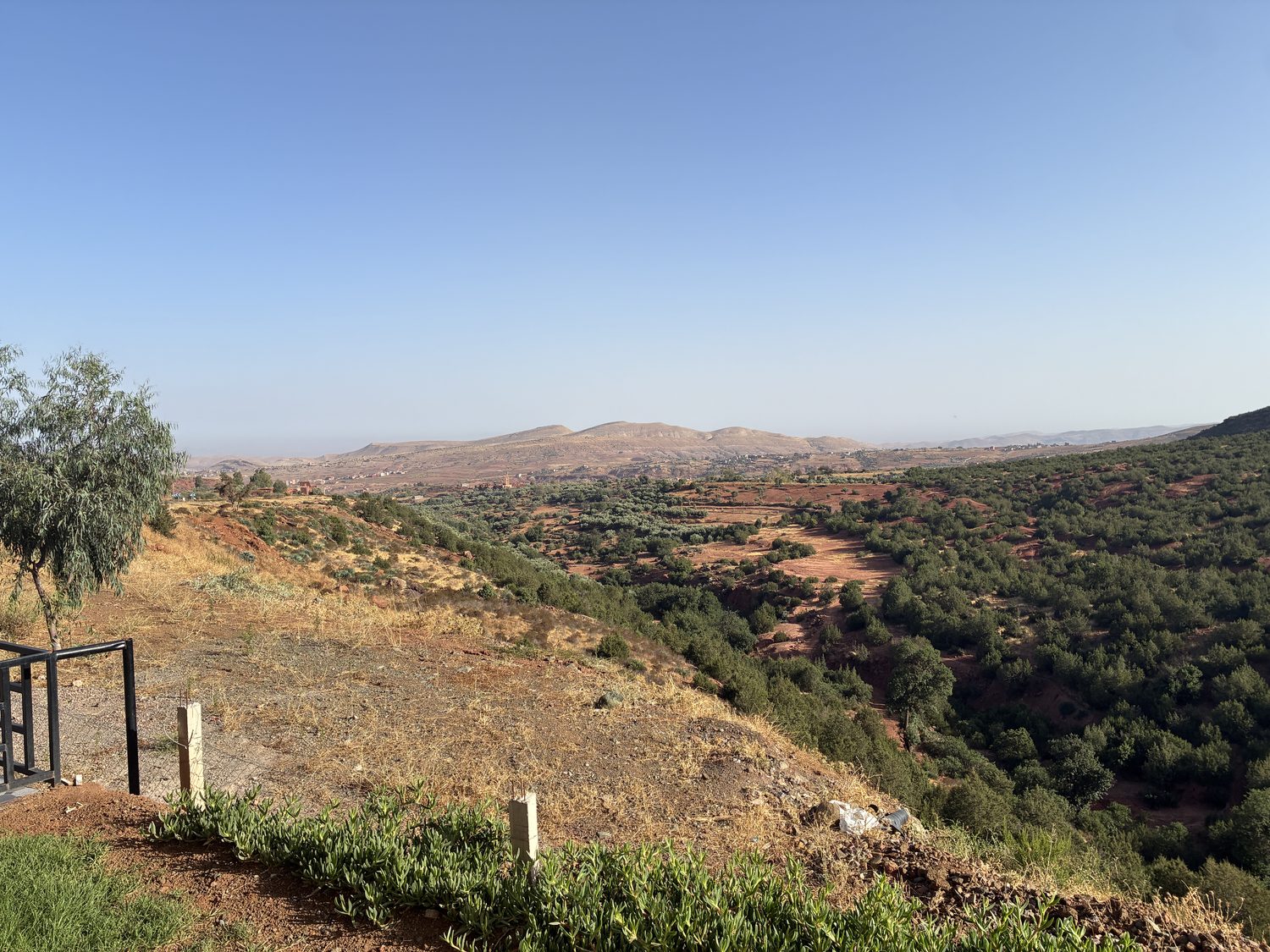
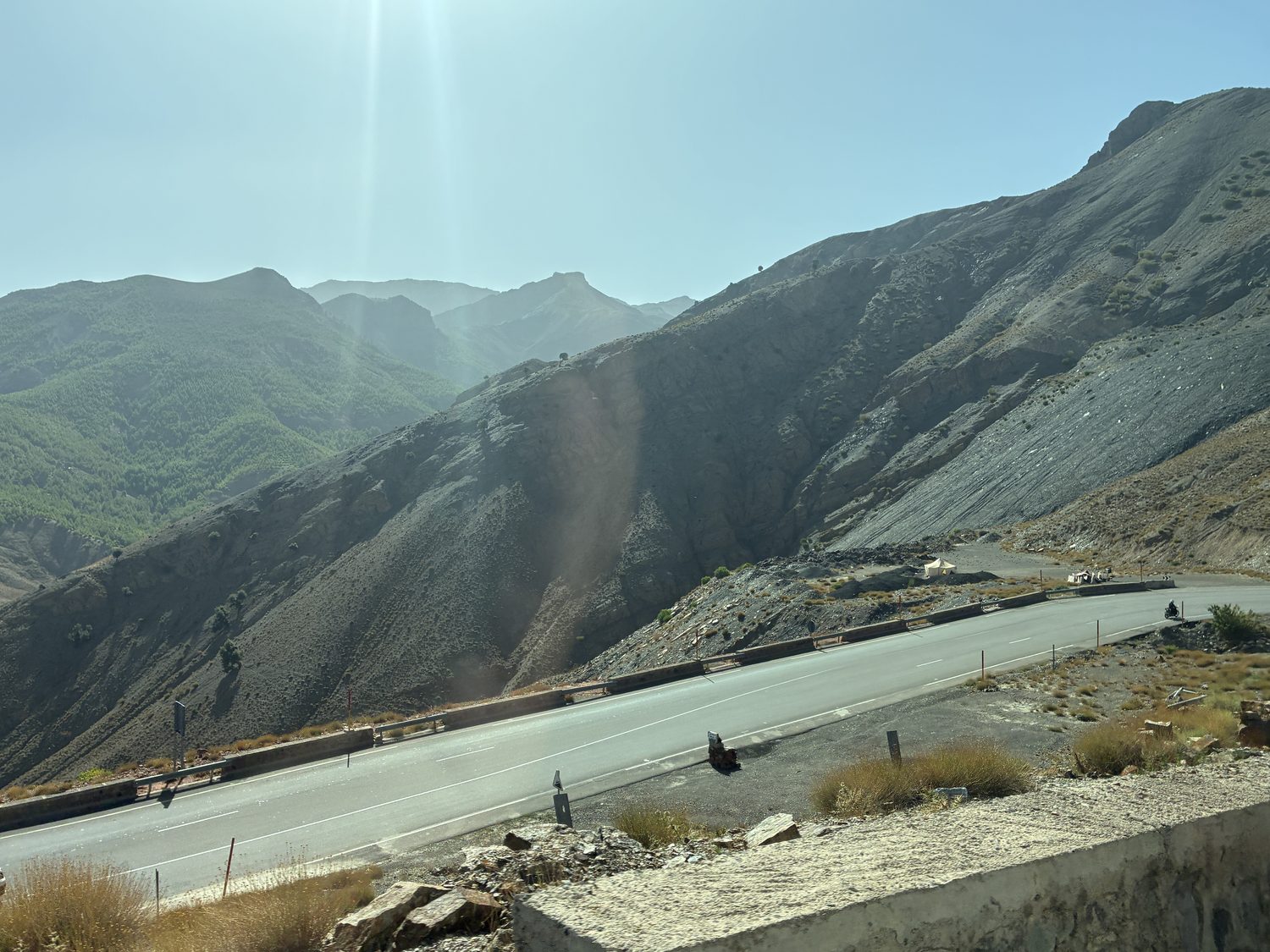
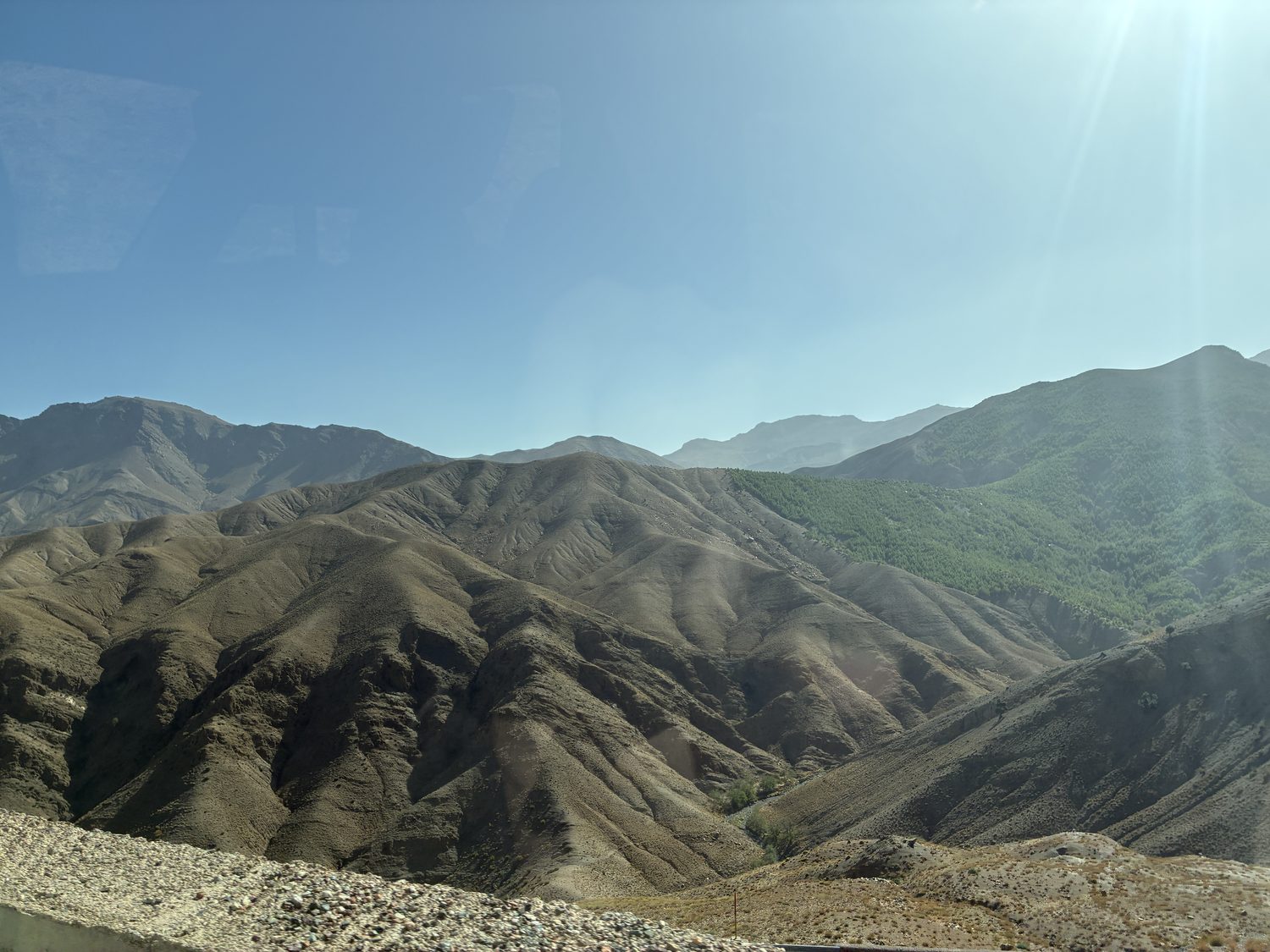
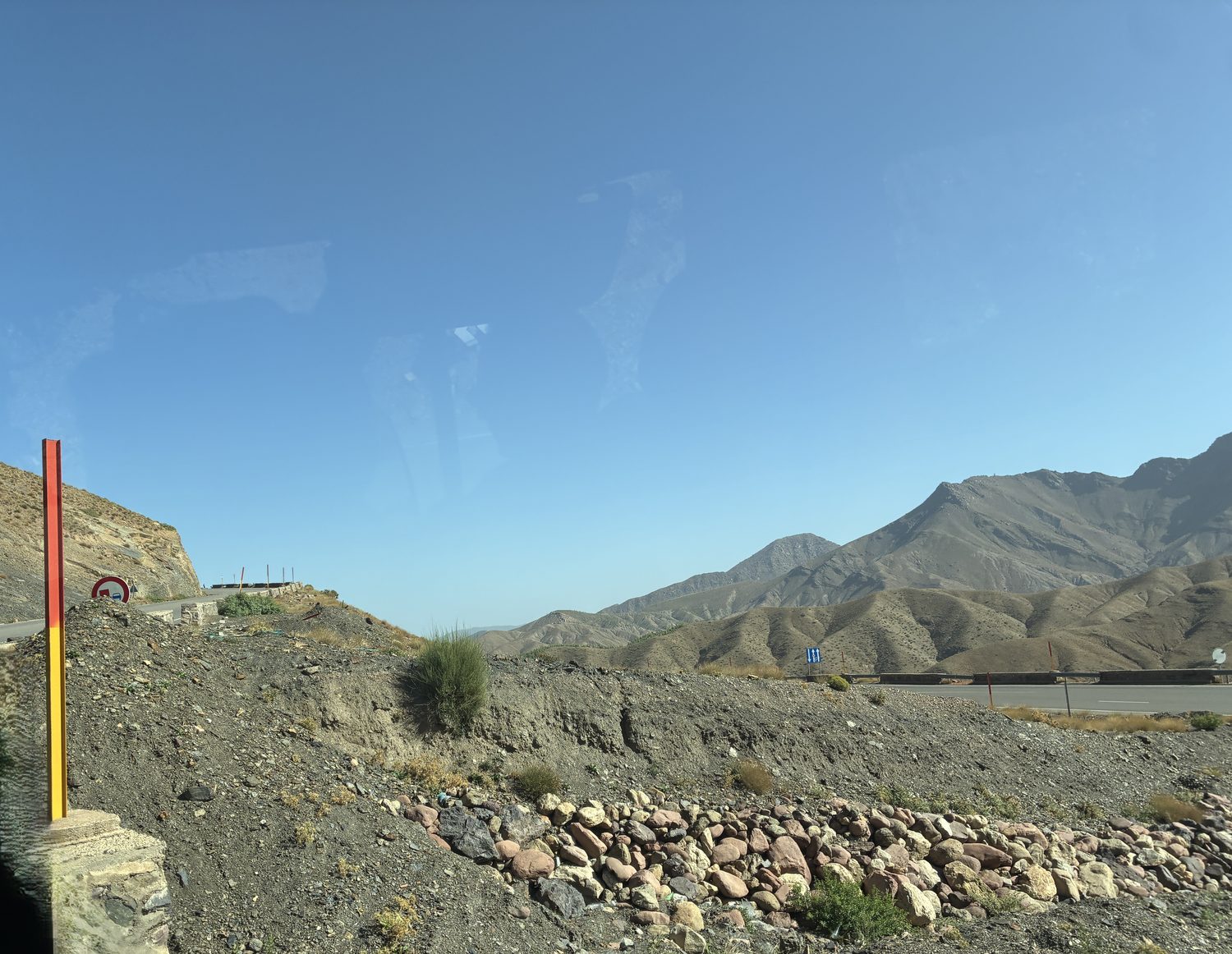
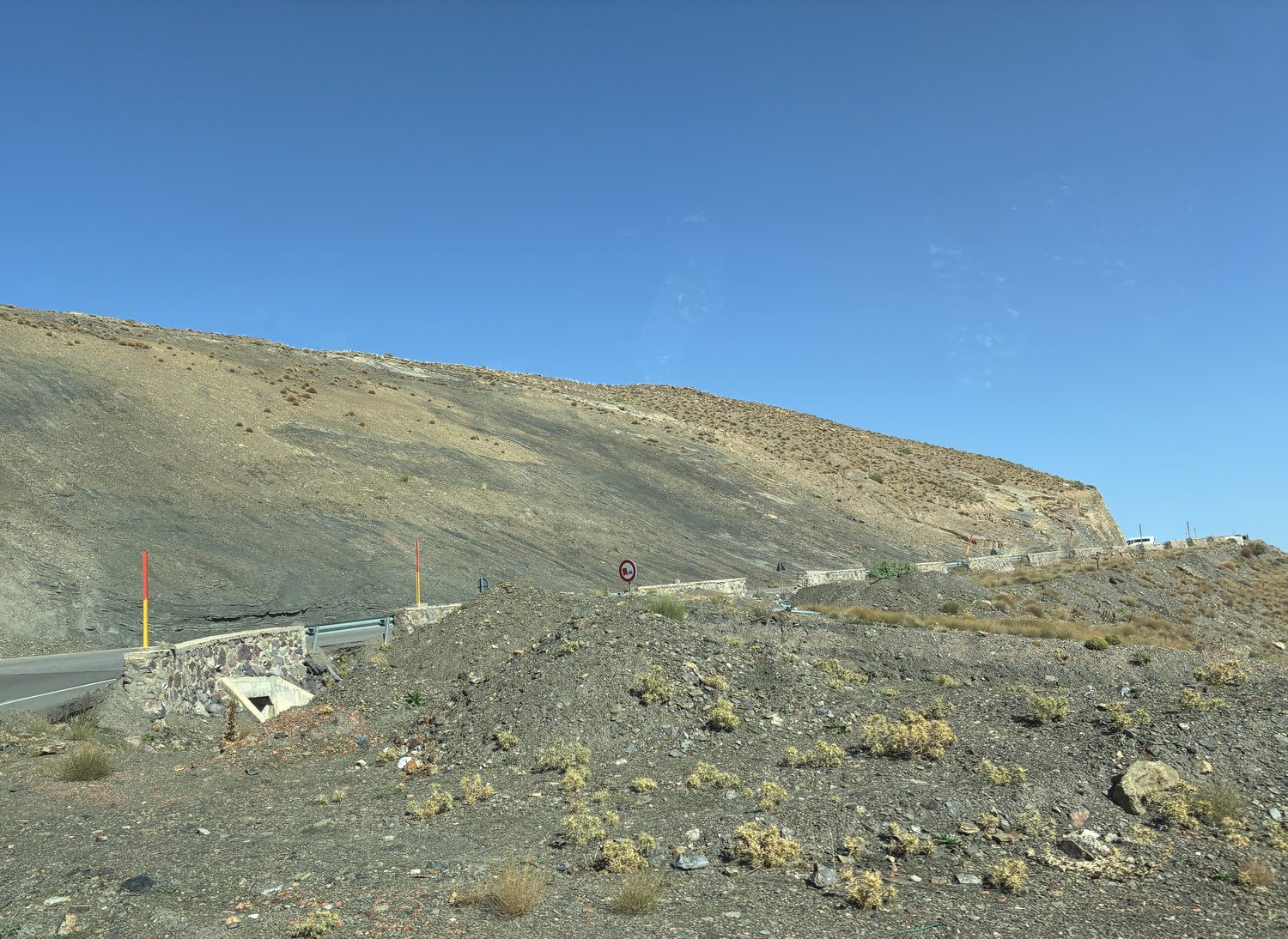
Two hours out, and we had reached the the High Atlas Mountains and the National Park, with hundreds and maybe thousands of plant species and as many as 6,000 species of fauna, with olives, almond, walnut, and apple orchards growing in the hills. The landscape was by now amazing, driving through high barren mountains and through small Amazigh villages and towns along winding mountain roads that climbed higher and higher. It was a dramatic and beautiful landscape, rising to about 7,000 feet when we took our first photo stop high in the mountains, and then drove over Tizi n’Tichka Pass at 7,415 feet.
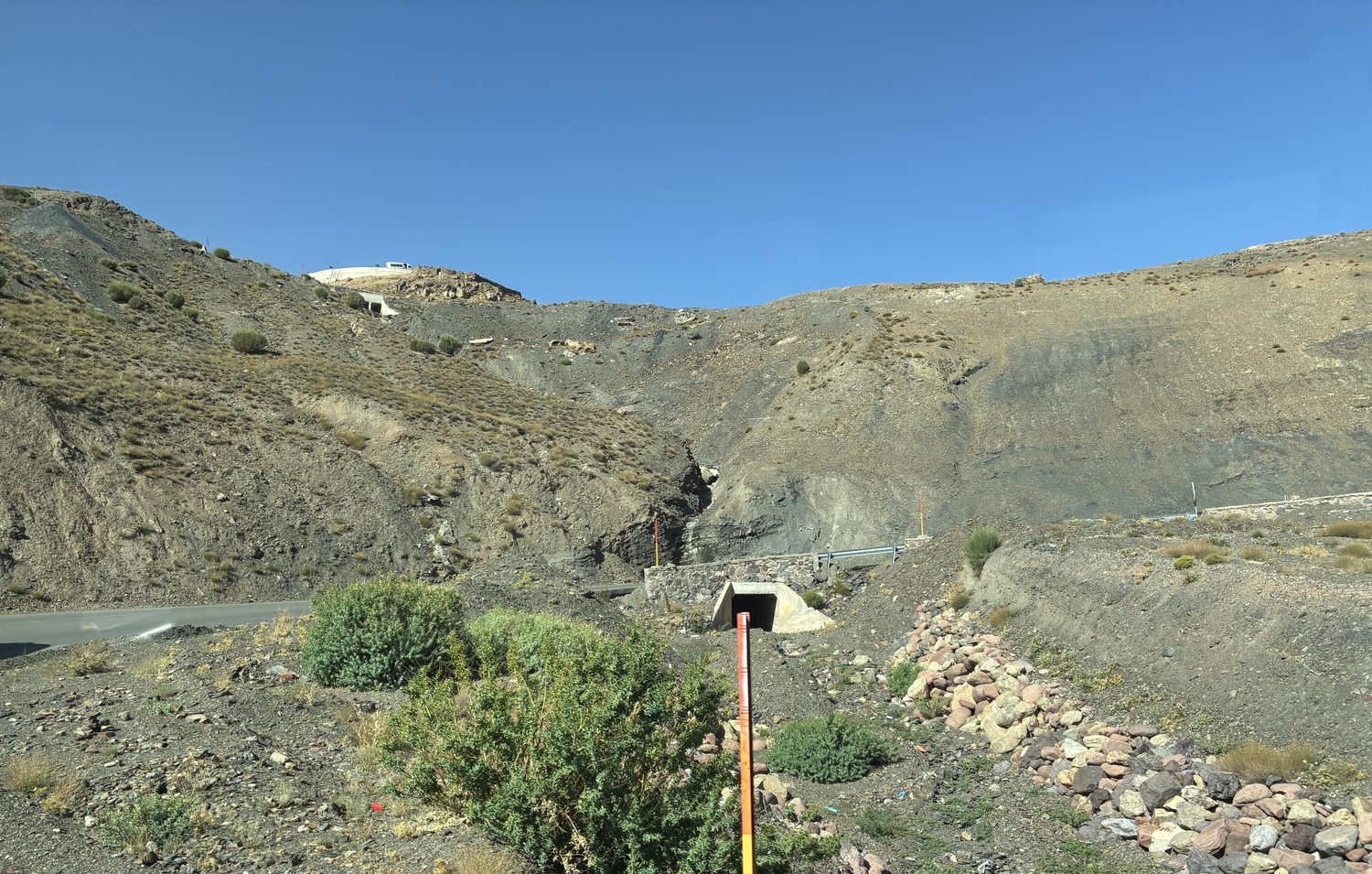
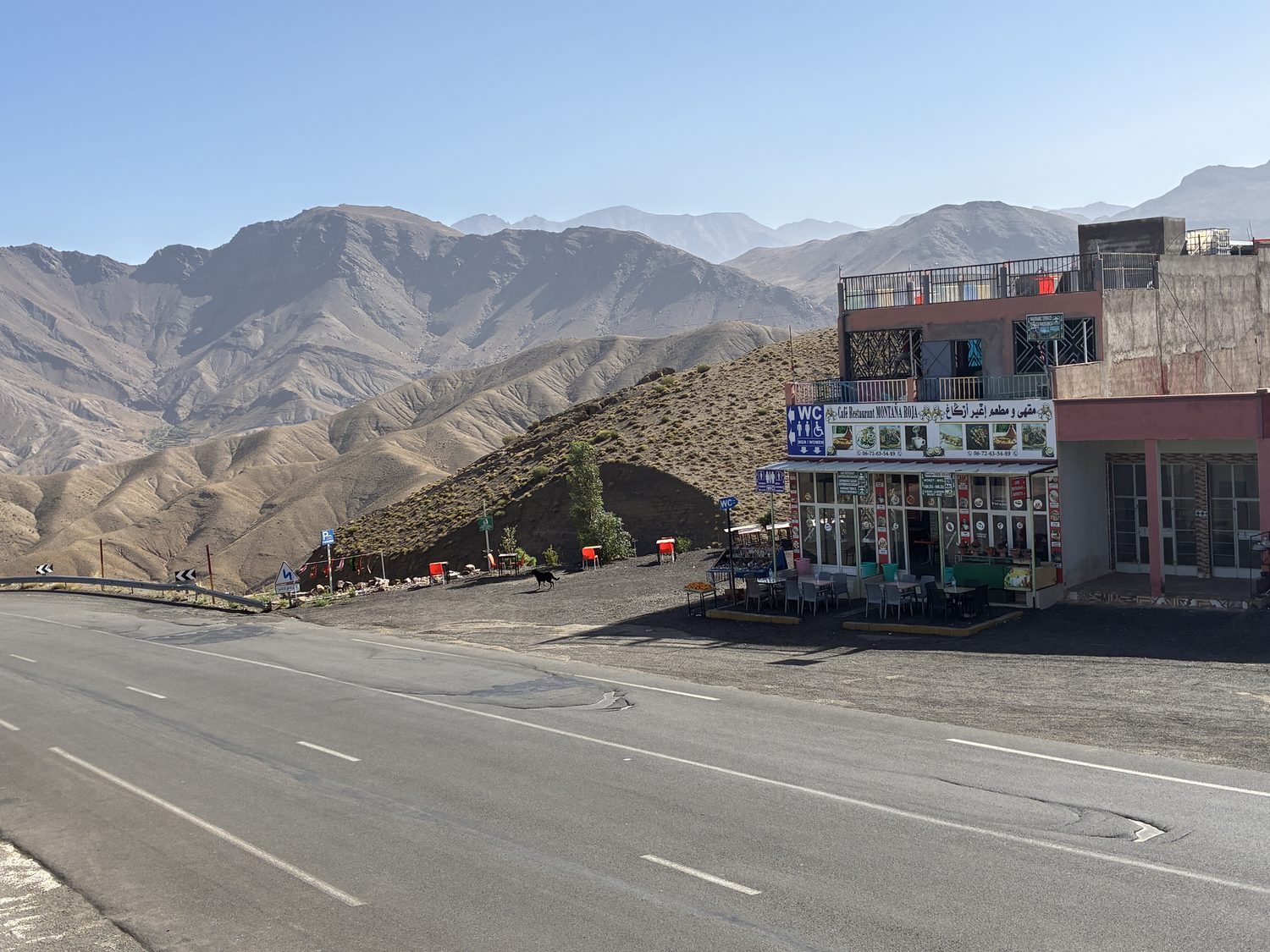
During our drive, Charif was sharing history with us, including the history of the Amazigh, of which he is one, and answering questions. One thing particularly notable was something I’d wondered about in both Japan and especially Vietnam, and talked to a couple of my street walk guides about, and that was the intersection of the culture’s community, spirituality, and traditions and the ideas and opportunities presented to the current generation, exposed to western ideas, behaviors, and individuality through the ever present social media. This is exactly what Charif was discussing today, describing his and the younger generation being between two generations, the new and the old, in part due to information and ideas provided by and the influence of social media, and old traditions among new ideas.
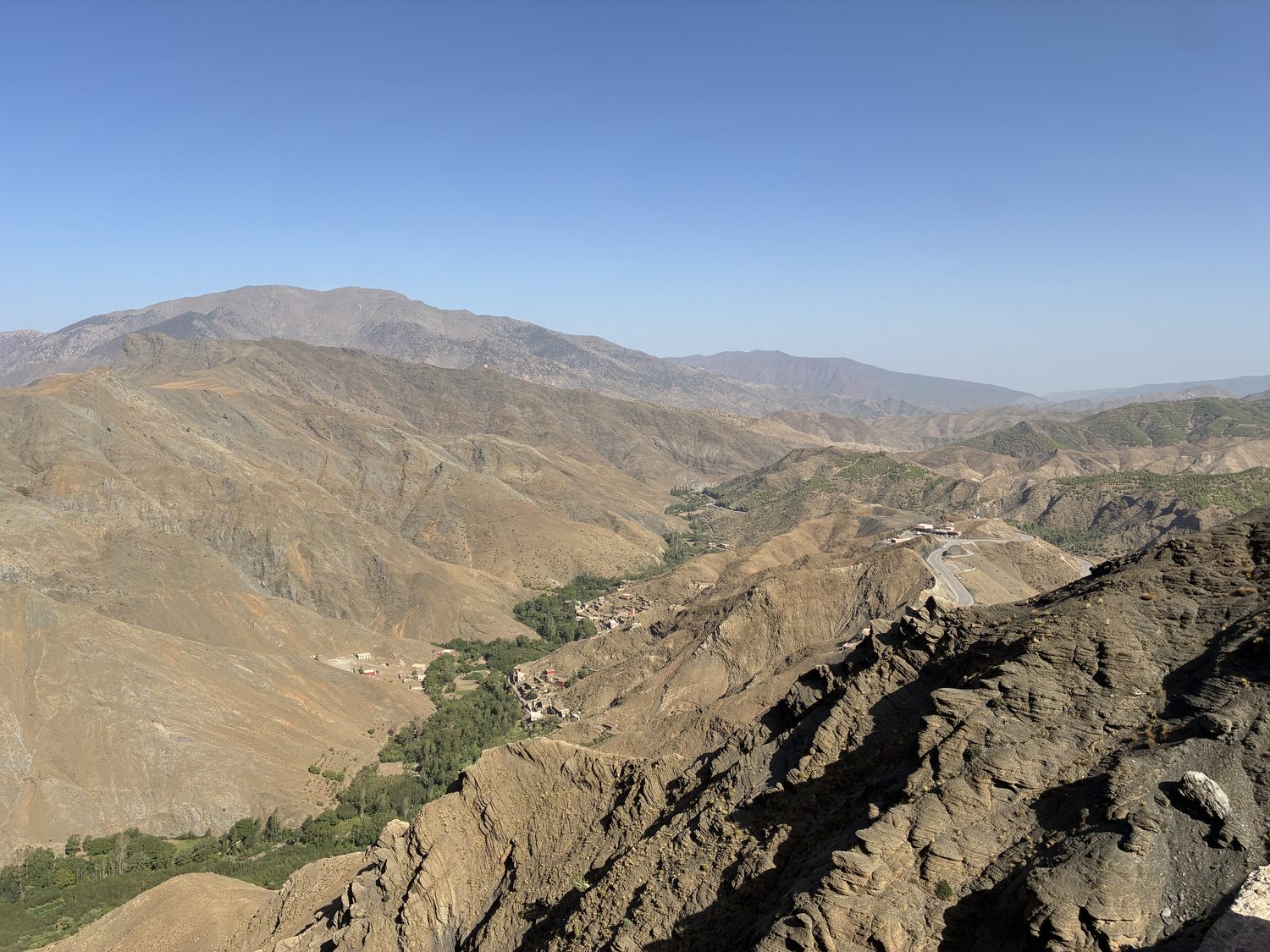
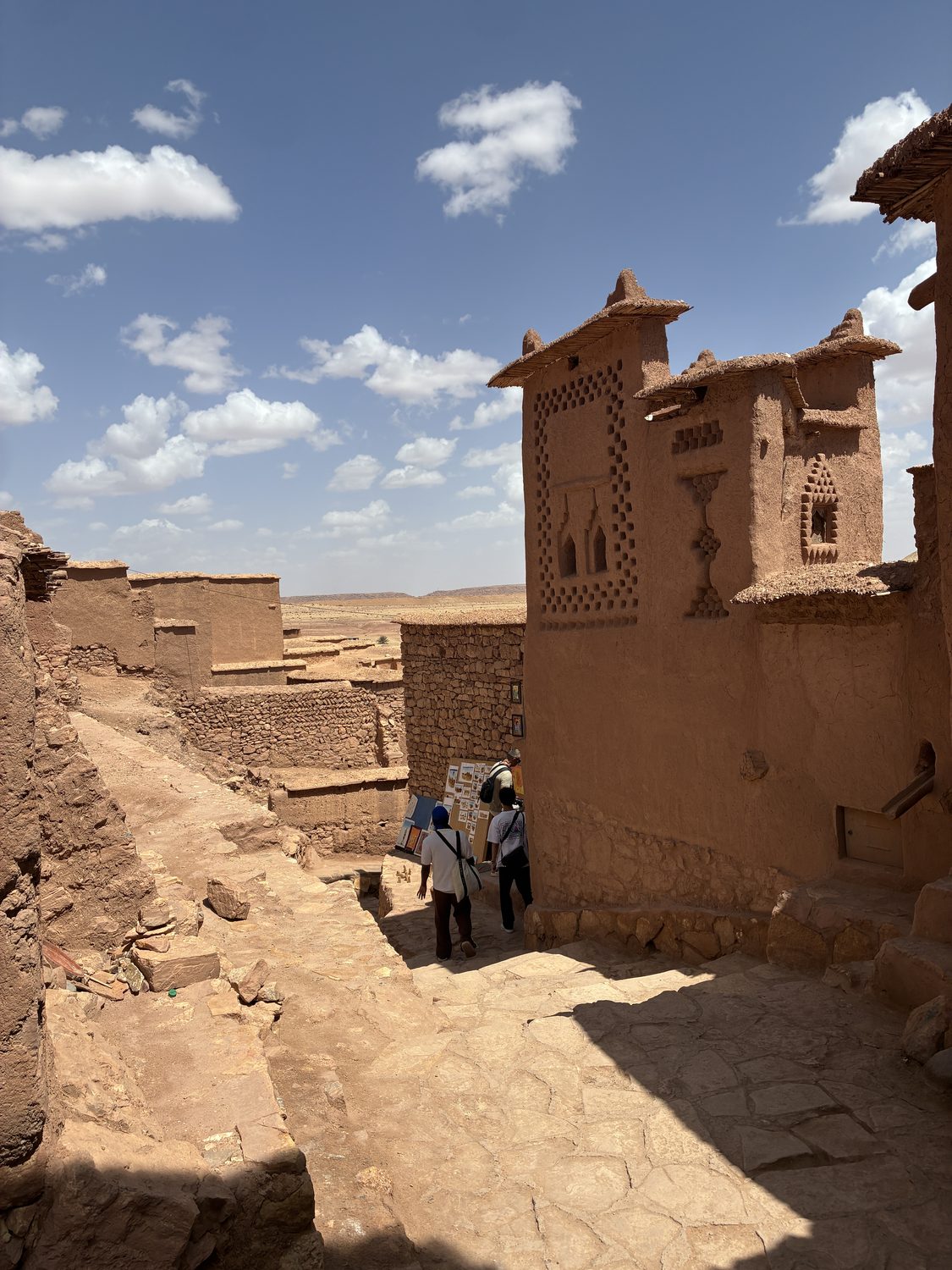
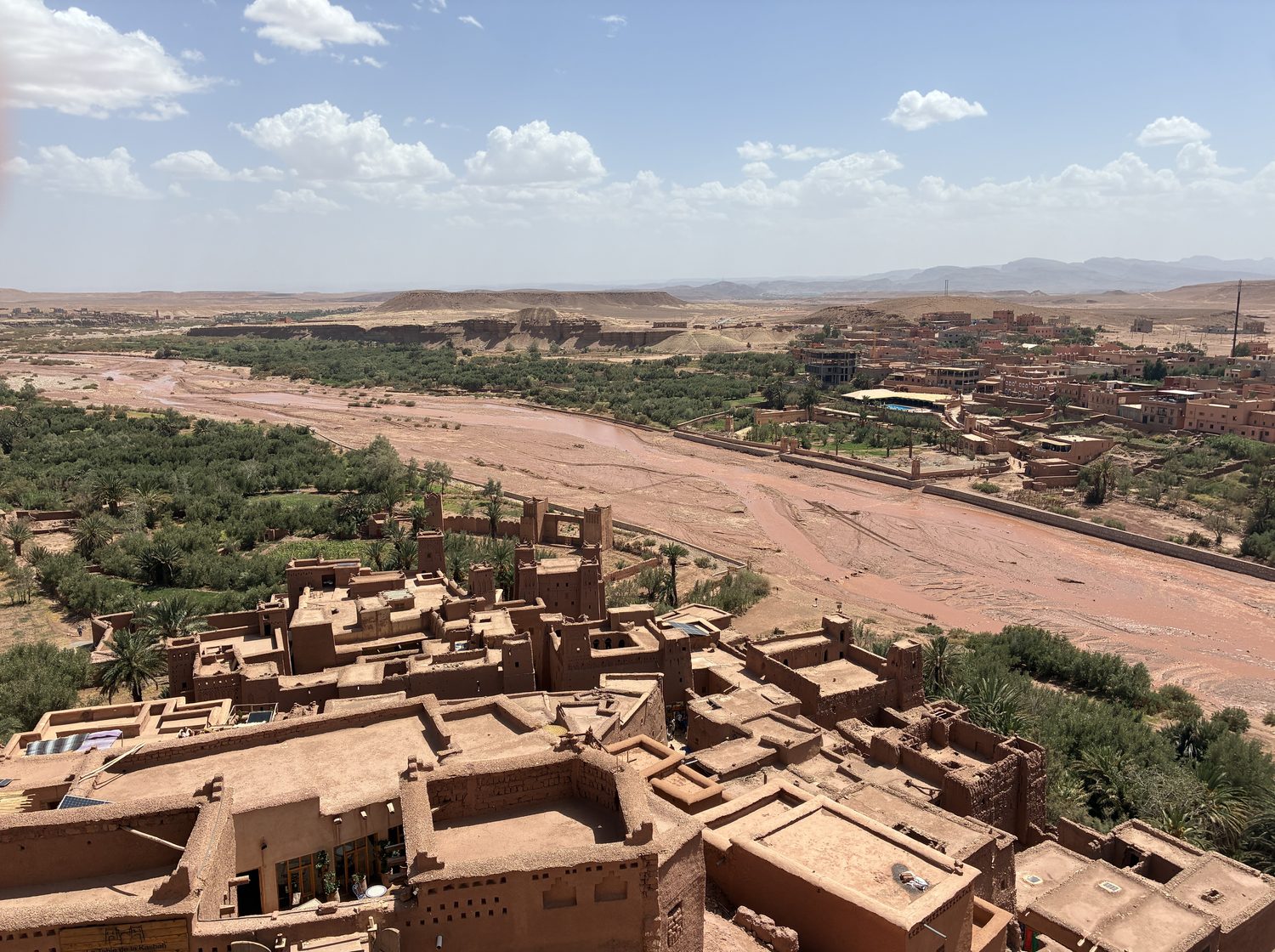
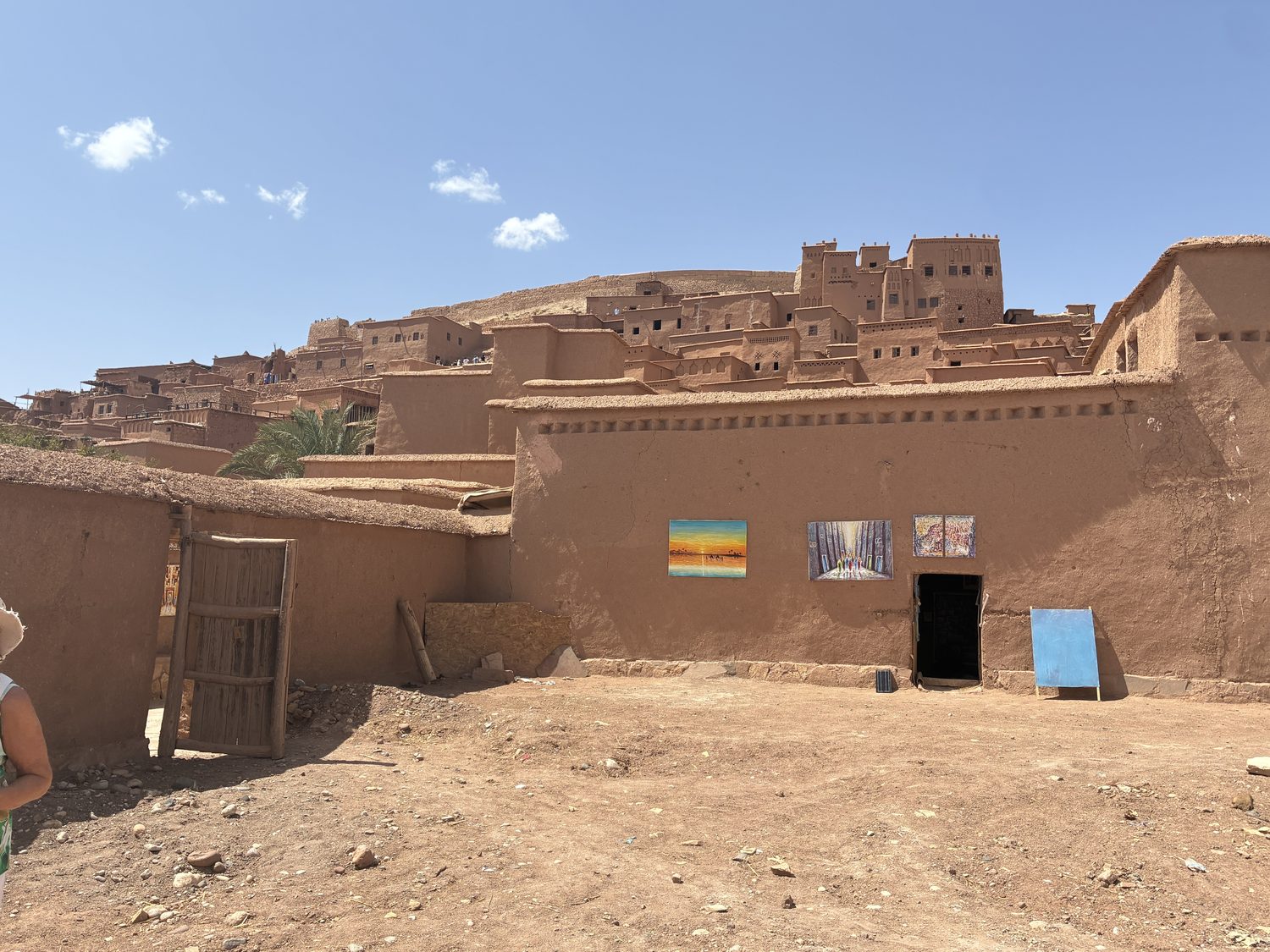
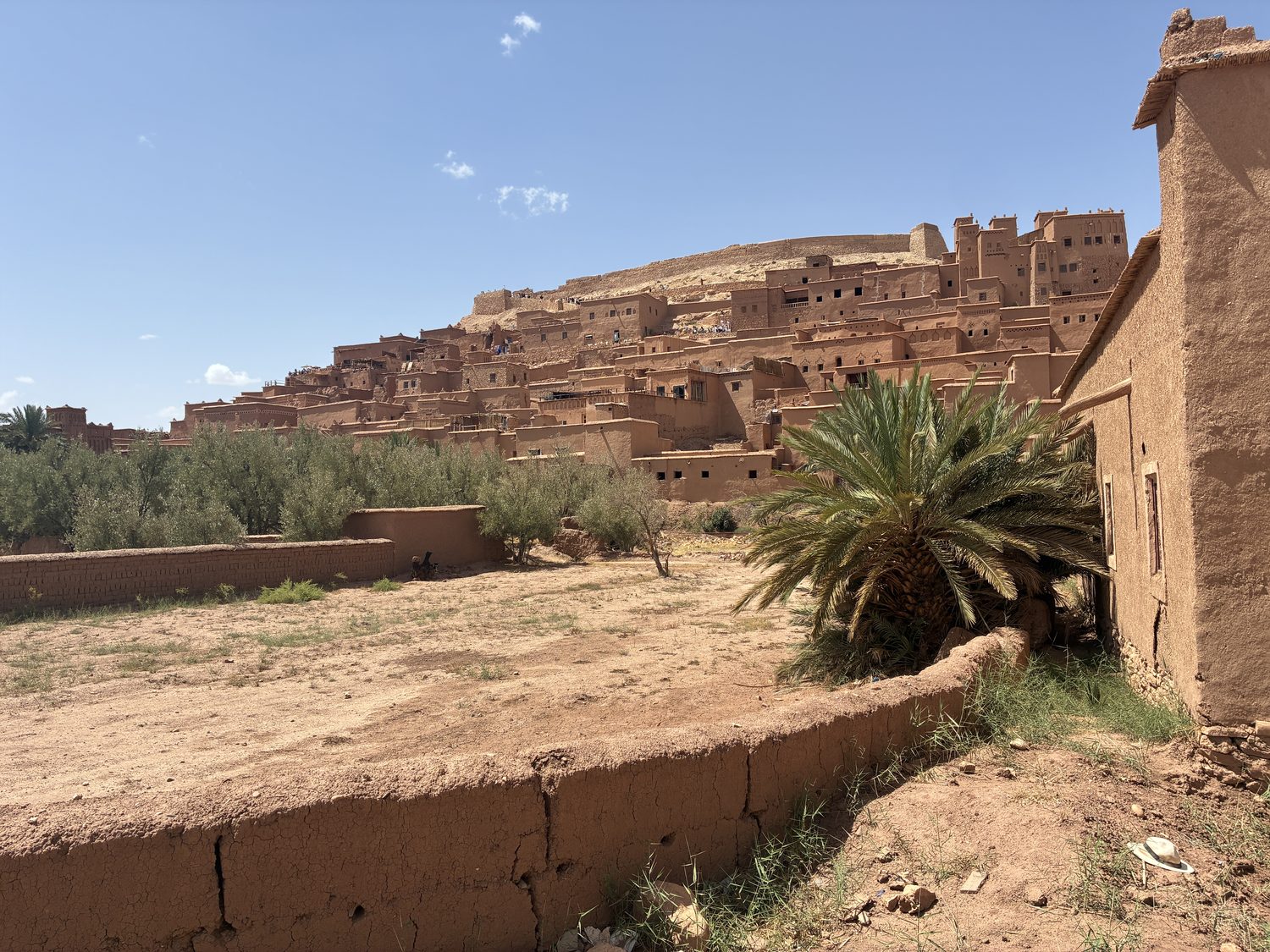
After a couple more short stops for breaks or photos, we reached Aït Benhaddou around noon. Here, we stopped for lunch and a hike to the top of the mountain into which the old town is built. The old town, well preserved, is now actually only a visitor area, with small shops and street vendors throughout and lots of visitors (like us), but no one actually lives there anymore, instead living on the other side of the mostly, but not fully. dry Ounila River.
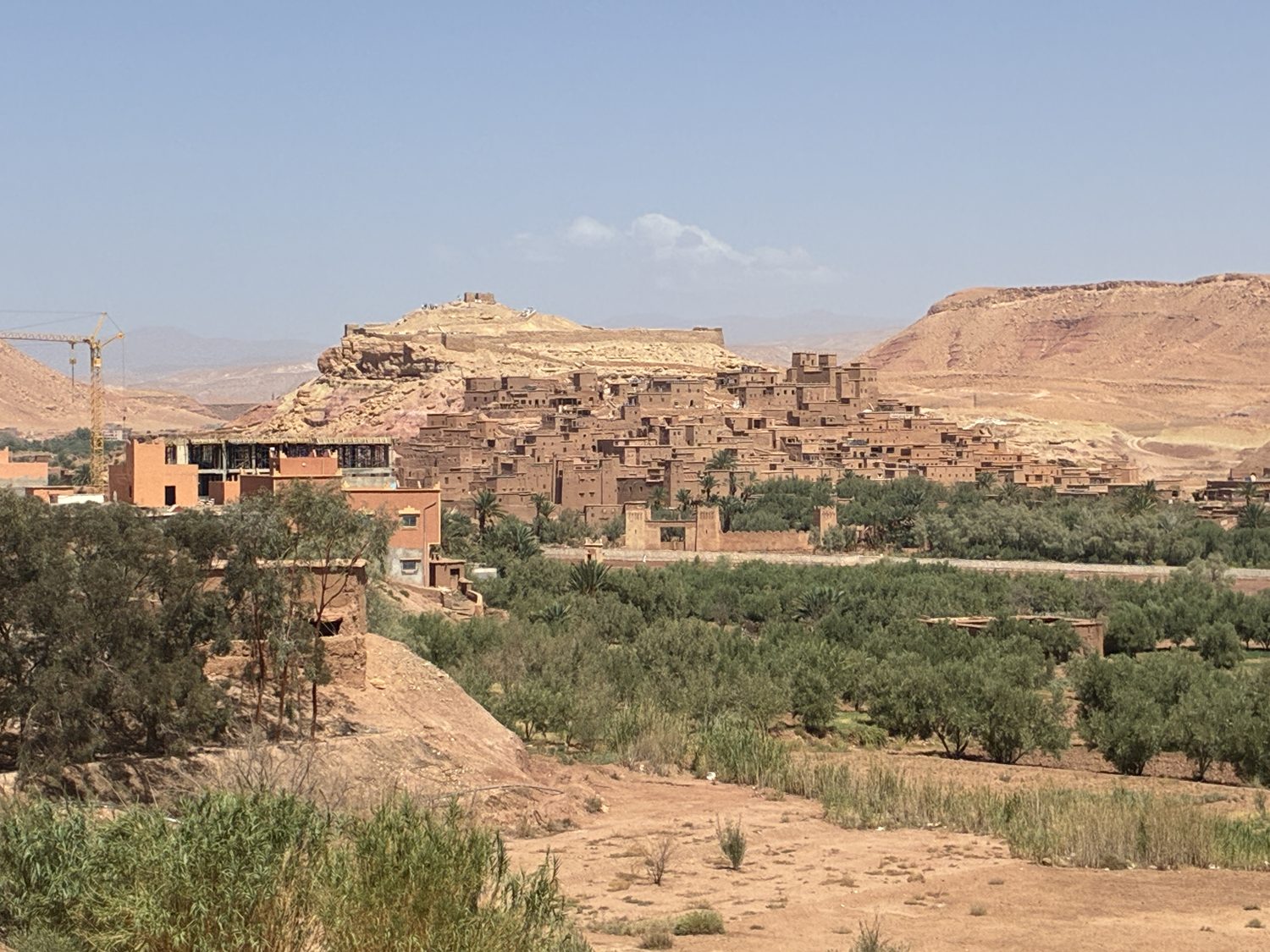
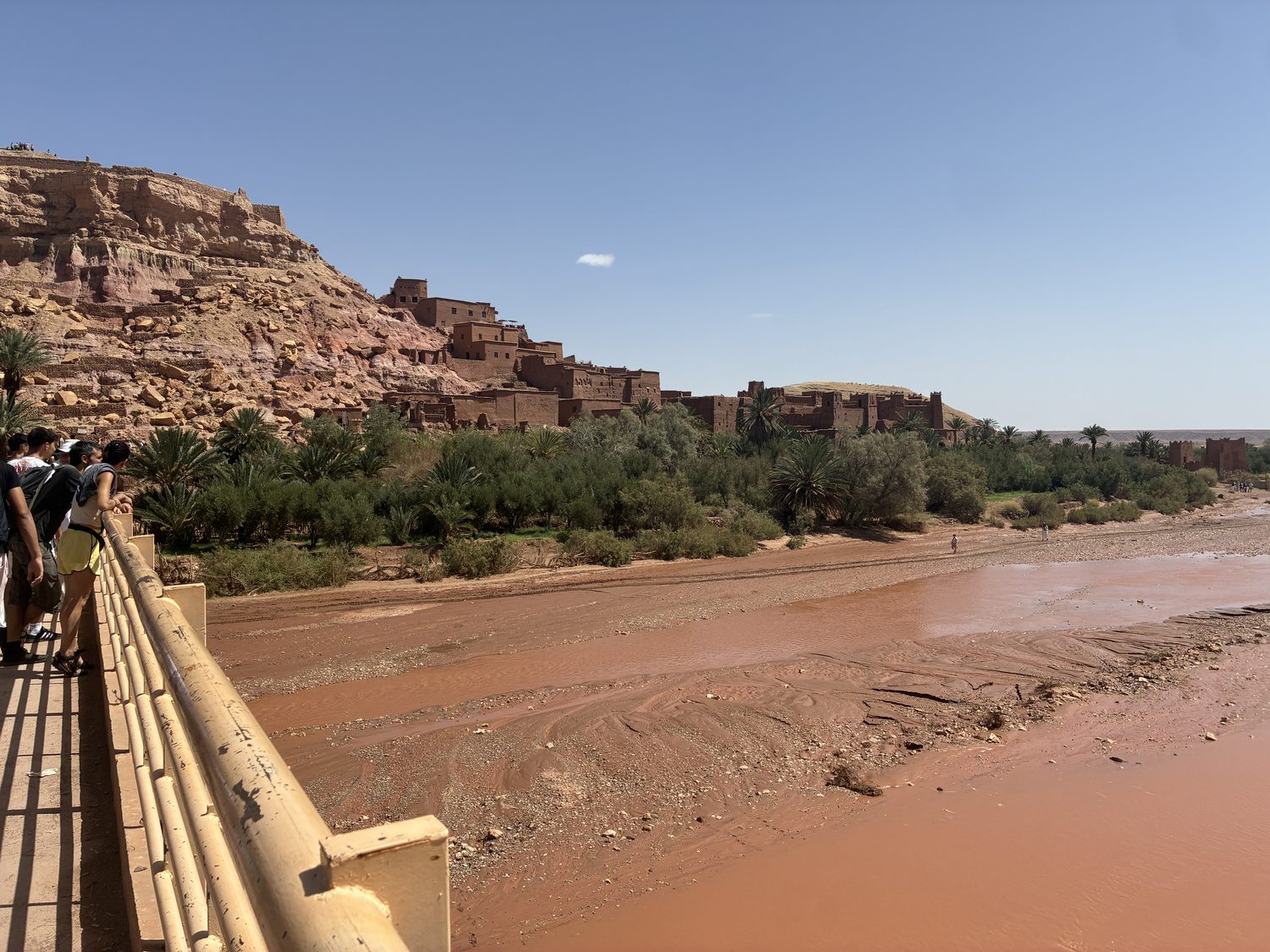
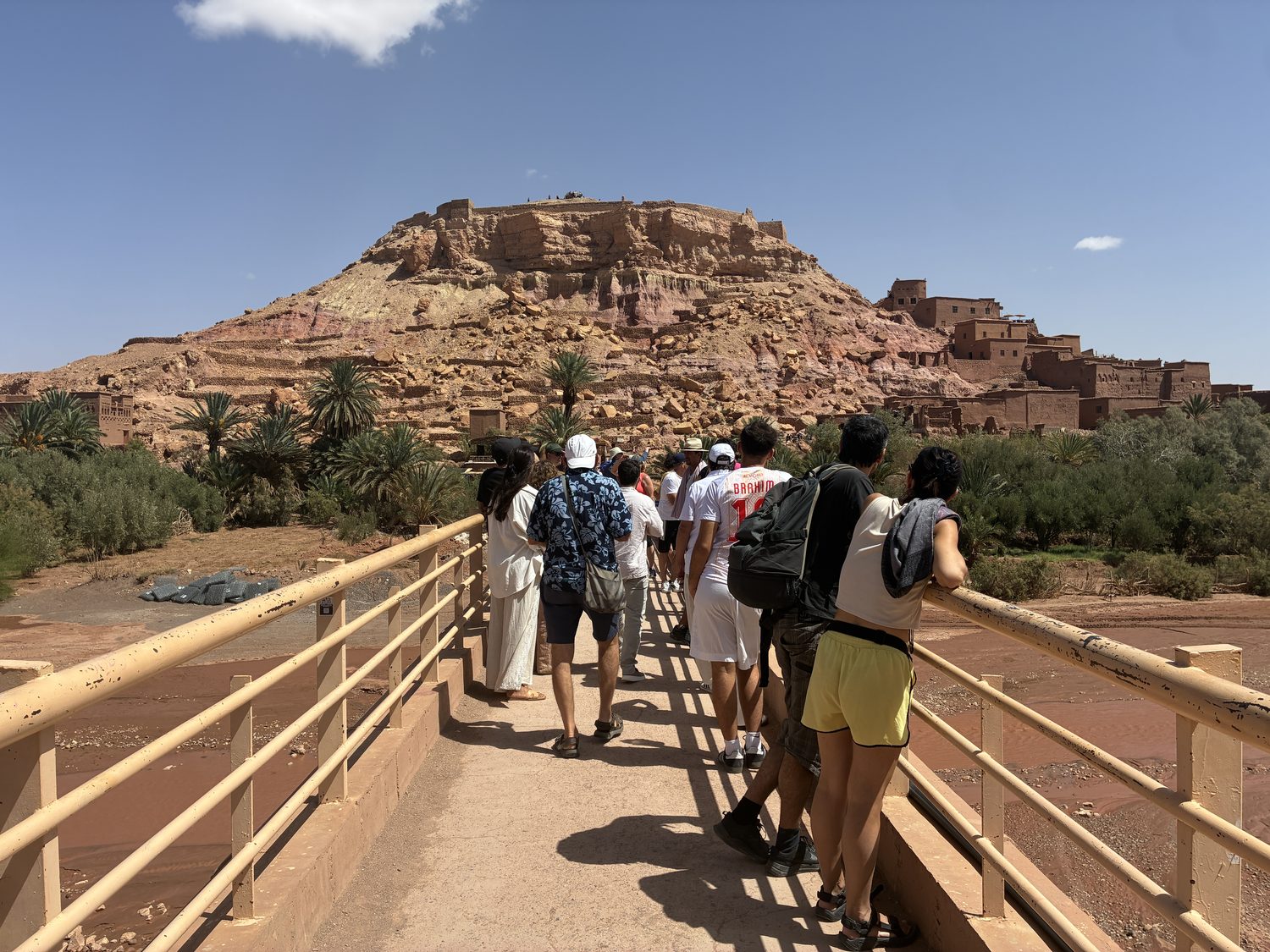
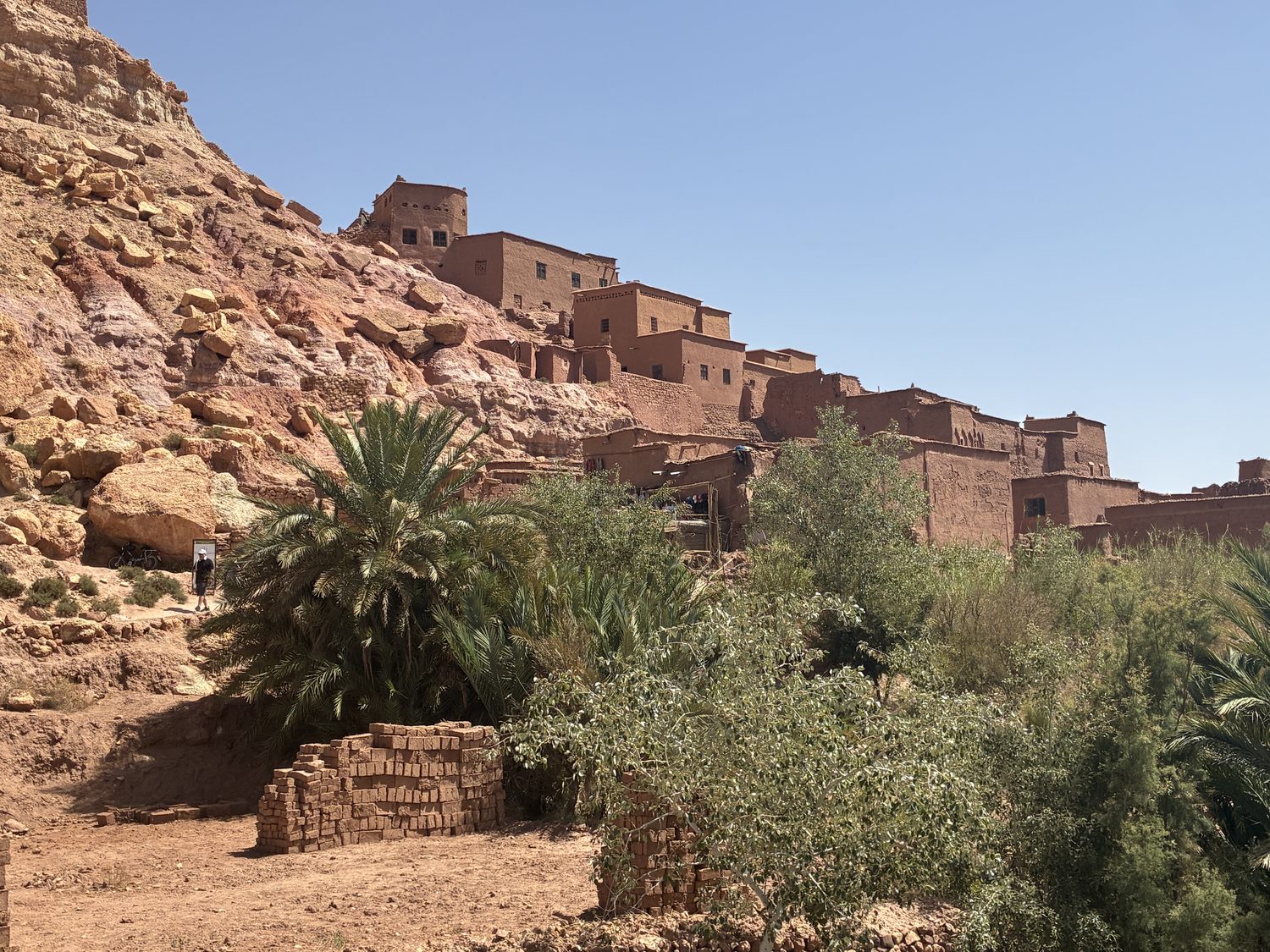
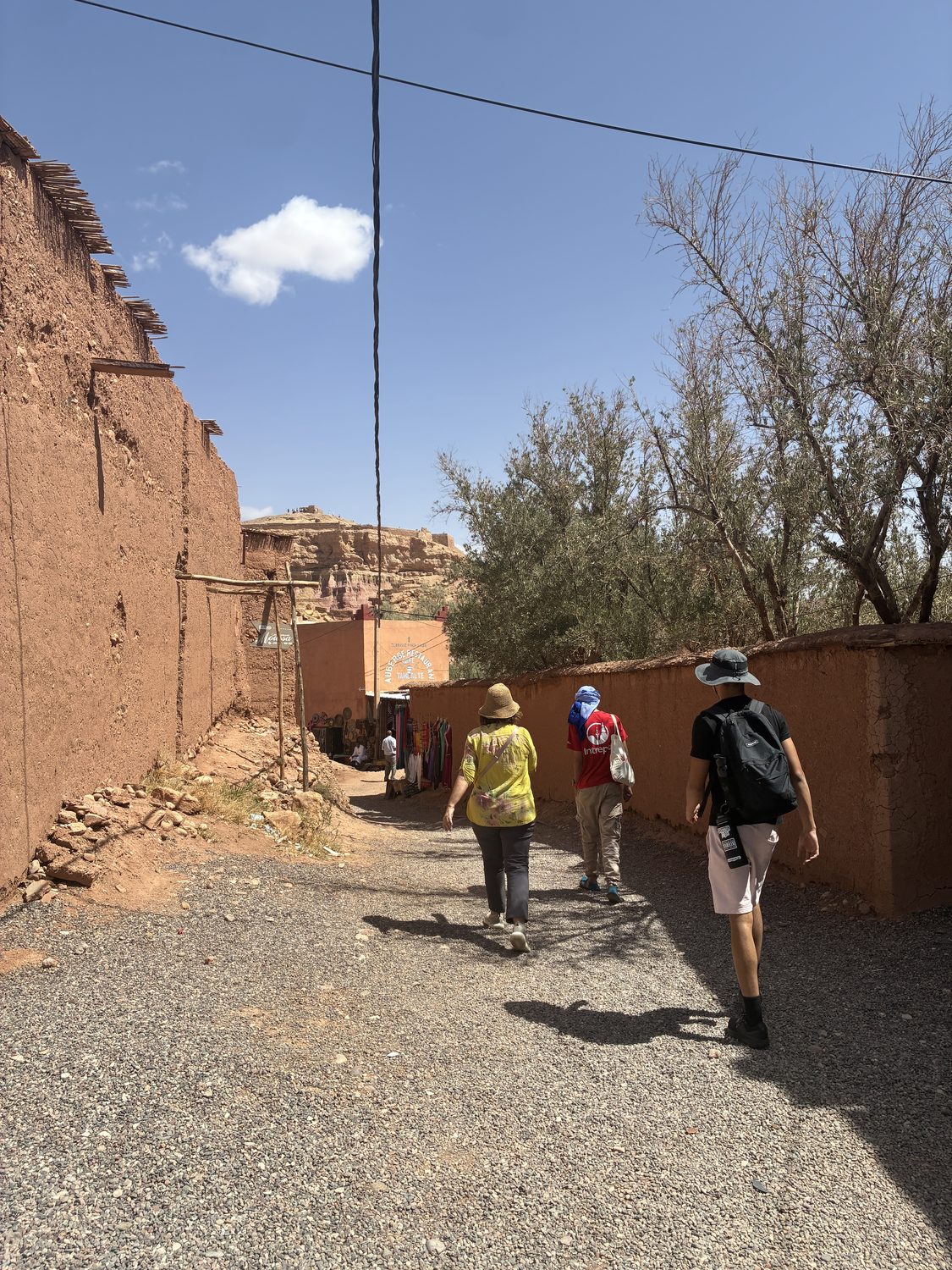

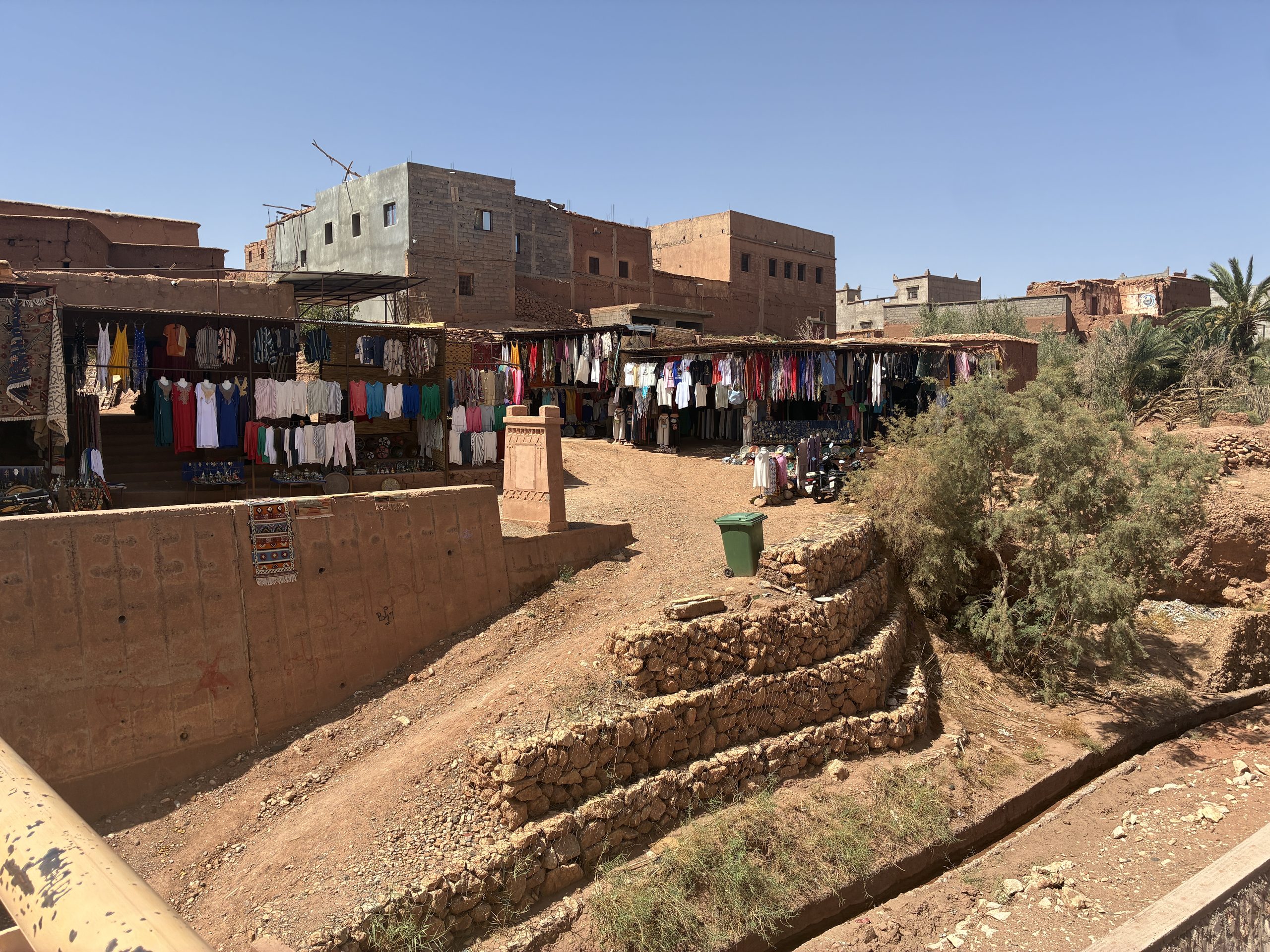
Aït Benhaddou is 68 miles from the epicenter of the 6.8 magnitude that hit the Atlas mountains in 2023, in total killing almost 3,000 people, with over 5,500 additional injuries. Although there were no injuries in Aït Benhaddou, there was damage to a number of the buildings in the old town, since repaired. The old town, a ksar, surrounded by a fortress wall, dates back to at least the 17th century, with roots possibly as early as the 11th century, and it became especially important in the 17th to 19th centuries because it was located along the caravan route between the Sahara and Marrakesh. It is now a UNESCO World Heritage site, and needless to say, although I’ll say it anyway, it’s a beautiful place.
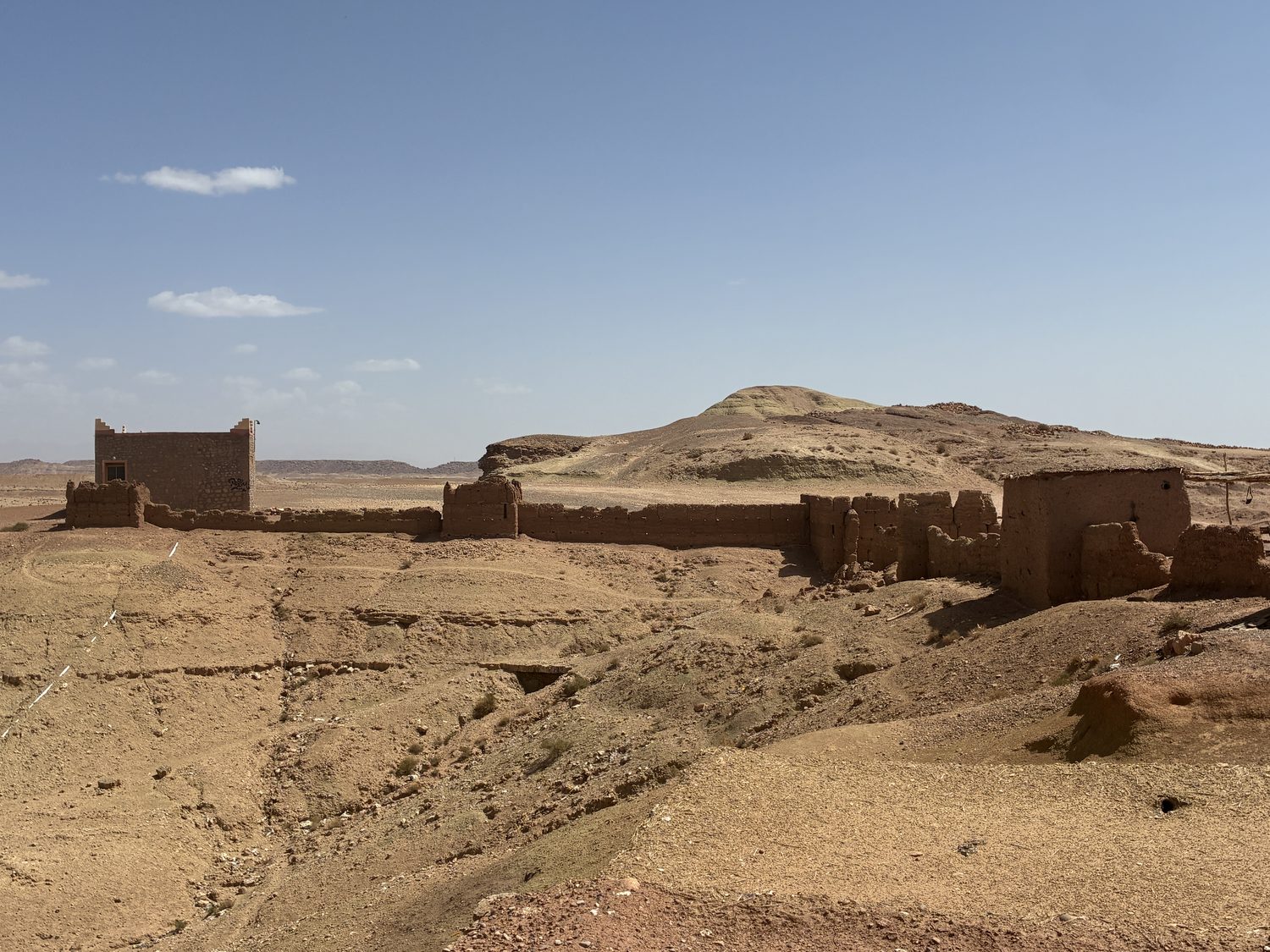
Aside from its beauty, or perhaps because of it, the town has been used as a movie set for decades, going back to the 1950s, including Lawrence of Arabia and The Mann Who Would be King, both favorites of mine, Indiana Jones, Gladiator, and most recently The Odyssey, and the gate outside of the walled village, which was kept in place because it looks so good, was built for Game of Thrones, some of which was also filmed here. In fact, construction for a new movie has recently been started in the area reserved for filming. The point is, it’s a pretty great looking place.

Crossing the bridge into the old town, I got caught up taking photographs, and immediately lost the group, who I later found out had ducked into a small restaurant right after the bridge for lunch. But I didn’t know that, and I looked and looked for them, almost leaving the town completely, and figured they’d either entered a building somewhere or had taken the hike up the mountain before lunch. I opted for the latter, and up the mountain I went to the ancient granary on top, at double speed I might add. It was a hell of a hike. They weren’t there.

Heading back down, no way to reach Charif, I figured the worst that could happen is I’d miss lunch (which would be fine with me) and wait by the van, and I’d already been to the top so I wouldn’t miss that. But I knew they’d be worried about me if that happened. On the way back down, I saw Charif headed up, looking for me. All was well, and I joined the group for a really nice lunch, and normalcy was restored once more.
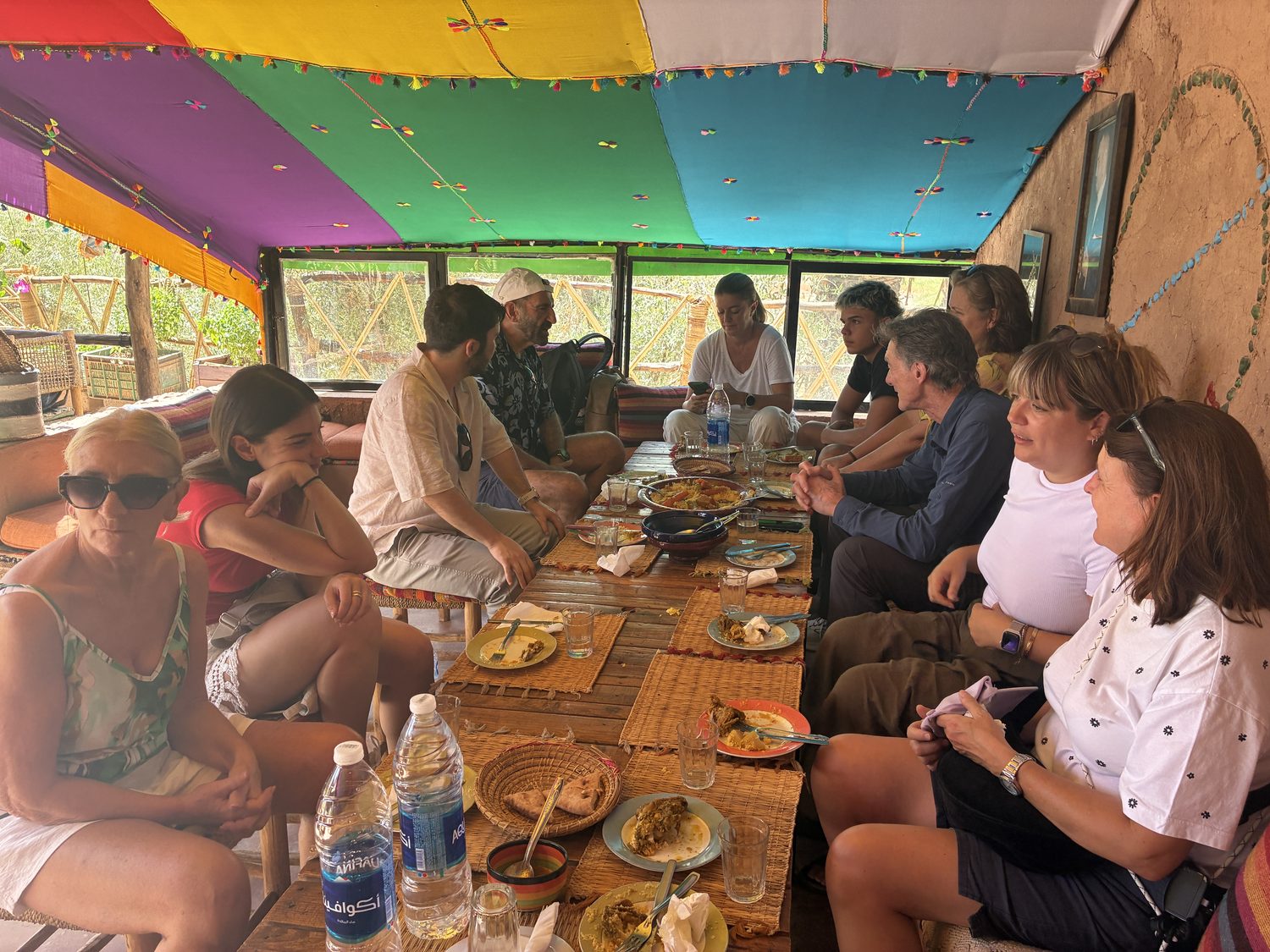
The group of people I’m with are a nice bunch, and pretty mixed with respect to where they’re from. One other guy, Claude, is solo like me, and he’s a big-time hiker, planning to go onto another hiking trip in Morocco after this and then two weeks hiking in Nepal. Small world, though. Another guy Stuart, a few years younger than me is from the East End of London, where his Jewish family stayed after most of the Jewish population moved to North London in the 50s and early 60s, and he later moved to Totteridge, not far from where Hilary and Claudio live, and he worked as an international counselor in the late 70s at the New Jersey Y Camps in Milford, Pennsylvania, just like me earlier in that decade, a place I still love. He was also, briefly, in the JLB, for about six months in Hackney Company, although that didn’t work out for him. He doesn’t remember their names, but he would have been with at least several people I knew well from that time in Hackney Company. Like I said, small world, here in the middle of Morocco, heading for the Sahara Desert.
After lunch we headed back up the mountain, climbing the numerous and winding steep steps to the top, but in a much more relaxed manner than my first time up, with Charif stopping along the way to describe and explain what we were seeing. On the way, an older street vendor stopped me and asked if I had found my friends, as he’d previously seen me pass by him three times, and we shared a laugh. At the summit, by the old granary, we enjoyed the panoramic views (old hat for me, as I’d already been up there), while Charif shared information about the town and its history and customs.





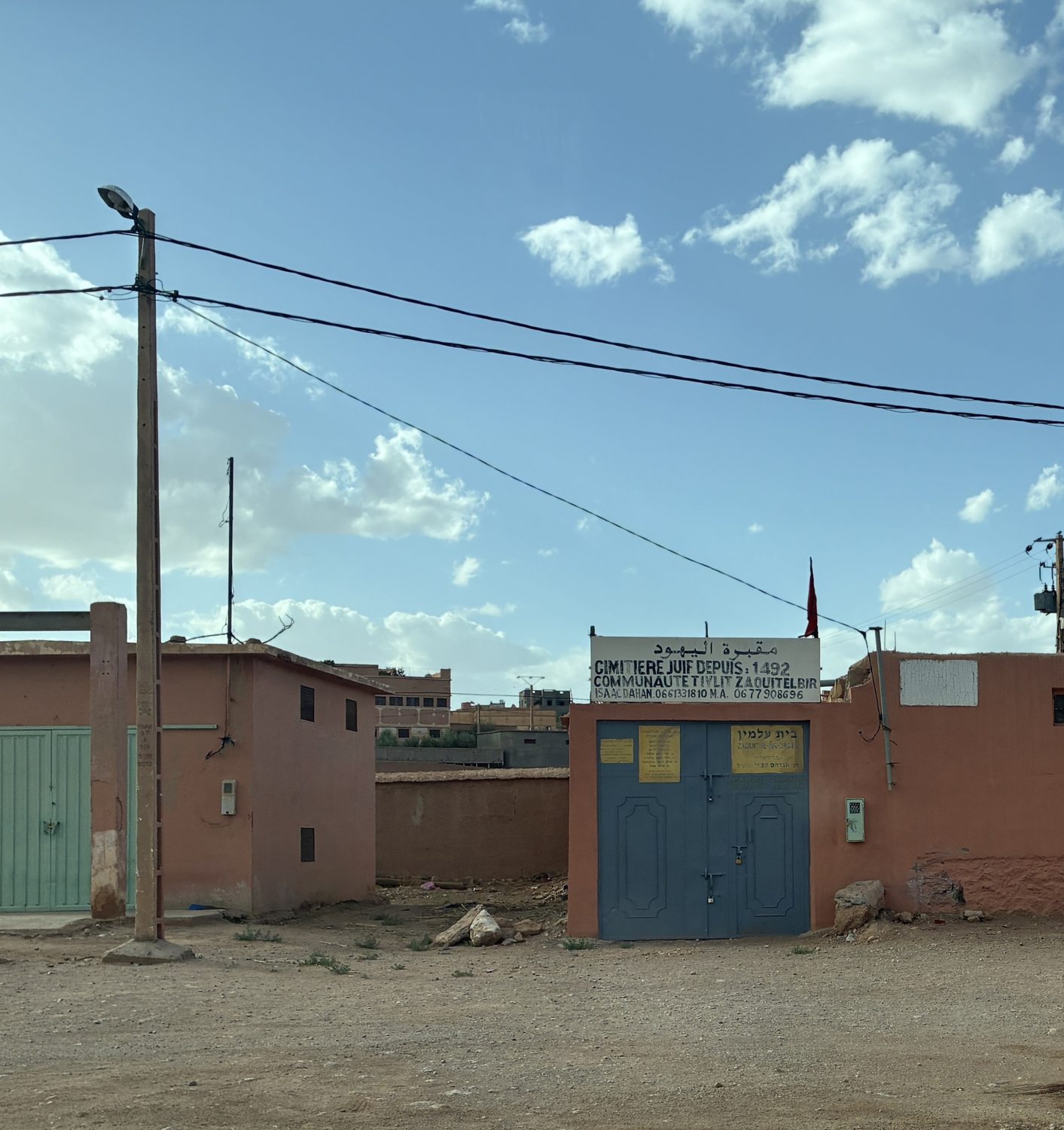
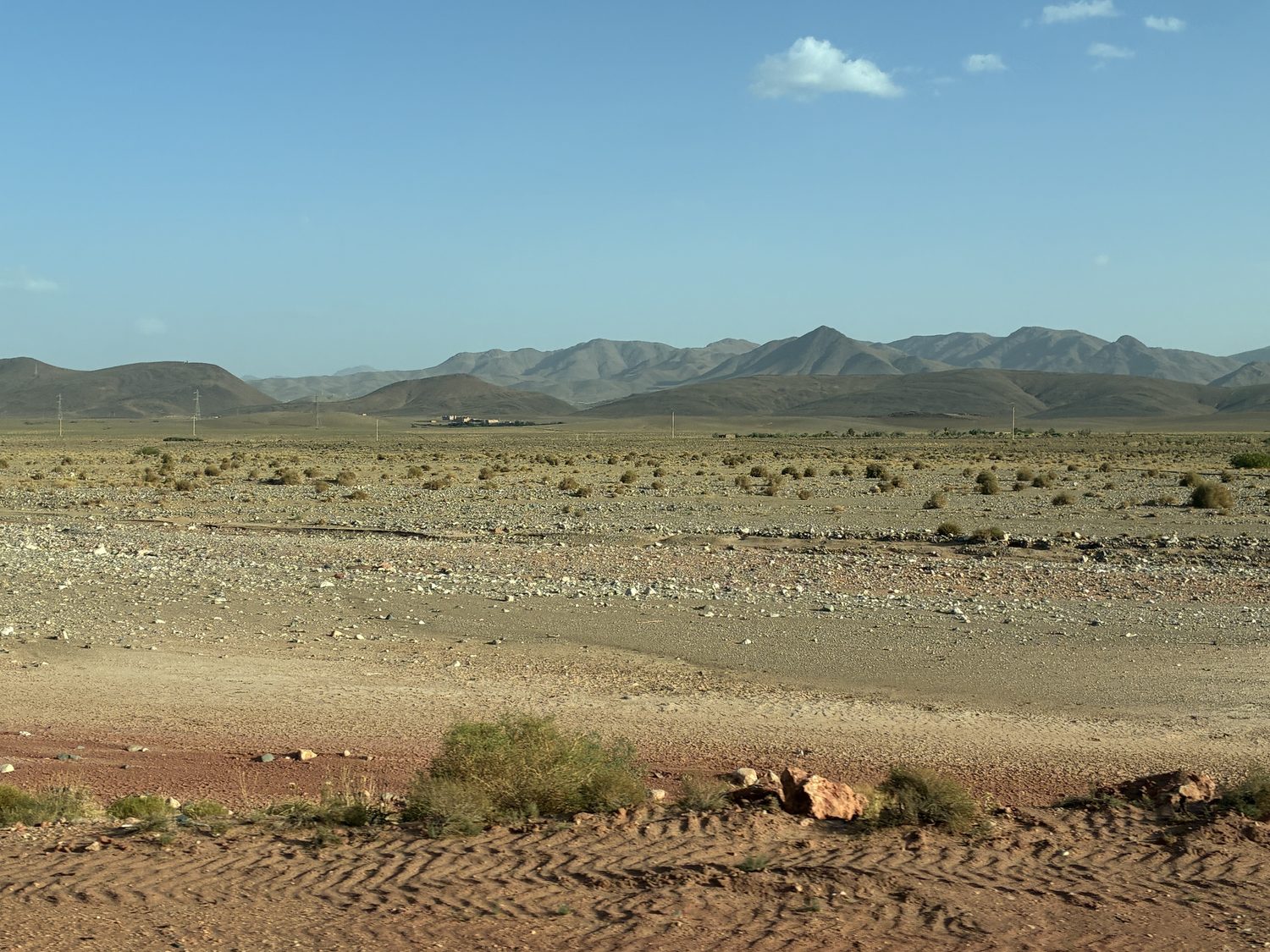
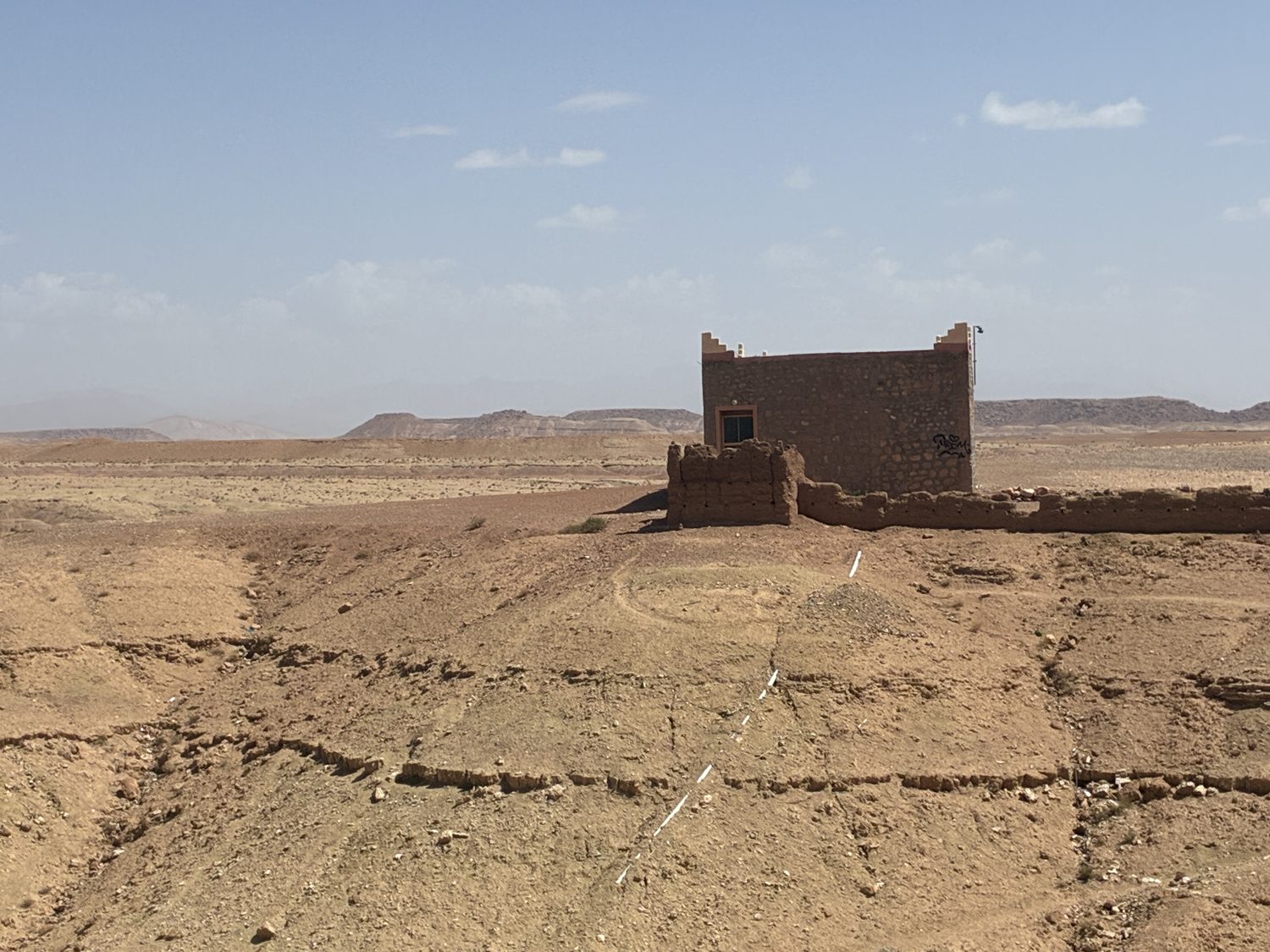
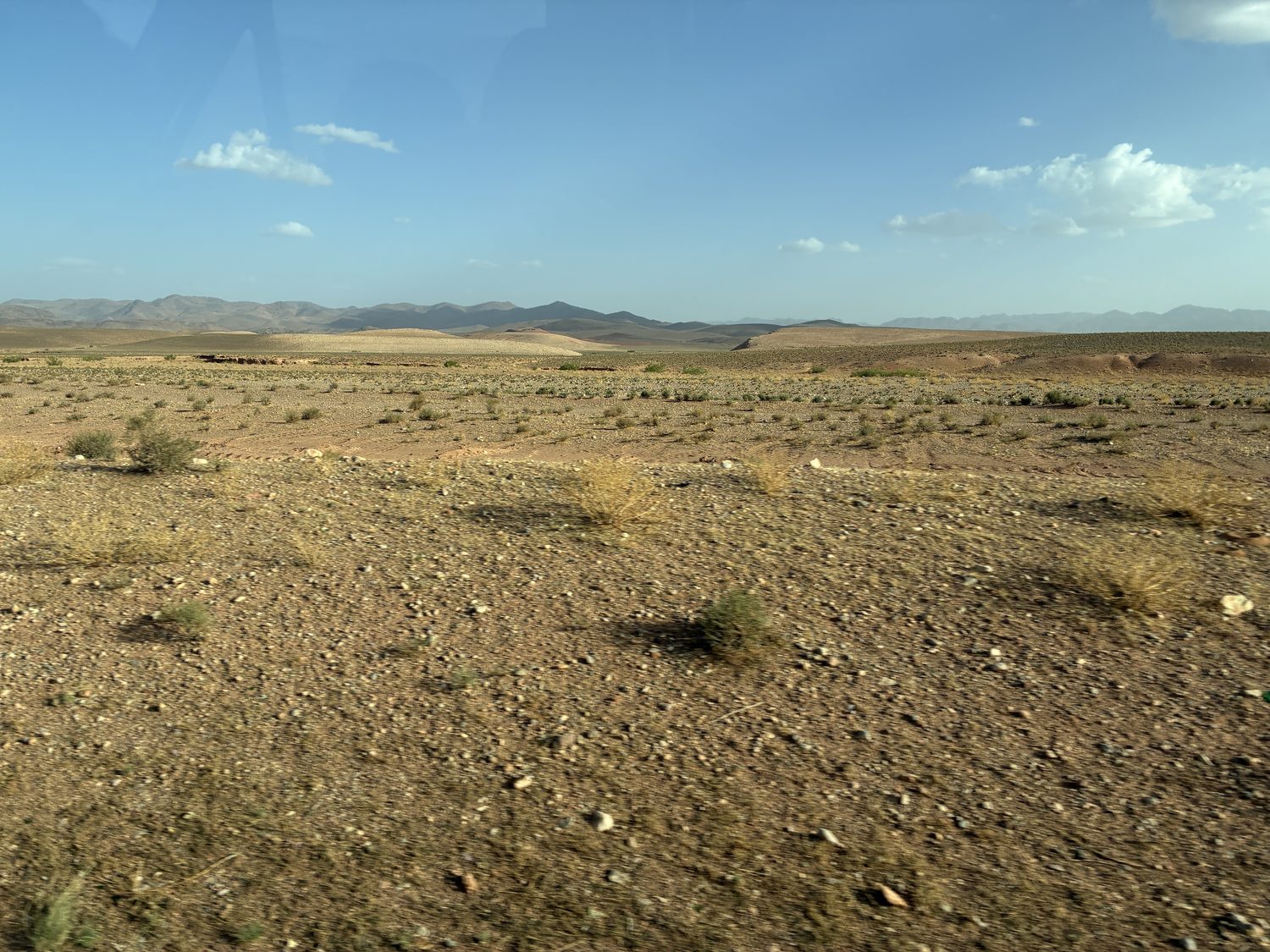
After leaving Aït Benhaddou, driving down to the foothills and lower plains of the Atlas Mountains, the landscape increasingly changed from the rugged high mountain terrain to the dry and rocky pre-Saharan plains. The moderately large town of Ouarzazate, about 13 miles southeast, is described as the point where the High Atlas drops away and the pre-Saharan plateau begins.
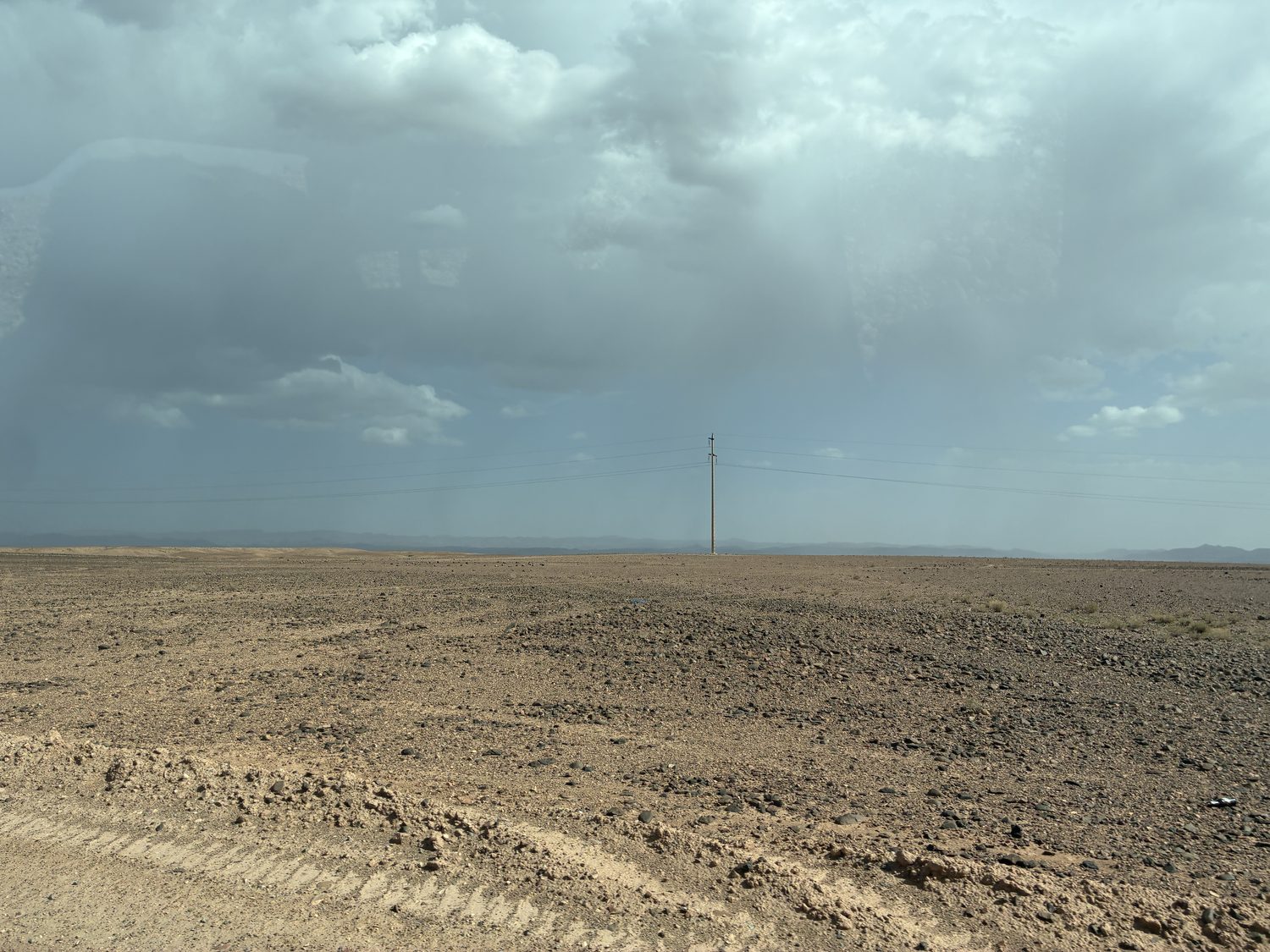
Ouarzazate is a moderately large and modern and nice looking town, and the home of CLA and Atlas Movie studios, the center of the movie industry in Morocco.
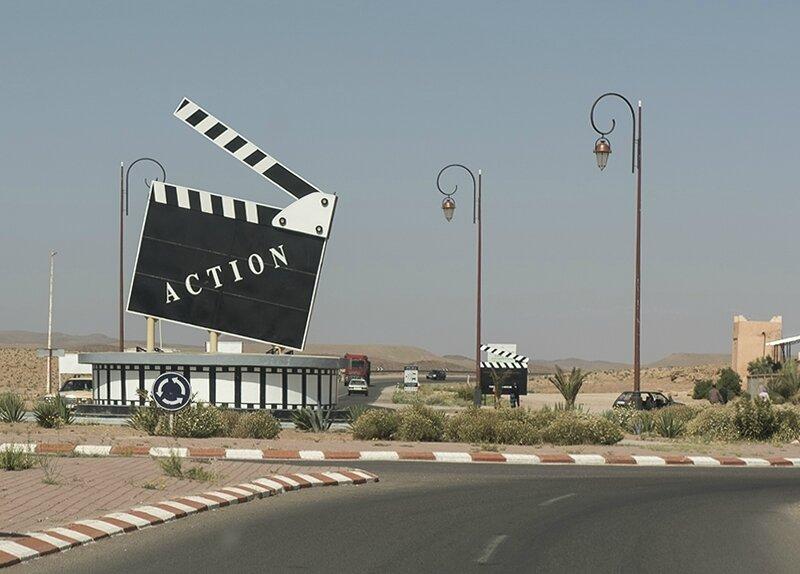
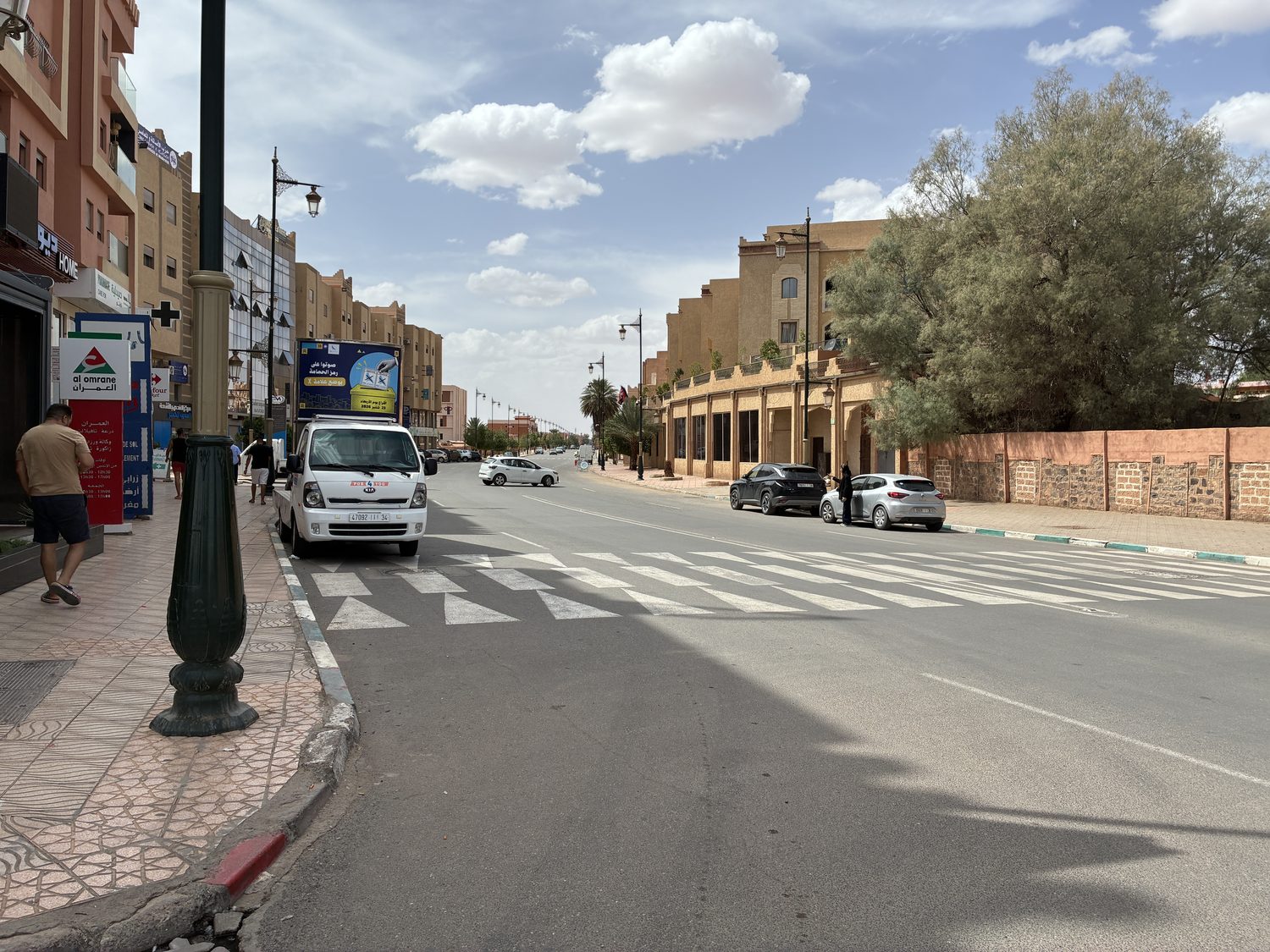

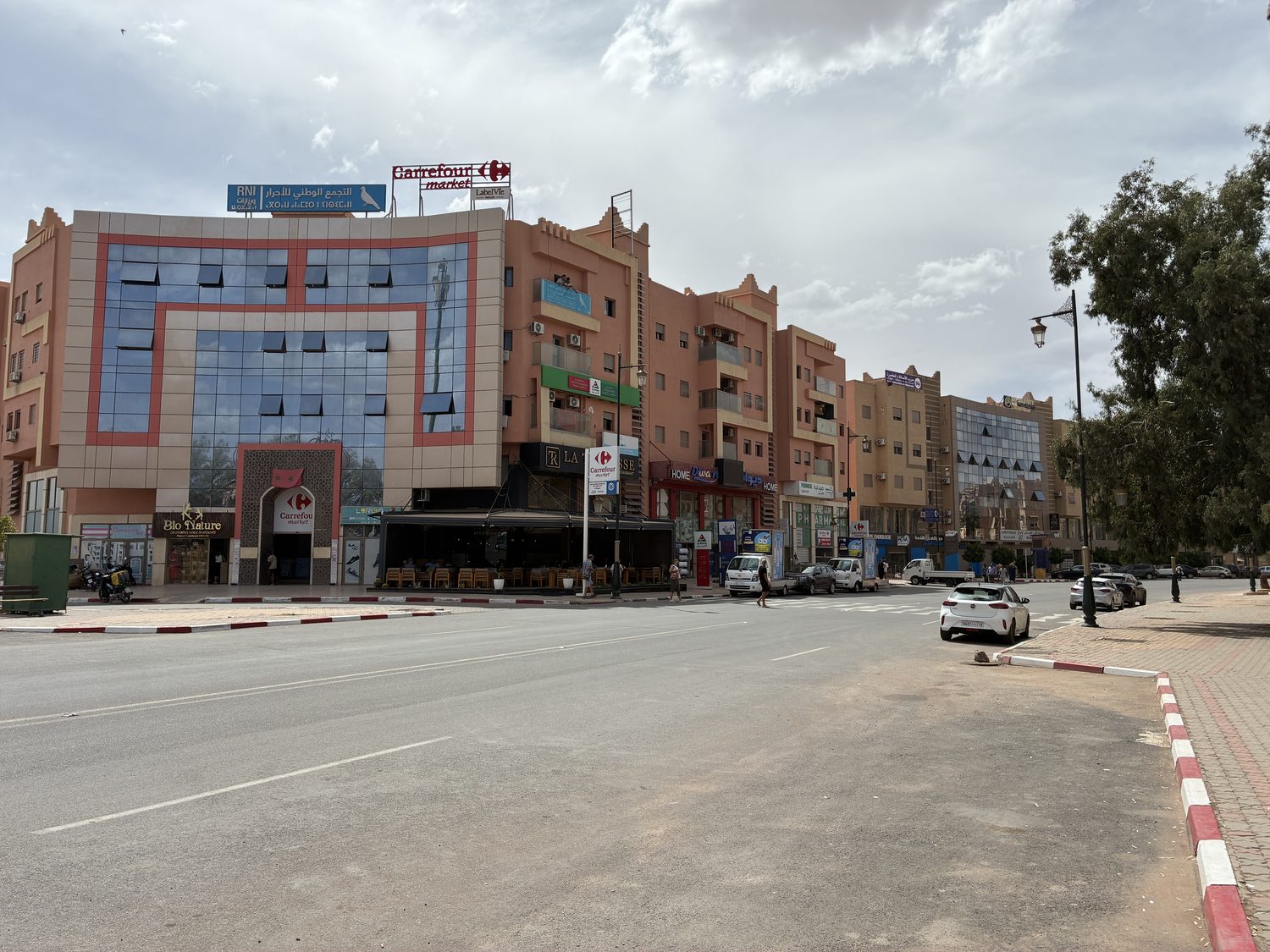
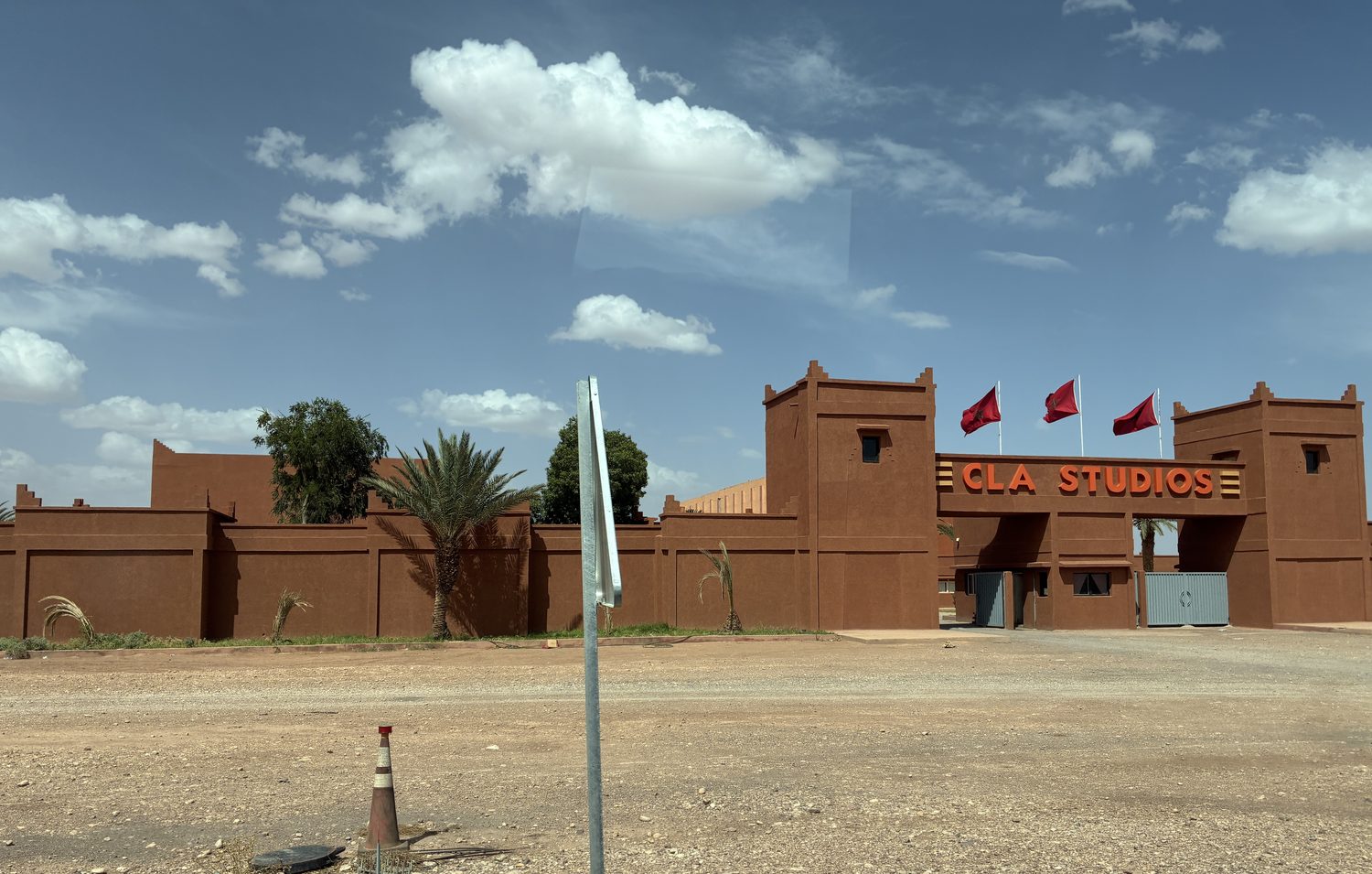
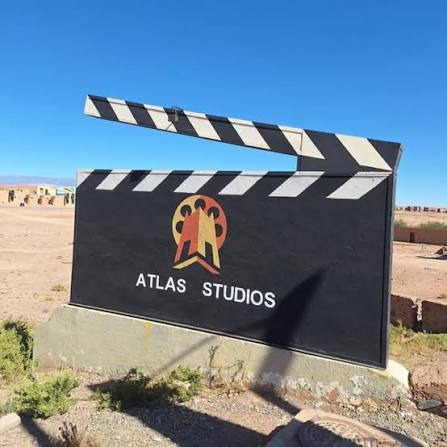
In addition, we passed through a number of other small villages and larger towns along the way, along this pretty modern and well-traveled road, and these were also very nice looking and well maintained towns built in Moroccan style architecture but in the 20th and 21st, centuries, and not looking battle weary, depleted, and dilapidated, as has been the case for so many of the other towns and buildings I’ve seen as I’ve been traveling around the country. Rural as they were, these are nice looking, clean, and modern towns, in the Moroccan style, with more homes being built and under construction. Indeed, the young Charif grew up in a couple of these towns, and pointed out his elementary school to us. I wished we could have stopped in some of these towns and villages as I would like to have walked around and taken some photos.
We now seemed to be traveling across flat scrub land, probably semi-desert, flanked by the Atlas Mountains to the north, to our left, and the Anti Atlas Mountains to the south, more in the distance. Perhaps it was the light, as it was probably around 5, but the more distant Anti Atlas range was low and grey and featureless, whereas the closer Atlas mountains were more more striking in appearance, and seemed a reddish color, much like the mountains around Sedona, Arizona. Reading about it, I don’t think that was the case, however, as they are geologically different, and the Sedona mountains get their red color from iron oxide in the hills.
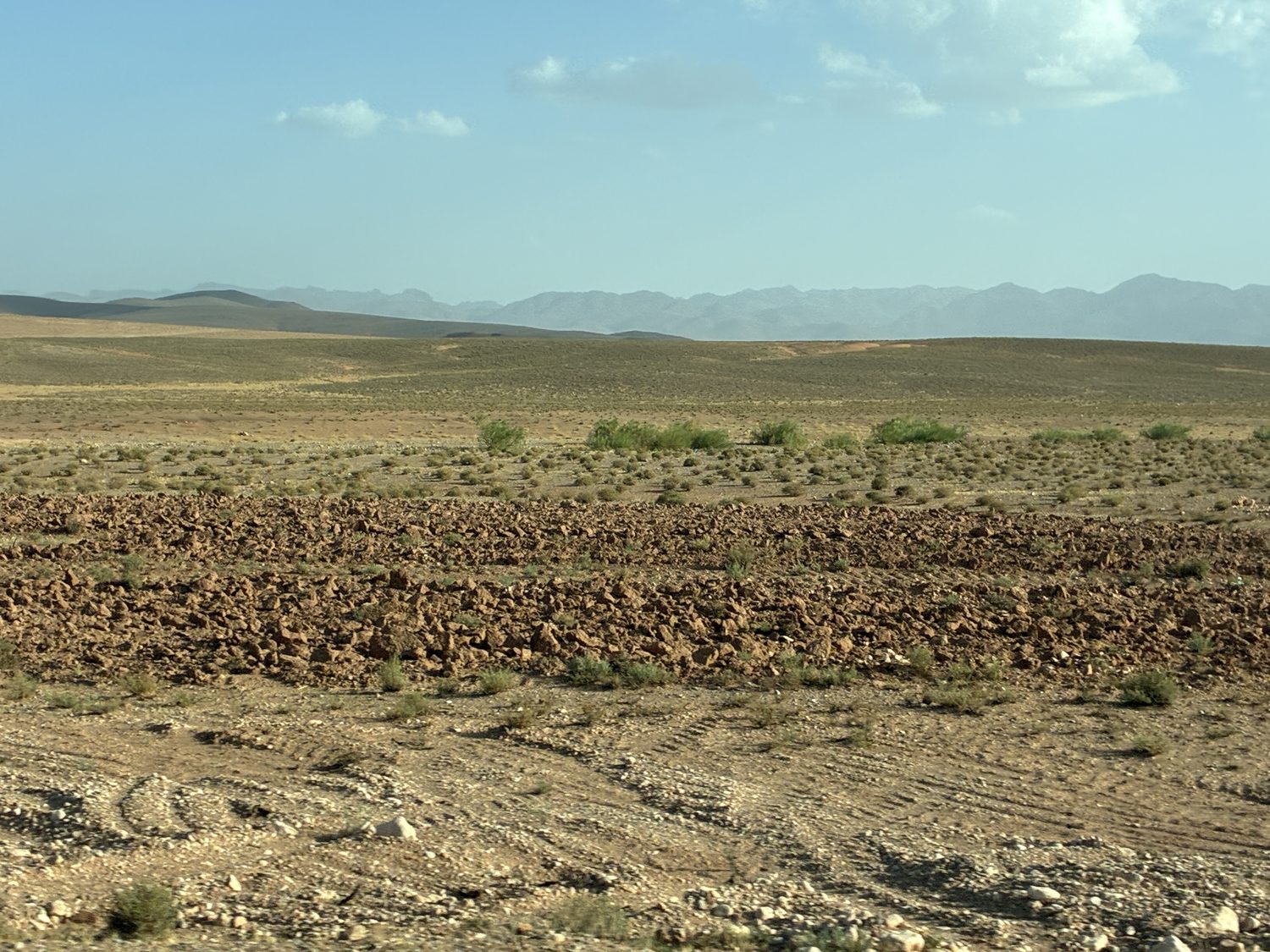
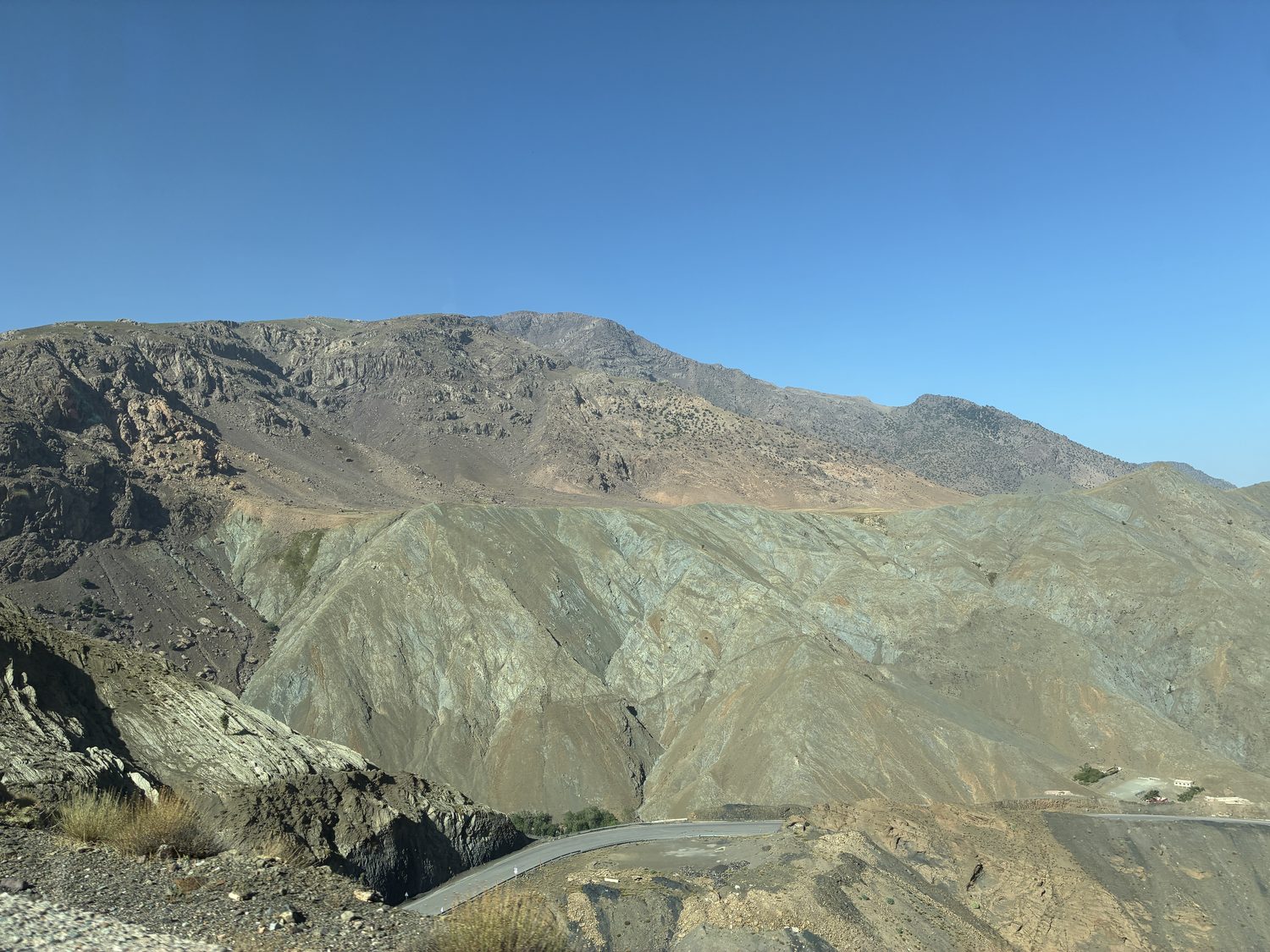
We stopped a couple more times for quick breaks and photographs, and by around 7:15, we were back in mountainous country, the road surrounded by cliffs, in the eastern High Atlas mountains, with the Atlas mountains to the north, the Jebel Saghro mountains to the south (part of the Anti Atlas), and the Sahara further southeast. We made one last stop for photographs of the incredible the Toudgha Valley bellow us to the the south, before heading to our hotel, just a couple of mile down the road, in Tinghir, about 220 miles from Marrakesh.
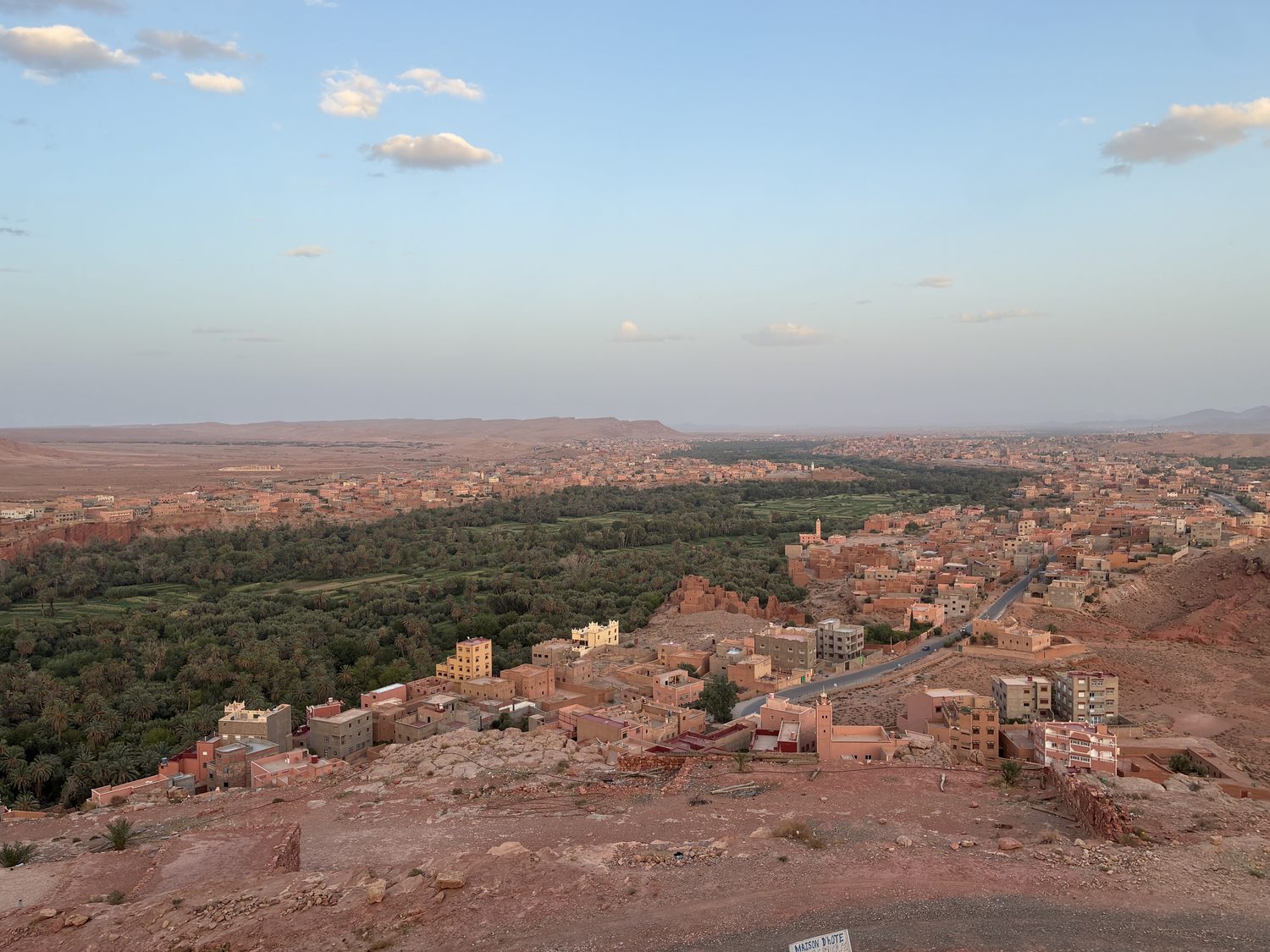
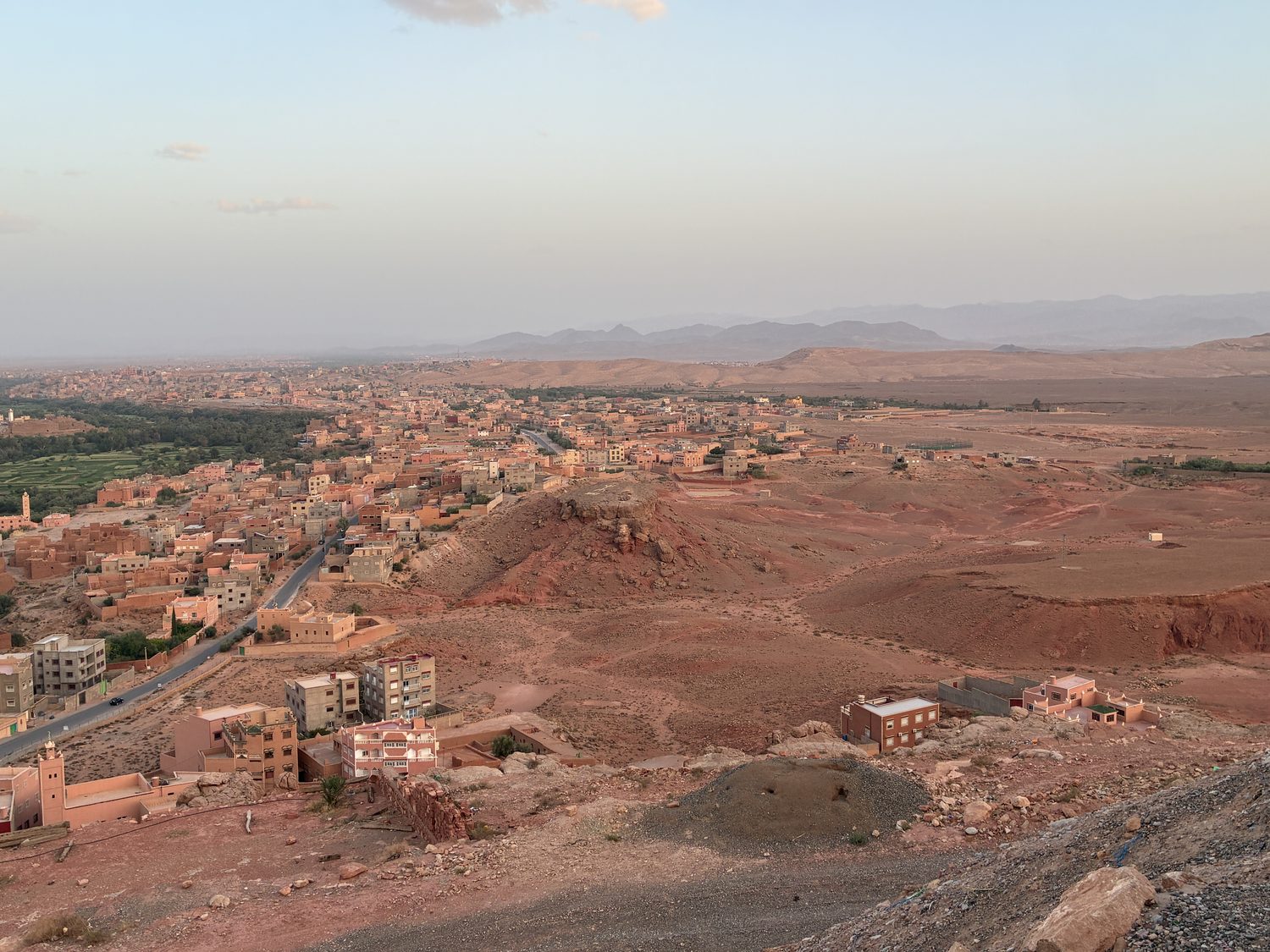
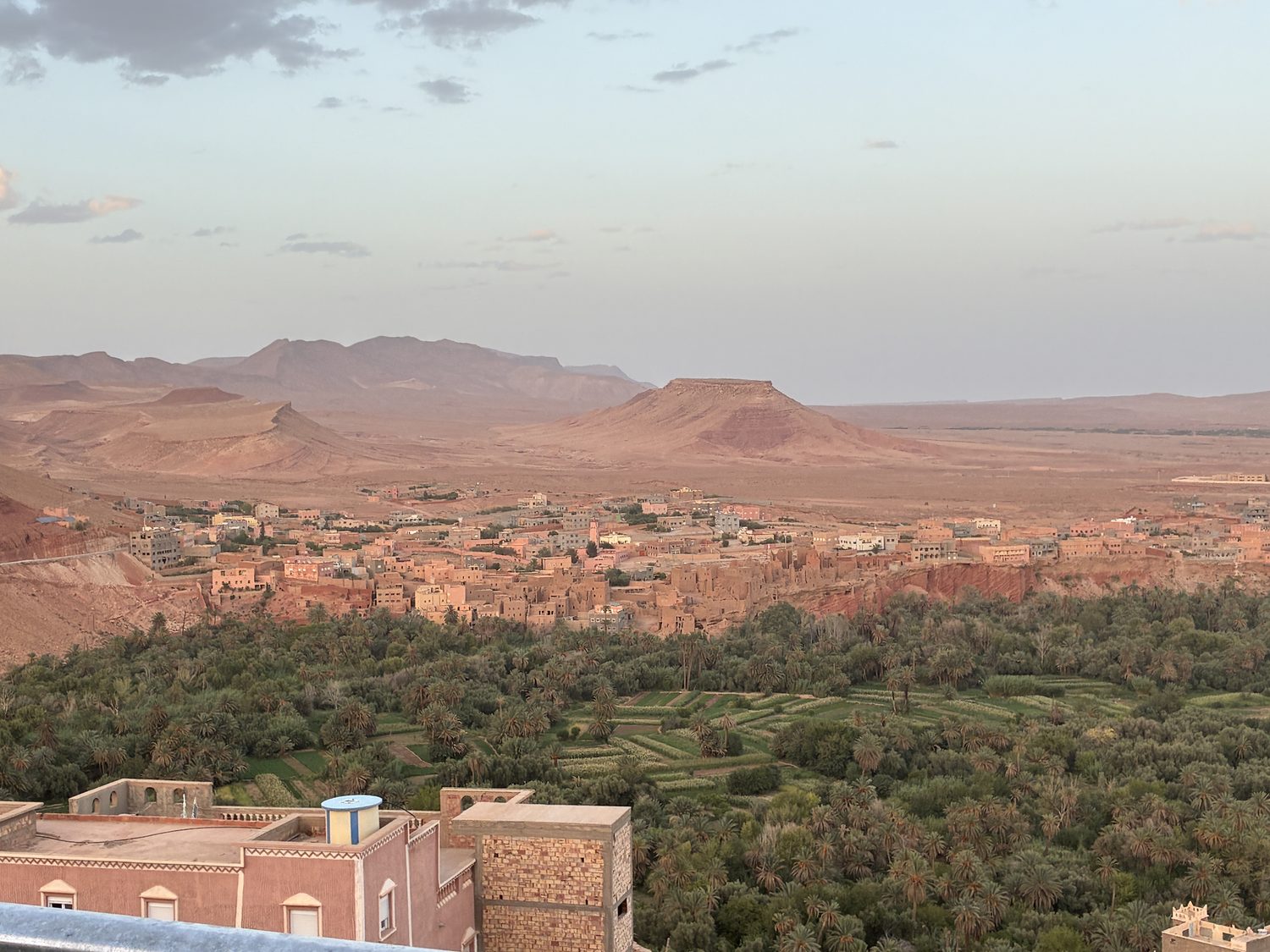
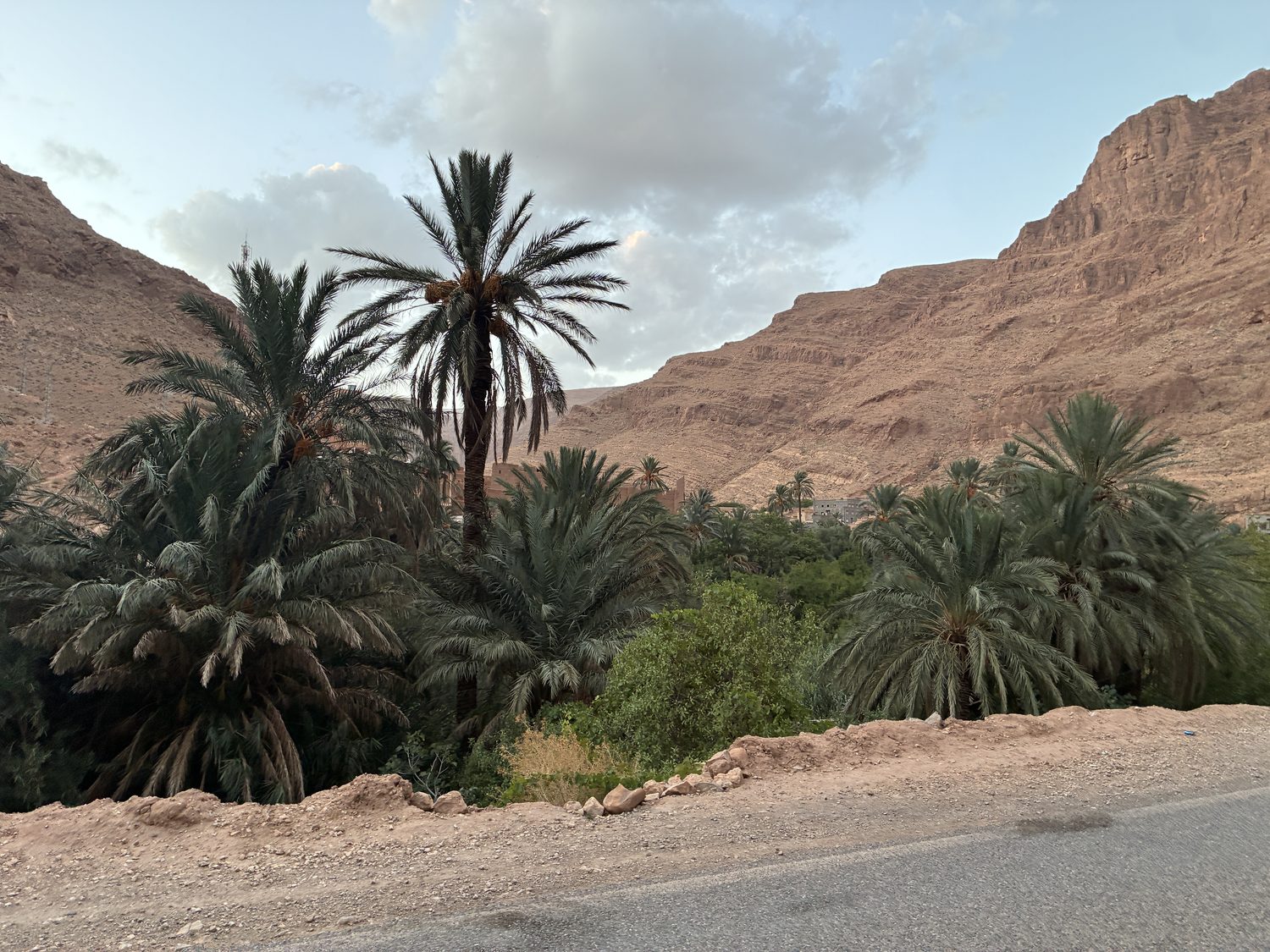

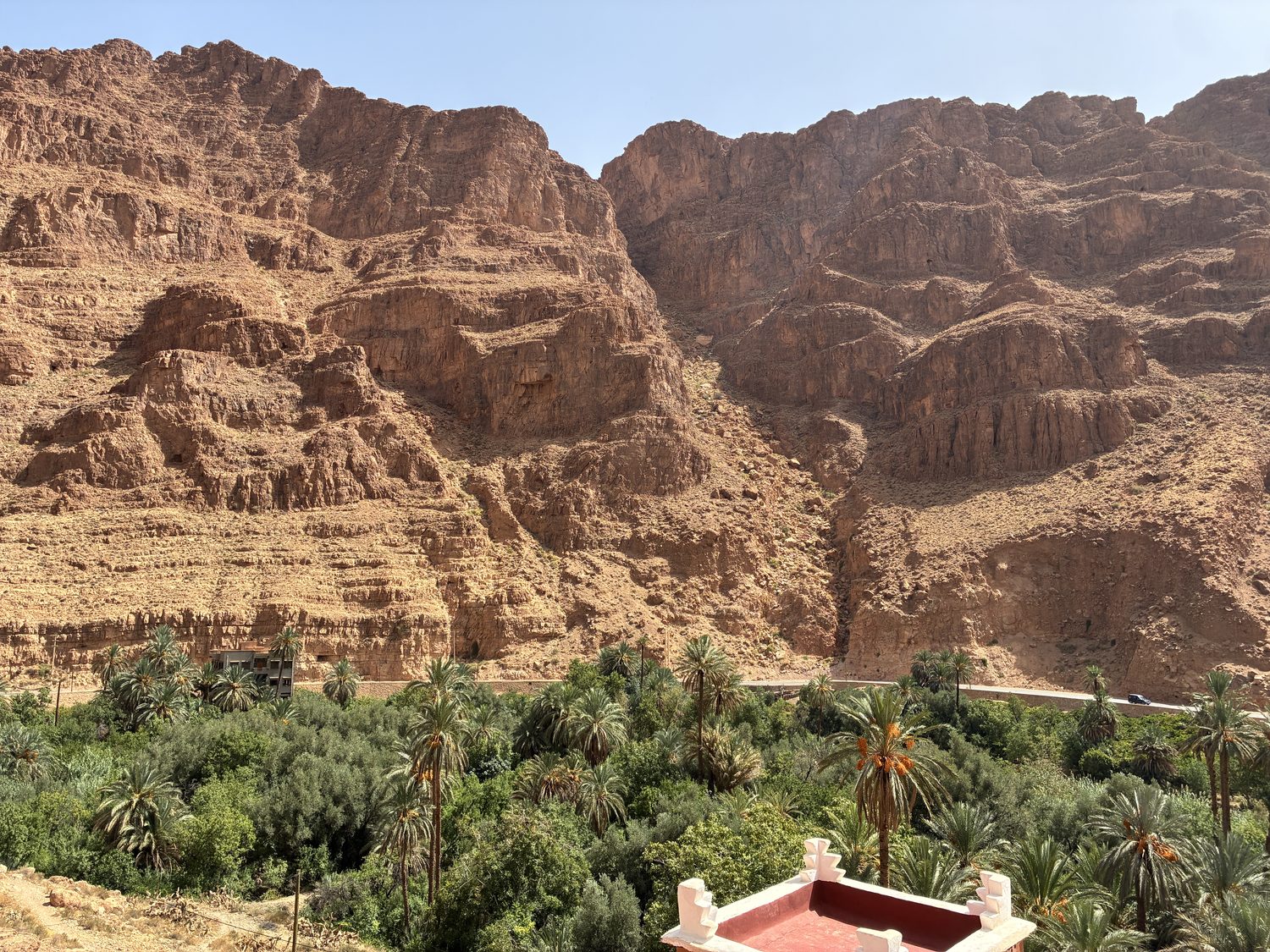
The Hôtel Kasbah Tabourihte was in a beautiful location, and a great looking place, but although the rooms were spacious, they were not so great, with a weak shower and very hard beds, one notch above sleeping on the floor, as my room mate , Claude from Canada said. Yes, my roomie.

There were no single accommodations offered on this trip, and we were the only two solo travelers, and I imagine we’ll be bunking together tomorrow night when we camp in the the Sahara. I’m an easy room mate, and so was Claude, and most importantly, he didn’t snore.




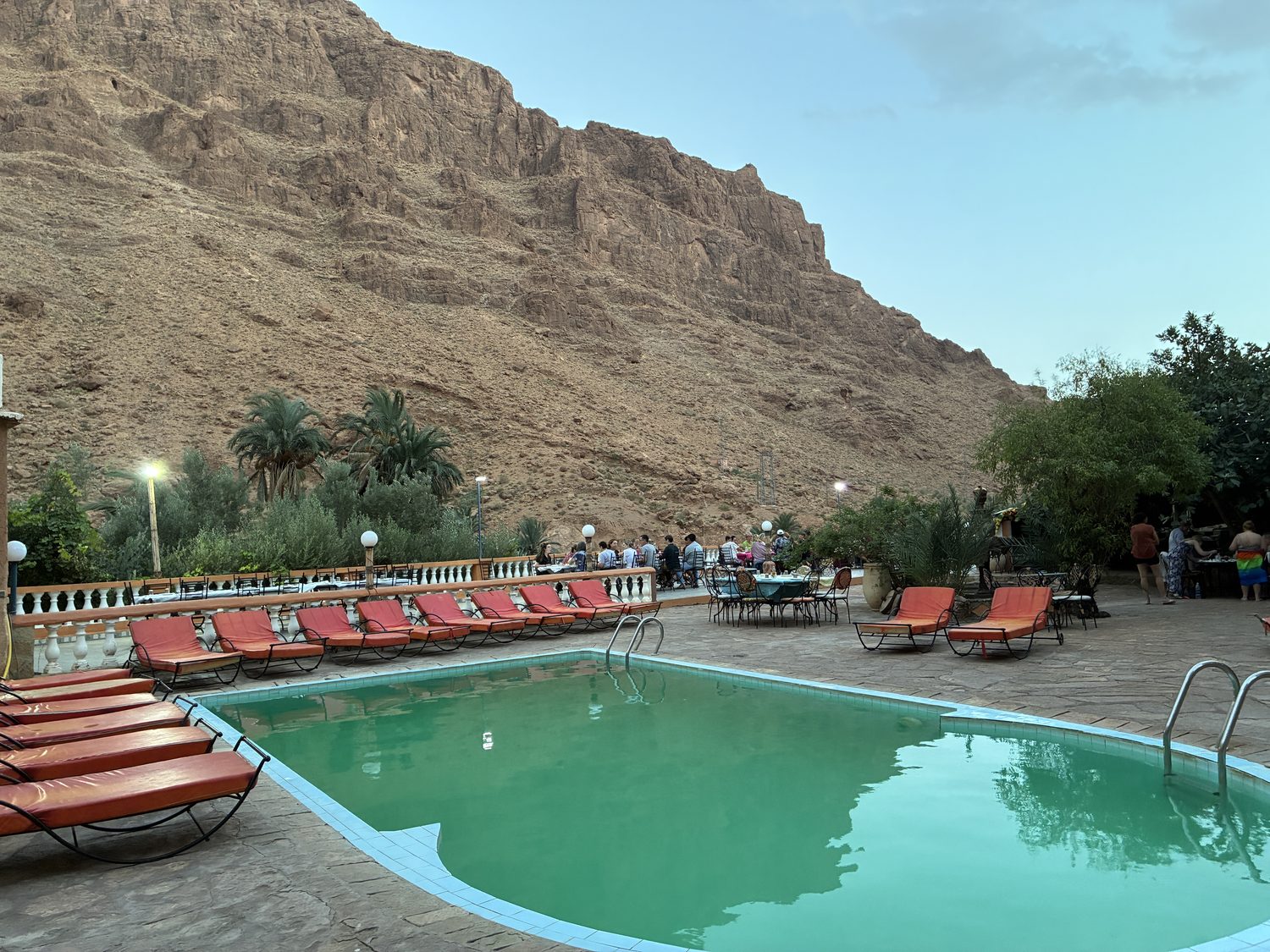
Dinner was outside. near the nice looking pool (but not so great looking water) at our large group table, and by now the group had bonded pretty well, so we enjoyed ourselves, and the meal was pretty good.


Back in the room, Claude and I talked at length, and I heard that distinct Canadian accept coming through, with just the barest hint of French Canadian. He’s an almost retired structural engineer with his own consulting company, who is both a traveler, along with his wife, and an avid backpacker and hiker. He’s the one going on to a serious a hiking trip in the Moroccan mountains after this (as he said, this is just his warm up trip). and after that an even more serious 16-day hiking trip in Nepal. As he described his life with his wife, at home and when they travel together, and how full it is, I of course thought of life with Bev and life now. I wondered about how Claude’s life might feel if, after such a rich life together, he became a solo traveler, something you perhaps never expect and certainly can’t plan or prepare for.
It was good talking to Claude, and I was struck by how many of the people in our group travel extensively, although in different ways, and to some pretty exotic places. There seems be a sub-culture of travelers who build part of their life around their urge to travel, who show up on tours like this, holding travel as an important part of their experience in life, and perhaps their identity.
Then to bed, rock hard bed and all (although I don’t mind). Tomorrow night, we’ll be sleeping in the Sahara.