A day in Nara.
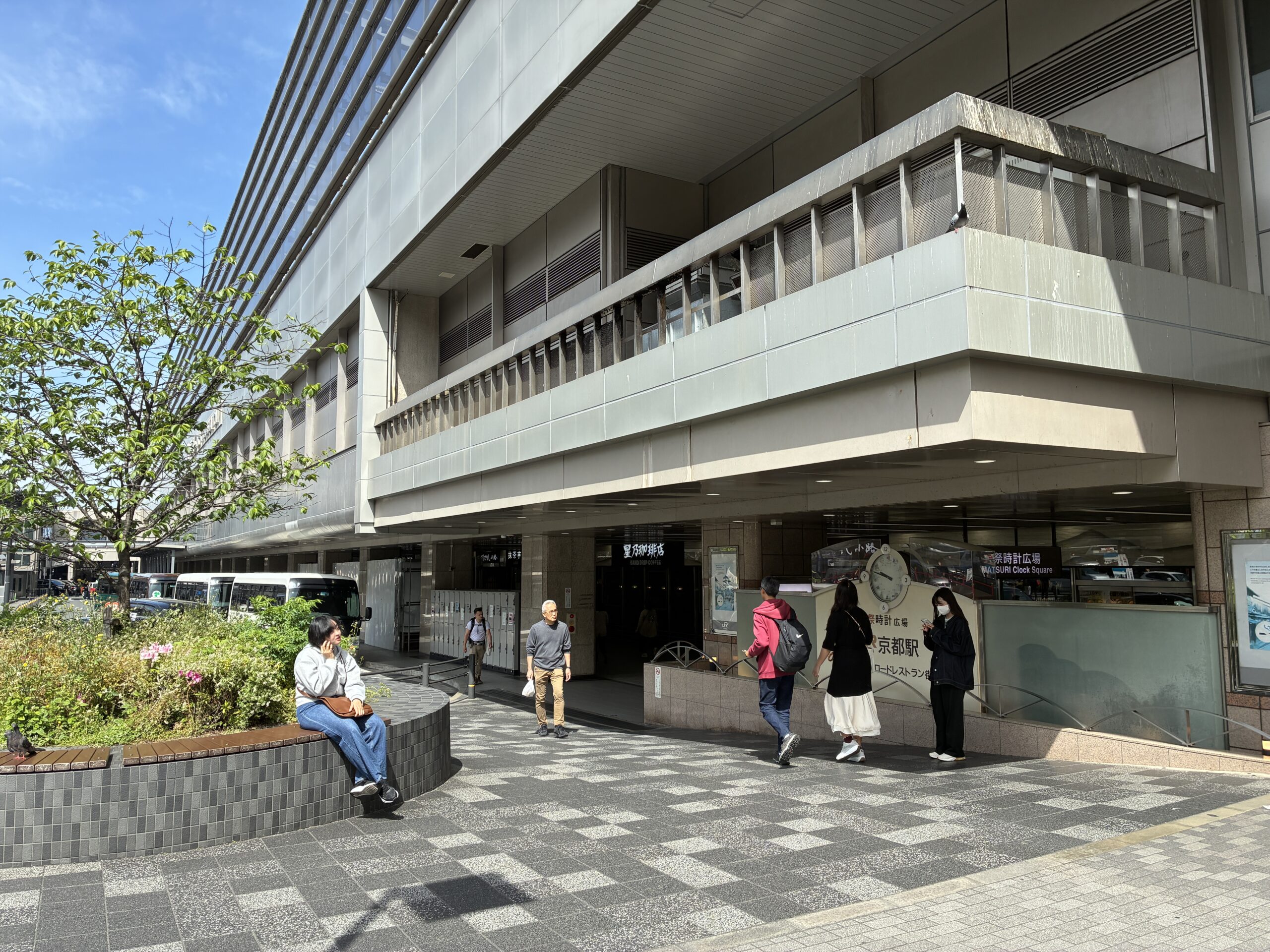
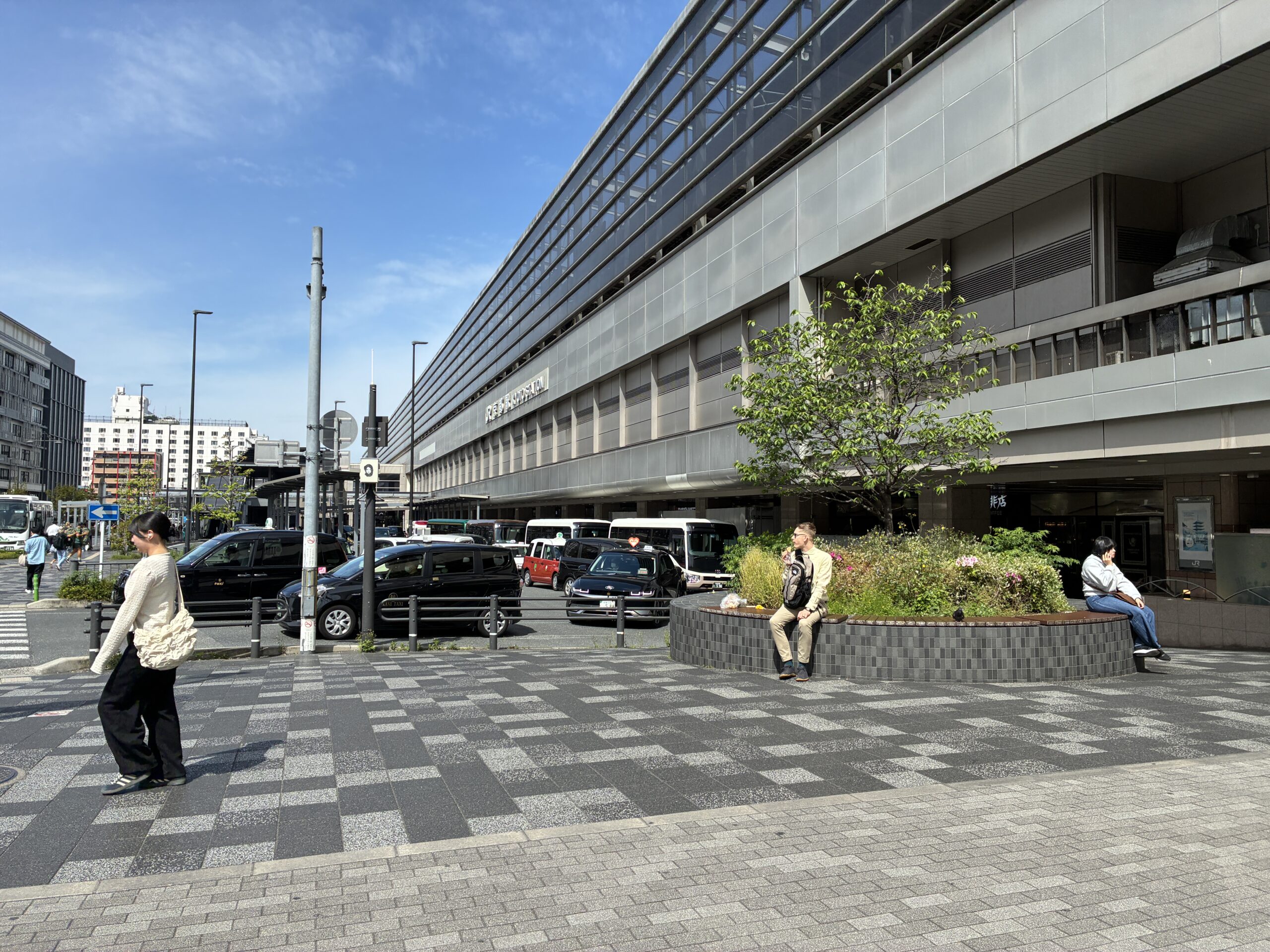
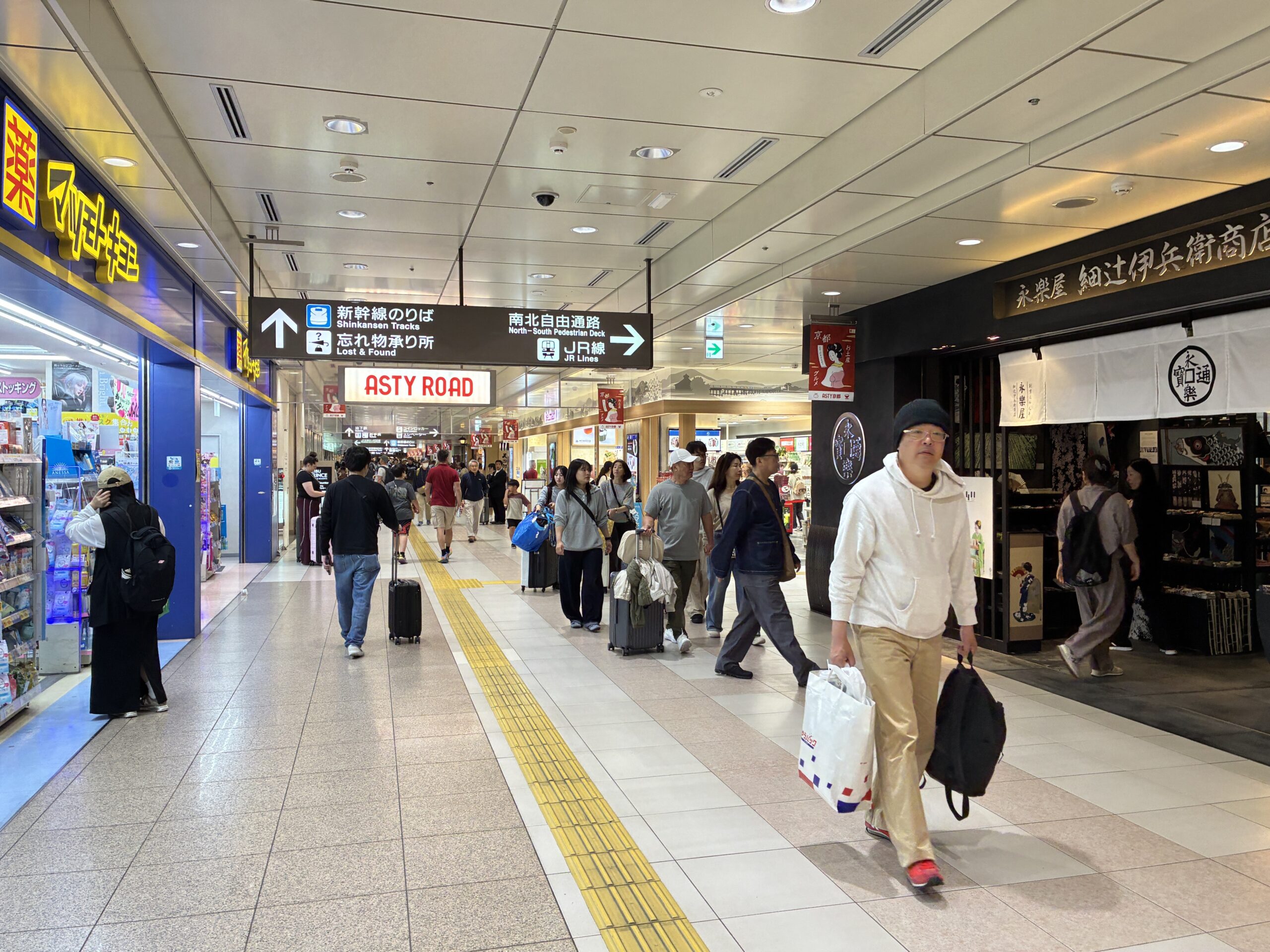
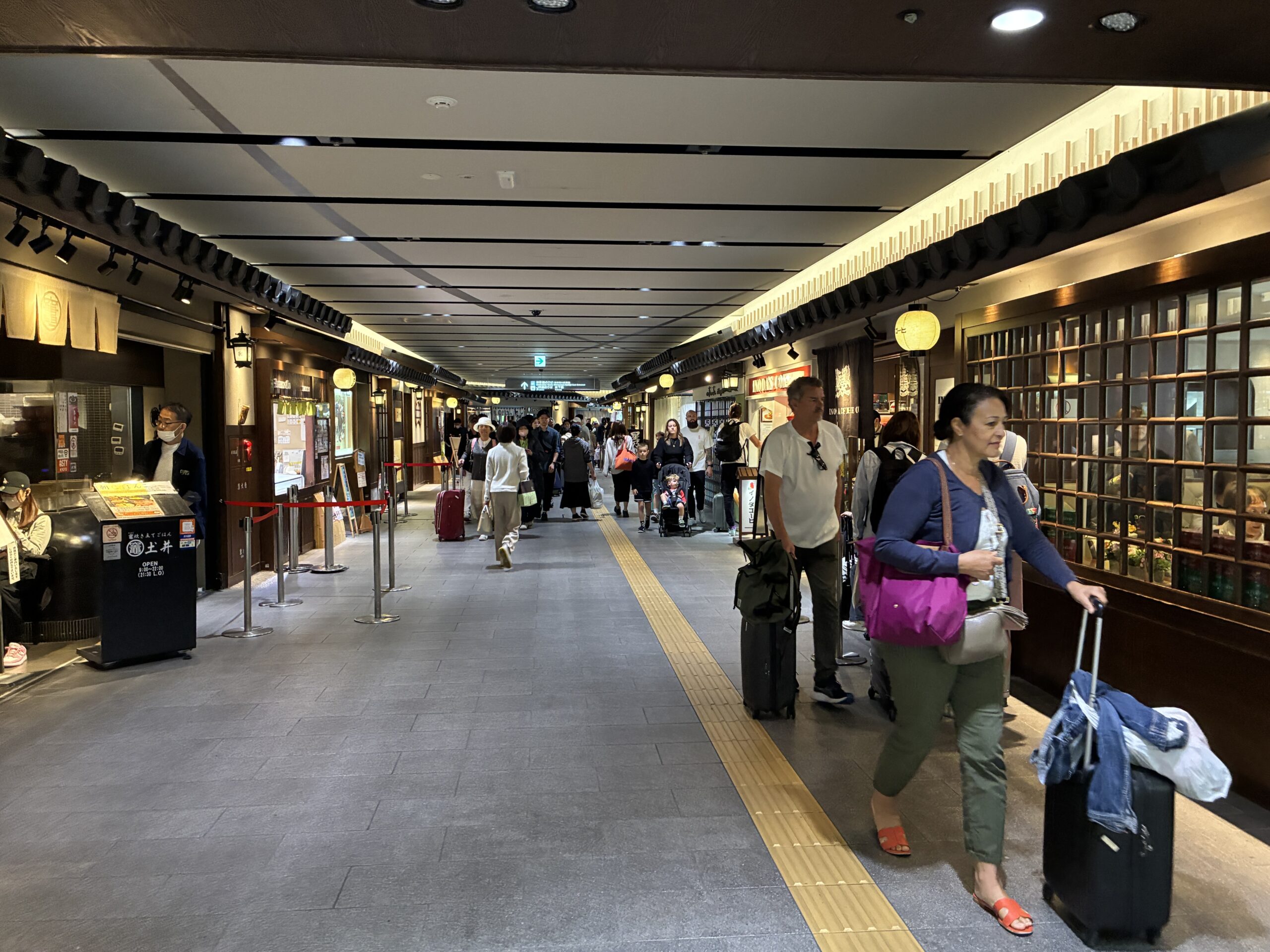
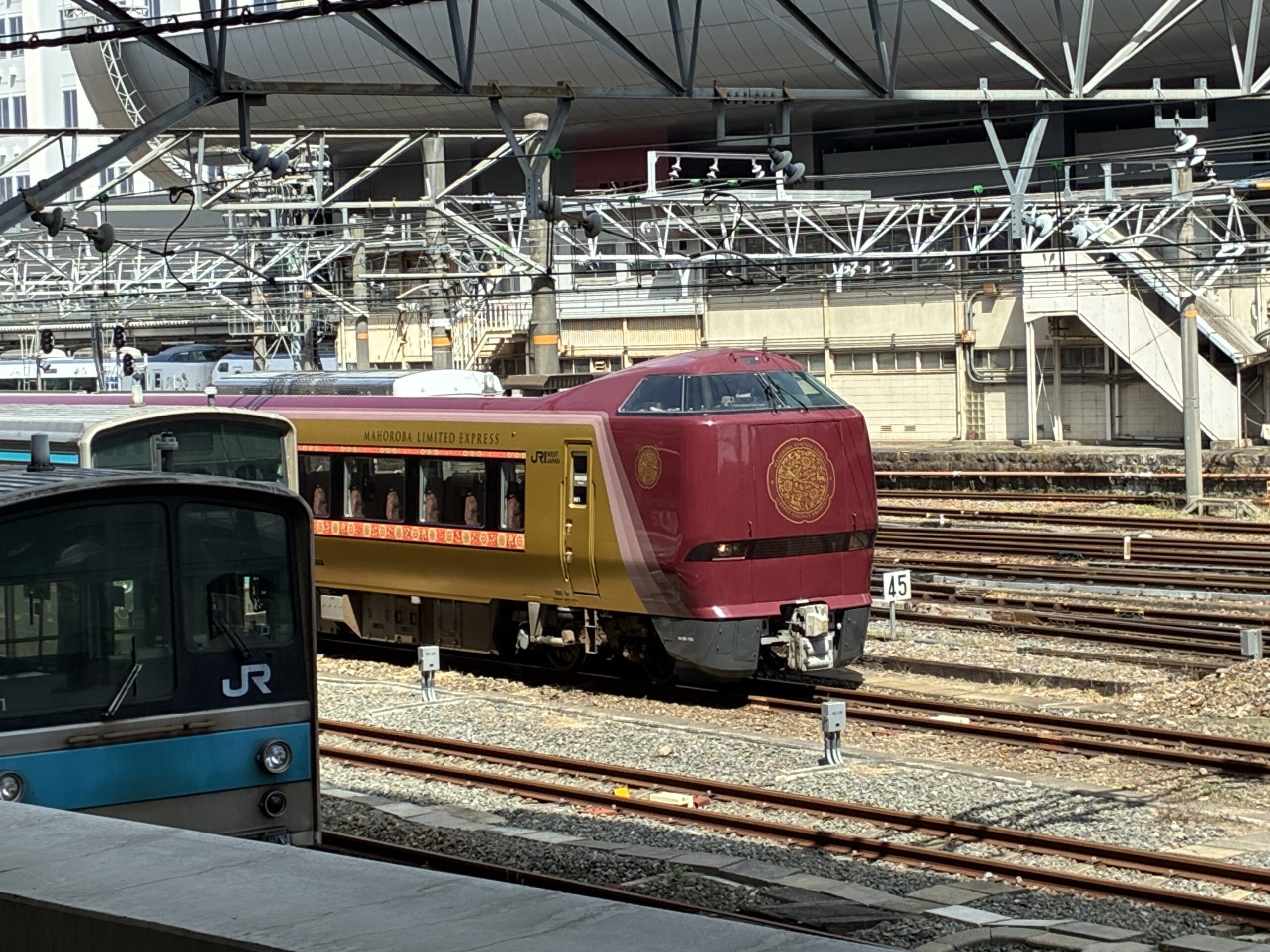
Rested up from yesterday, Laurence was feeling better, and we headed out to Kyoto station, from where we took the Kintetsu line train to Nara for the day, taking about 50 minutes. Kyoto station is another big rail and bus hub, although nothing like Tokyo Station, which is gigantic and ultra modern, and like all these travel hubs is filled with many stores and places to eat. I suppose some people come to the station just for the shopping or eating.
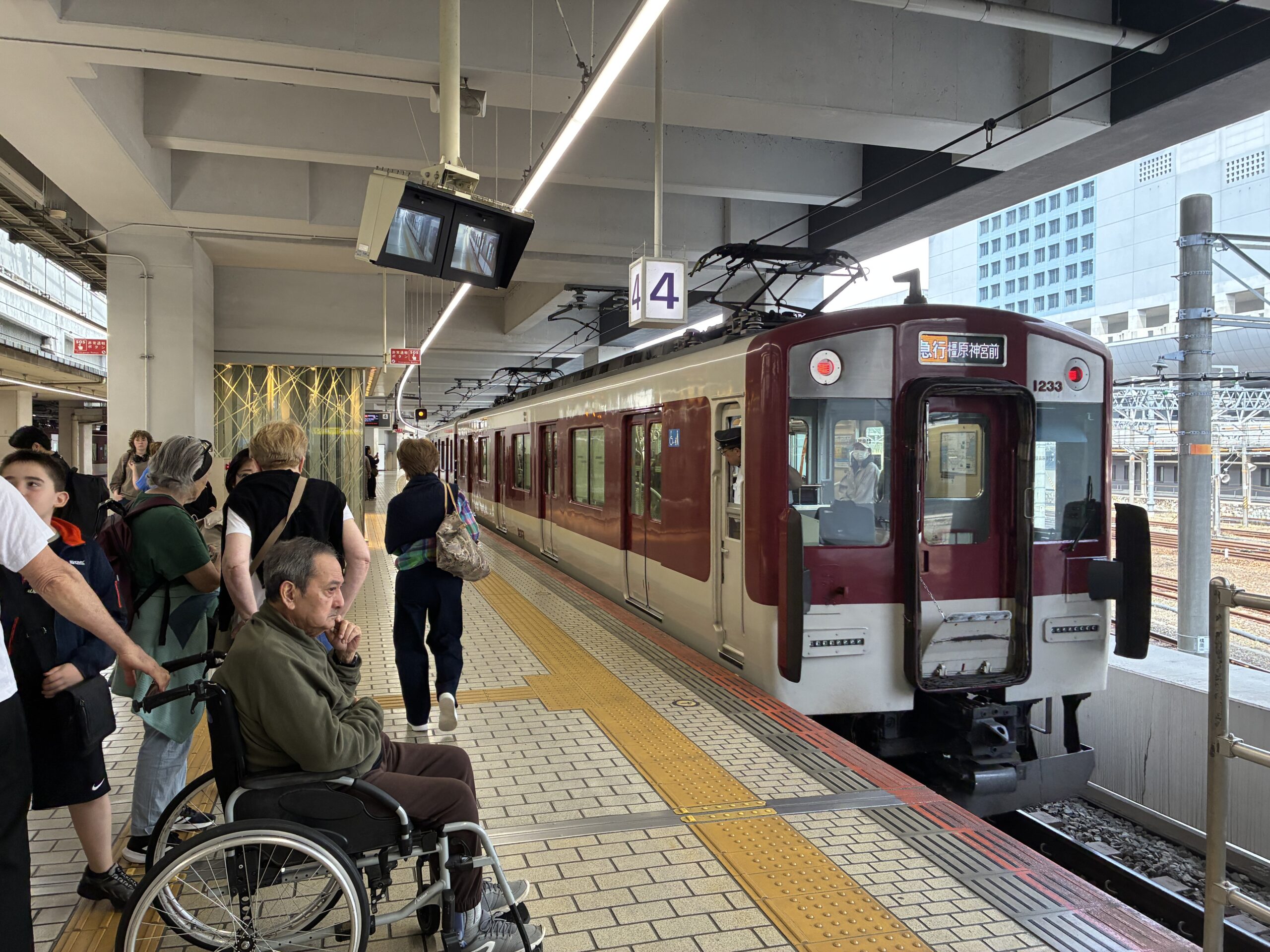
We arrived in Nara around 11:30, and had a great day. We had booked a free walking tour for noon, but it got cancelled so we simply looked up local “must see” sights and places and took a self-guided trip. Another really nice town, and very easy to get around. Most of the attractions and things to see are within a mile at most of the station and downtown area, and Laurence was doing well, and not feeling much pain or discomfort, although still needing to take rest stops.
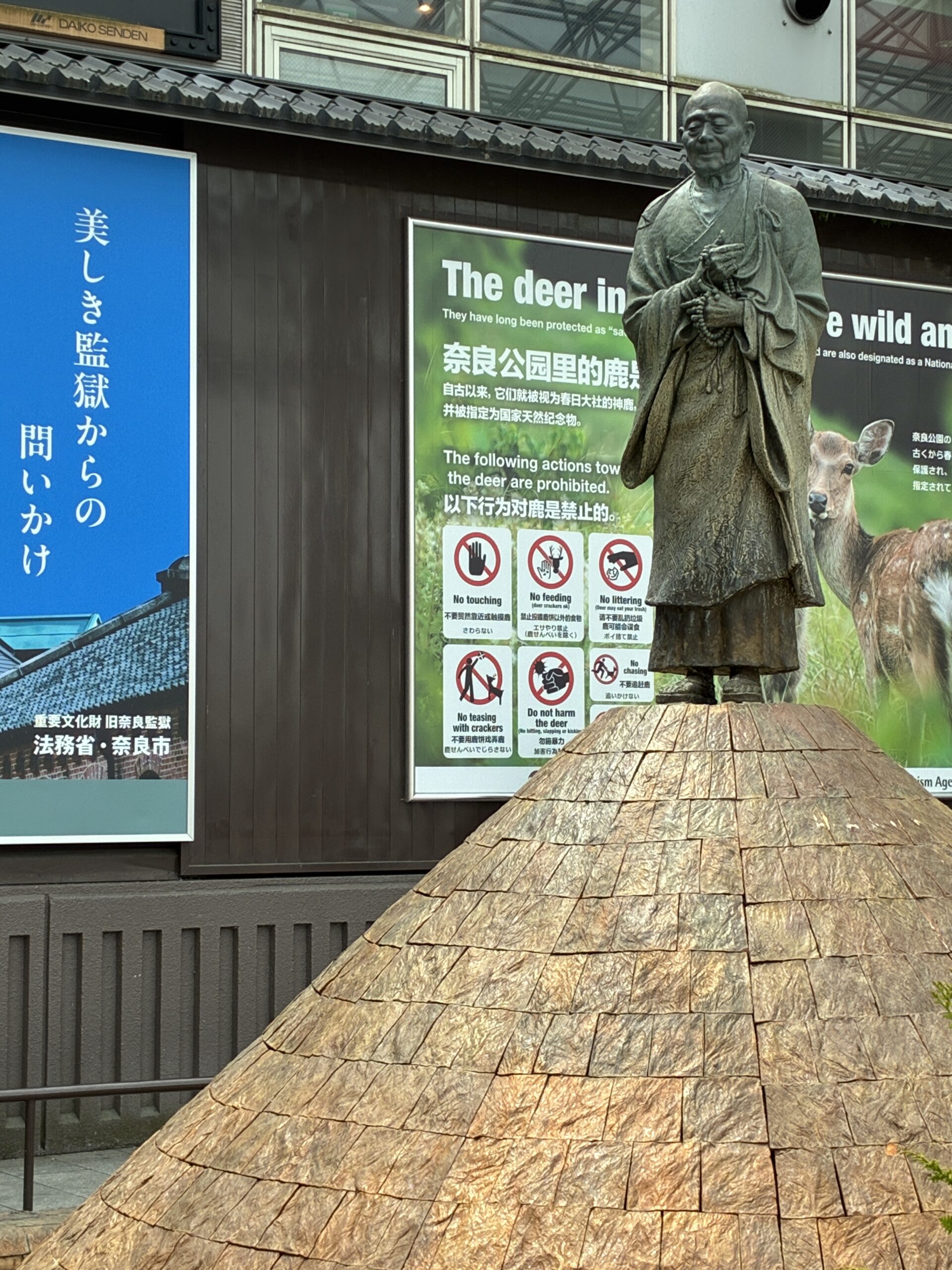
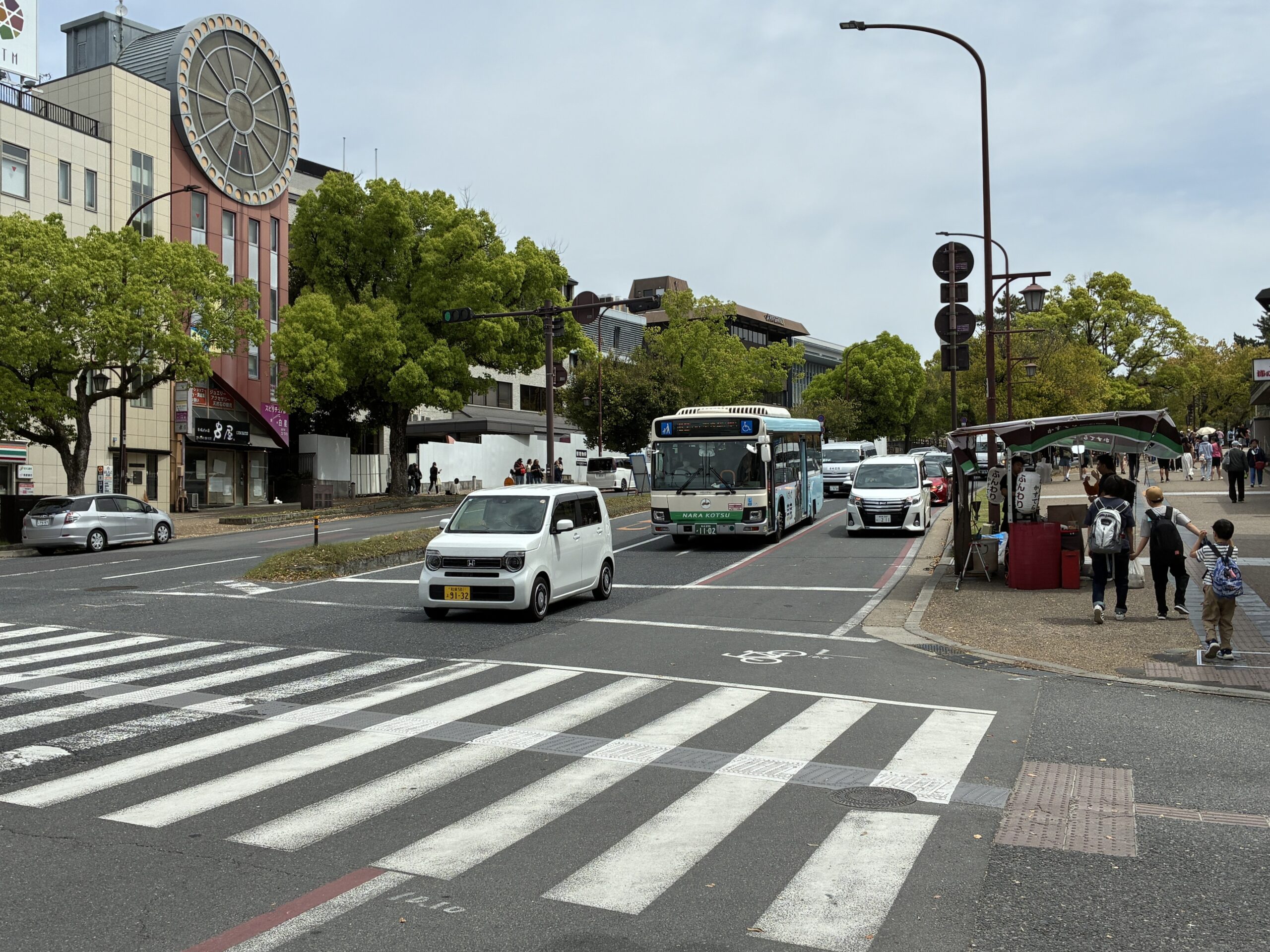
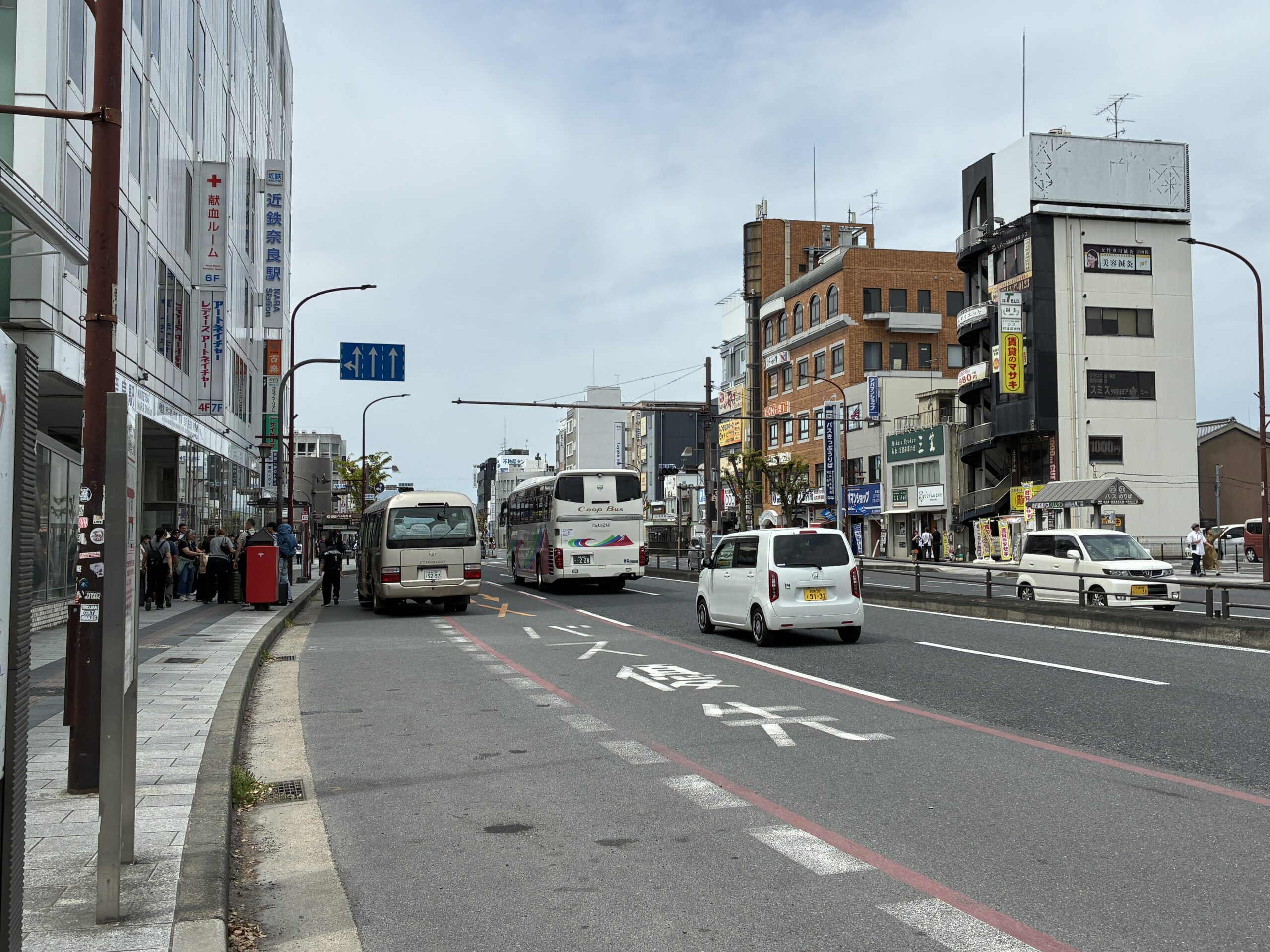
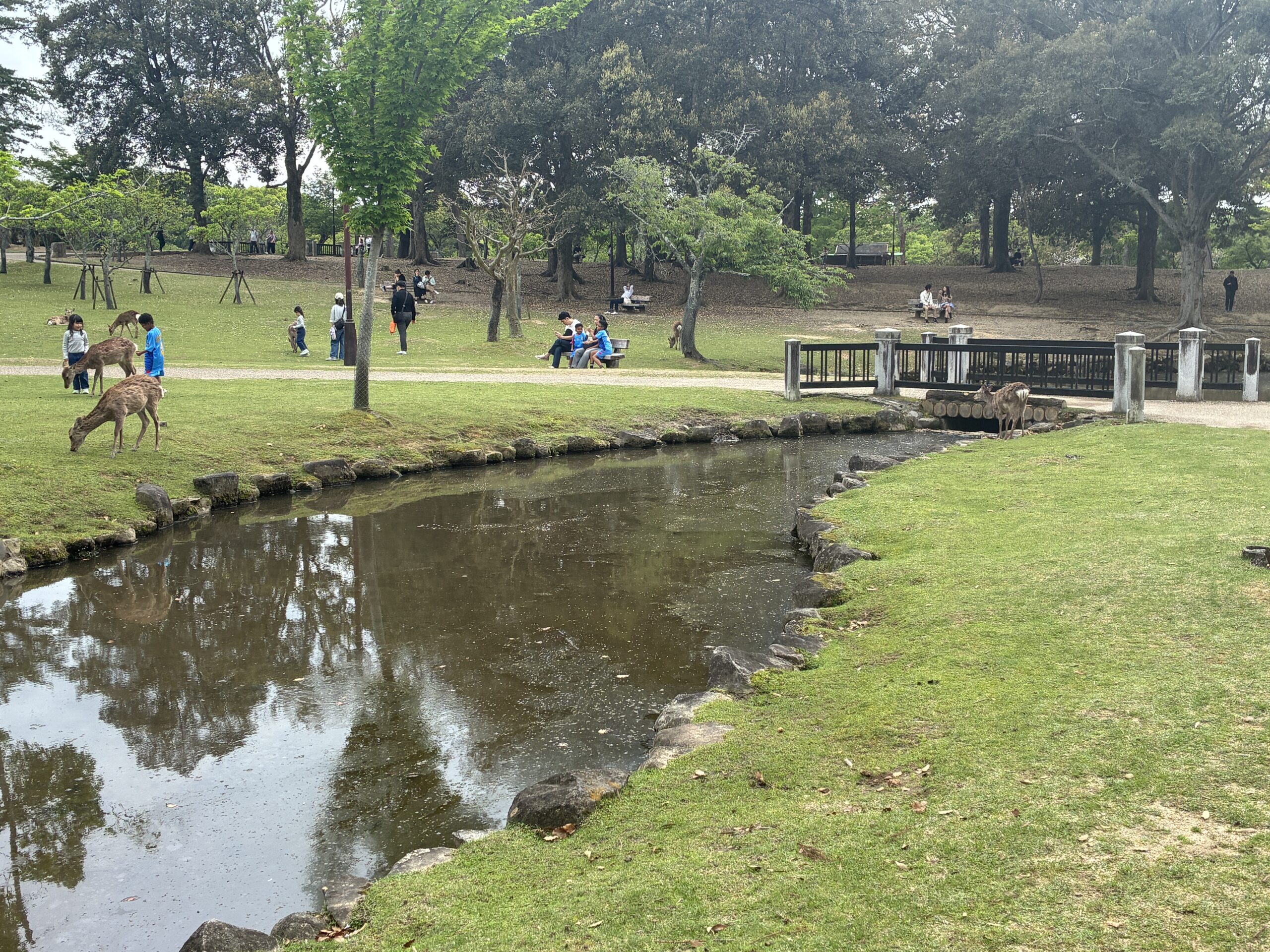
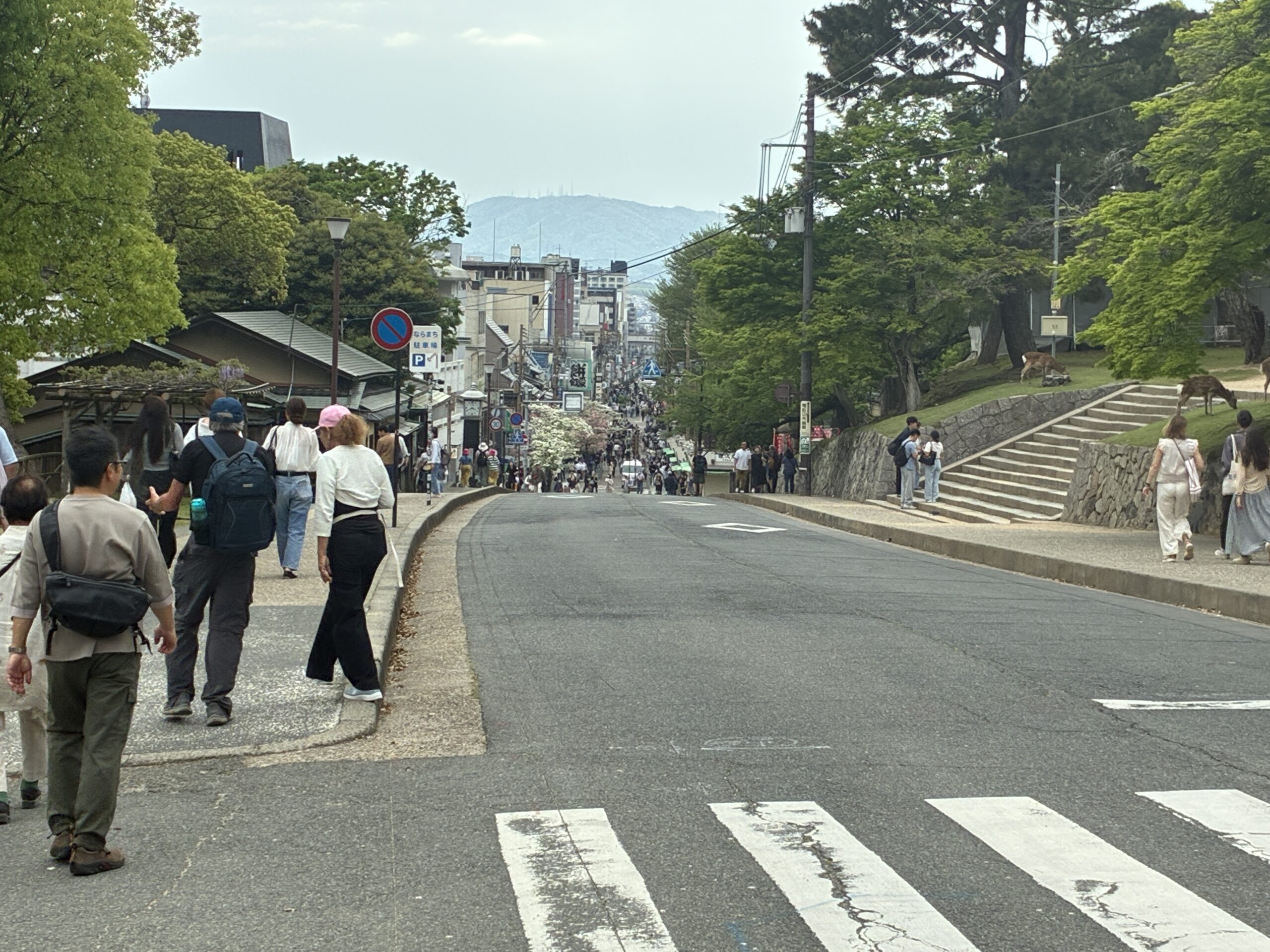
Our first stop was Nara Park, a large park of about 1,600 acres, which is lovely, with its famous Japanese Sika deer, small, goat-sized deer, and without any fear of people, roaming freely among the crowds , looking for food. In many cases, the deer bow their heads, not out of politeness but as a learned behavior, when seeking food from people, which nevertheless fits so well with Japanese culture of politeness and humility. In Japanese culture, dating back over 1,300 years, they are considered divine messengers of the gods. There are about 1.400 deer living in the area.
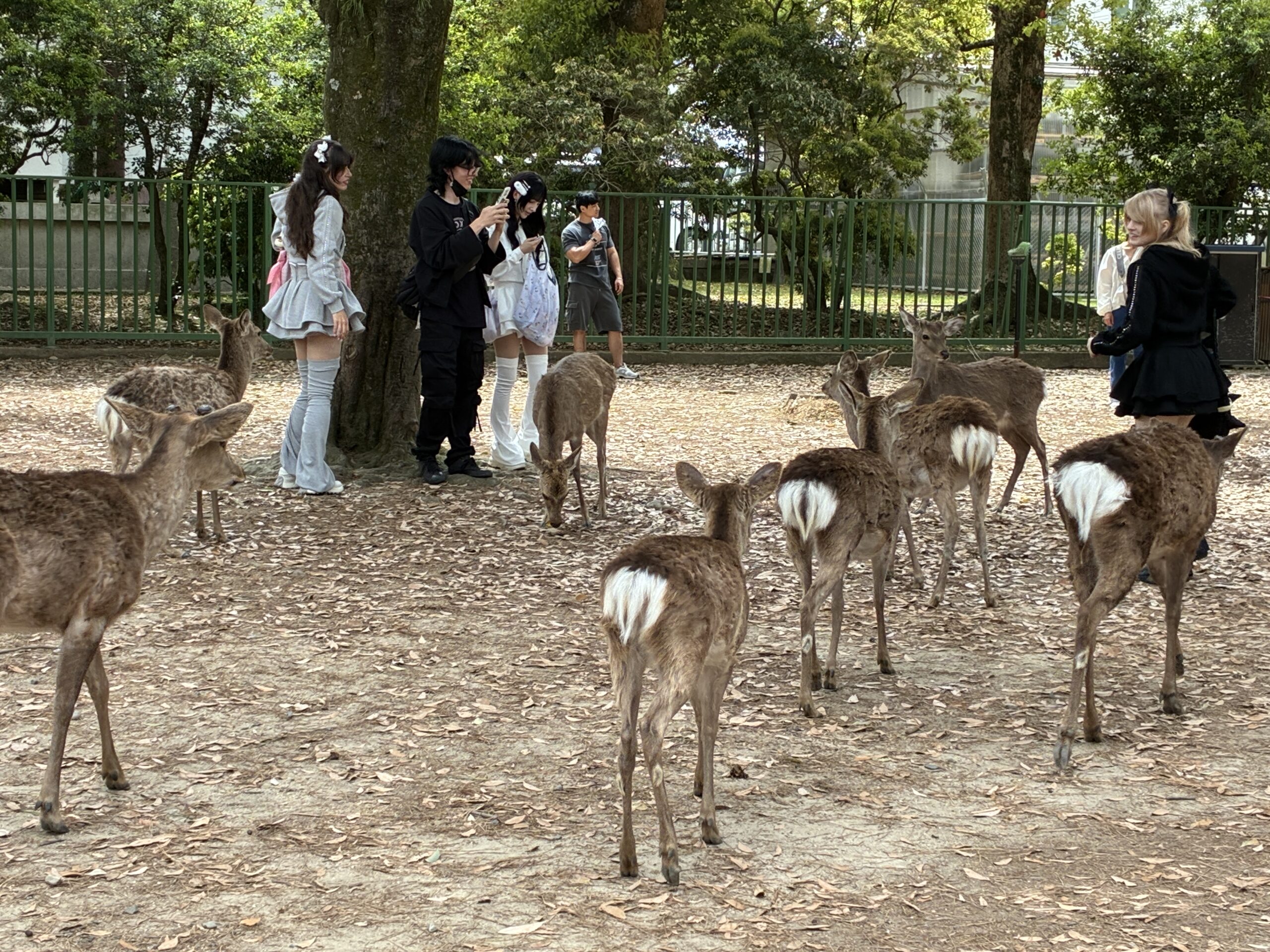
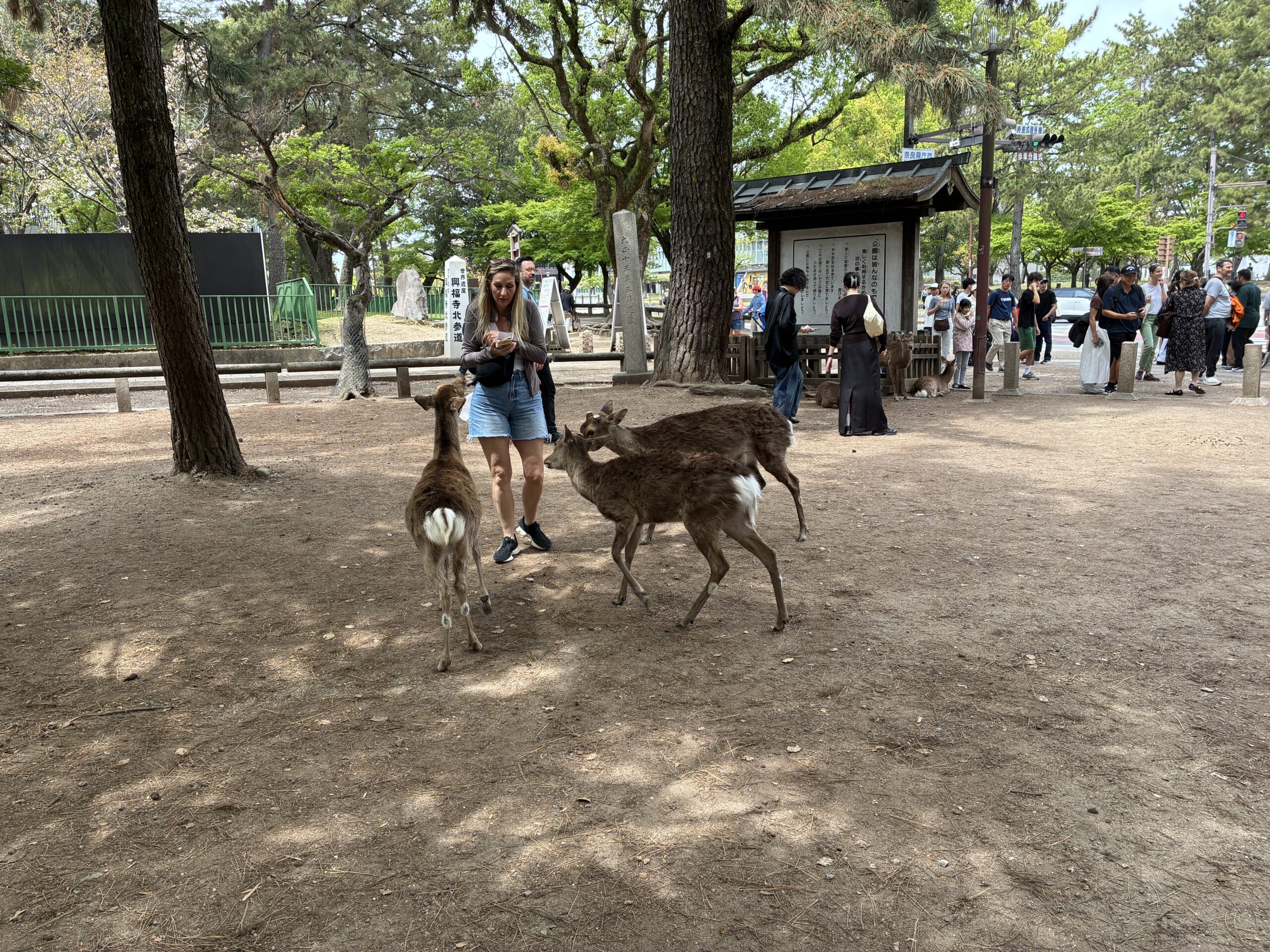
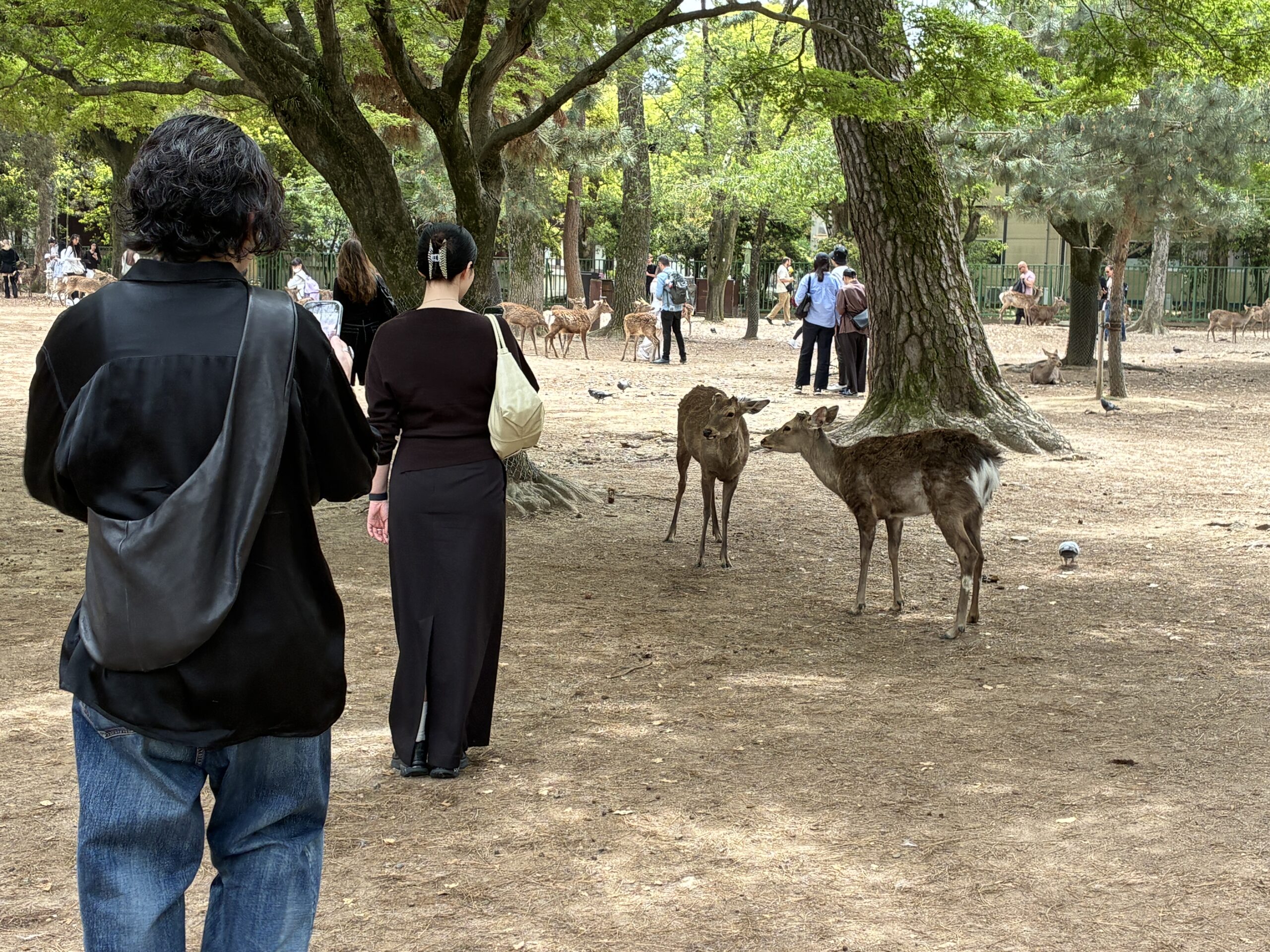
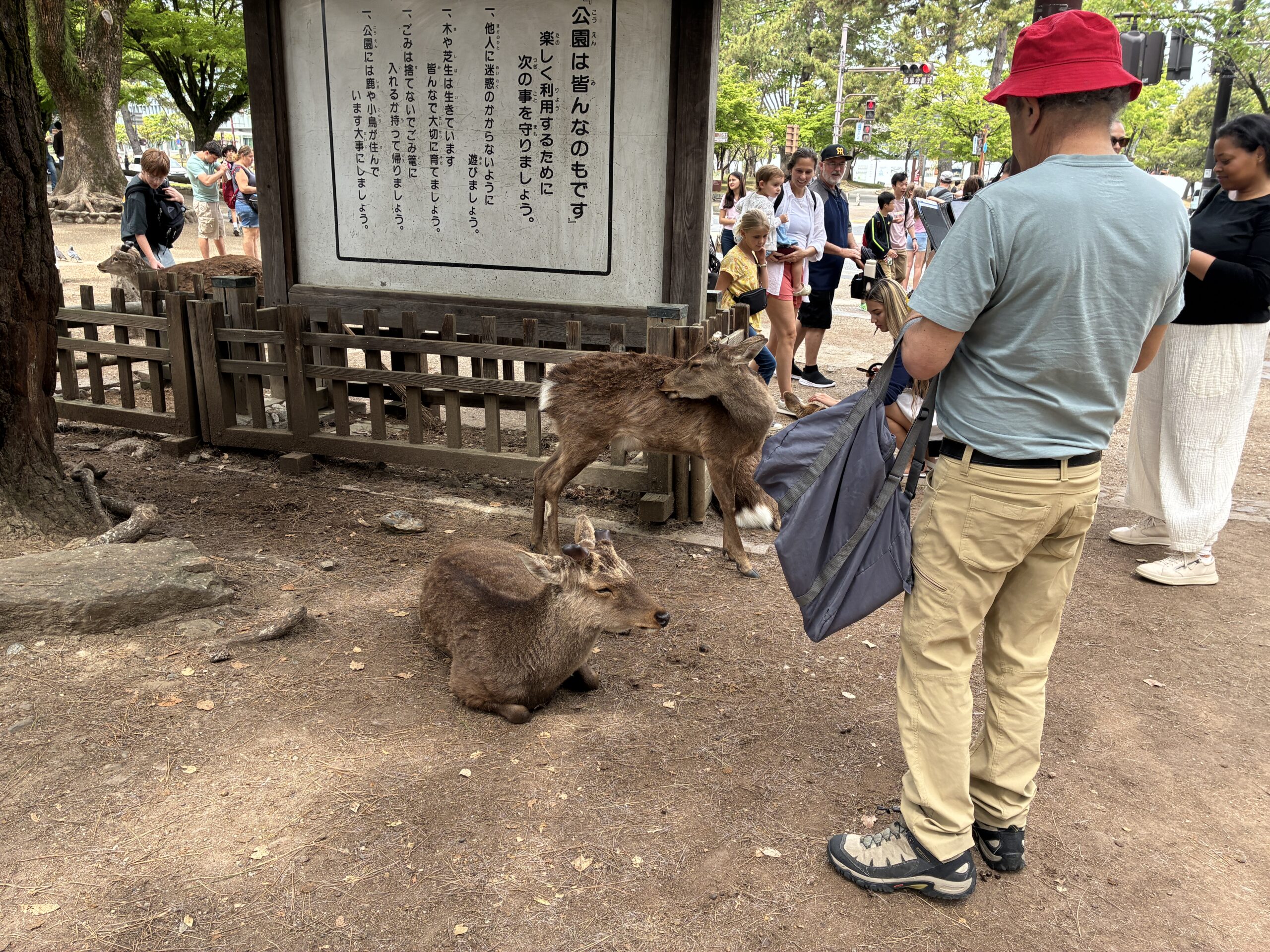
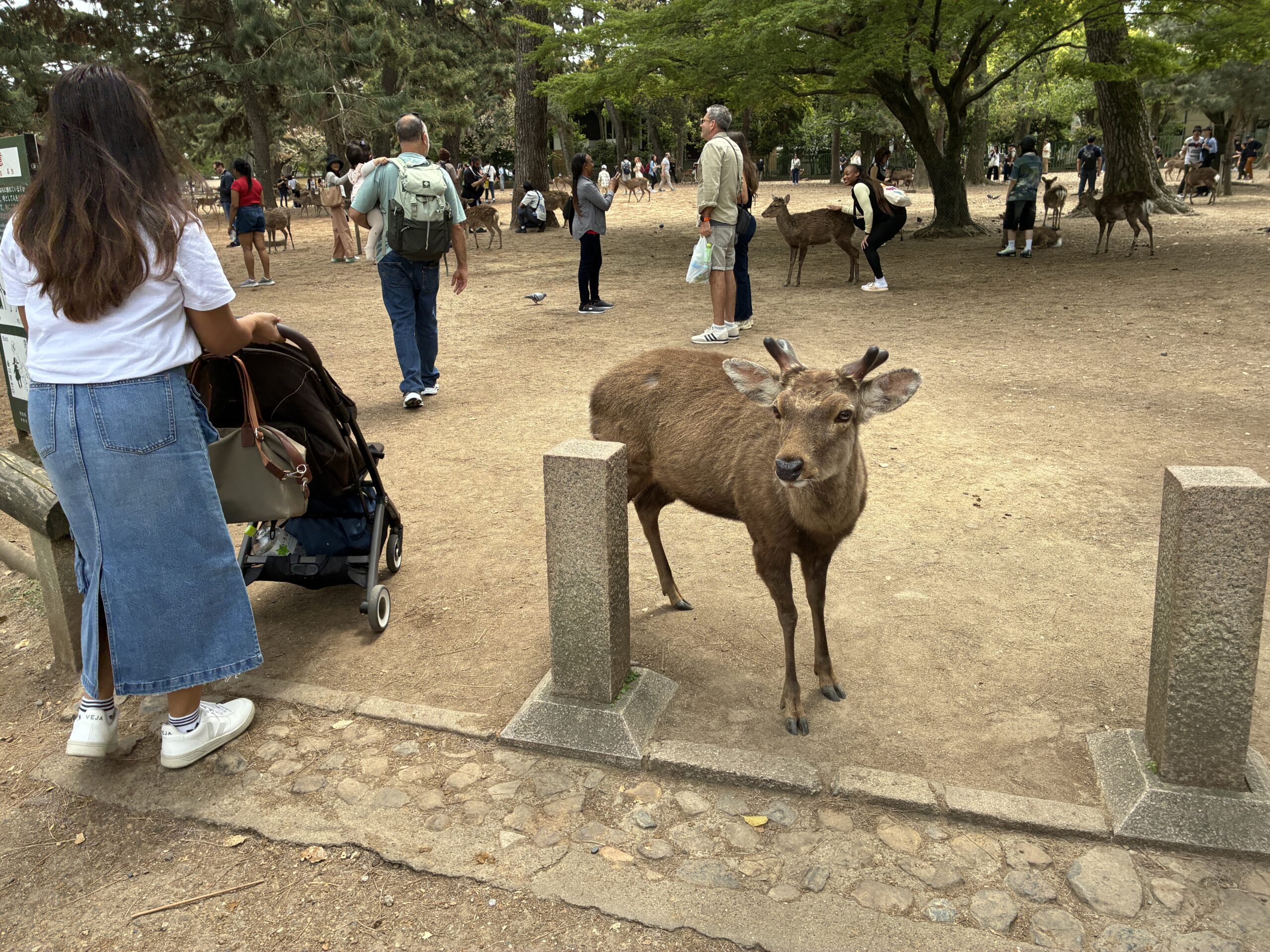
The weather was great and, perhaps because today is a Sunday, it was pretty crowded. Amazingly, to me at least, I saw quite a few people really scared of these gentle deer approaching them for food, even though they were holding crackers used to feed the deer, and this is, after all, a park famous for its deer. One young woman came up to us in a panic, and thrust the crackers into my hands, wanting us to keep the deer away from her.
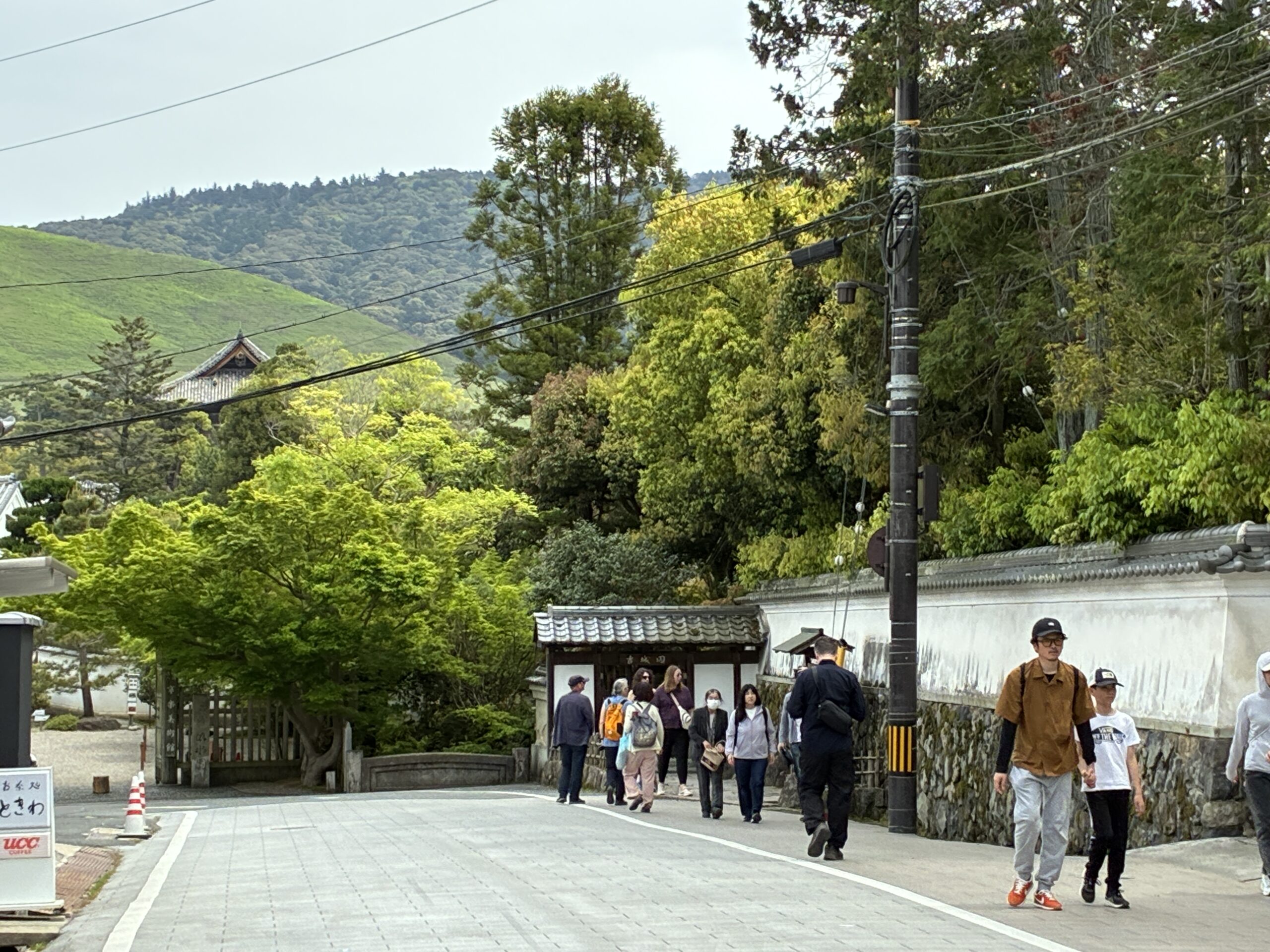
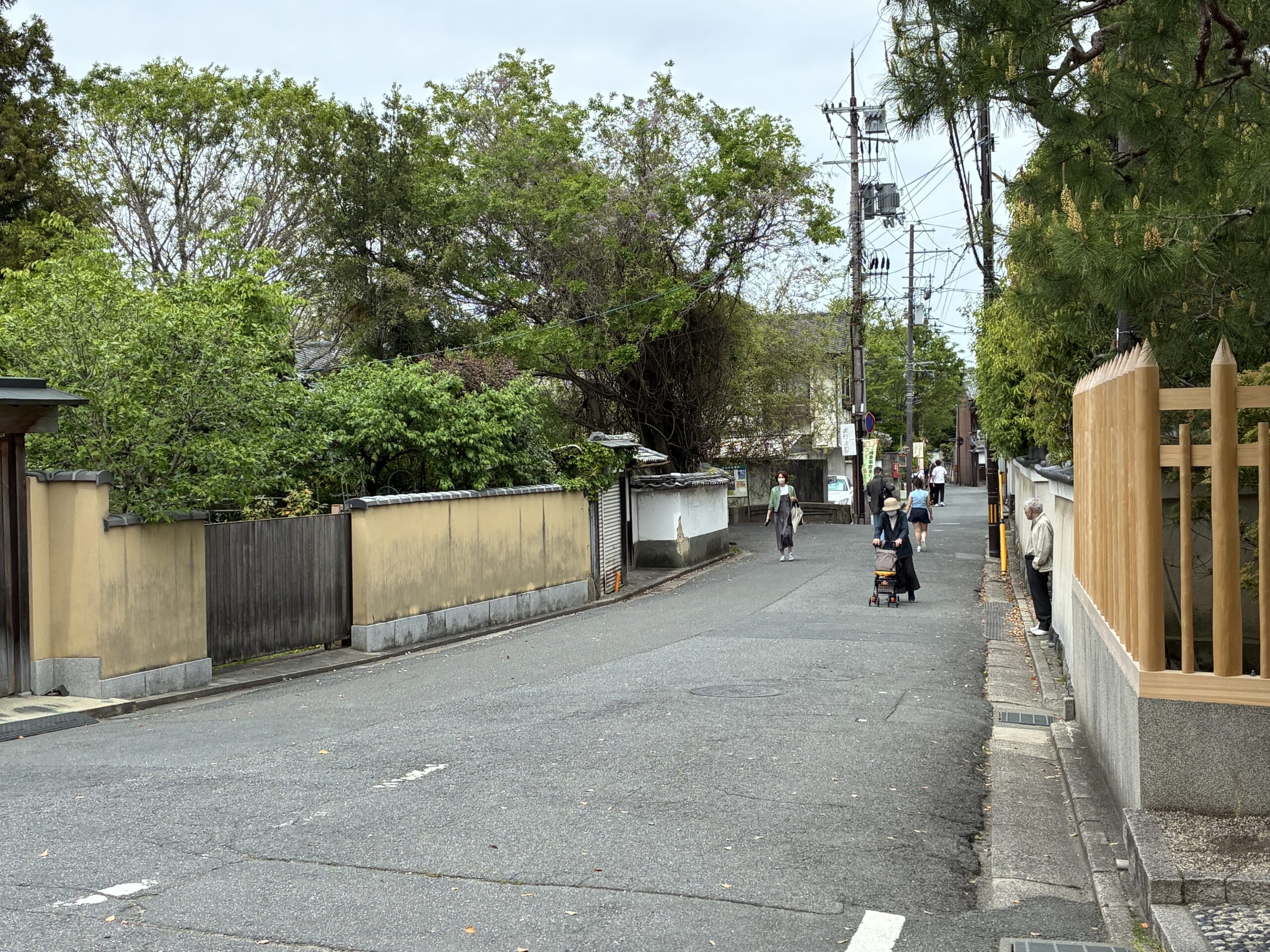
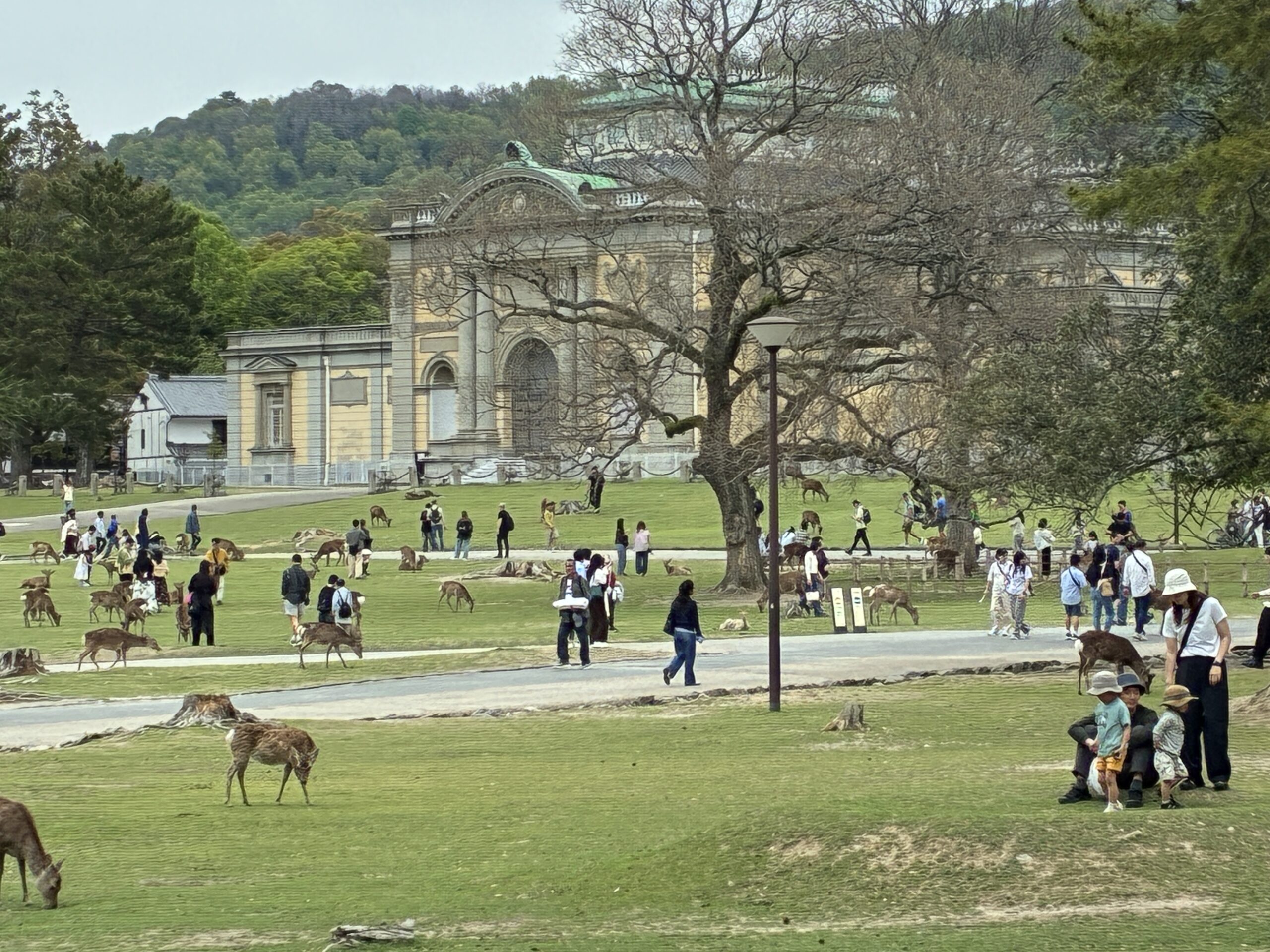
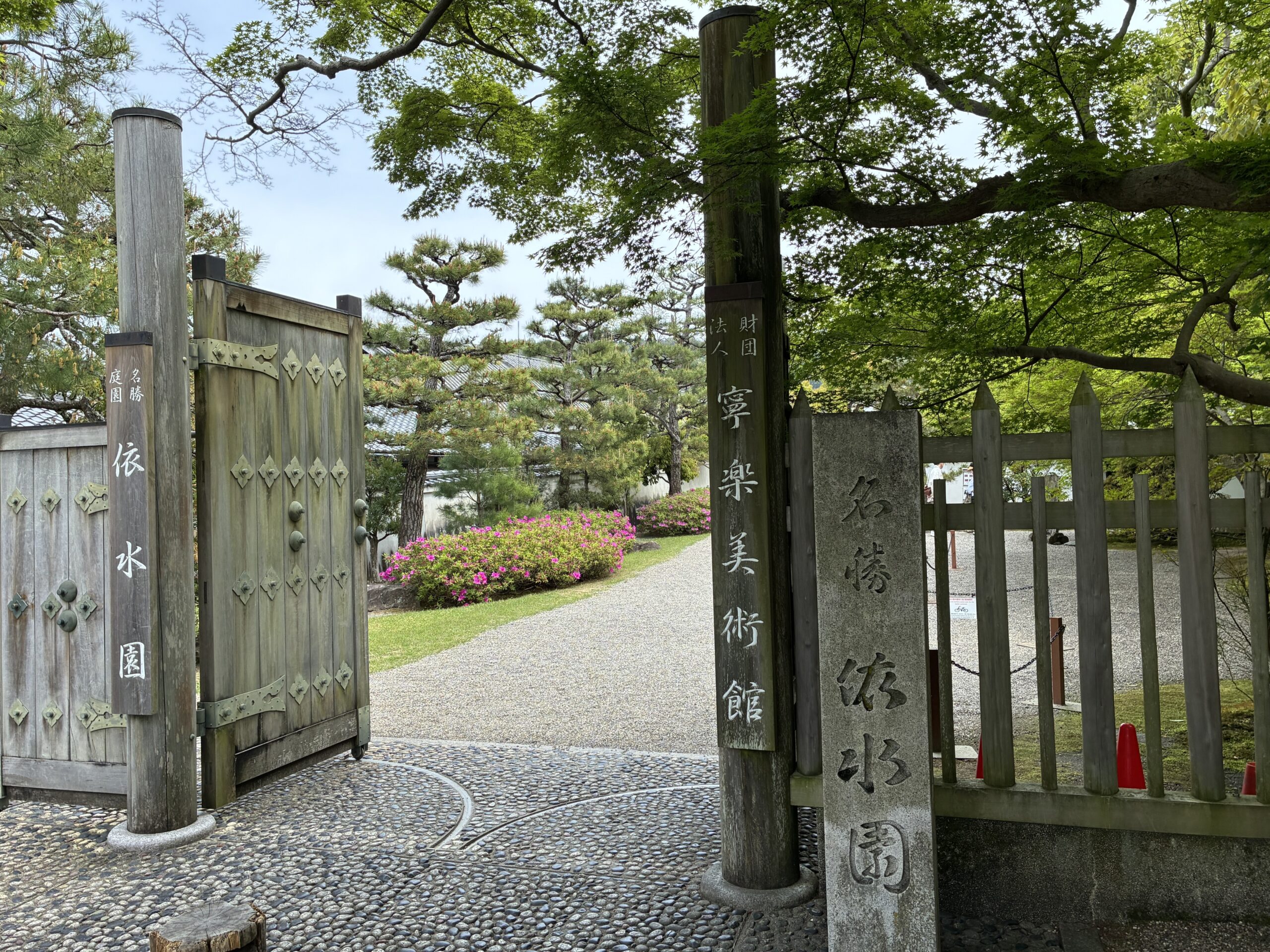
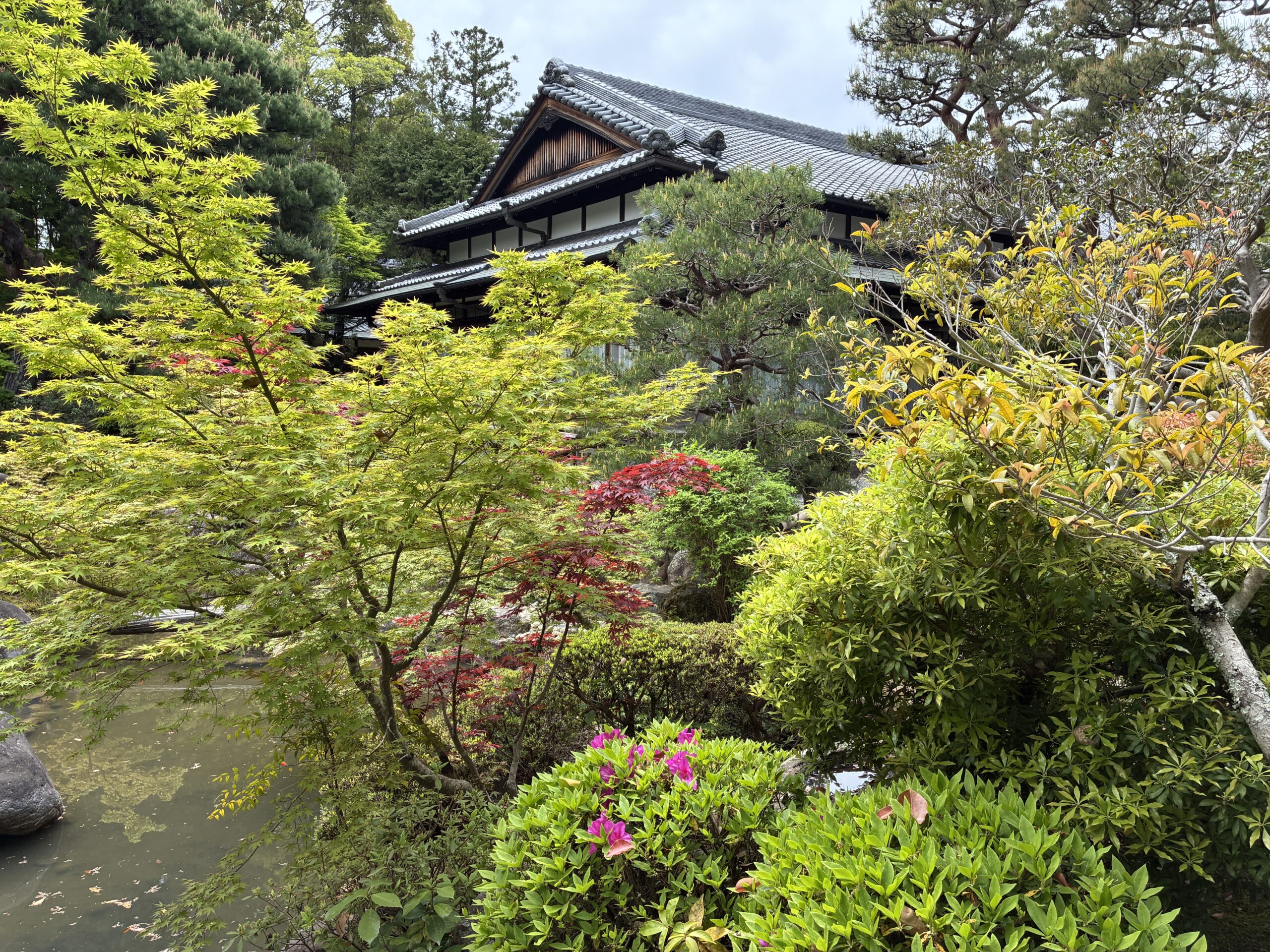
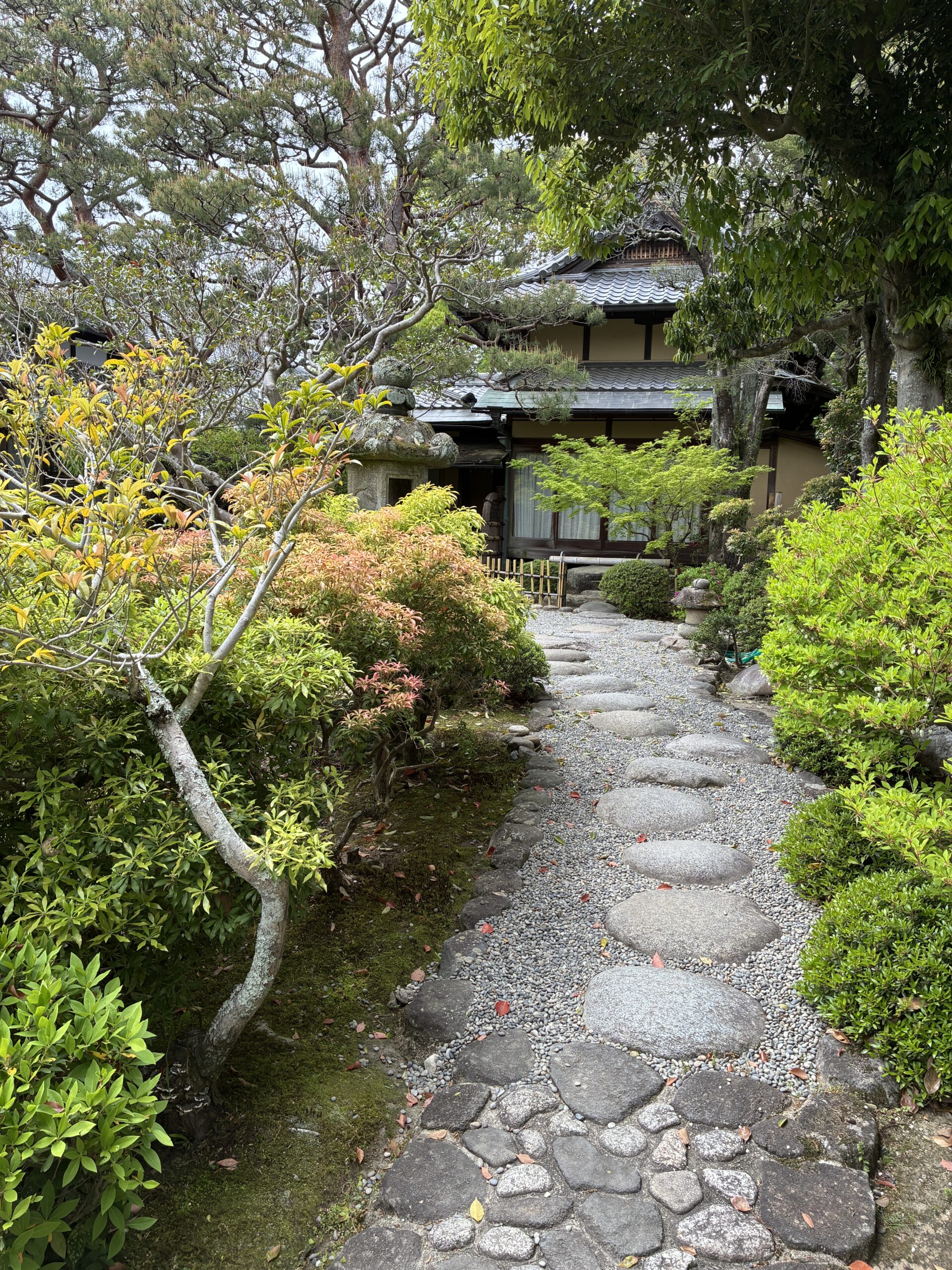
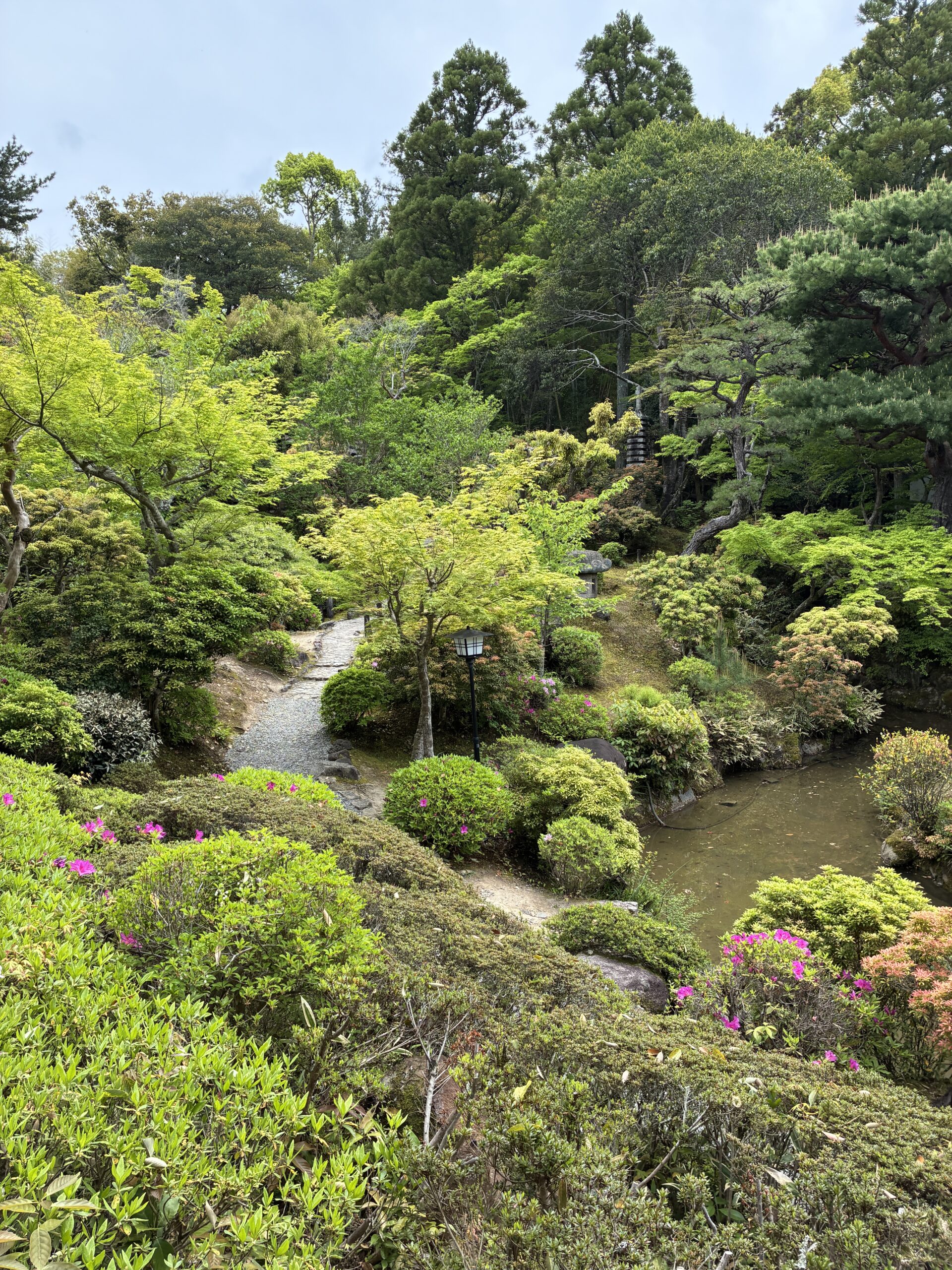
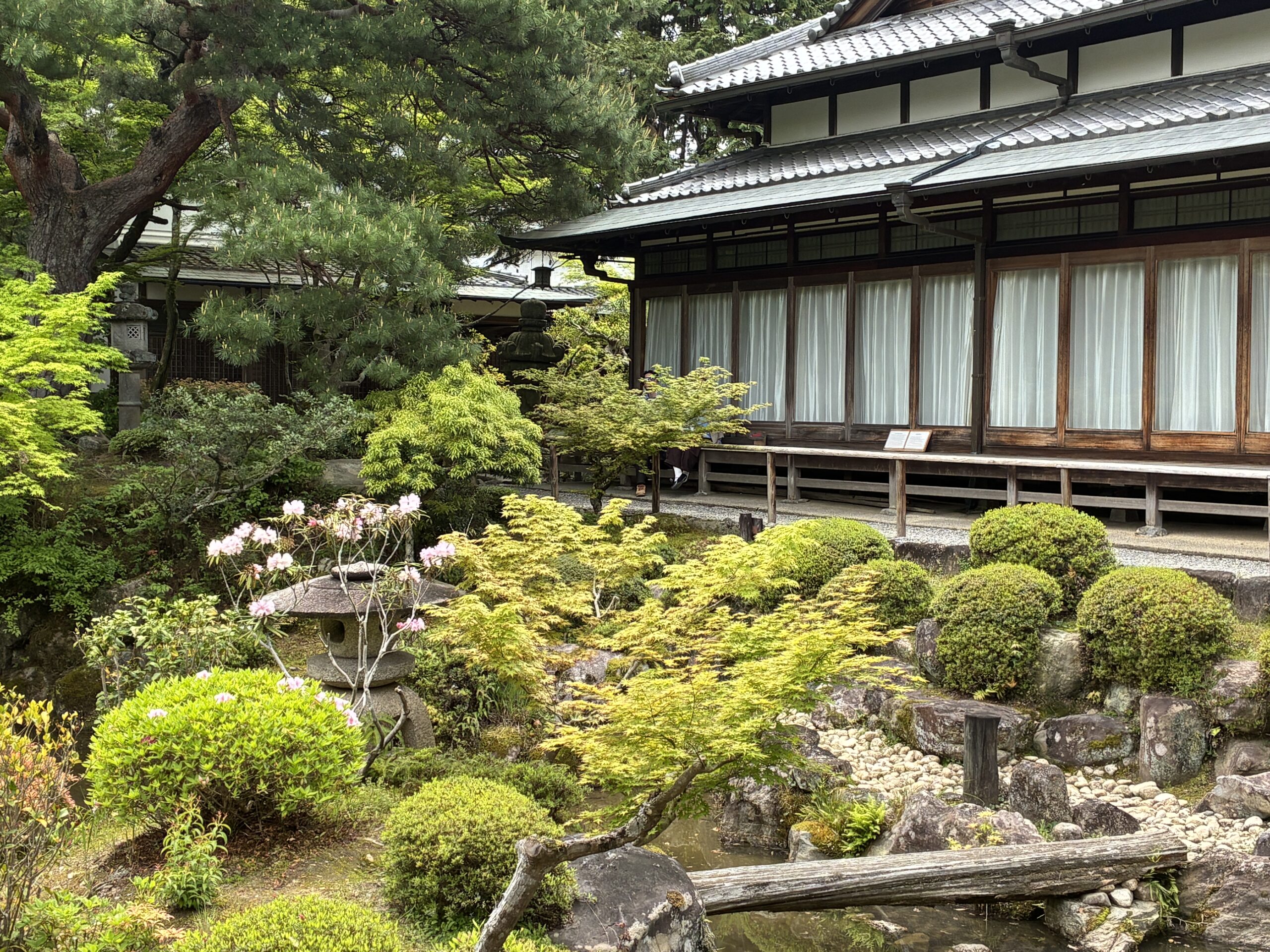
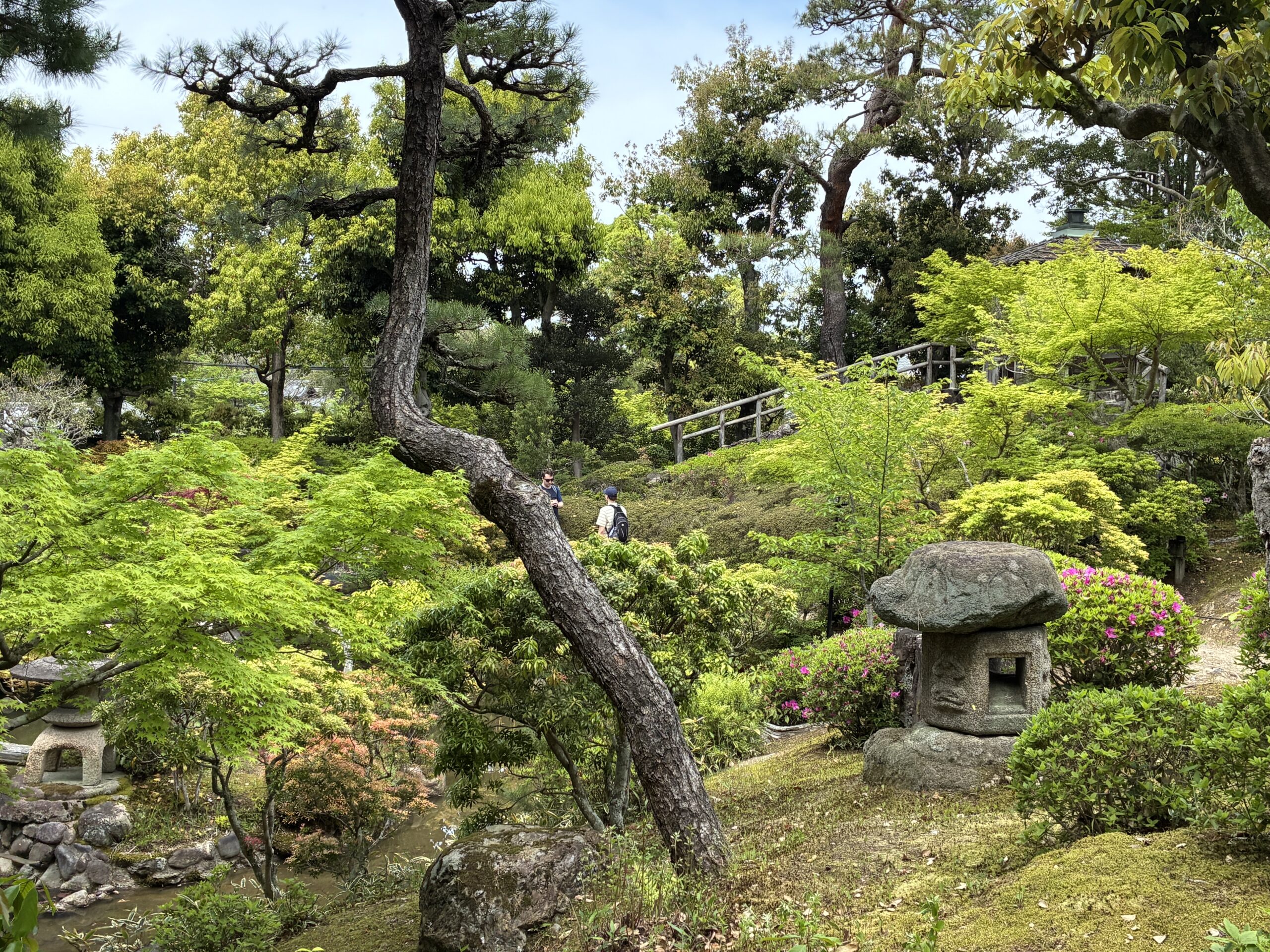
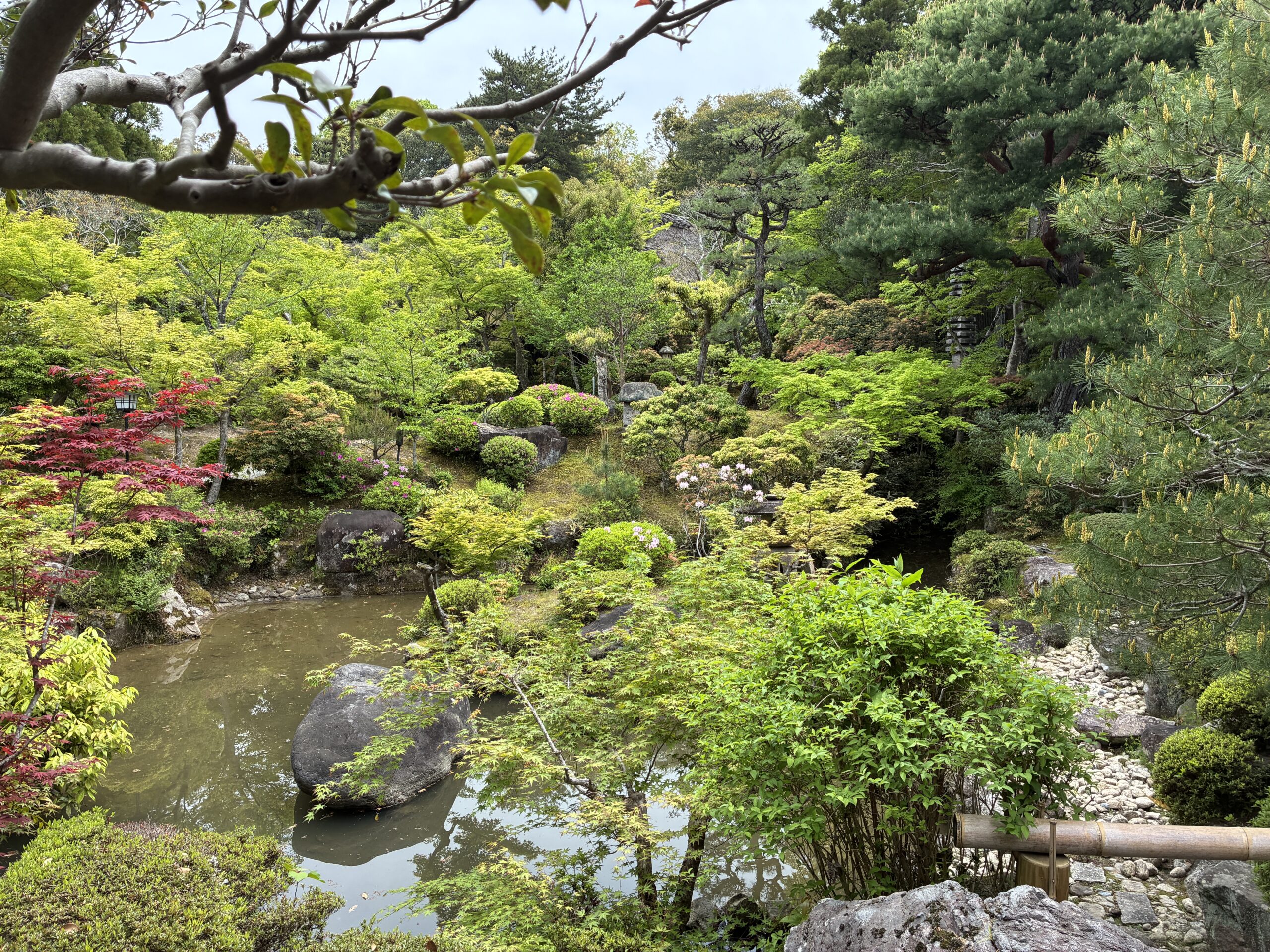
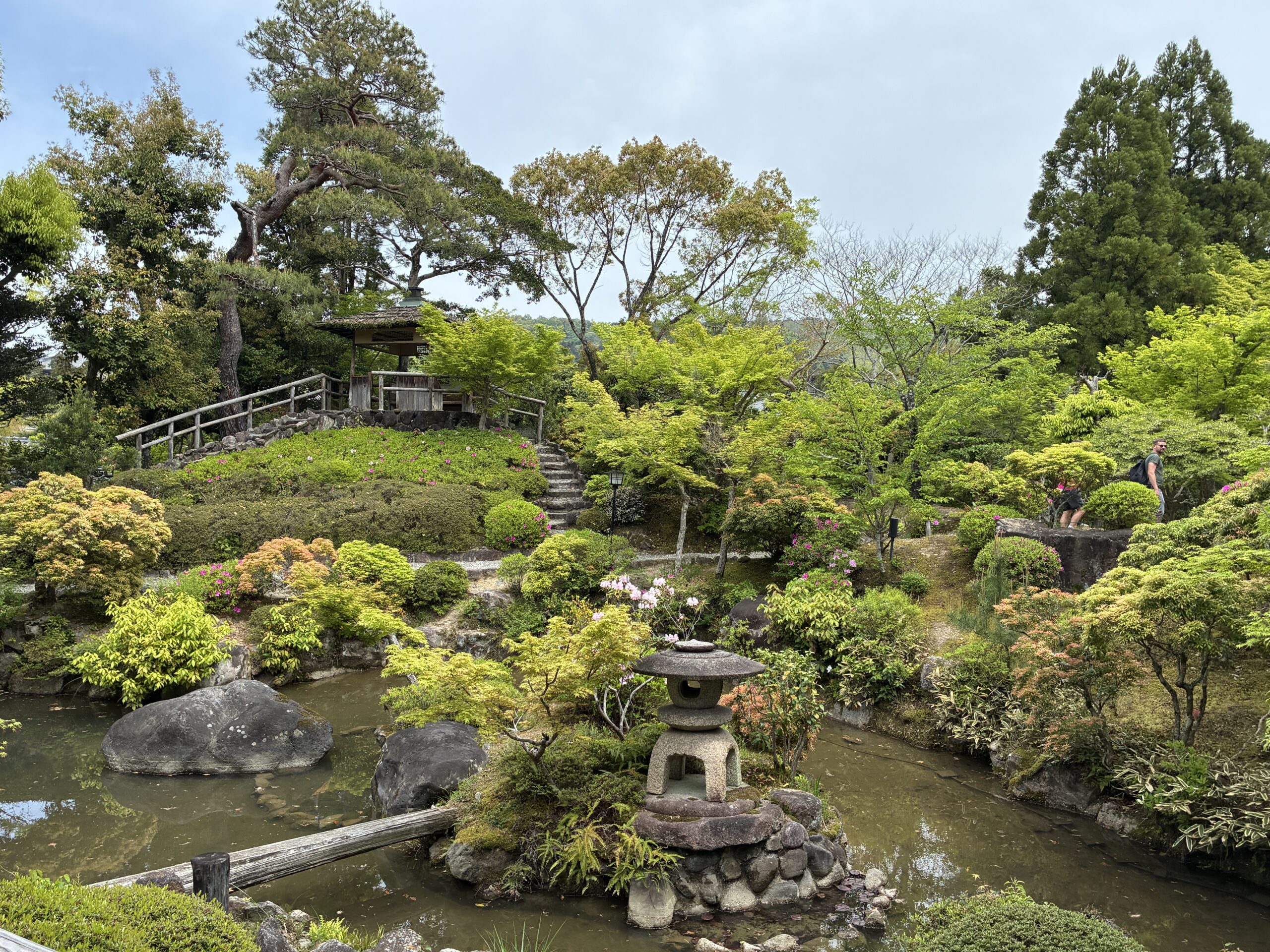
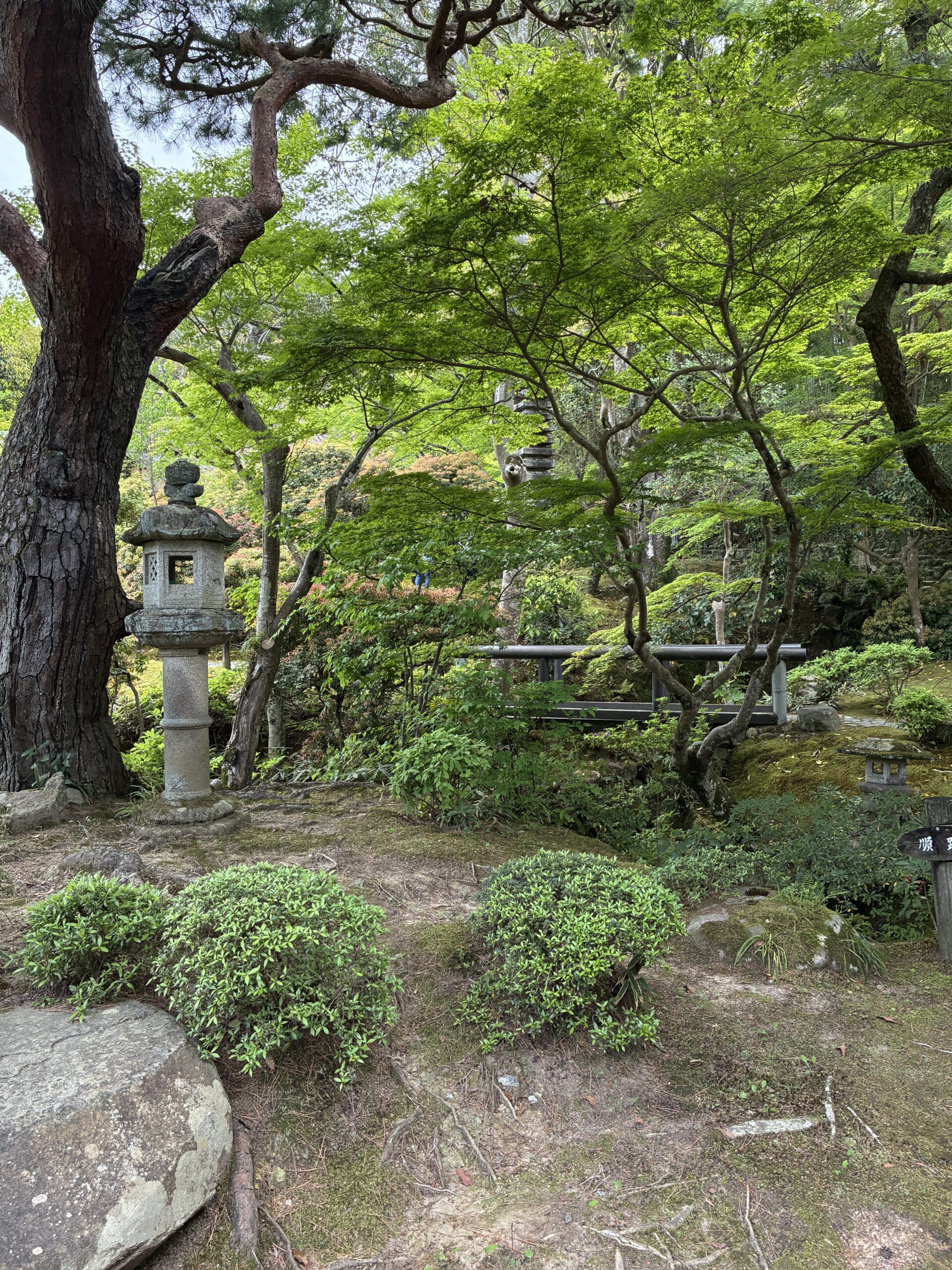
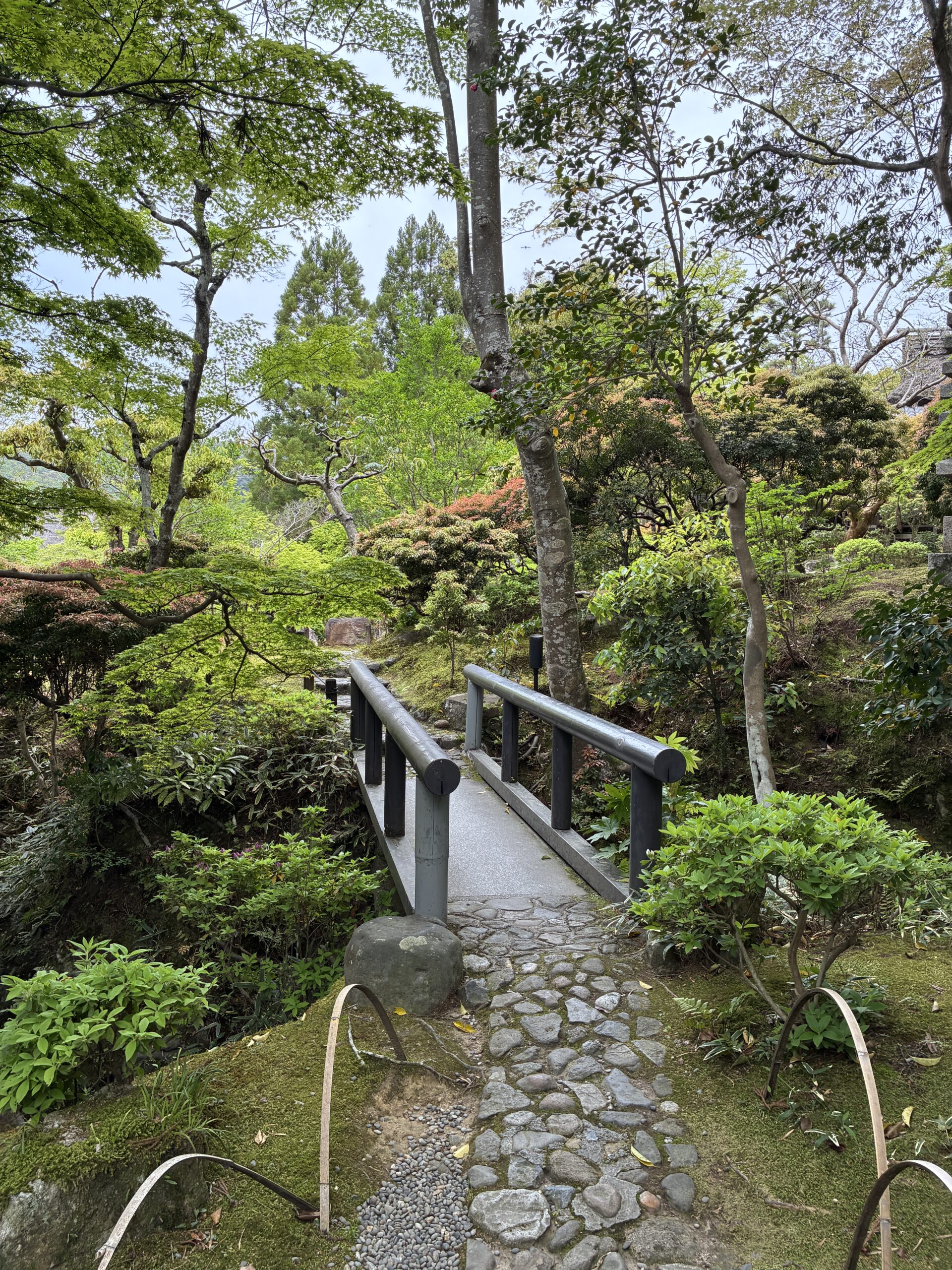
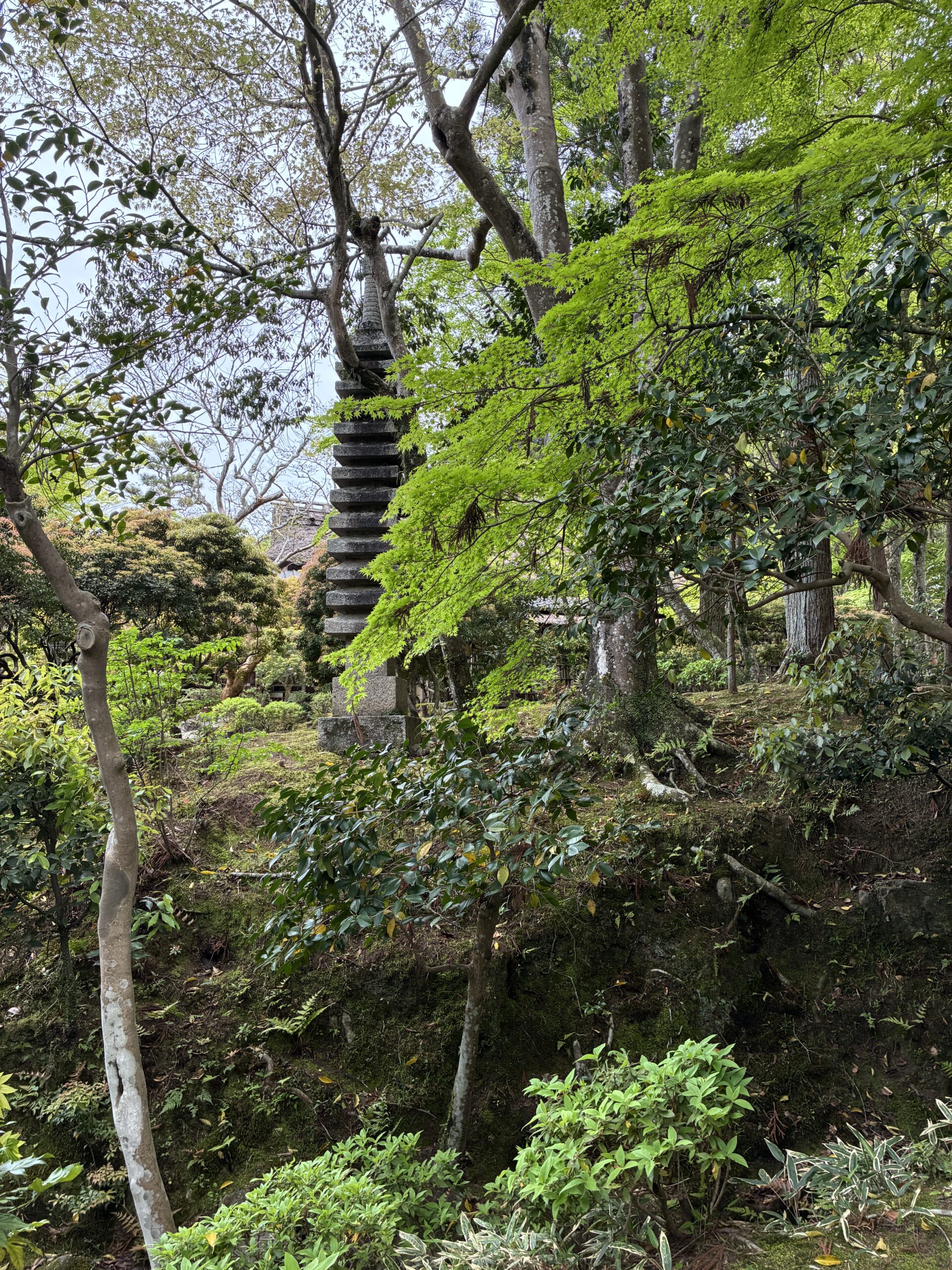
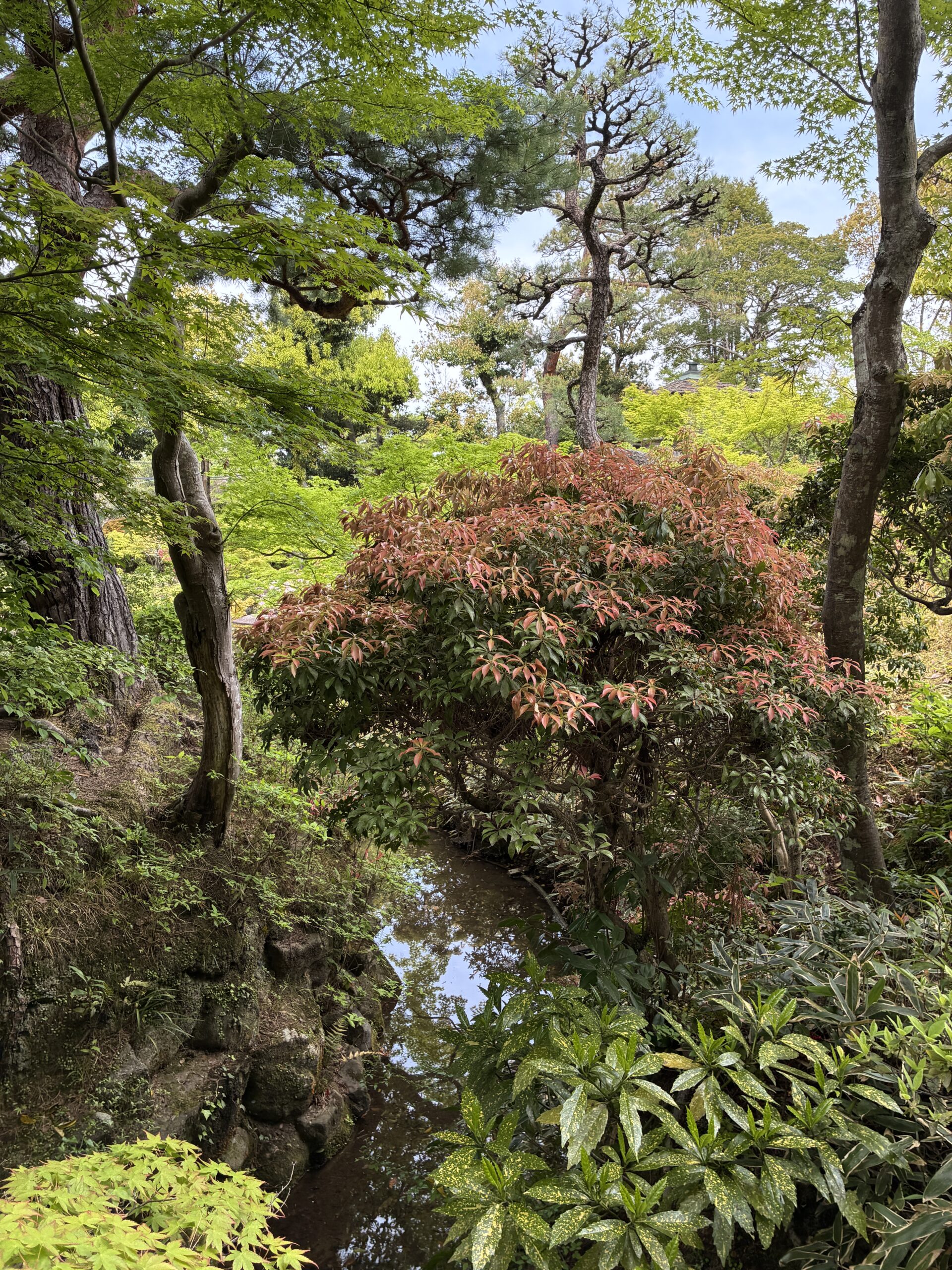
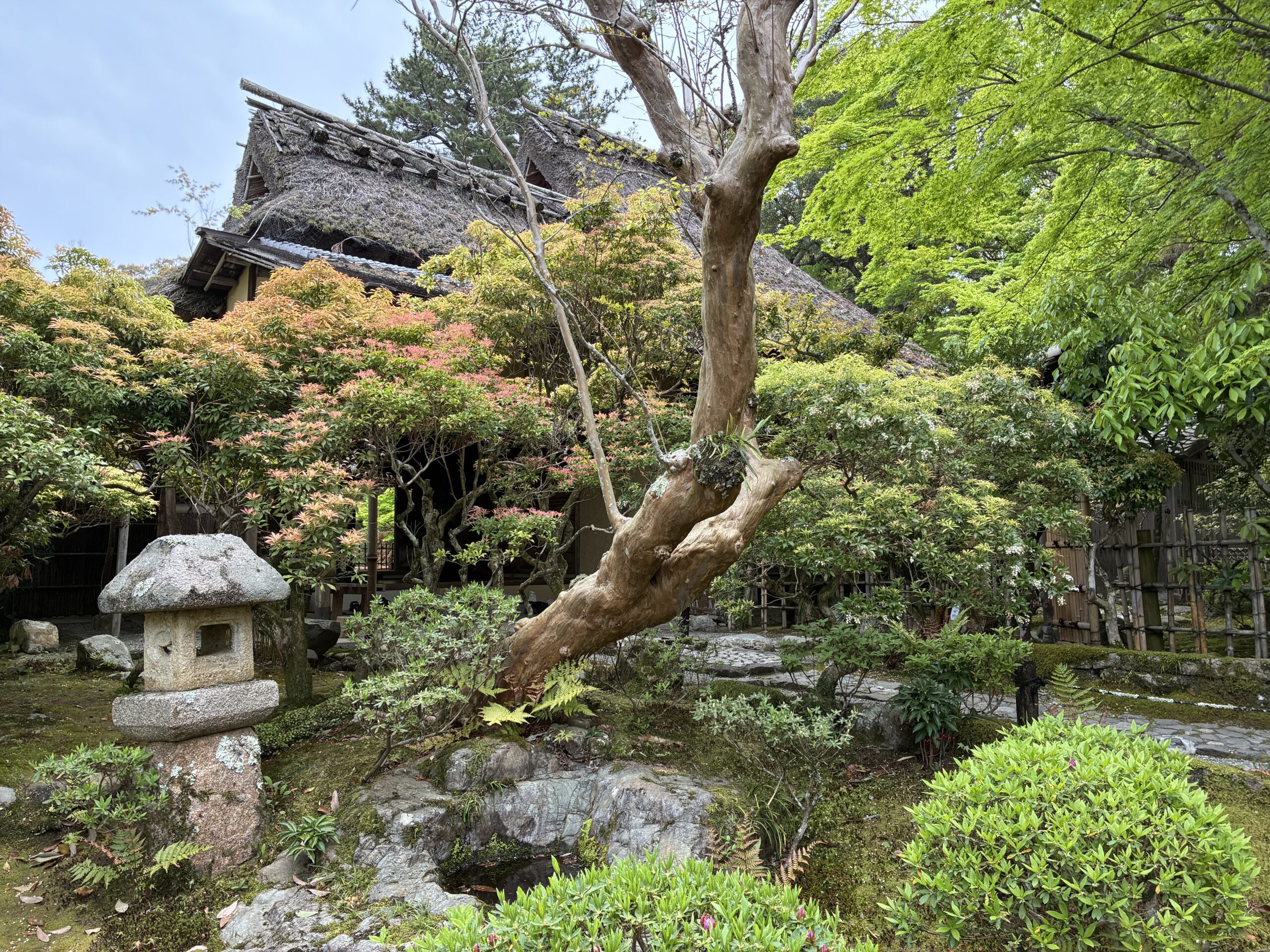
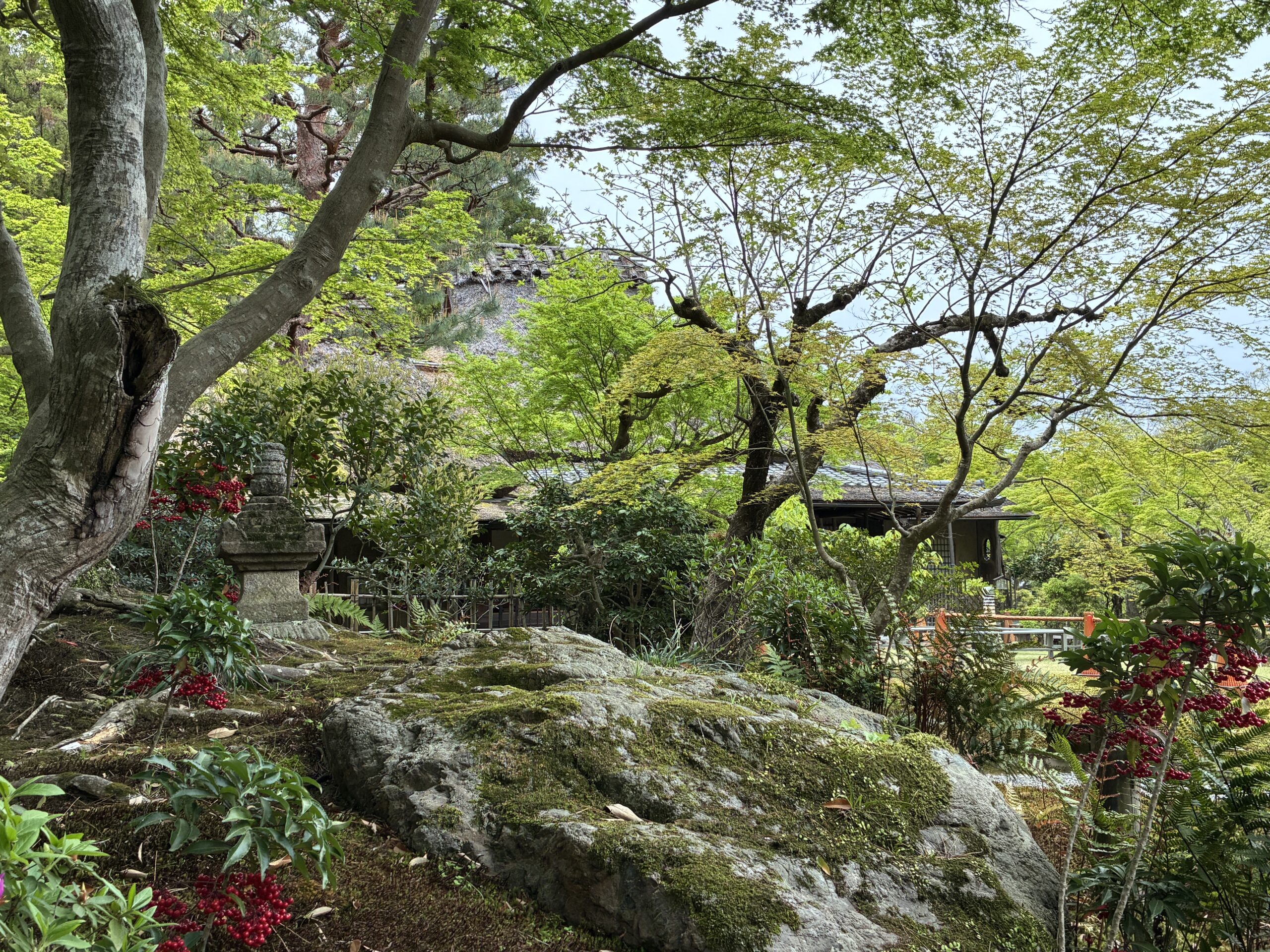
The park includes a number of shrines and temples, as well as a boating lakes, museums, and wonderful gardens and trails, and on the eastern edge of the park is Mount Wakakusa, reaching a little over 1,100 feet, with a lovely panoramic view of Nara and the surrounding area below. After leaving the main deer park, we headed for the gardens, and walked in the very tranquil (and uncrowded) Isuien Garden. Beautiful. Many great photos.
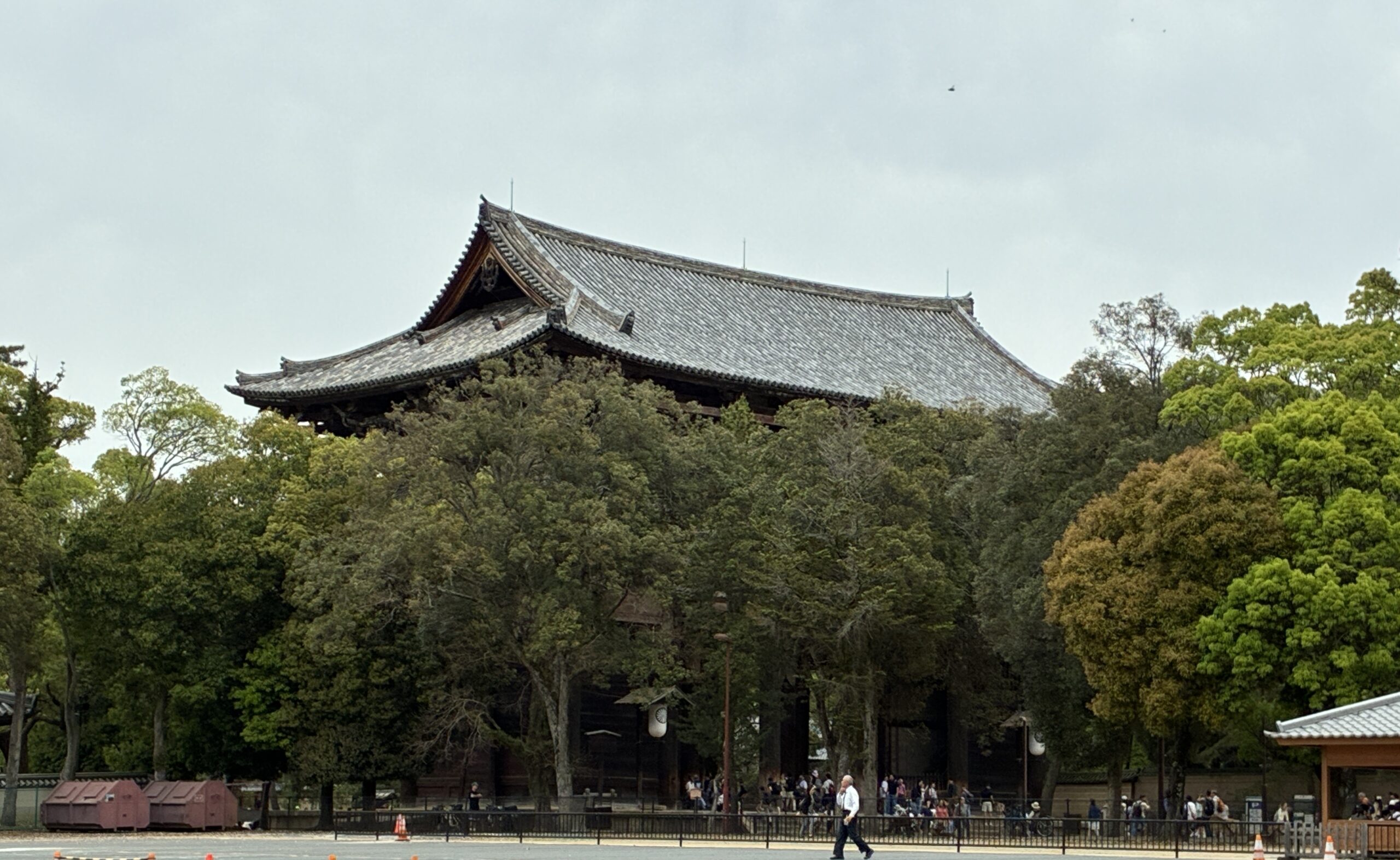
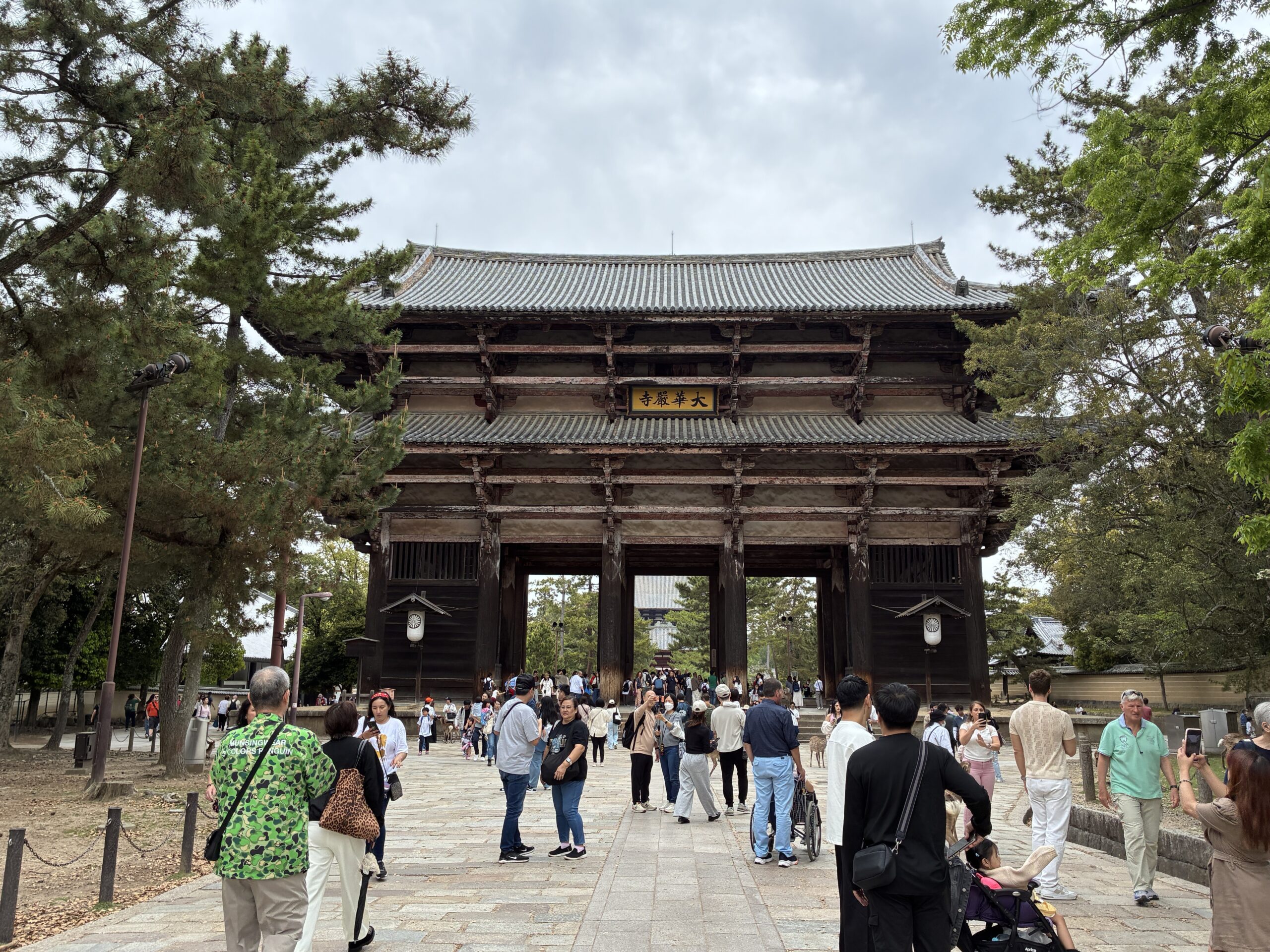
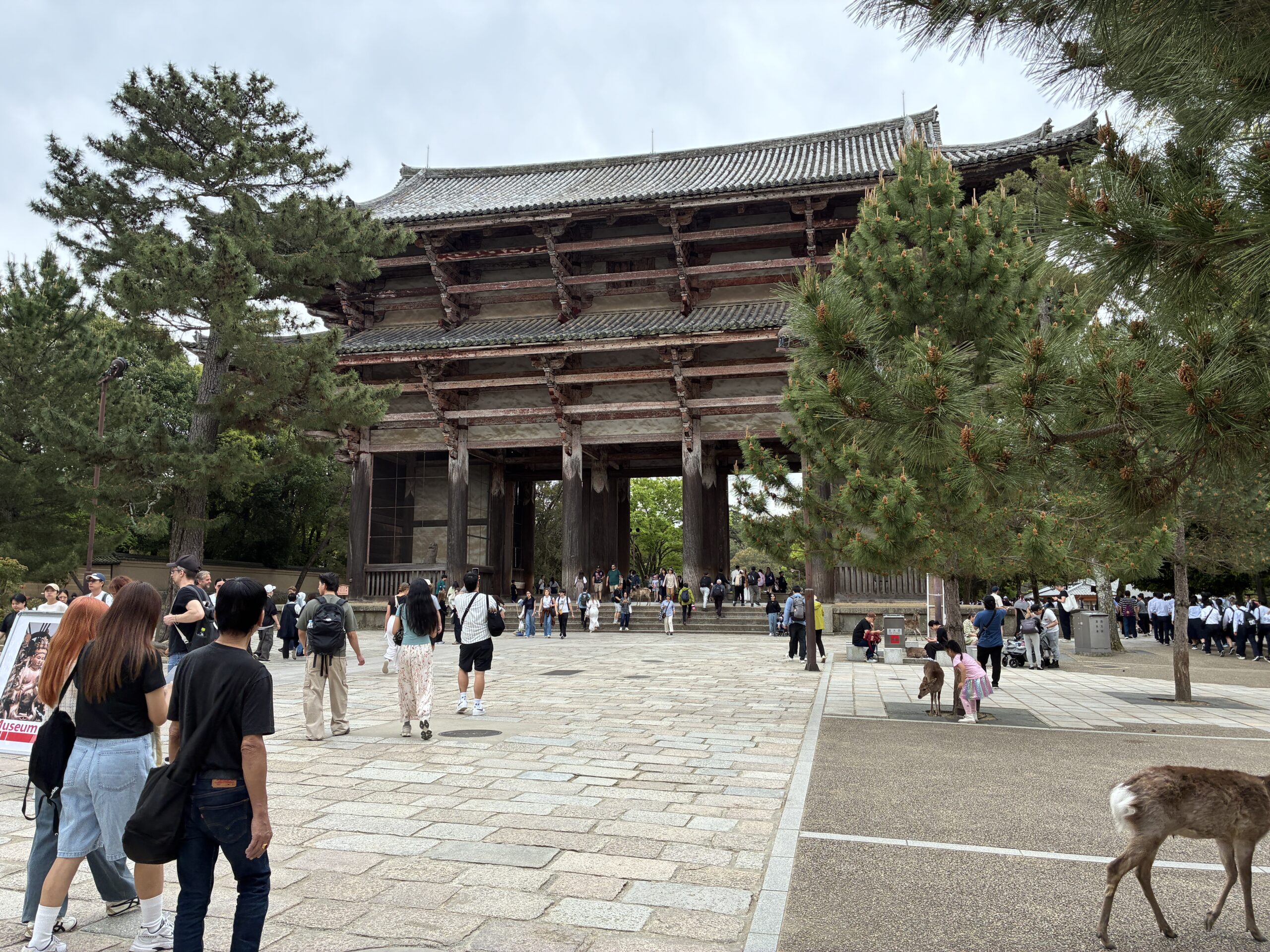
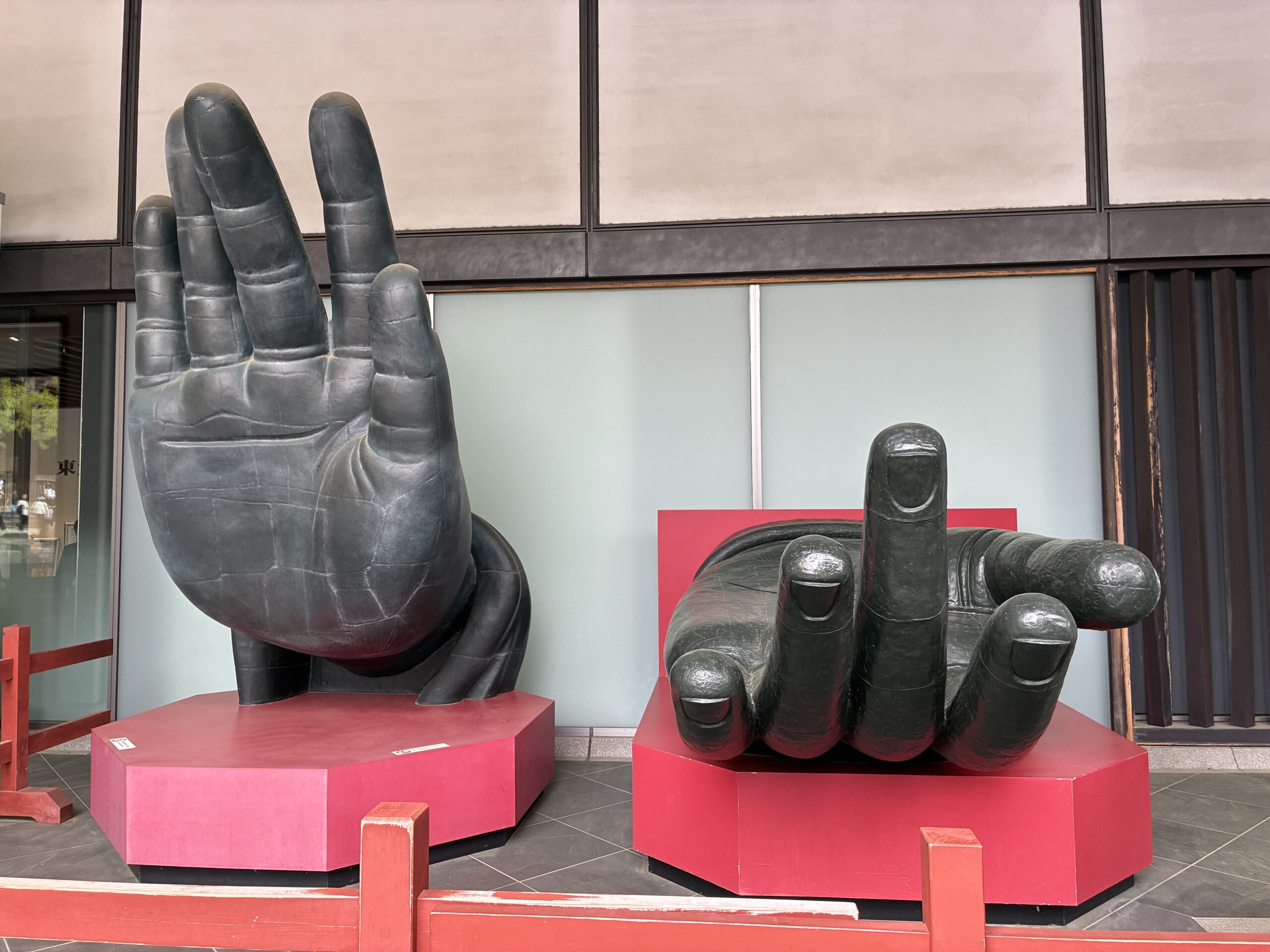
We visited the Tōdai-ji temple, which houses a gigantic Buddha, after first passing through the massive wooden Nandaimon Gate, with its two 26-foot-tall wooden Nio Guardian statues that were carved in the 13th century.
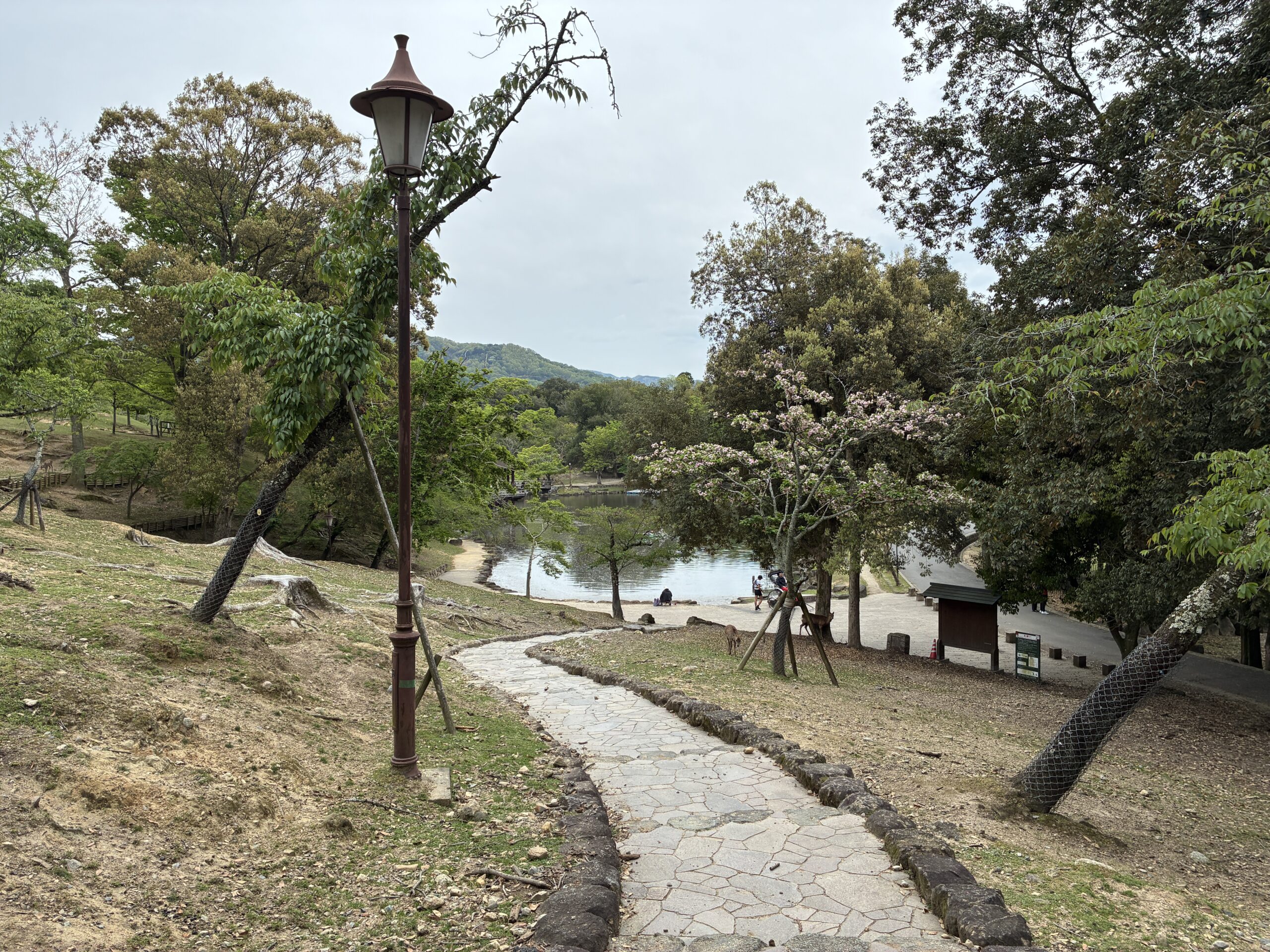
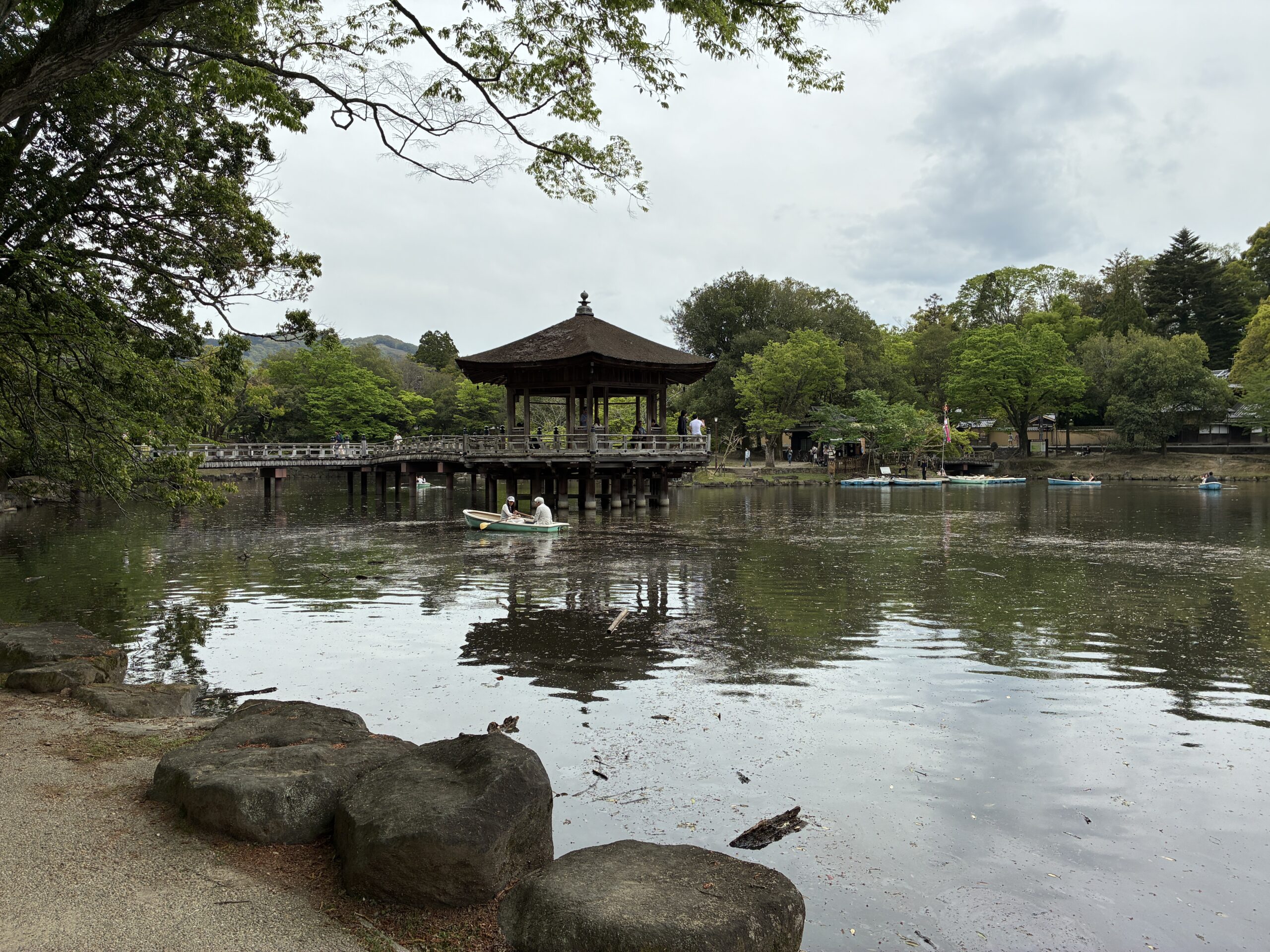
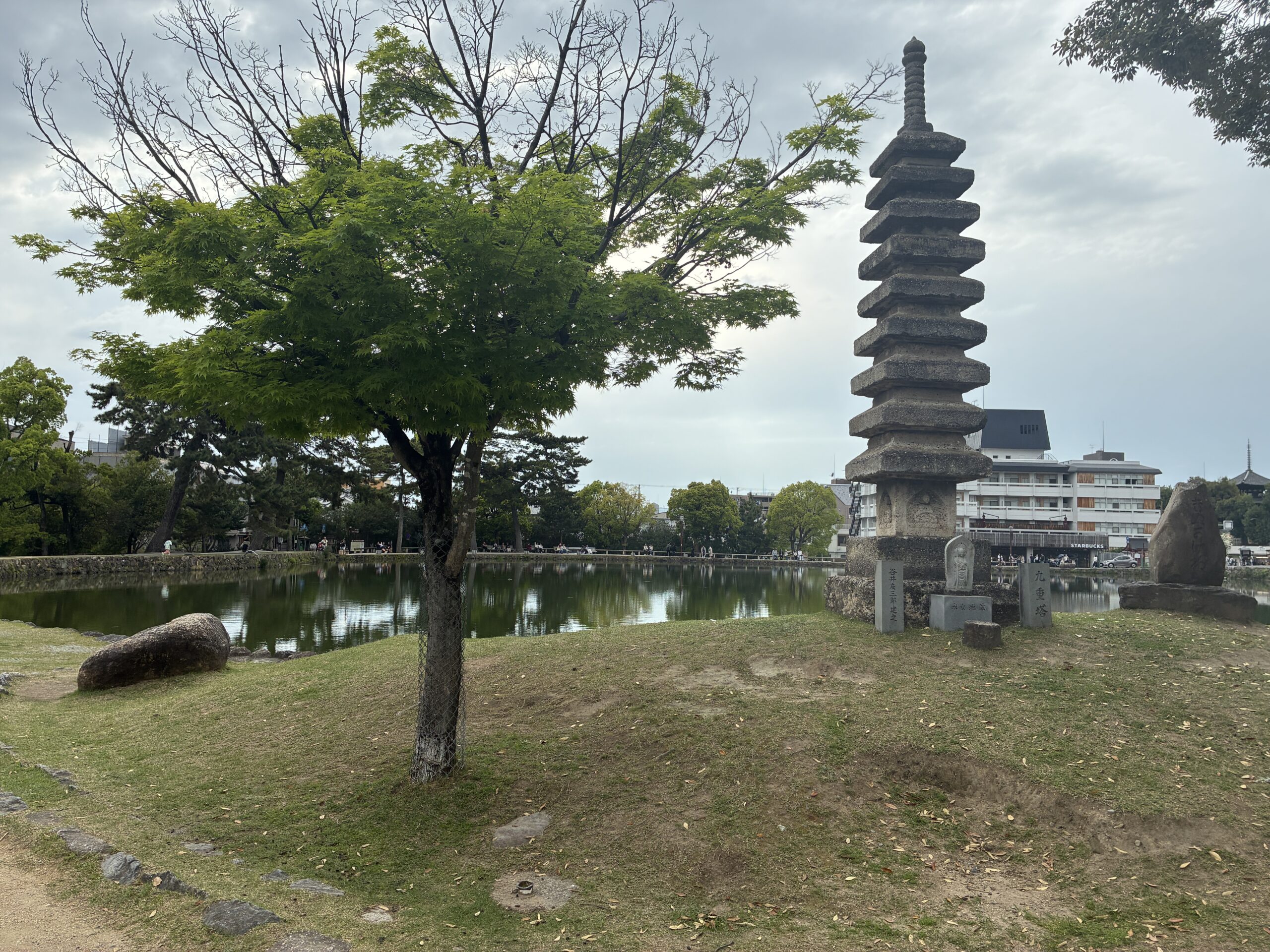
By then, Laurence was feeling a need to rest for a while, and he sat near the Kasugataisha shrine and the lovely Sagi-ike pond, and I went off exploring for a while. I walked through the park, alongside Sagi-ike pond, and then along the pathway leading to the Kasugataisha shrine, lined with approximately 2,000 stone lanterns. From there I headed to Mount Wakakusa and up to its summit, which was quite a hike (at least for me), and I counted 550 winding stone steps in the hillside as I made my way back down. Phew, but worth it with its views of the city and surrounding area below.
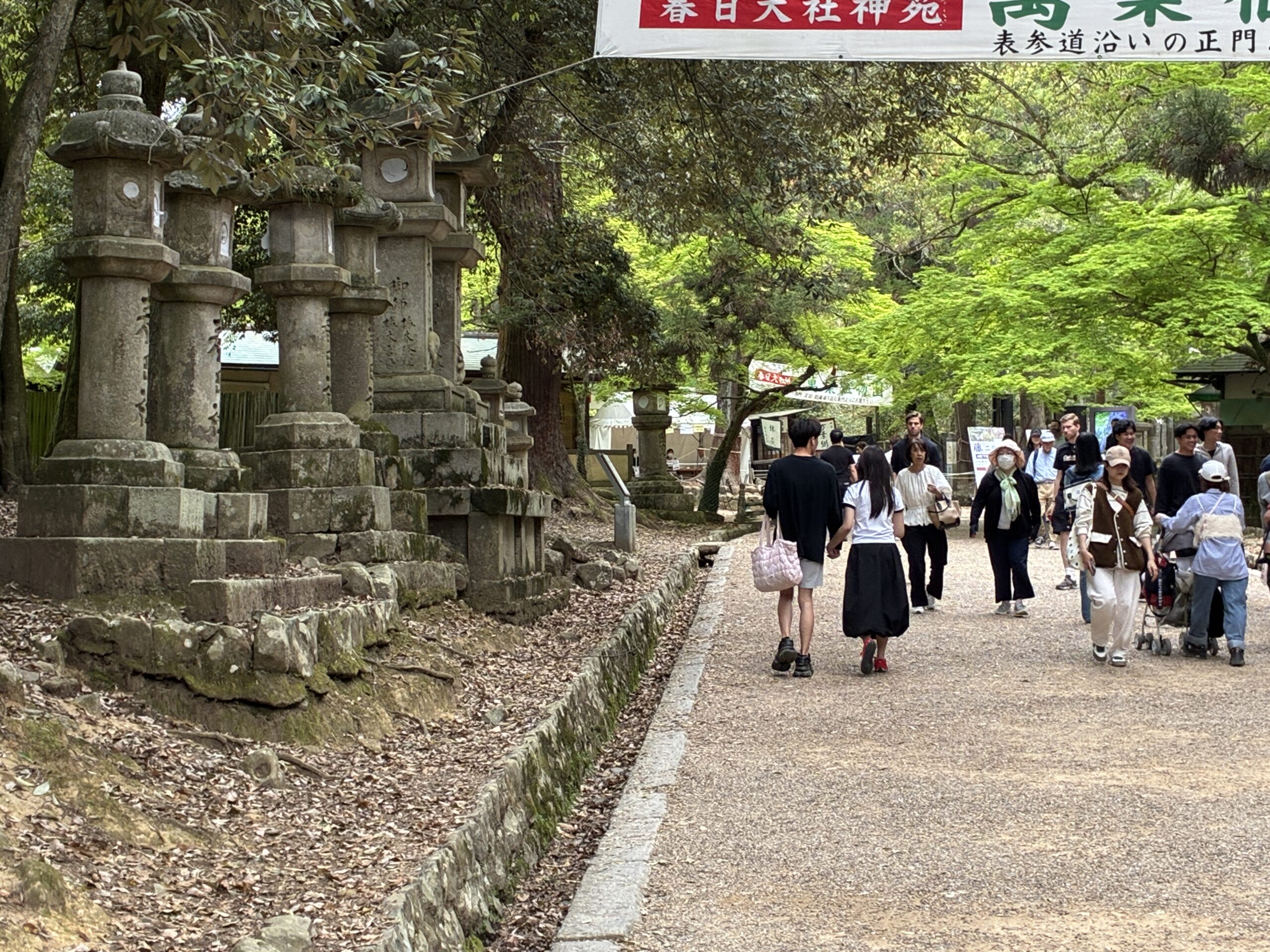
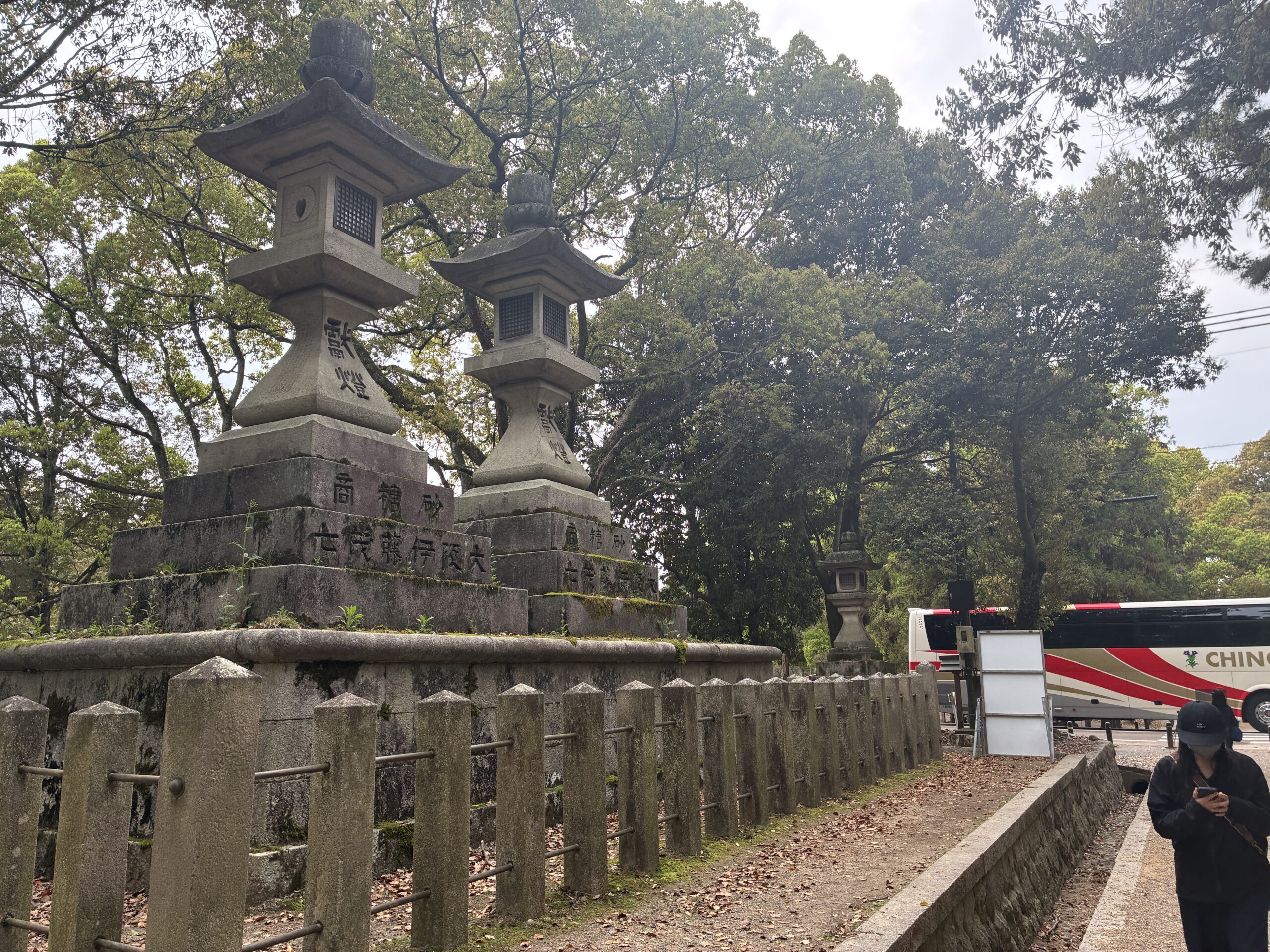
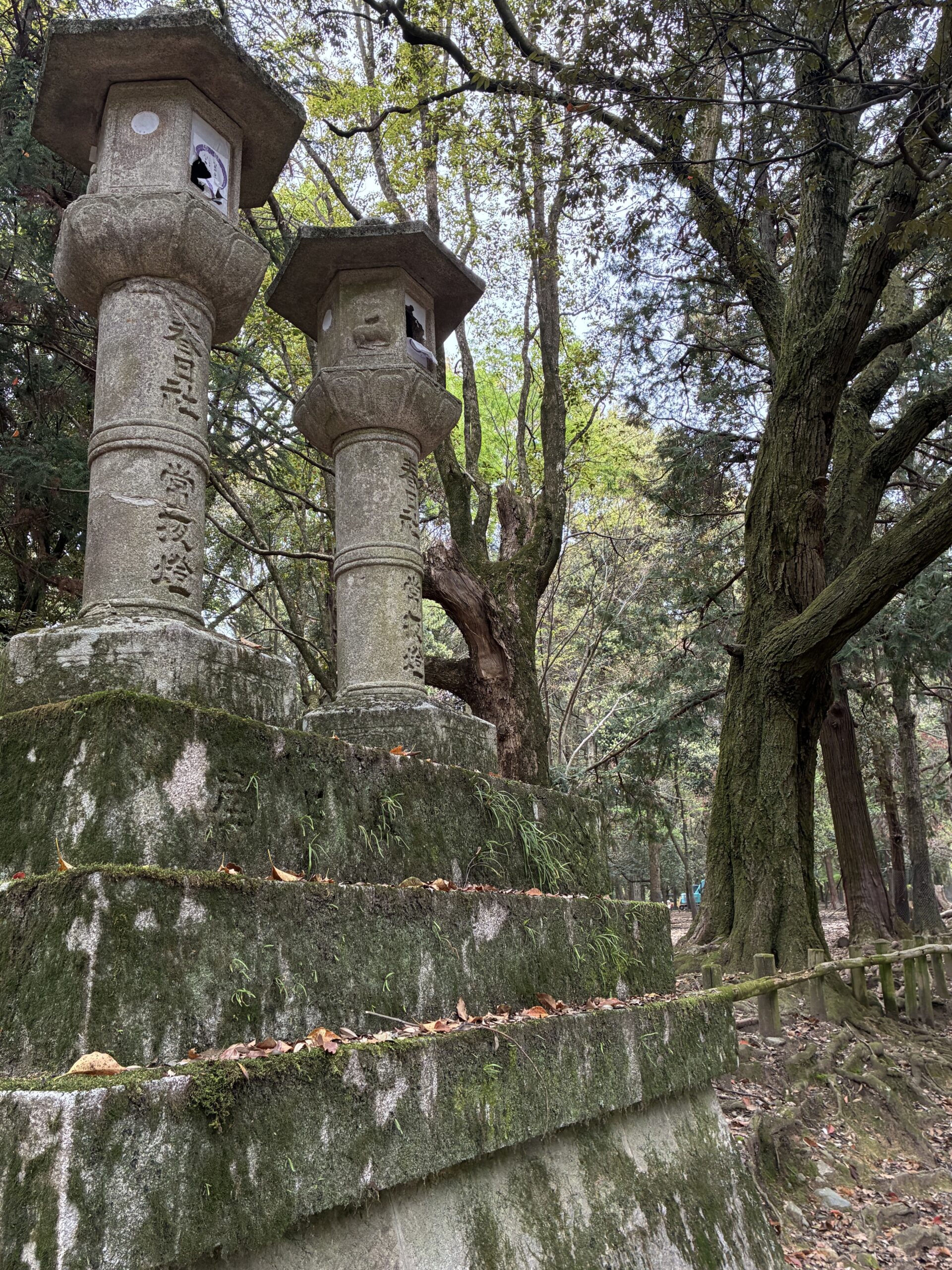
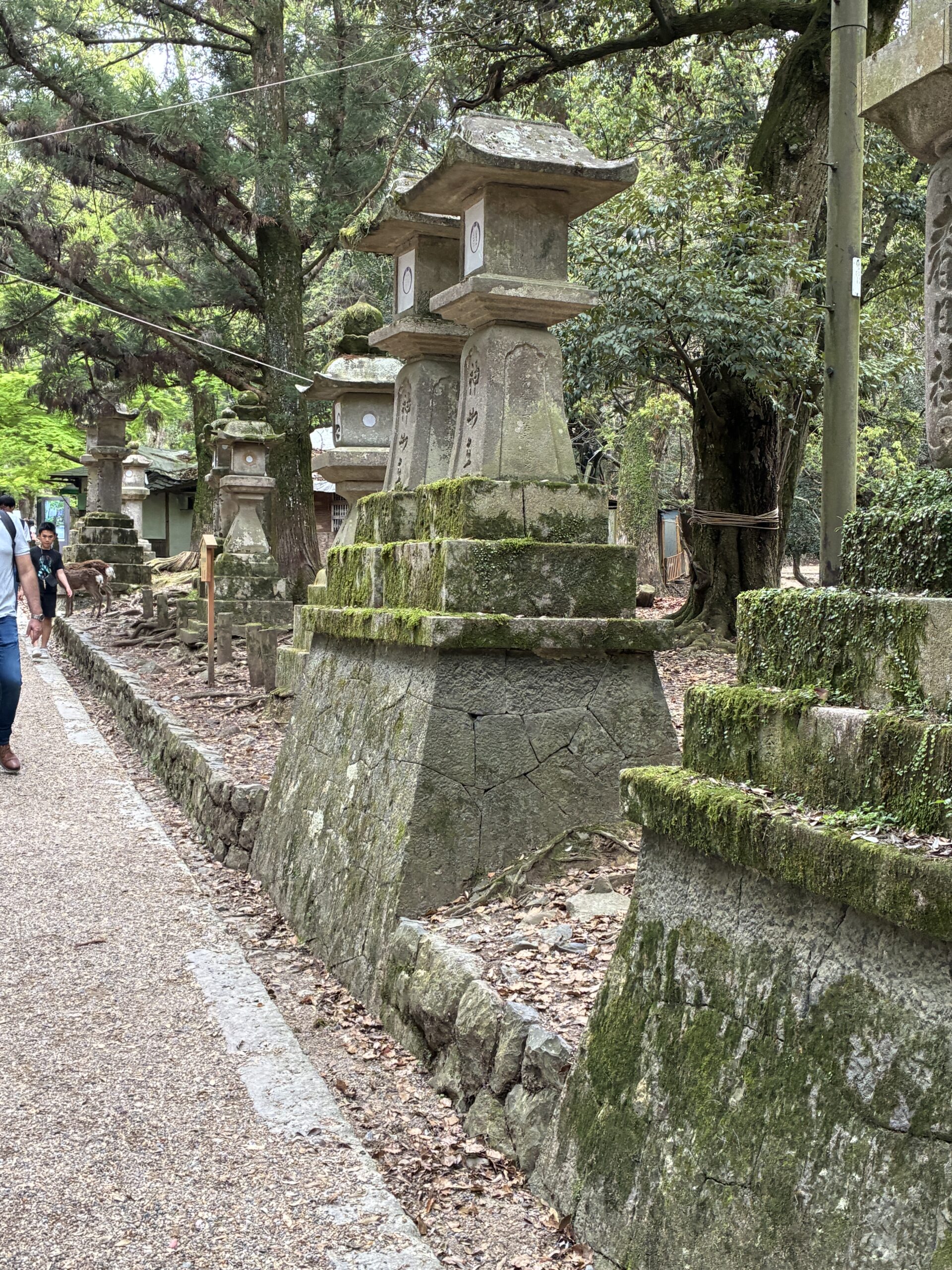
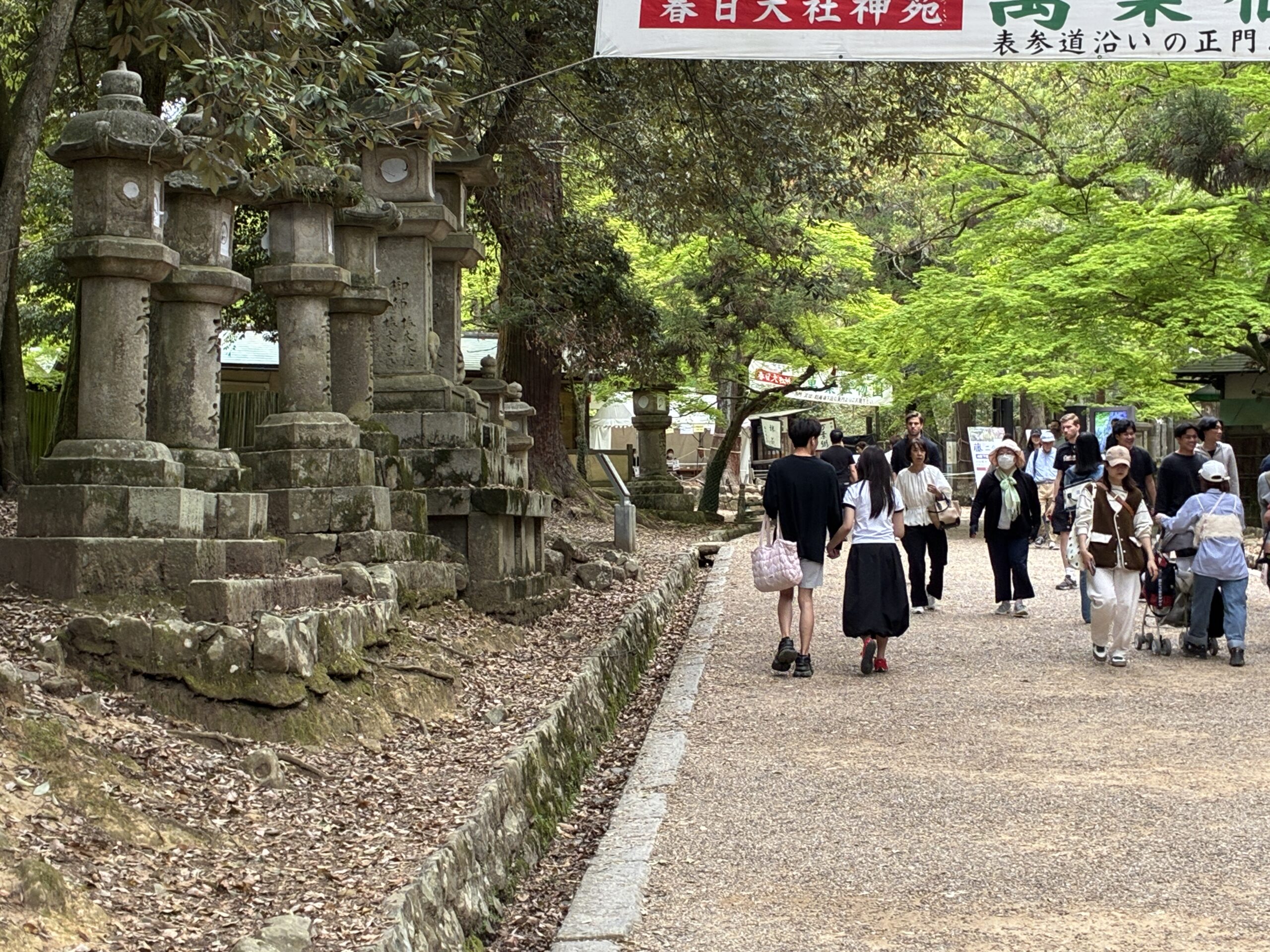
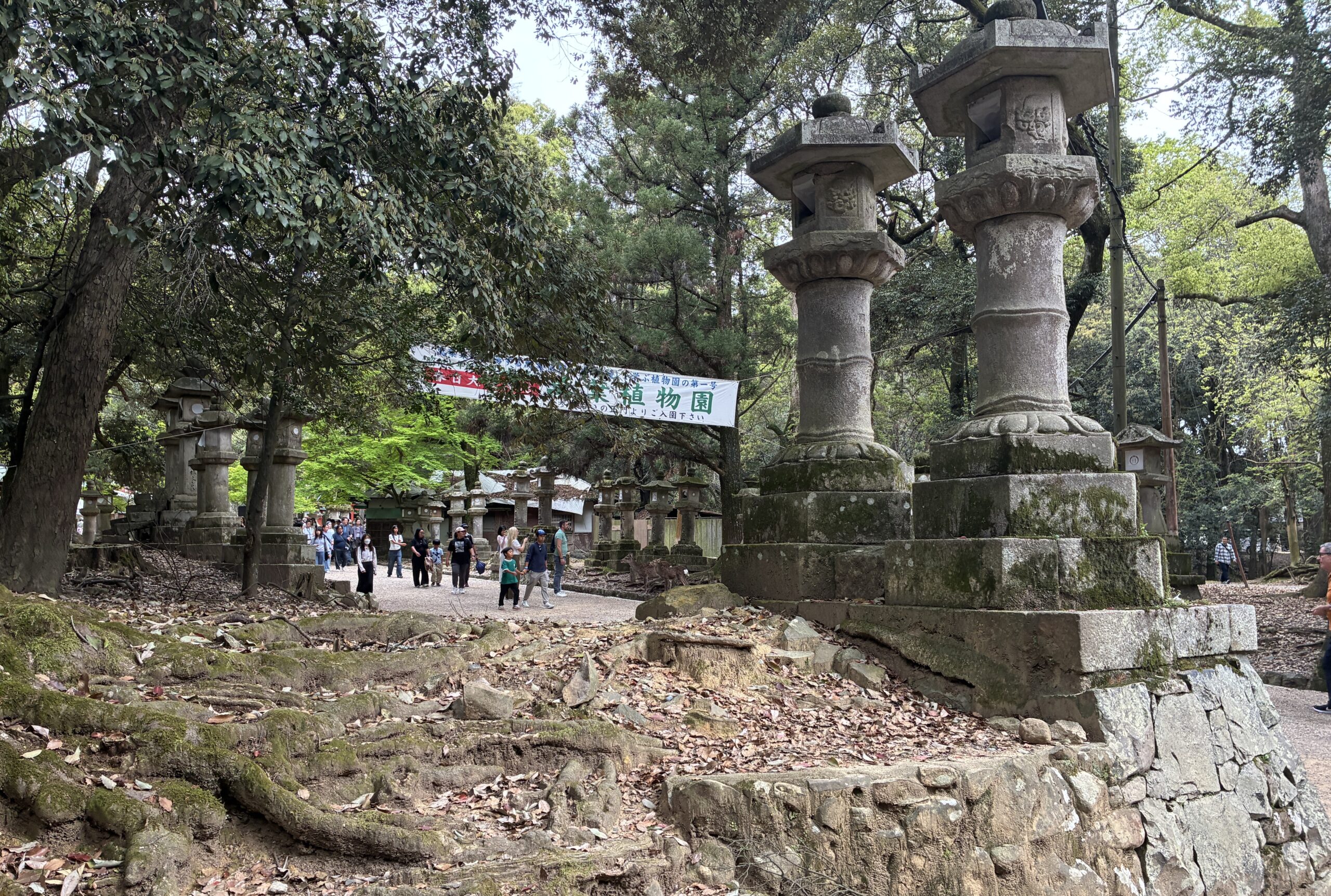
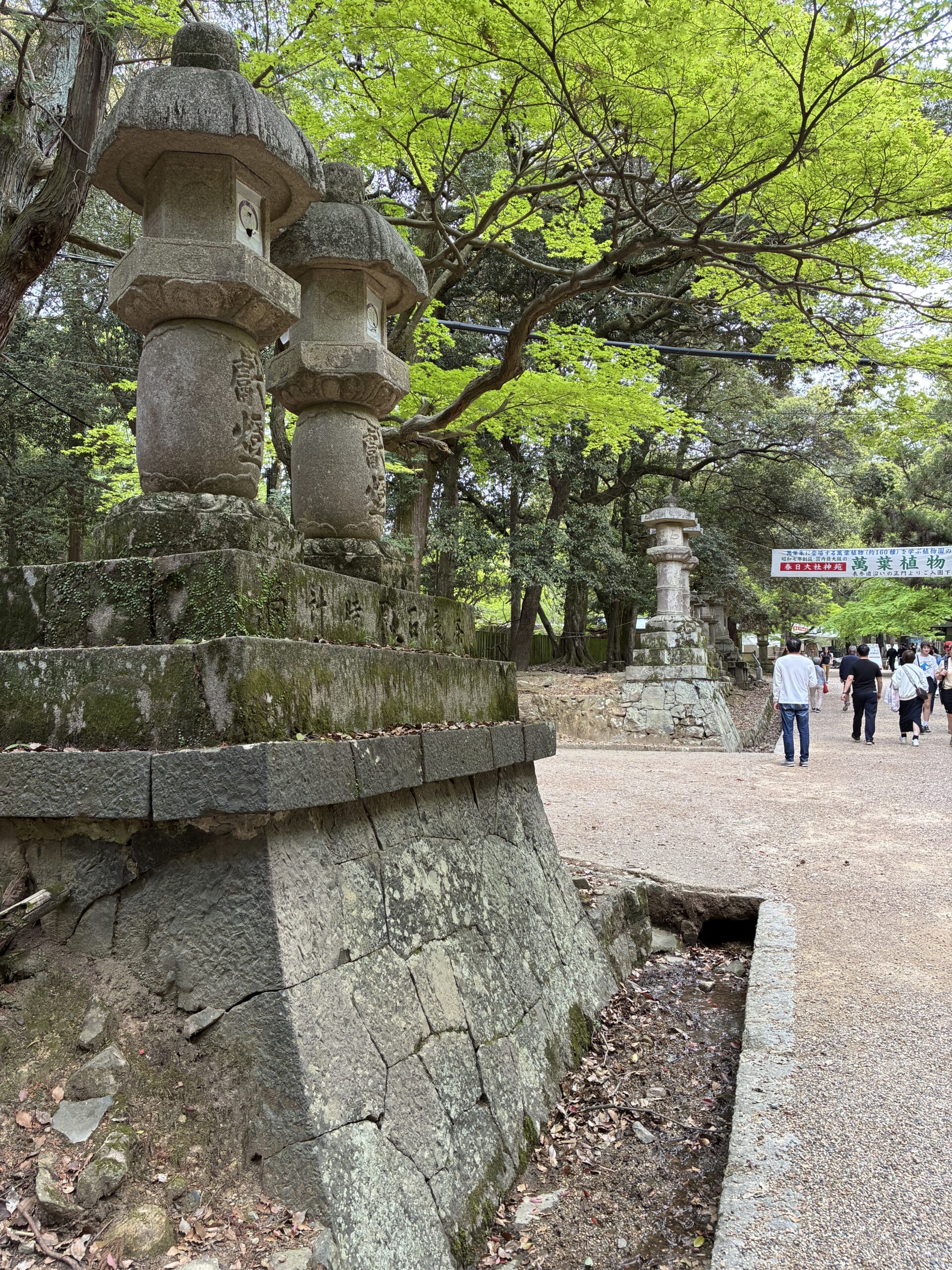
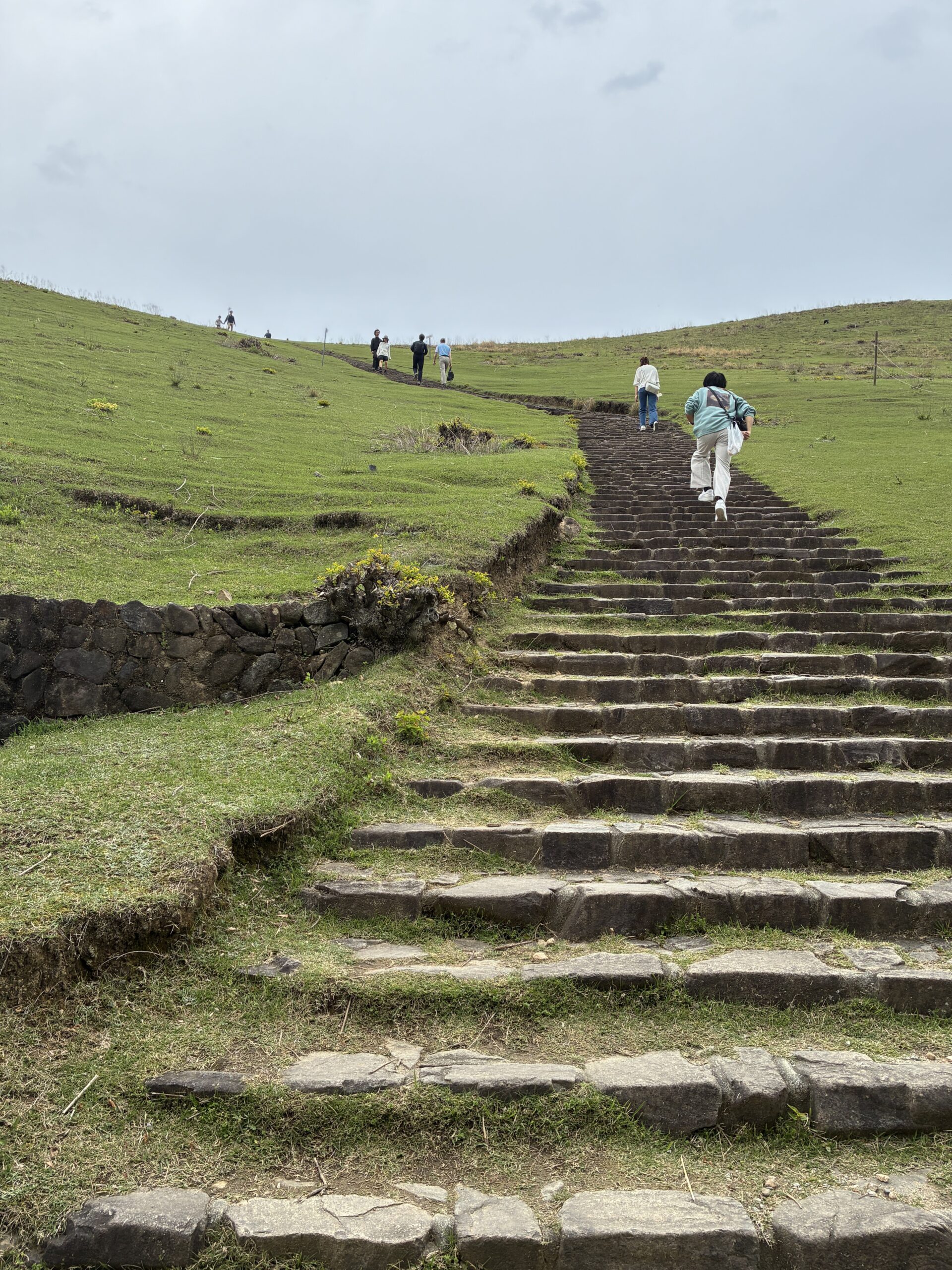
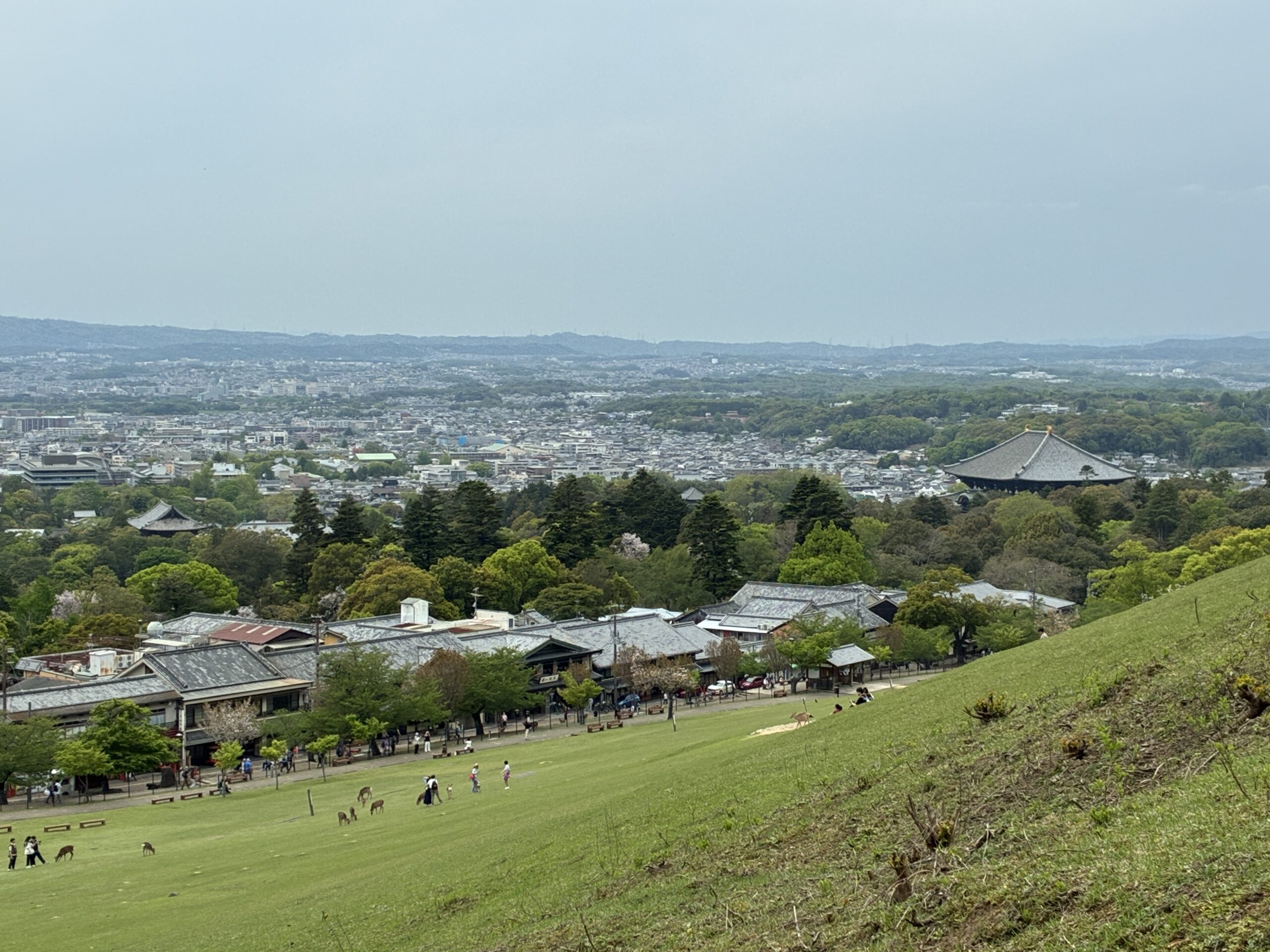
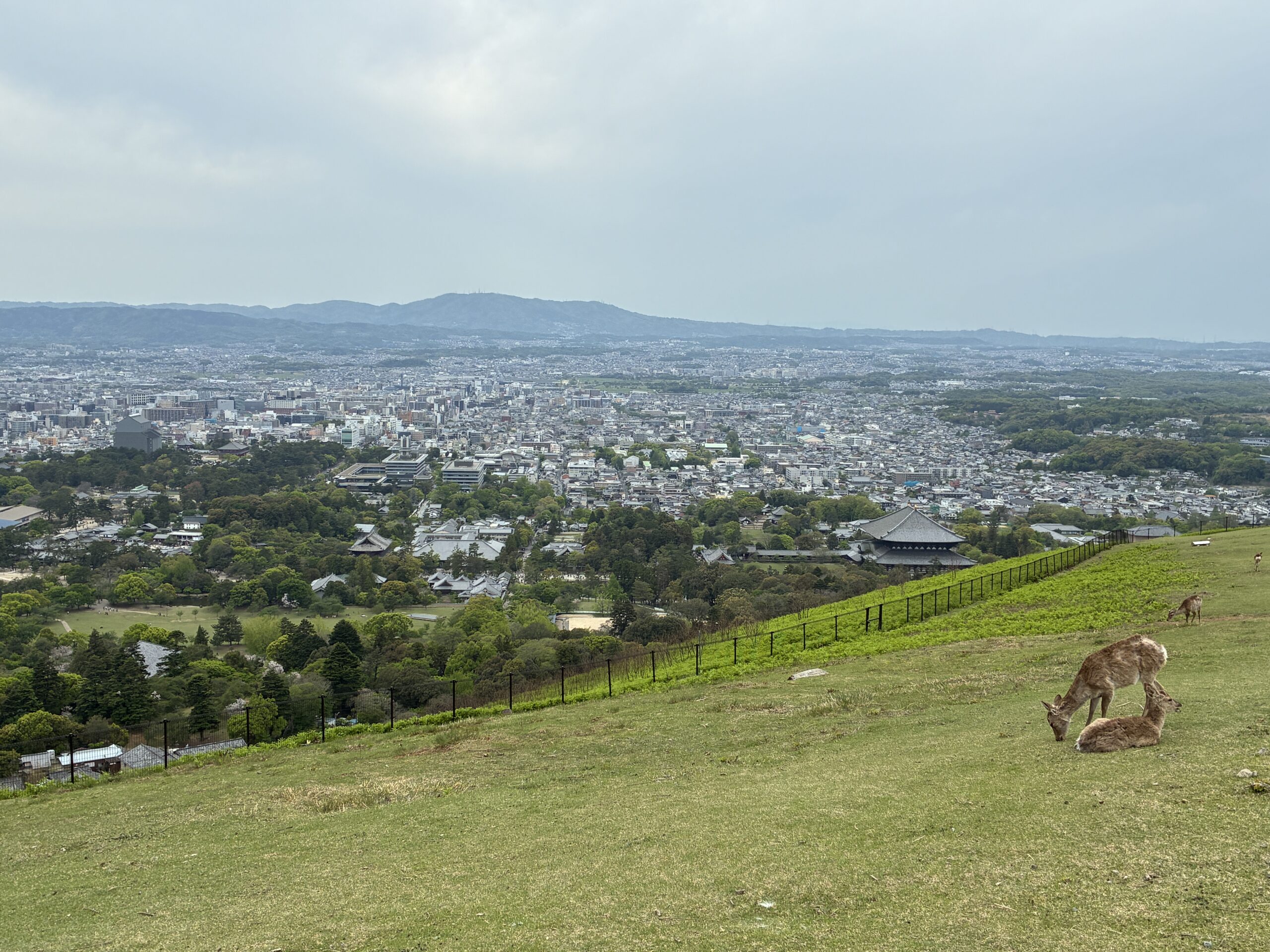
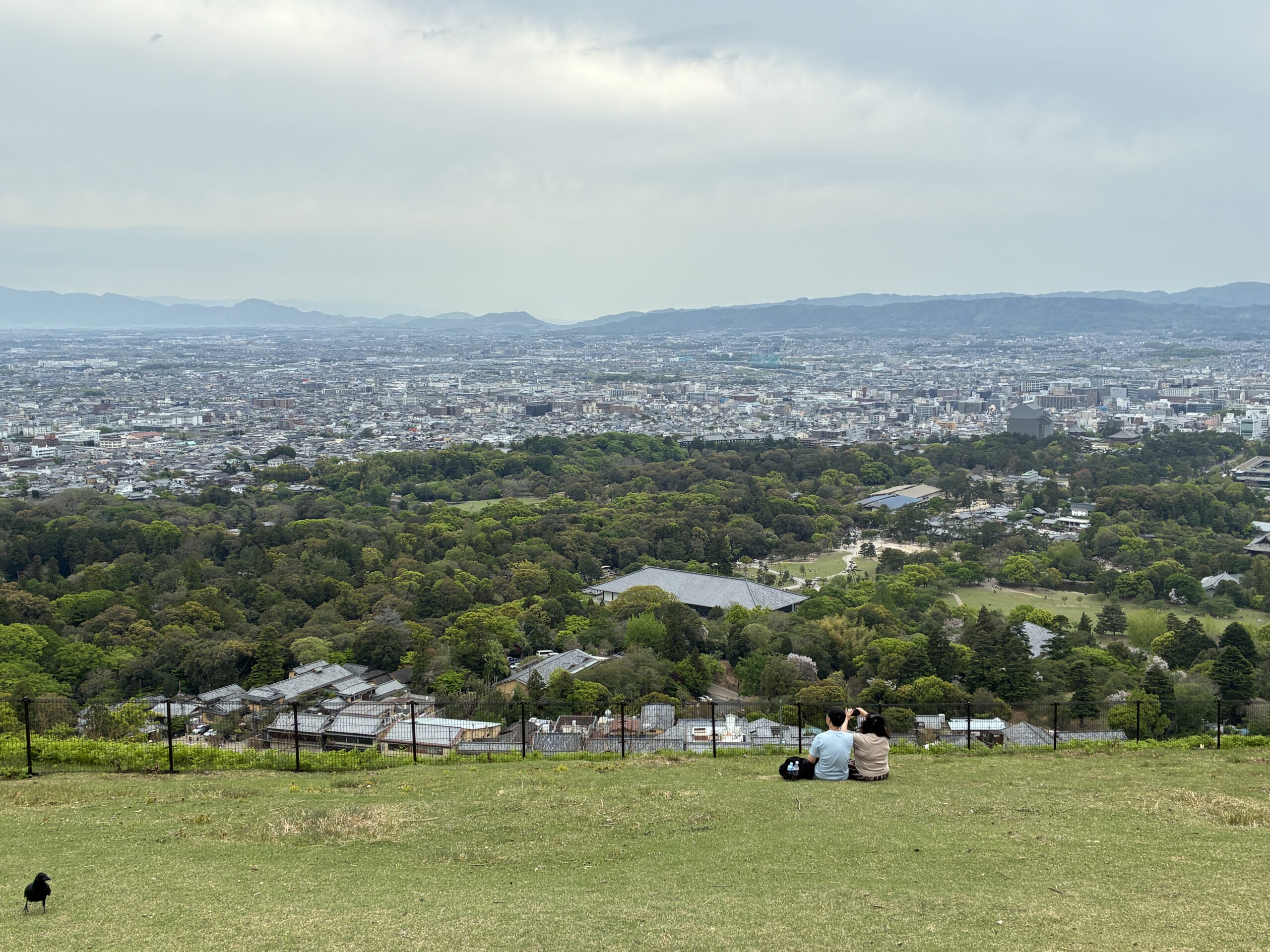
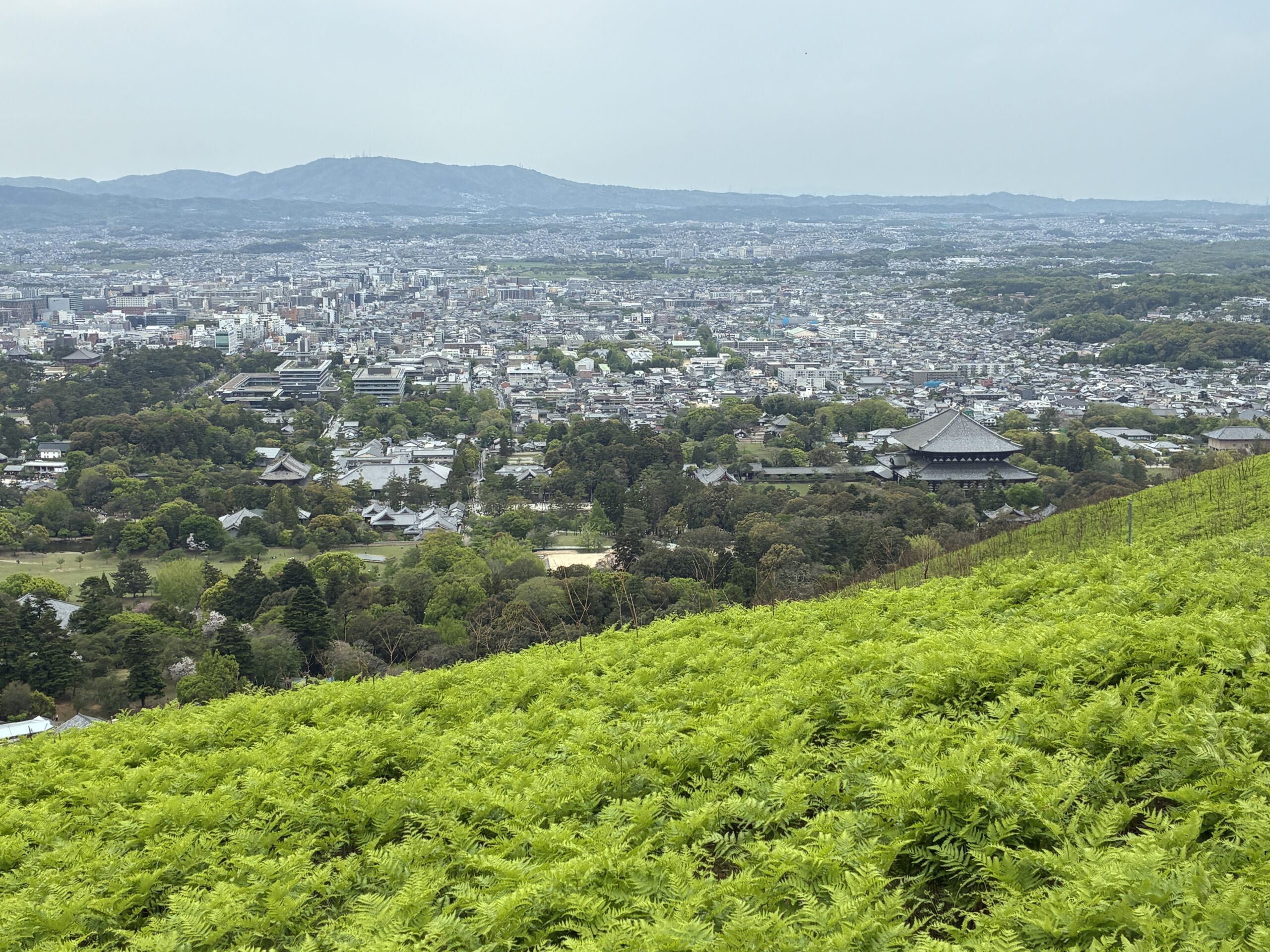
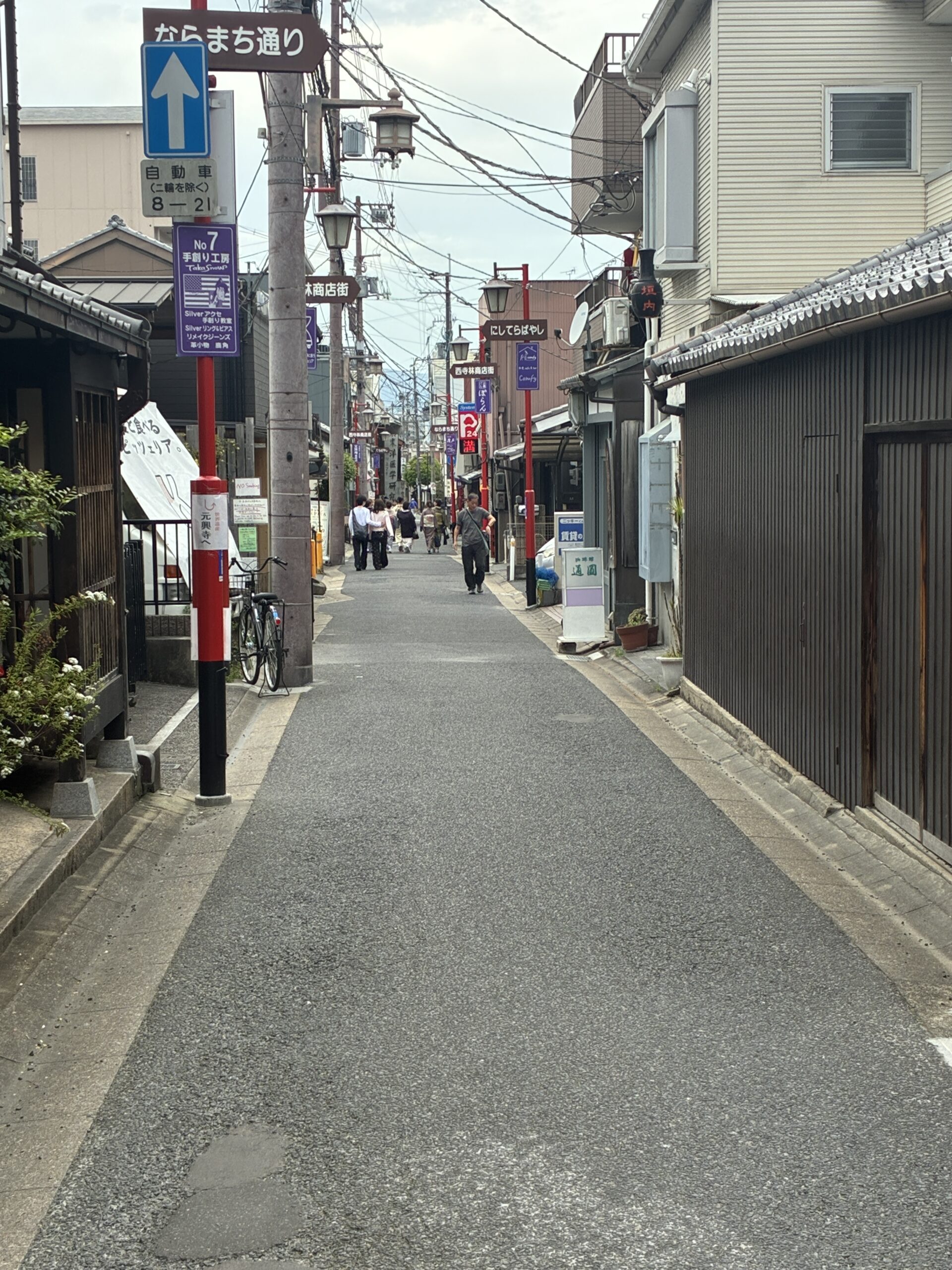
By the time I returned to Laurence, I’d probably walked 4 or 5 miles and was feeling good, but definitely could feel the burn in my thighs from climbing Mount Wakakusa. We headed back toward town, and on the way passed through the streets of the historic Naramachi district, the former merchant quarter, located just south of the park, and characterized by narrow, winding lanes lined with machiya, or traditional wooden town houses that served as places of business and homes for merchants, such as those we also saw in the Gion district of Kyoto.
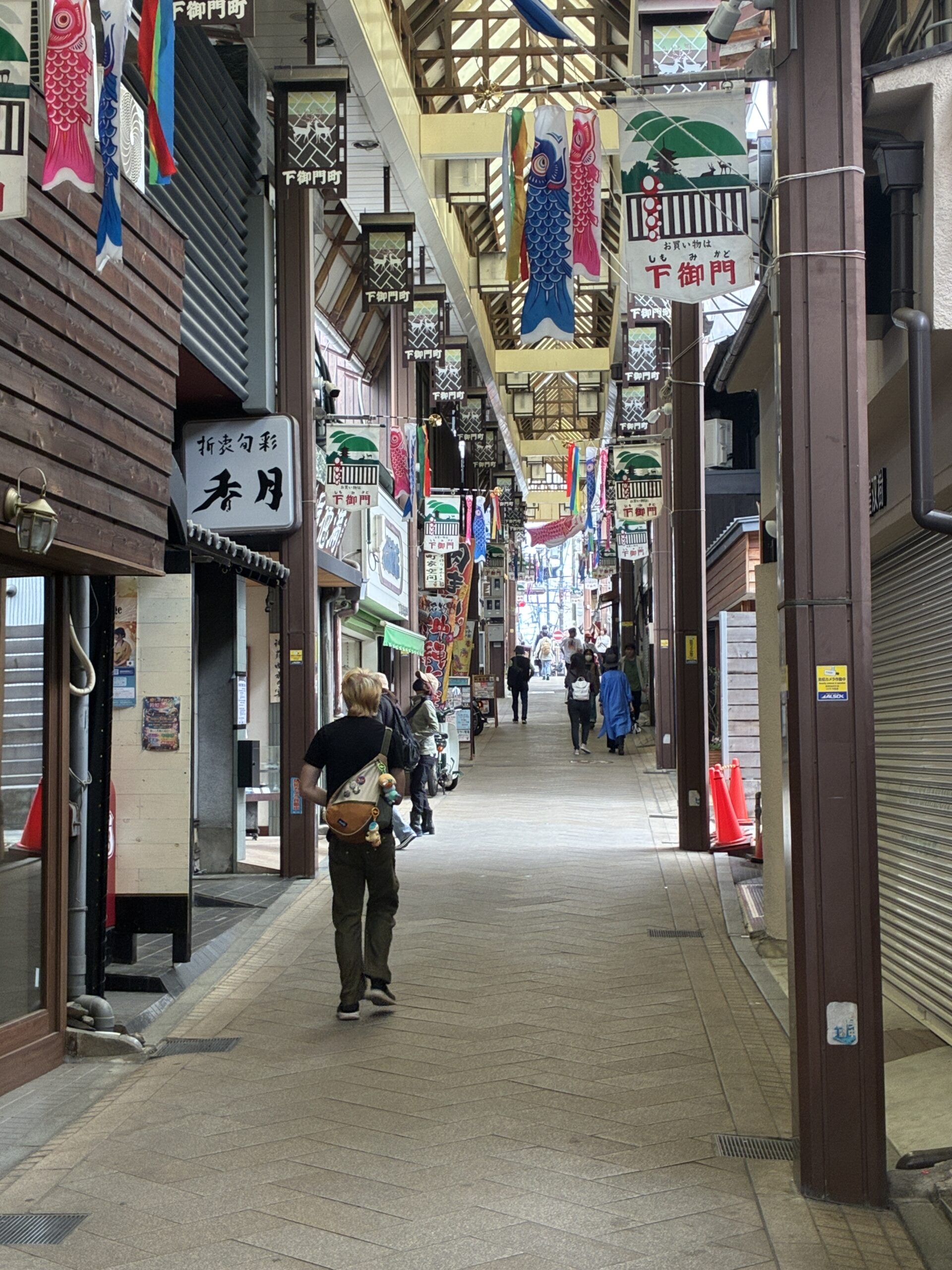
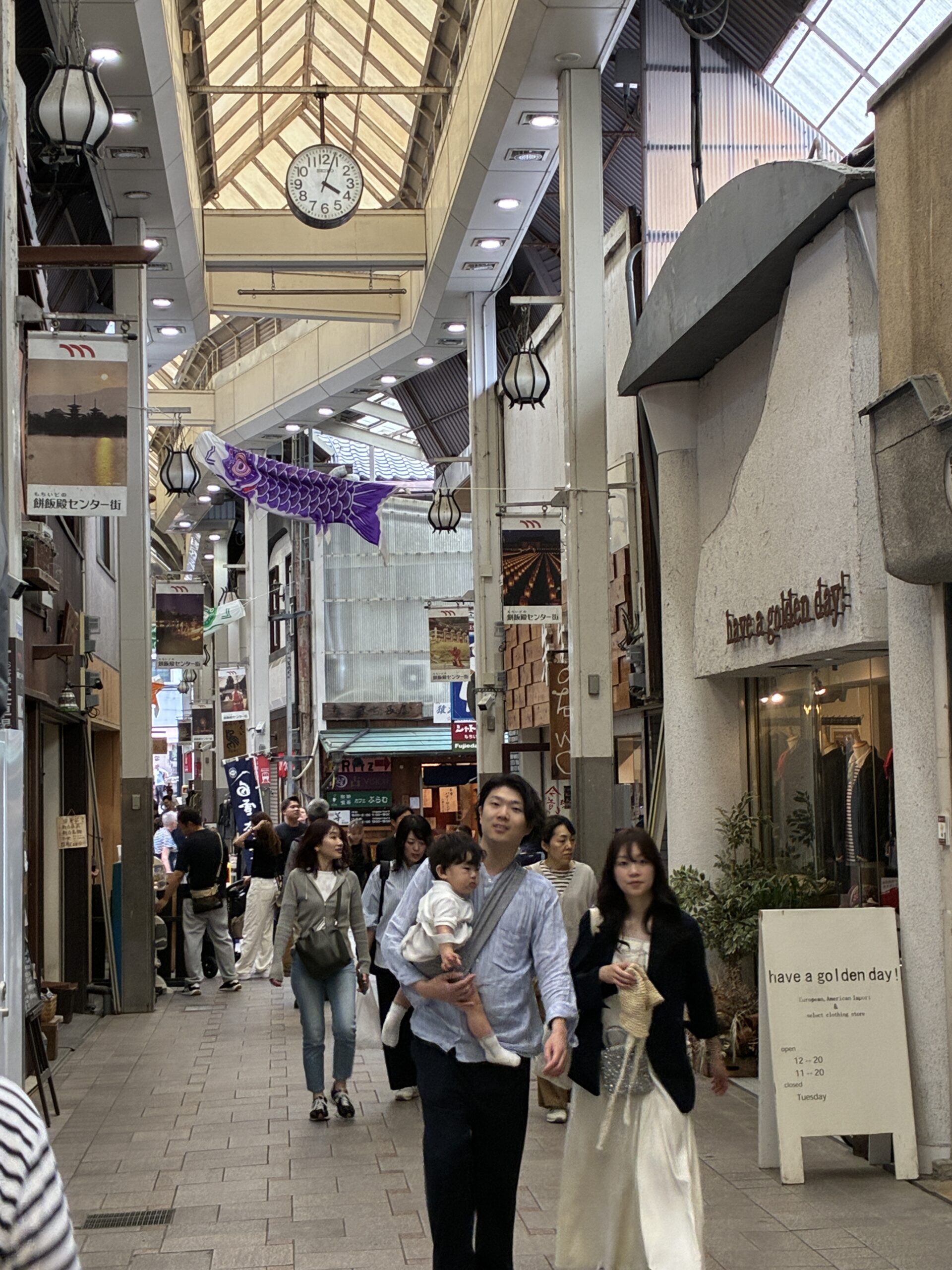
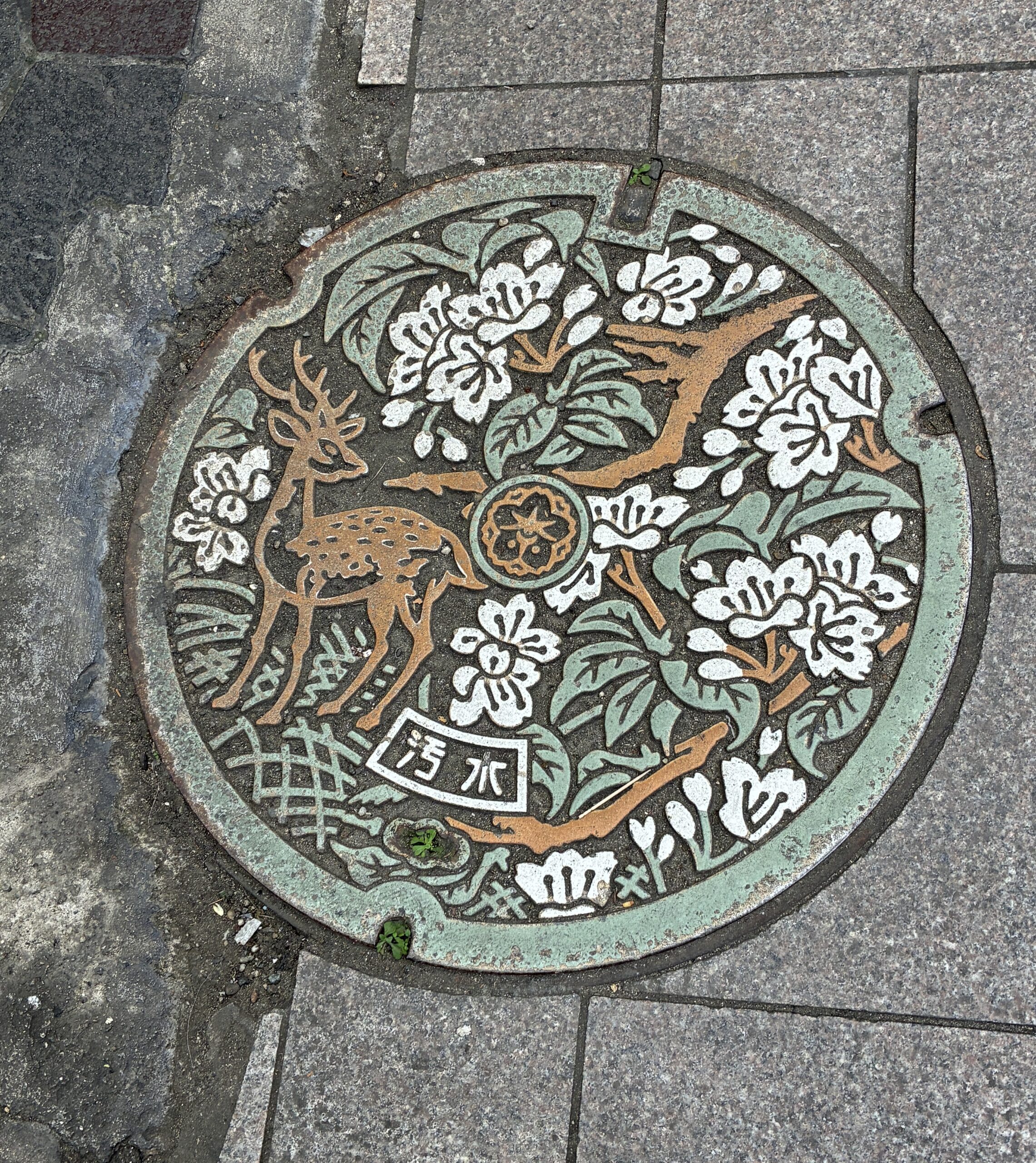
From there we walked through another of those covered shopping arcades, with many stores and eateries, and teeming with people, and then along narrow streets, equally filled with stores, winding up walking through the Higashimuki Shopping Street, and its extension, Higashimuki Kita, before finally returning to Nara station, and catching the train back to Kyoto.
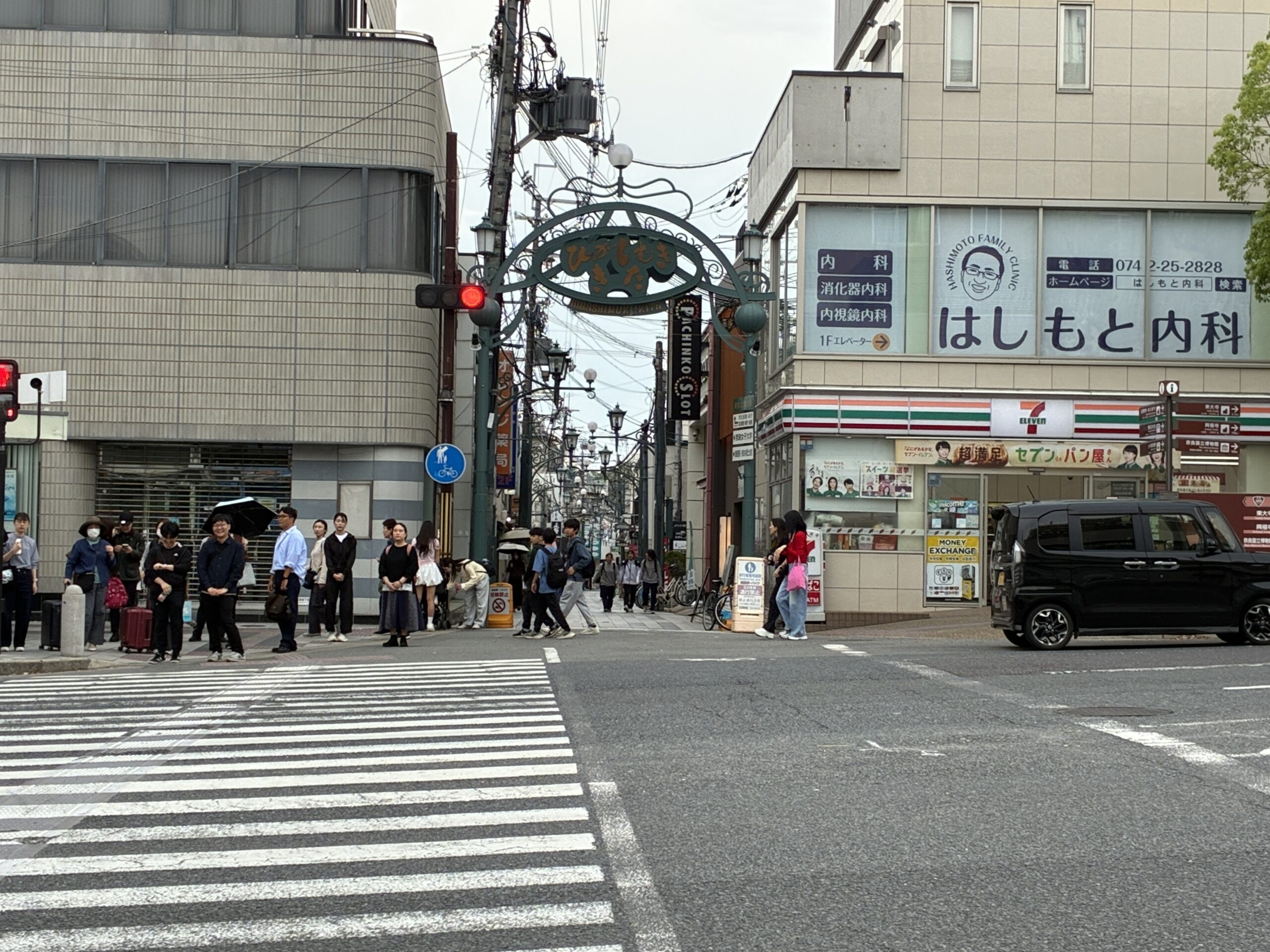
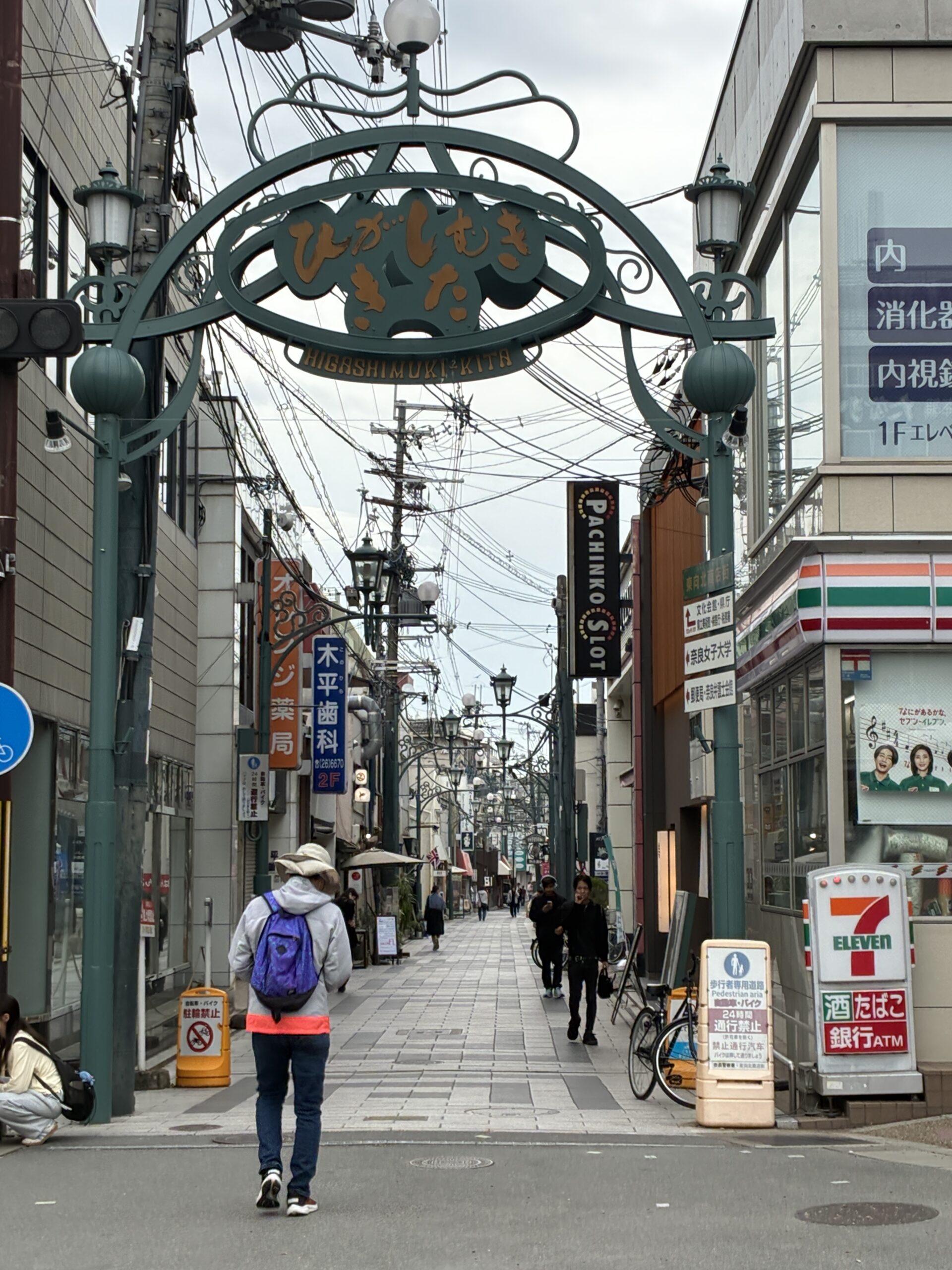
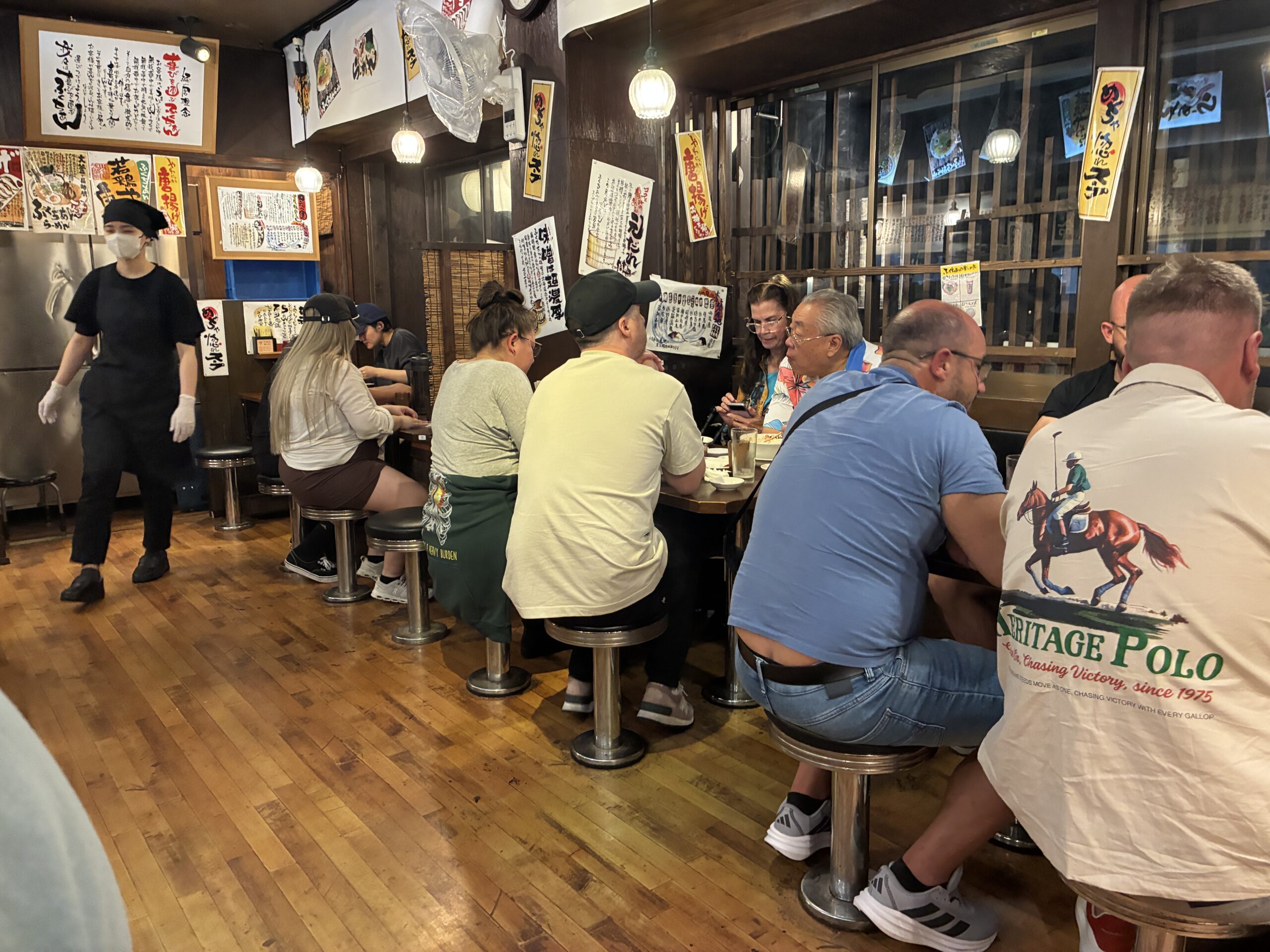
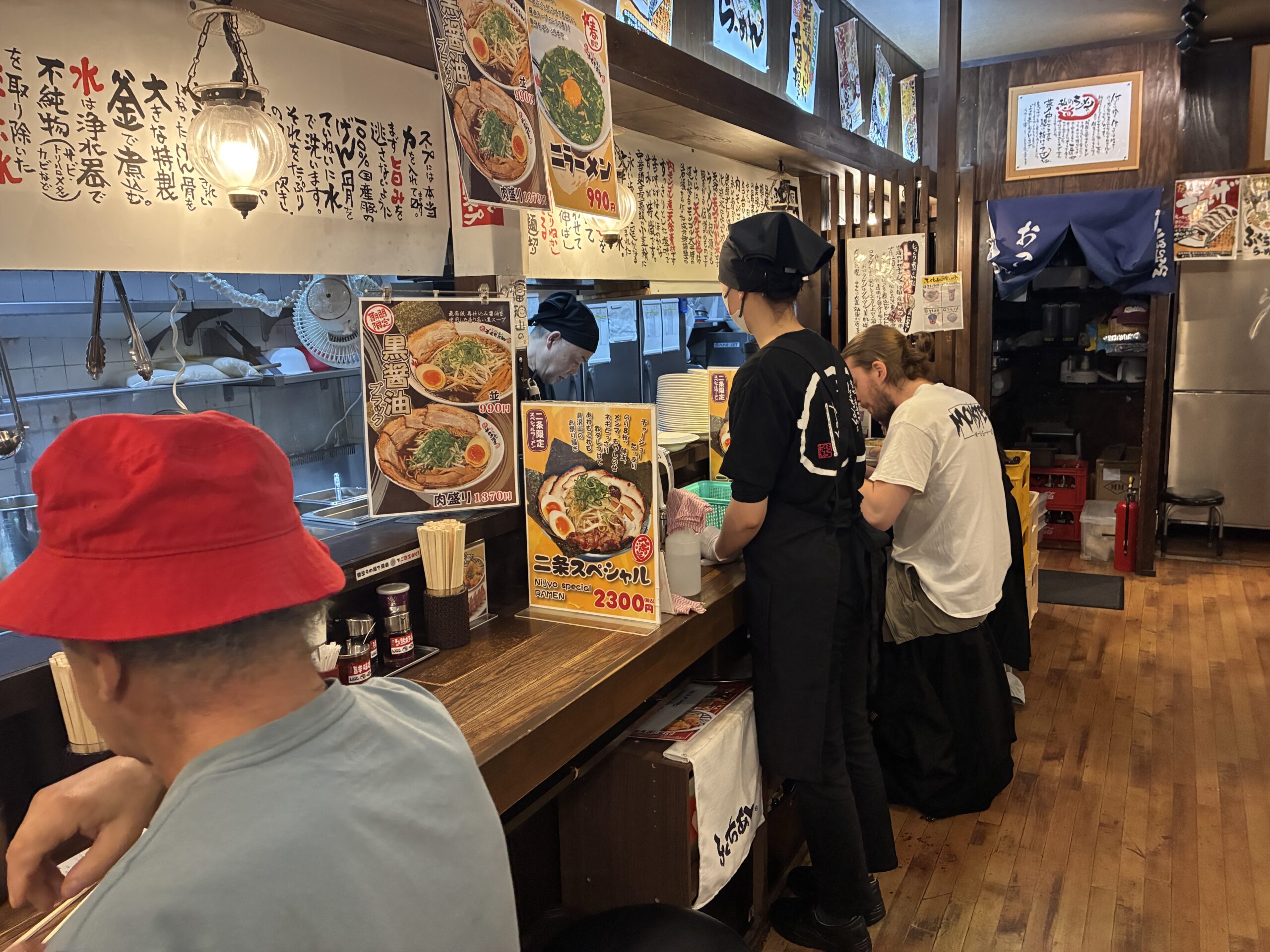
We were tired, but Laurence was still doing okay. We stopped for some delicious ramen at a local joint on our way back to our hotel. By the time we got back, maybe around 8, Laurence was ready to hit the sack, and I blogged for a while before going to sleep around 10:30. Tomorrow we’ll play by ear.