Casablanca to Rabat.
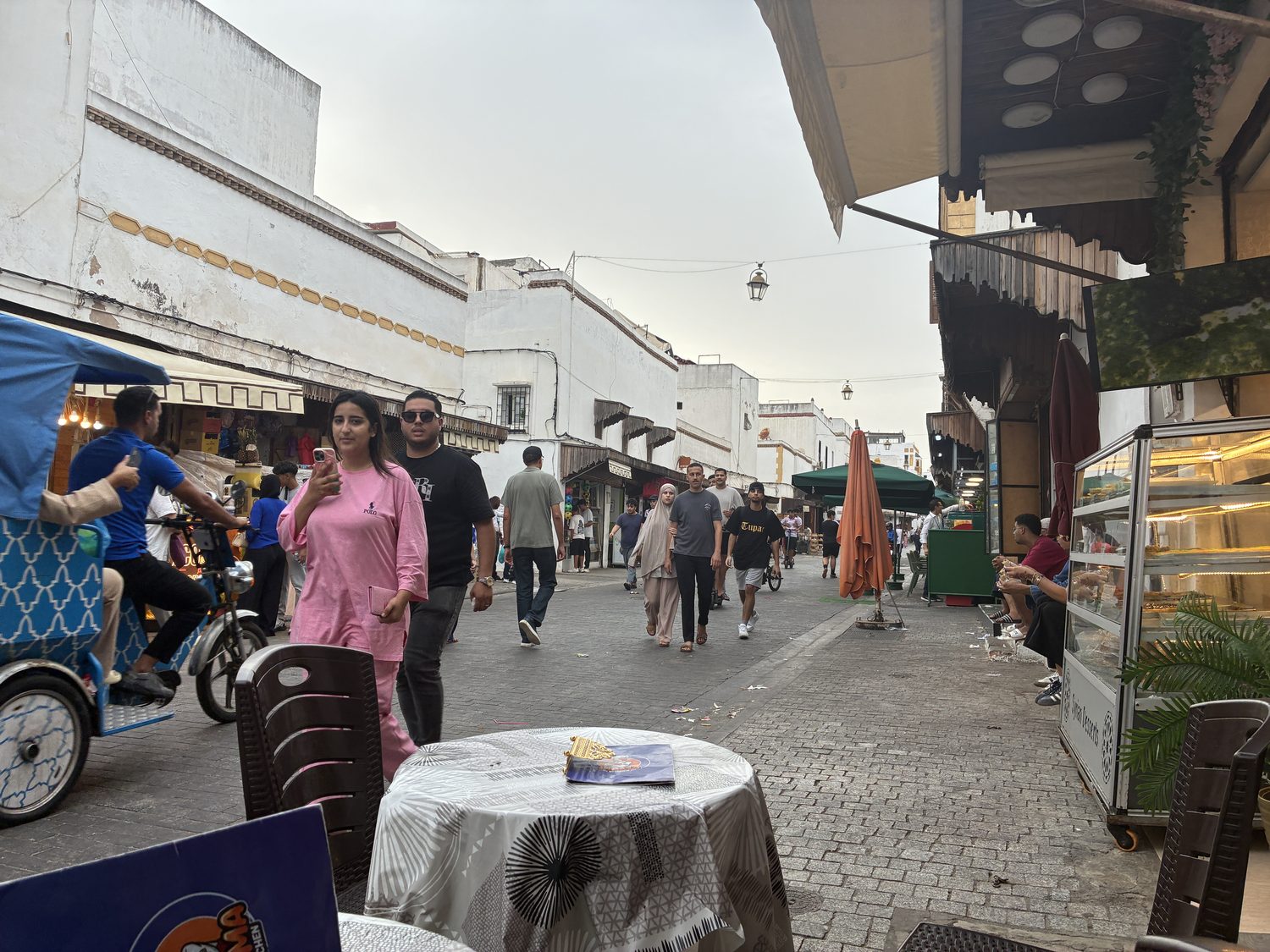
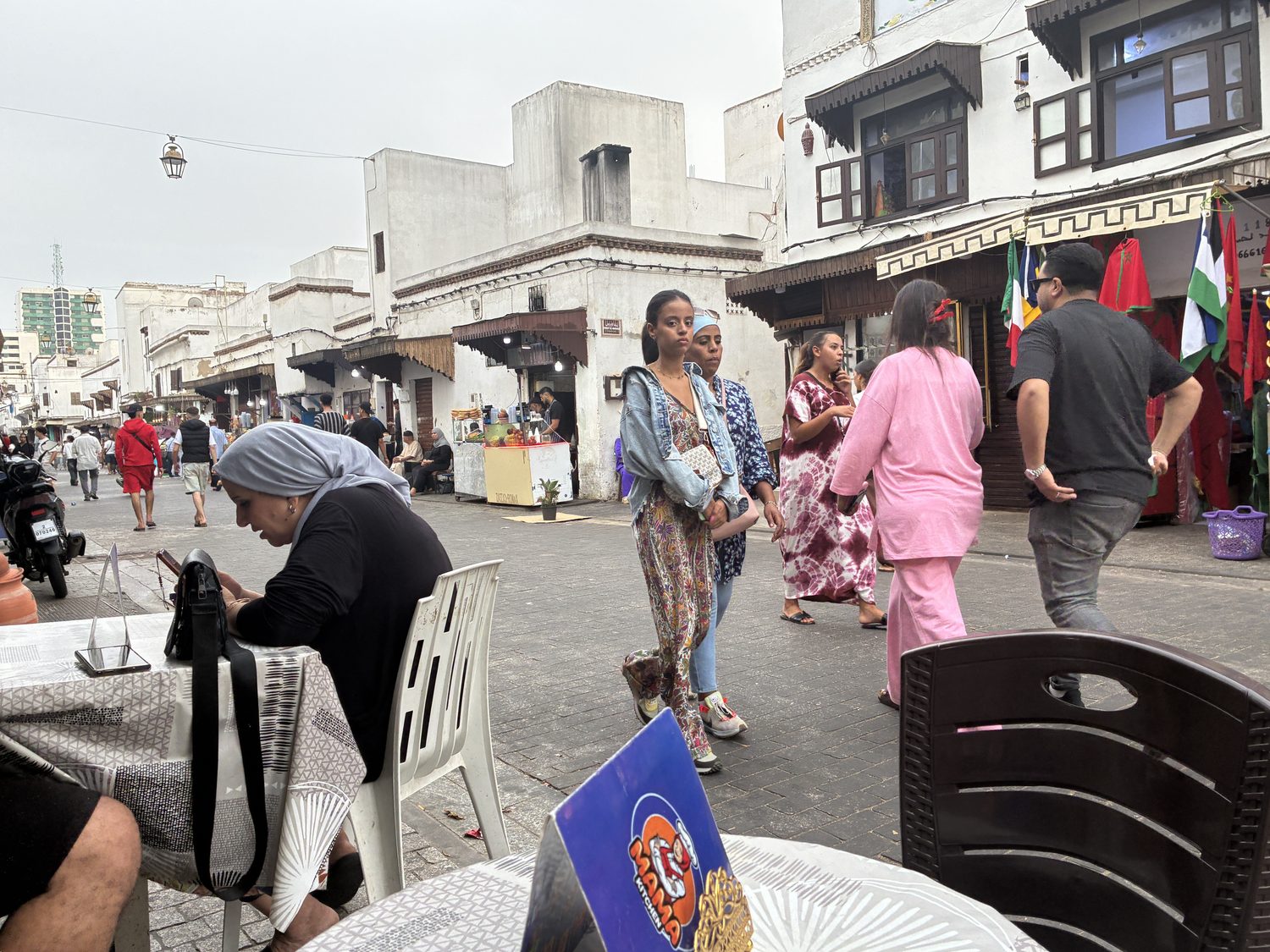
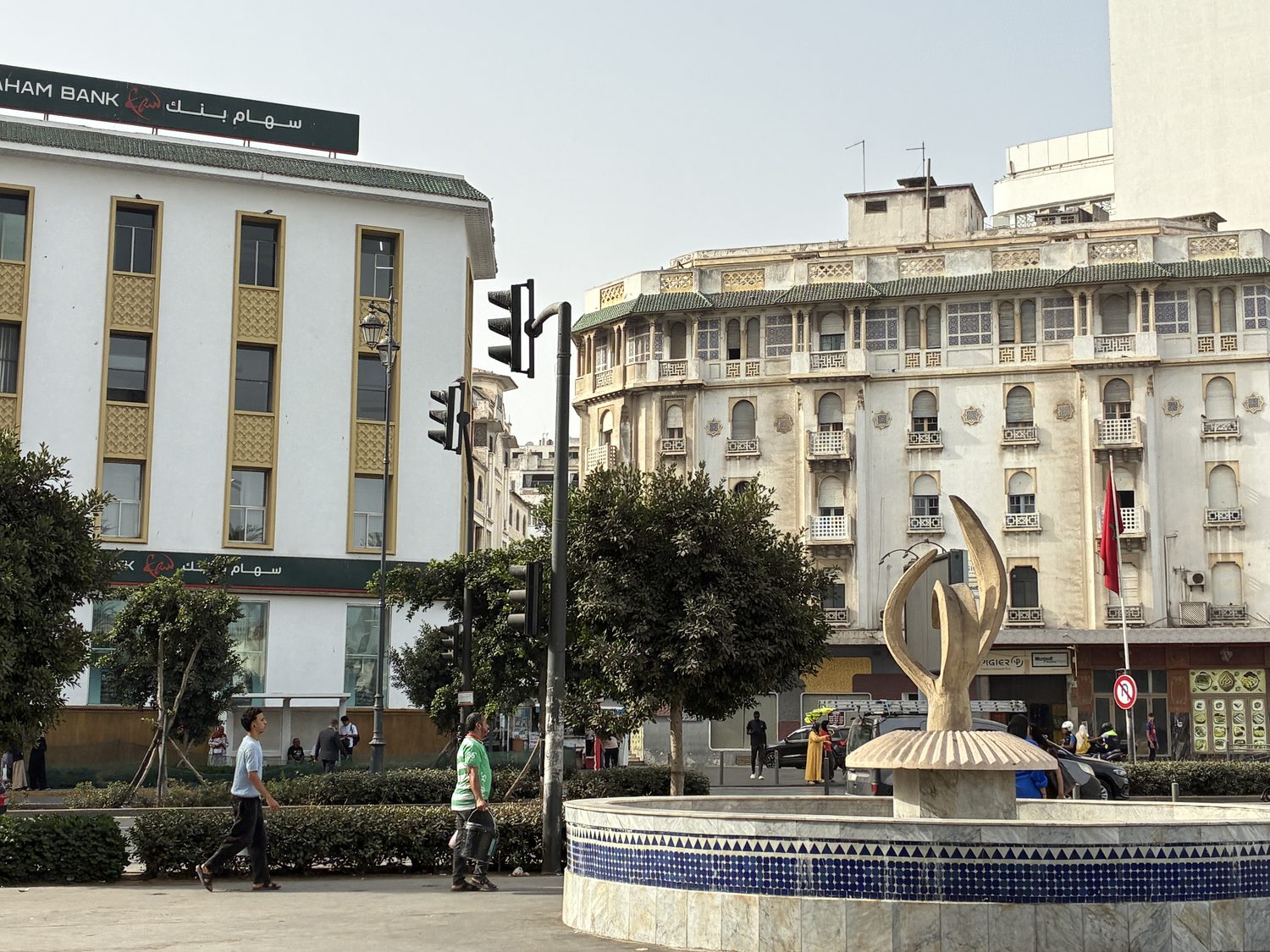
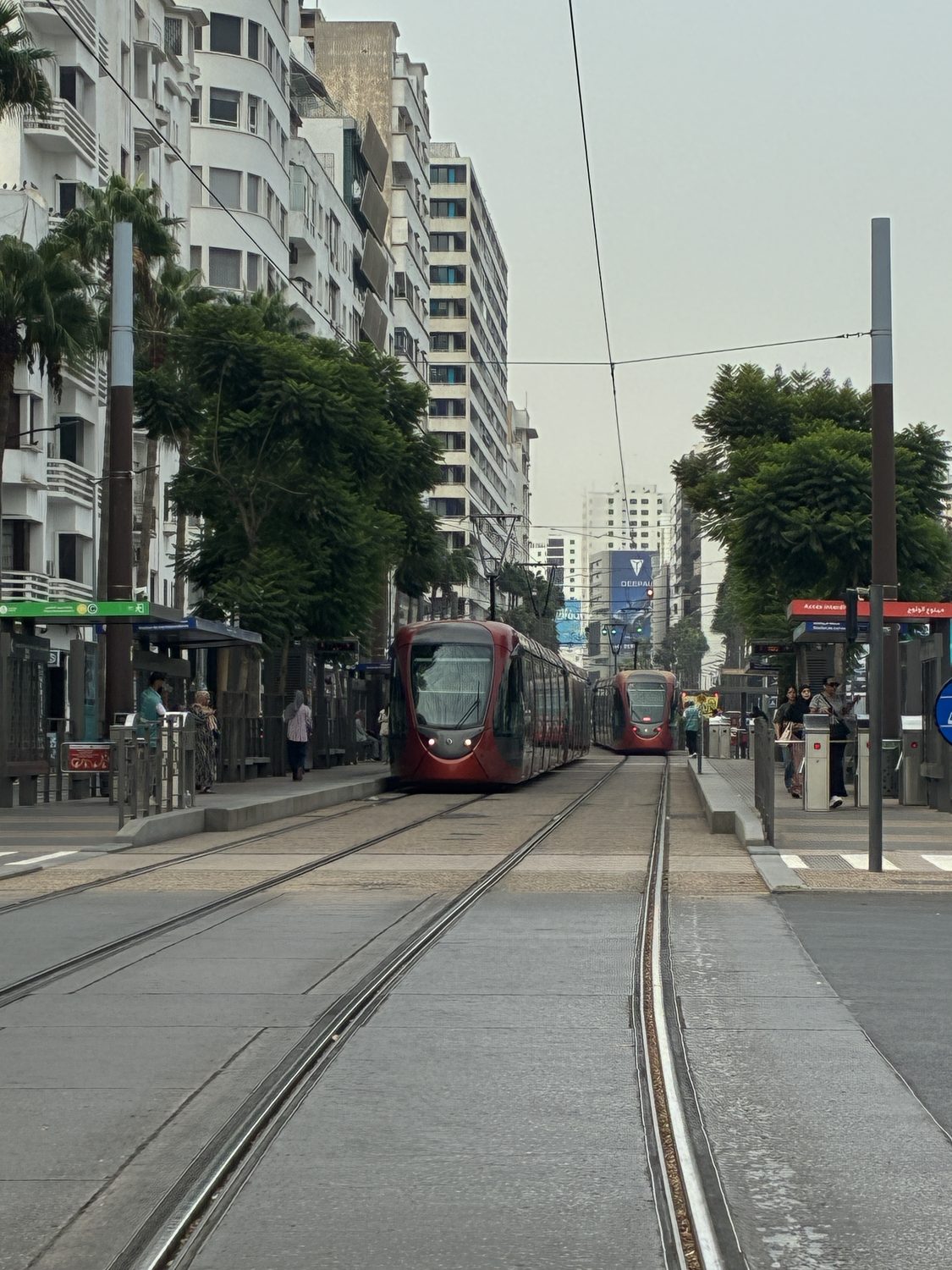
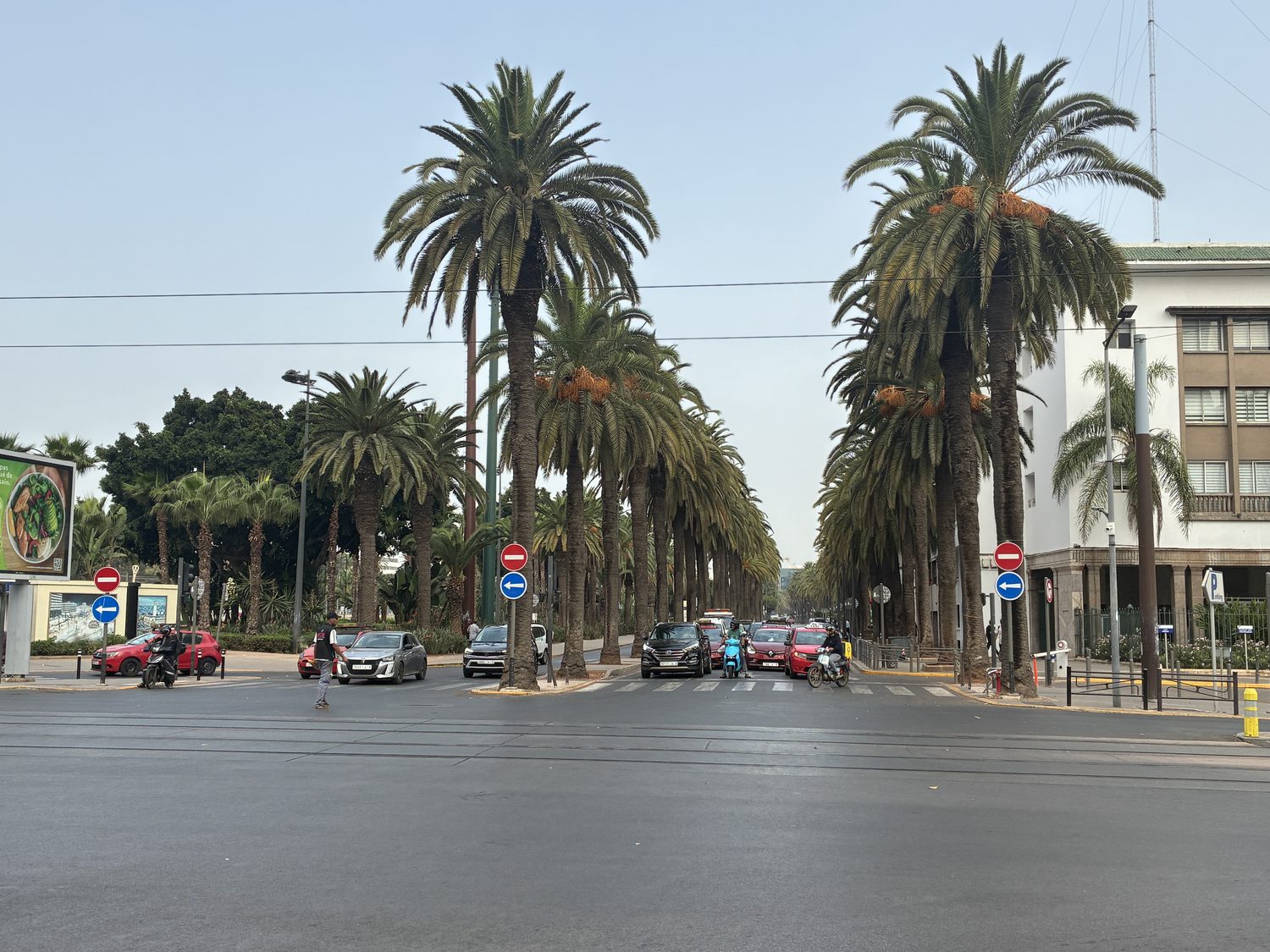
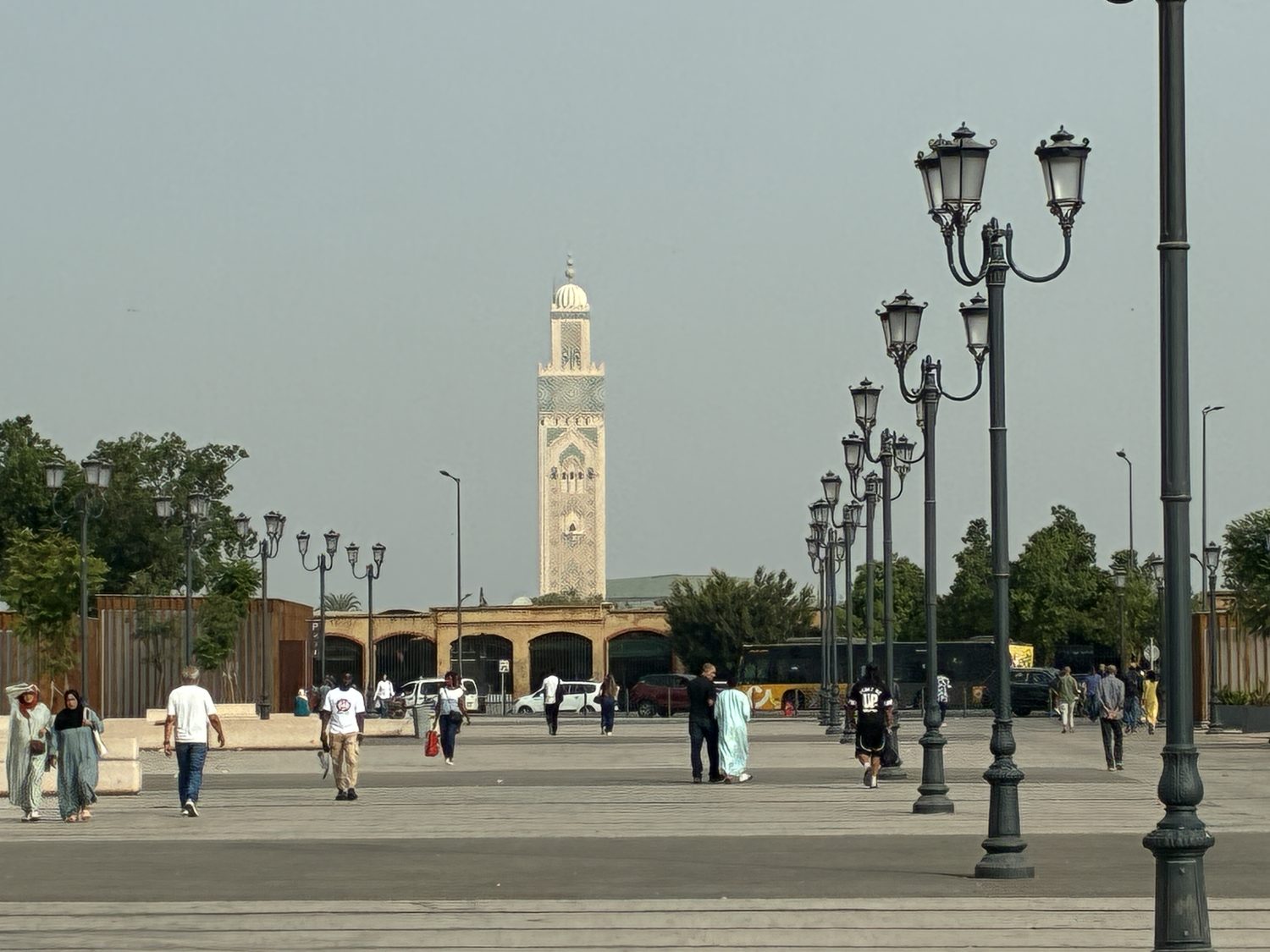
It was a long day, a tale of two cities. It started out in Casablanca, with a leisurely and very nice morning, walking about 3 hours or maybe a little more, around Casablanca, within a few miles of the hotel, starting out as store owners and street vendors were setting up for the day ahead.


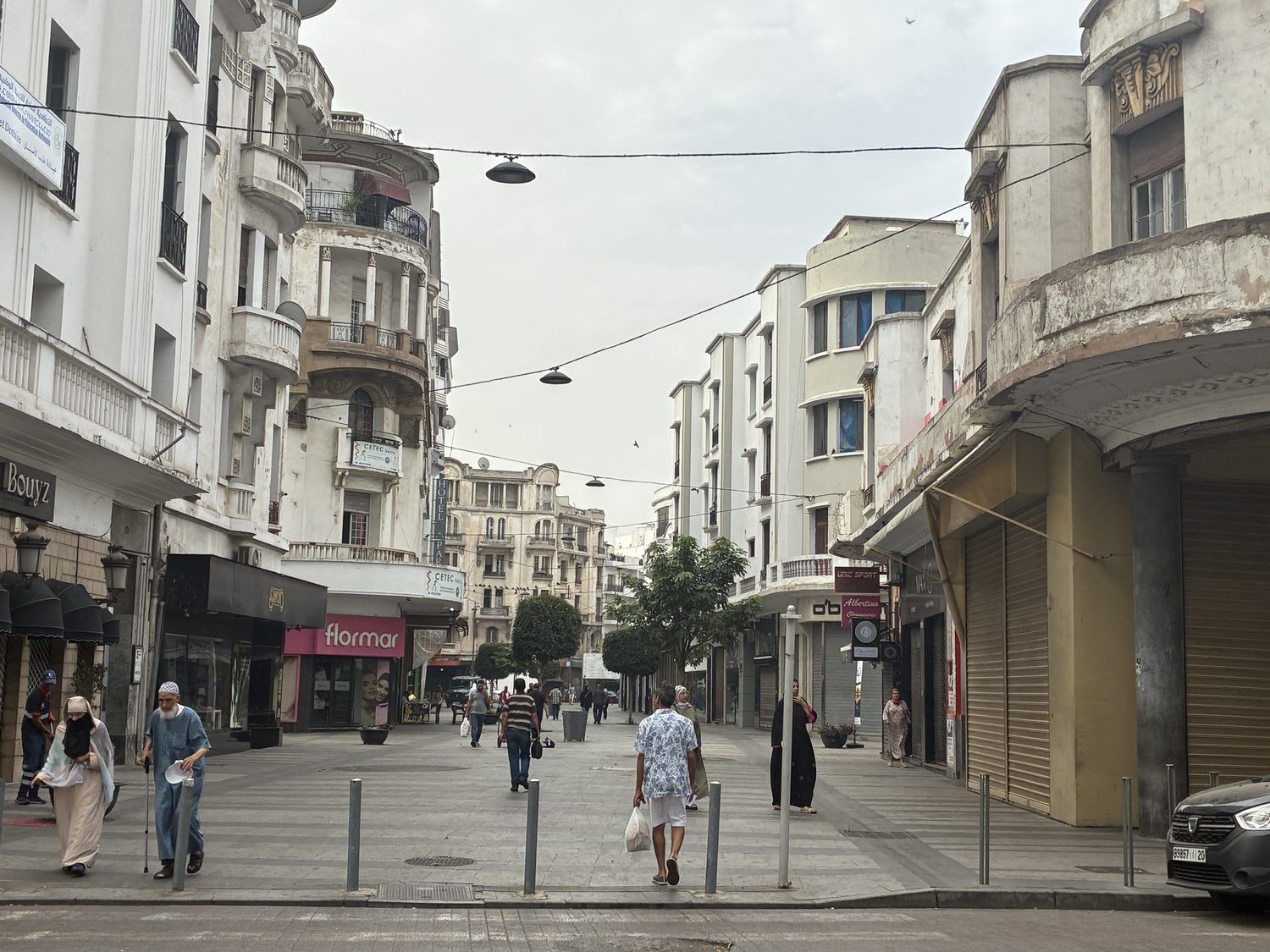
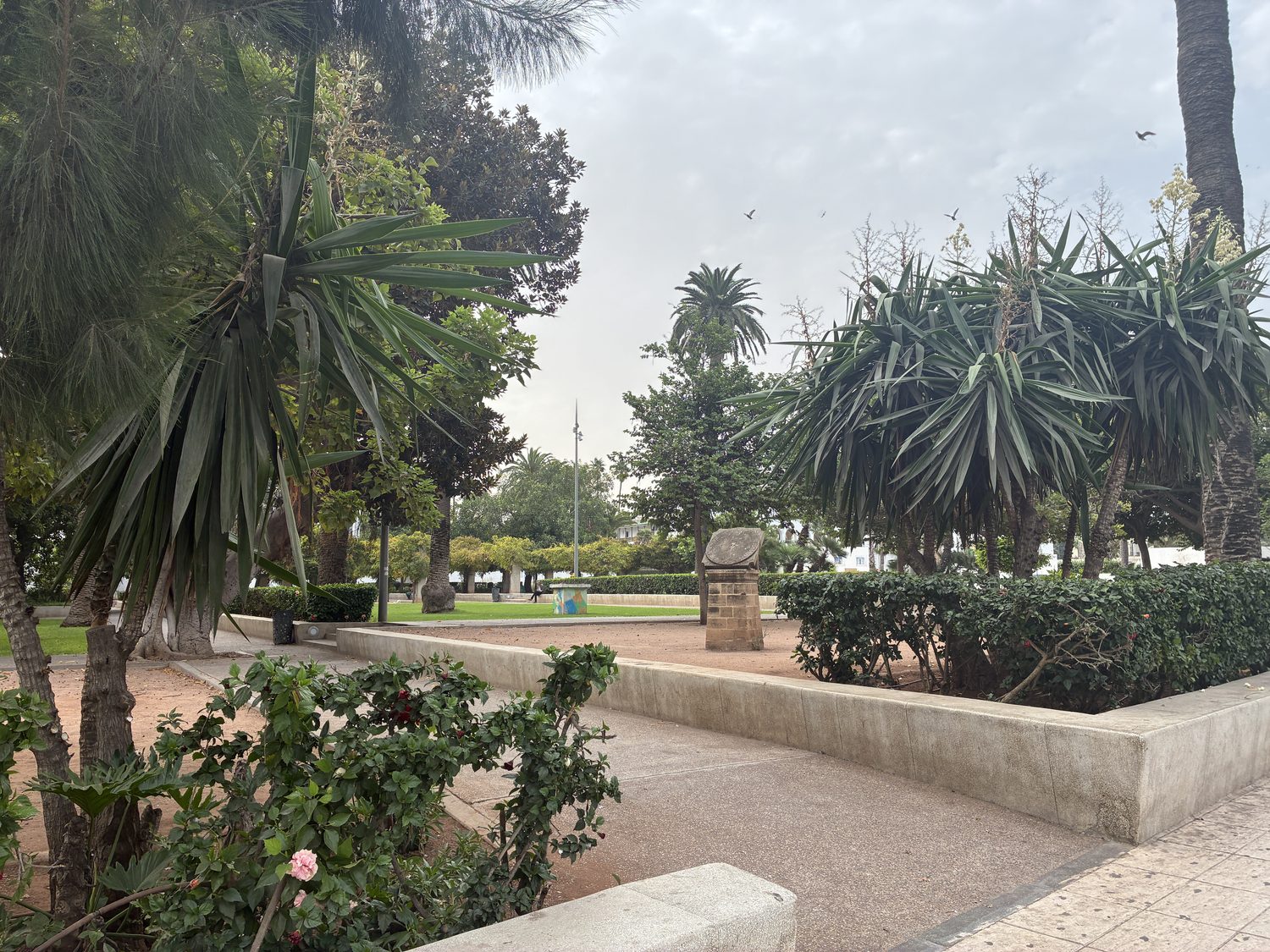

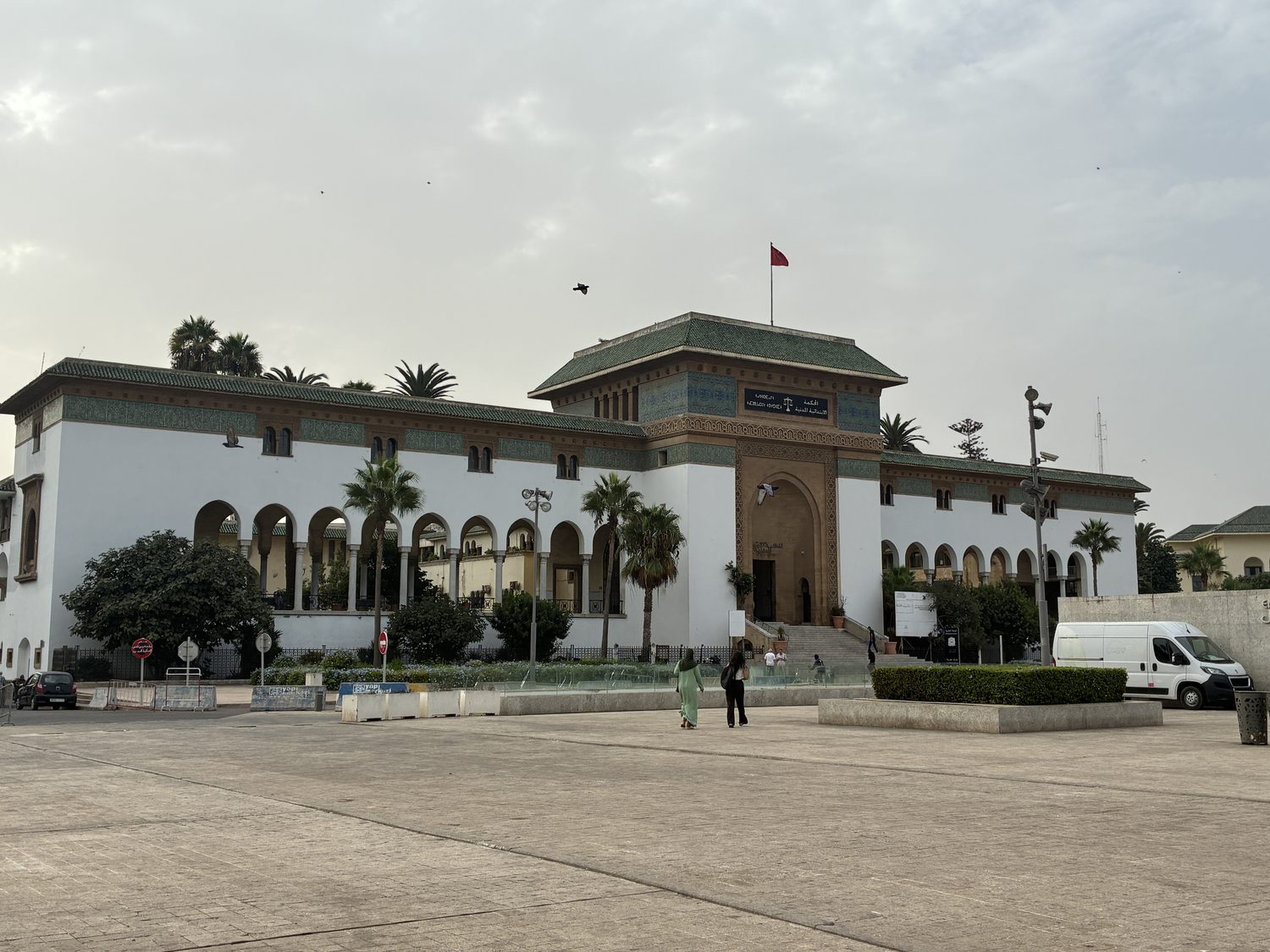
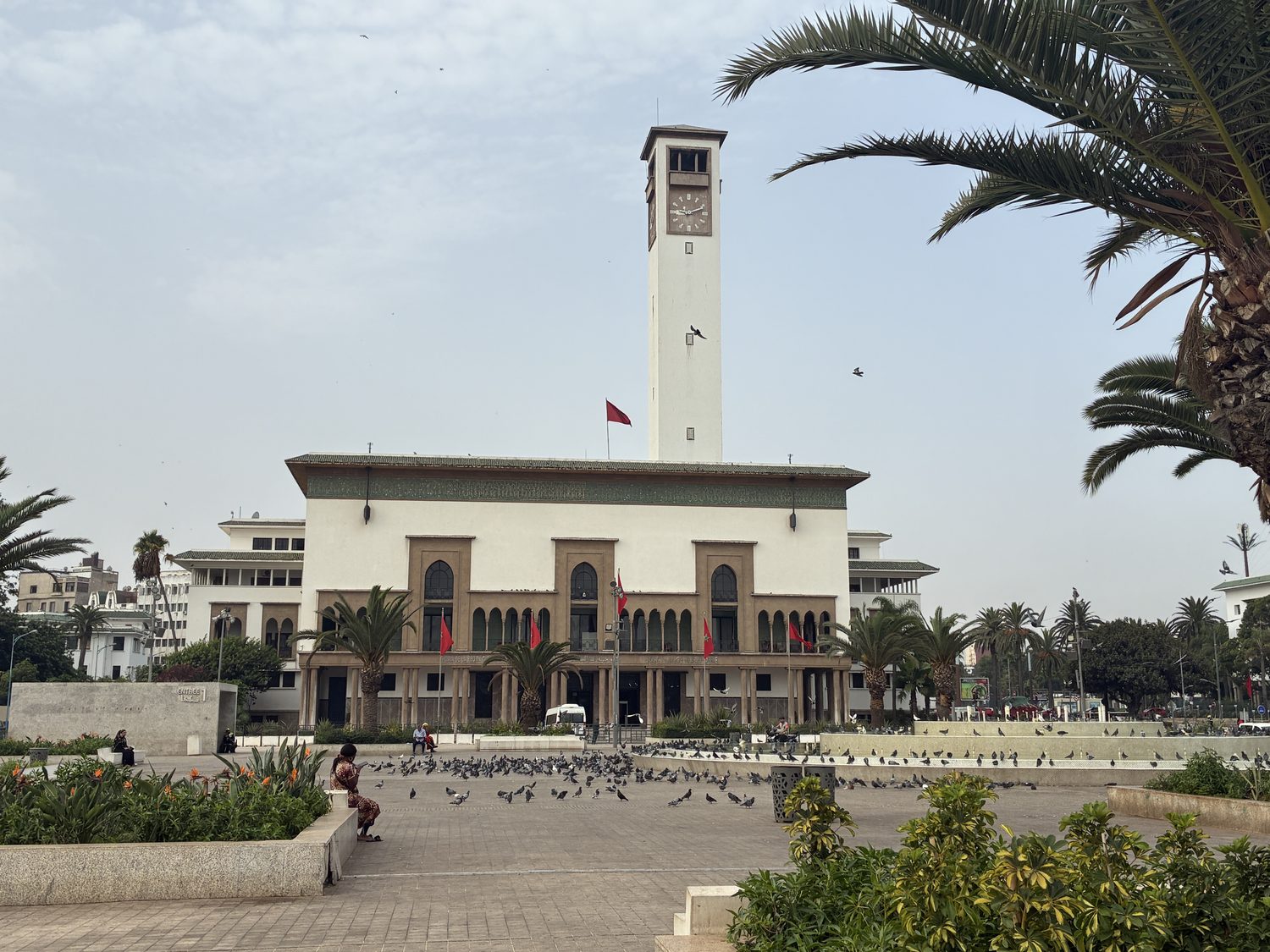
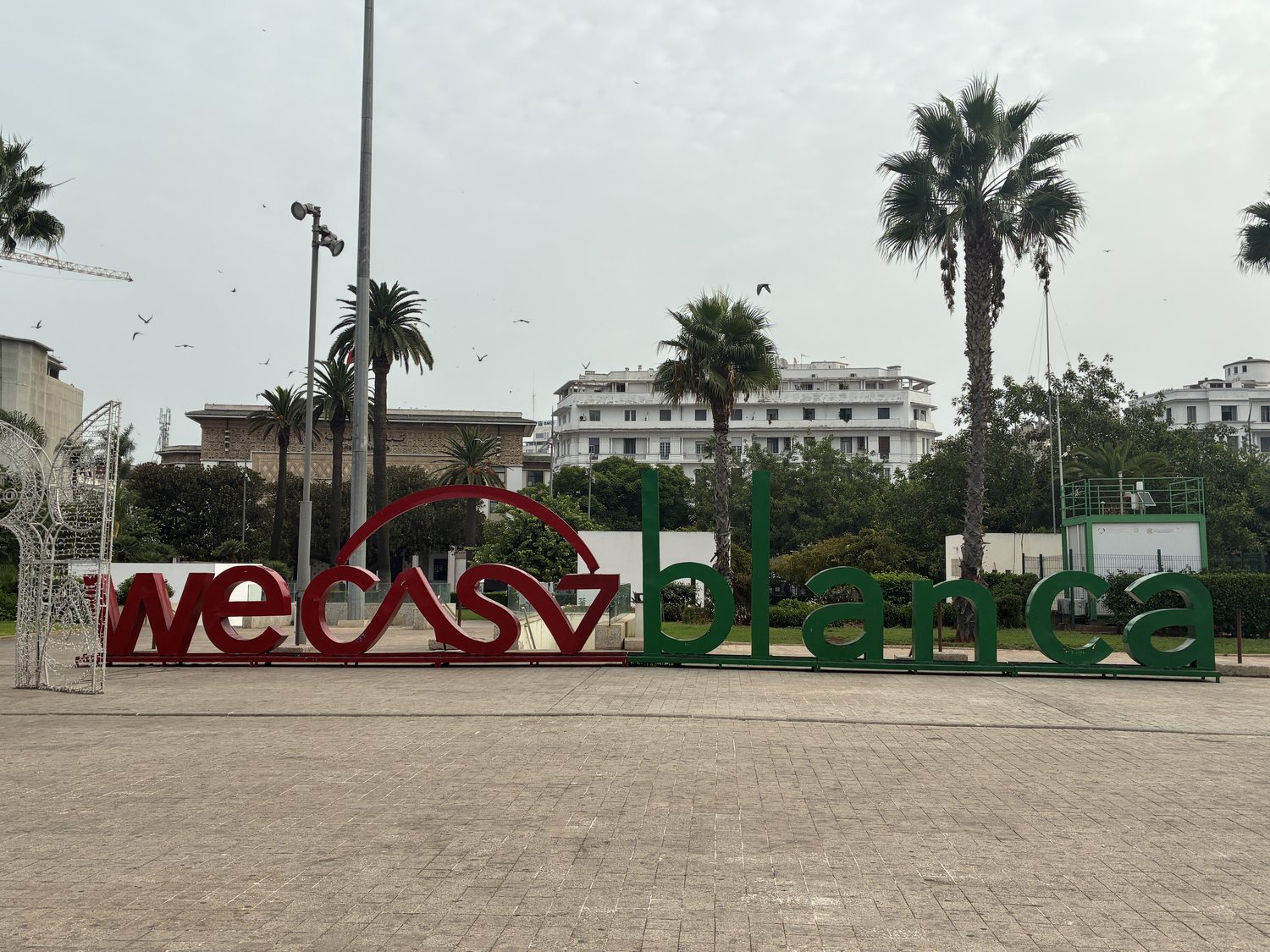
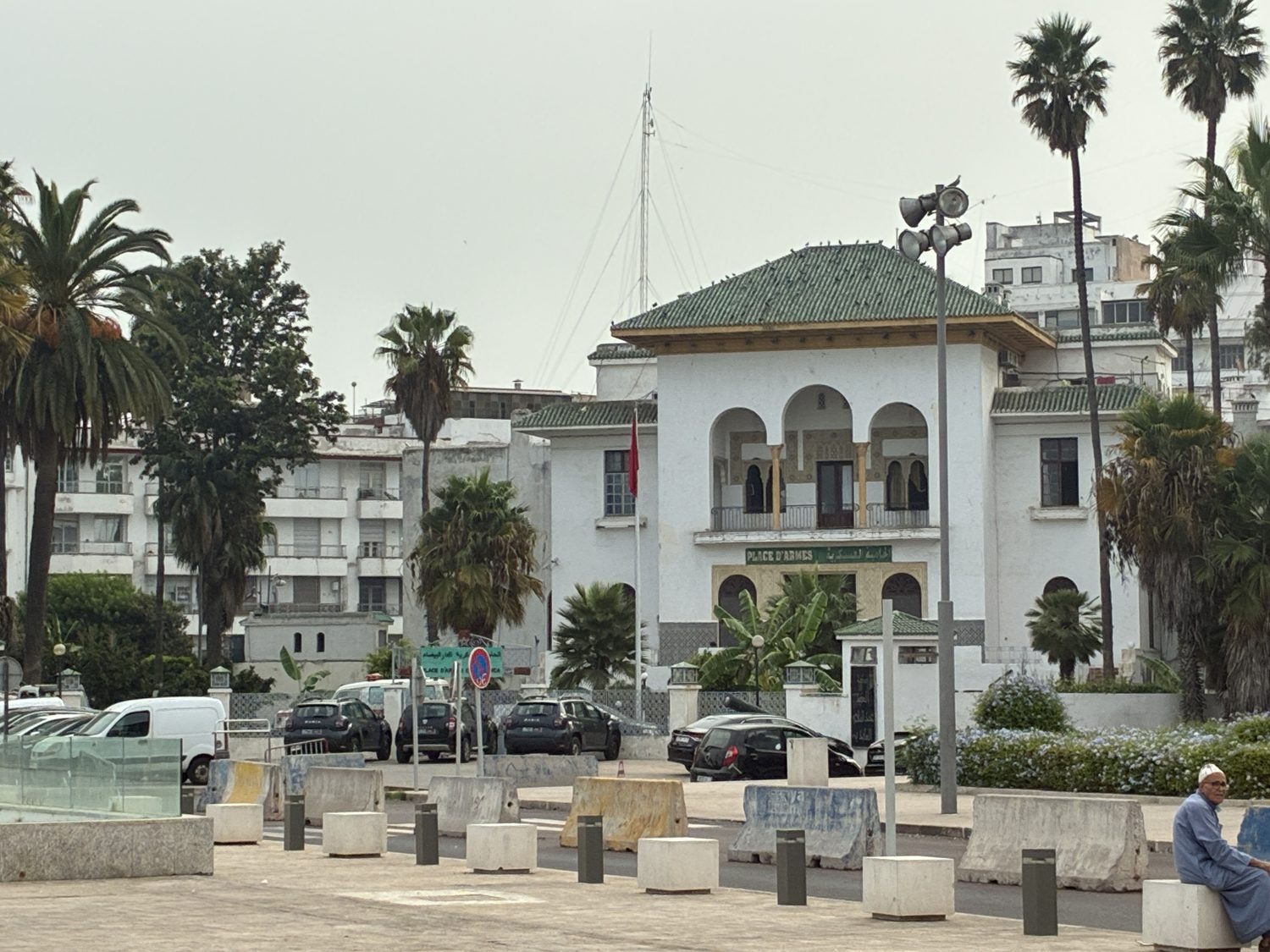
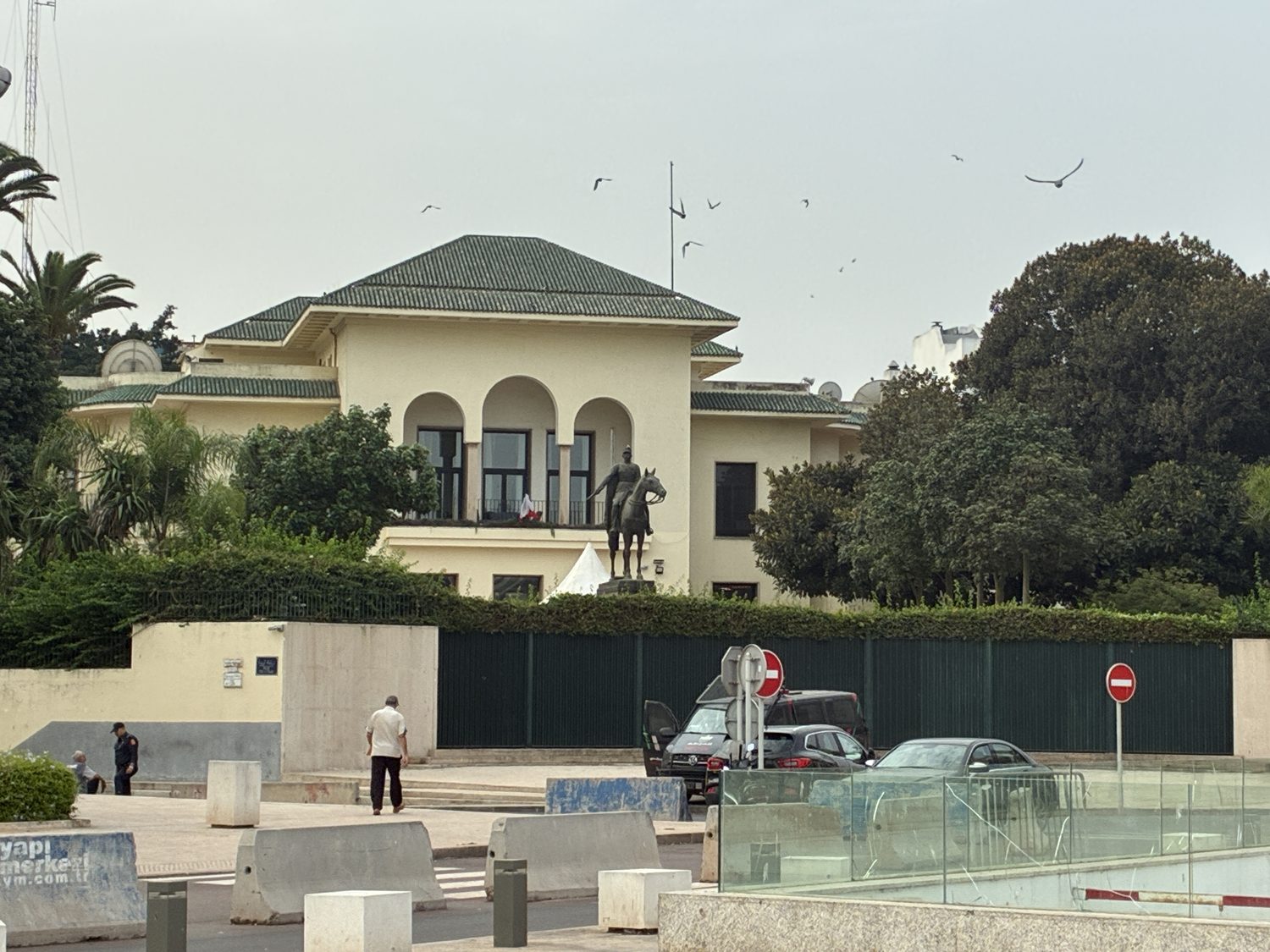
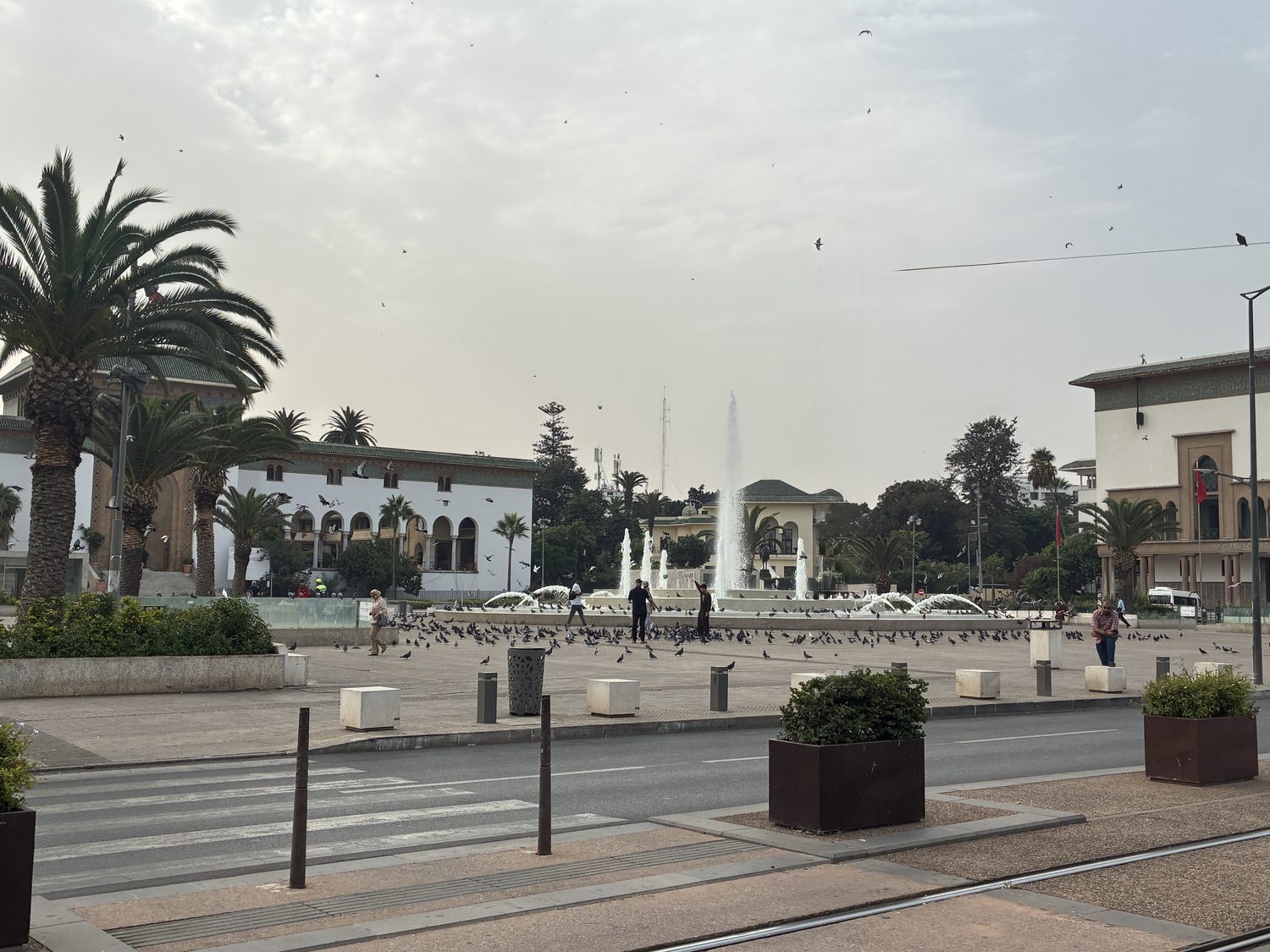
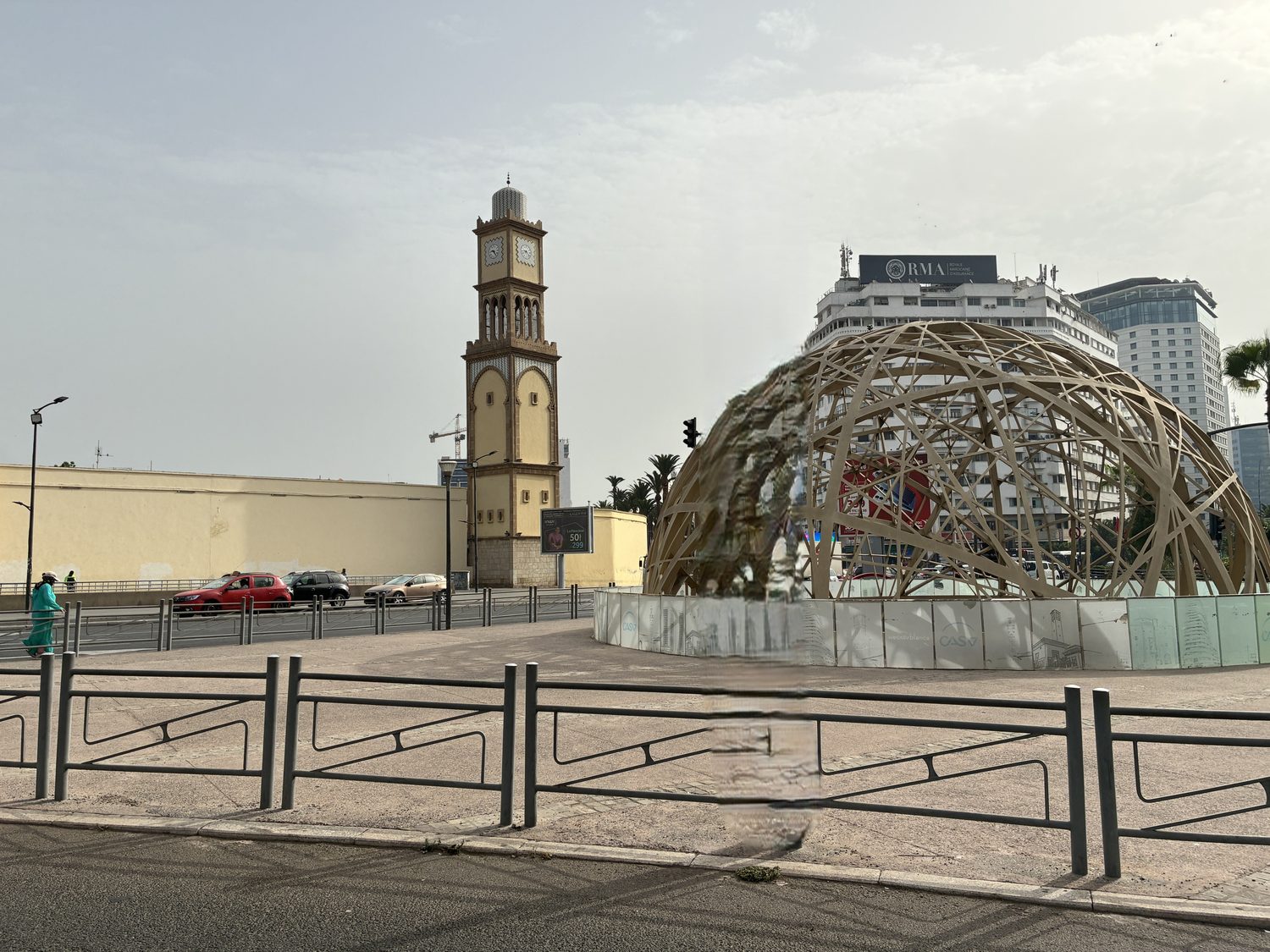
After walking quite a ways, I wound up by the Medina, the old city, enclosed by a wall spanning around 2½ miles. I made a friend before I actually entered, part of the tale of this first city.
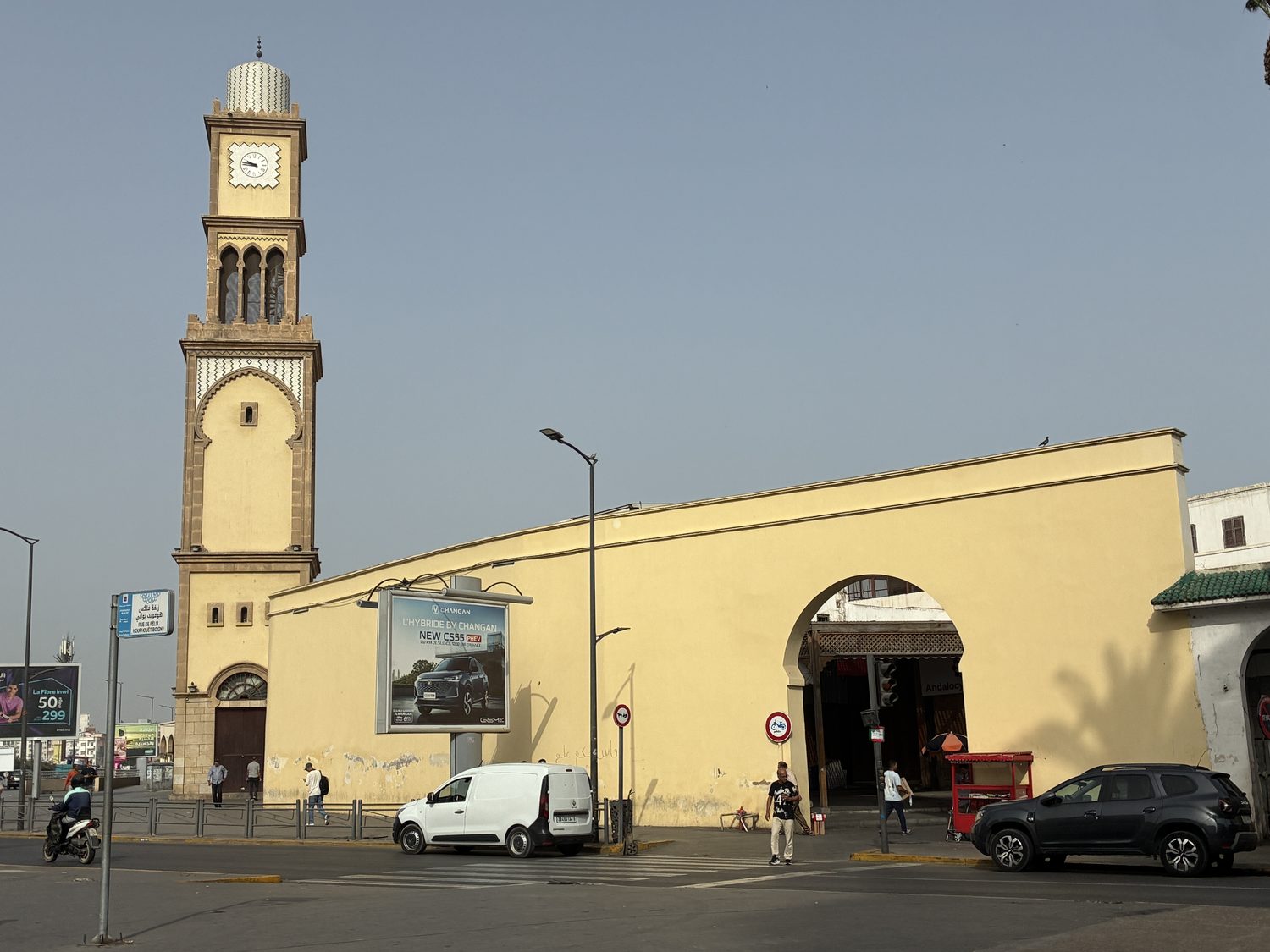
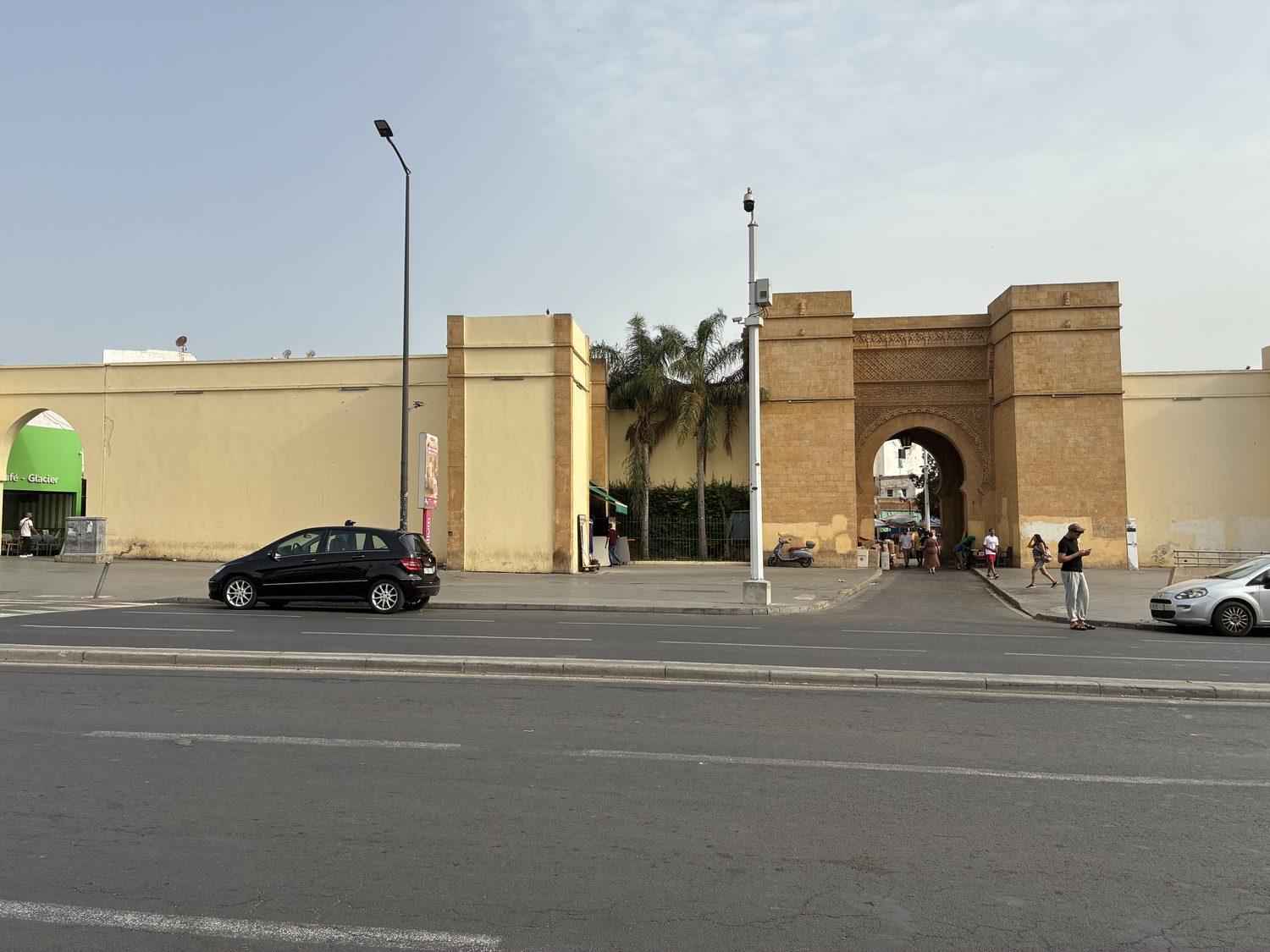
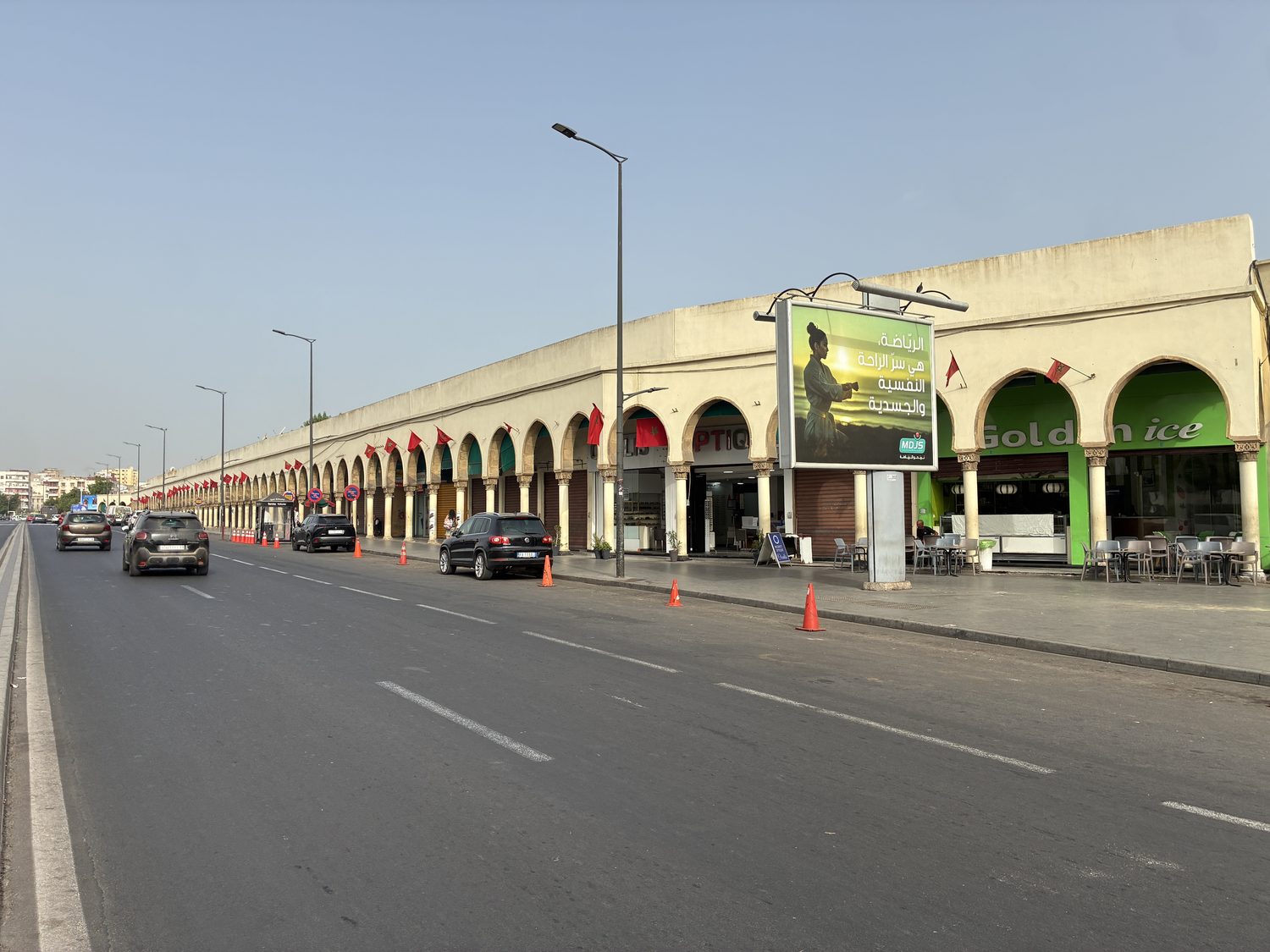
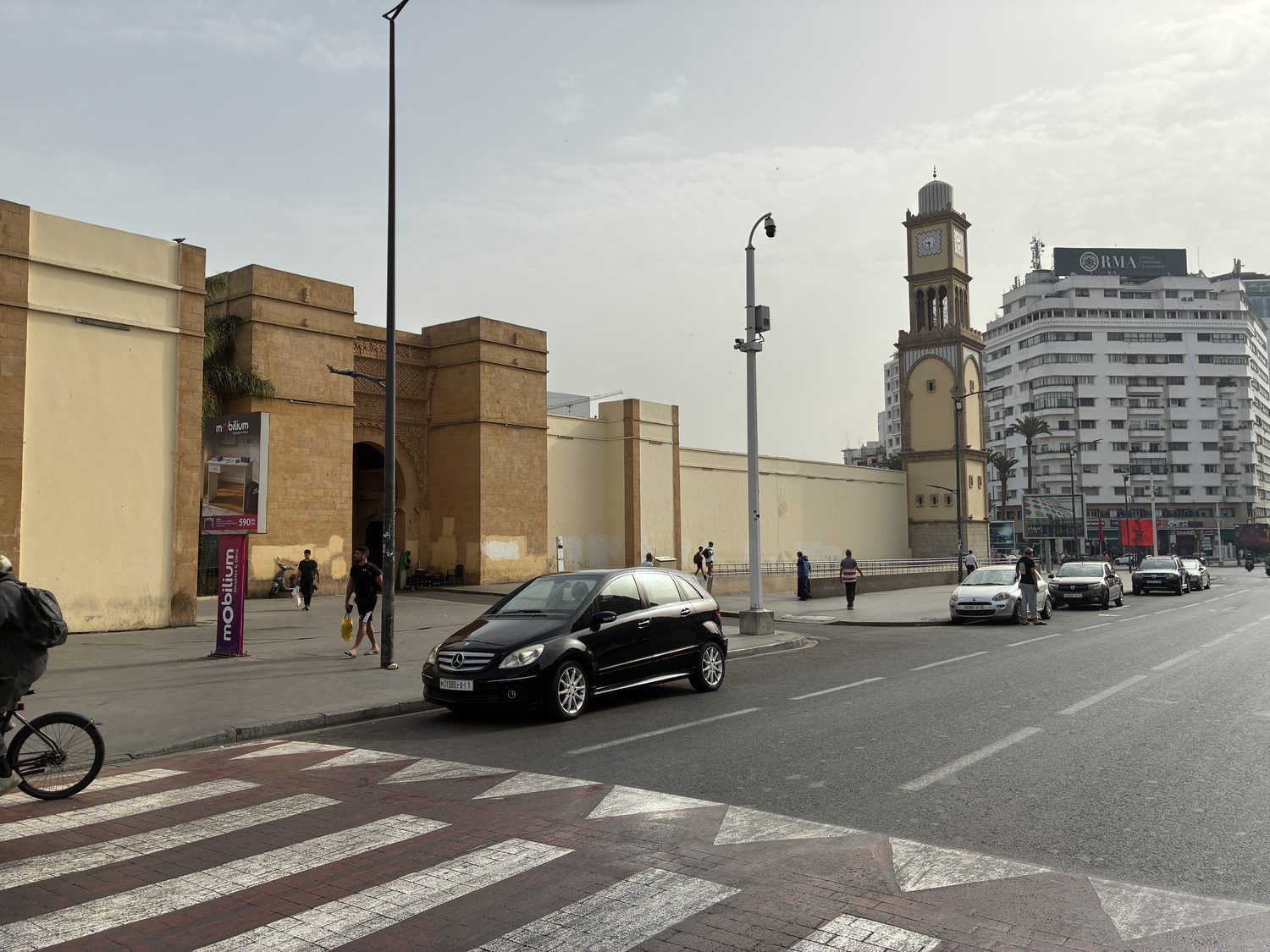
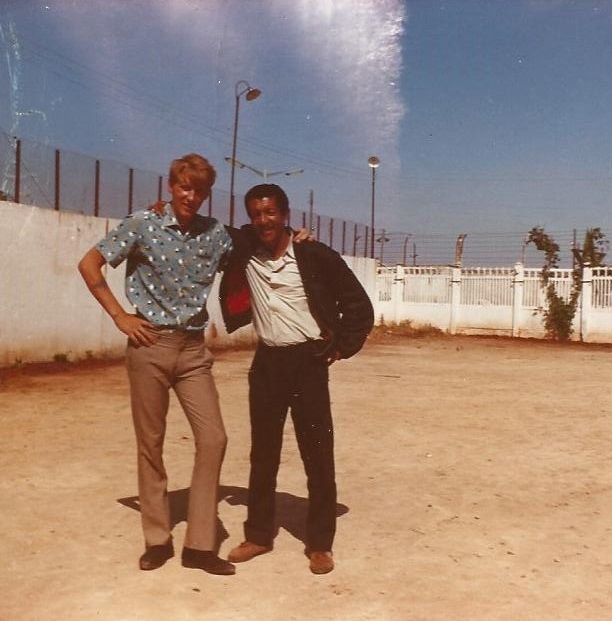
I’ve been to Casablanca before, once or maybe twice when I was 18 and in the merchant navy. This is where I was introduced to hashish and, along with another guy from my ship, taken for a tour of the Medina – the old walled city – by a local guy, Smiti, who we met on the street and took us under his wing. We had a great time with him. He told me everybody thought he looked Sammy Davis (he didn’t). Something similar happened today.

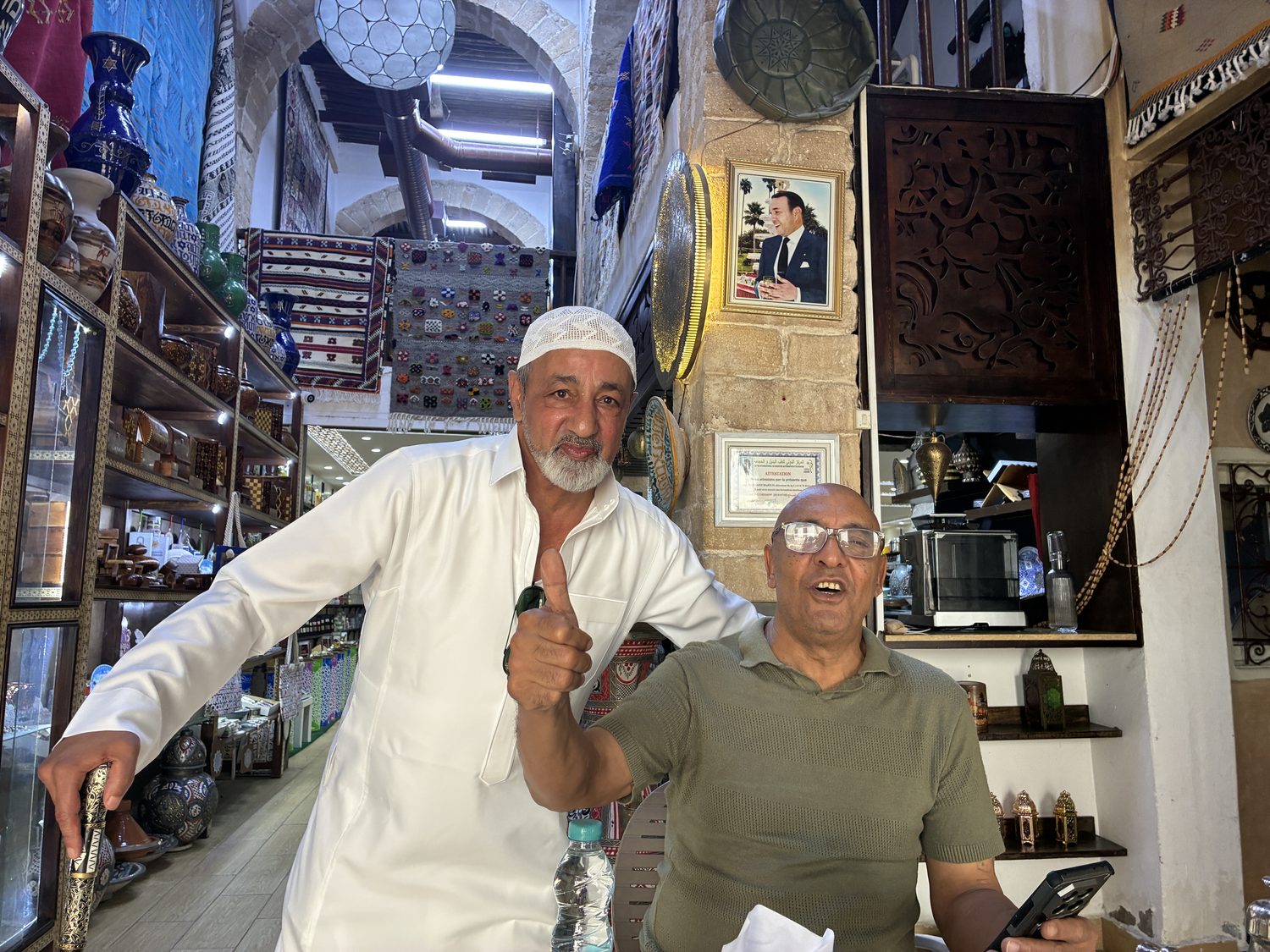
As I was taking a couple of photos and preparing to go into the medina, I was befriended by Hassan, who struck up a conversation with me. He lived in North London for years, praying at the North London Central Mosque near Regents Park, where he said he got to know Cat Stevens, long converted to Islam, who also prayed there. Truth or fiction? He did seem to know a lot about Cat, including his Islam name and his home address, so I guess truth.

Hassan has a store in the souk, and gave me a pretty good tour, and eventually took me to a couple of places to shop, where Farid, the owner of the first shop, which is a lovely place, was extremely hospitable with no hard sell of any kind. Farid owns several of these shops in the medina and has done very well since returning from France and Italy where he lived for many years. We drank tea together – and as in Japan and Vietnam, where I also drank tea, it’s hospitality and shouldn’t be turned down. This tea, a mint tea, was sweet and pretty tasty. It’s known as Berber or Moroccan whisky (no alcohol actually in it), and is made in and ritually served from a high-spouted silver teapot and poured, and then re-poured, into a small glass, and its amber color makes it look like whisky. It’s a symbol of hospitality and connection.
I asked Hassan about leather sandals and he took me to a place in the souk where I hope I got a fair price, but I don’t know and I didn’t haggle as that didn’t seem to be the thing to do under the circumstances. I think I got a decent price compared to prices I found on the internet. I hope I got the right sizes!
Hassan was a very nice guy, and I learned a little about his life and times, including his health, as he was wheezing quite a bit by the end of our relaxed hour or so together, the result of asthma, which in turn is the result of many years of smoking before giving it up after being hospitalized in Saudi Arabia while on a Hajj to Mecca two years ago. I even saw photos. He walks with a cane, and a very lovely and ornate cane it is, l might add, .
There are lots and lots and lots of cats here, zillions. Small ones, big ones, scruffy ones, cute ones, some with collars. Not so many dogs, though. Hassan laughed when I pointed this out, and asked me to take some with me when I leave. The same was true in Rabat, which I visited later today. Lots of cats and kittens.
We parted at the edge of the Medina, and hugged and kissed (on the cheeks). He asked if I could help and give him some money, so what was I going to do? Of course I did, and we said we loved one another and said goodbye. I wonder how many other tourists’ Hassan has befriended.
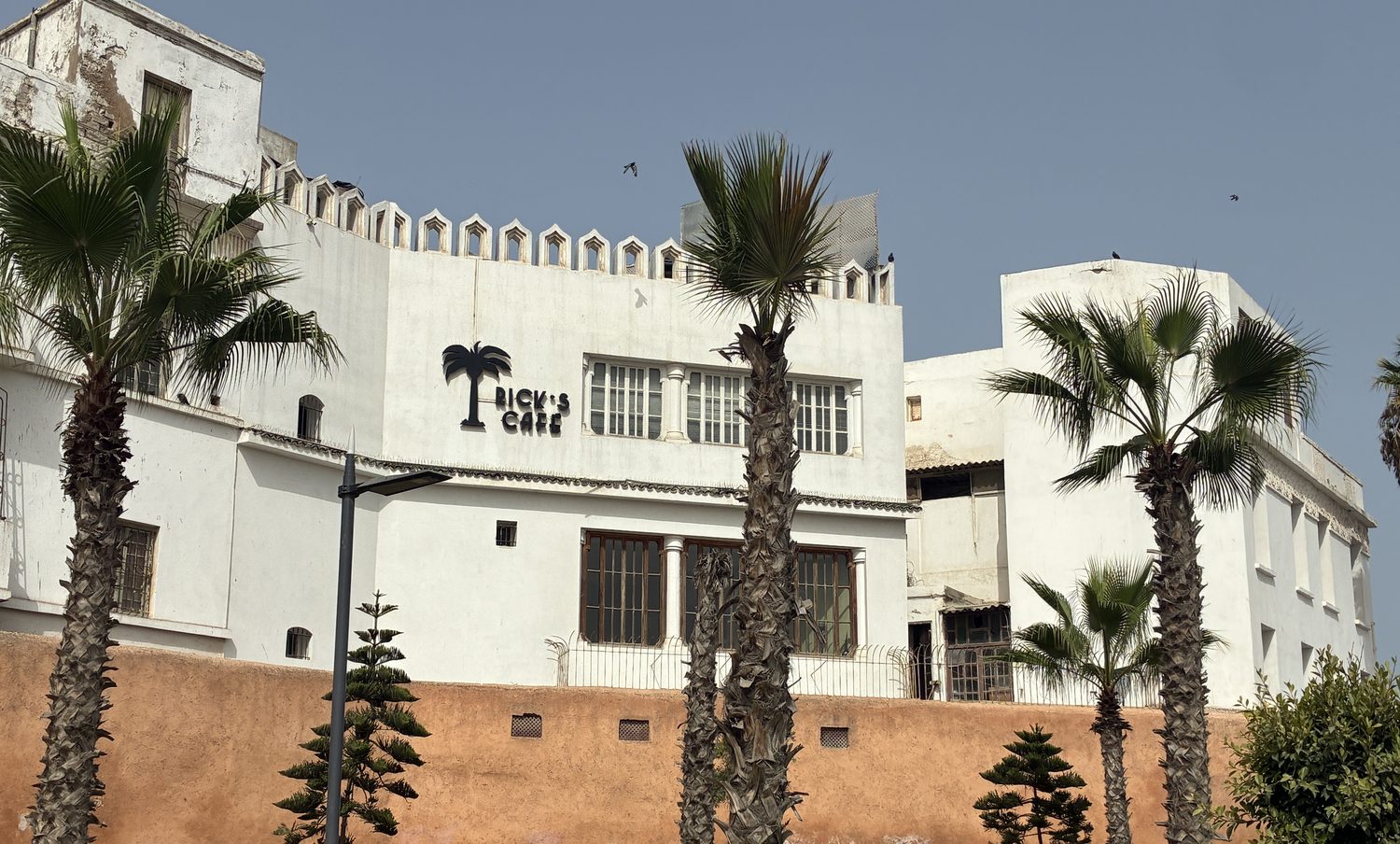
Hassan pointed me toward Rick’s Cafe, just along the road that runs alongside the port and the Atlantic, which probably is just where my ship was docked all those years ago, and the medina I visited today was of course the same medina I visited 57 years ago. Full circle. The only difference, I drank tea today instead of smoking Hashish. Wouldn’t it have been something if Hassan had been Smiti, although Hassan is only 67, whereas Smiti (if he’s alive) would be in his late 70s or early 80s,
I only had an hour to get back to the hotel for my noon checkout, but that’s all I needed, although I did stop at Rick’s Cafe first, which i didn’t want to miss. It may be a replica of and an homage to Rick’s Café Américain on the inside, but it’s kinda nondescript on the outside. It’s not even called Rick’s Café Américain. Disappointing, although maybe it wouldn’t have been had I been able to go inside.
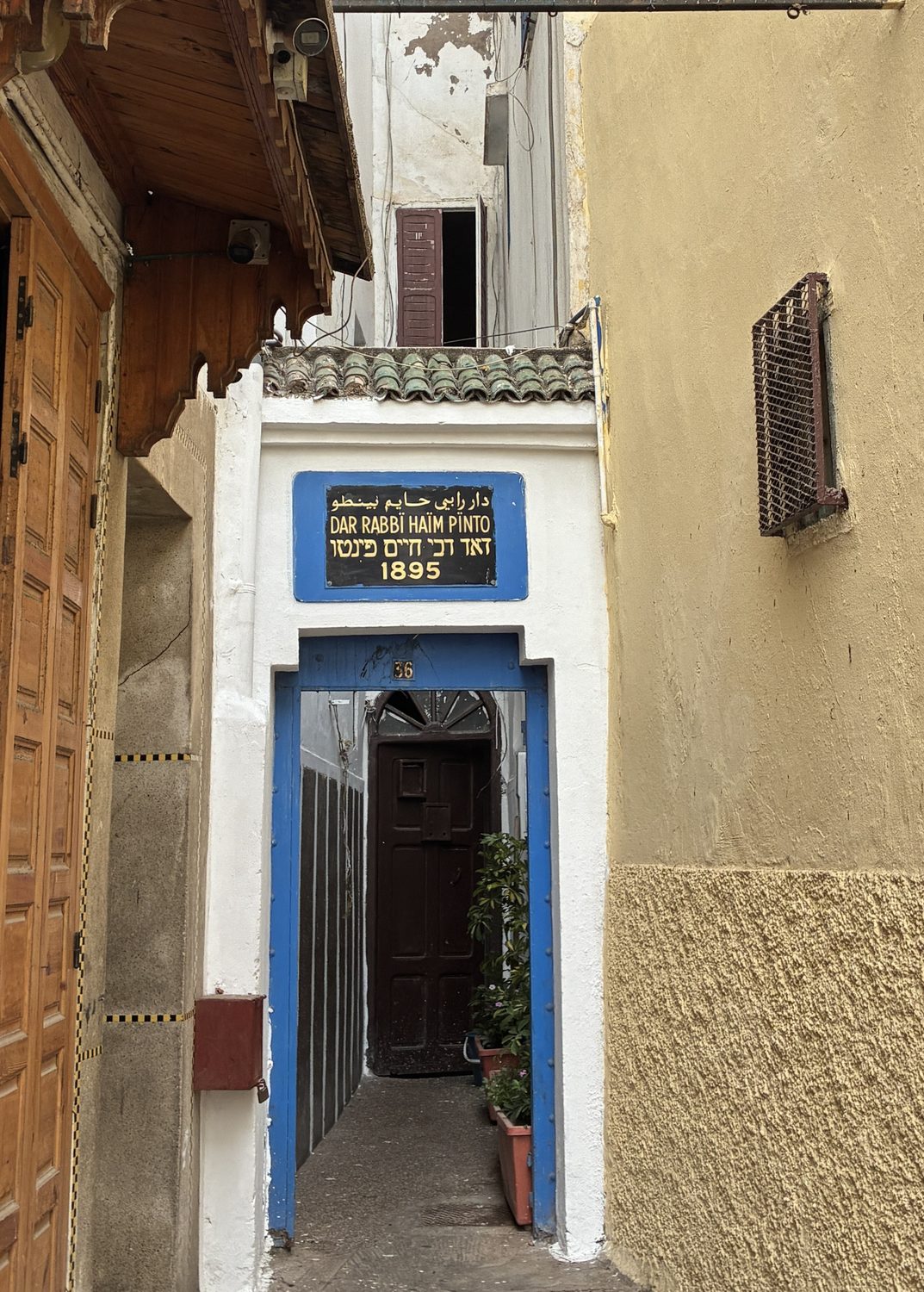
Casablanca is an old city, and had its beginnings as a Berber settlement called Anfa, which by the 12th century had become an important port and trading center. During the mid-15th century, Portuguese forces destroyed (of course) the original settlement and in 1515 established a their own settlement (also of course), calling it Casa Branca (for White House, although the origins aren’t clear, but maybe for the sun drenched and white washed buildings). In turn, it was destroyed by an earthquake in 1755, and the town rebuilt and named ad-Dar al-Bayda (also, the White House), which became Casablanca in European languages, and by the 19th and into the early 20th century, Casablanca had grown and become an internationally commercial port. Morocco became a French Protectorate in 1912 and until 1956, and Casablanca was developed further, alongside the old city, the medina, with typical French colonial architecture, including art deco, like the Hôtel Maâmoura, and very much like French Colonial Vietnam, becoming an economic hub. Morocco regained its independence in 1956, and Casablanca continued to expand into the country’s largest city and economic hub. Although Rabat is the capital city, Casablanca is Morocco’s largest city, with a population of over three million, and its main port, and industrial, financial, and business hub. The medina itself, the old walled city, has its origins in the 12th century, but as it was largely destroyed in the earthquake of 1755, much of the present medina dates back only to the 18th and 19th centuries (still a long time), with later additions.
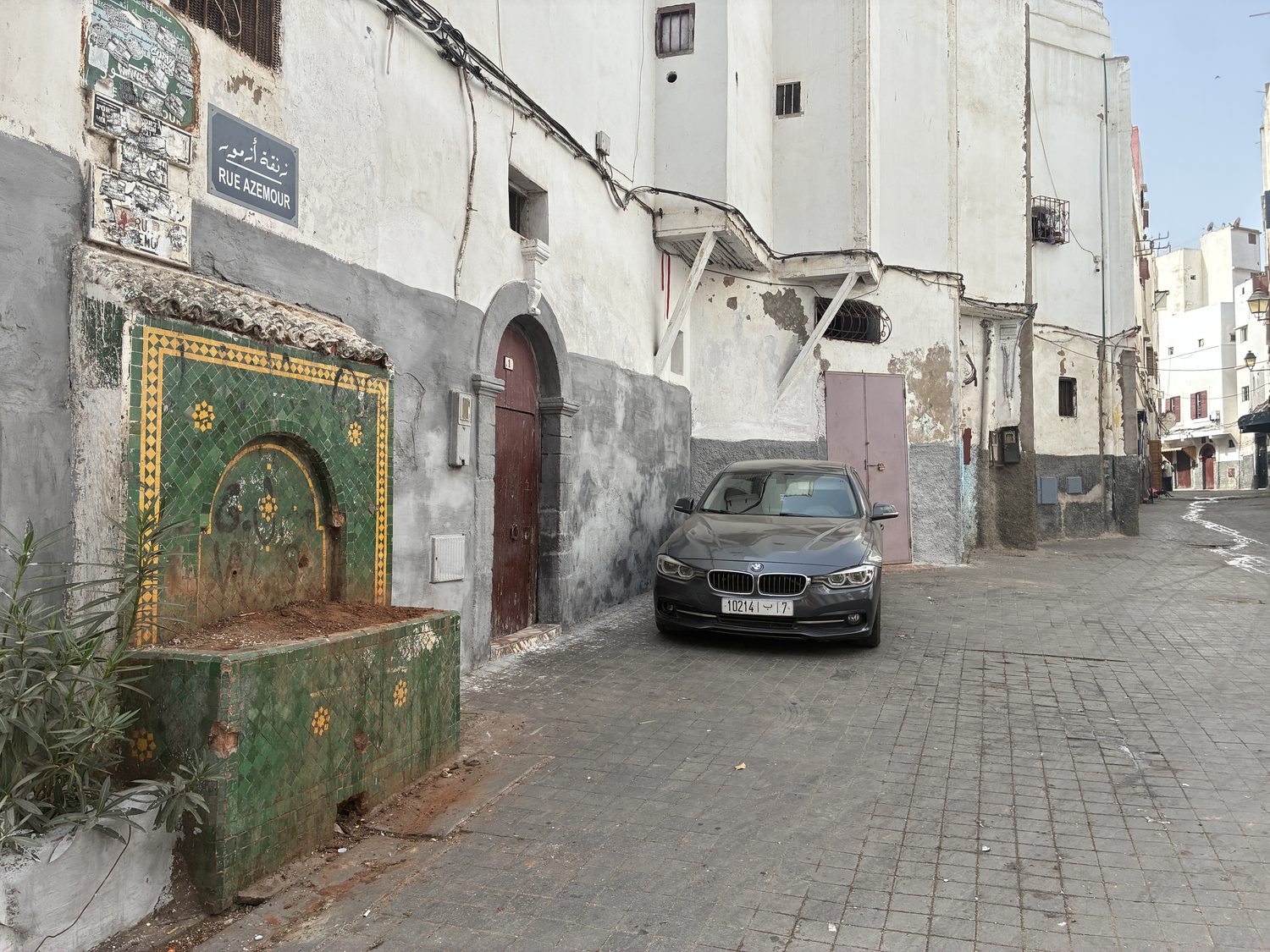
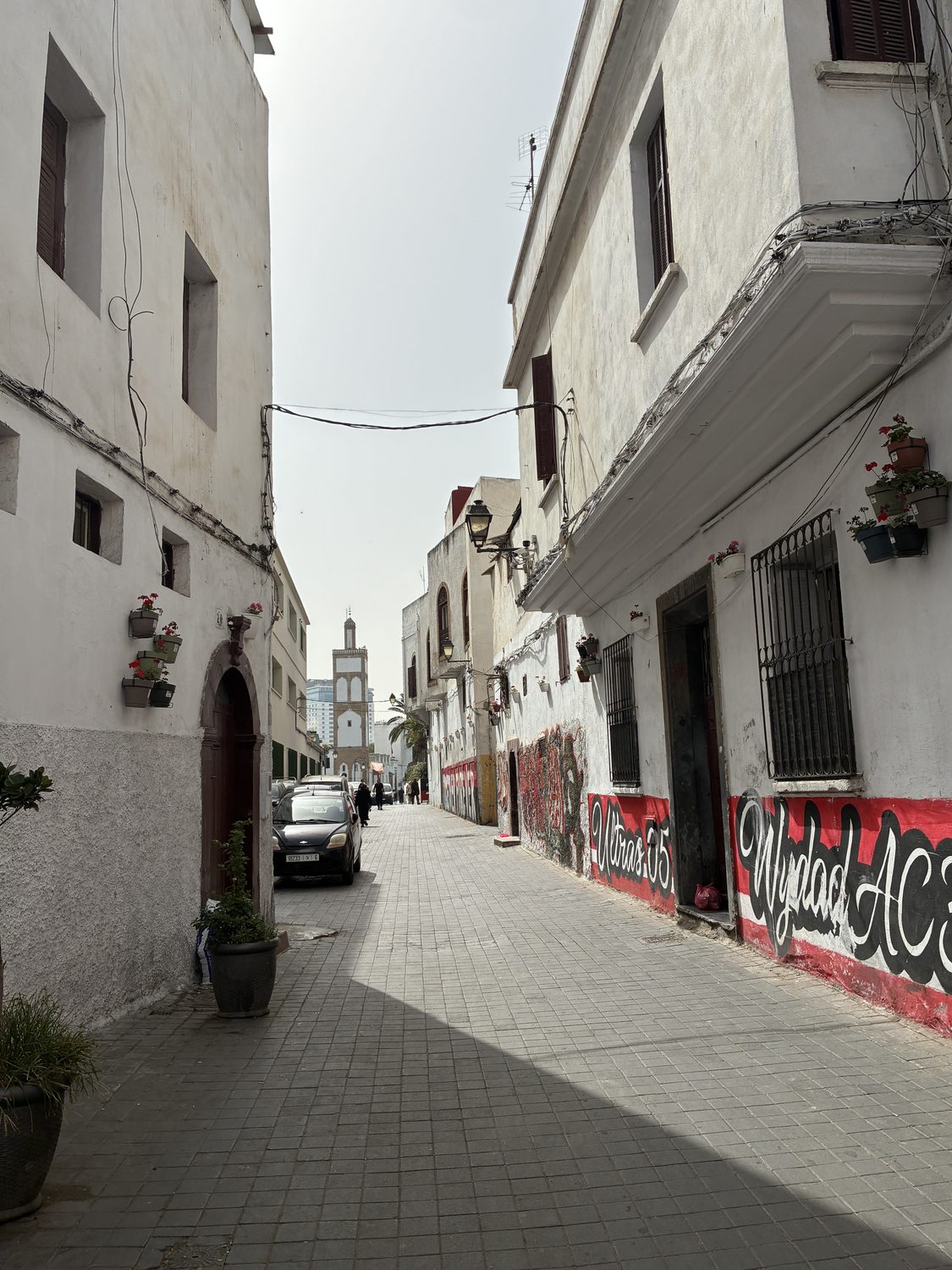
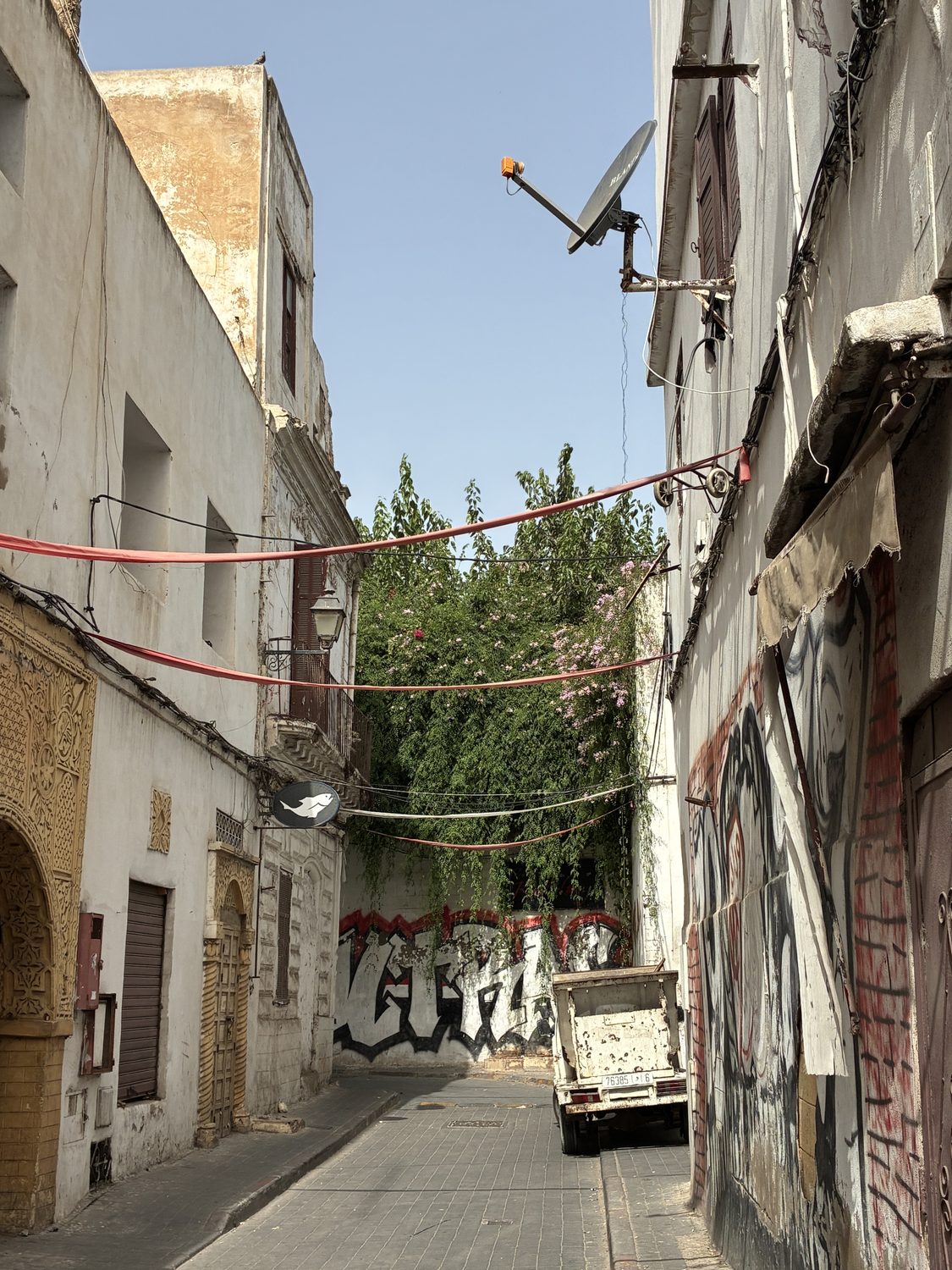
The city is filled with French colonial architecture, but many buildings and streets, including and especially in the medina, are run down, narrow, dirty, and poorly maintained, contrasted against many areas that have large French-style boulevards, and are modern and well maintained. Overall, it seems like a working town, and reminded me of Hanoi in some way, with its business and matter-of-factness, and stood in contrast with Rabat, the other city in my tale for today, which is much cleaner and orderly, and far less dirty and disheveled, even in the medina.
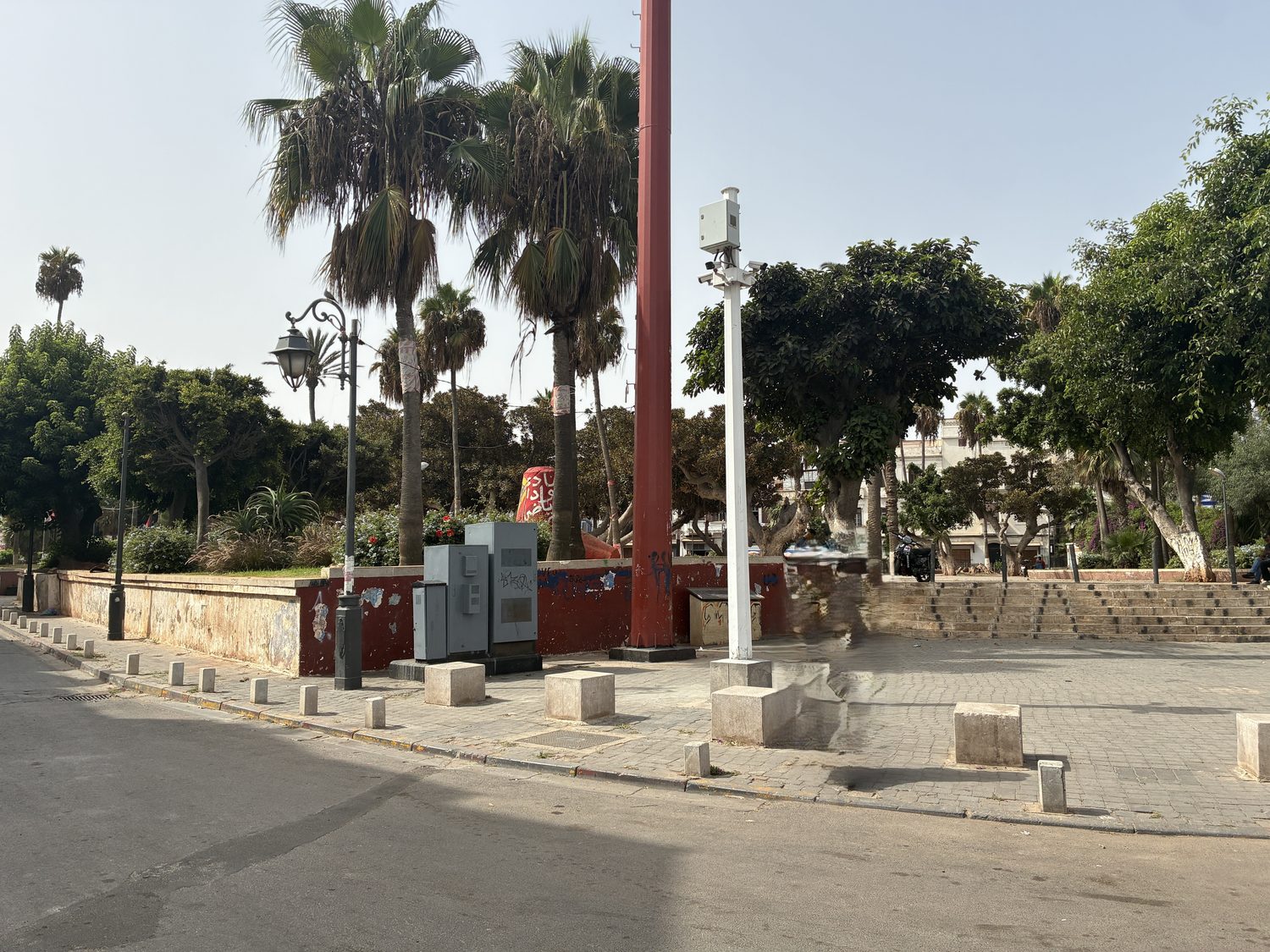
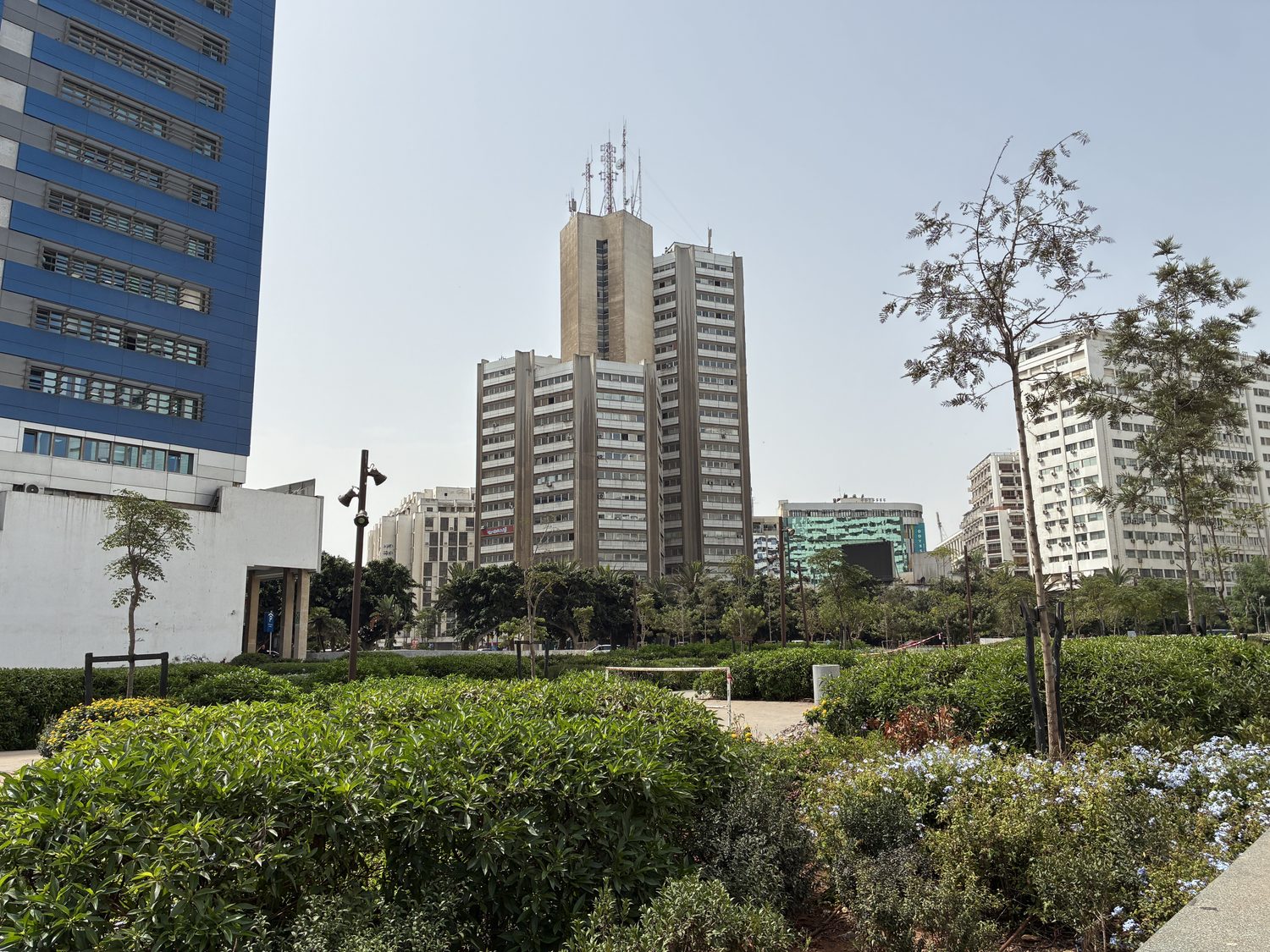
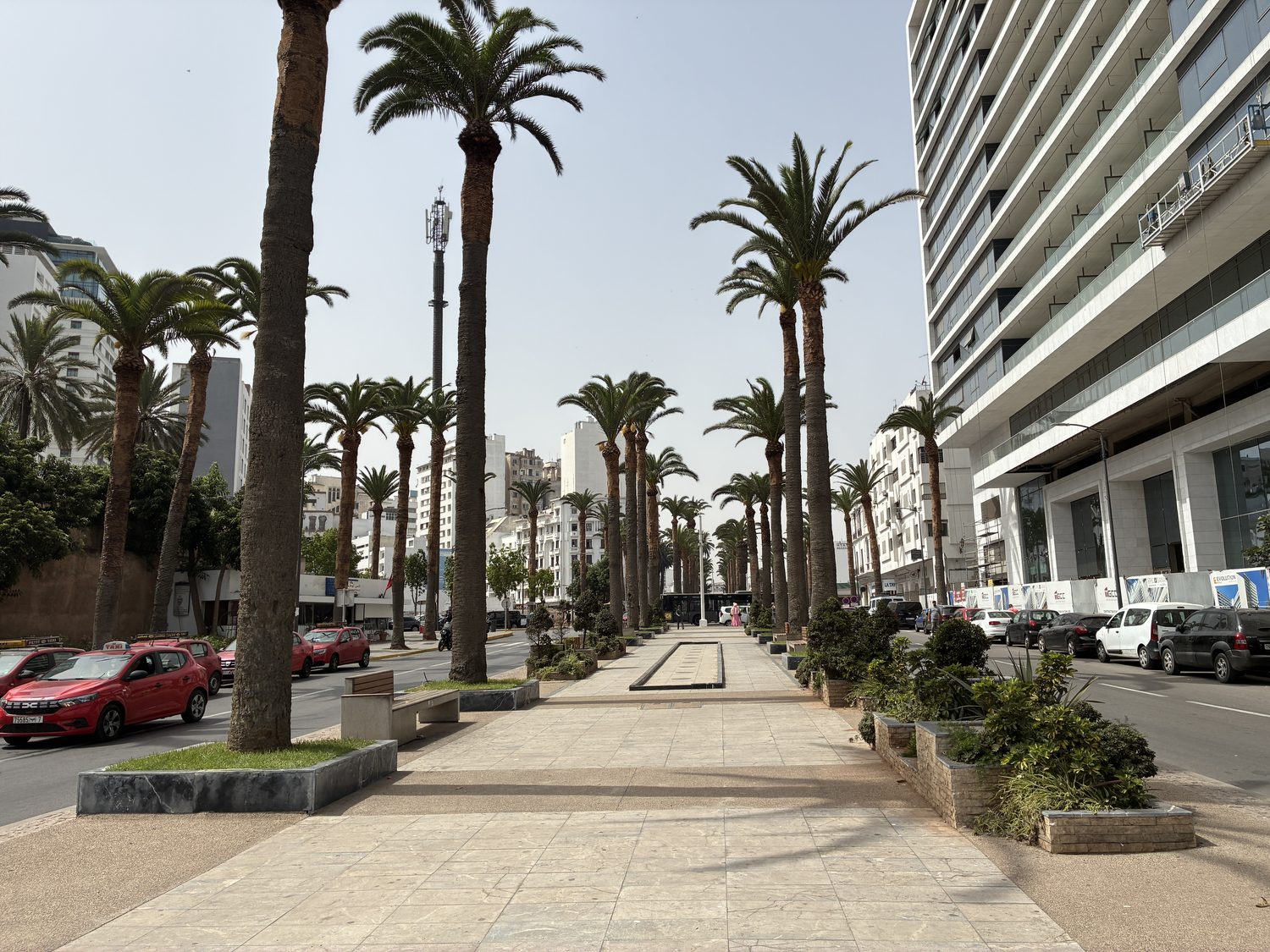
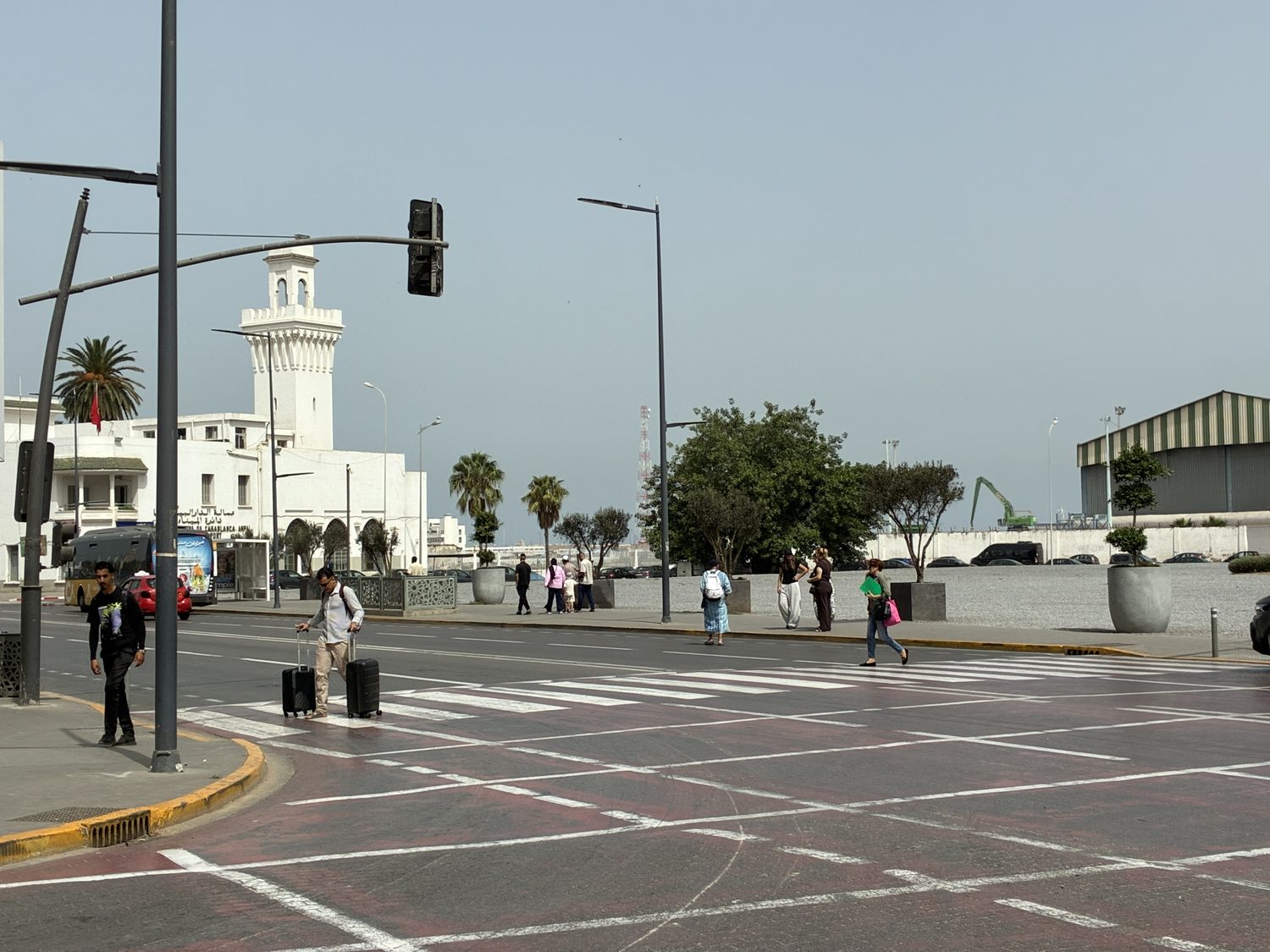
Okay, history and appearance aside, back to the Hôtel Maâmoura I went, packed up, my backpack a little heavier and a little more full now because of the sandals, checked out, and headed to Casa-Port to pick up the train to Rabat Ville, catching the 12:35, ticket price $4.50.
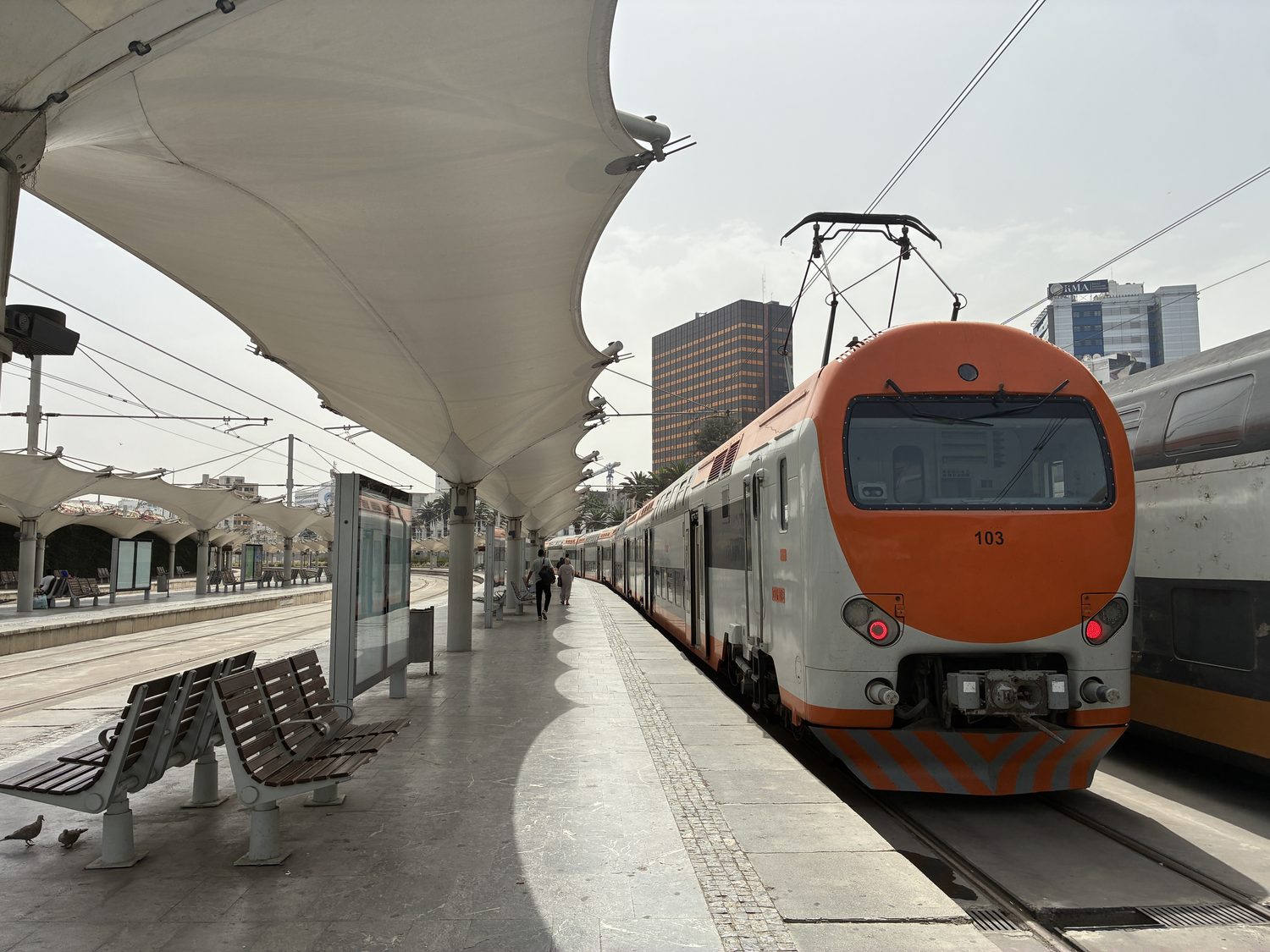
The tale of city number two, Rabat.
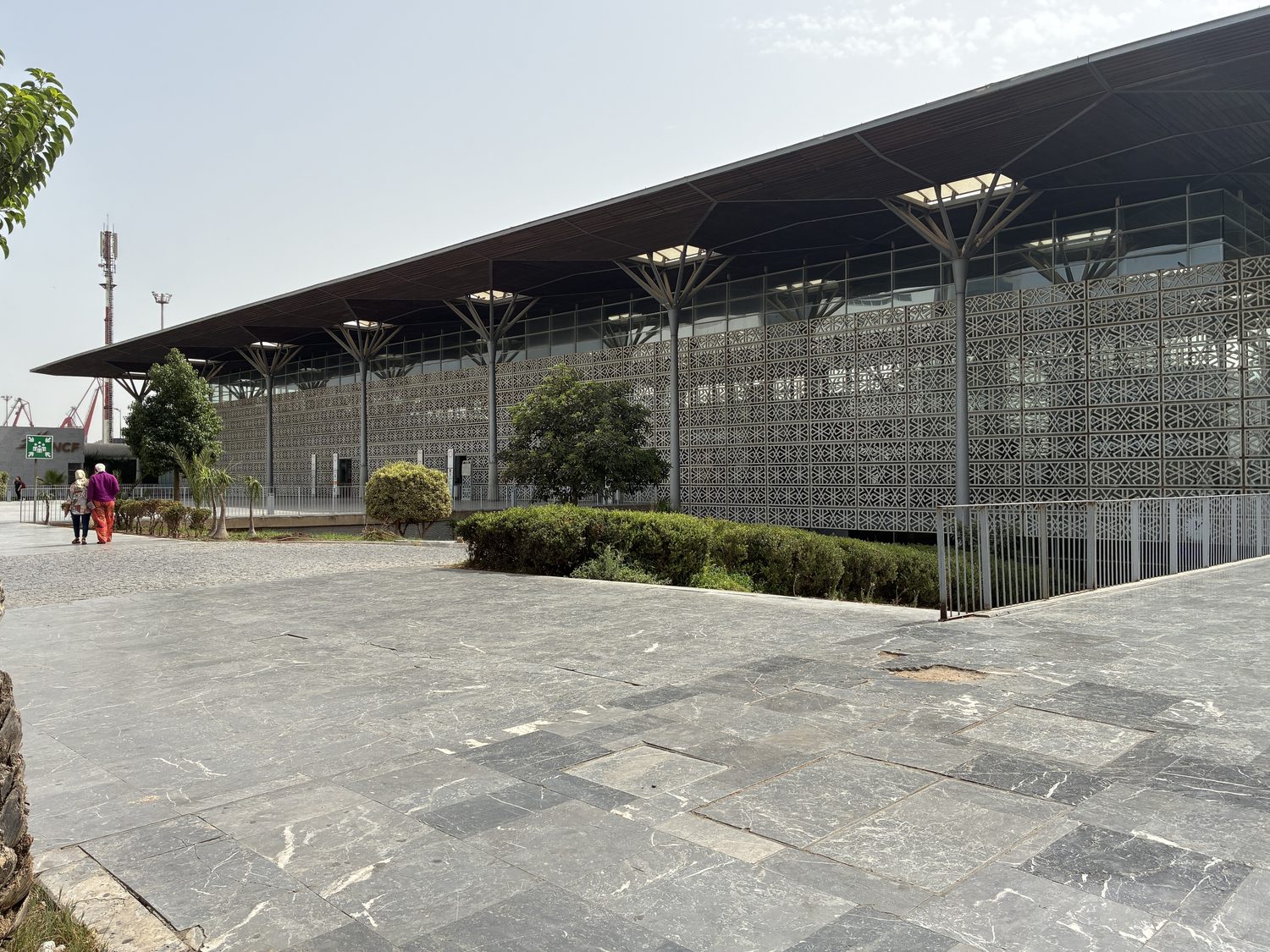
Rabat is the capital of Morocco, but significantly smaller, a little over 500,000. Although Casablanca is the economic hub, Rabat is the administrative and government center. It is also significantly and obviously cleaner and more orderly than Casablanca, apparent as soon as you step out of the railway station.


The area had been settled by pre-Roman times, and later occupied by the Roman Empire, and by around 1185, Ribat al-Fath was founded as a fortified military and religious center. By the late 15th century, Muslims and Jews expelled from Spain had started coming to Morocco from the Andalusian area of Spain, and by the 17th century Rabat had became a major center for them, and the city expanded around the present day Kasbah, with Andalusian refugees helping to shape it its culture and architecture. Between the 17th and 18th centuries, Rabat became associated with maritime trade, including piracy and privateering (basically state-sponsored piracy), and after France established the Protectorate of Morocco in 1912, it chose Rabat as the administrative capital rather than Casablanca, and developed a European-style city alongside the old medina. Rabat remained the national capital after Moroccan independence in 1956, and is home to the royal palace, Parliament and government ministries, and foreign embassies, and remains the political and administrative center of Morocco.
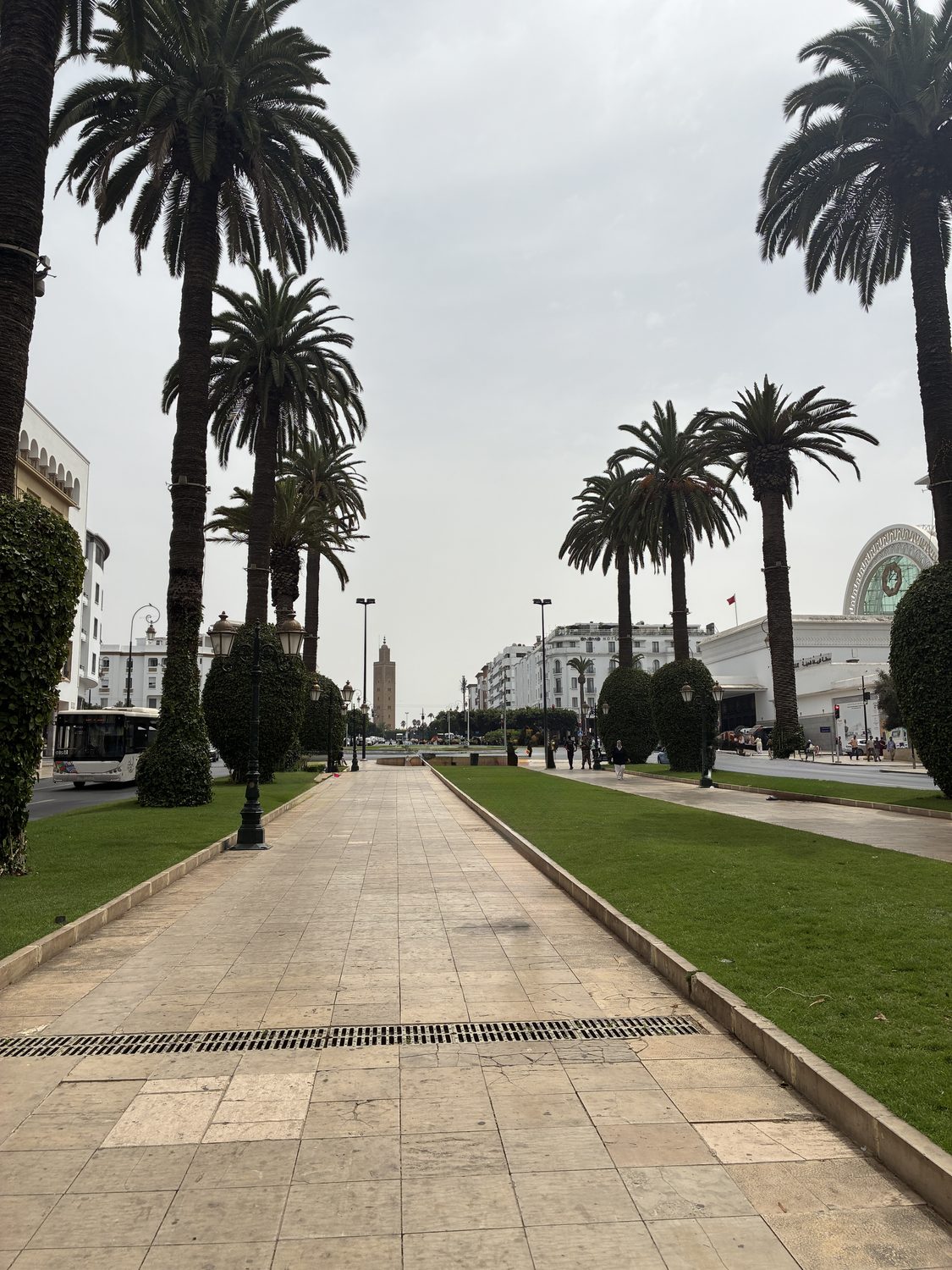
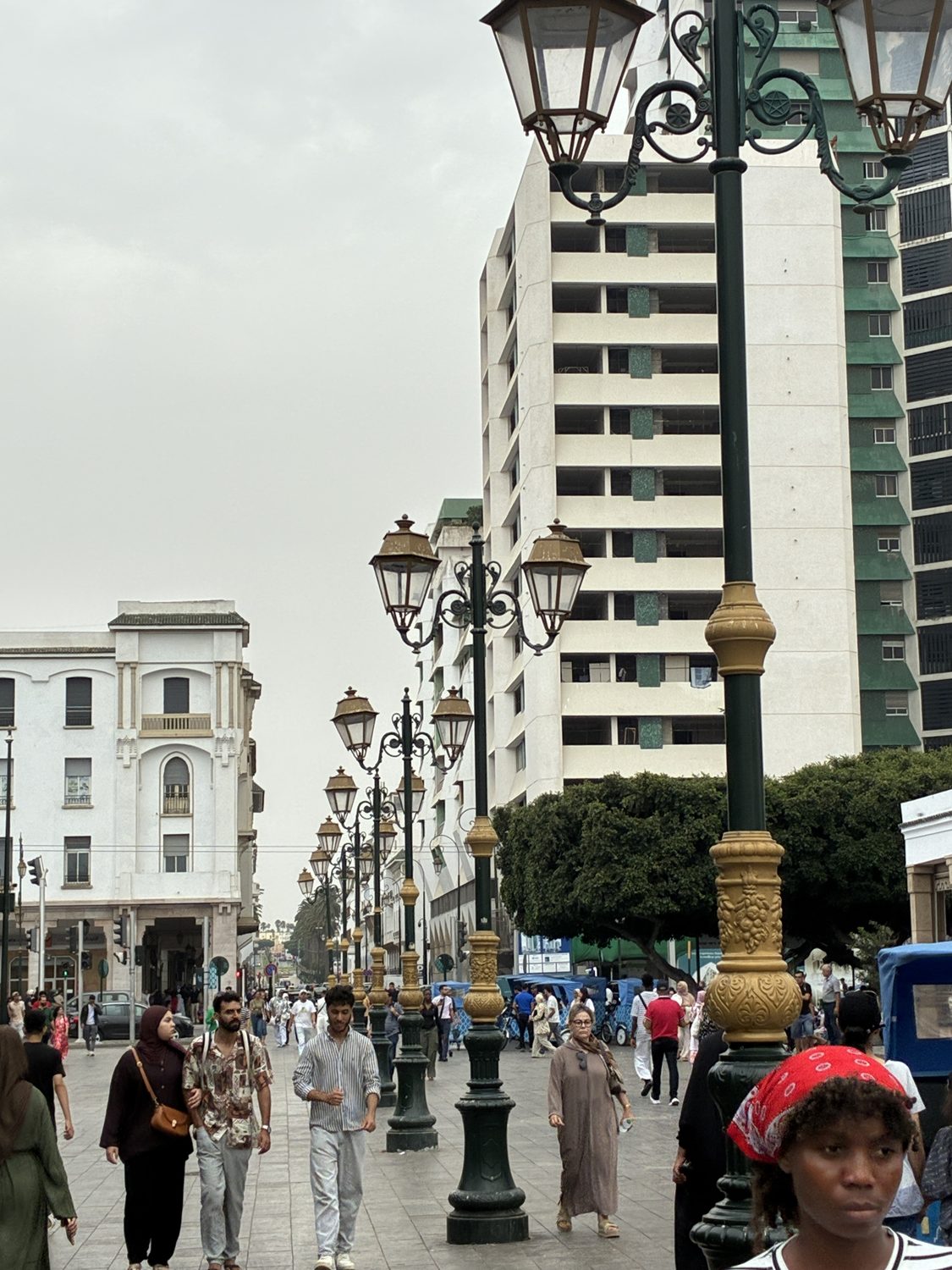
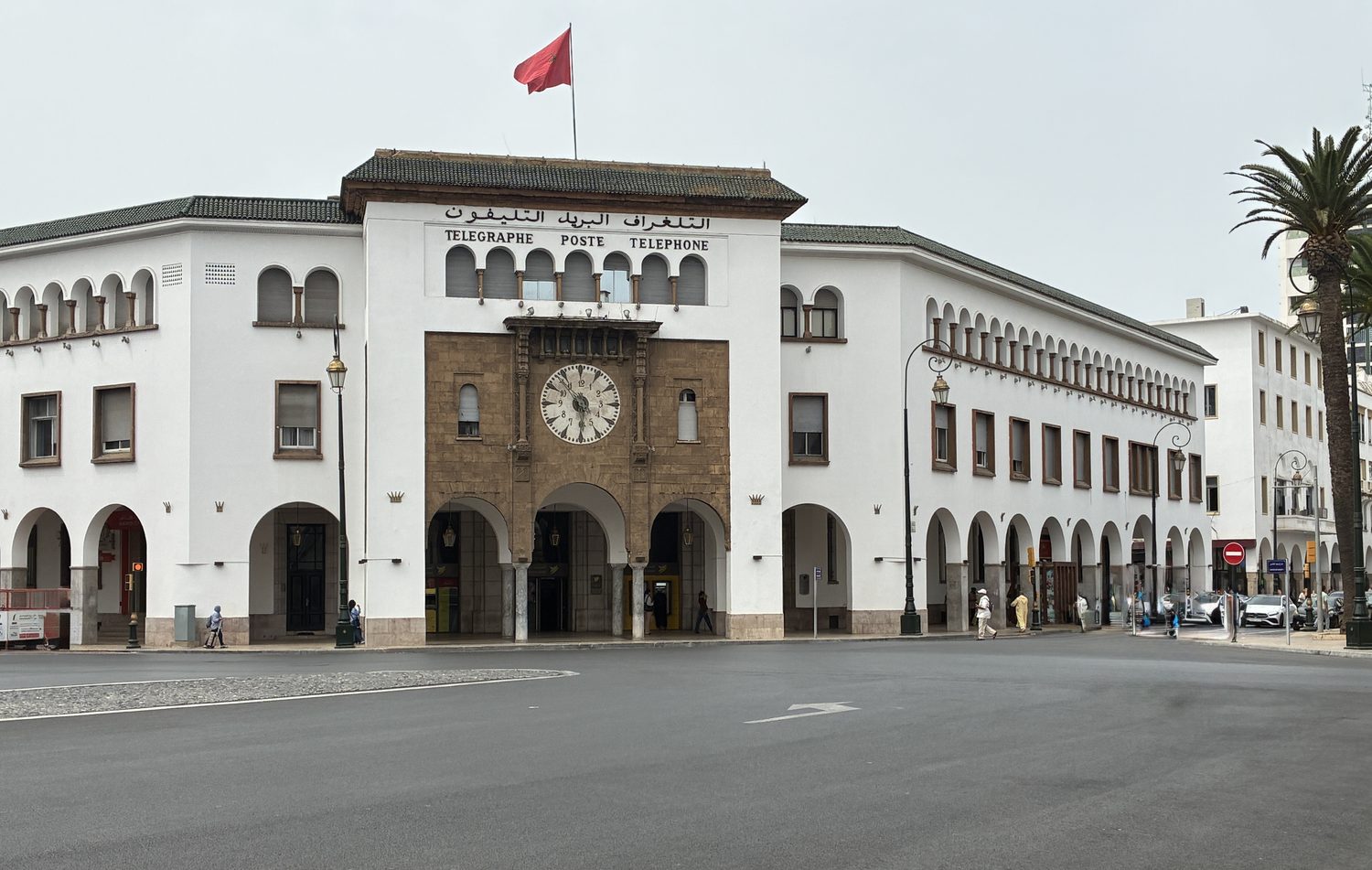
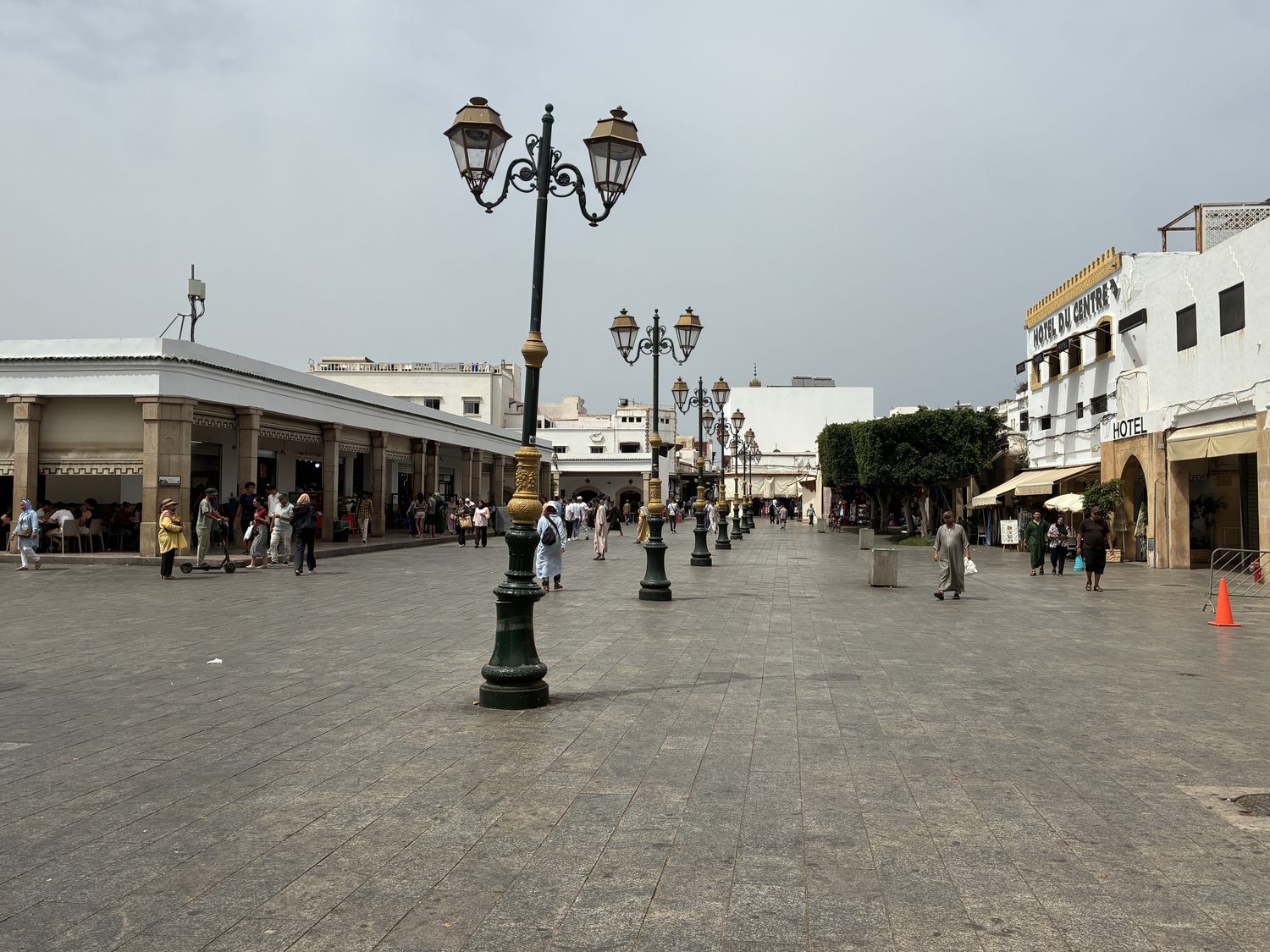
I took a slow walk from the station, and was immediately struck by how uncrowded, clean, relaxed, and orderly the city was, and how much more spacious, compared to Casablanca. That held true for the medina as well, even though it was far more cluttered and busy than the city outside. The medina here dates back to the founding of Rabat, and the walls surrounding the old city were built during the the 12th century.

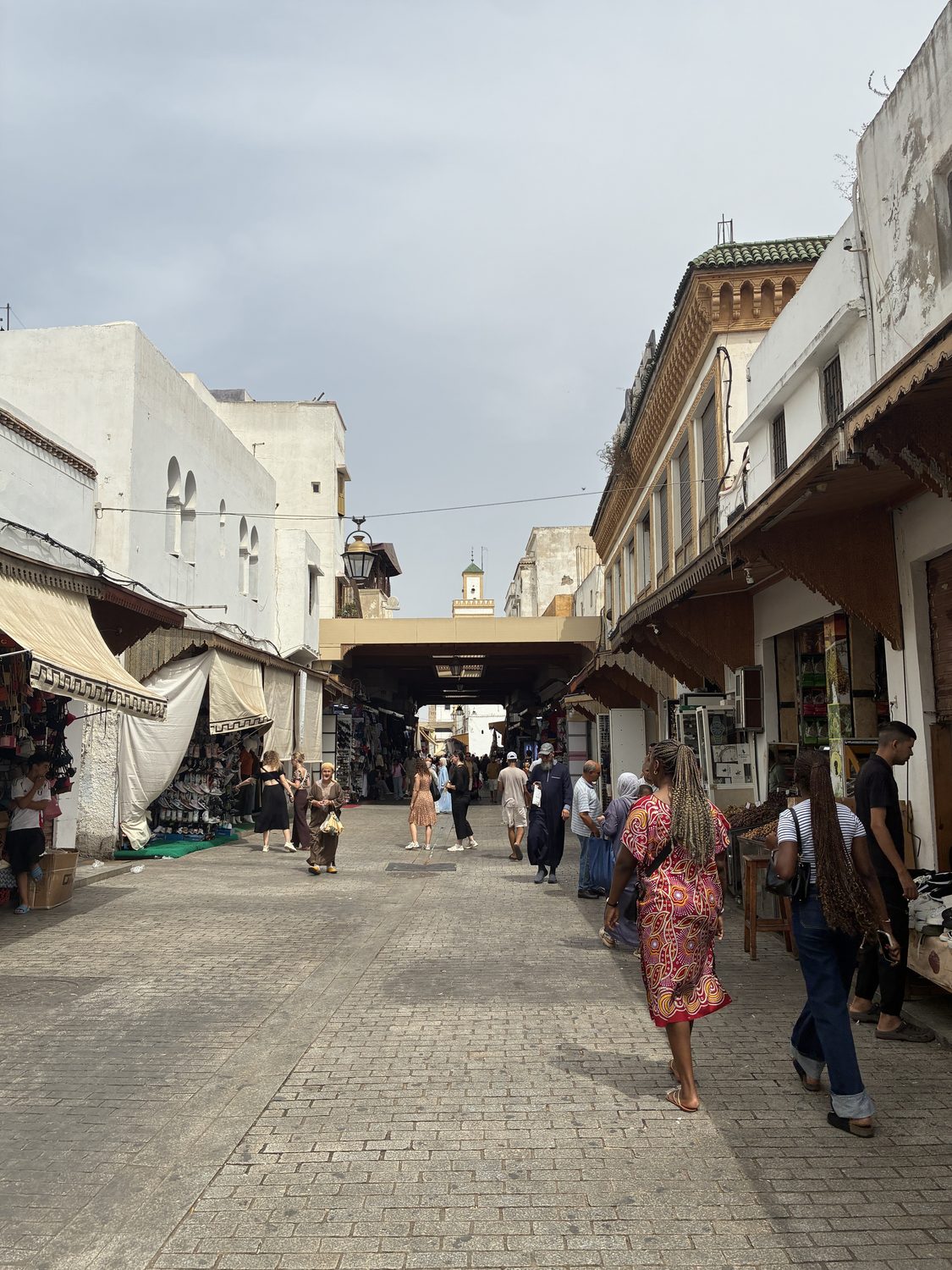


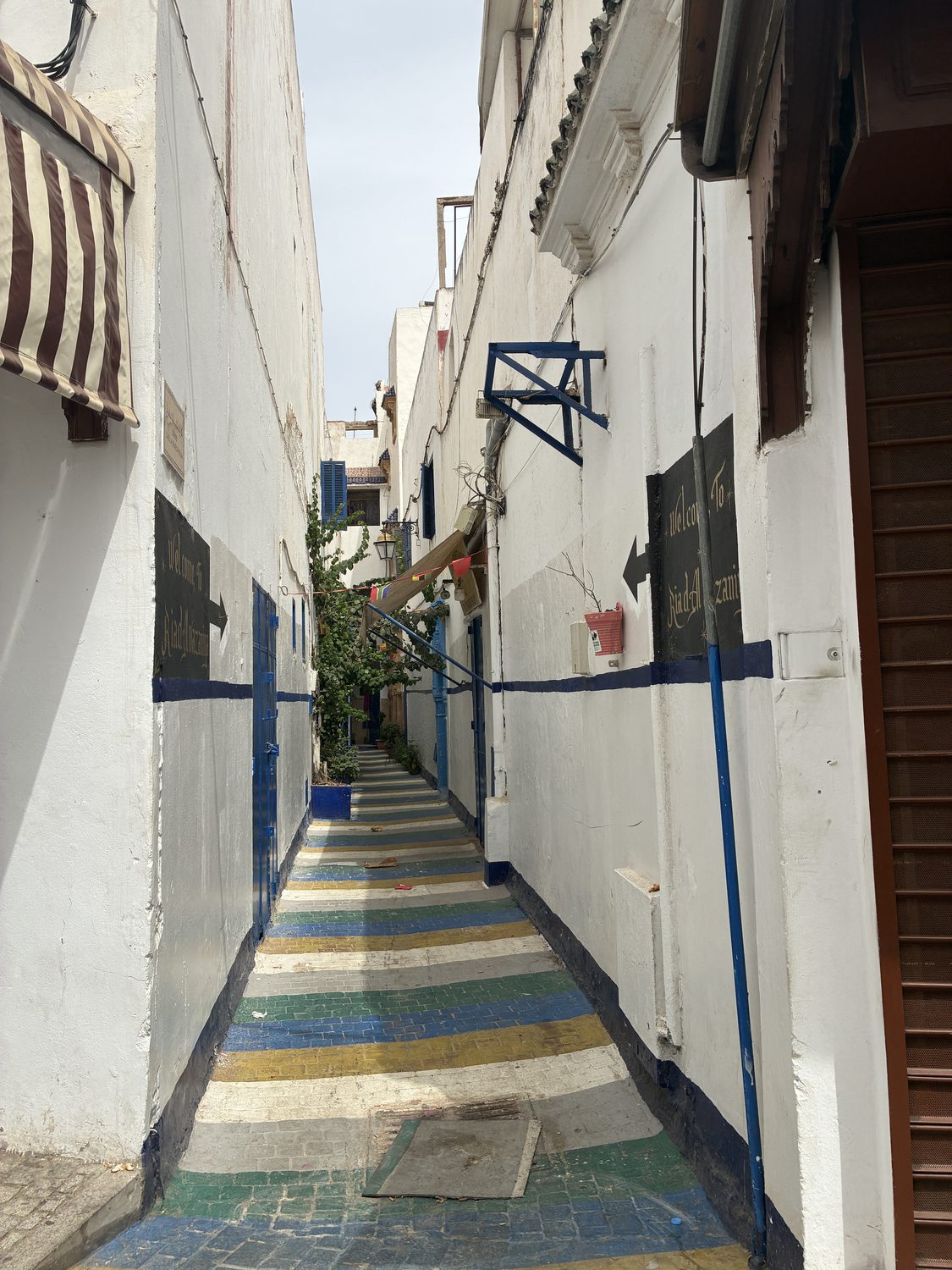
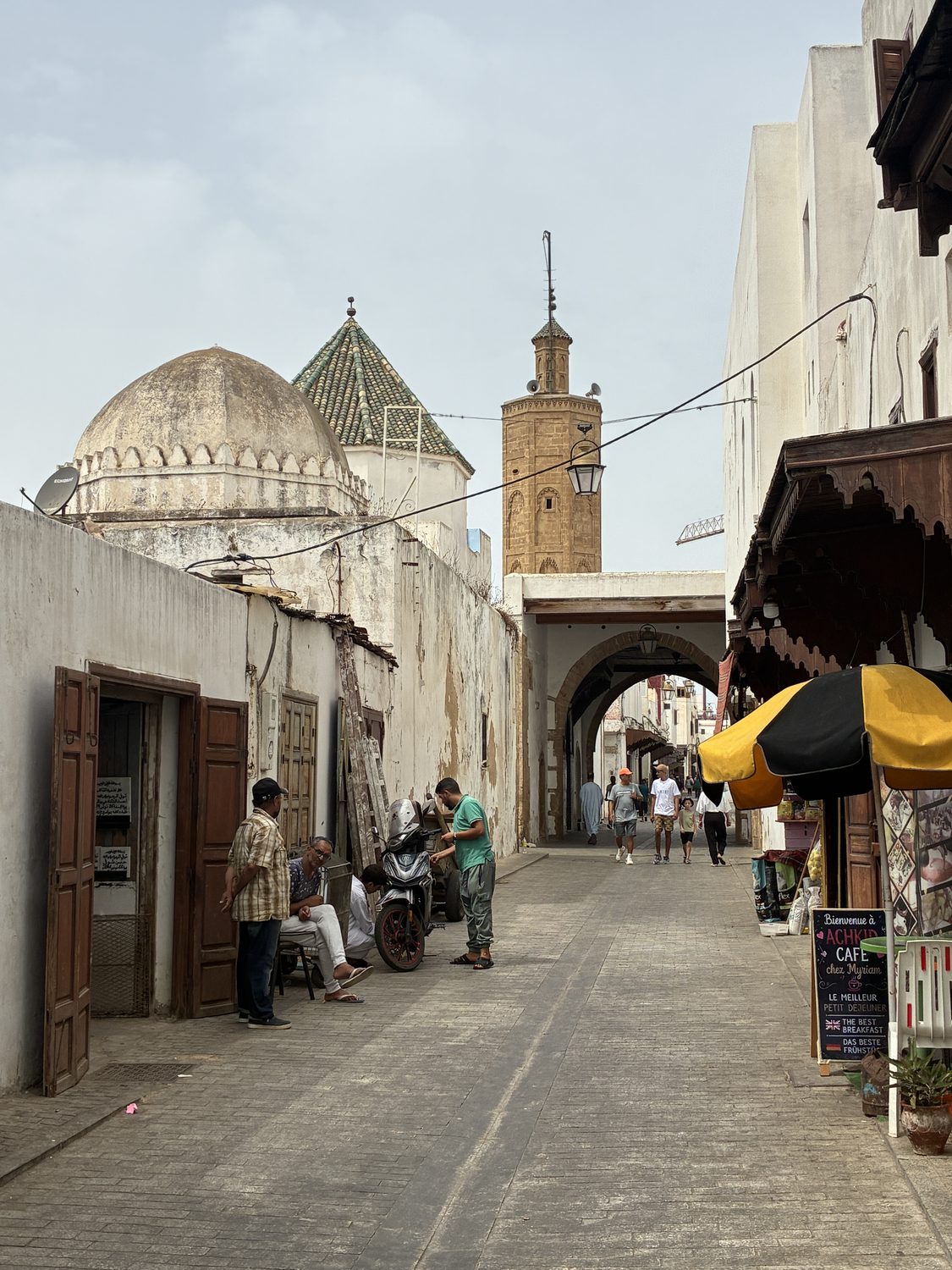


After walking through the medina, I arrived at my hotel, which was actually not a hotel, but a riad, Morocco’s equivalent to a Japanese ryokan. These are traditional forms of accommodation that preserve many of their early cultural features, offering immersive stays rather than a modern hotel experience. A riad is a traditional Moroccan house or inn centered around an open air central courtyard, and often an indoor garden, intended to provide a quiet and serene sanctuary from the outside world.
That certainty is the case for Riad Khadija Mille et Une Nuit (a thousand and one nights), where I’m spending the night, right in the heart of the old medina, along a small secluded alleyway.

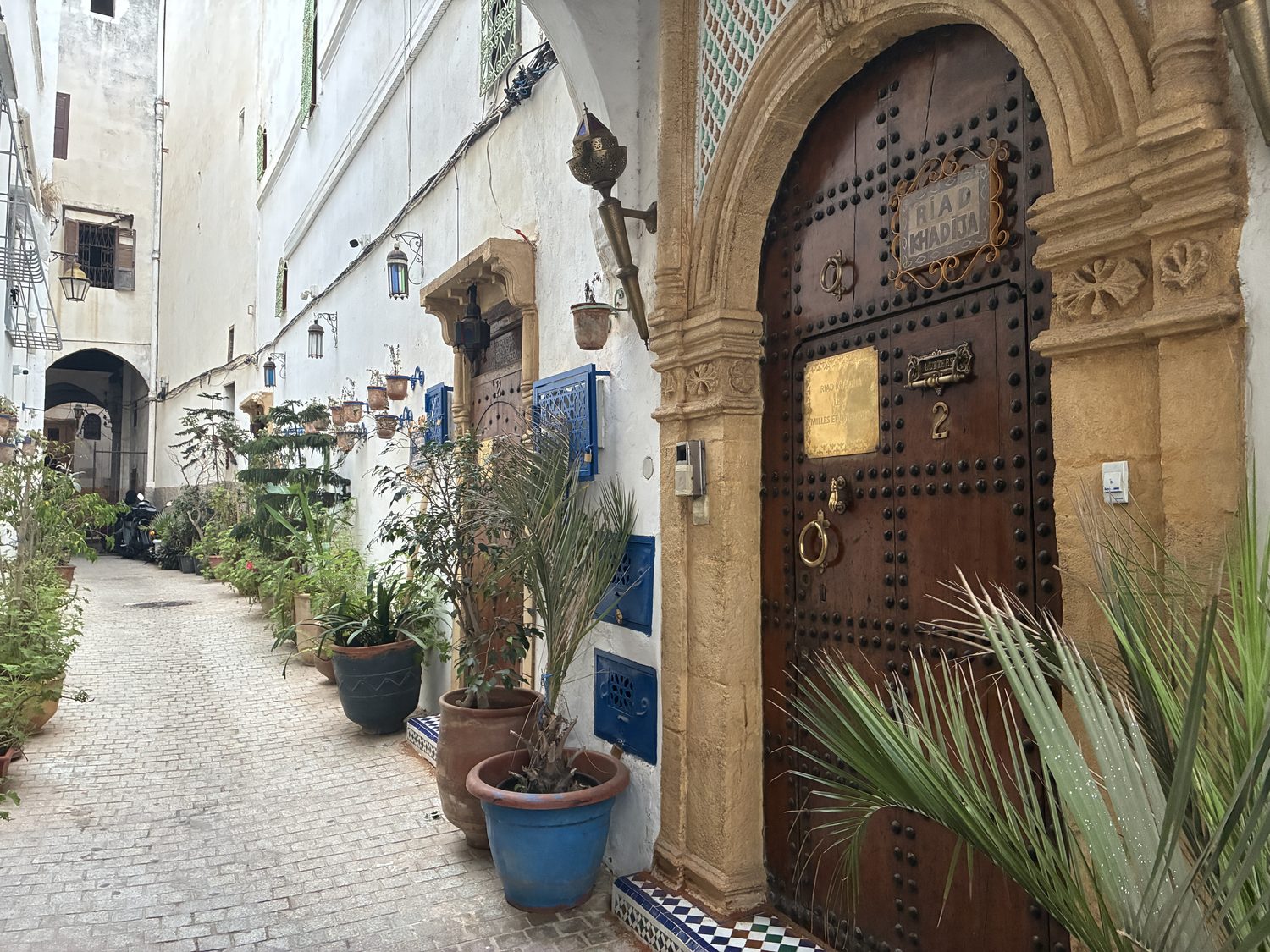
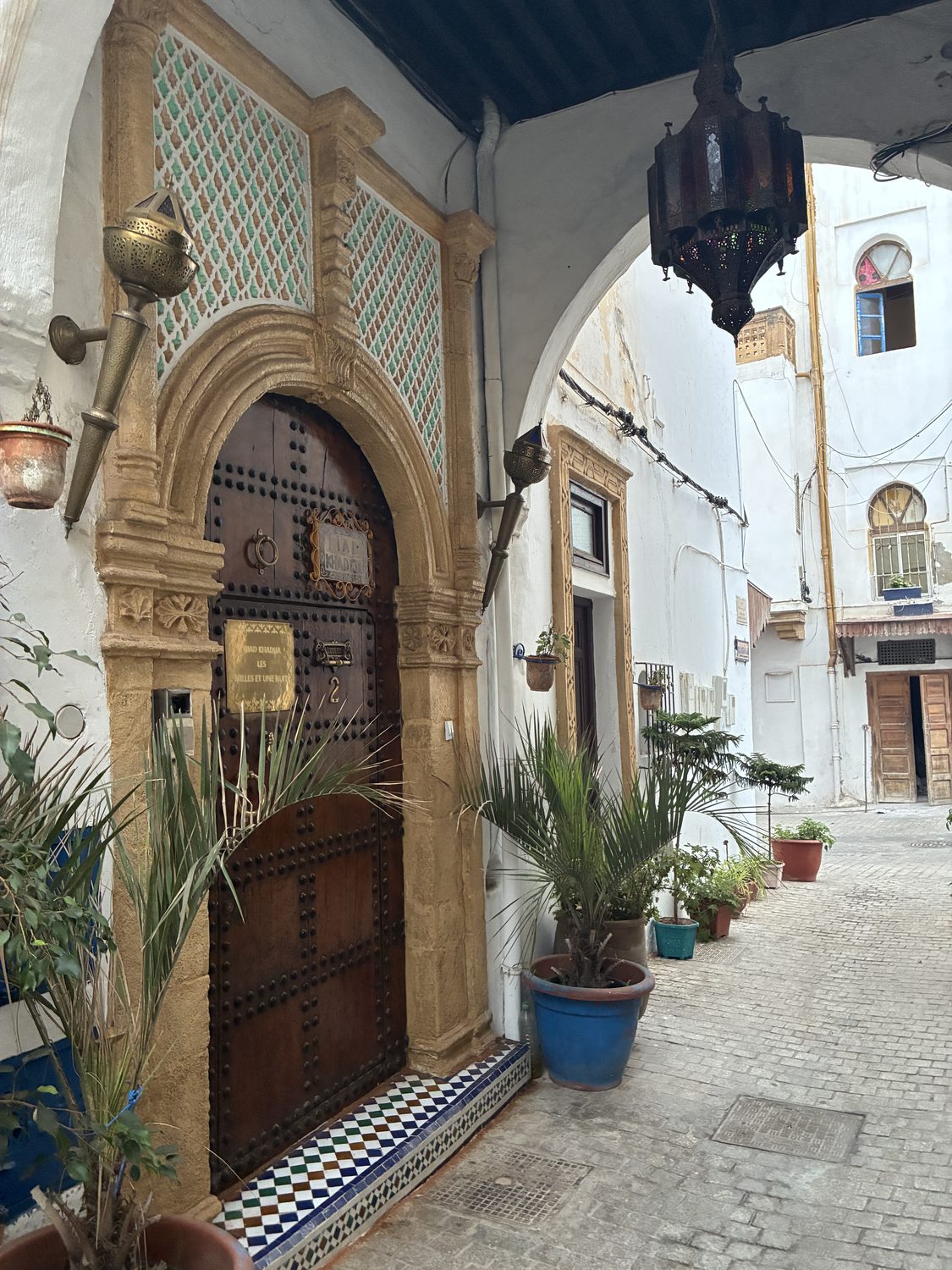
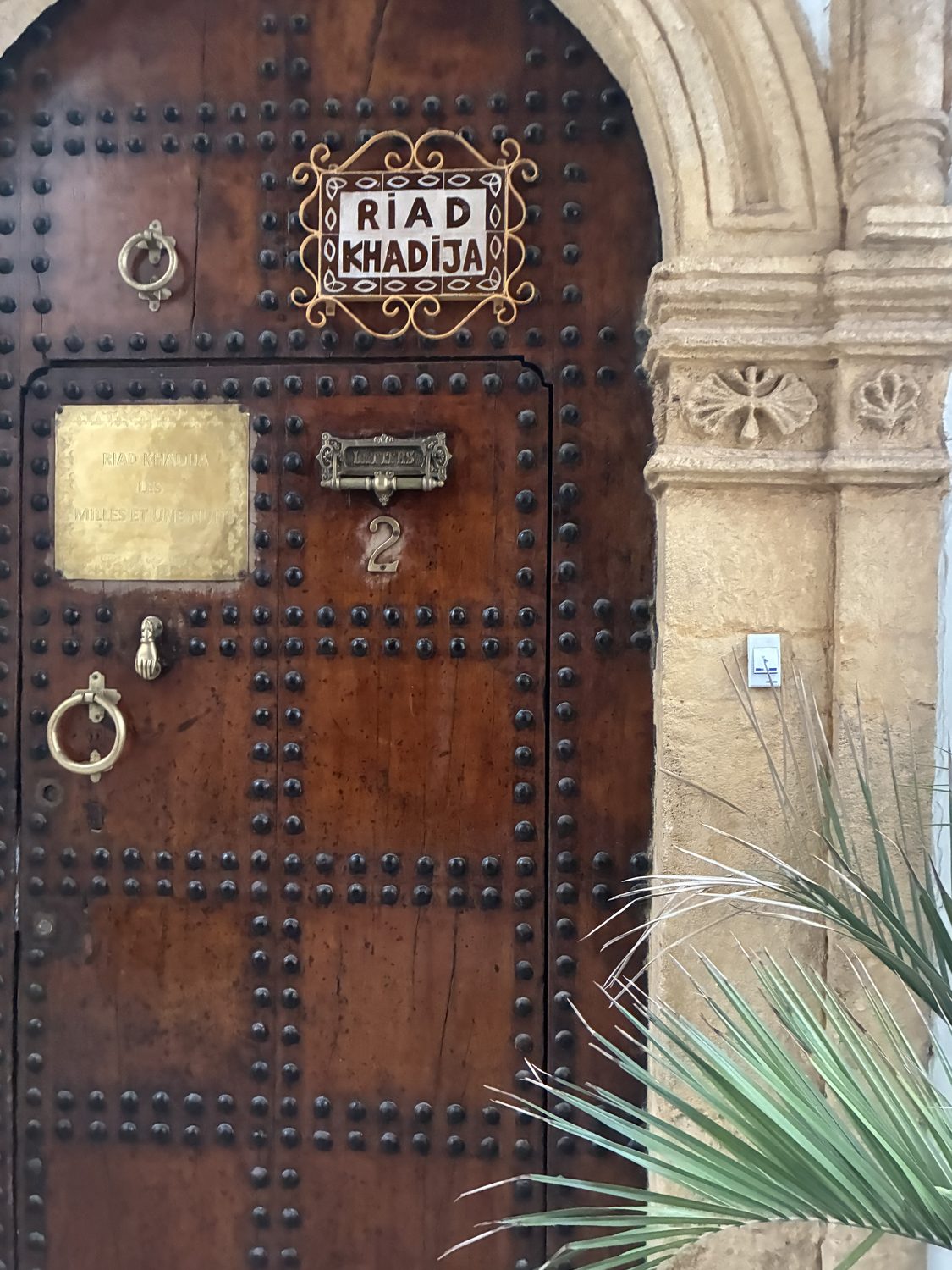
What a lovely place. It was secluded and serene, and my room was off the center courtyard, which was wonderfully decorated and bright, open to the sky, although covered by a skylight. My room was small, but an okay size, and equally nicely decorated in traditional tile. It even had air conditioning.


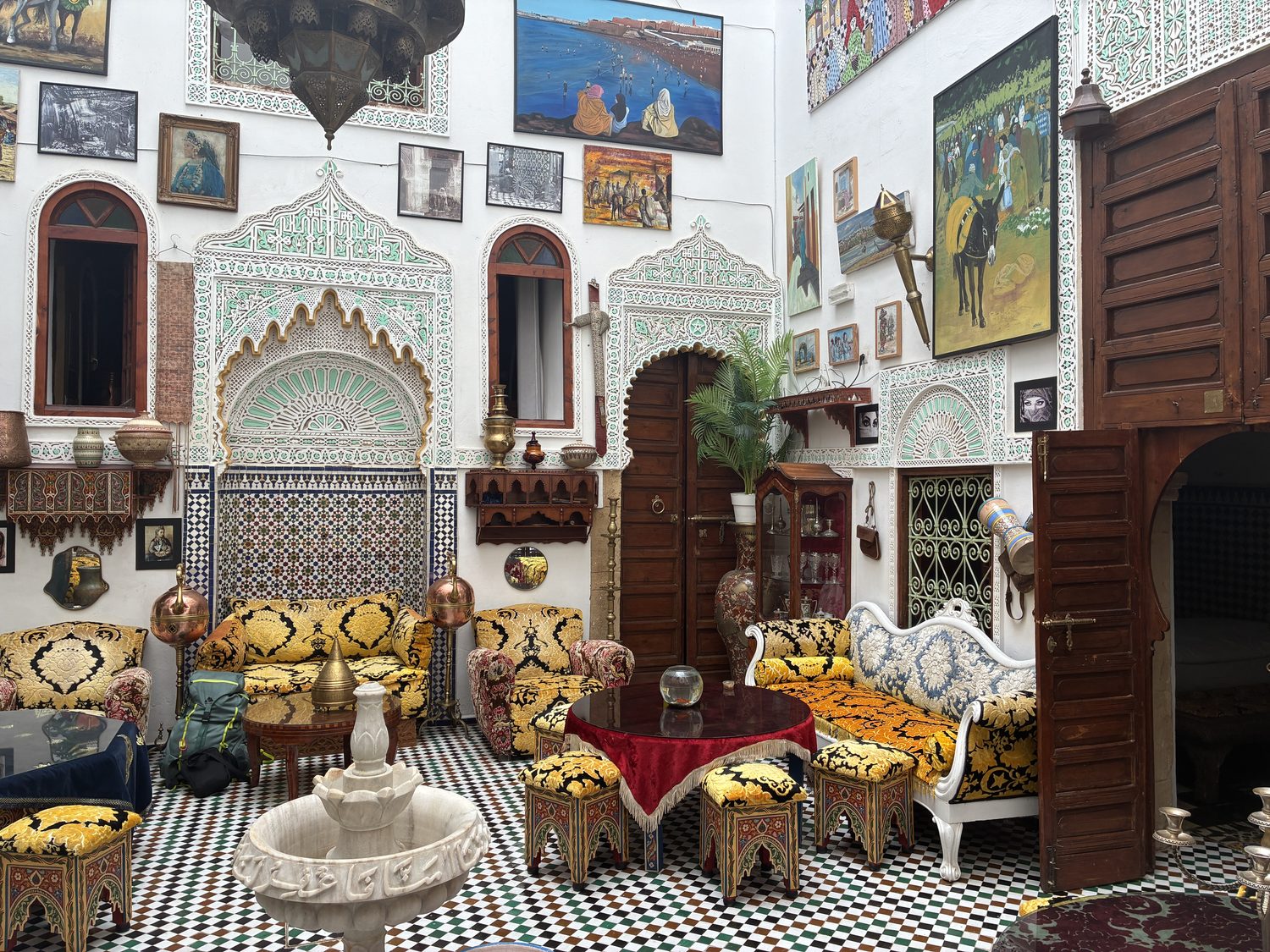
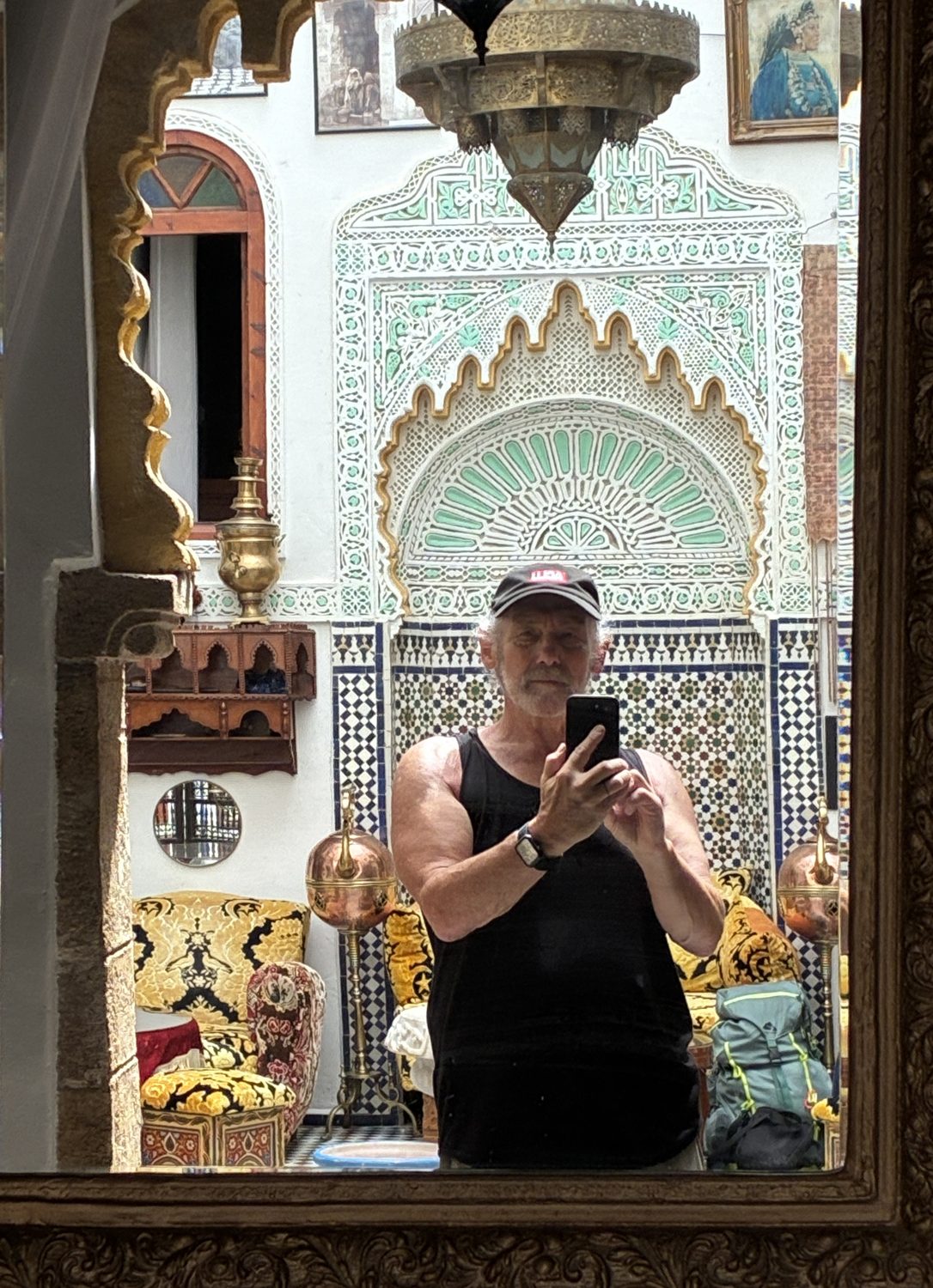


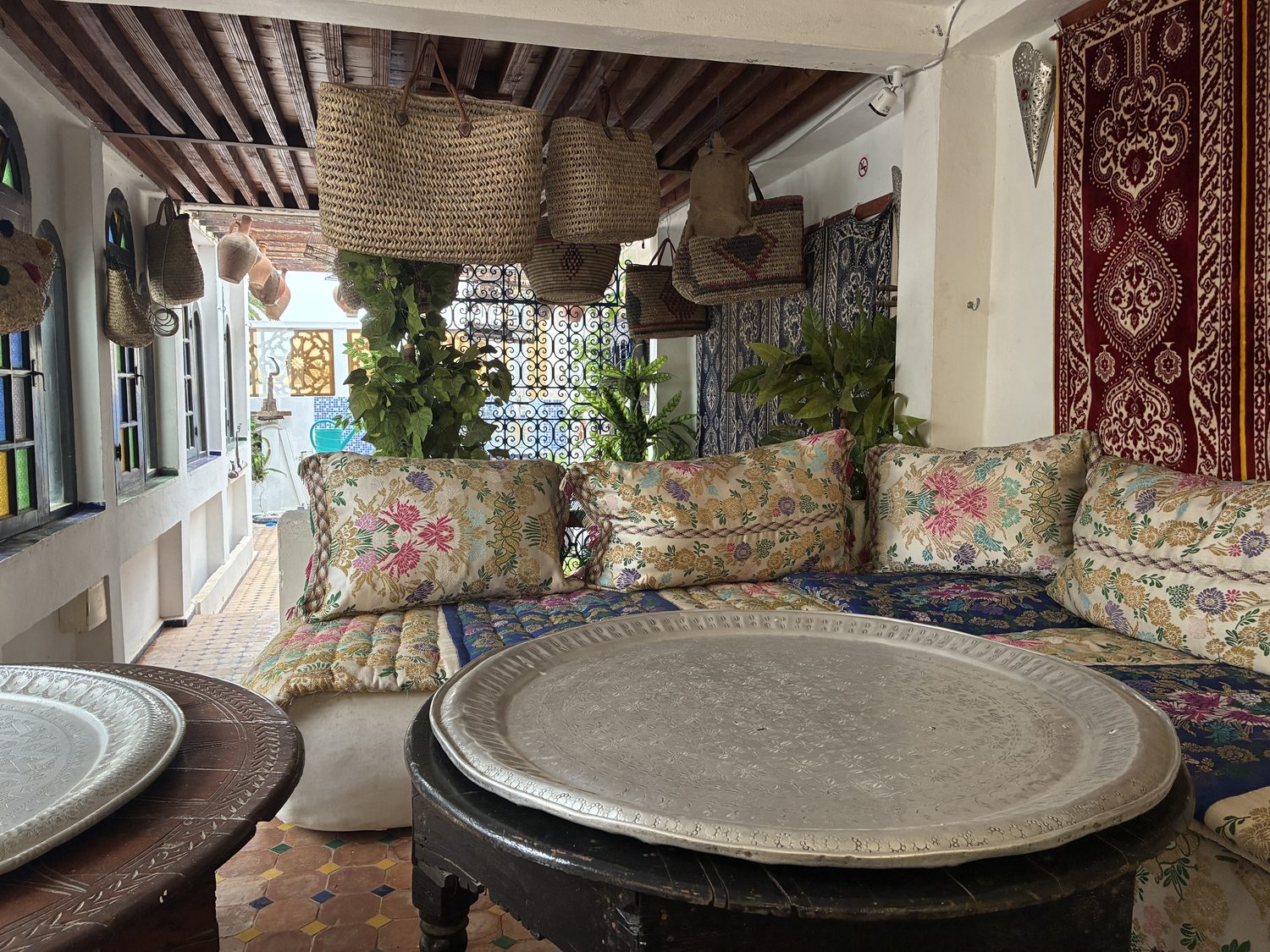
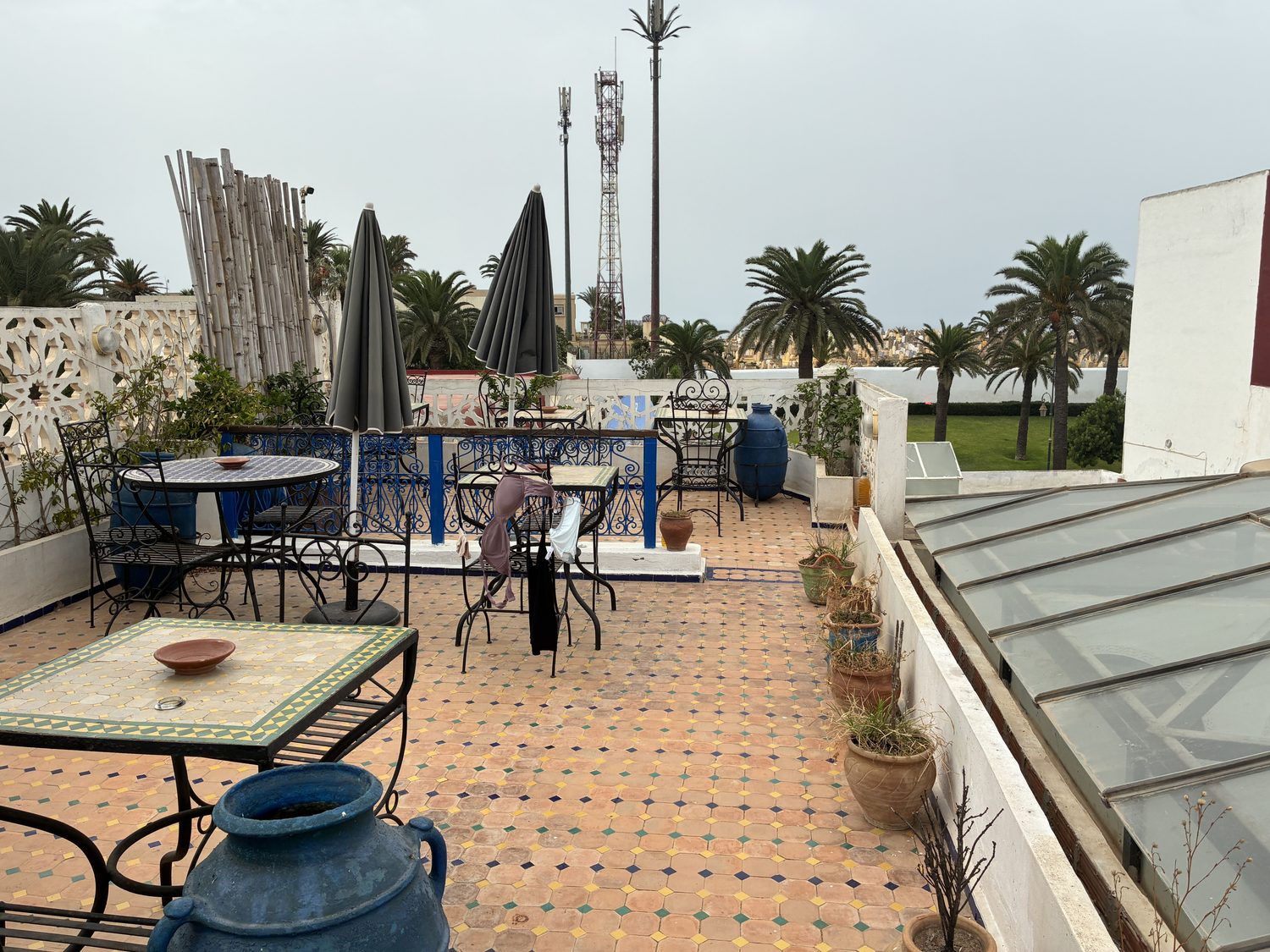
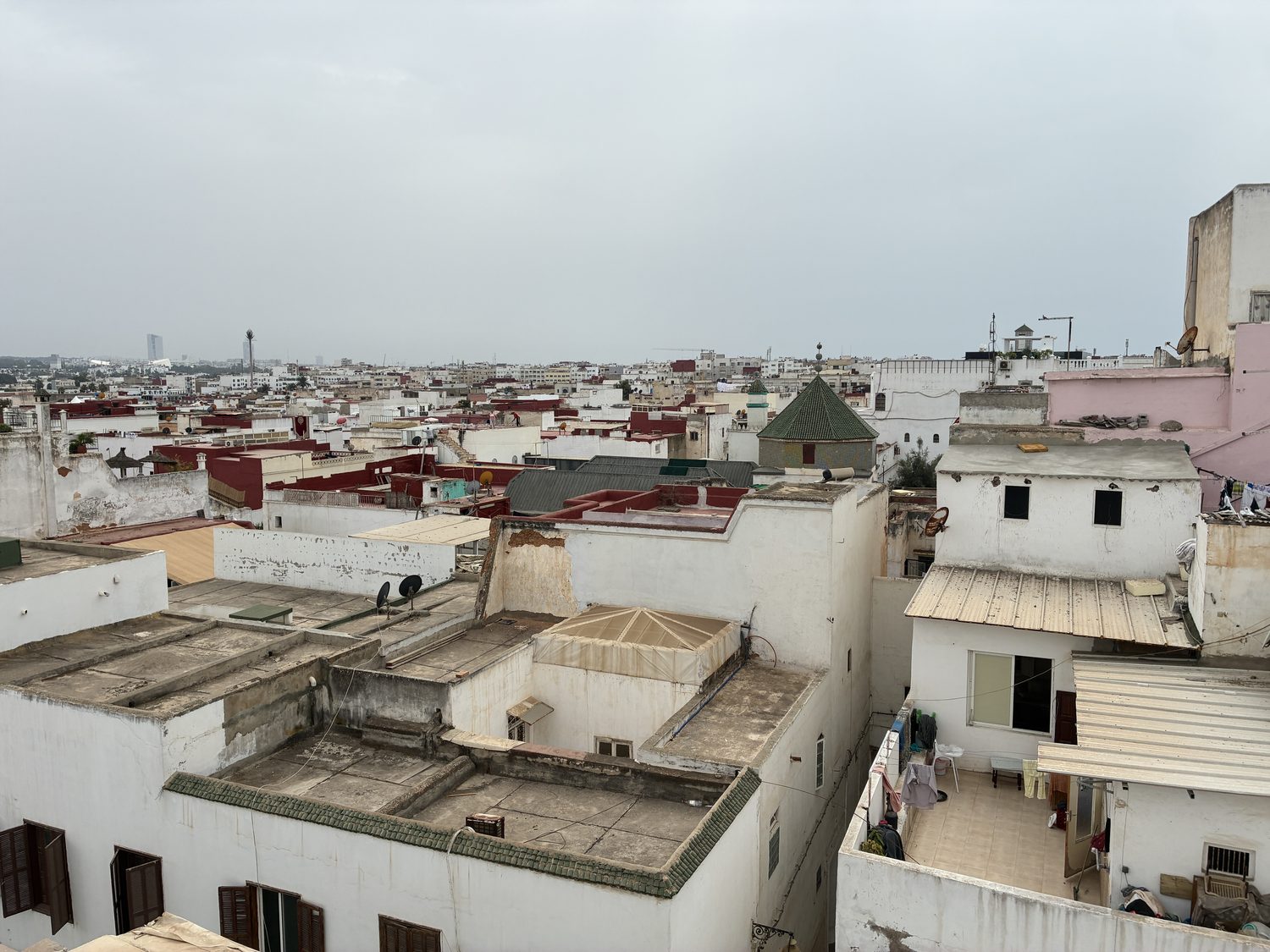
Their are several floors, up small and curving tile stairways, leading to other rooms of various sizes, with traditionally decorated serene and comfortable spaces to sit and relax on each floor, and finally leading to an open roof area with seating and tables (although not so pretty,) with views of the medina and city below.





Once settled and after a shower – it was hot and I was sweaty, especially after walking with the backpack – I walked around the medina some more, and then outside of the medina, heading for the Kasbah of the Udayas, a fortified fortress atop a hill overlooking the Atlantic and the Bou Regreg River estuary, built in the 12th century.


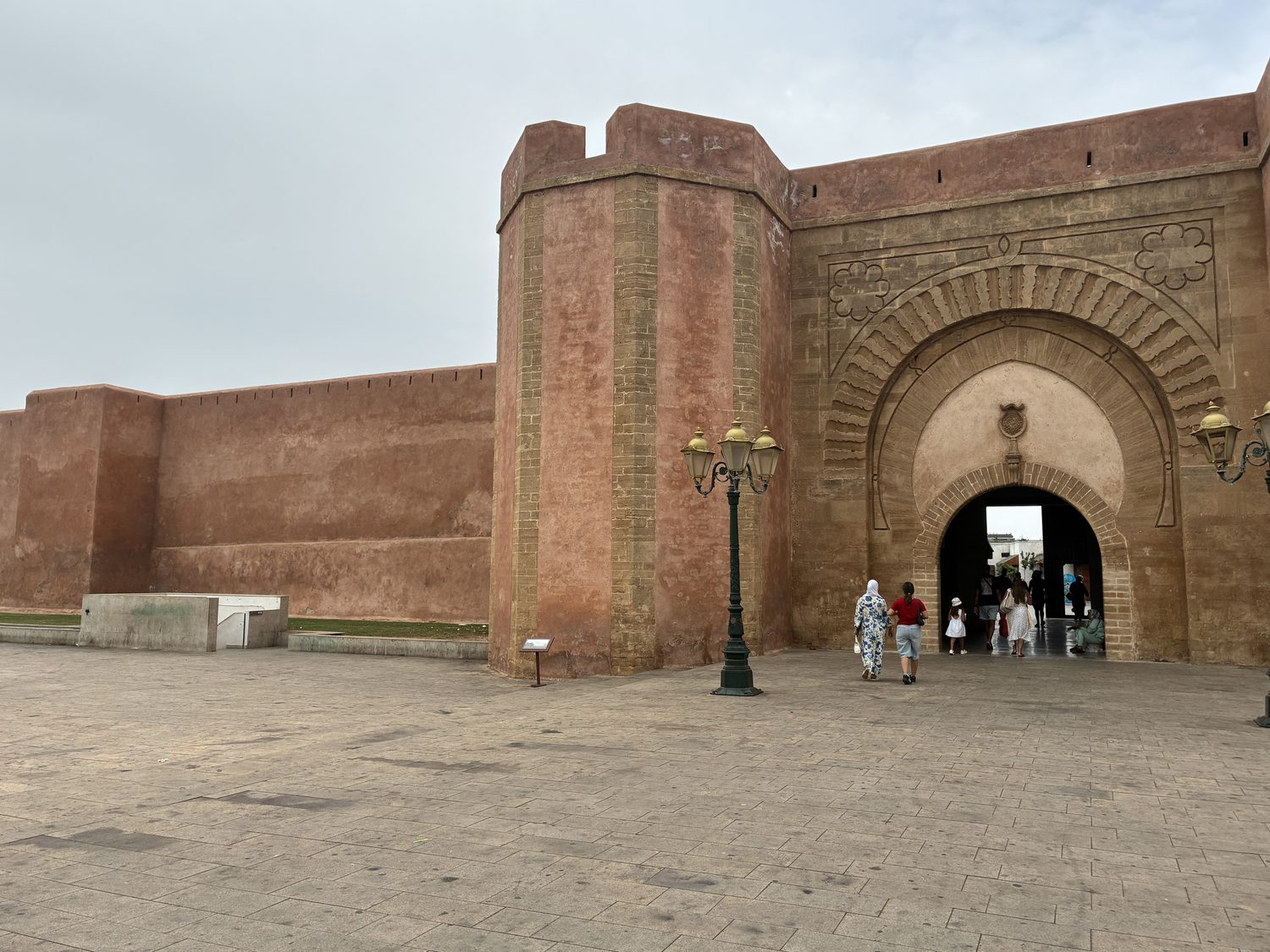
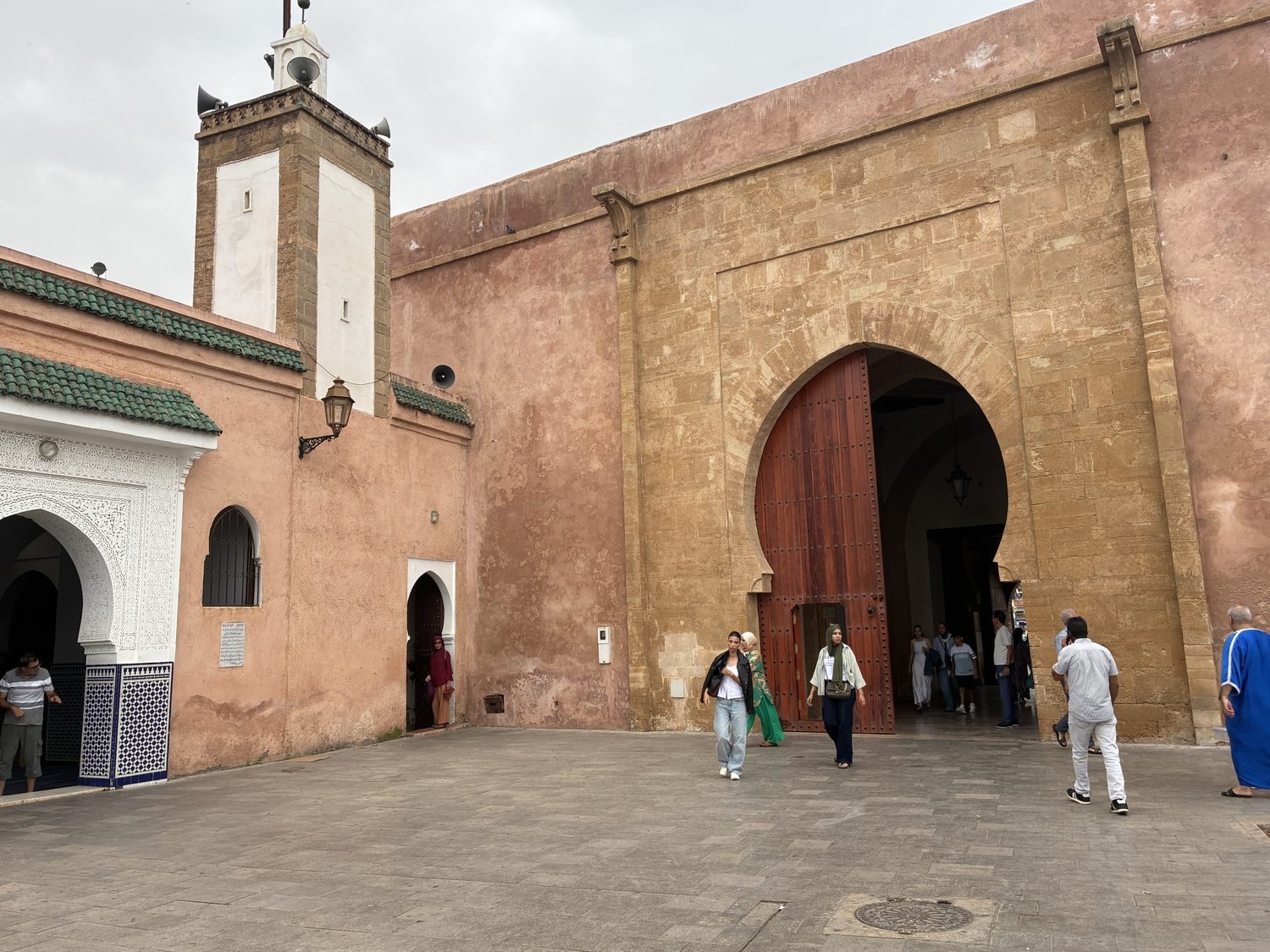
Outside of the medina, I walked to the towering Kasbah of the Udayas, and toward Salé beach, a large beach area on the Bou Regreg River estuary and the Atlantic, and obviously pretty popular.


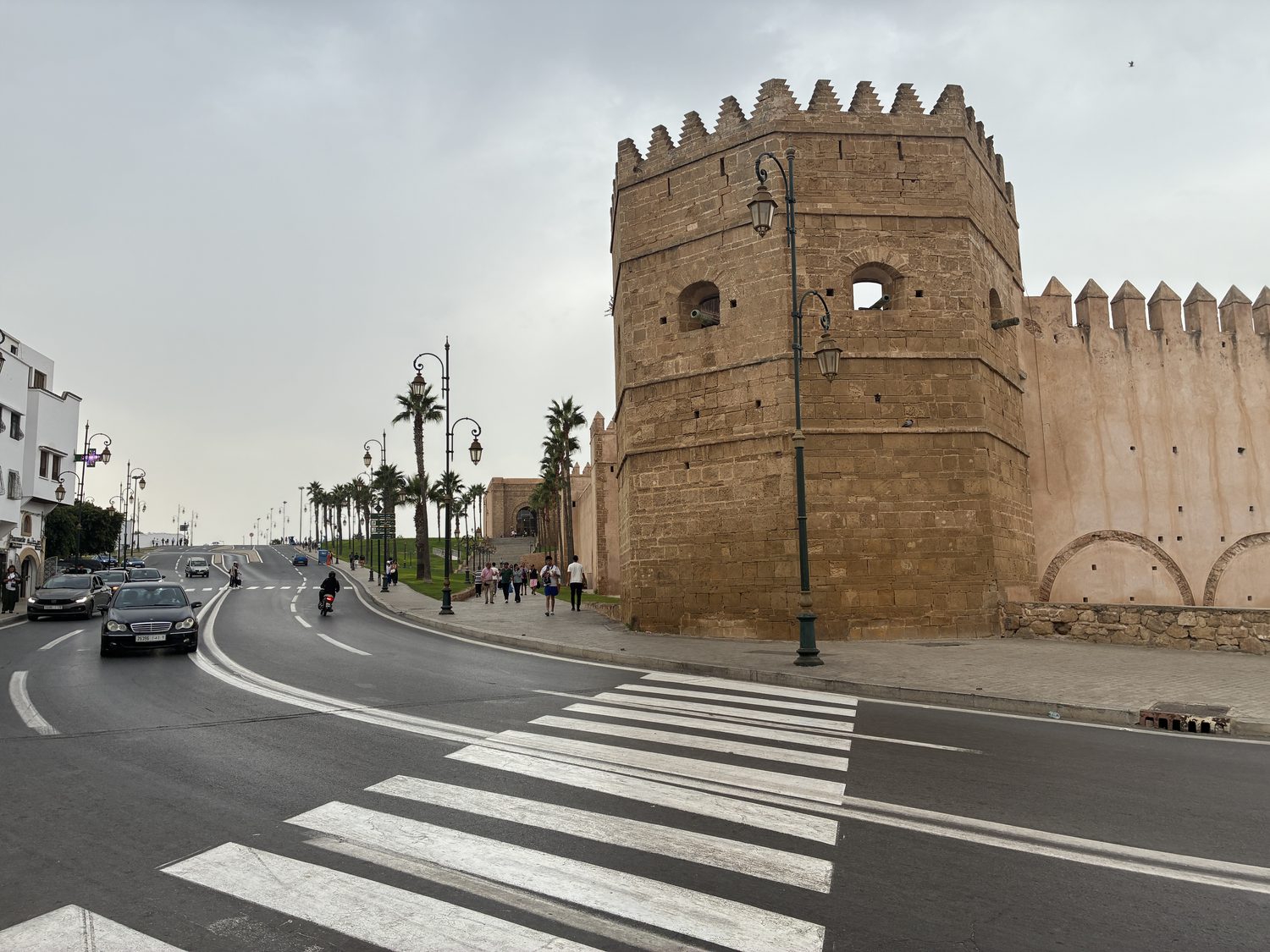


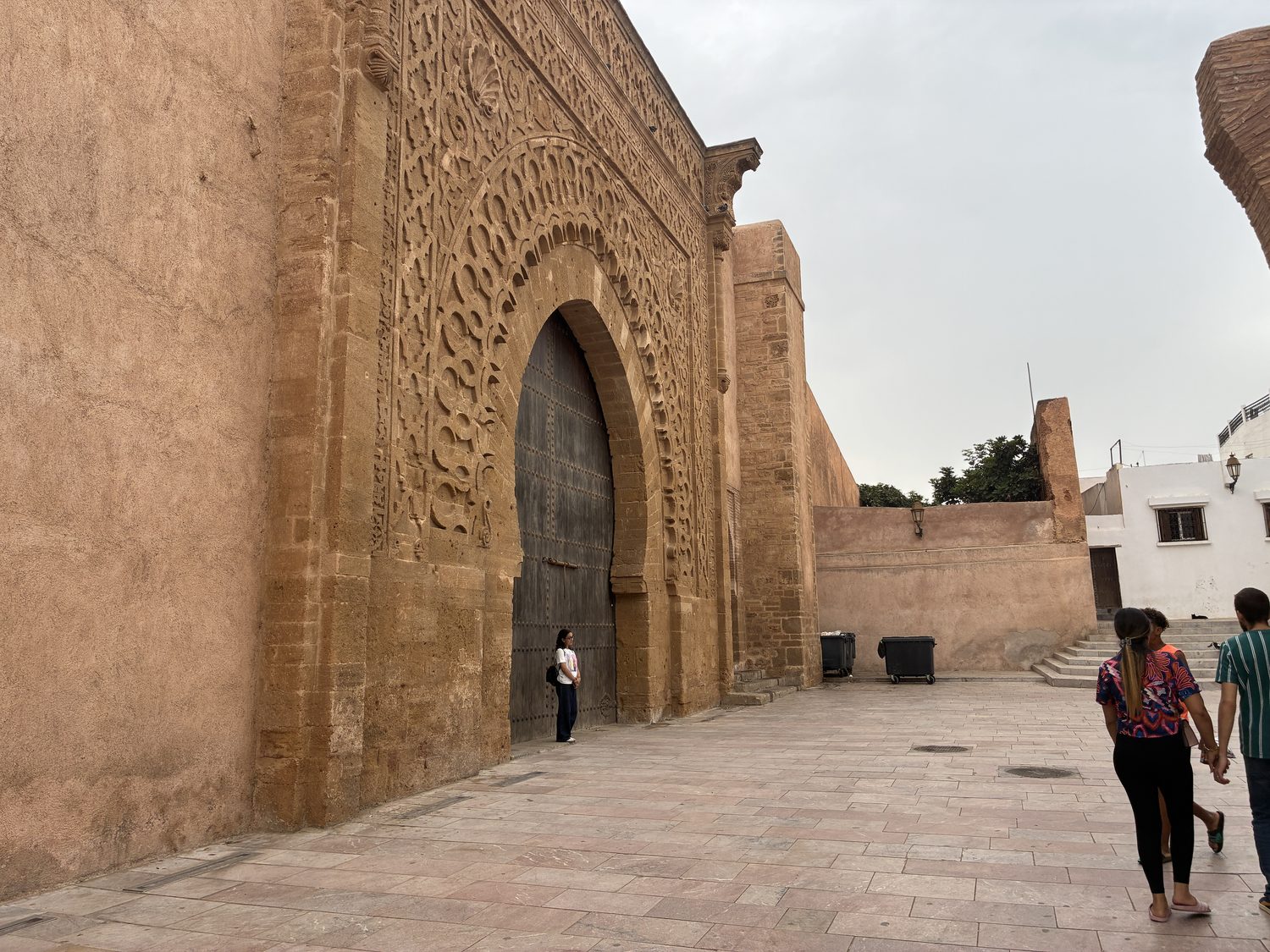
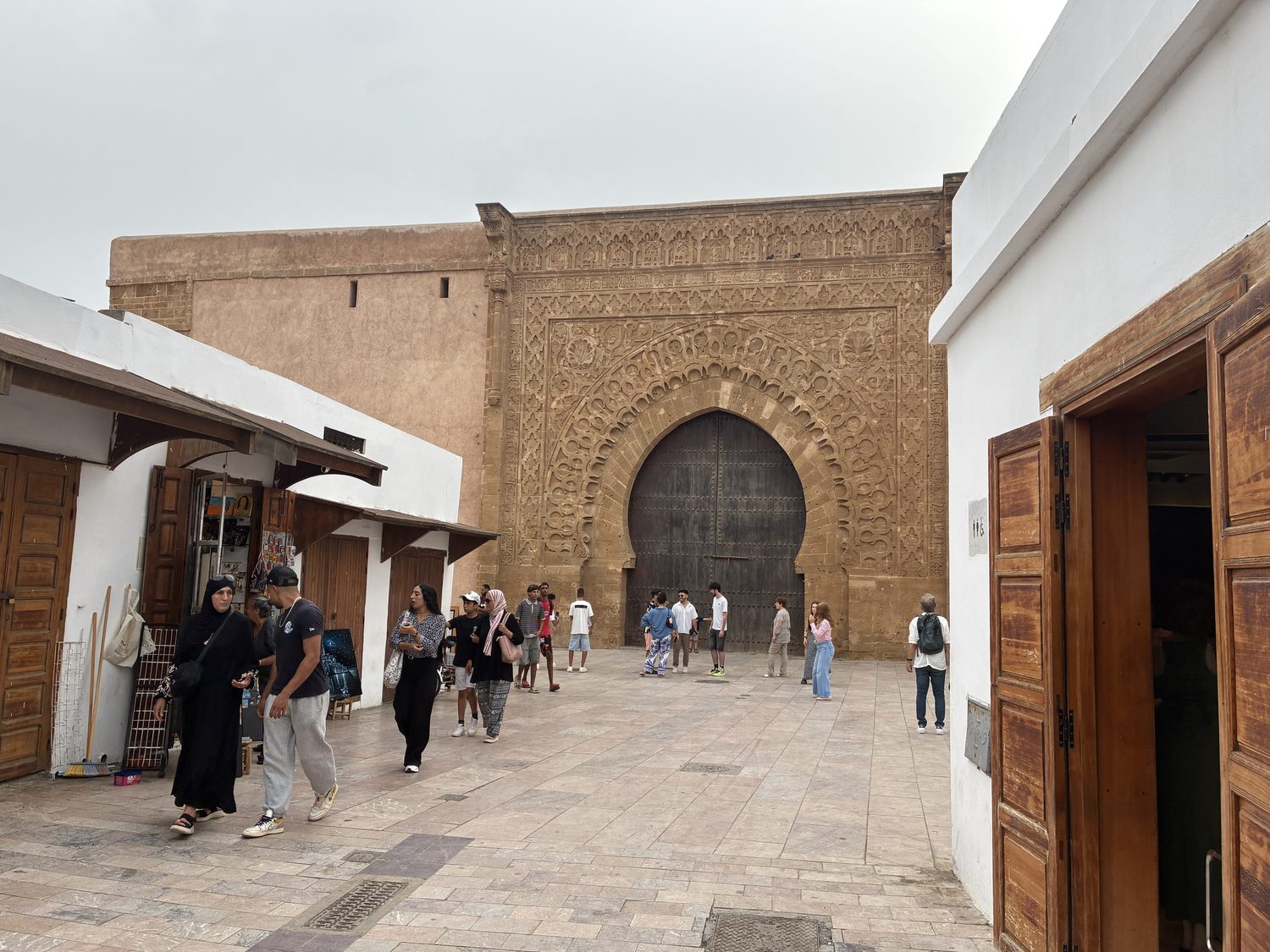
Inside the Kasbah are beautiful and seemingly immaculate white washed homes and buildings, on plazas and along snaking alleys, and leading upwards to wonderful views of Salé beach below, and the Bou Regreg River and Atlantic.


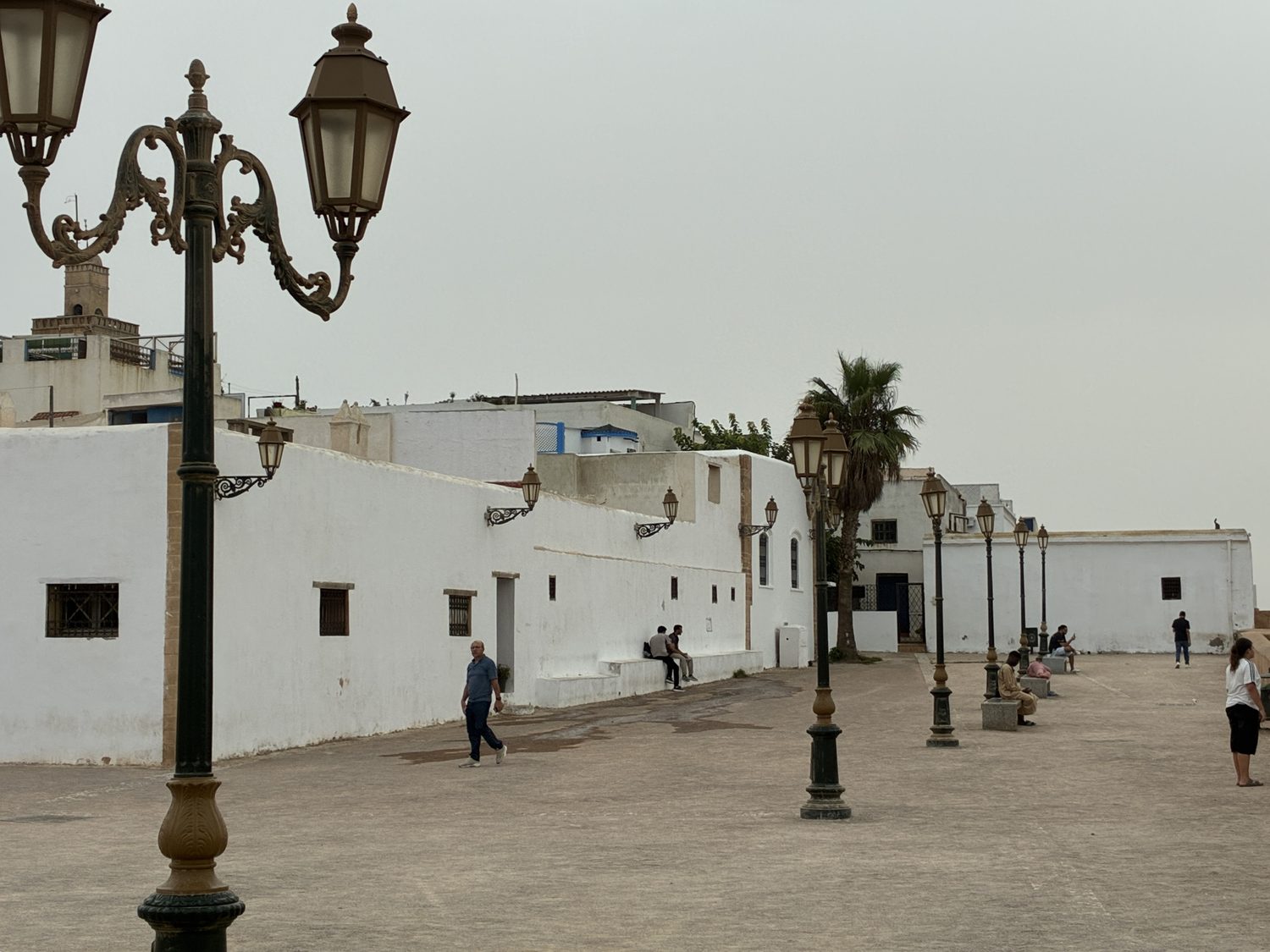


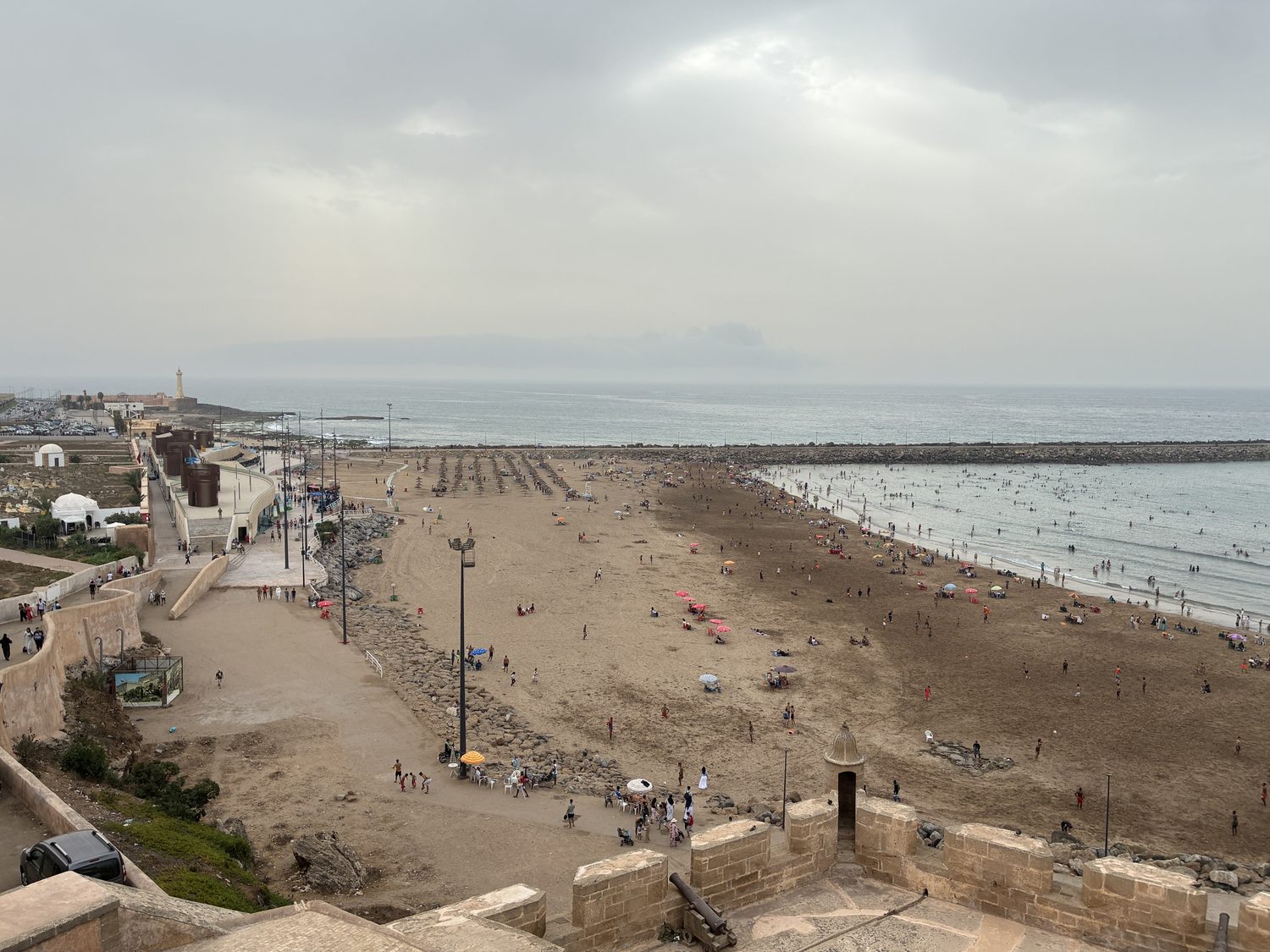

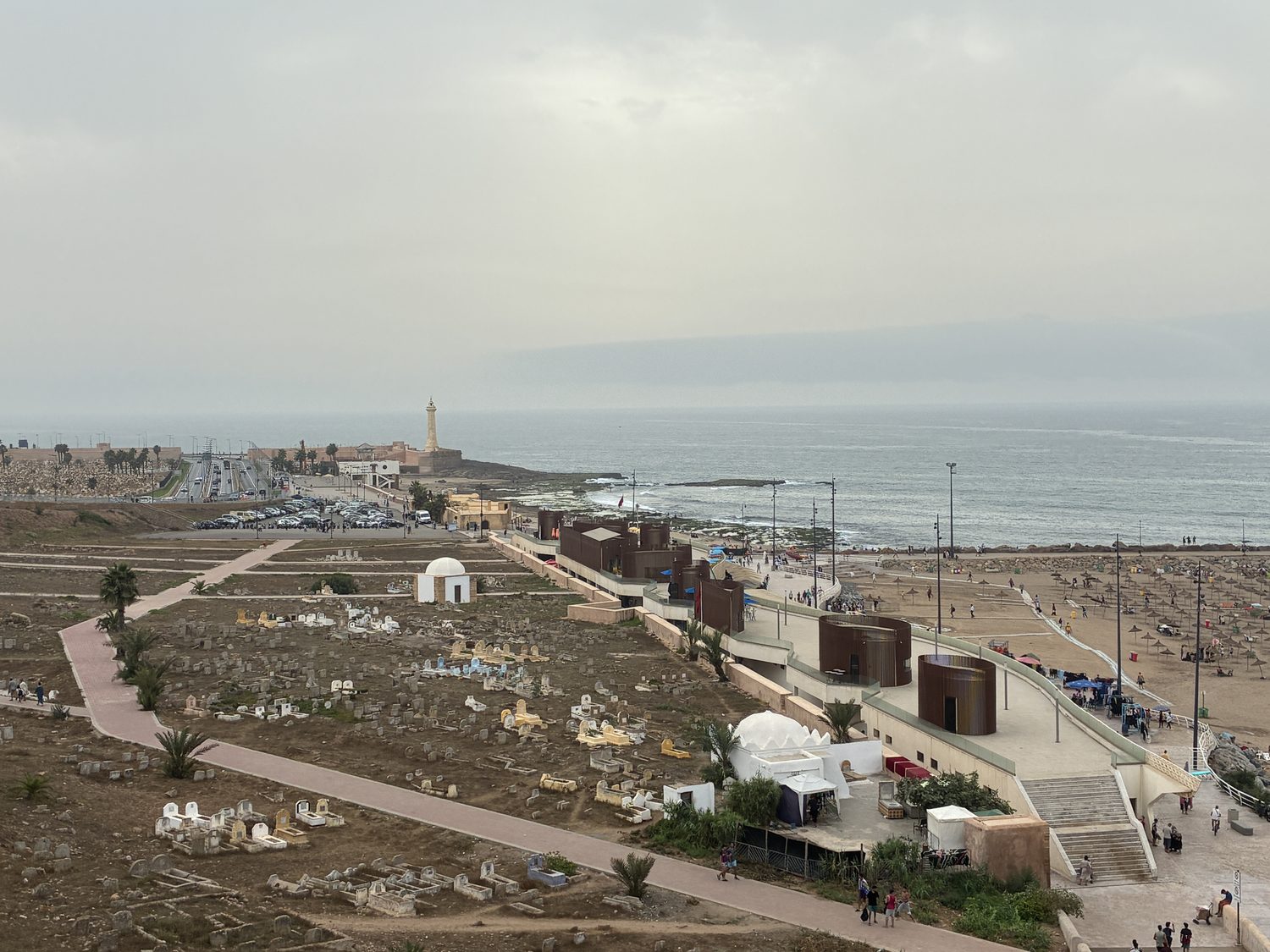

I headed back the the riad, planning to come back and visit and explore the Kasbah some more in the morning, as well as the Andalusian Gardens, historic gardens within the Kasbah, but closed by this time of day, just after 6. I have plenty of time tomorrow as my bus to Chefchaouen, a small city in the Rif Mountains, about 150 miles from Rabat, doesn’t leave until 3 pm (for a five hour journey).
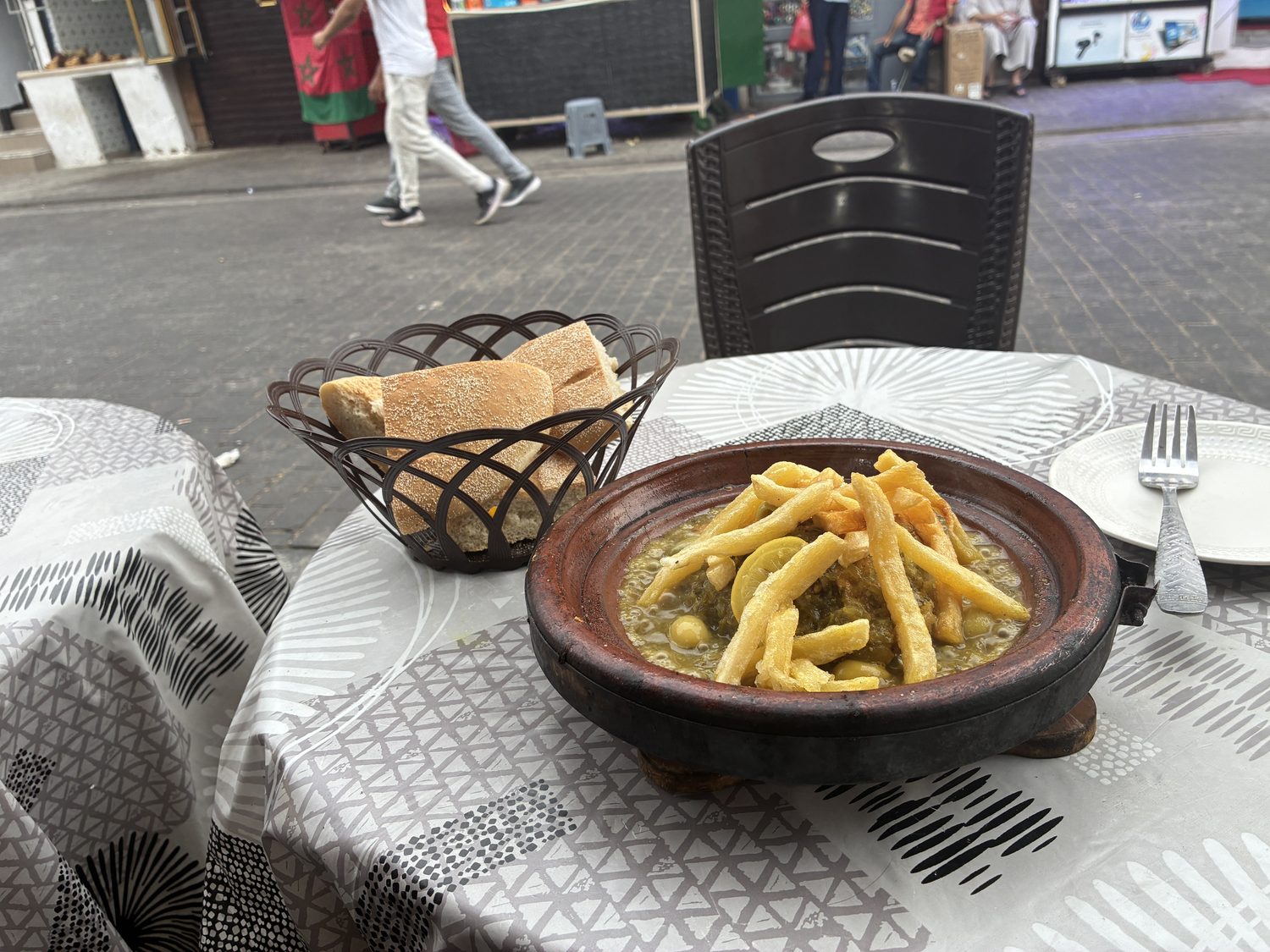
I ate dinner, Chicken Tajine (and french fries) in the medina, which takes a while to prepare as it’s slow cooked in a conical covered clay pot, and headed back to the riad to write this long blog, genuinely a tale of two cities, and then to bed.