Our Lady of Guadalupe, Teotihuacán, and the Pyramids of the Sun and Moon.
What a day. Another in a series of excellent days. I walked to the pickup point for my day trip to Teotihuacán, to visit the Pyramid of the Sun and the Pyramid of the Moon, which sounded exciting and mystical. The day was great, but what made it especially great was our guide, Juan, who was especially good. By the end of the day, I felt we were old friends.
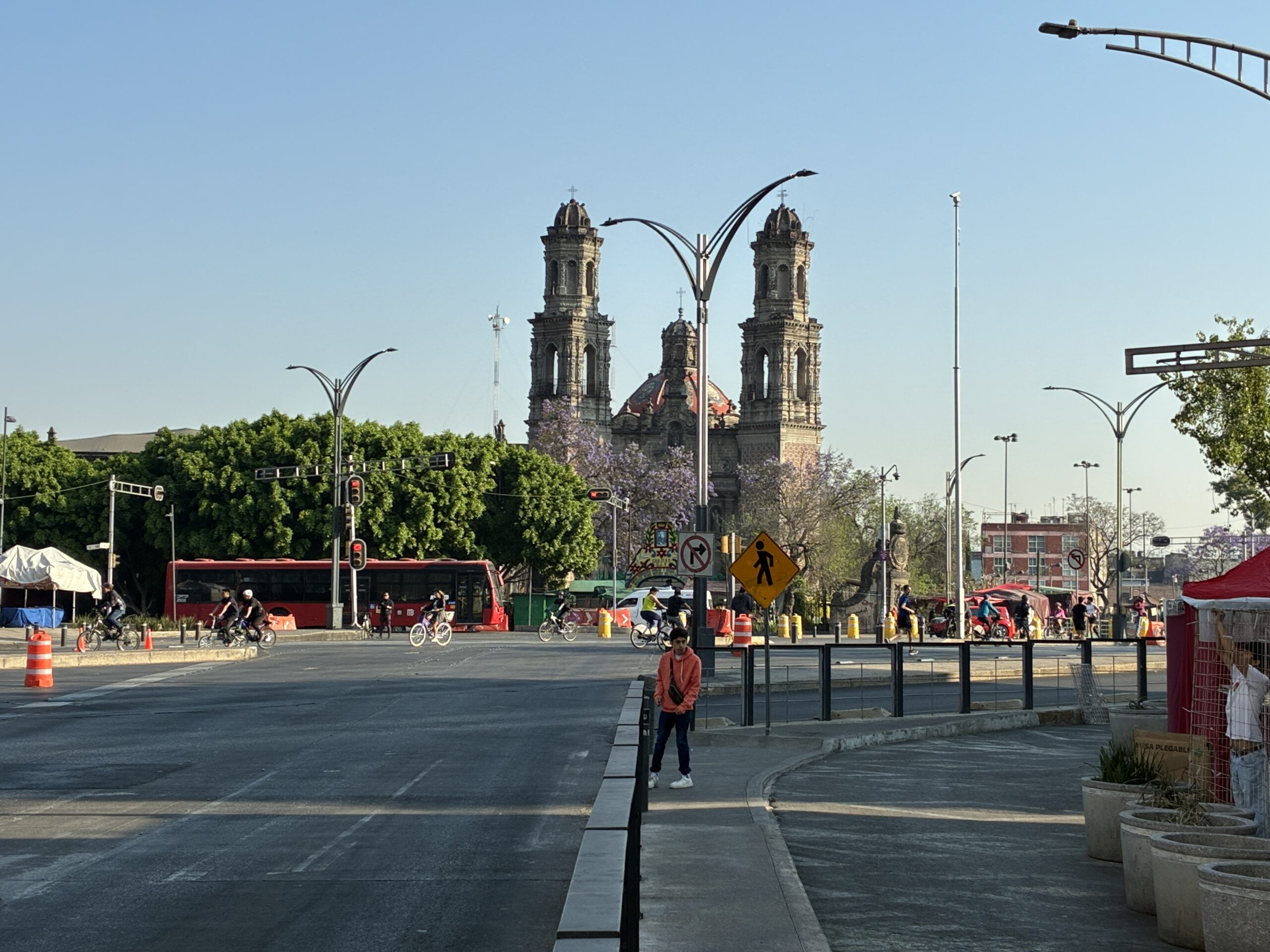
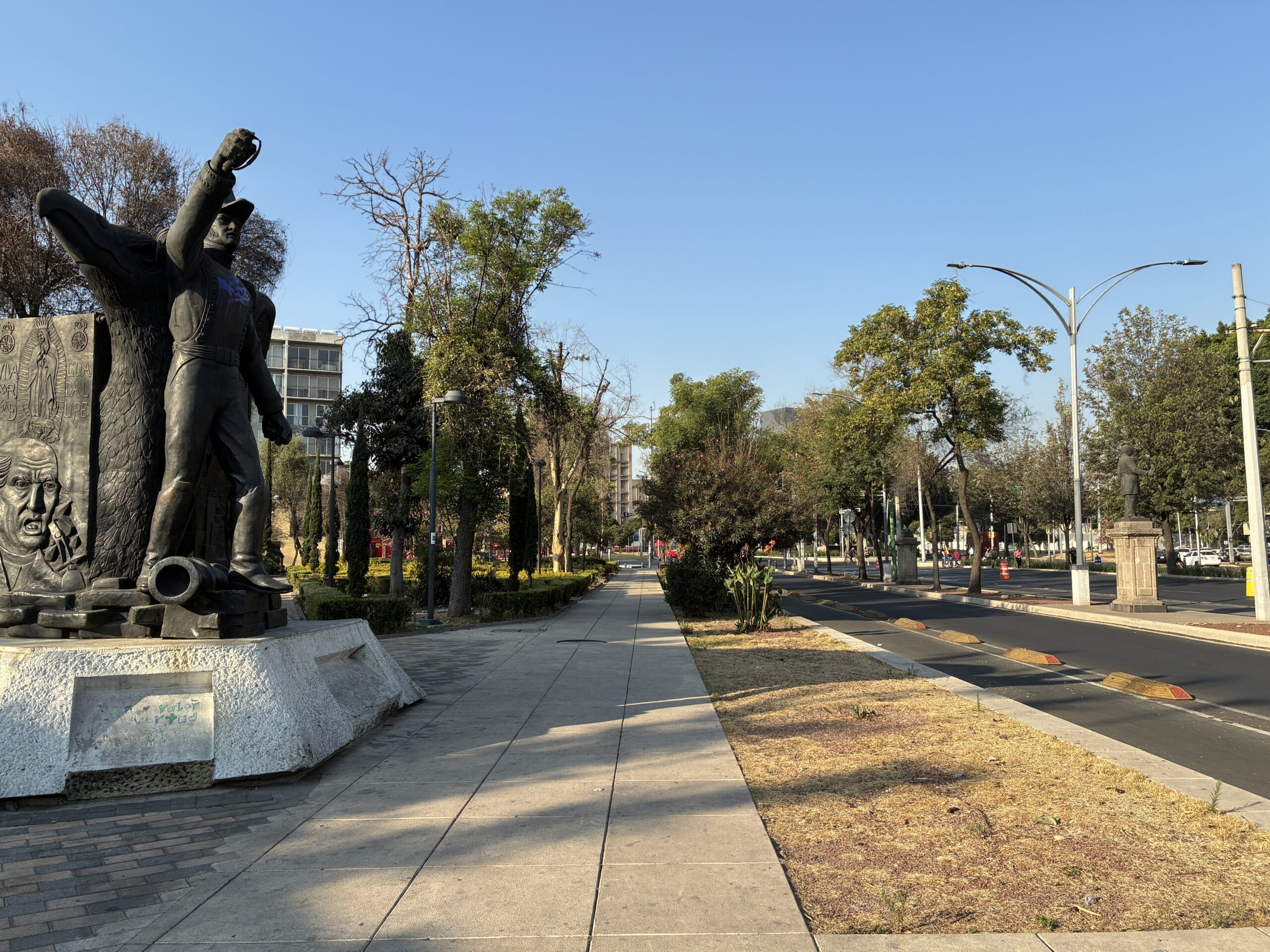
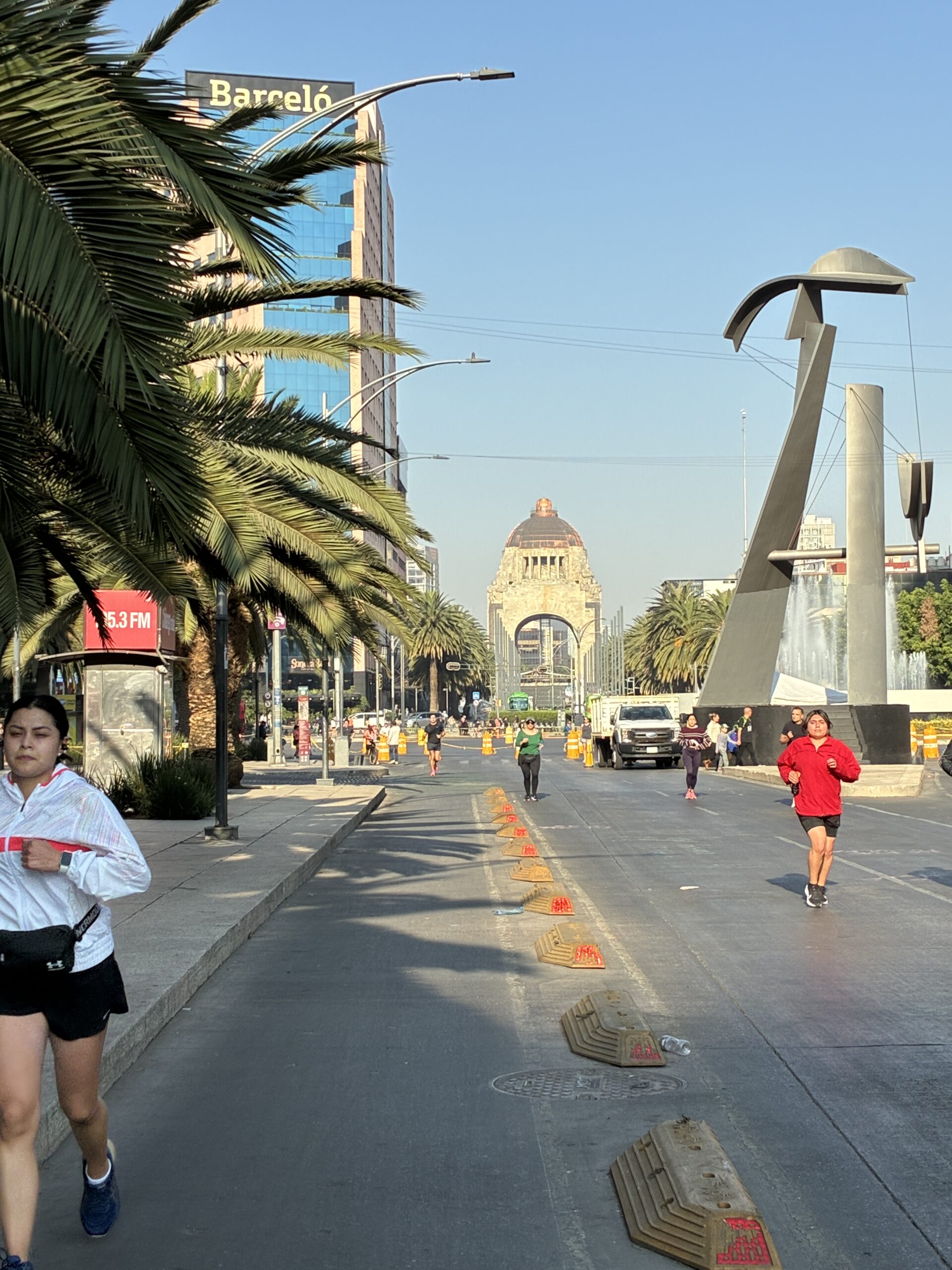
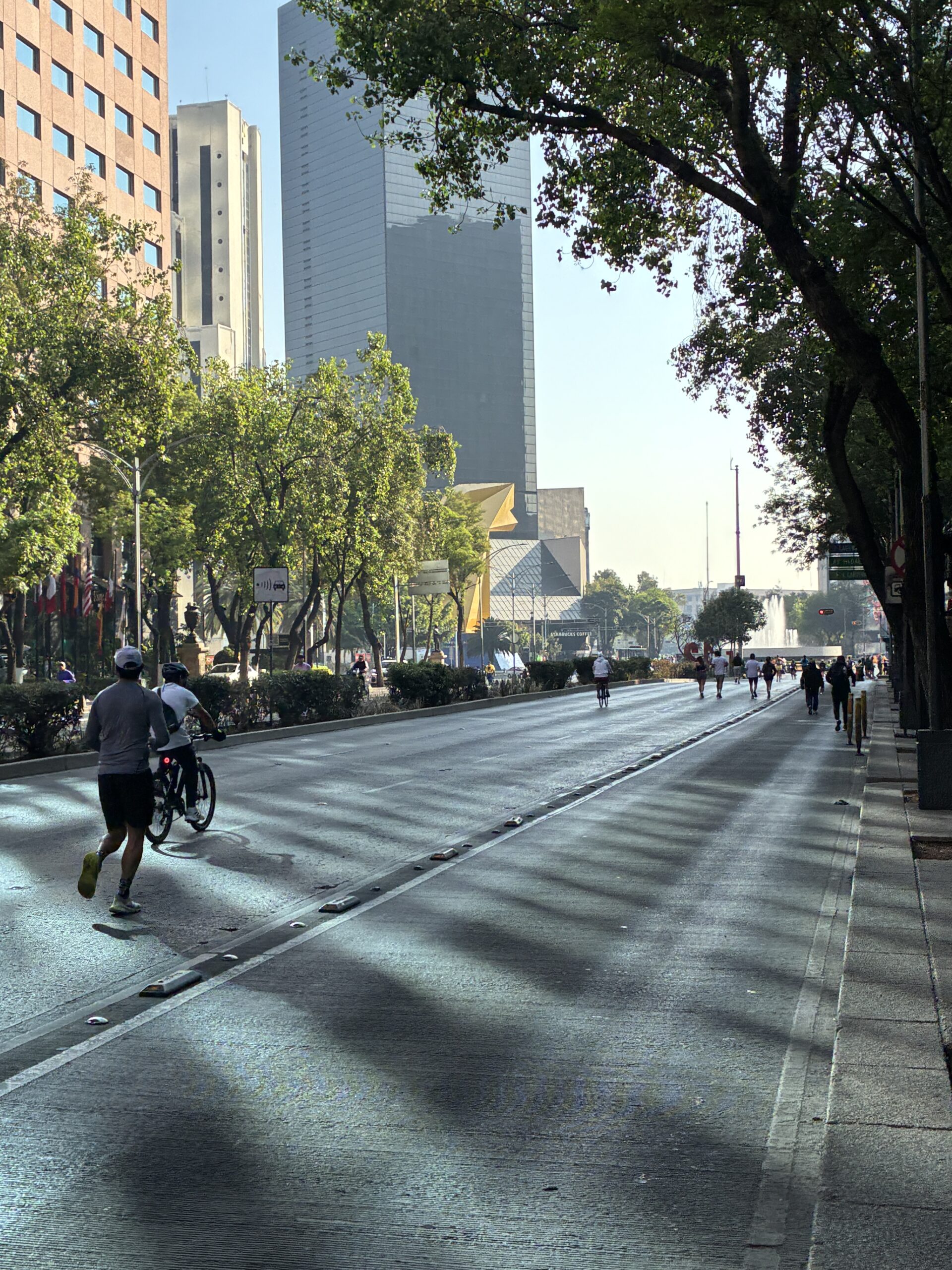
My pick up point for the tour was about 1½ miles from my hotel, so I set out in the early morning streets and enjoyed the walk, and as I followed my map (Apple maps definitely better for walking than Google maps), I was stunned to discover that that long main boulevard, Paseo de la Reforma, which the hop on-hop off bus had taken yesterday, a main center of city life, was literally a few minutes walk from my hotel. There I was, looking at some of the very same sights and monuments I’d seen from the bus, except in person. It was a lovely surprise. Until now, I just wasn’t well enough oriented to recognize that the twists and turns the hop on bus had taken wound up passing right through Lagunilla.
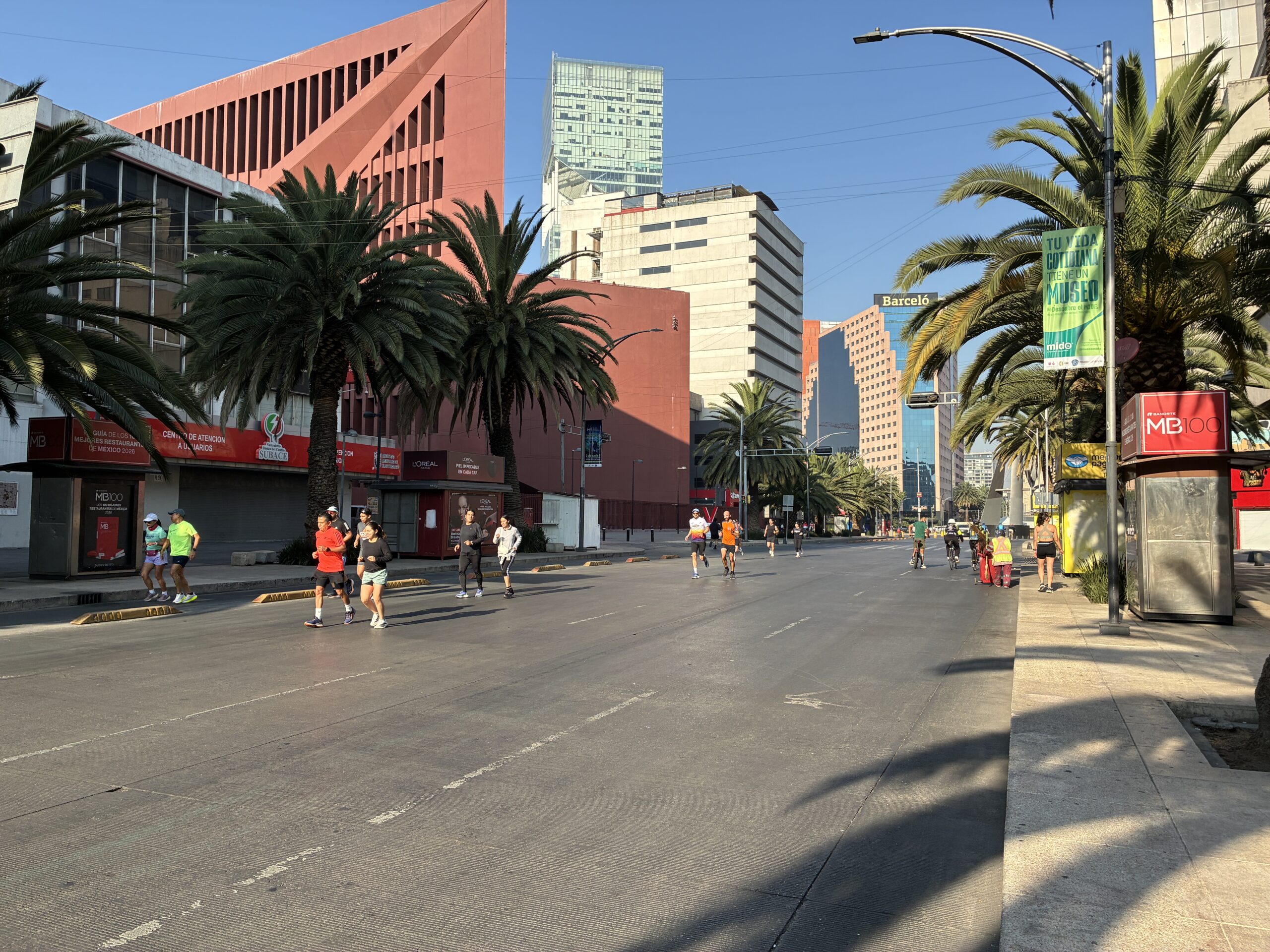
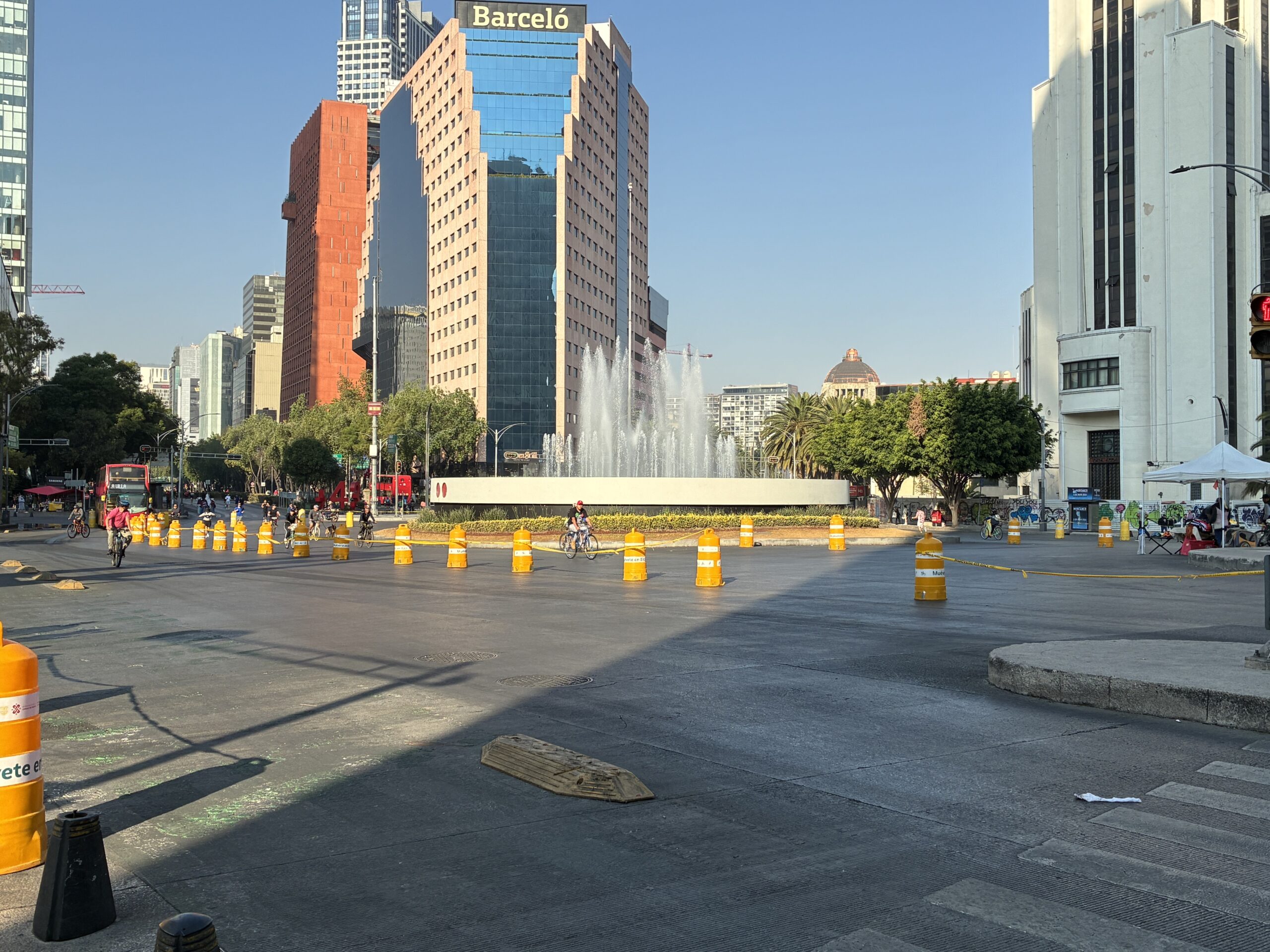
Until then, I was simply enjoying the walk, passing along beautiful, sunny, and relatively empty streets, with runners and skaters heading down a main road closed to traffic on Sunday mornings. As I didn’t know exactly where I was going for the pick up, and didn’t want to be late, I was busy checking my walking map and not really thinking about exactly where I was. In fact, it all seemed like new territory, when I suddenly spotted, just down the sunny tree-lined boulevard where the runners were jogging, the Monumento a la Revolución, which we’d passed a couple of times on the bus, and I realized just where I was, and then I passed El Caballito, and knew exactly where I was.
But until that time, I had no idea I was minutes from my hotel, and the more run-down Lagunilla neighborhood, and until now I had envisaged the Paseo de la Reforma as miles from where I was staying, in a different part of town. I loved the idea that I was so close I could walk the boulevard from my hotel if I wanted, without needing a tour bus (of course, it is over 9 miles long), or could walk back to my hotel from one of the bus stops along the route. Well… maybe next time.

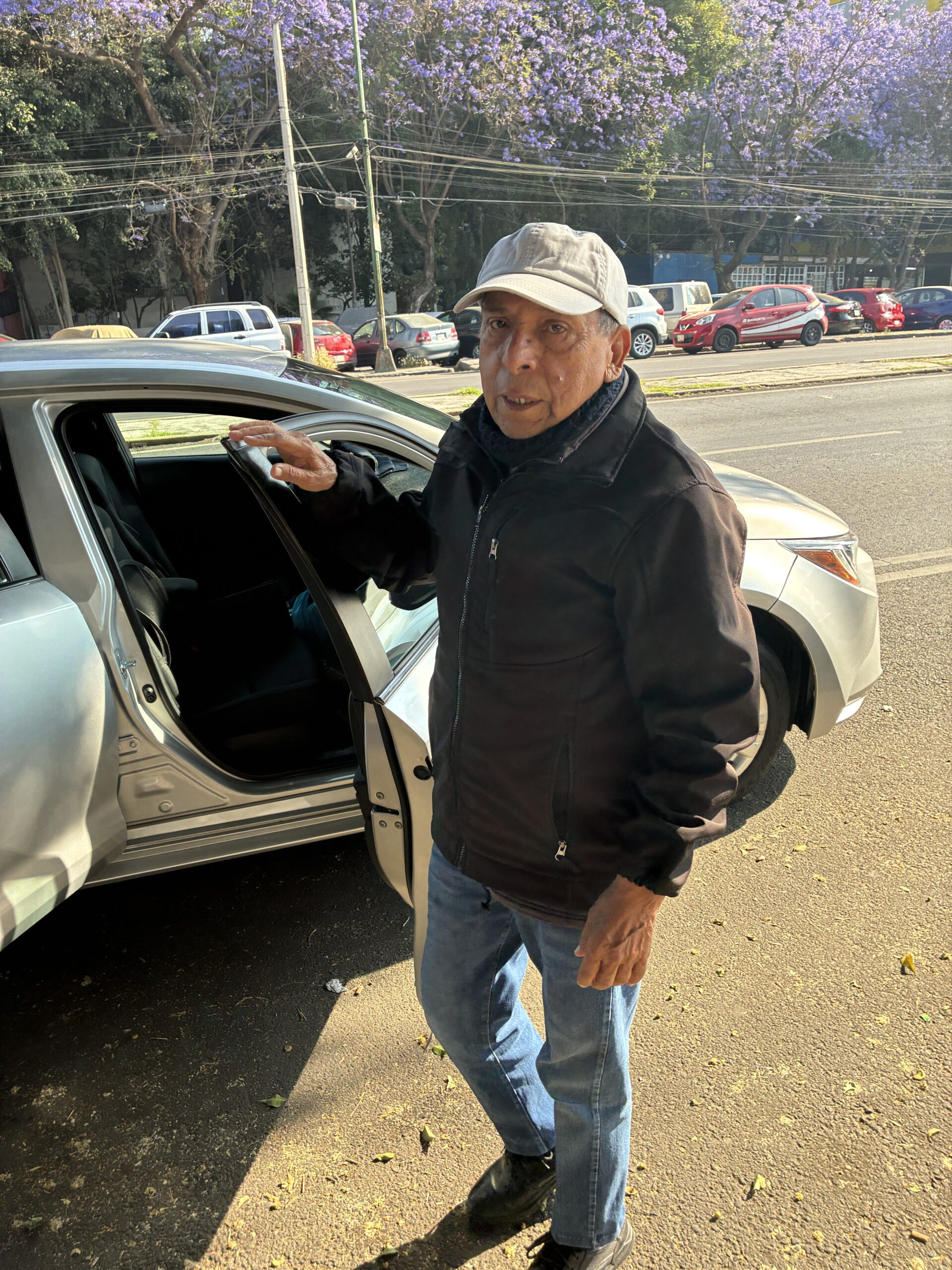
Then I arrived at the American Fiesta hotel (the name is right out of a 1950’s movie). also on Paseo de La Reforma, where I was pleasantly surprised to learn it was just the three of us tourists and Juan, our driver and guide, who took us in his car. Juan is a salty, been around the block, kind of character, very funny and direct, and willing to share his opinion. He is an indigenous man, Mayan, and proud to be almost 83, and healthy and happy. He is one of 11 kids, and himself has eight. He has his own teeth, doesn’t need glasses, and has never been sick in any significant way. He tells me, mostly, but not completely, joking, that this is because of Pulque, an ancient drink popular in Mexico today, dating back over 2000 years, which he drinks daily (but not when he’s guiding tours, he quickly told me). When I told him I have one daughter, he quick responded, not enough Pulque.
My partners on the tour, Roger and Gracie, are both Mexican, but living in El Paso, Texas, where Gracie was raised and Roger later came to live, and they were both super nice folks who I learned more more about during the day. It was a good small and very personal day. Juan often joked, and often reflected how much better Mexico was than most other cultures, including the US, and how advanced they were in ancient times, compared to other civilizations. He particularly focused on the mathematical, astronomical, and engineering skills and achievements of ancient indigenous people in the region. Most of all, he was interesting, direct, and fun to be with, and took off the regularly traveled beaten path on the way to the pyramids and temples.
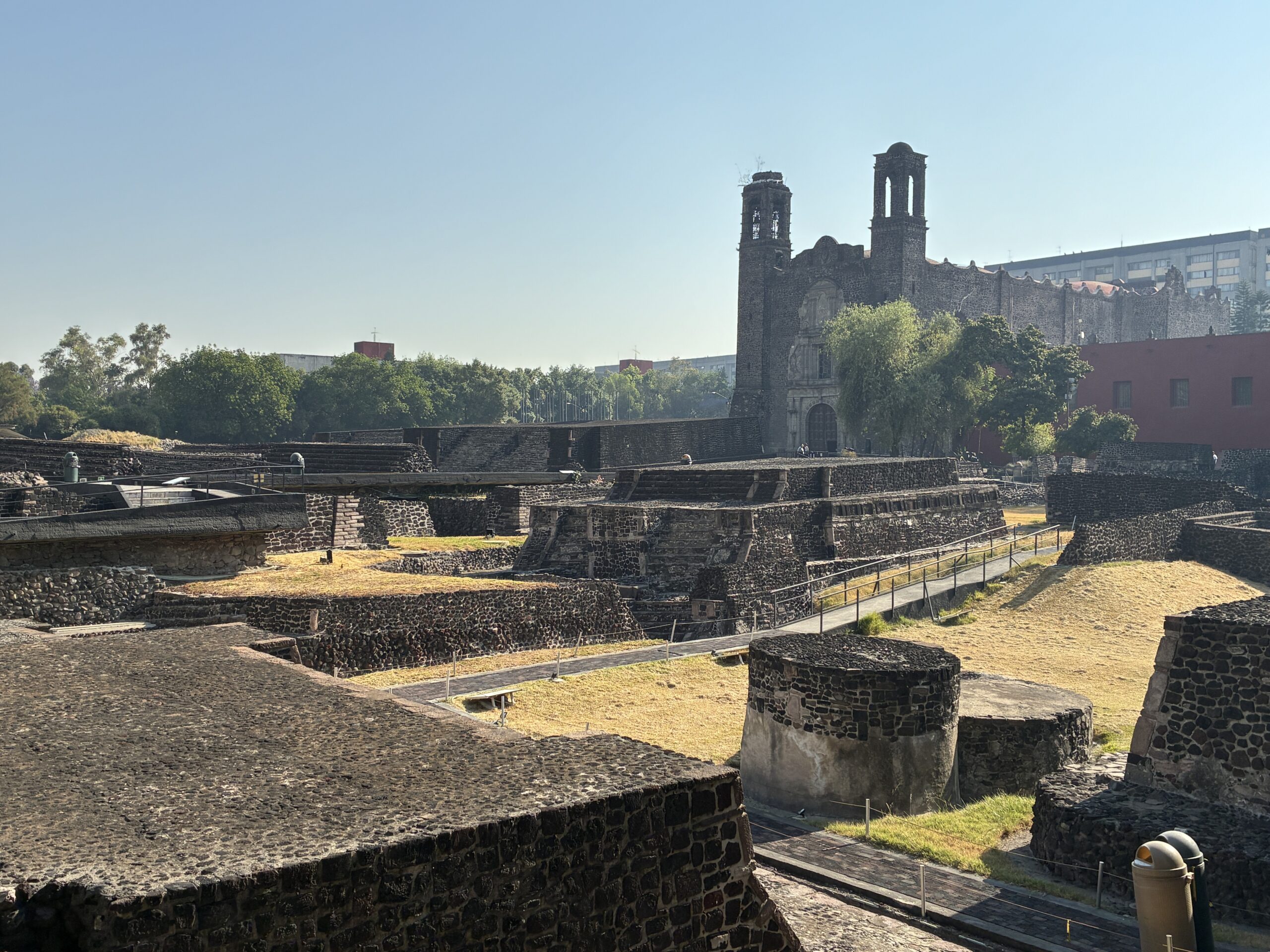
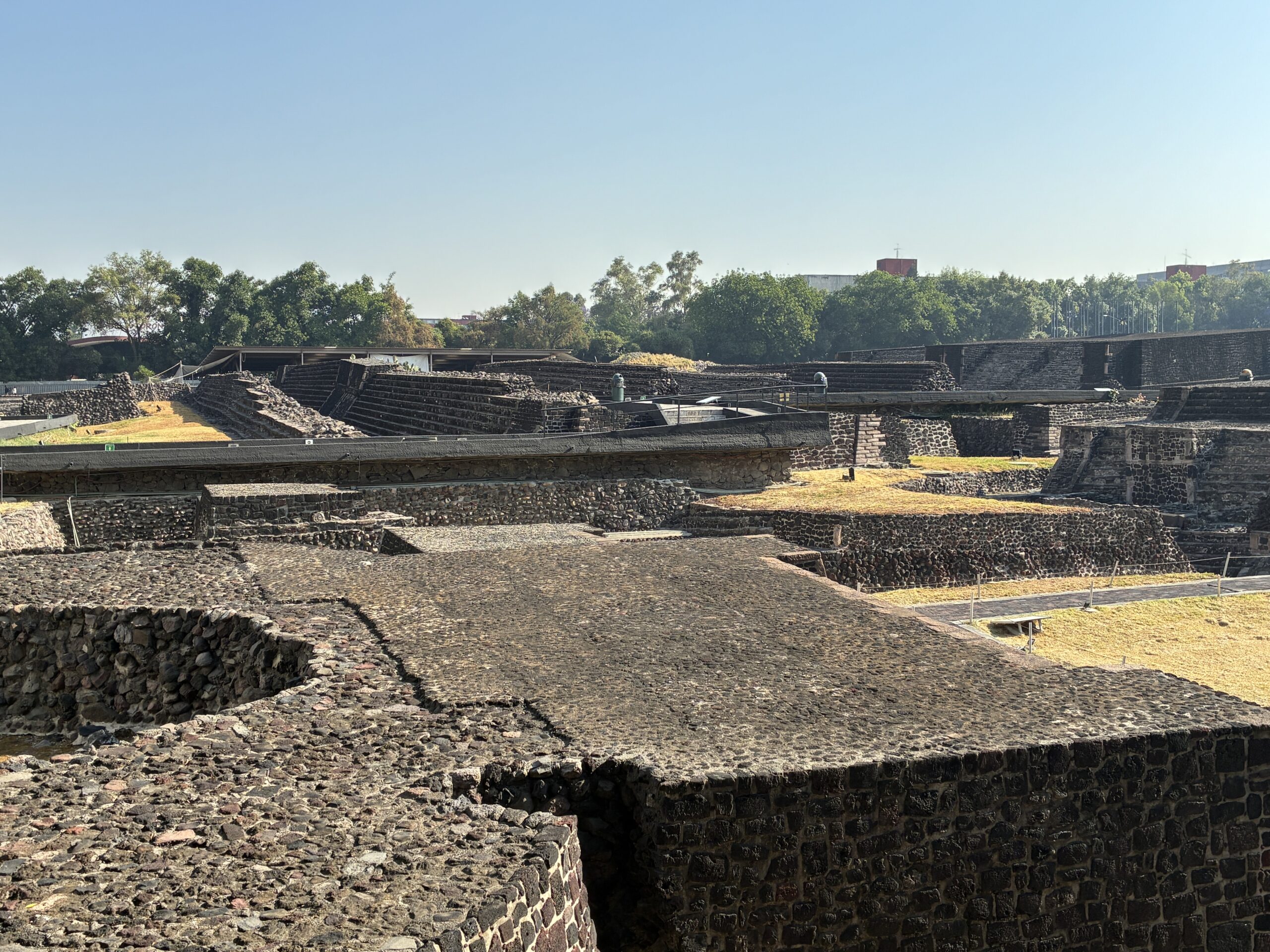
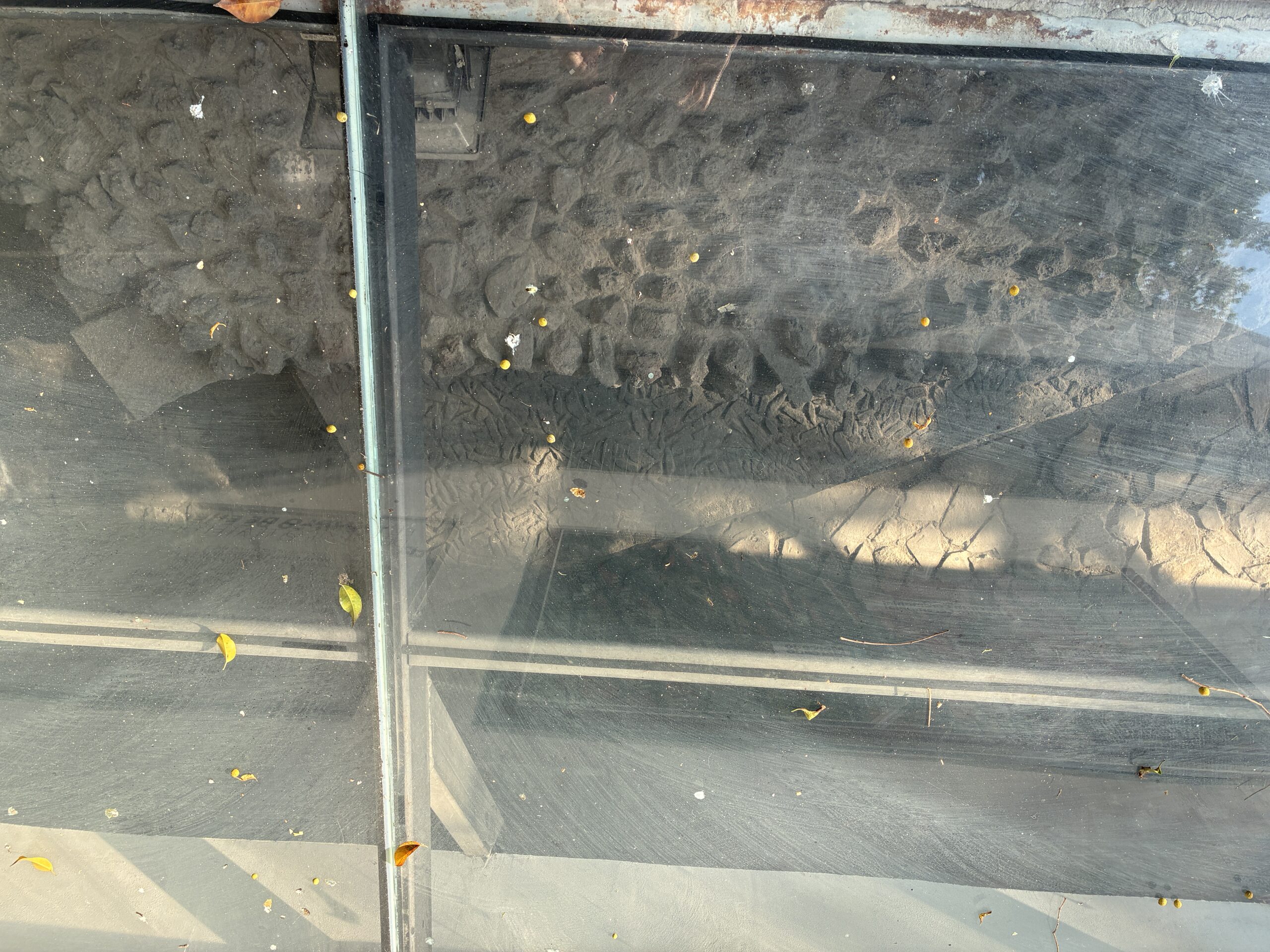
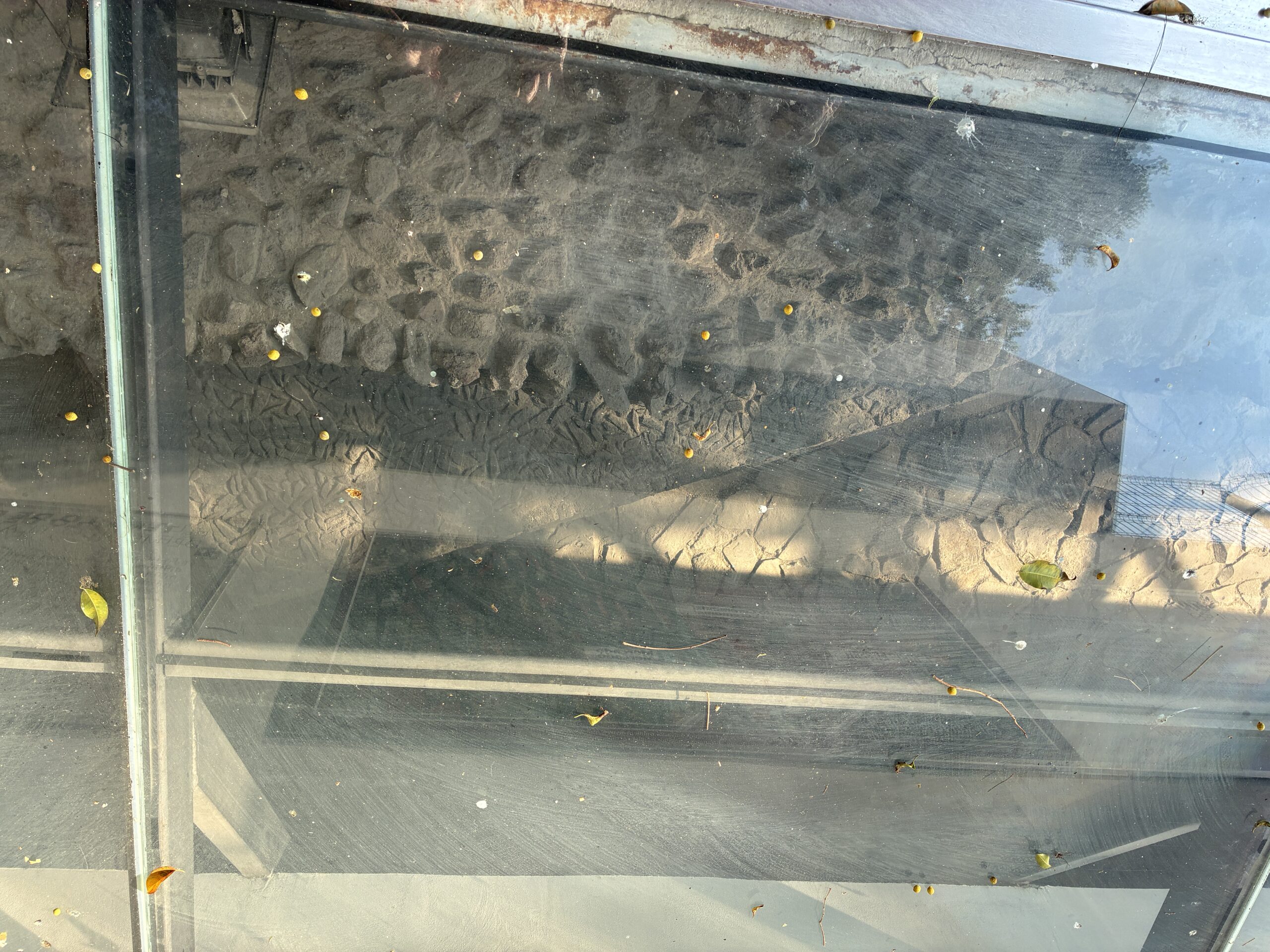
Our first stop was in the Tlatelolco area, just north of the city center, to see the excavated remains of Templo de Ehécatl (Templo de Ehécatl), an an Aztec-era temple from the 13th or 14th century, located in the Plaza de las Tres Culturas. Like the ruins in the center of the city, the entire area is built over the ancient city and temple, and there are glass covers over sections of the sidewalk (like in the city center) that allow you to see ruins just feet below the surface. Unfortunately, it was difficult to get a clear photograph of that underground city.
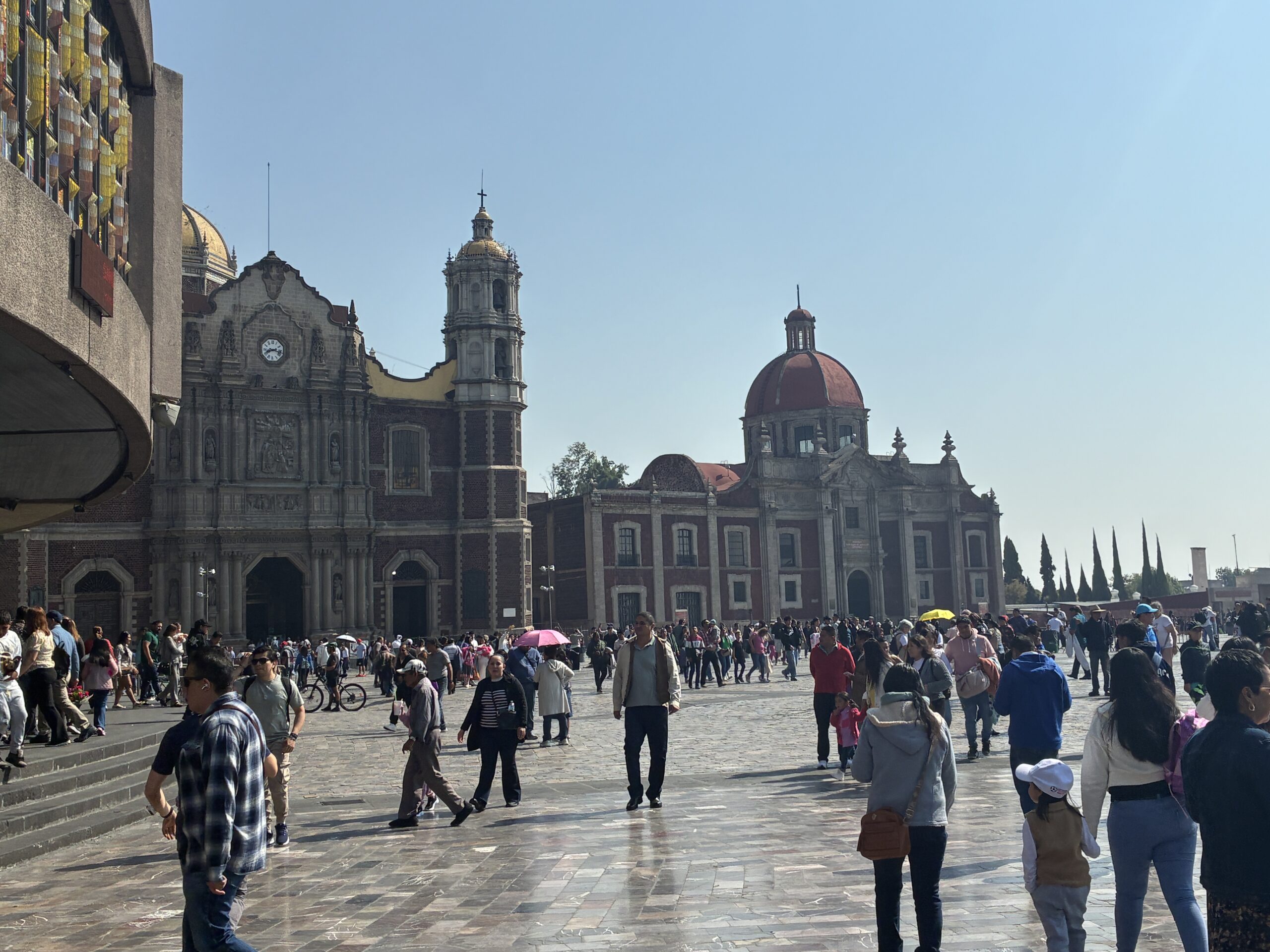
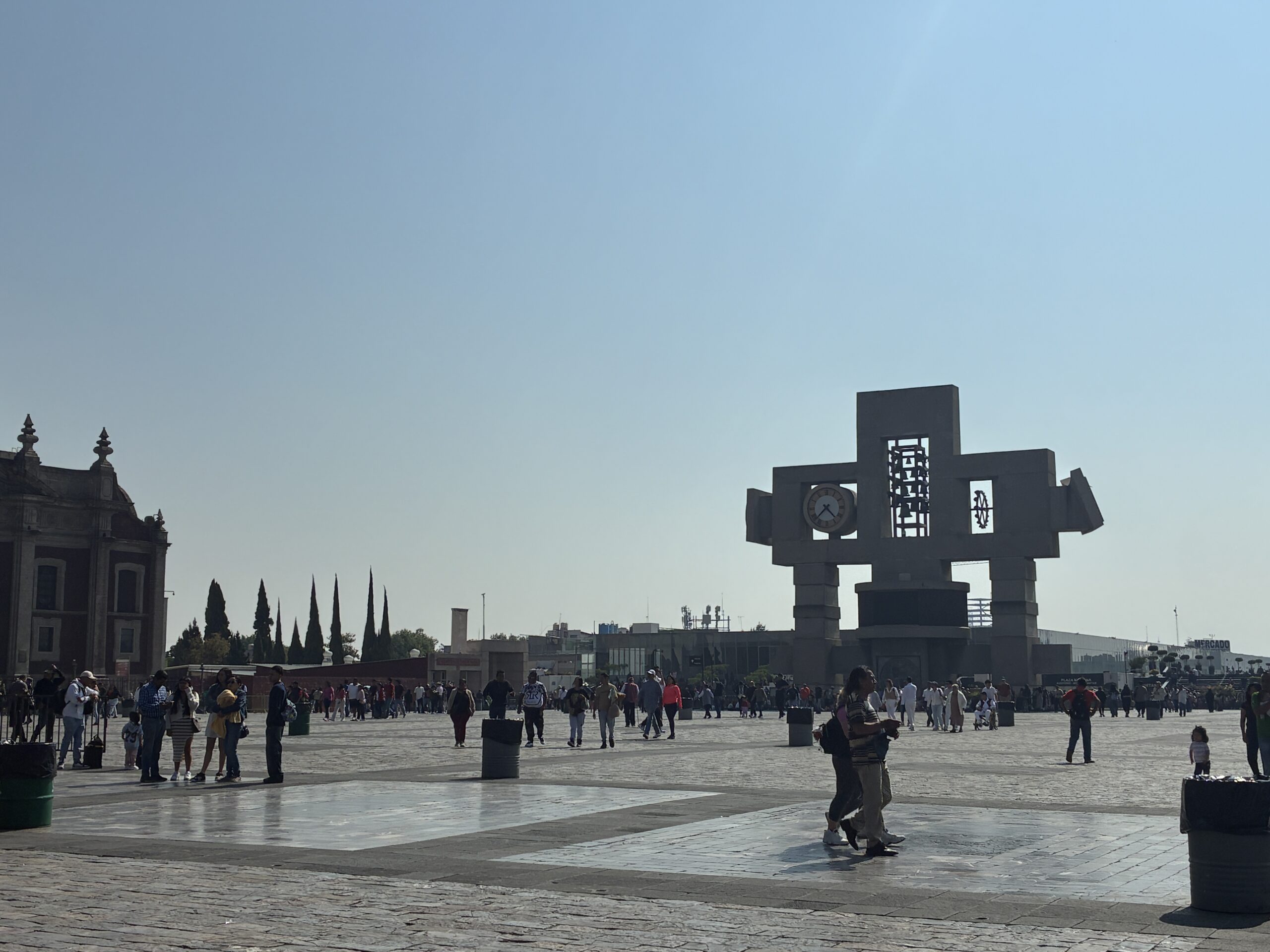
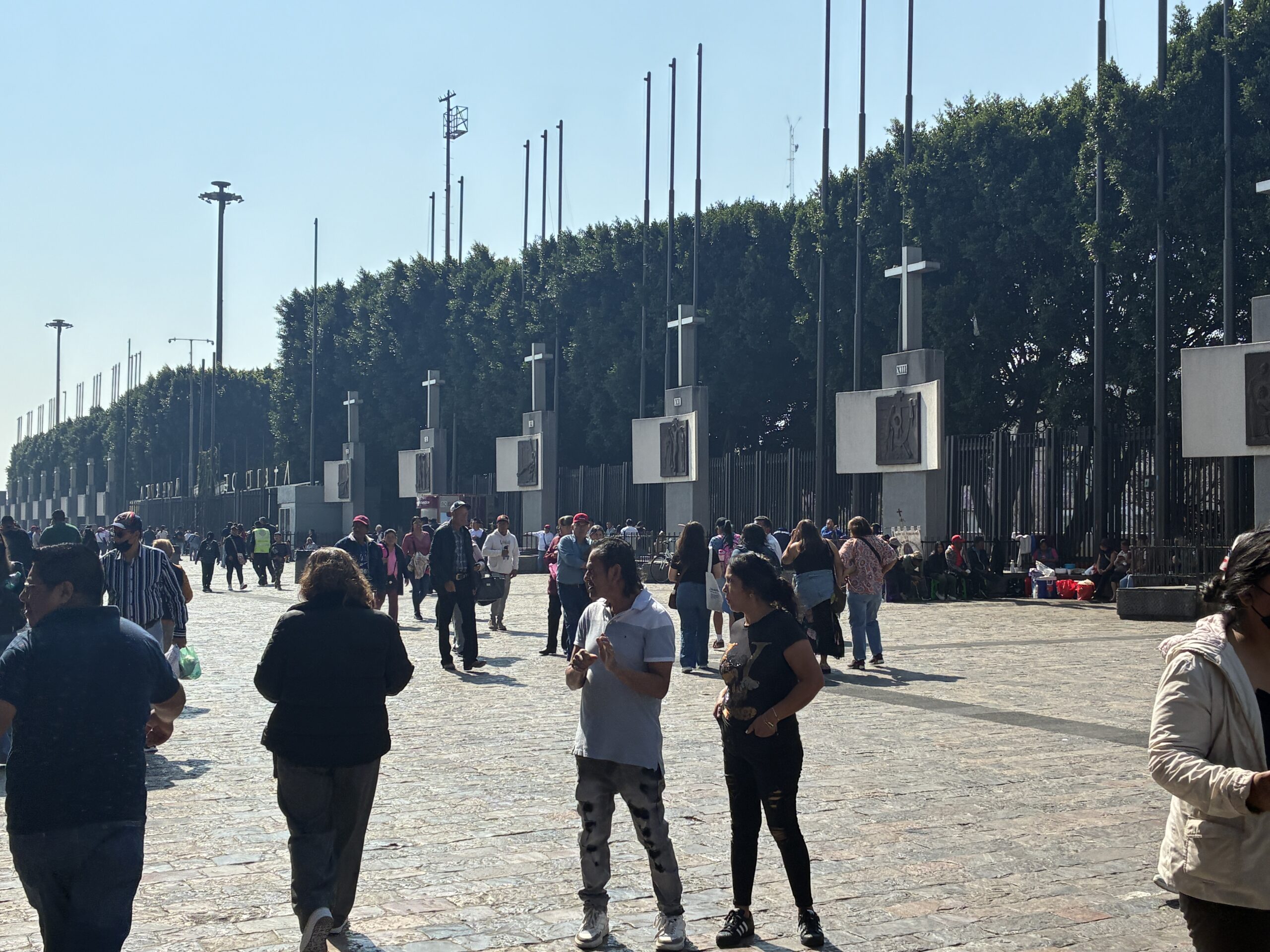
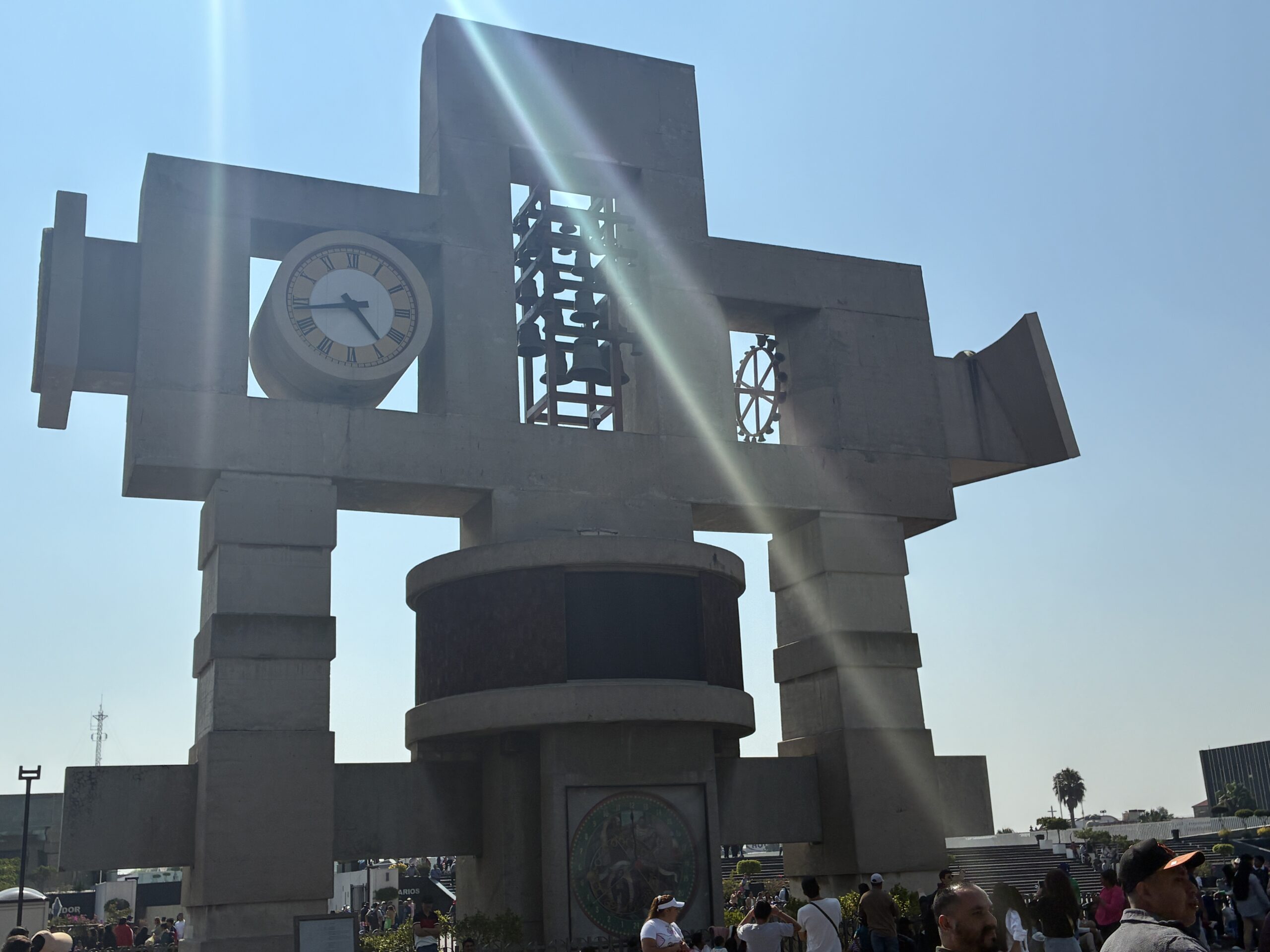
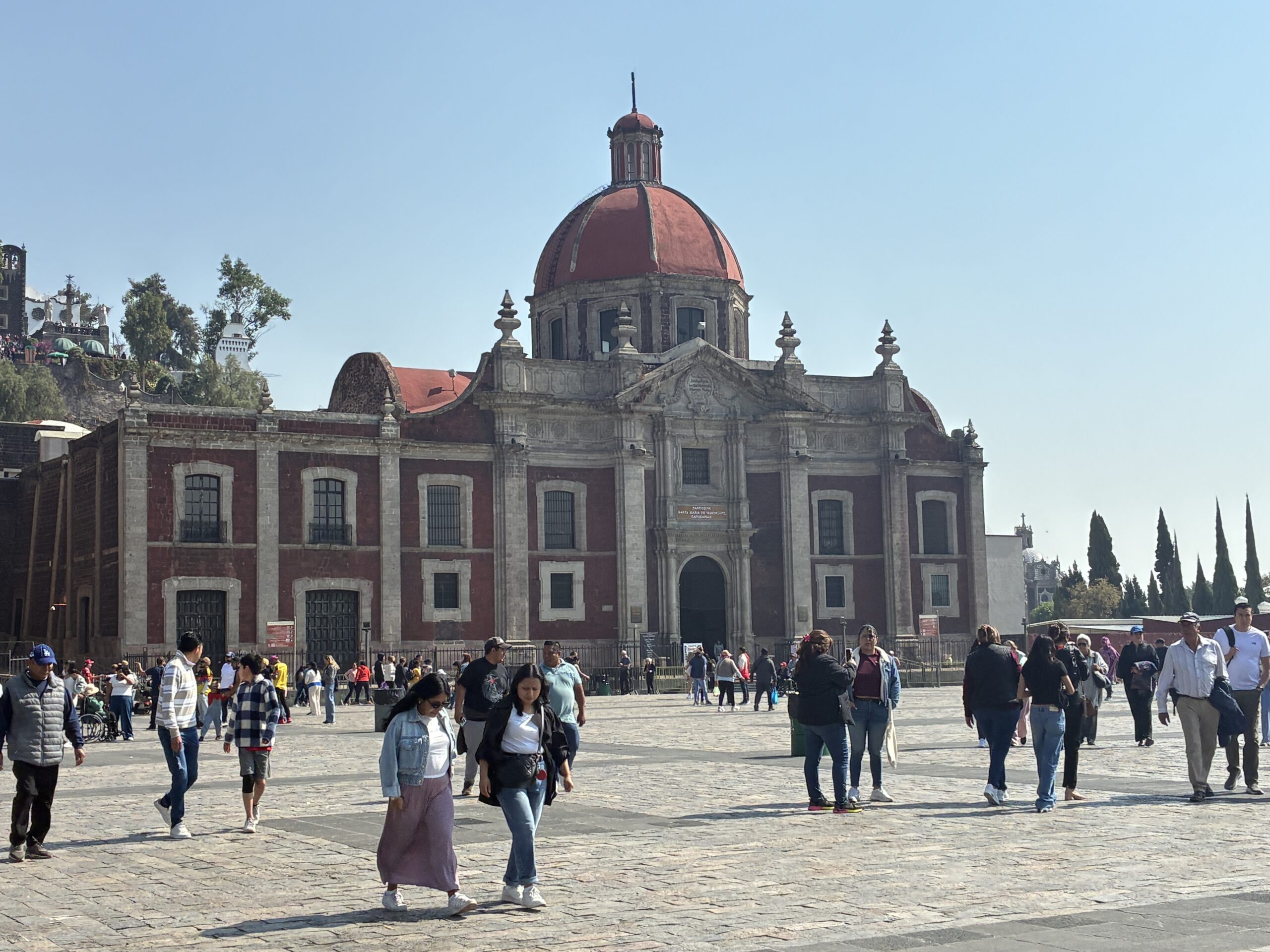
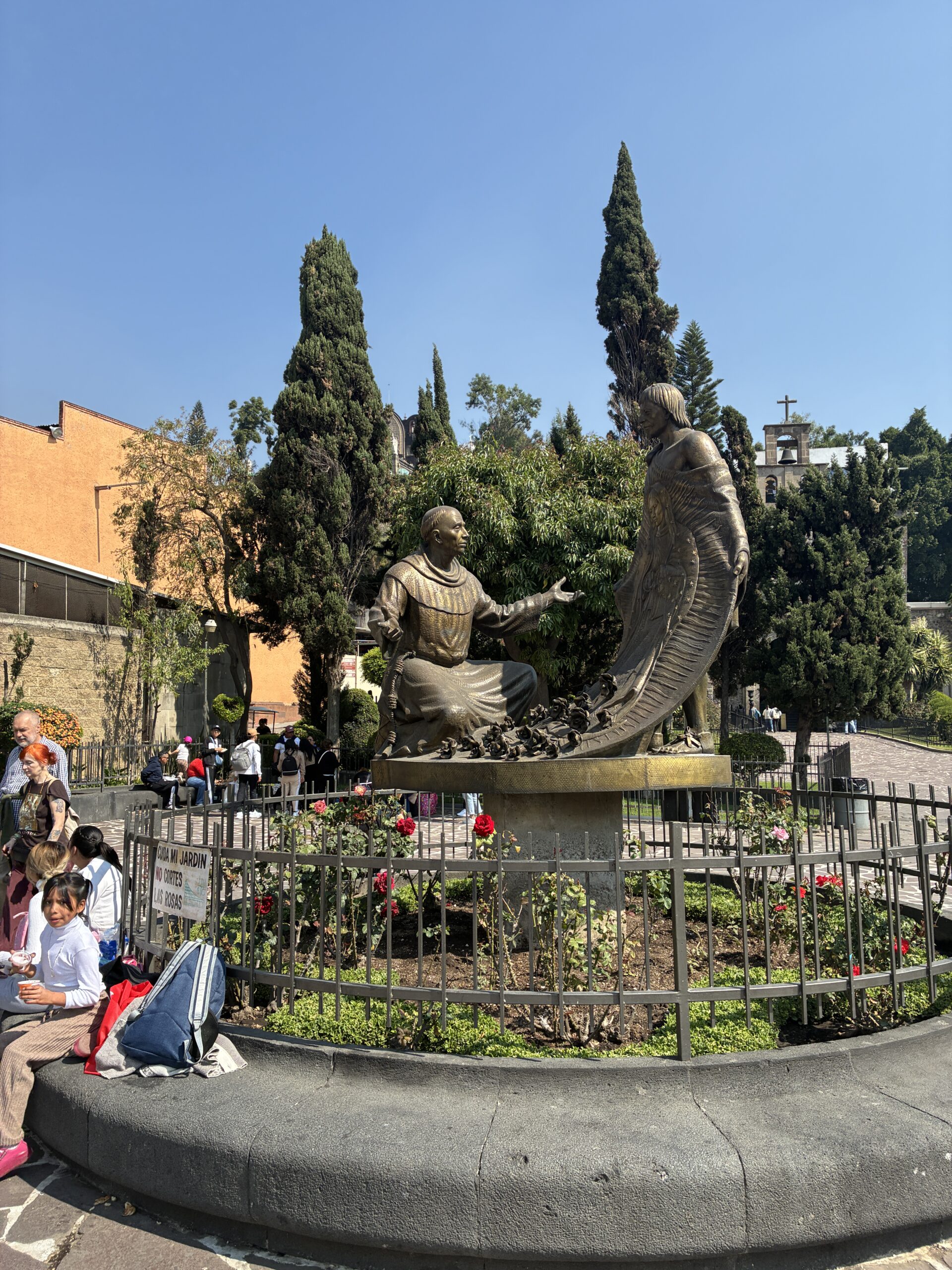
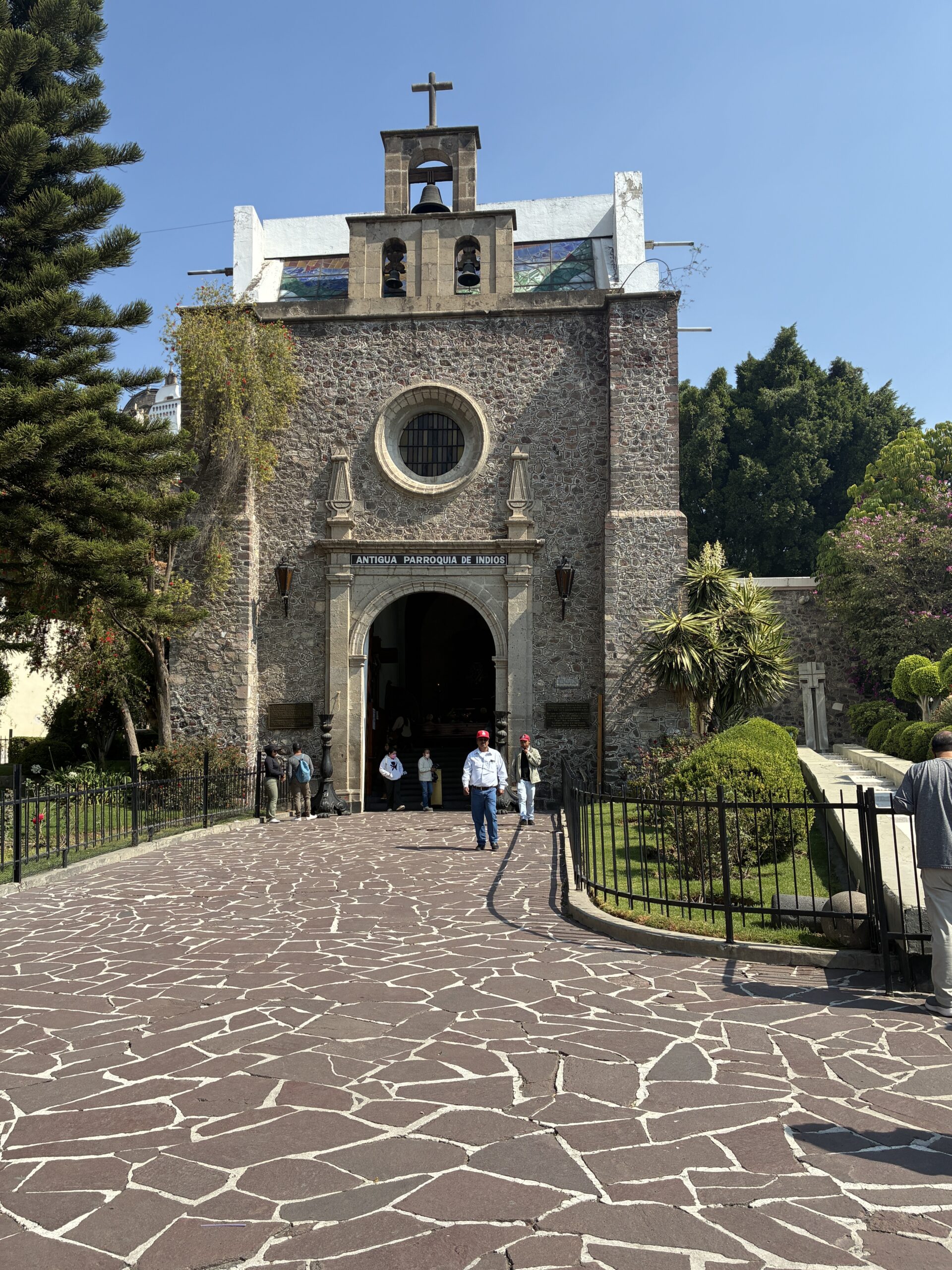
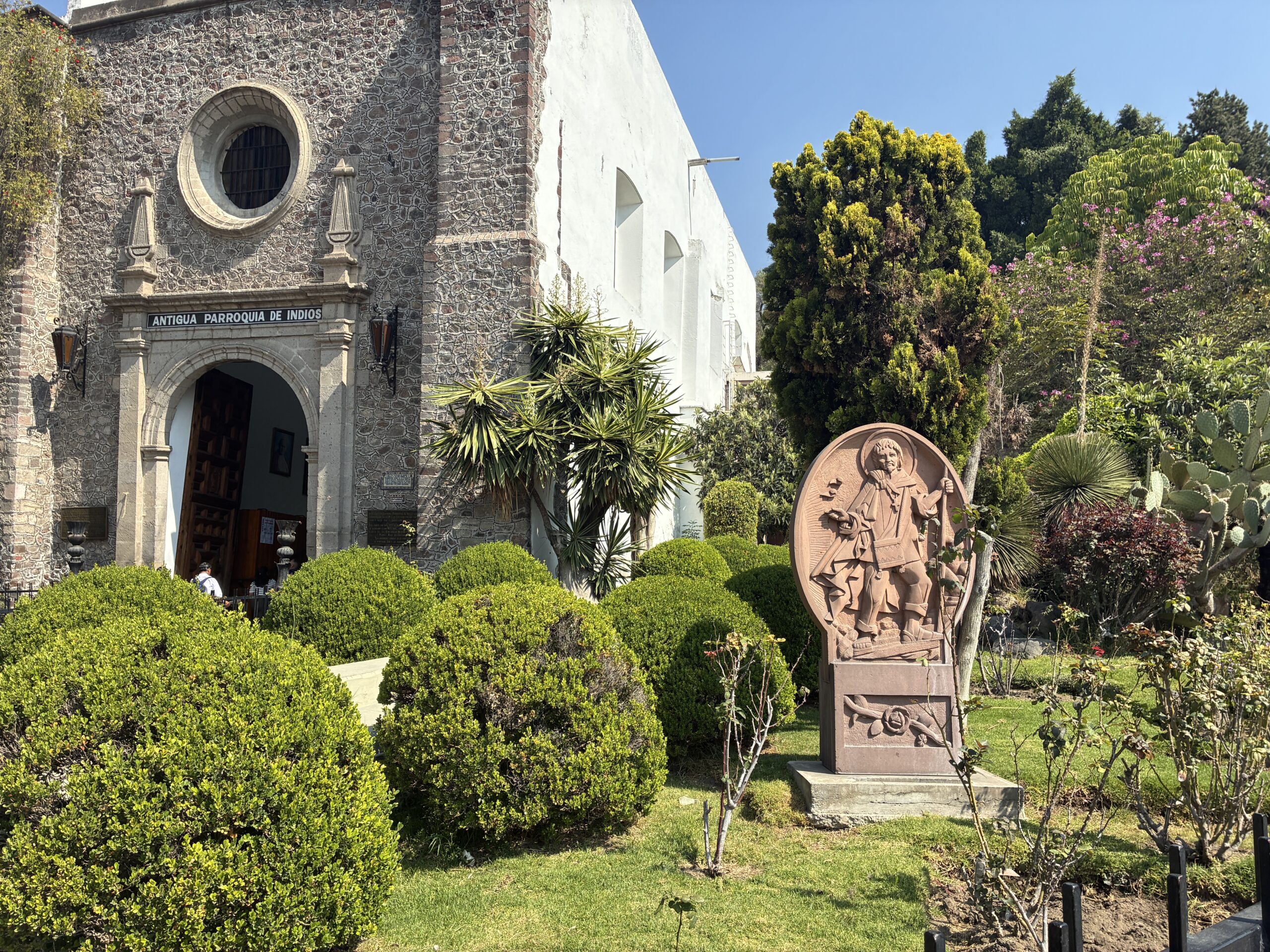
And then onto the Basilica of Our Lady of Guadalupe (Nuestra Señora de Guadalupe), the most important religious figure in Mexico. According to tradition, in 1531 the Virgin Mary appeared to Juan Diego, an indigenous man, on Tepeyac Hill, and she asked for a church to be built there. Today, the Basilica is part of the Villa de de Guadalupe, a scenic and serene complex of six beautifully landscaped churches built on Tepeyac Hill, in the Mexico City district of Madero, north of the center. Why Our Lady asked Juan, an indigenous peasant, and not someone in charge, who knows? Anyway, her request was fulfilled and here we are.
The Basilica is a major Catholic pilgrimage site, and that was true also for Roger and Gracie, my tour partners, who were very excited to be there, at this sacred site.
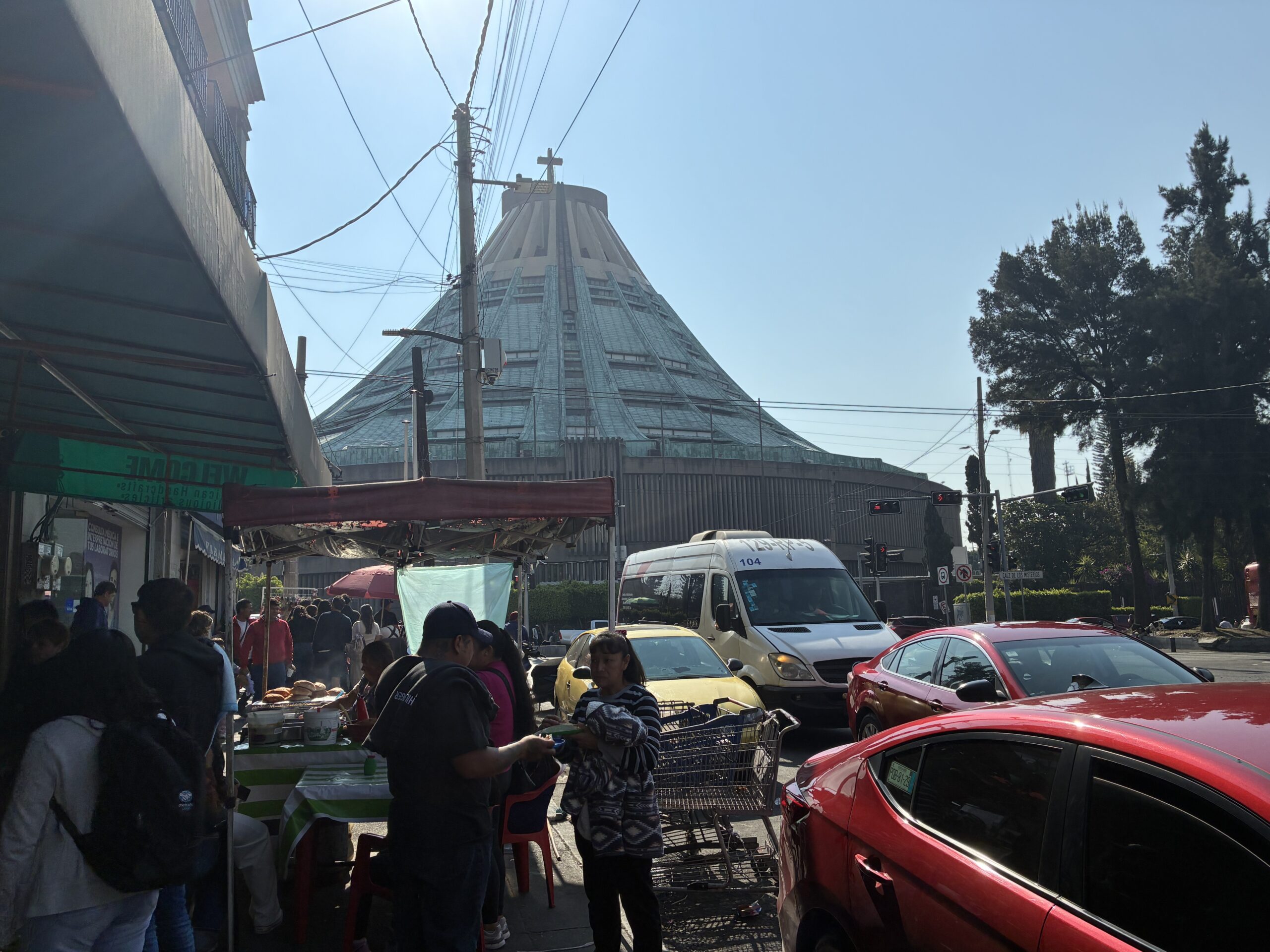
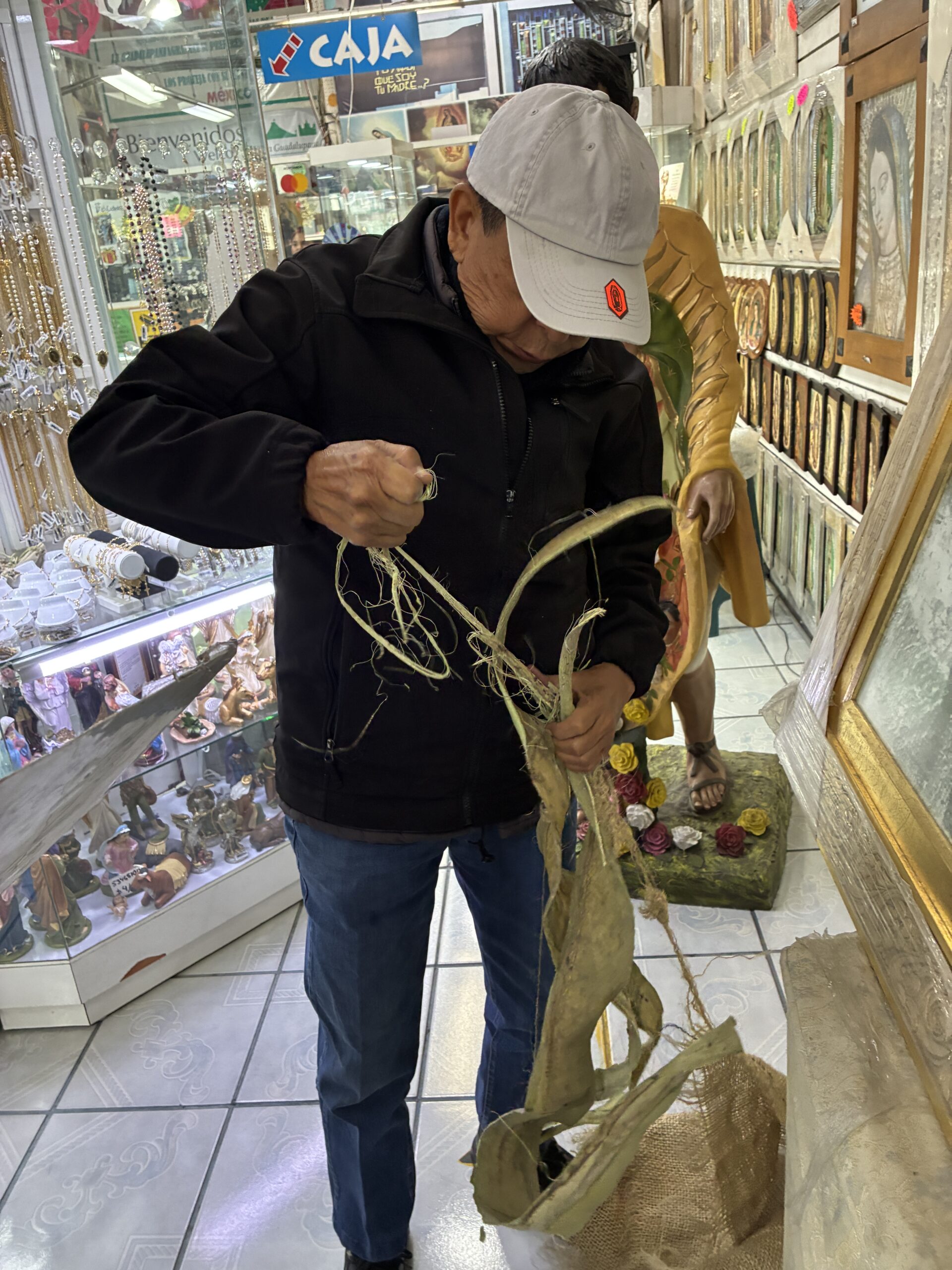
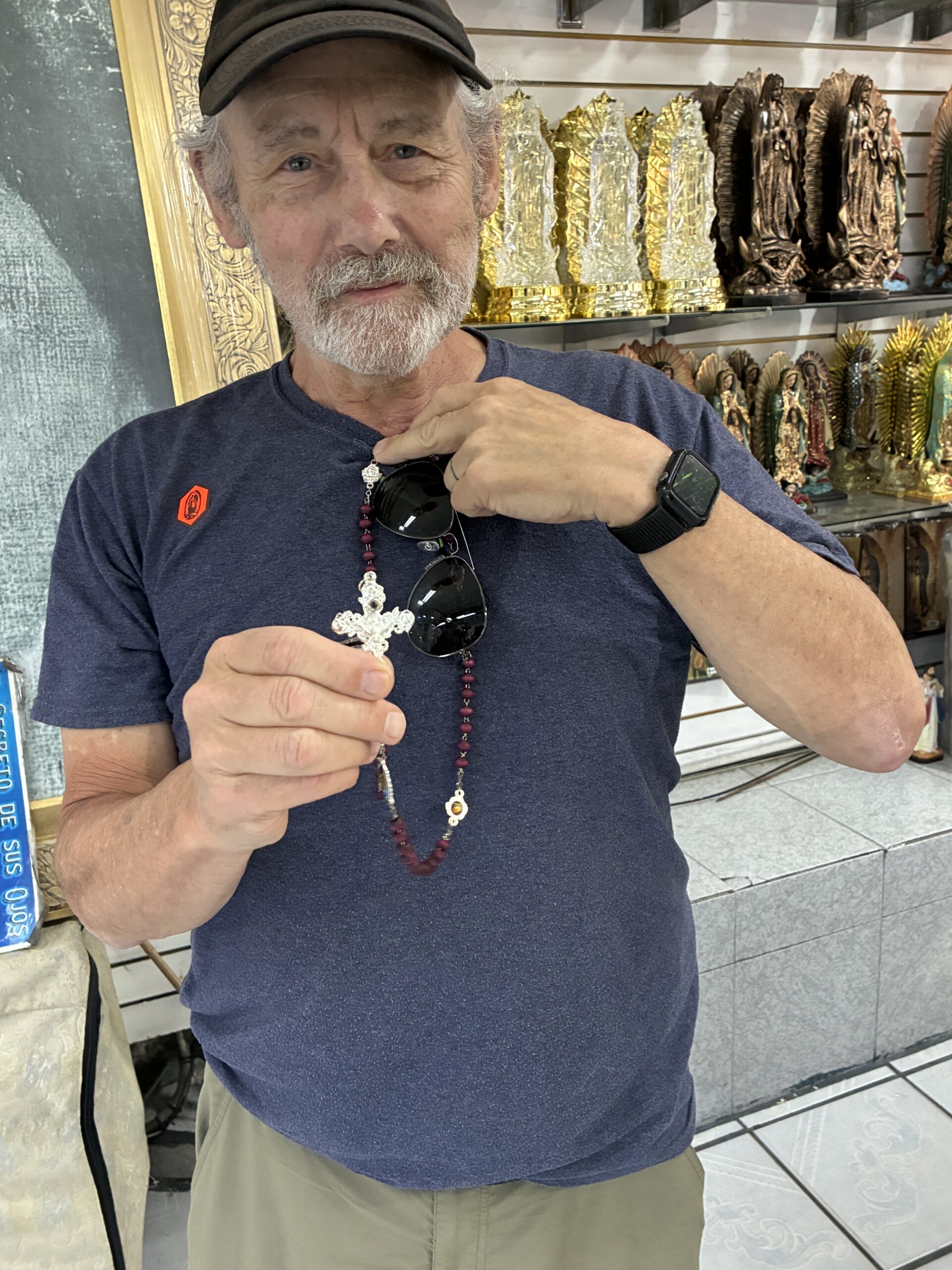
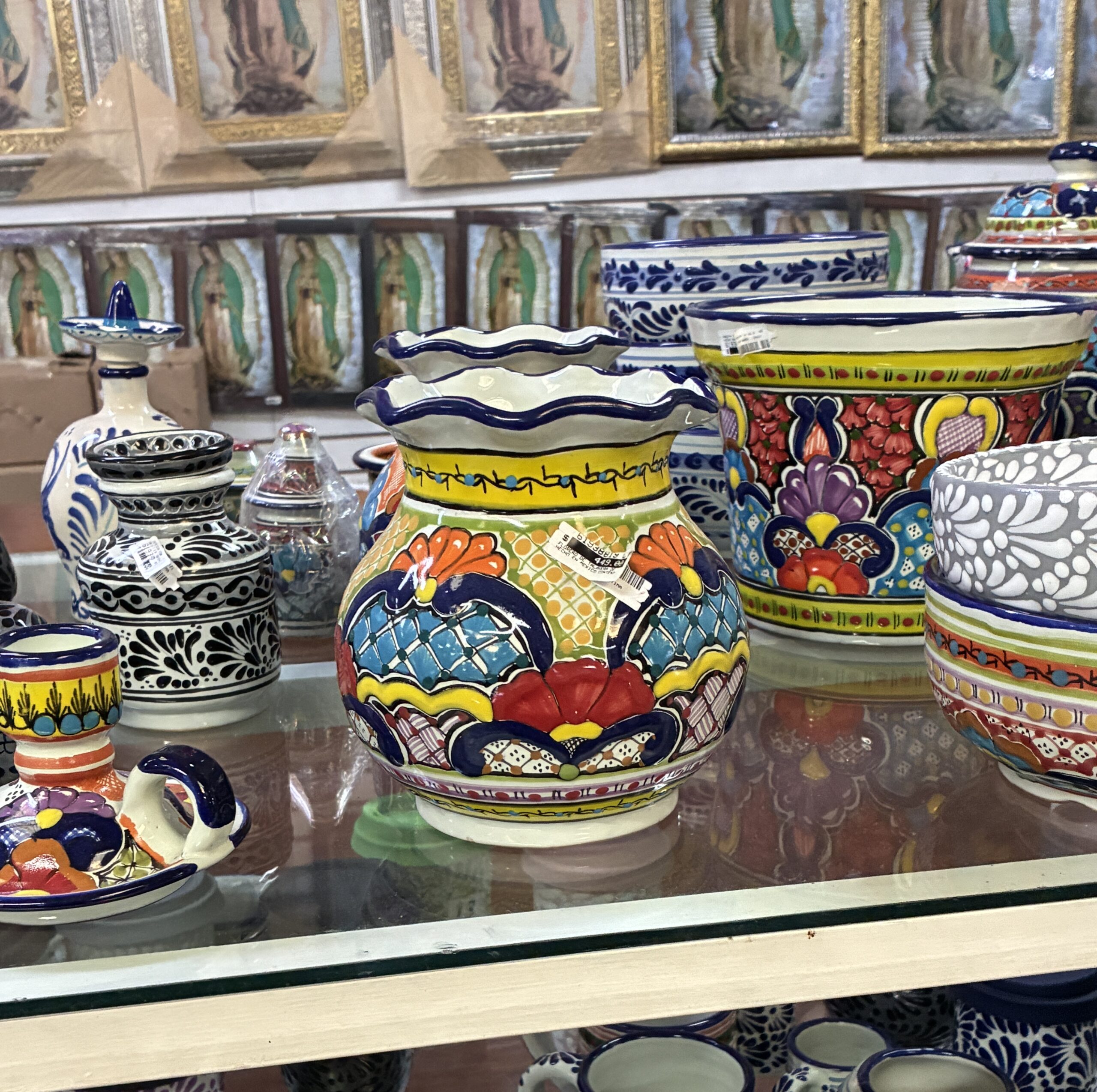
But first, and most important, we stopped in at the very large sacred artifacts store right in front, where you can get all your must-have religious needs met, your one stop shop for religious iconography. There, Juan showed us how local plant leaves are pulled and shredded into very strong fibers, which are then woven into textile, such as the canvas sack he showed as an example, and we strolled around the store, contemplating what to buy. Quite the store.
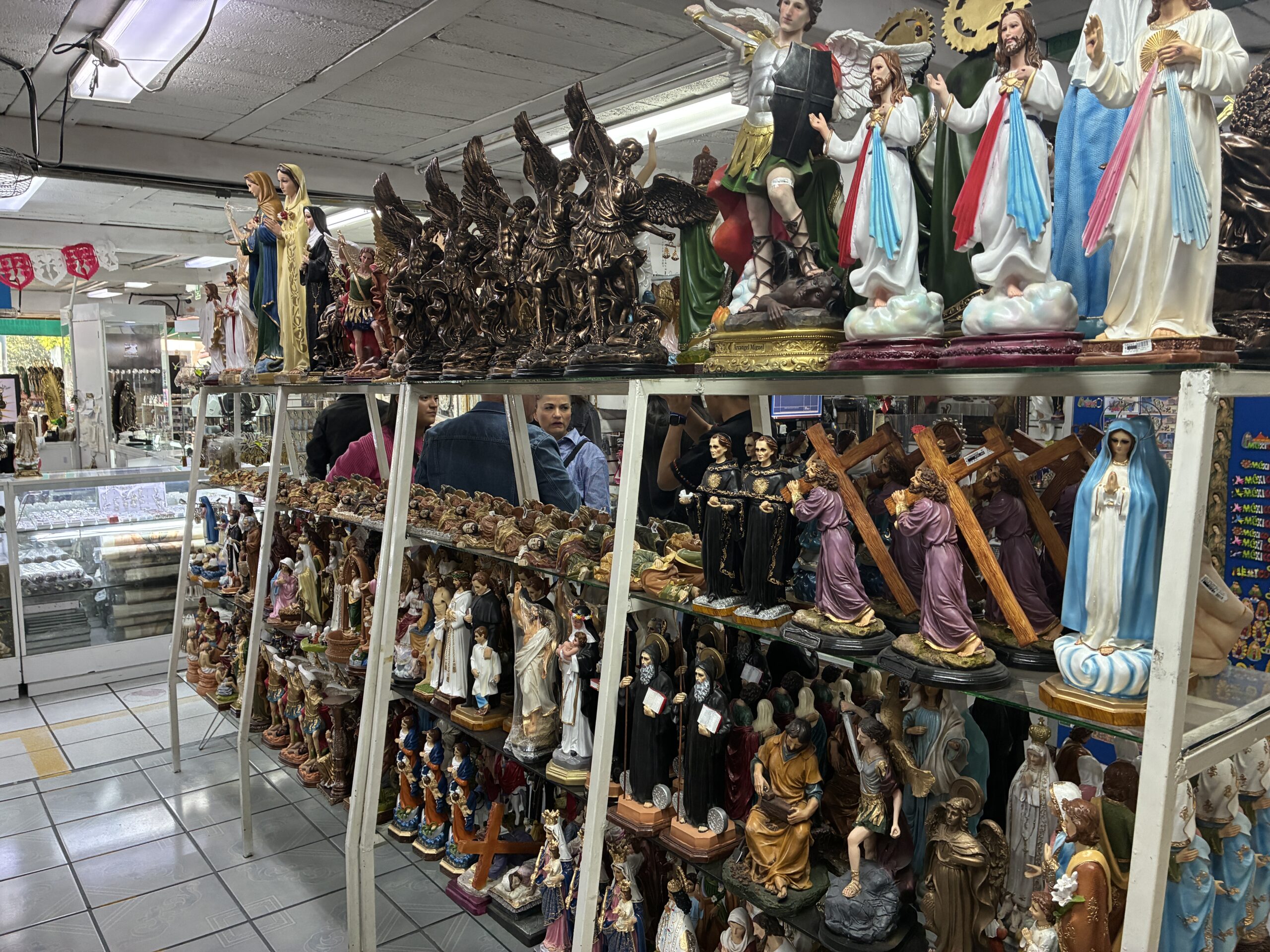
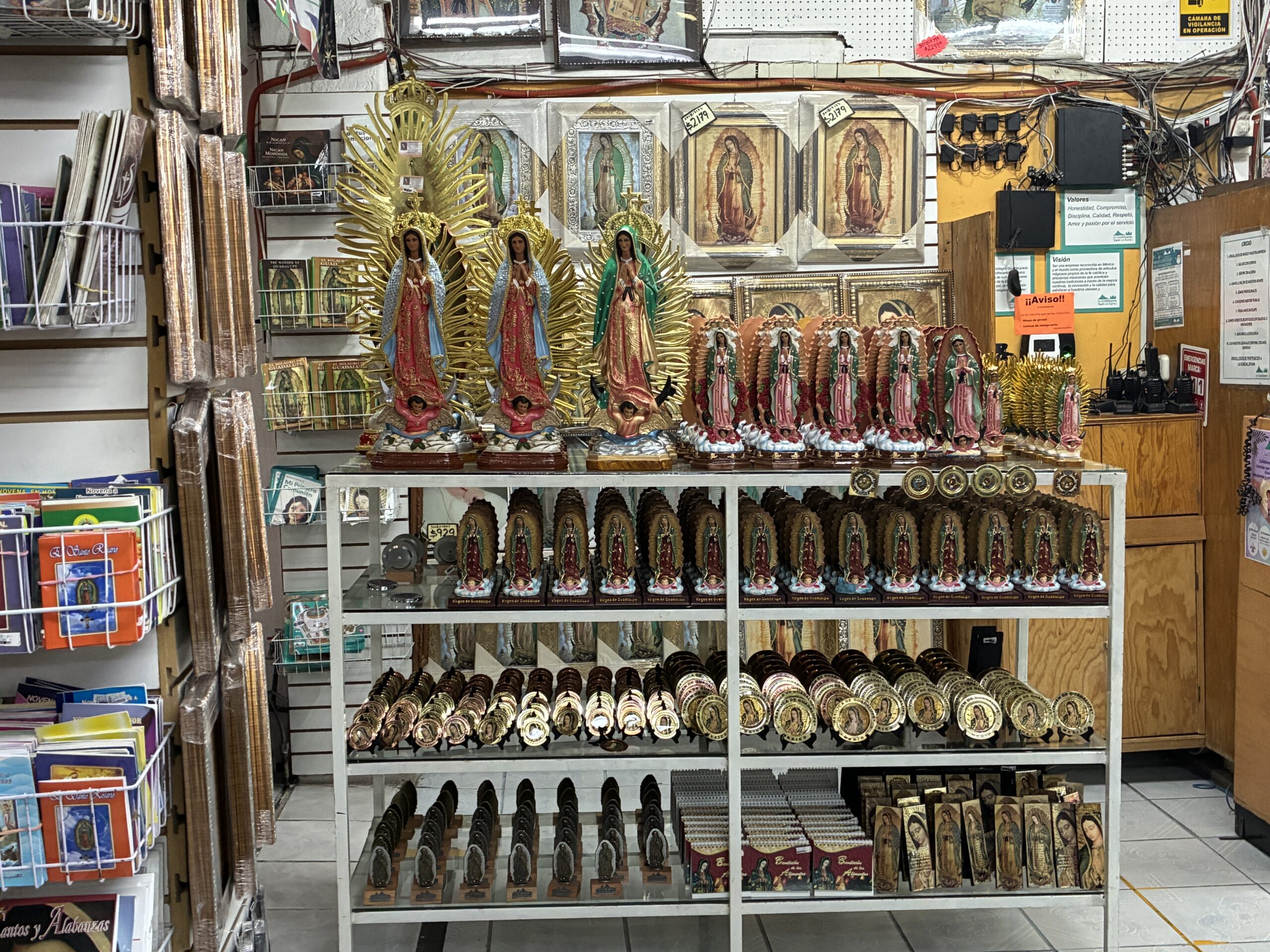
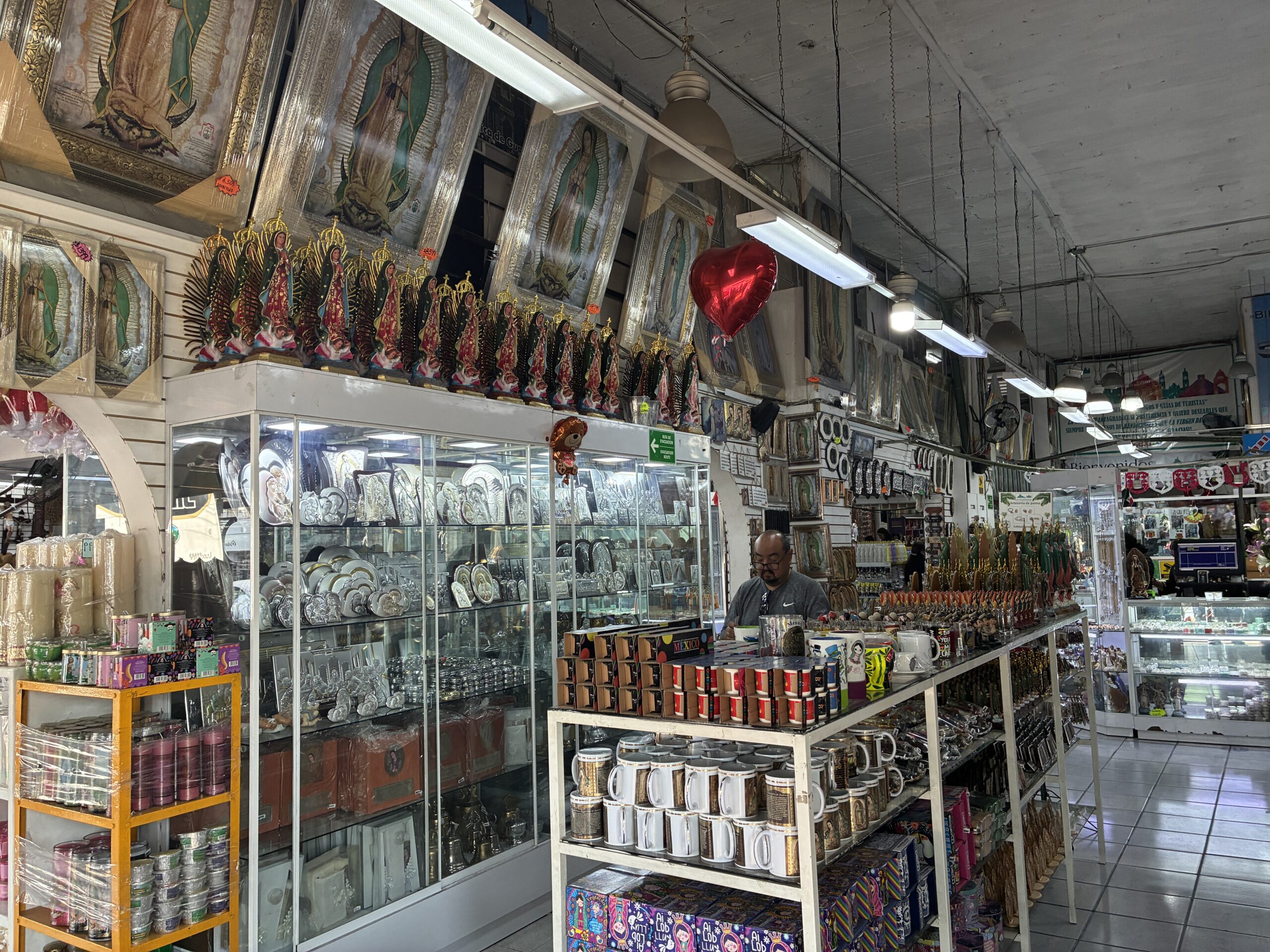
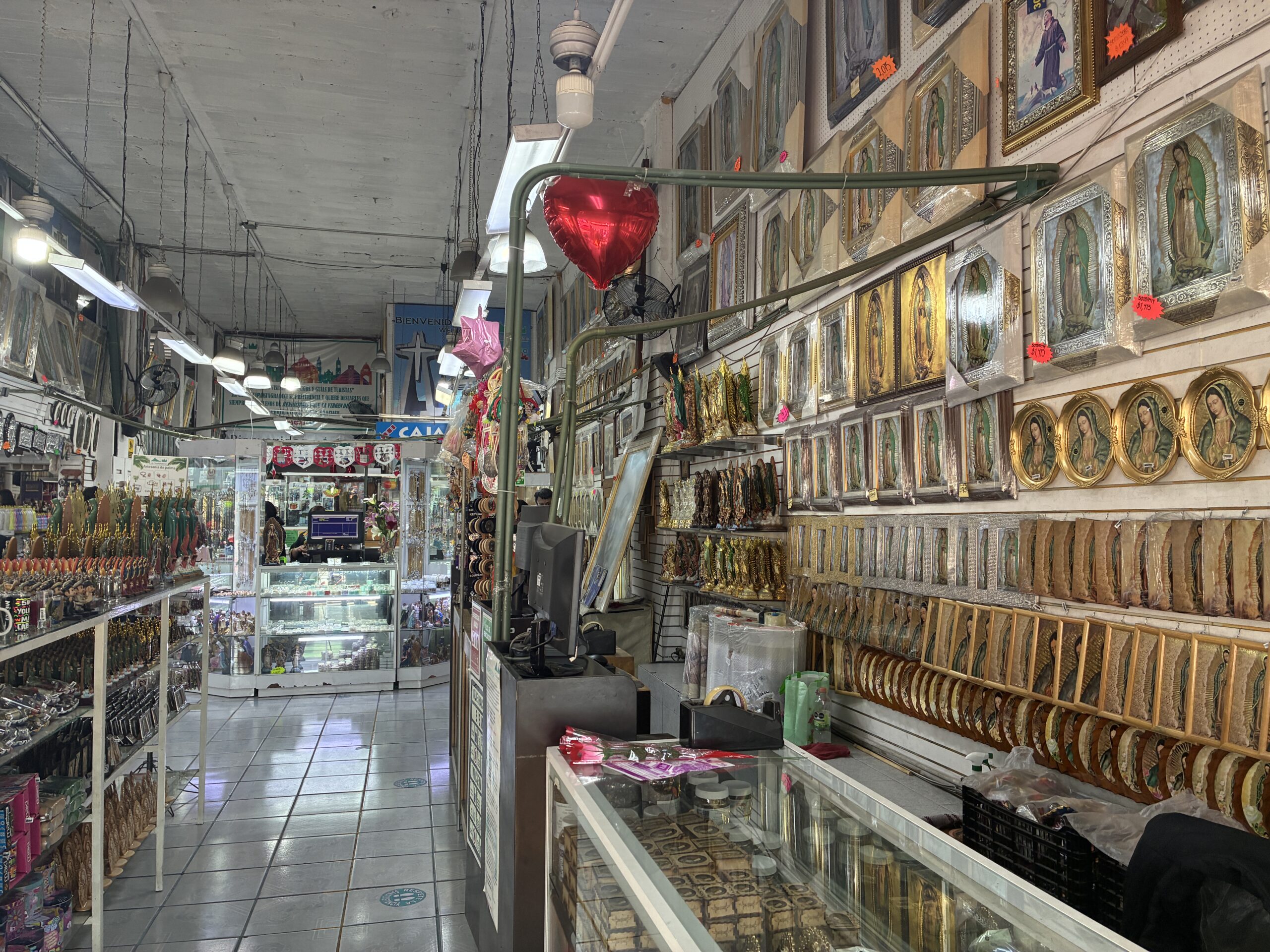

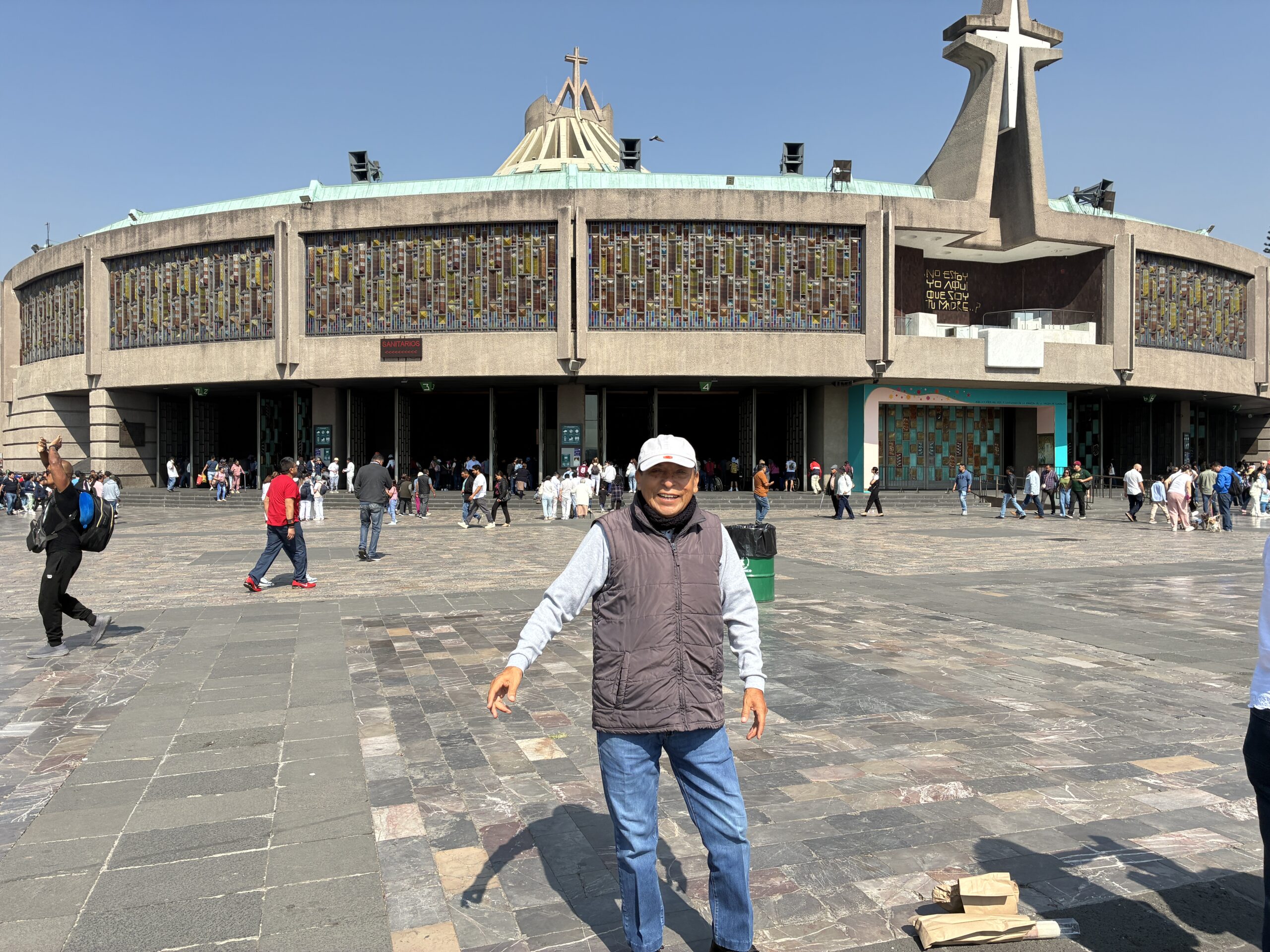
We went inside the Basilica , and passing through into the main church, visitors walk onto a moving floor that takes them through, as they want the crowds to be moving. and not blocking the way. And I do mean crowds. Throngs, in fact.
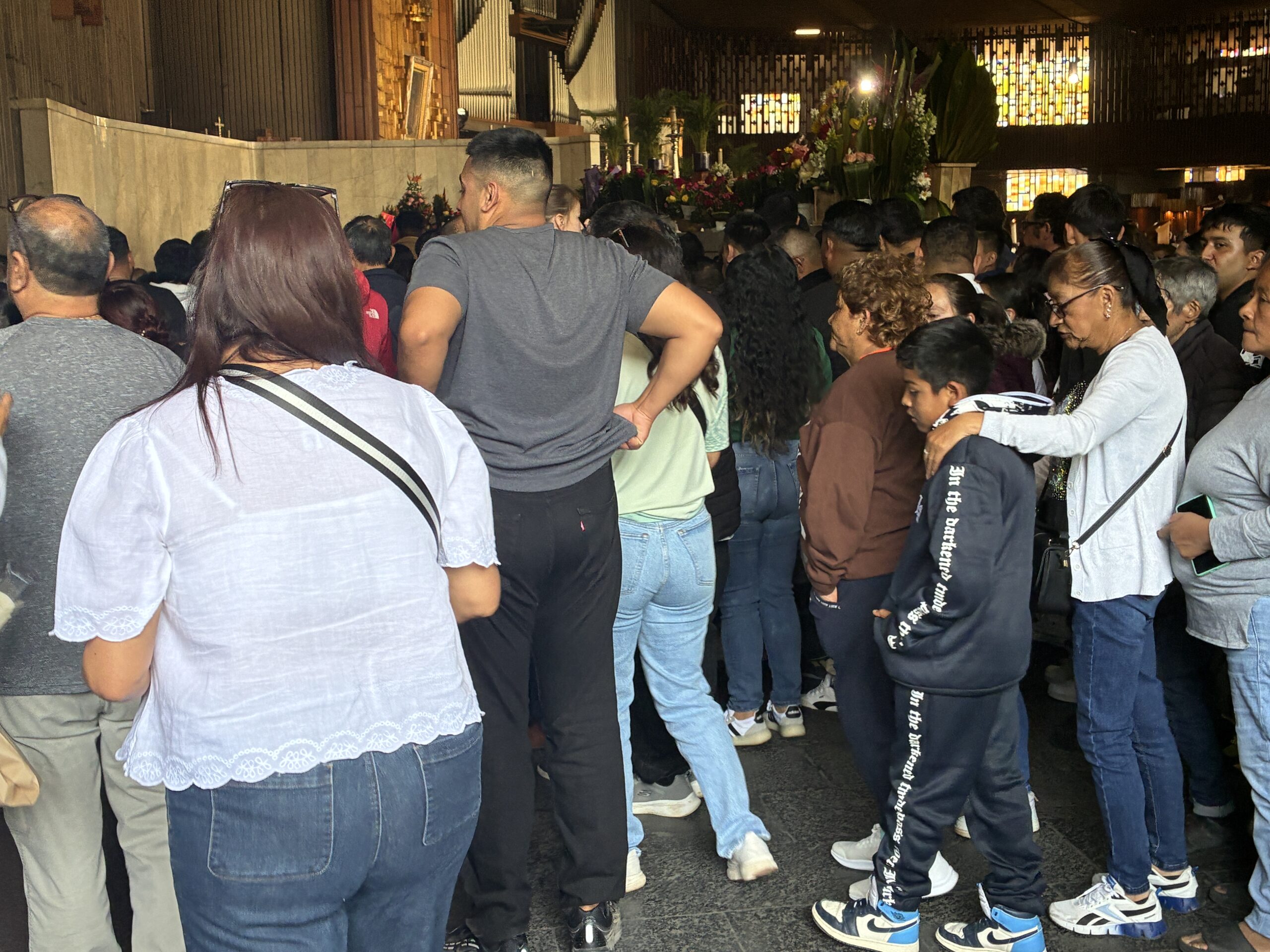
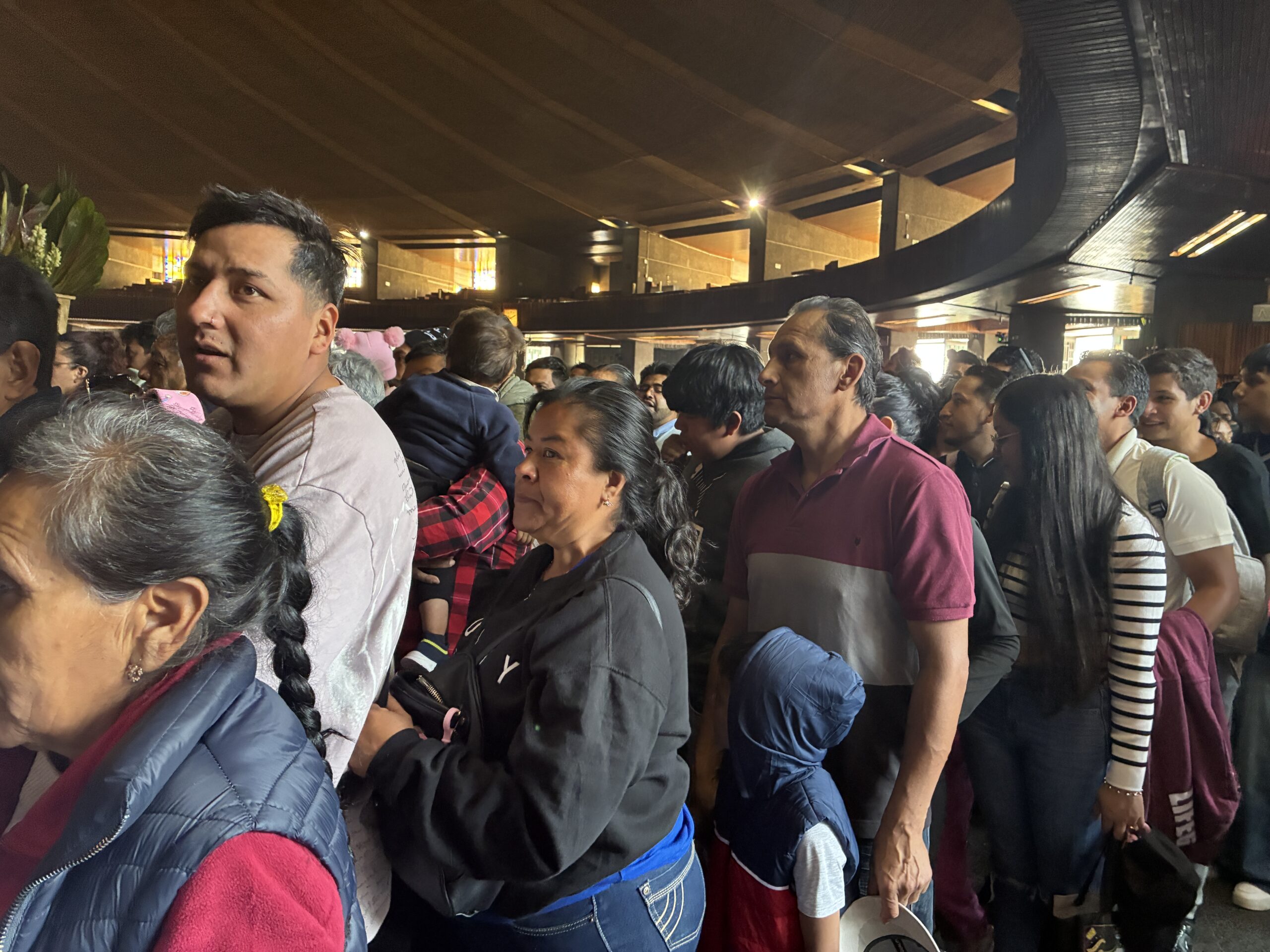
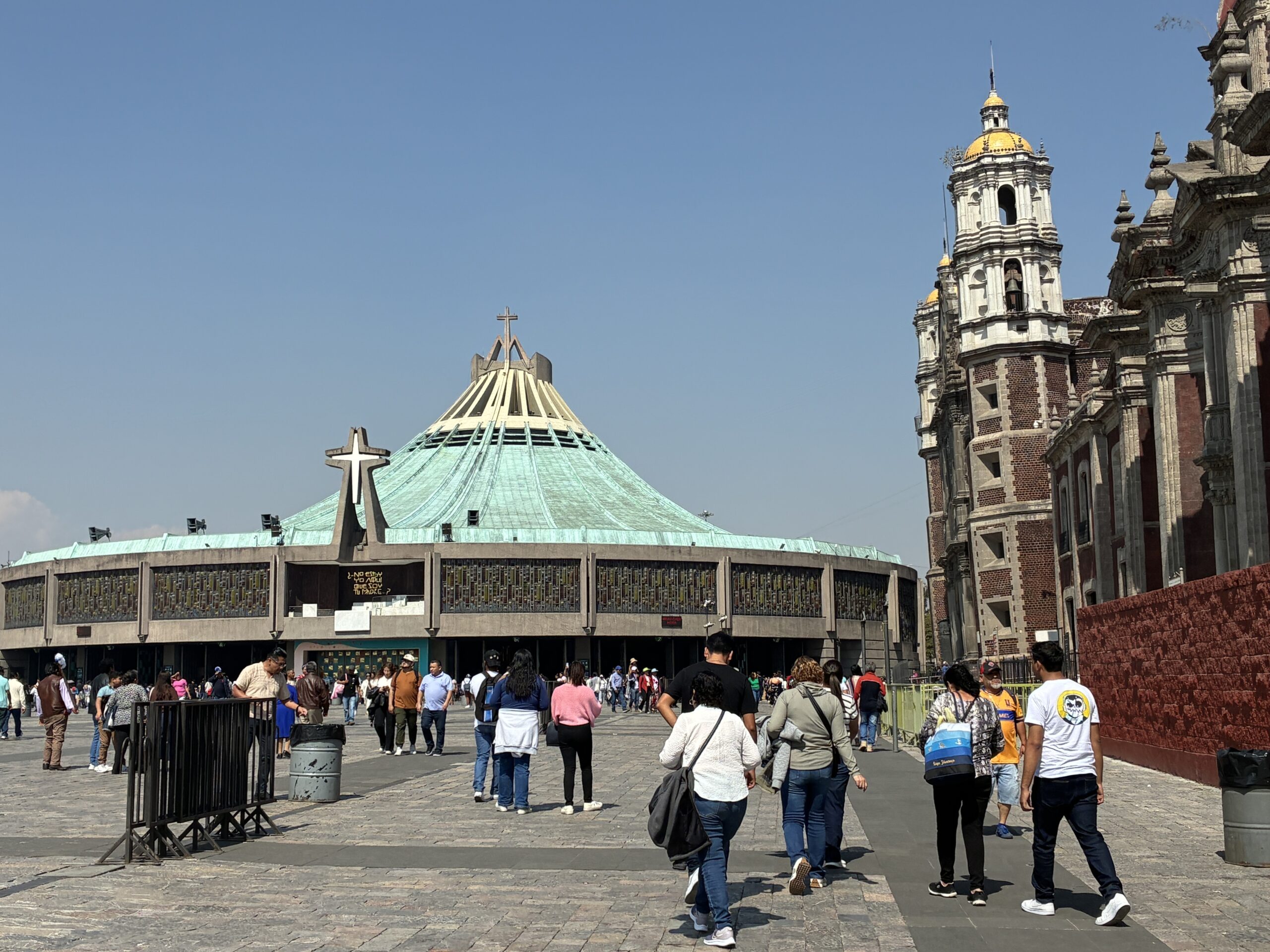
We walked the beautiful grounds, and visited each of other churches in the Villa de Guadalupe. Each was a lovely and ornate building in different ways, built at different times and in different architectural styles, each of which themselves changed over time.
As in the city center, the older buildings here are sinking also. Notice the seriously leaning church towers to the right of the photo.

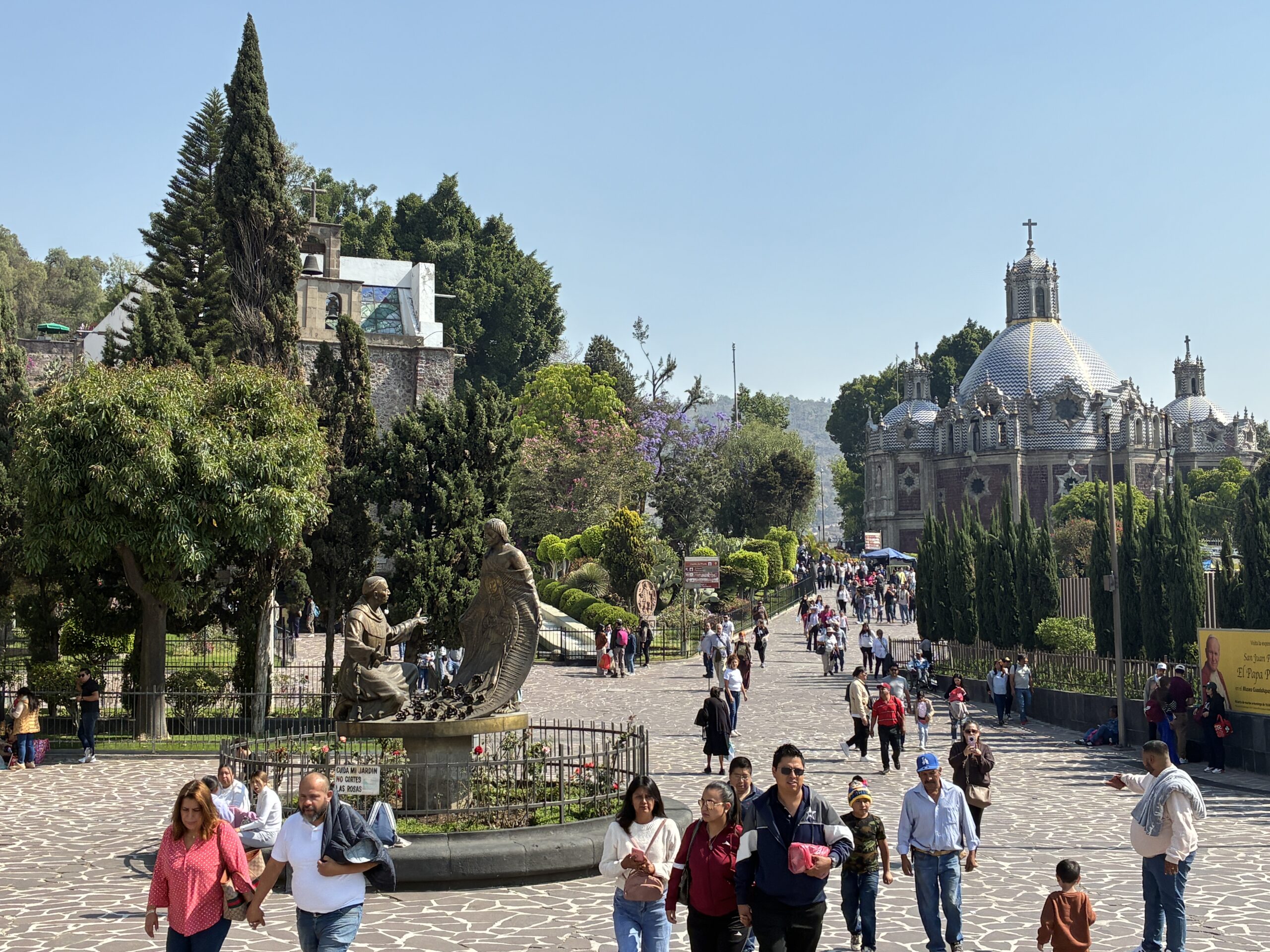
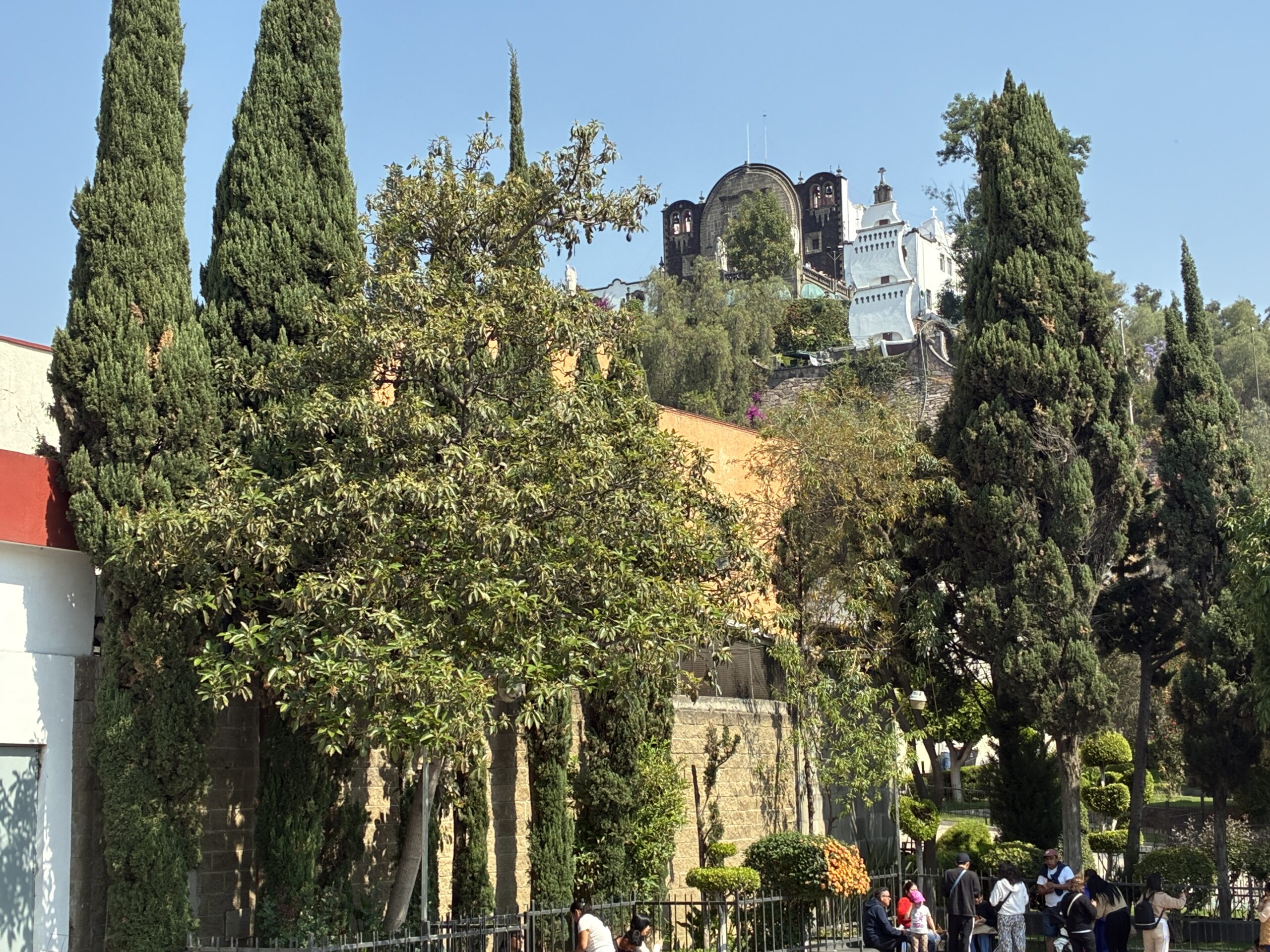
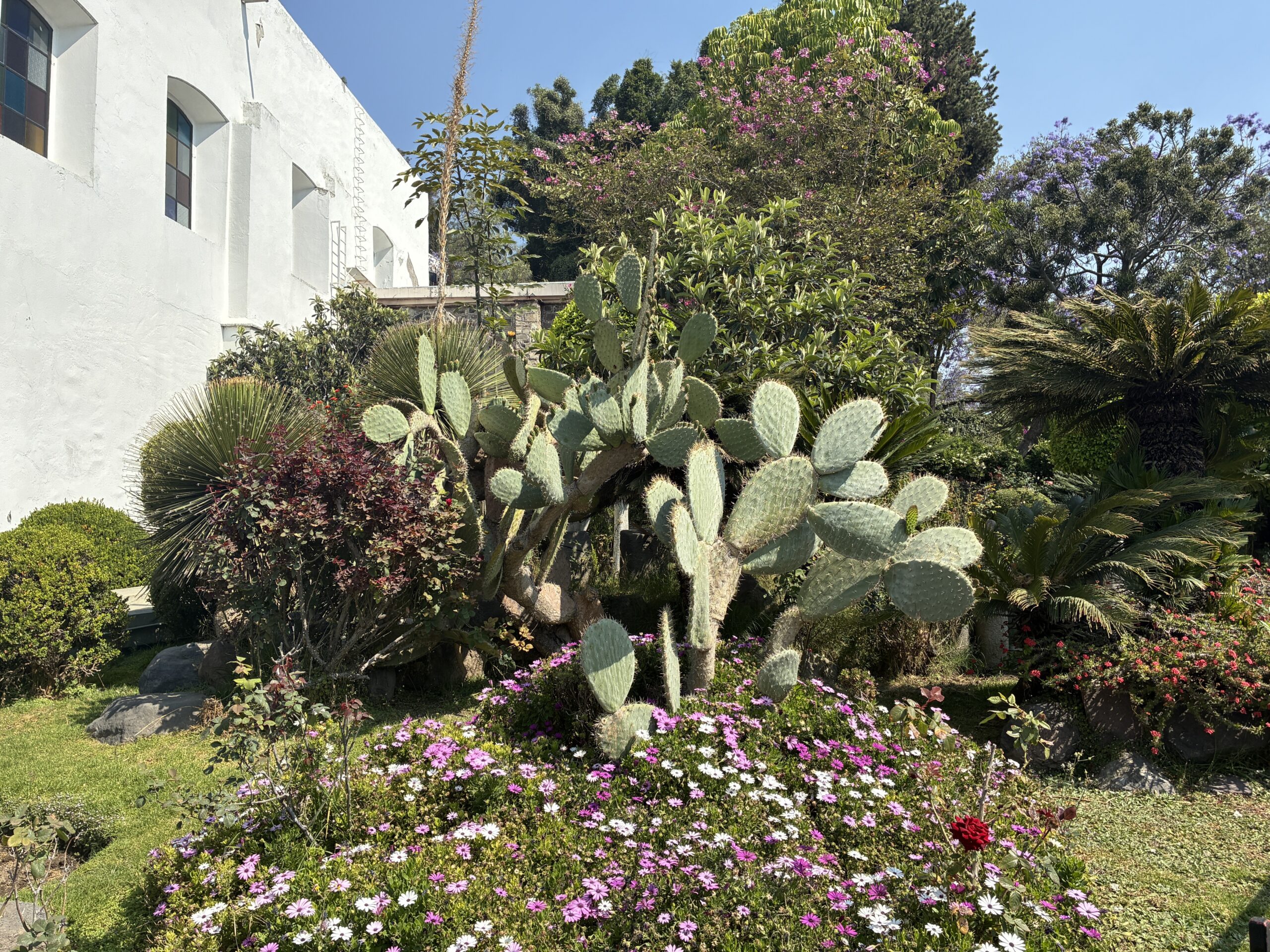
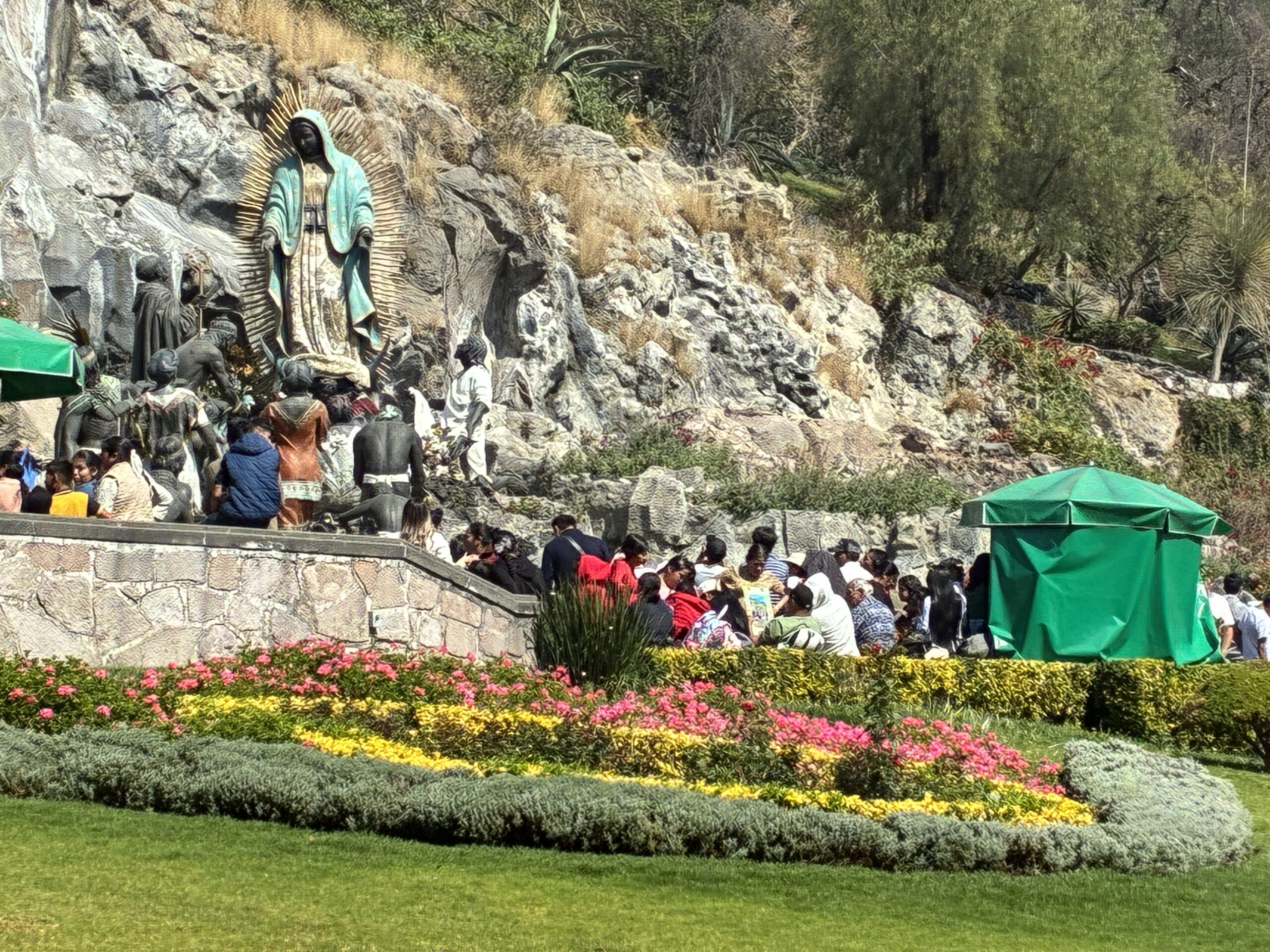

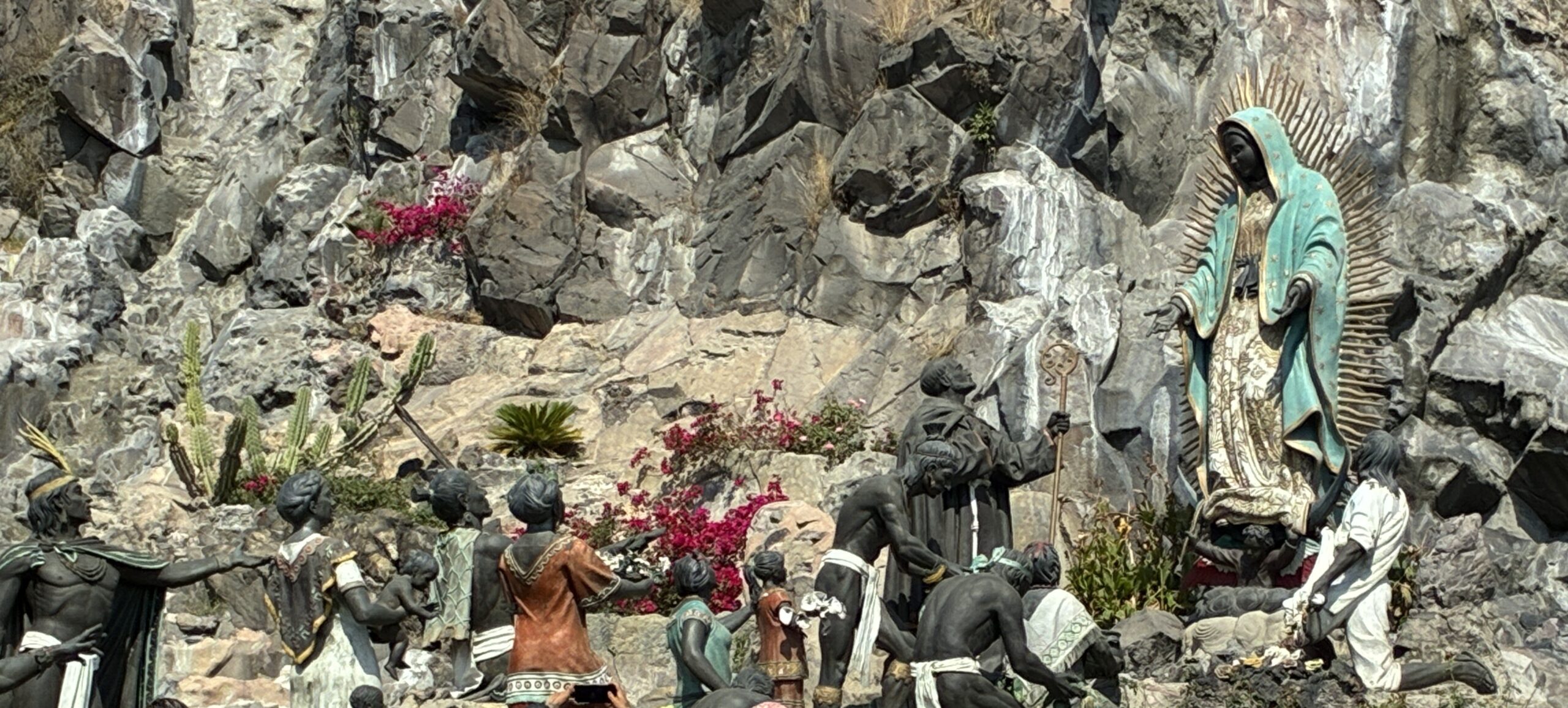
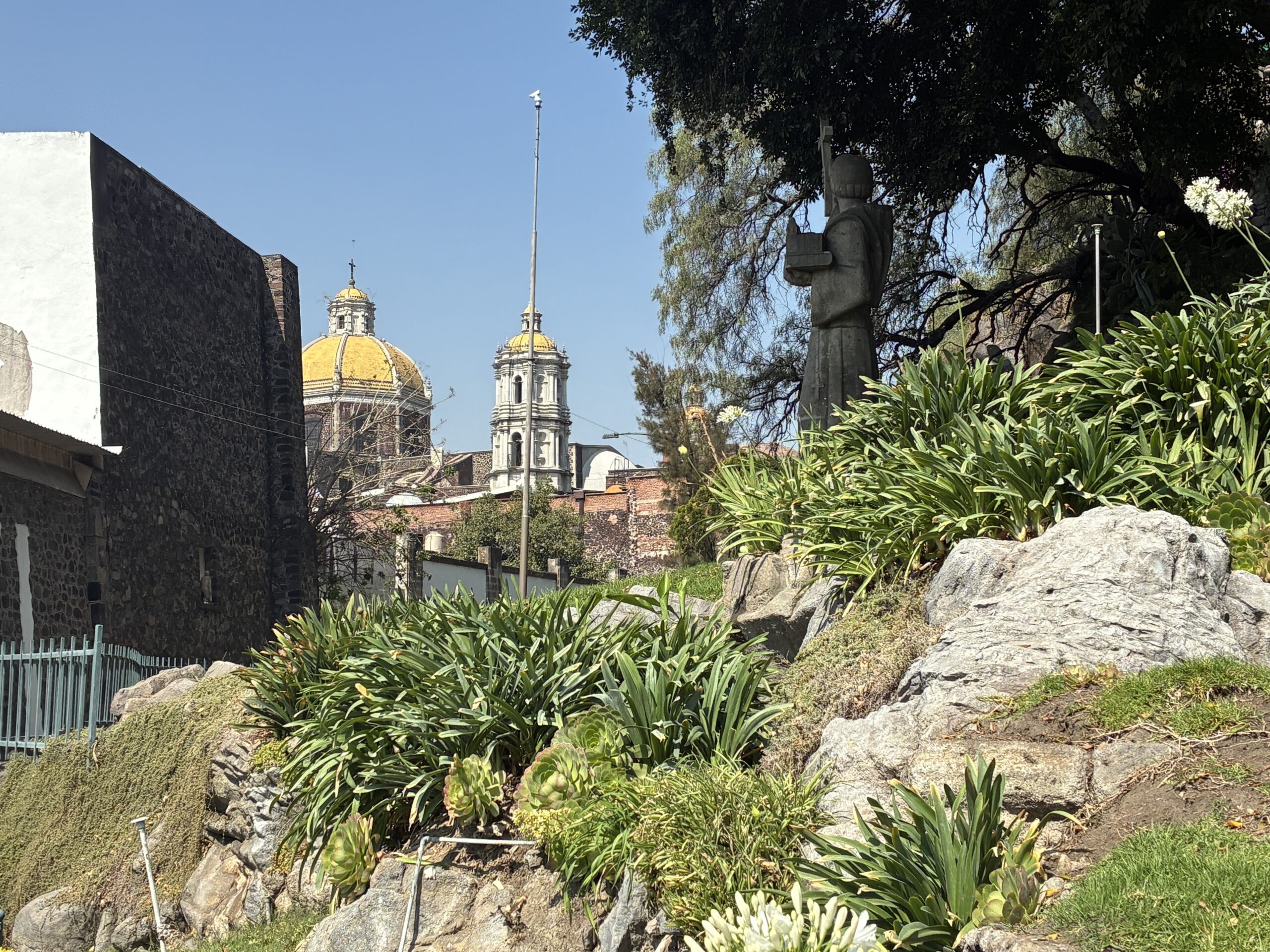

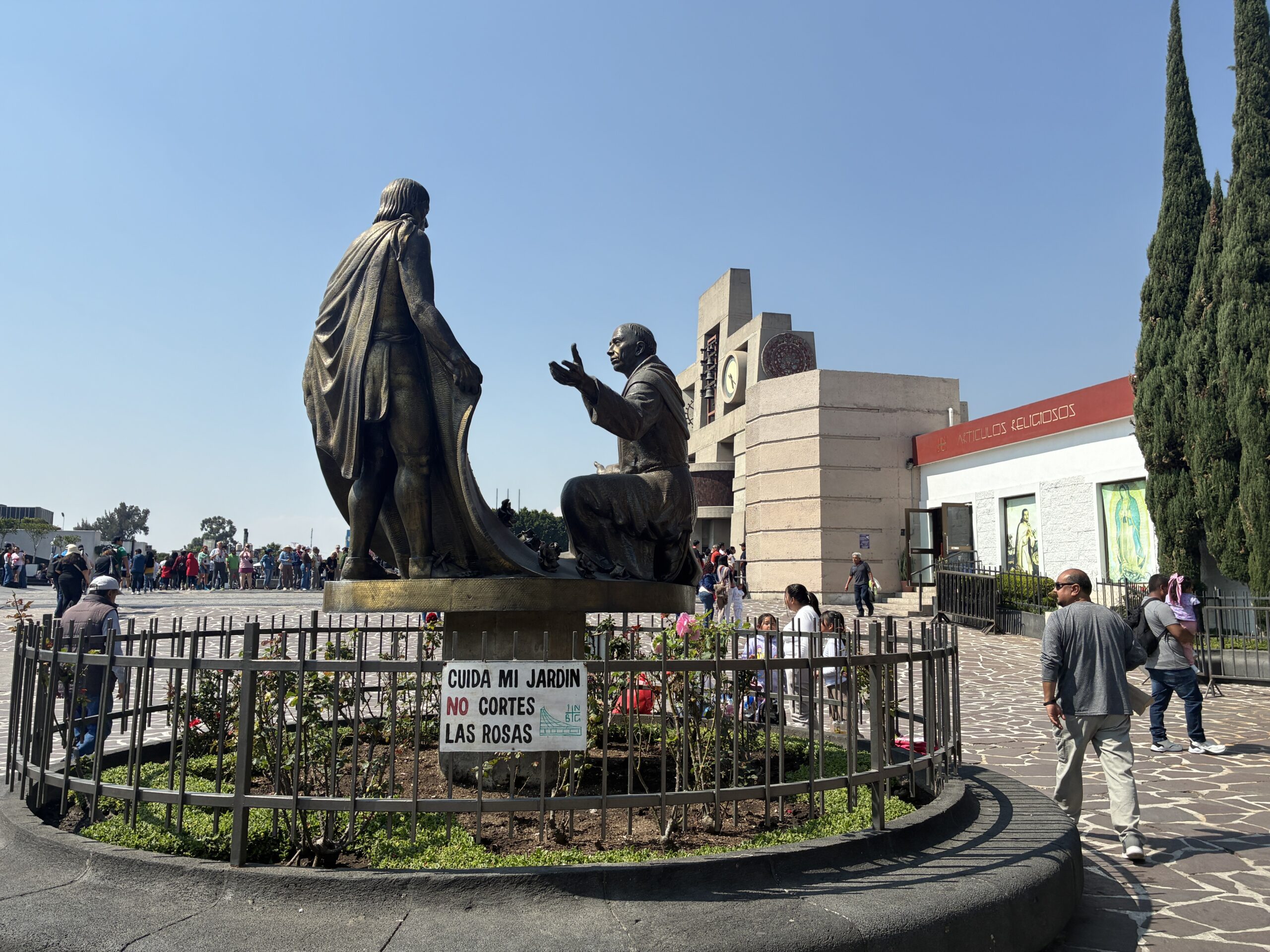
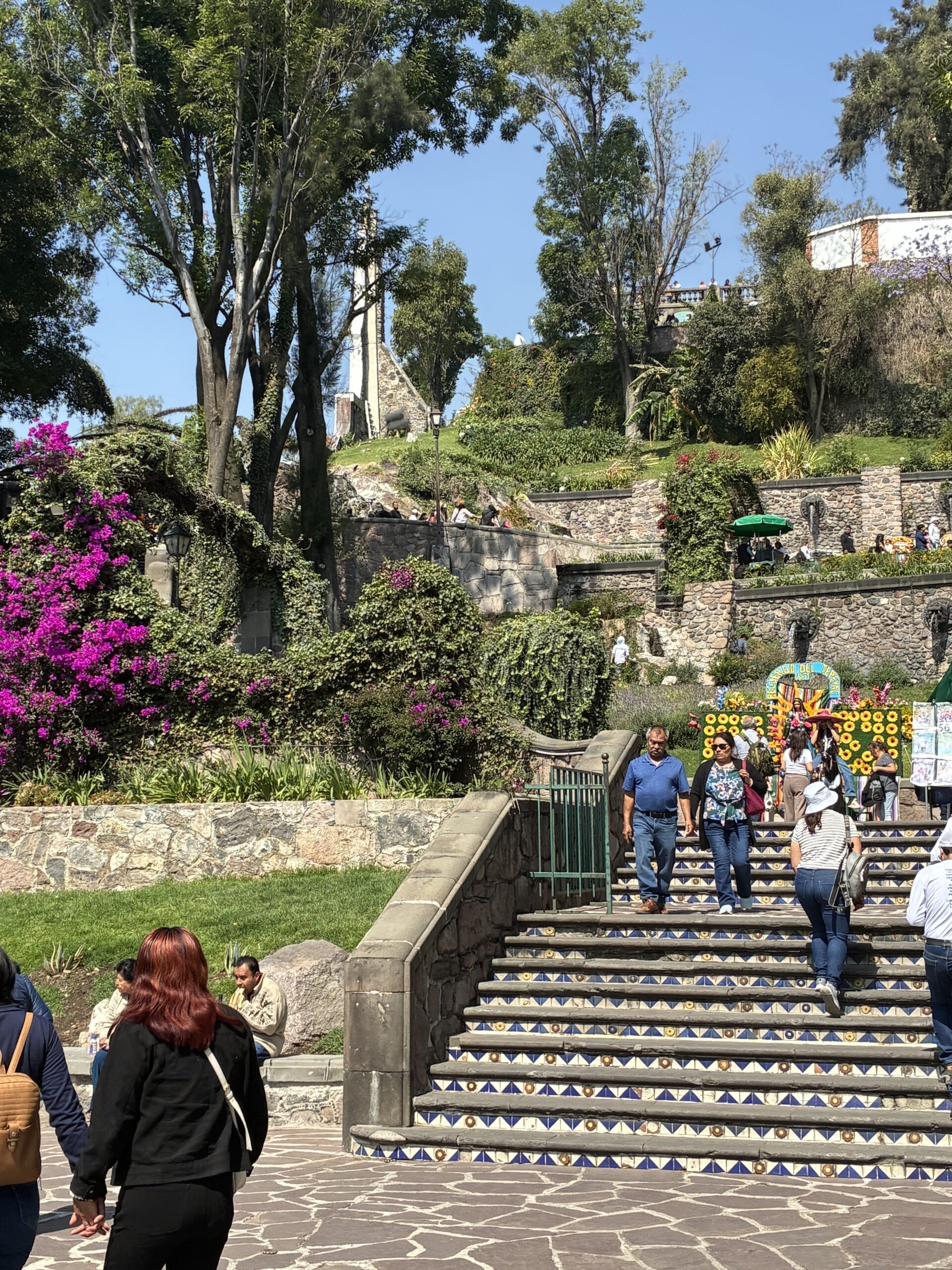
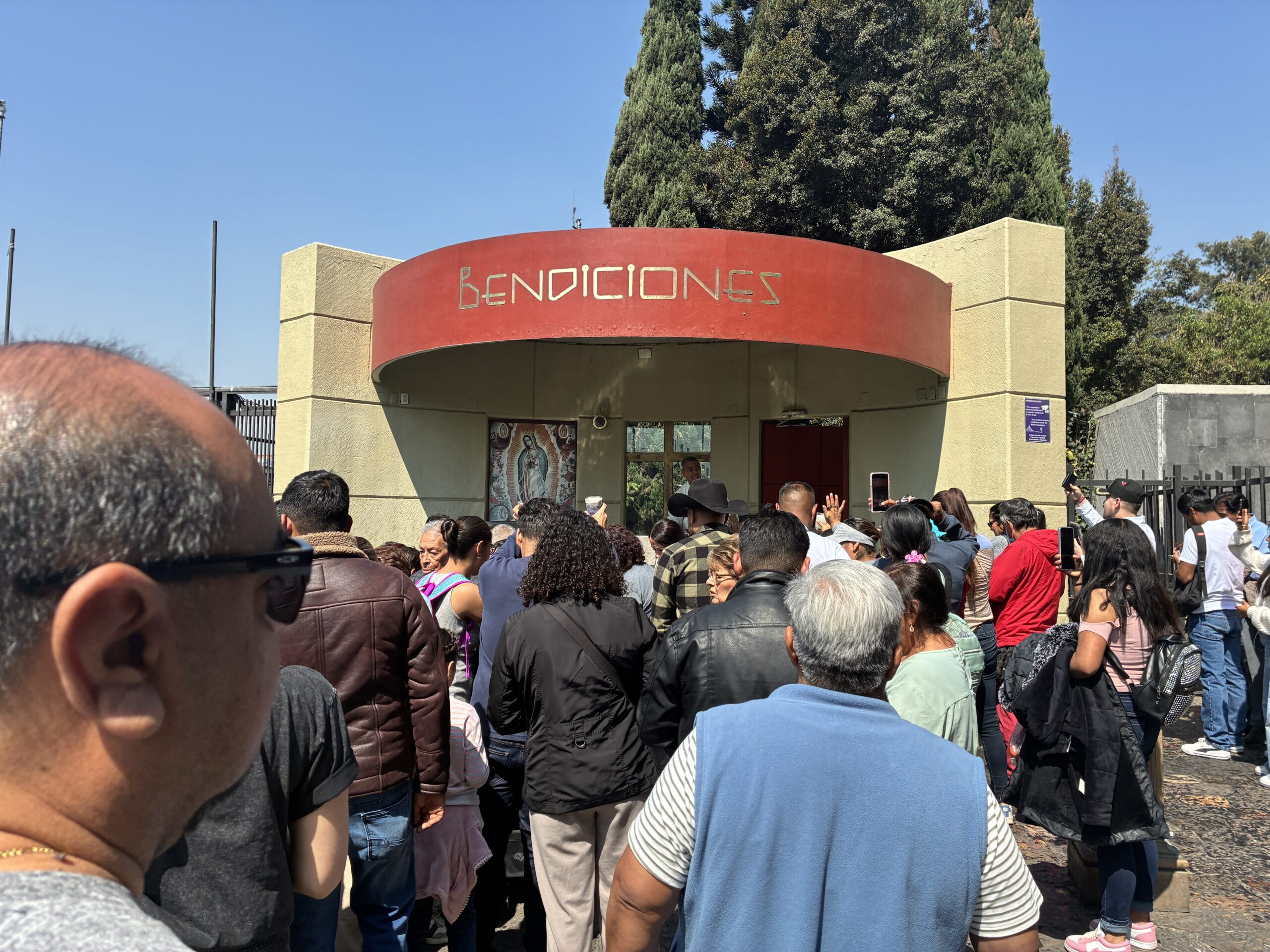
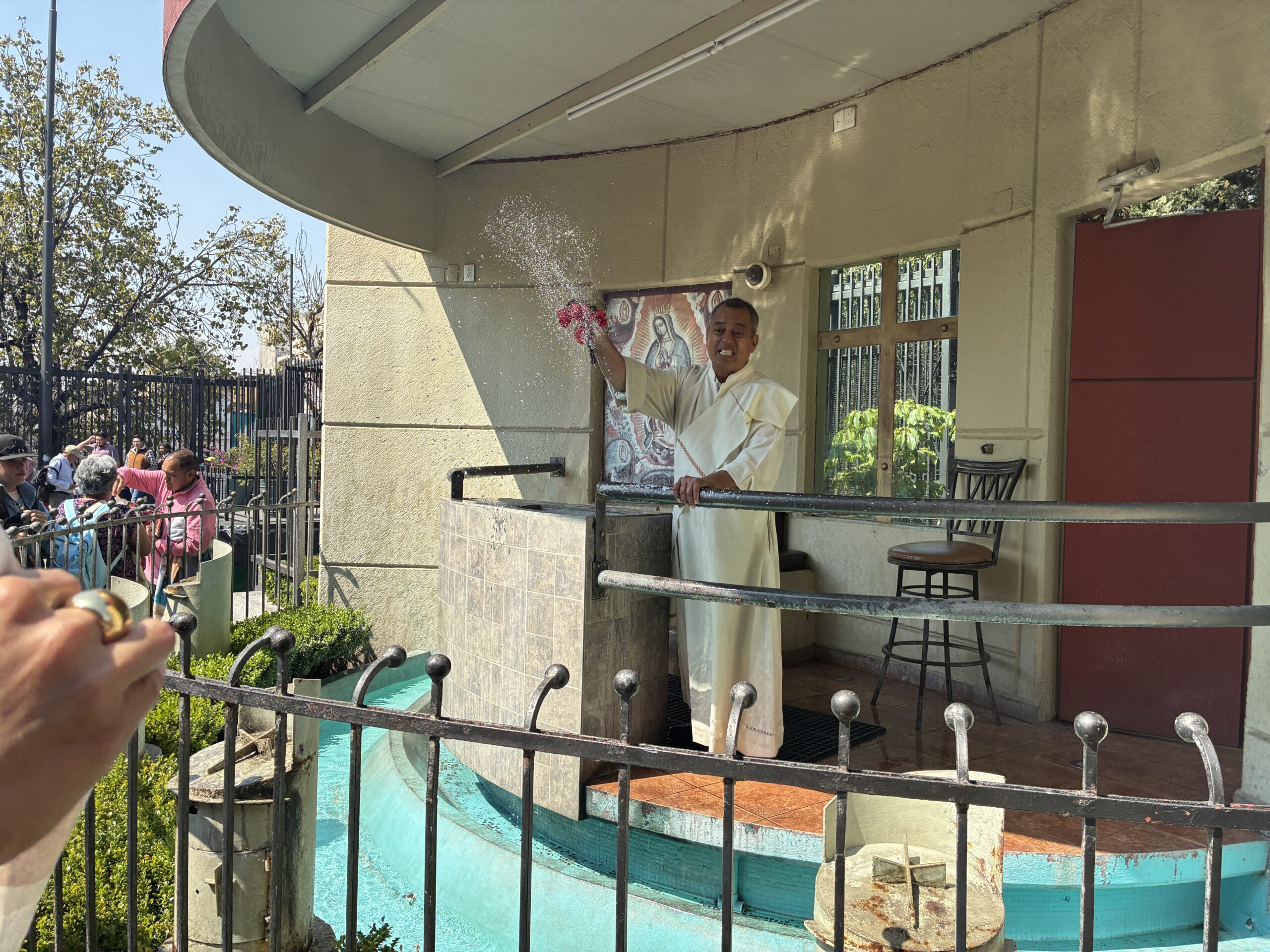
And then, having been splashed with Holy Water, or getting religious artifacts bought at the store splashed (as Gracie and Roger did), we moved on toward Teotihuacán, and the Pyramids of the Sun and Moon, about 31 niles north-east of the city. But, Juan was really giving us our money’s worth, and we made two additional stops on the way. As we headed along the highway, chatting about what were seeing, and where we were heading, and life in general, Juan talked a little more about himself and his history, including living in LA for several years, as well as his proud roots as an indigenous man and a Mexican. The day was good already, Juan was making it better. and it was great having the shotgun seat, both for talking with Juan and also seeing the sights around us.
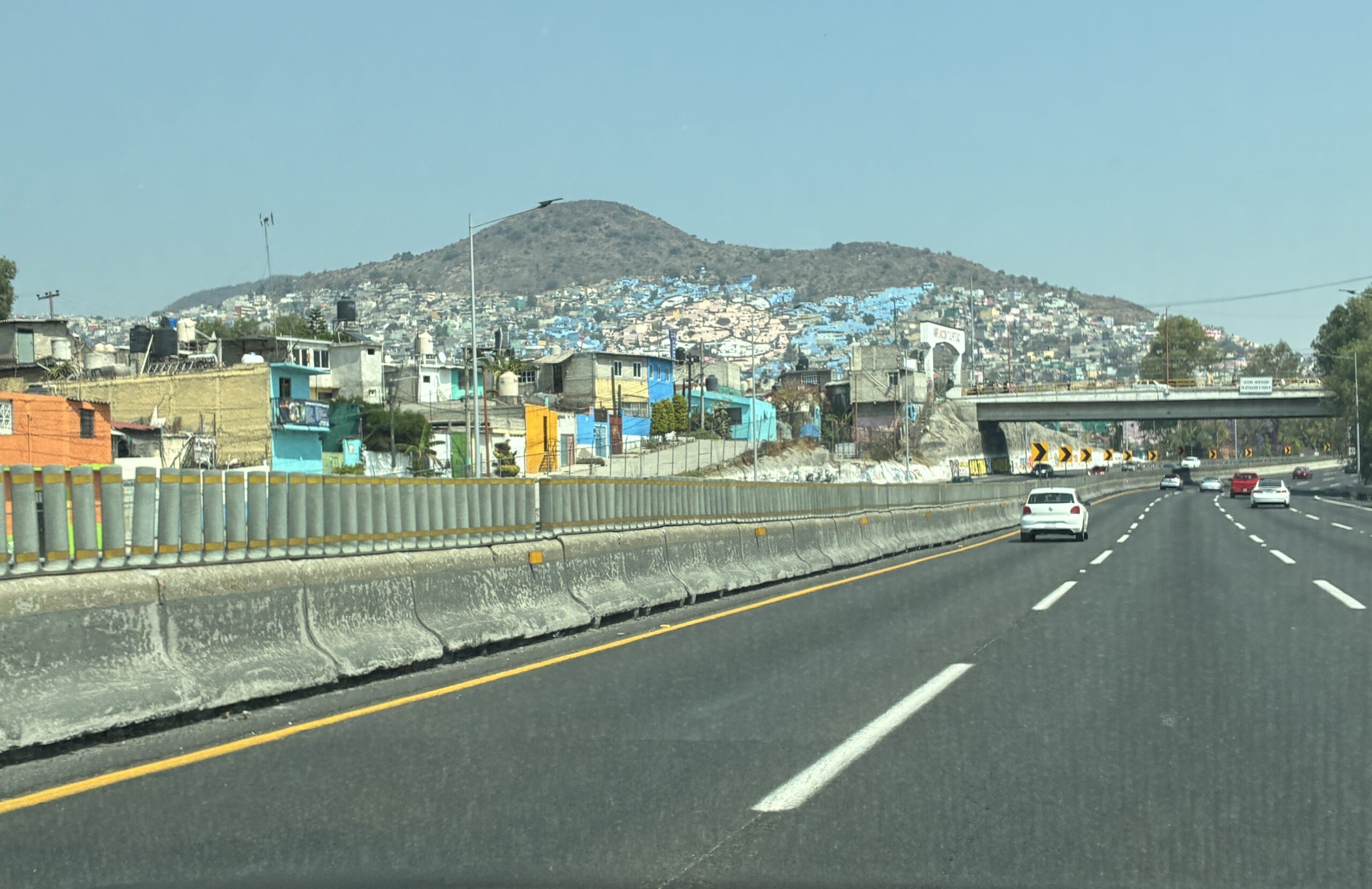
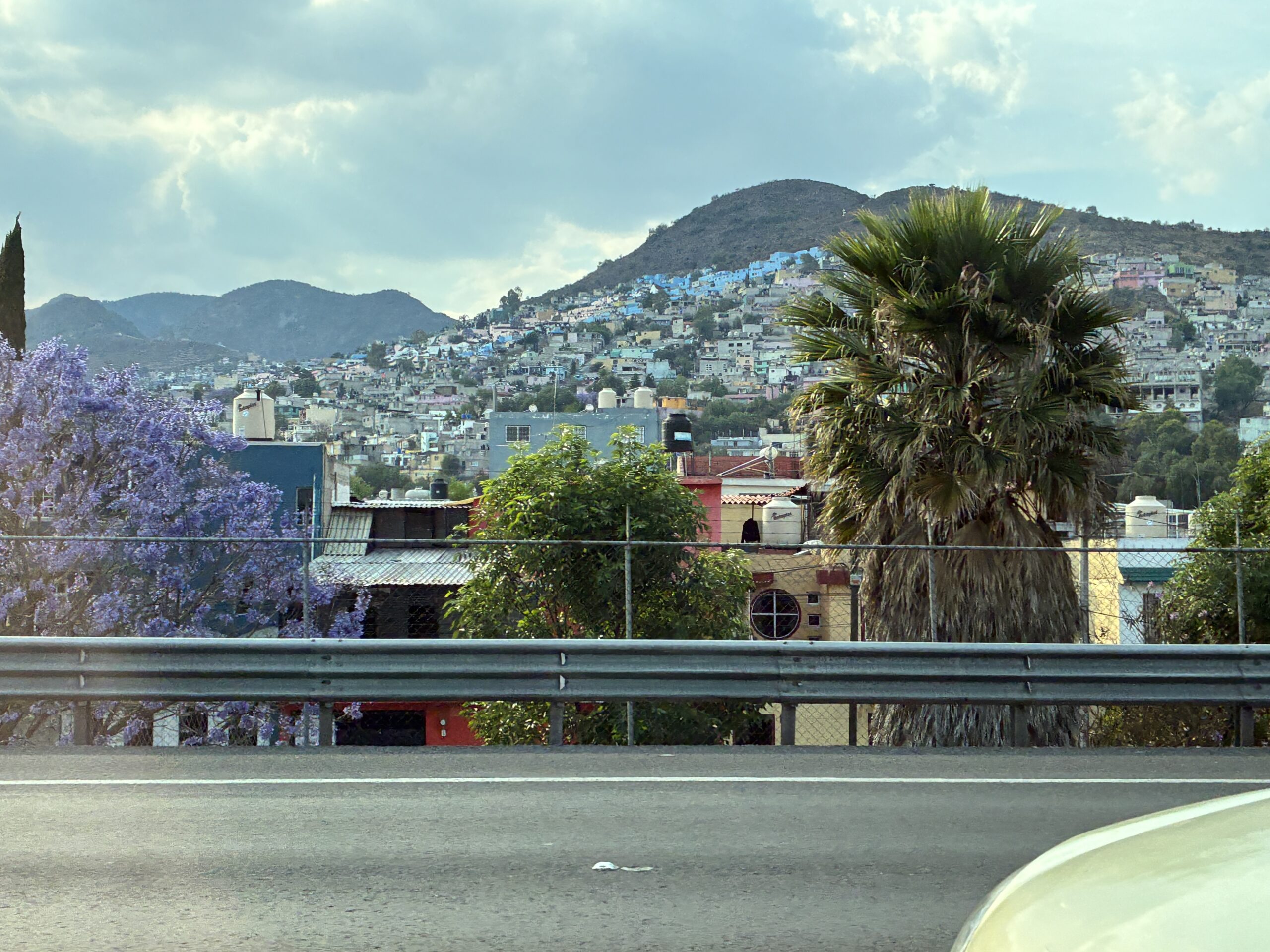
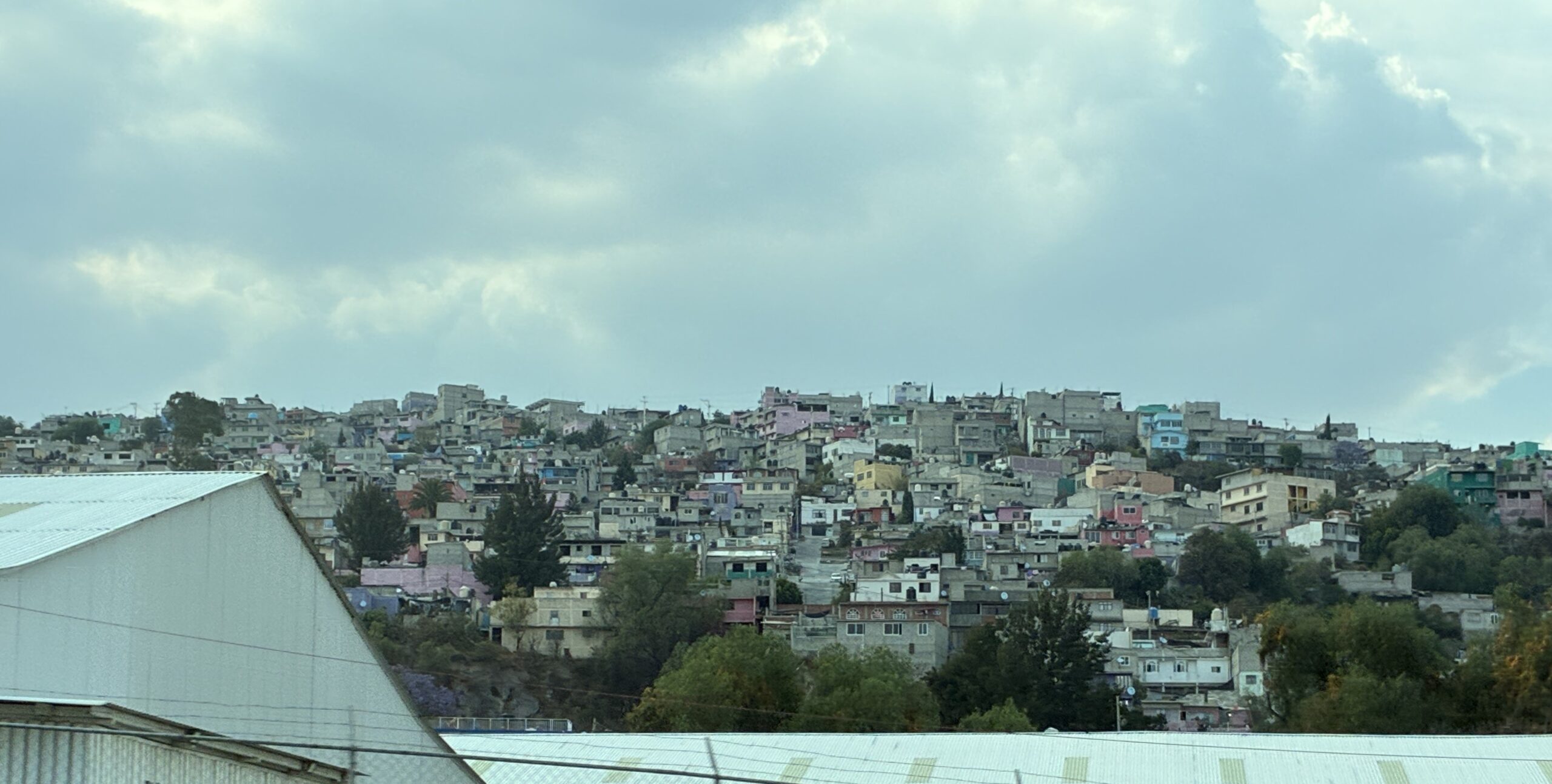
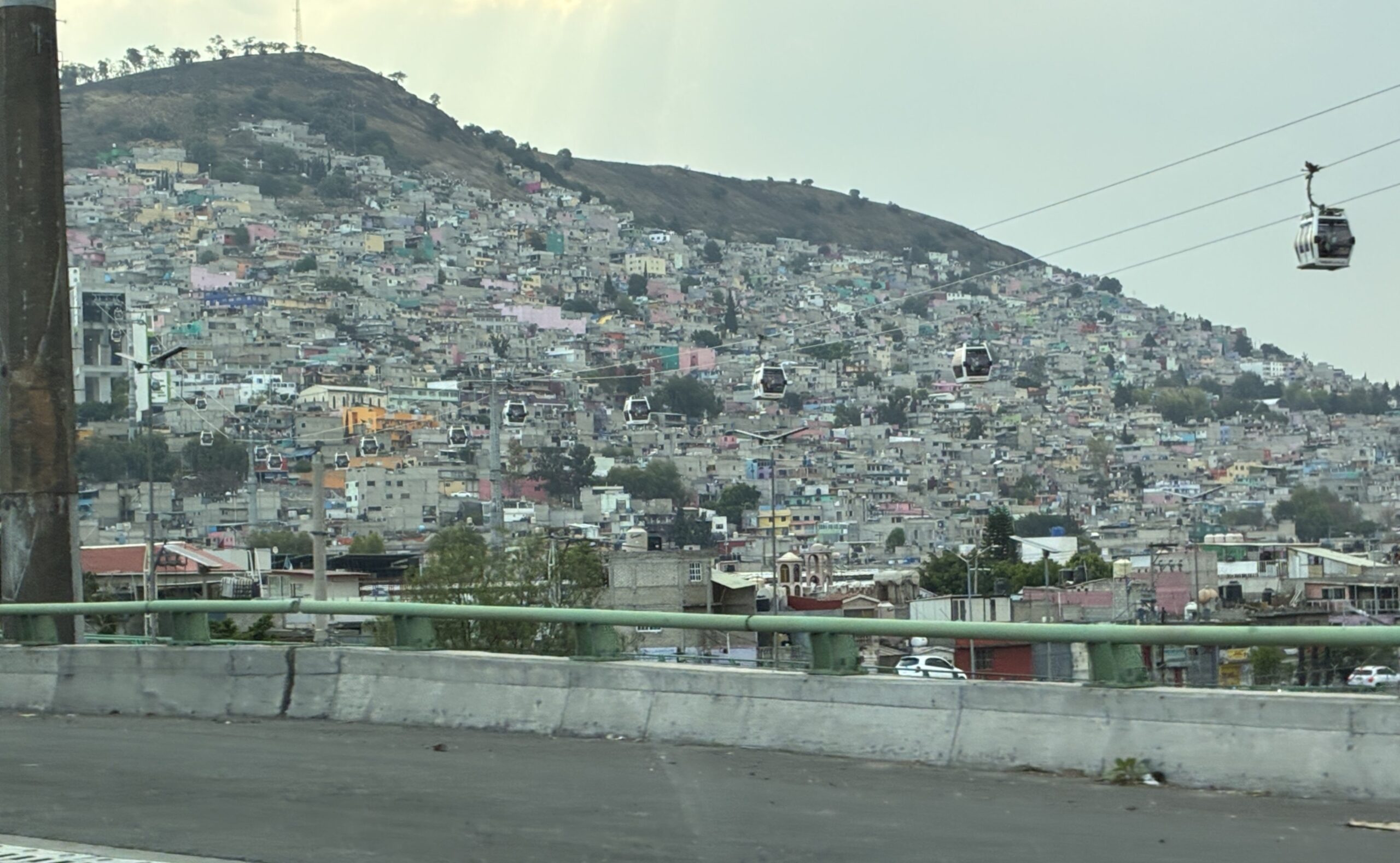
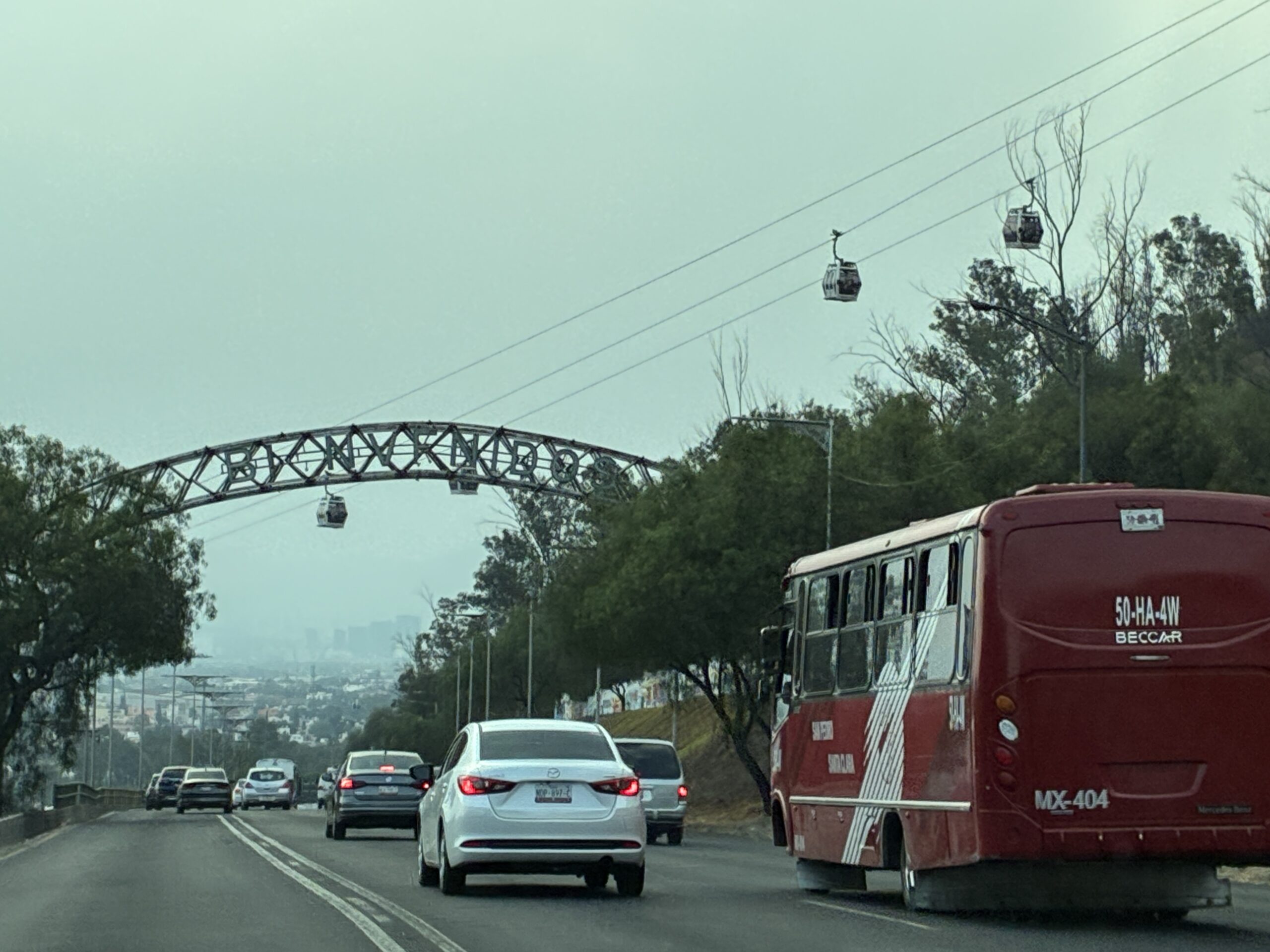
As we headed north, on what is part of the Pan-American Highway, moving further north of the city, the hills and mountain sides were filled with villages and homes, some pretty colorful, and we passed through a section where Mexicable cars run across and along the highway for many miles, part of the local public transit system. Mexico is some place.
On a clear day, you can see one or two of the four volcanos near the city, including Popocatépetl, which is active, but we weren’t able to see them today, even thought it was clear and bright. They’re south and west of the city, though, and about 40 to 50 miles from the city, and I imagine would be difficult to see from we were today. It is earthquakes, though, that pose much more of a risk, and there are frequent minor earthquakes that are usually not felt, and occasionally some that trigger mild tremors. The last major earthquake in Mexico City was 1985, and in 2017 an earthquake caused building collapses in Puebla.
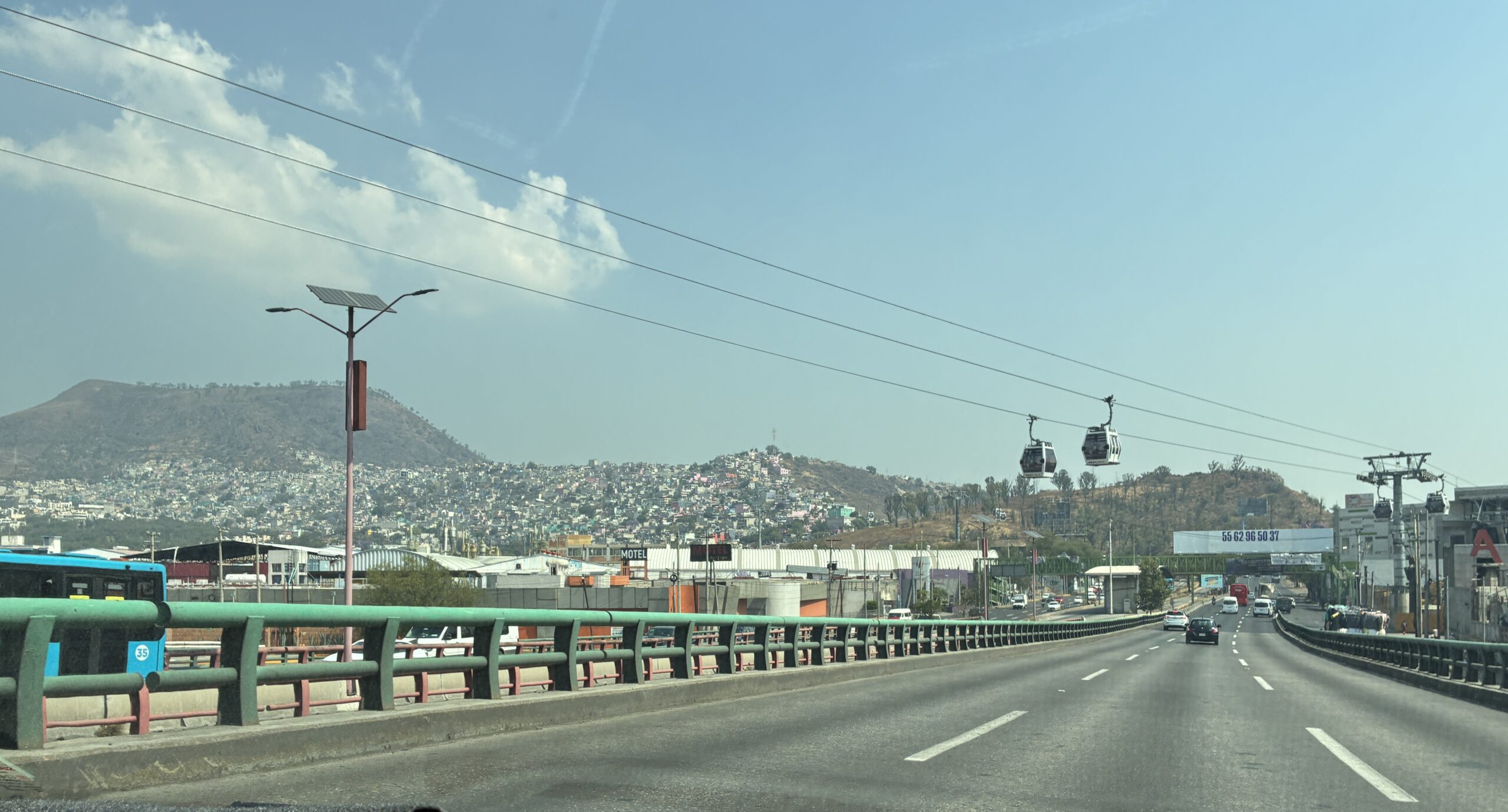
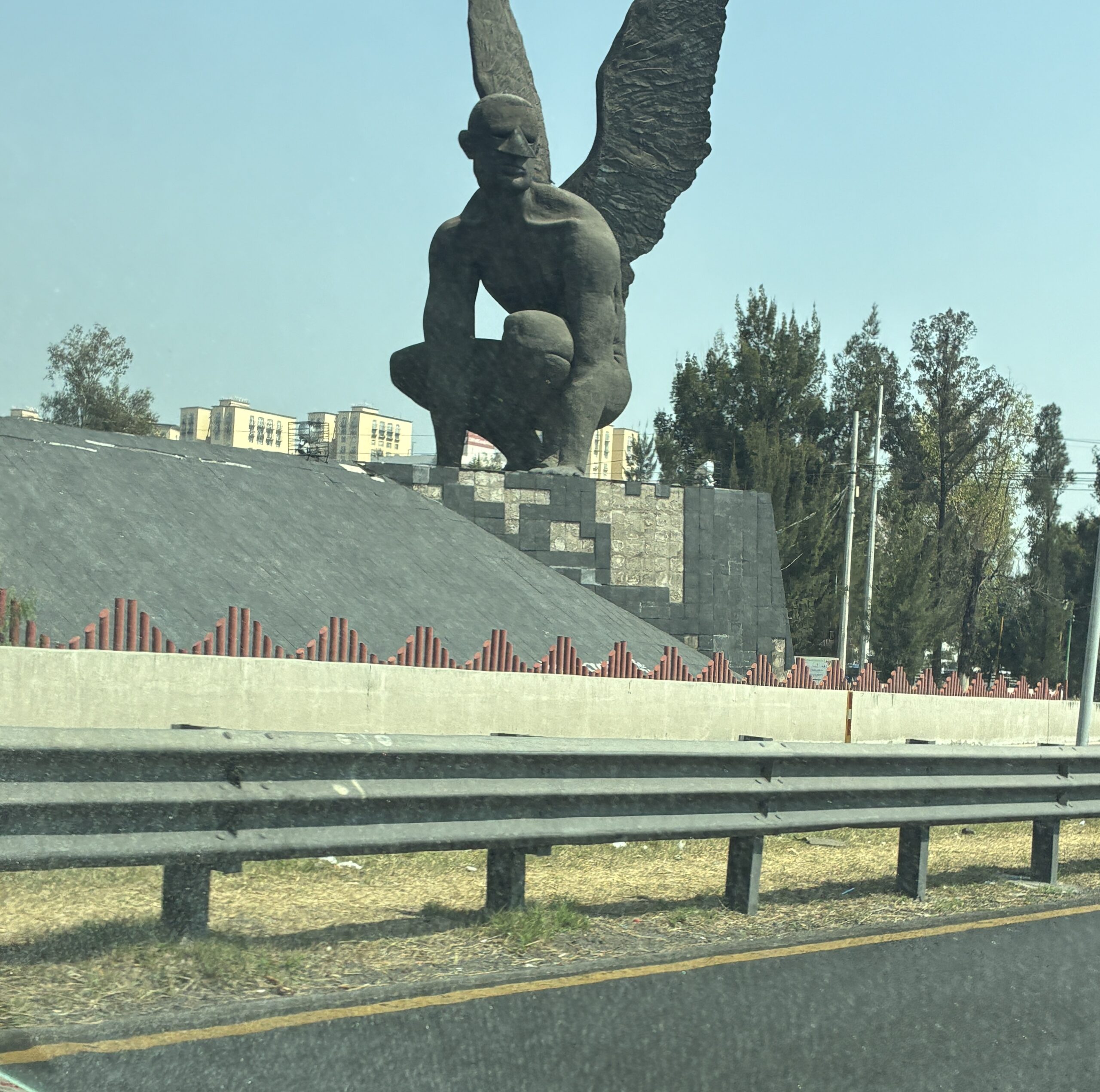
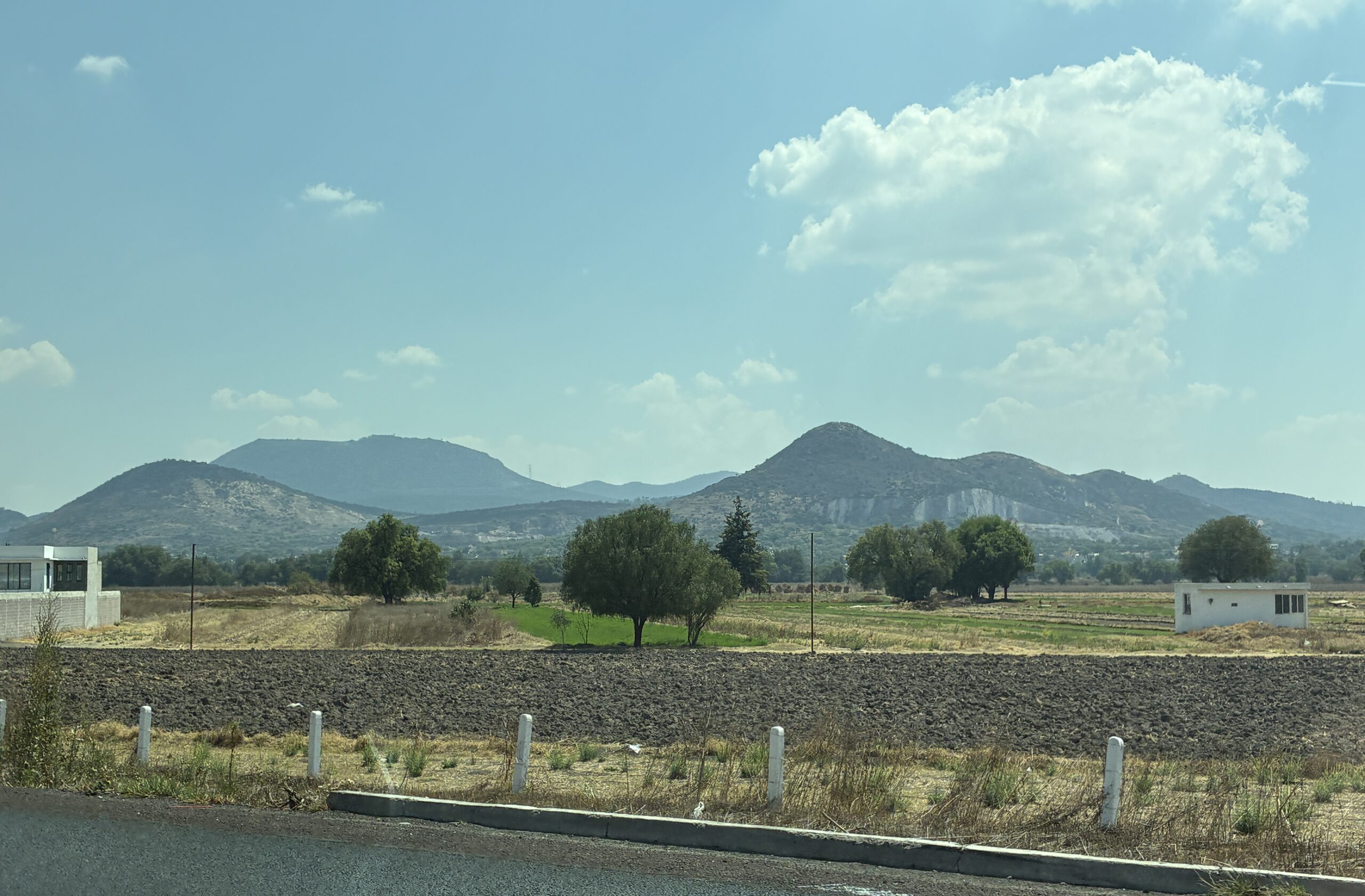
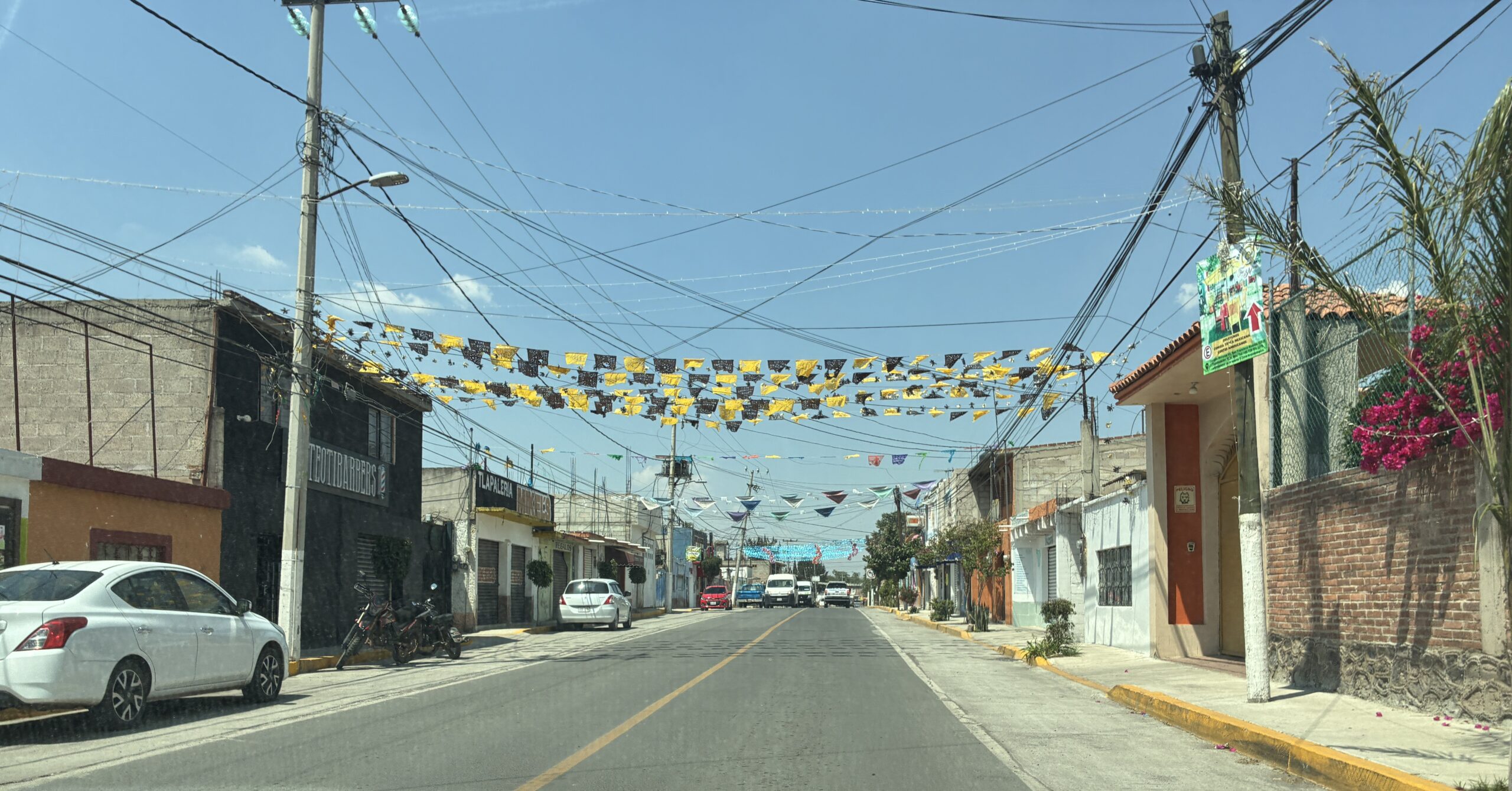
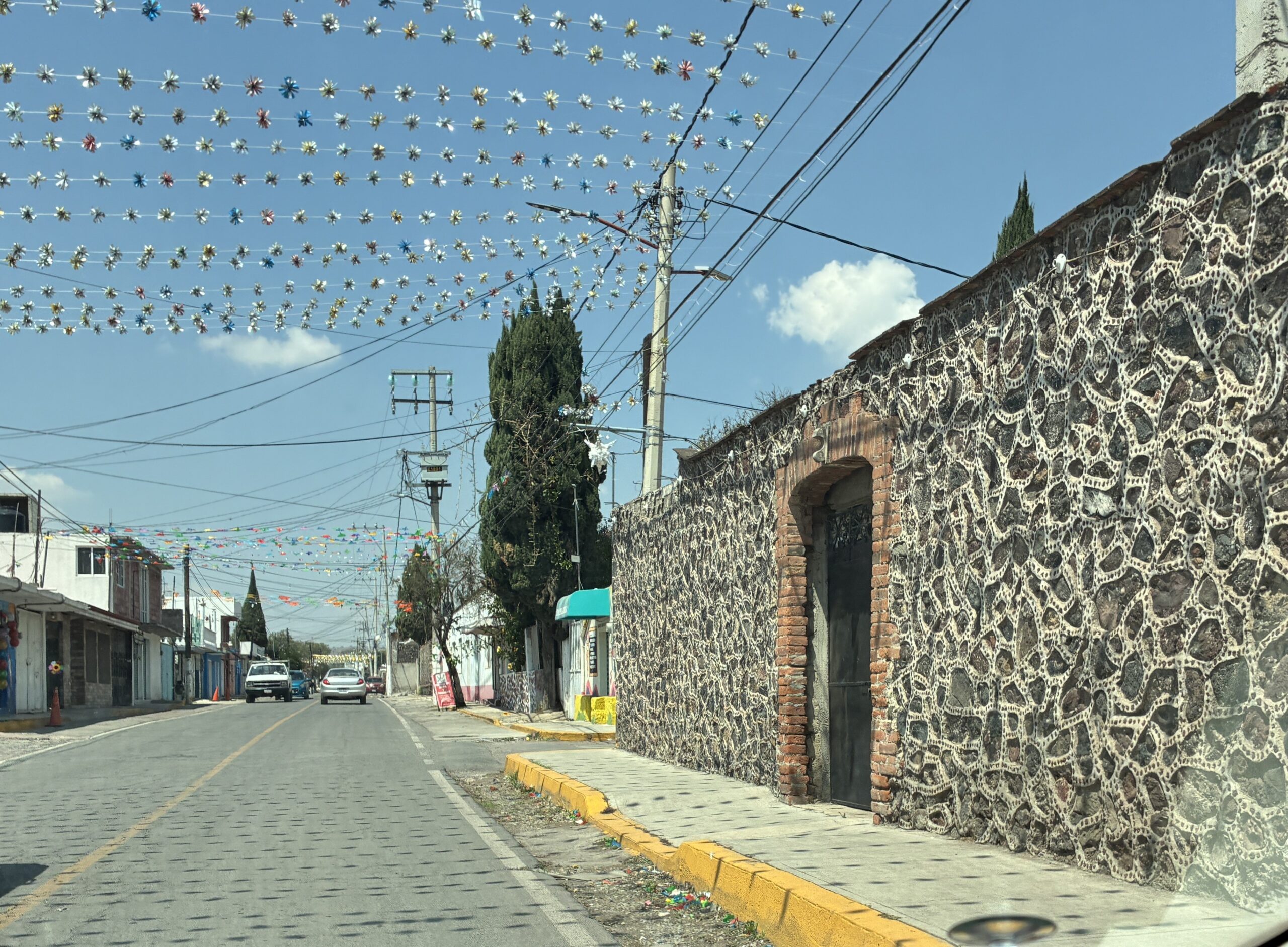
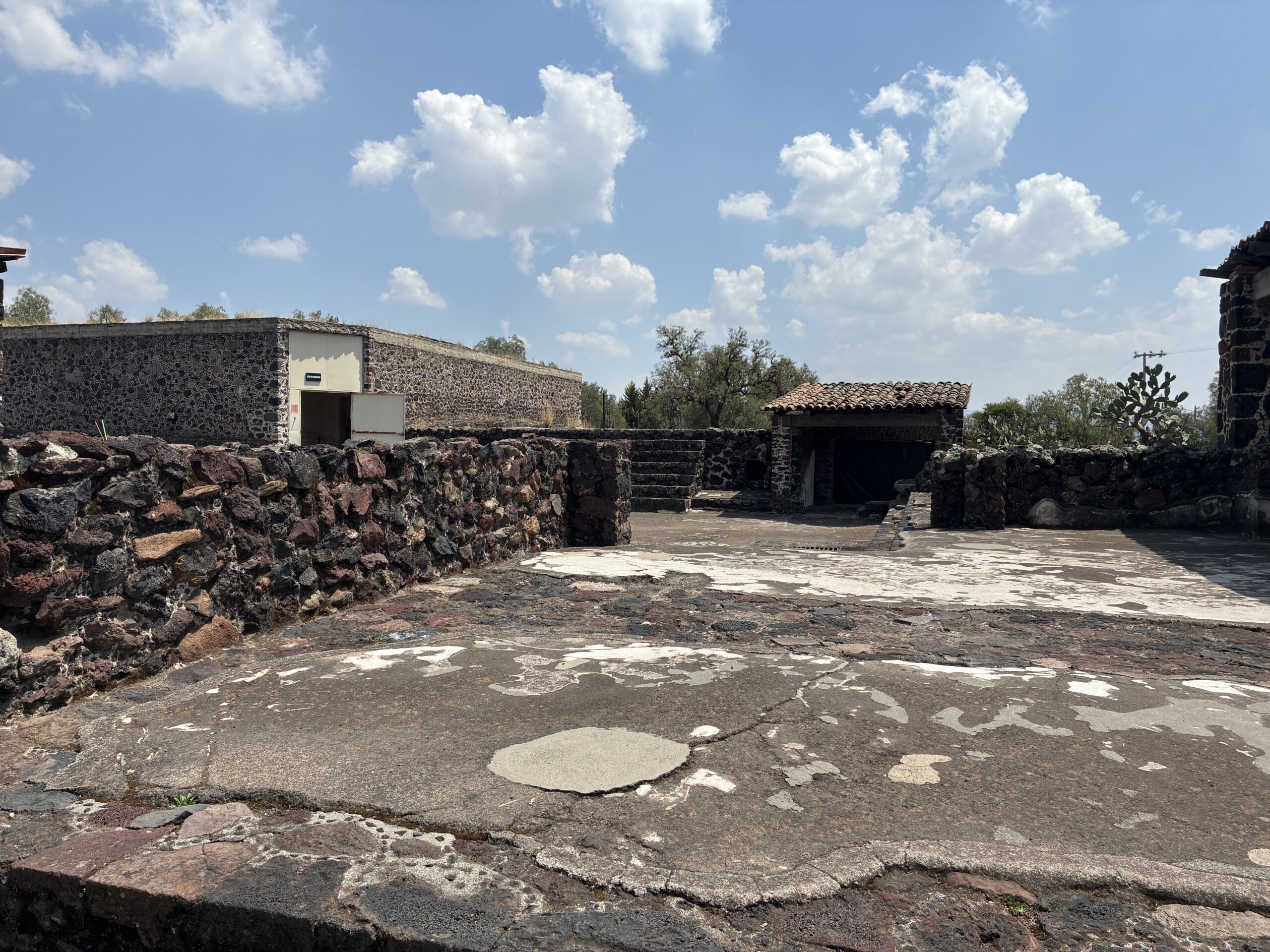
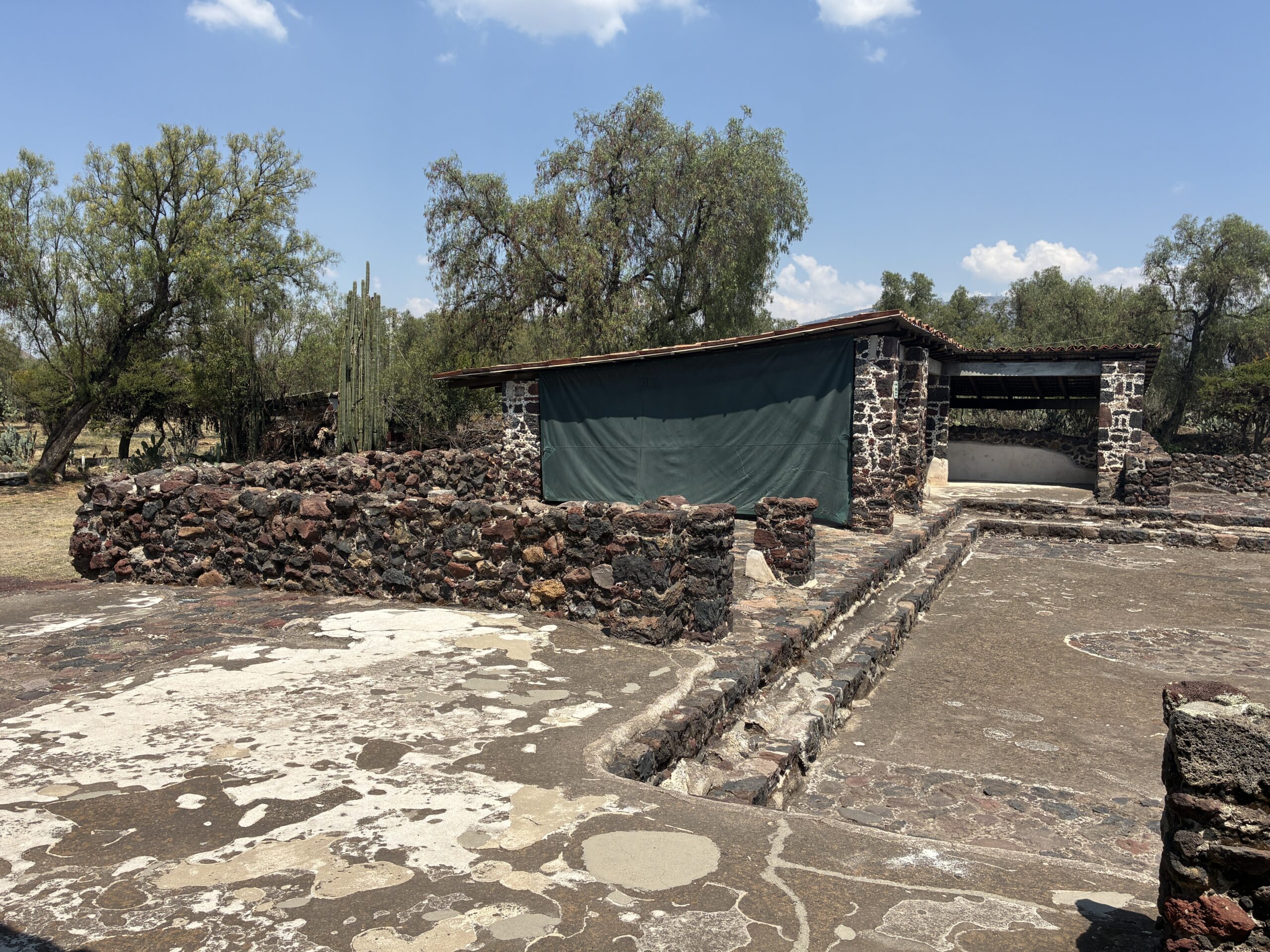
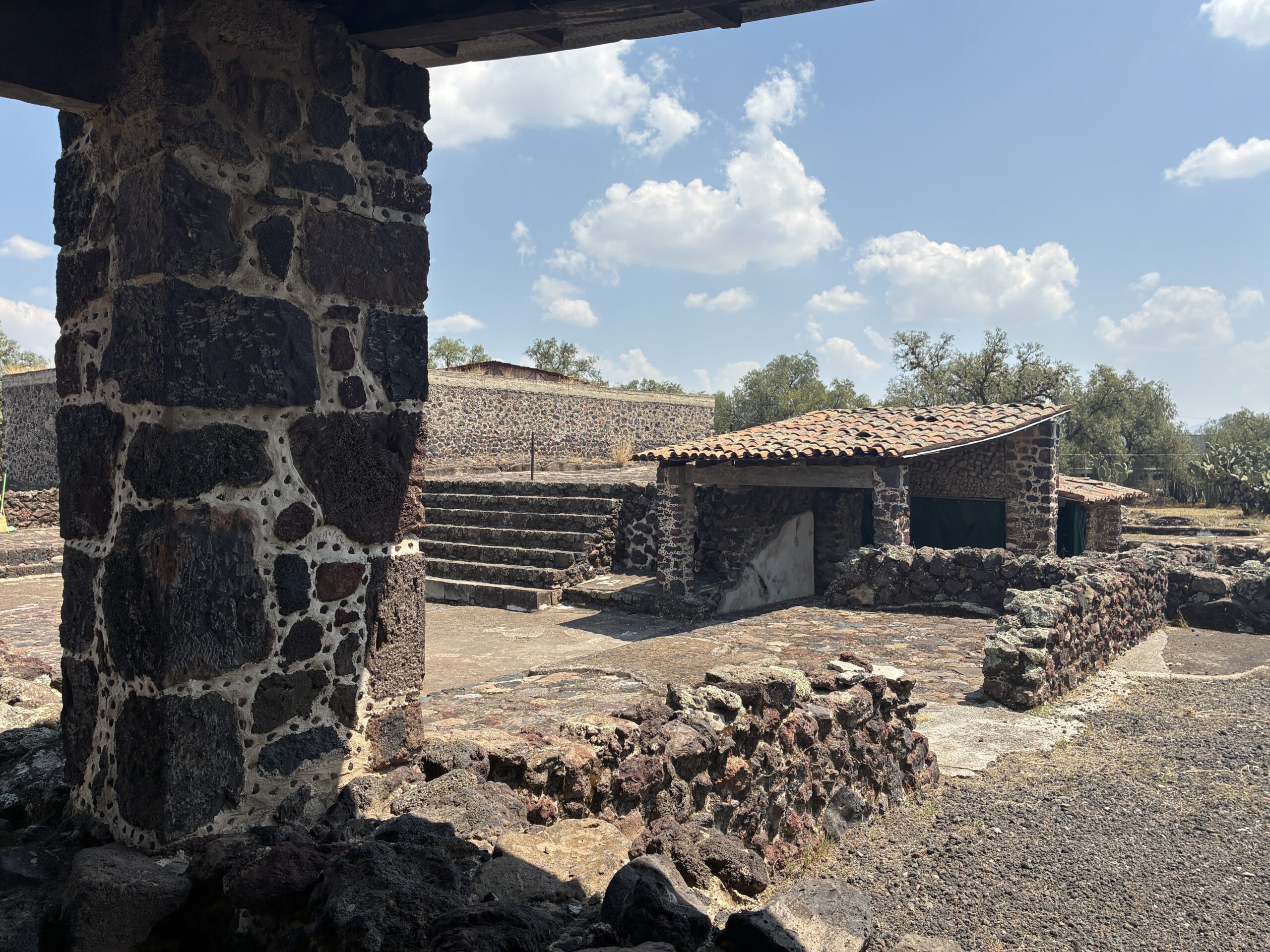
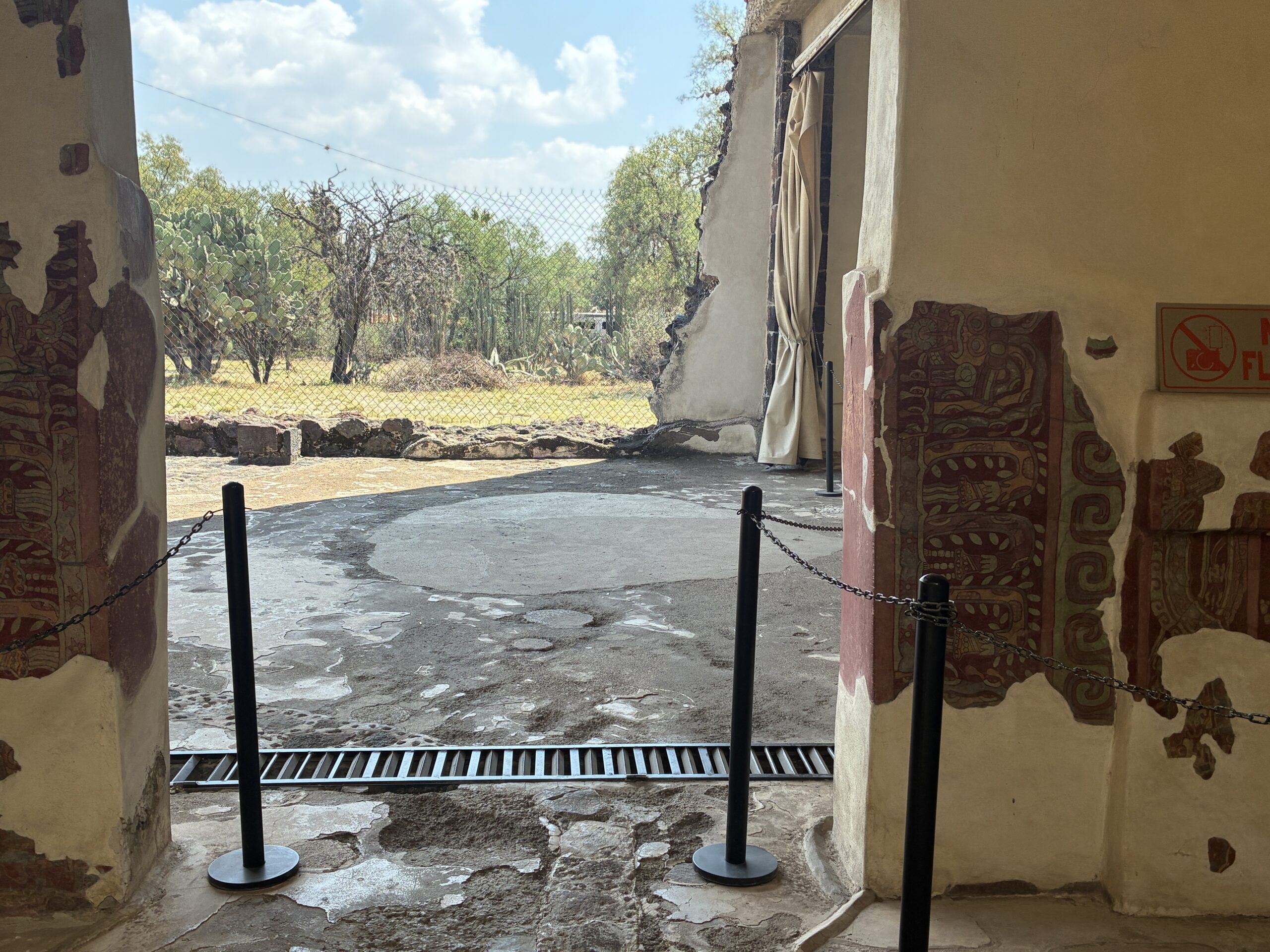
We reached Teotihuacán, but first stopped at the ruins of Tepantitla, a residential living community, known for some of the best-preserved wall murals from ancient Mexico. The ruins are located outside of the village of San Juan, designated as a Puebla Magica, one of many such villages designated as a “magical village” because of their historic importance, cultural richness, architecture or traditions, and their sense of “authentic Mexico.”

Tepantitla was a residential area of in what was the city of Teotihuacán, where the pyramids are, where the people, and in this case most likely the elites, lived. It contains some of the best-preserved murals in Mesoamerica, although, like the ruins, only pieces remain and are visible. They depict both spiritual and religious themes, and also themes of everyday life.

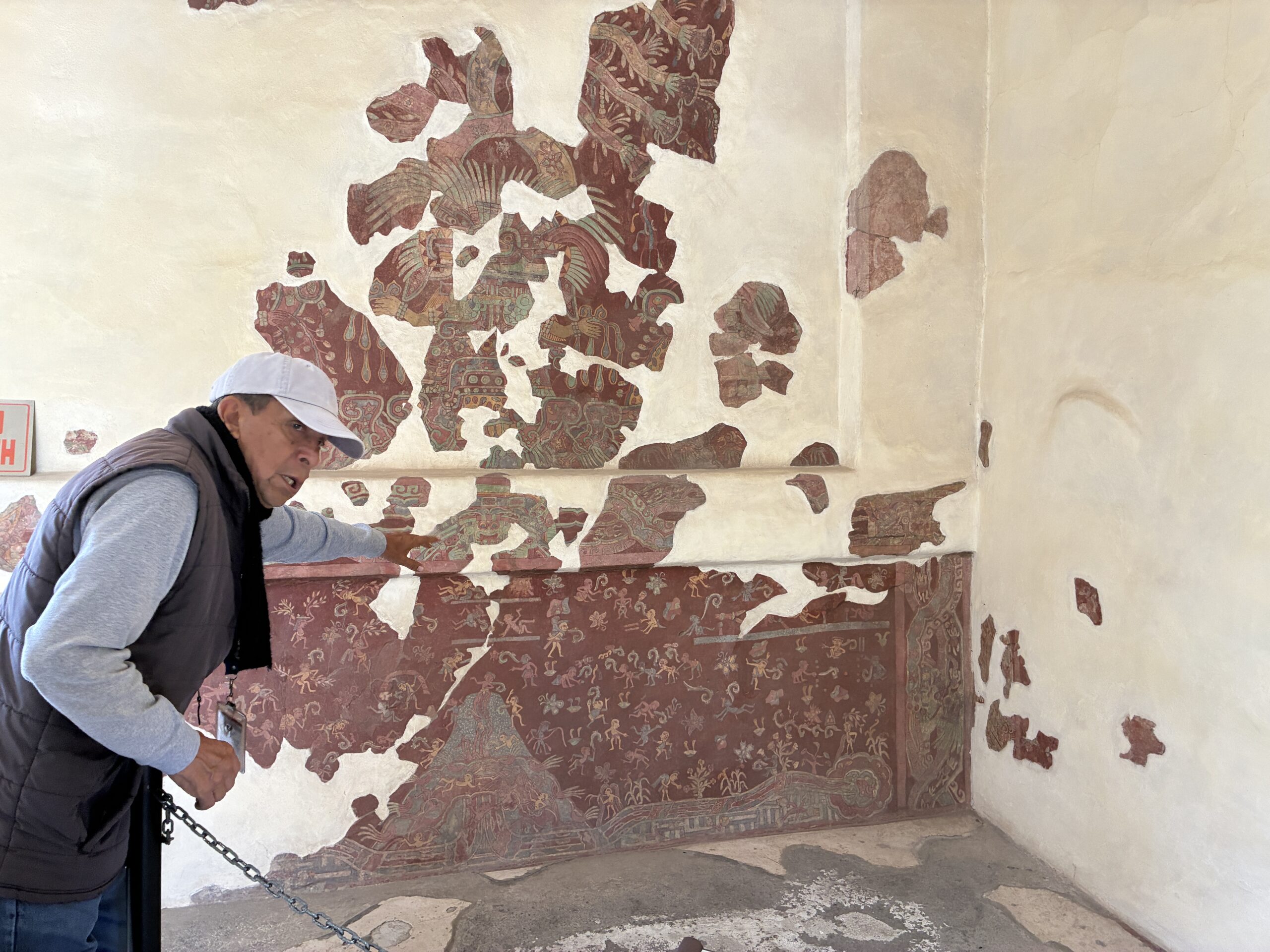
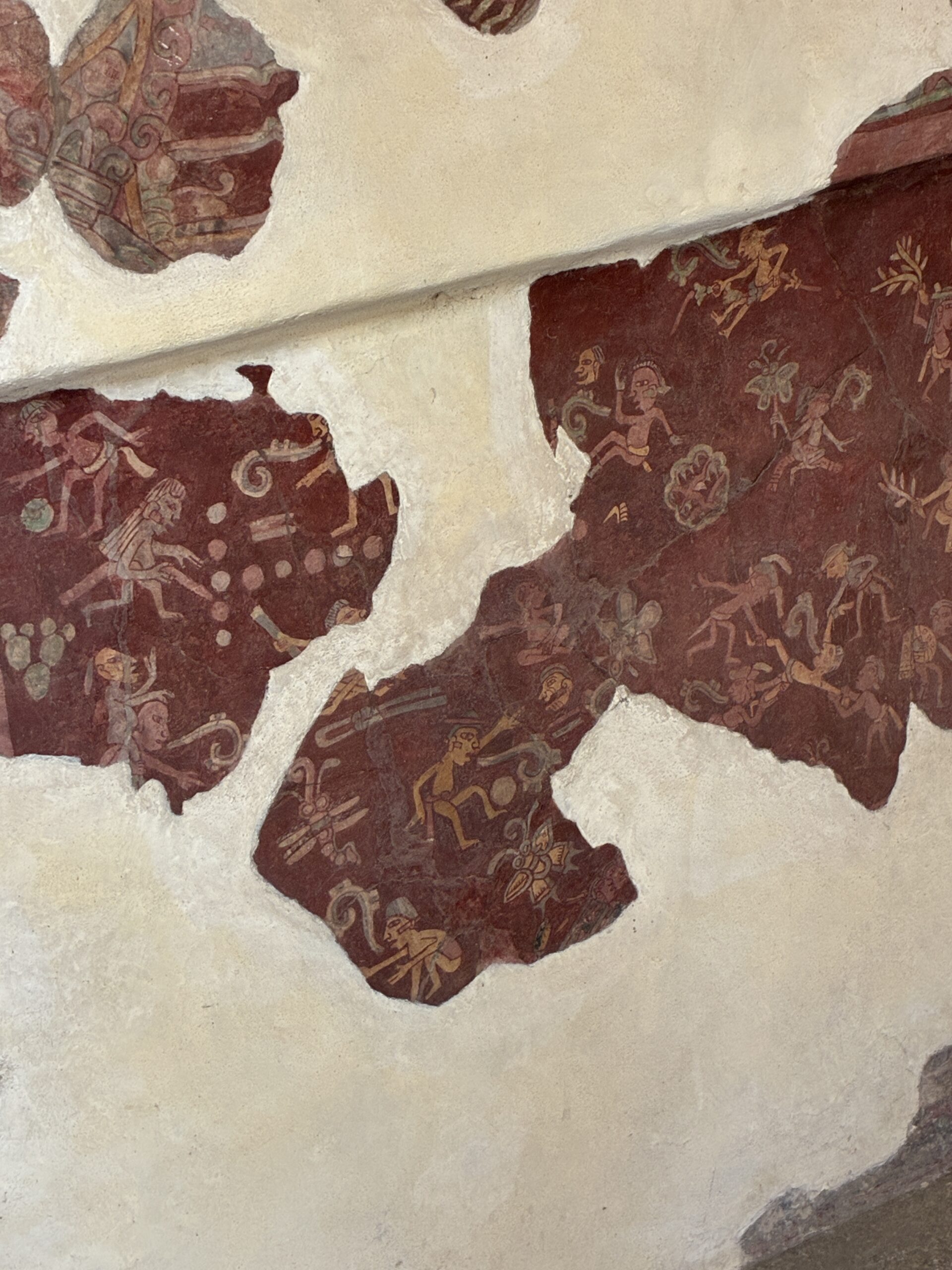
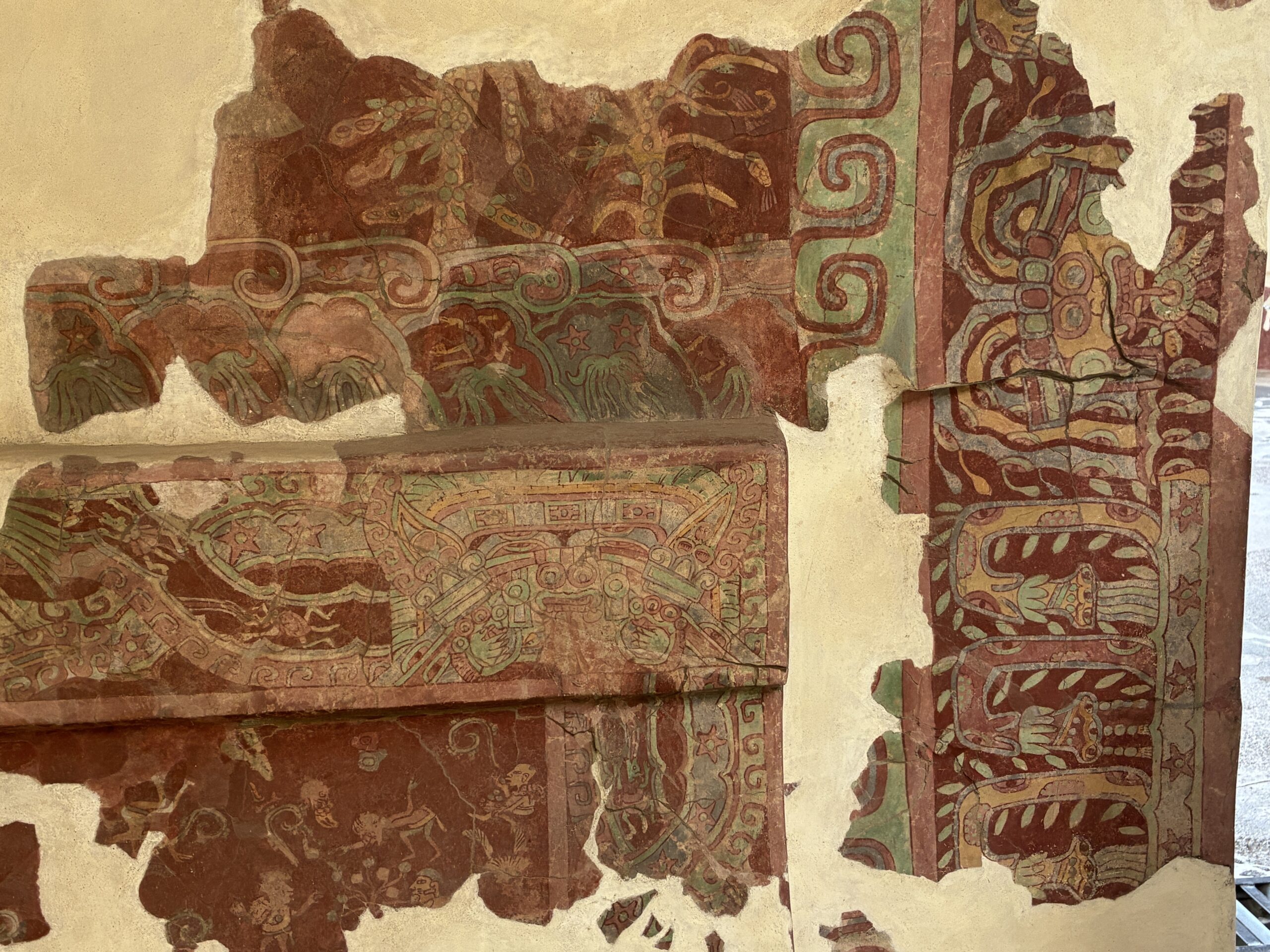

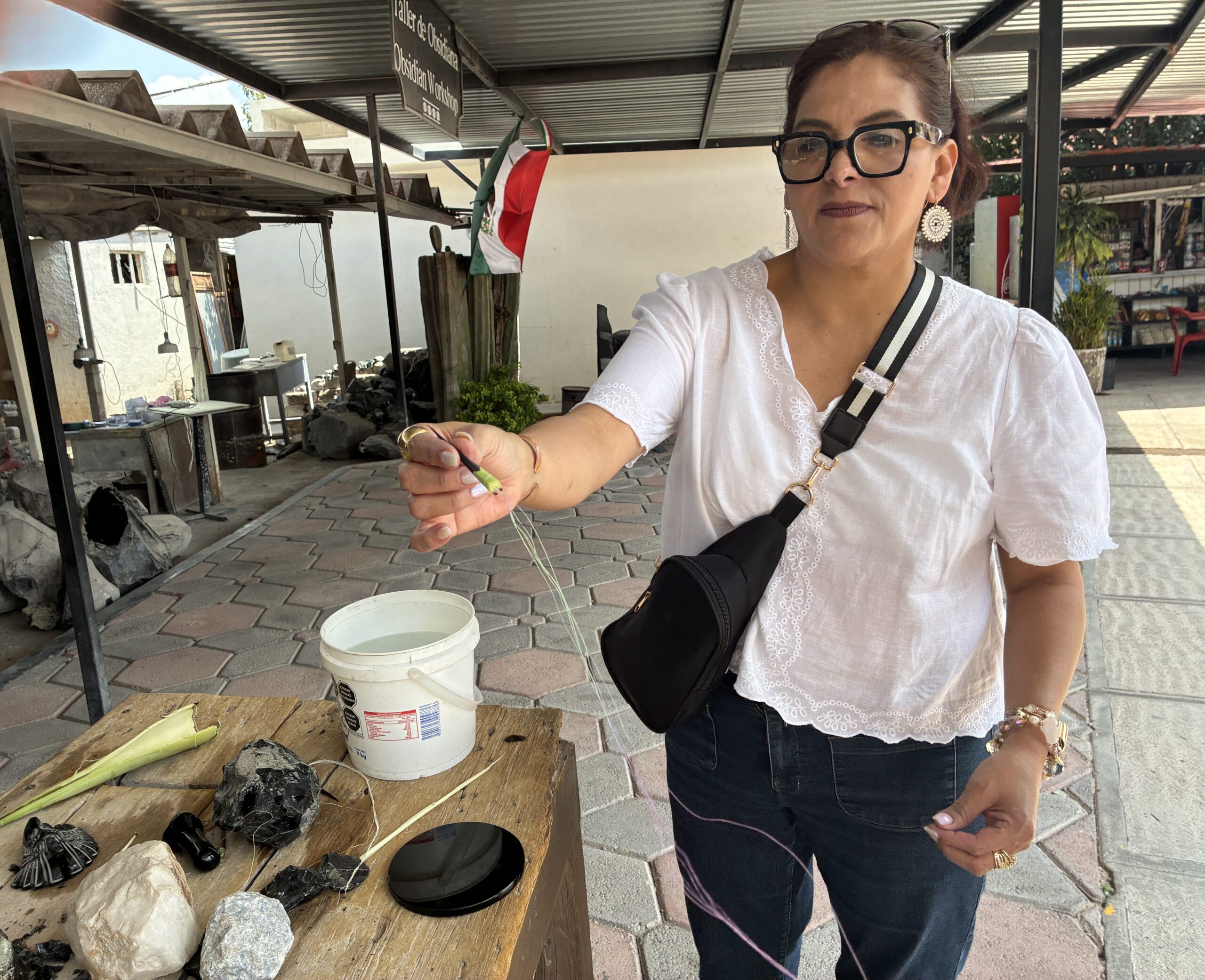
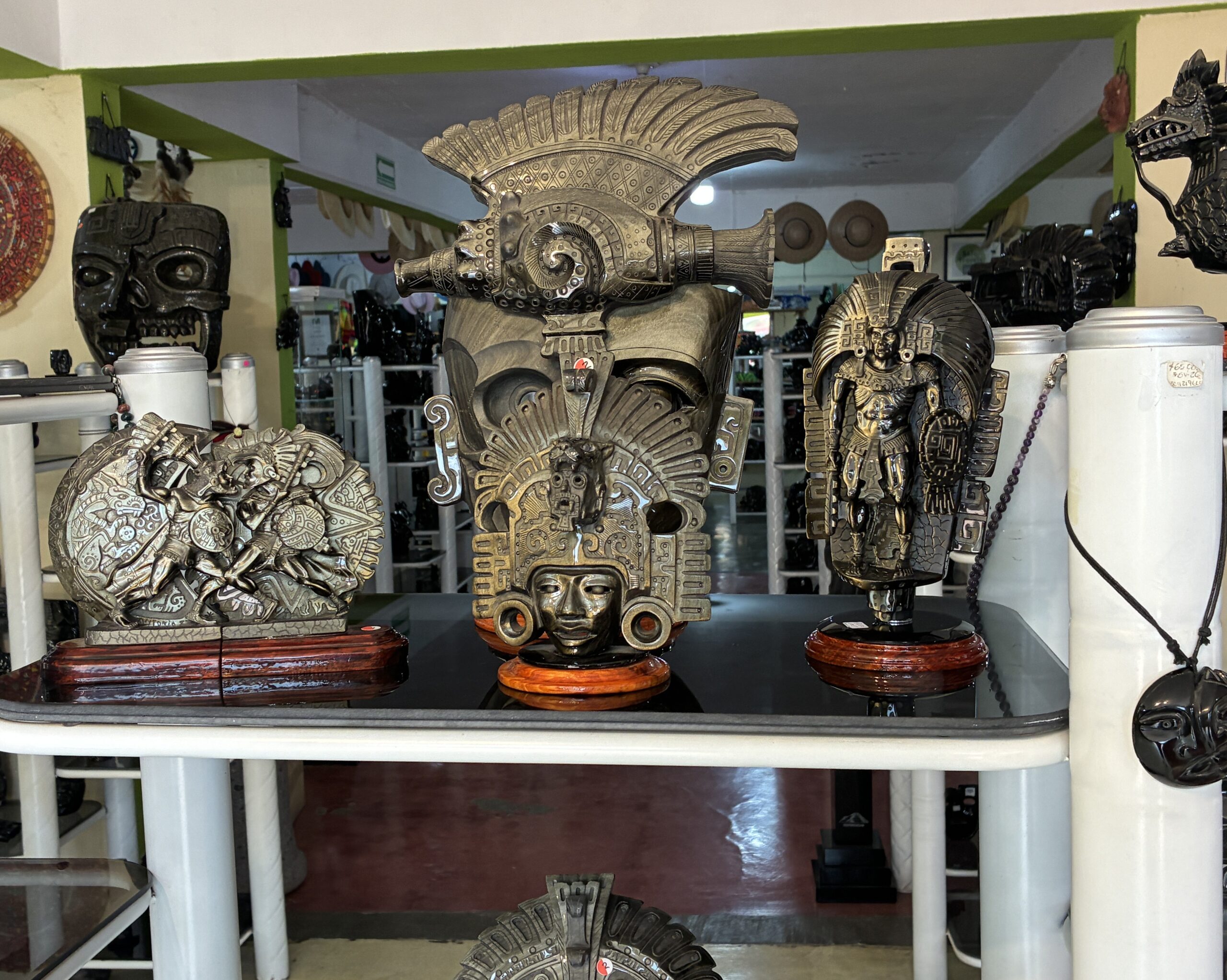
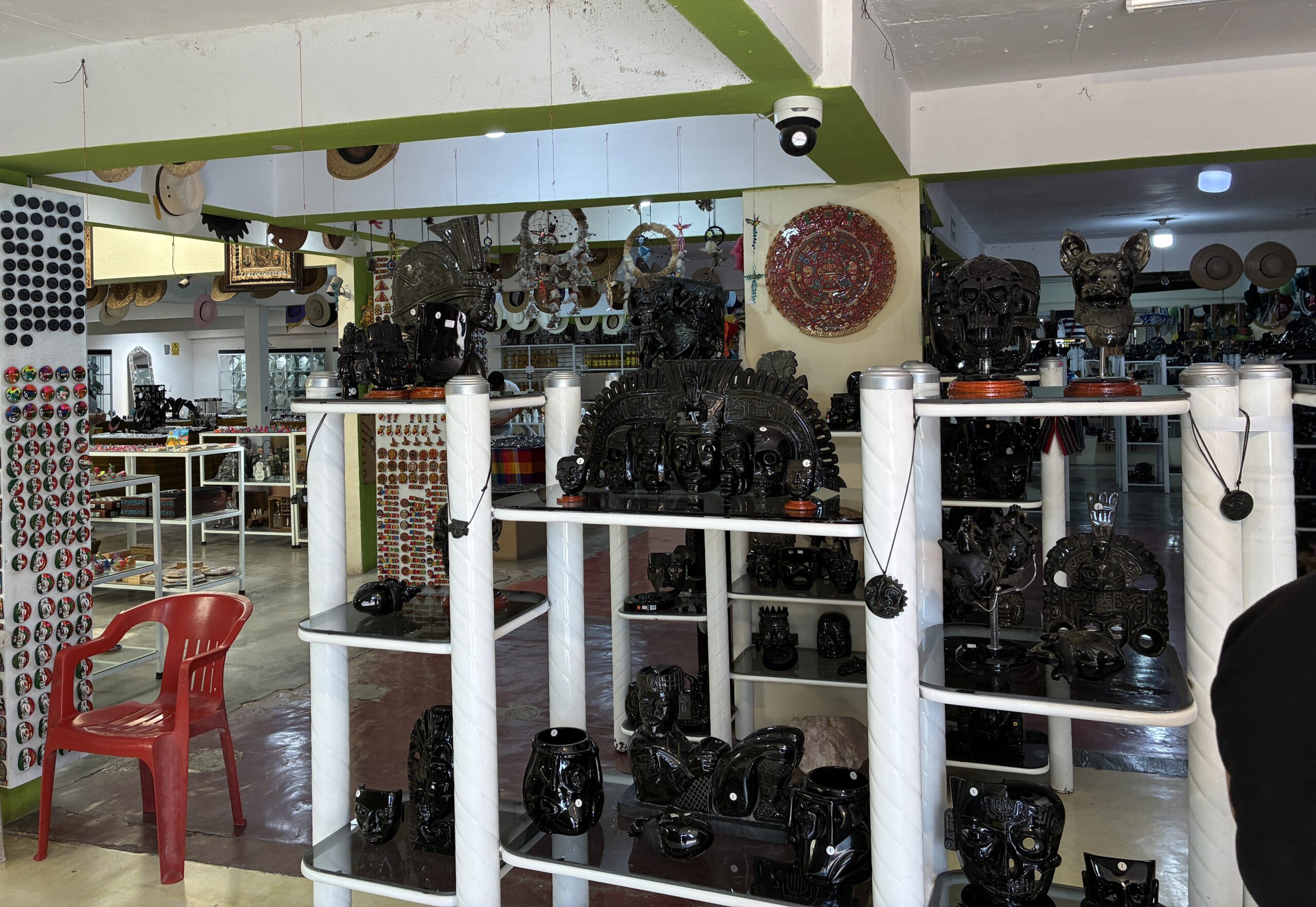
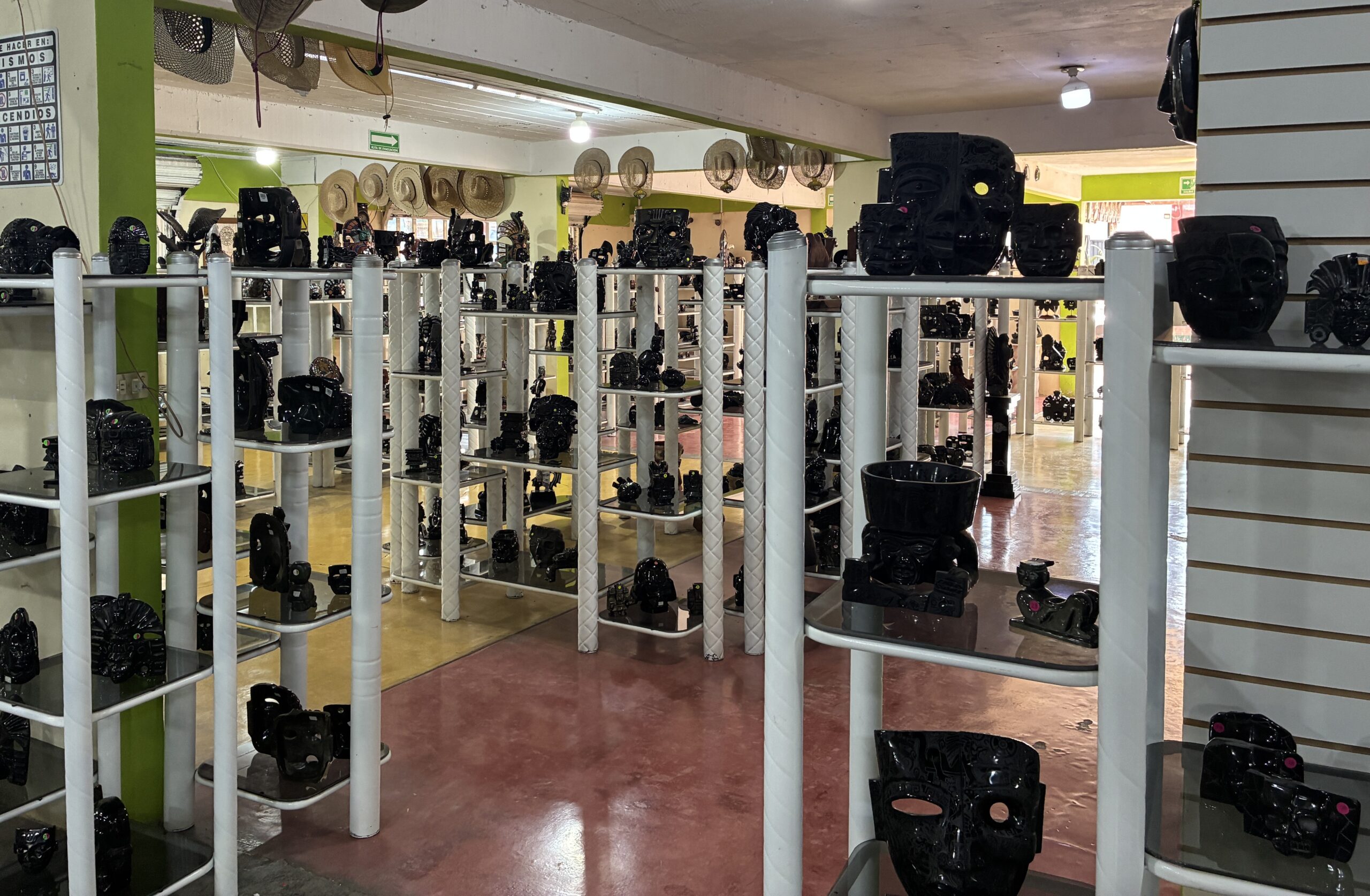
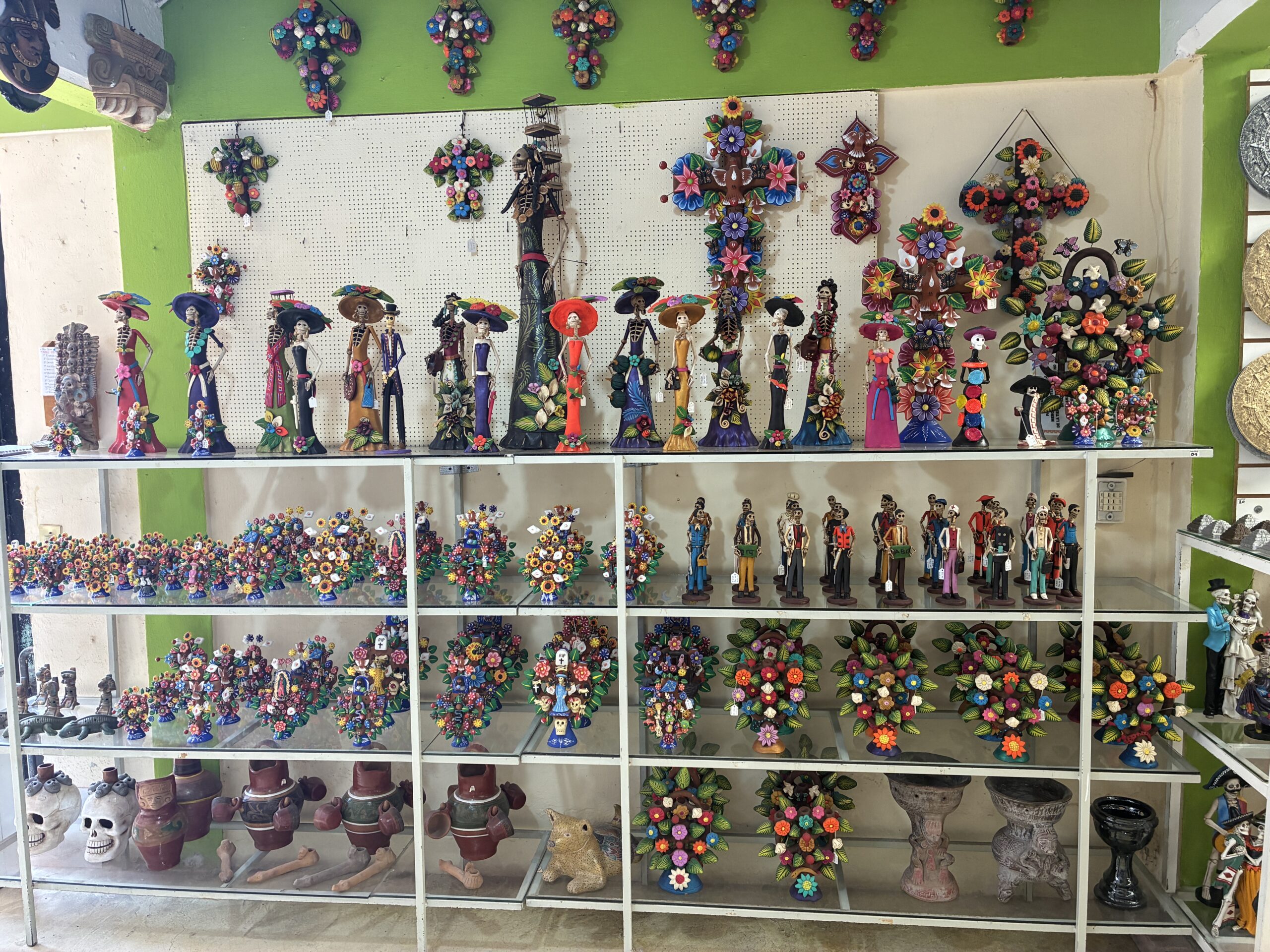
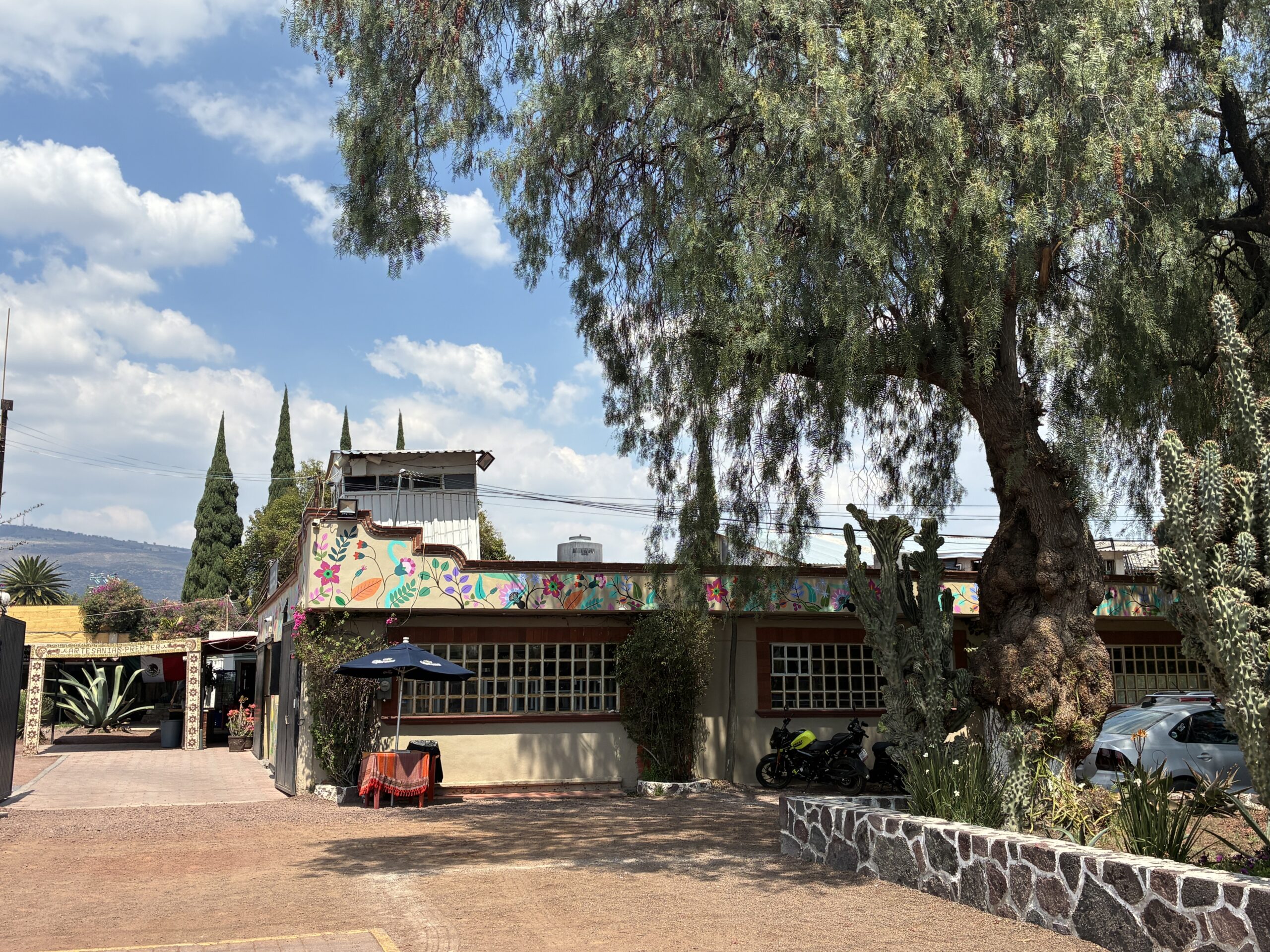
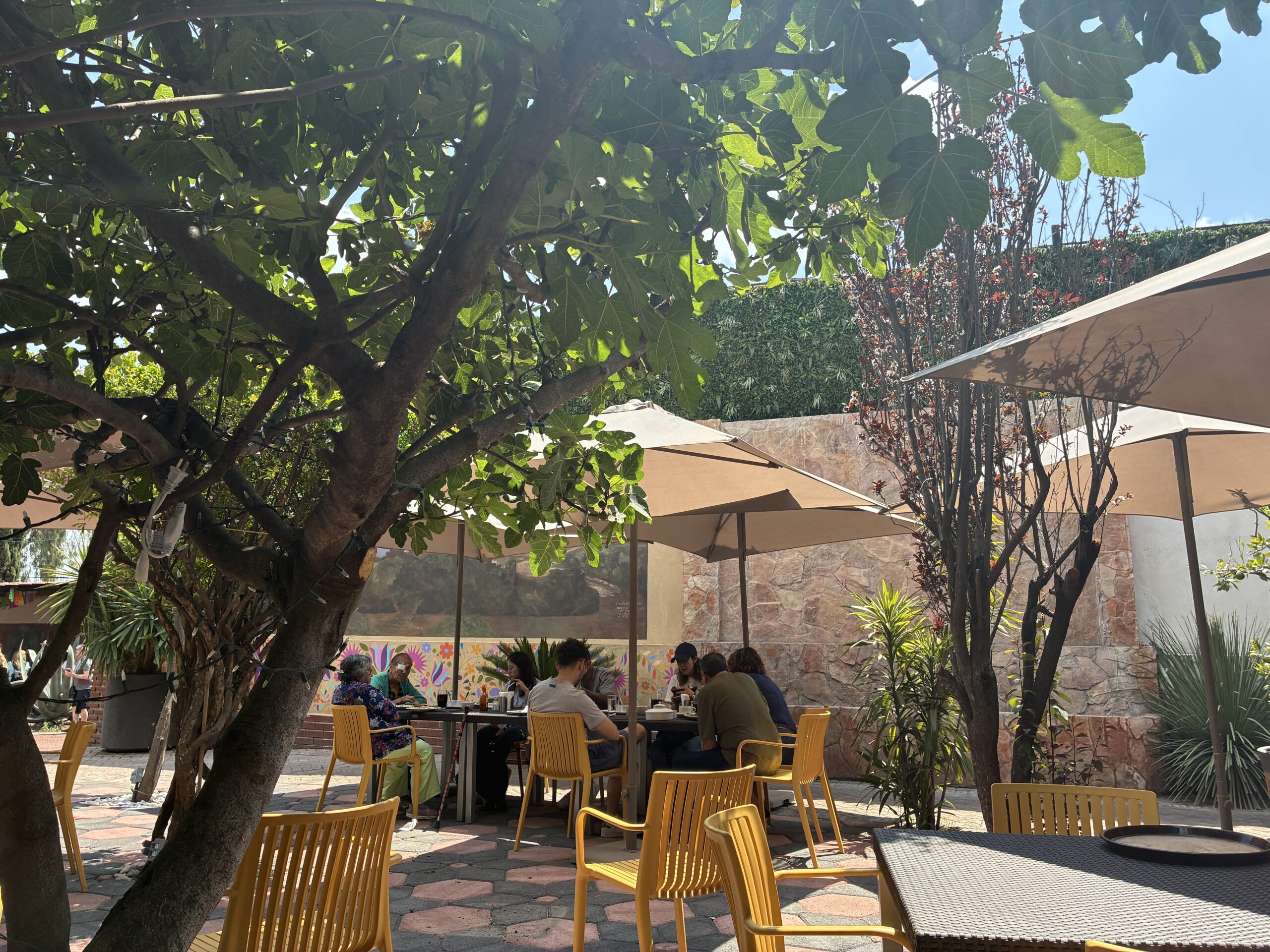
Very close to the entry point to Teotihuacán, we stopped for a final stop, and lunch, at the Plaza de las Artesanías, a small and decorative courtyard setting containing workshop artisan workshops, and a store selling their amazing products, as well as a very nice restuarant.

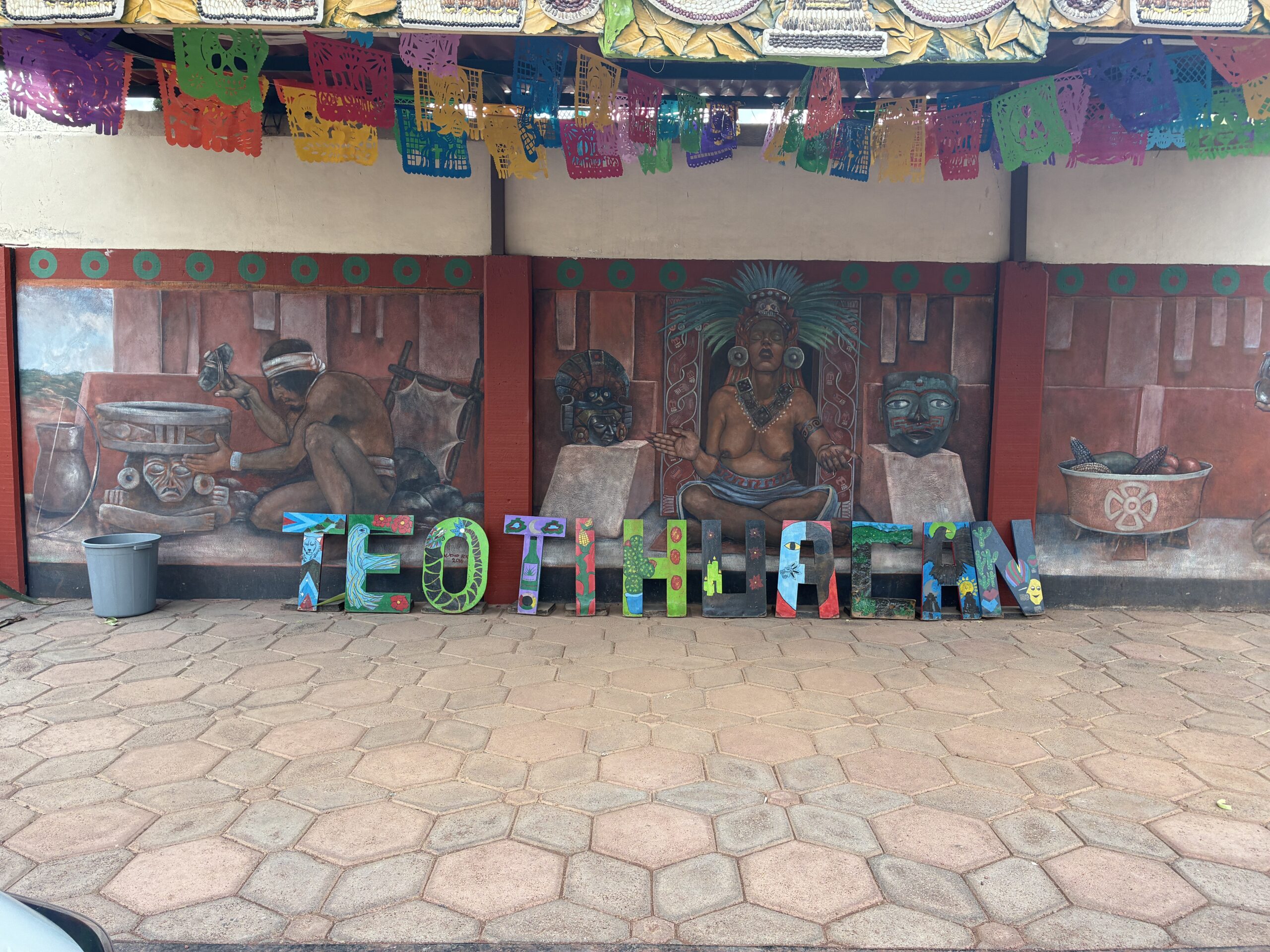
We got a really interesting short tour of the workshops, including the transformation of local vegetation and agave into textile, and strong textile at that, and even the use of natural needles with fiber attached, used for sewing. She also walked through the use of obsidian (volcanic glass), and its various forms, including its uses in jewelry making, and types of obsidian, such as brown obsidian, and obsidian that reflects gold, green, and rainbow colors in the light. It was really interesting to look at the sun through a circle of thick black obsidian, and very clearly and safely see the sun, a bright orange circle in the center. We also met the jeweler who both works the obsidian and the silver in which it is inset.
And we ha a tour of the pulque, mezcal, and tequila they make and bottle there. I drank just the pulque, which I have tried before, and in small quantities it’s pretty tasty and pretty sweet, sometimes called nectar of the gods.


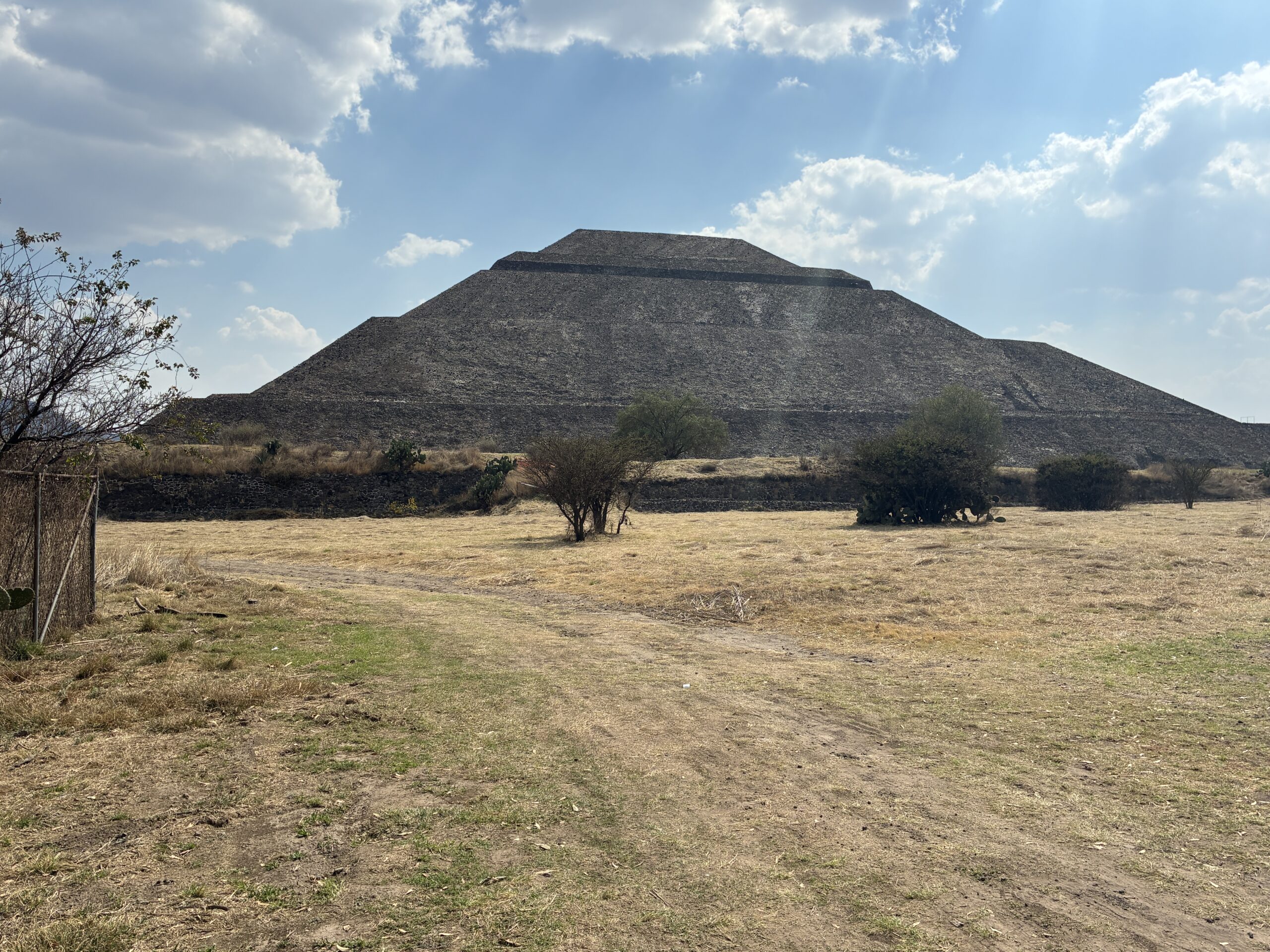
And then, Teotihuacán, the ancient ruins of the Pyramid of the Moon, and the Pyramid of the Sun, dating back to at least 100 BCE. It remains unclear as to originally built the city, but it was at height between 250–600 CE, with a population between 100,000 and 200,000 people, now believed one of the largest cities in the world at the time. By 600–750 CE, the city had begin to decline, and much of it was abandoned or destroyed. It was re-discovered by the Aztecs in the 1300s, after being abandoned for centuries, and renamed Teotihuacán, or the “place where the gods were created,” believing it was where the sun and moon were born, hence the Pyramid of the Moon, Pyramid of the Sun, and Avenue of the Dead connecting the two, laid out in straight line grid. Modern excavations began in the 1800s and into the 1900s
Monte Albán has certainly been my “favorite” thus far, but this place also is amazing and incredible, and breathtaking. Unlike Monte Albán, Teotihuacán is crowded, very crowded. Because today is Sunday, this is most likely because all museums, exhibits, and sites of public interest are free to all Mexicans, encouraging visitation and ensuring access to all. Very commendable.

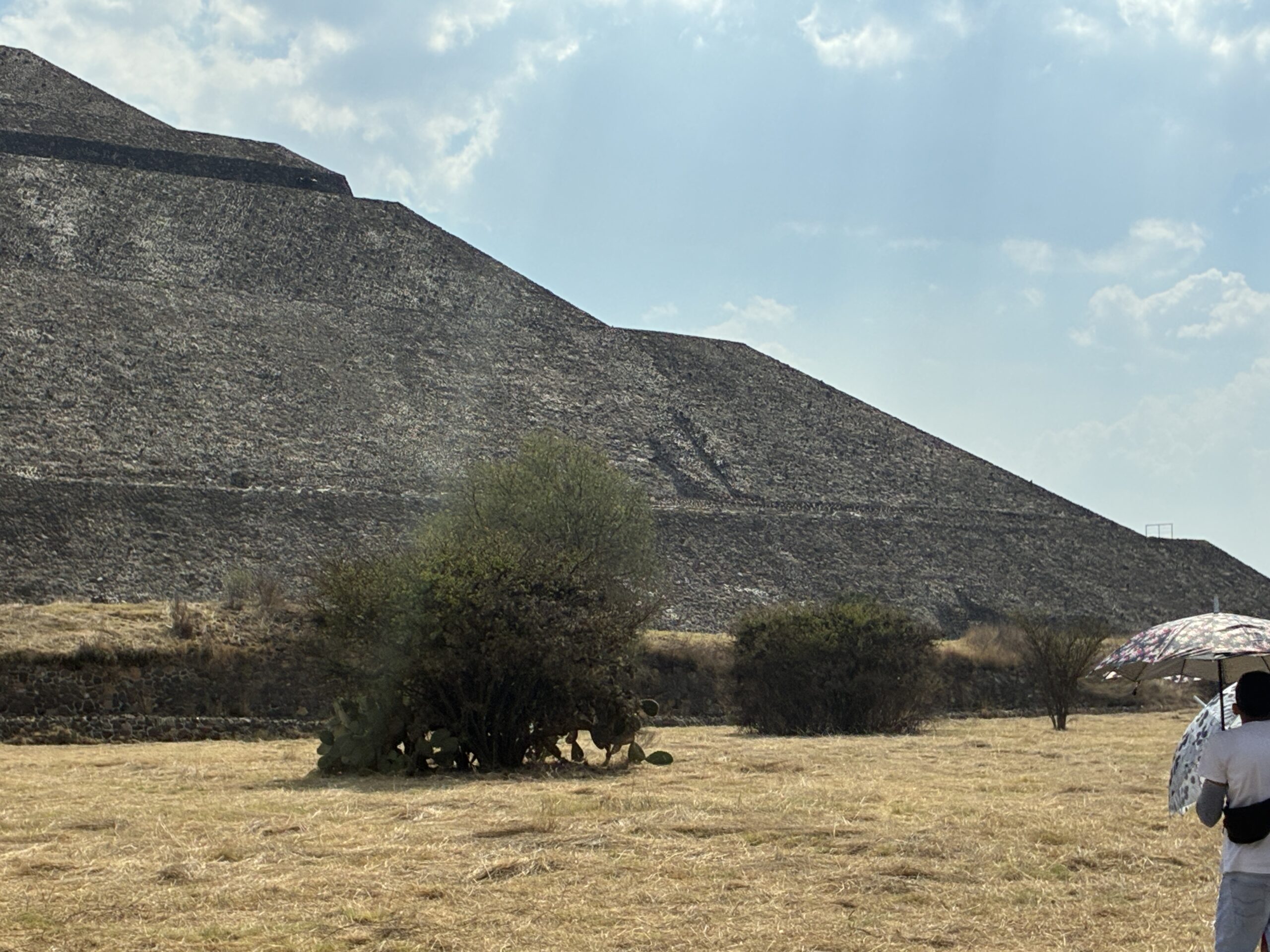
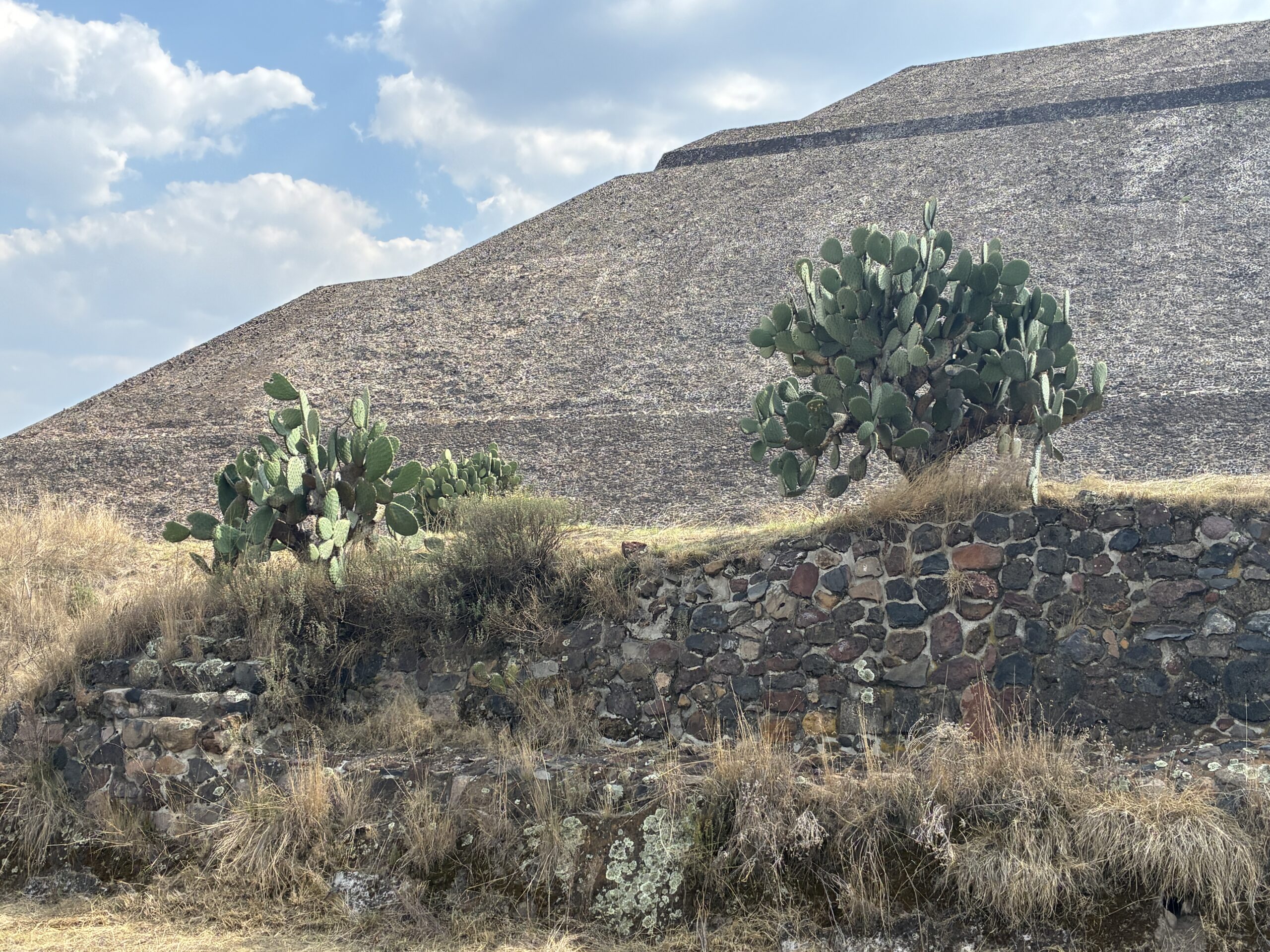
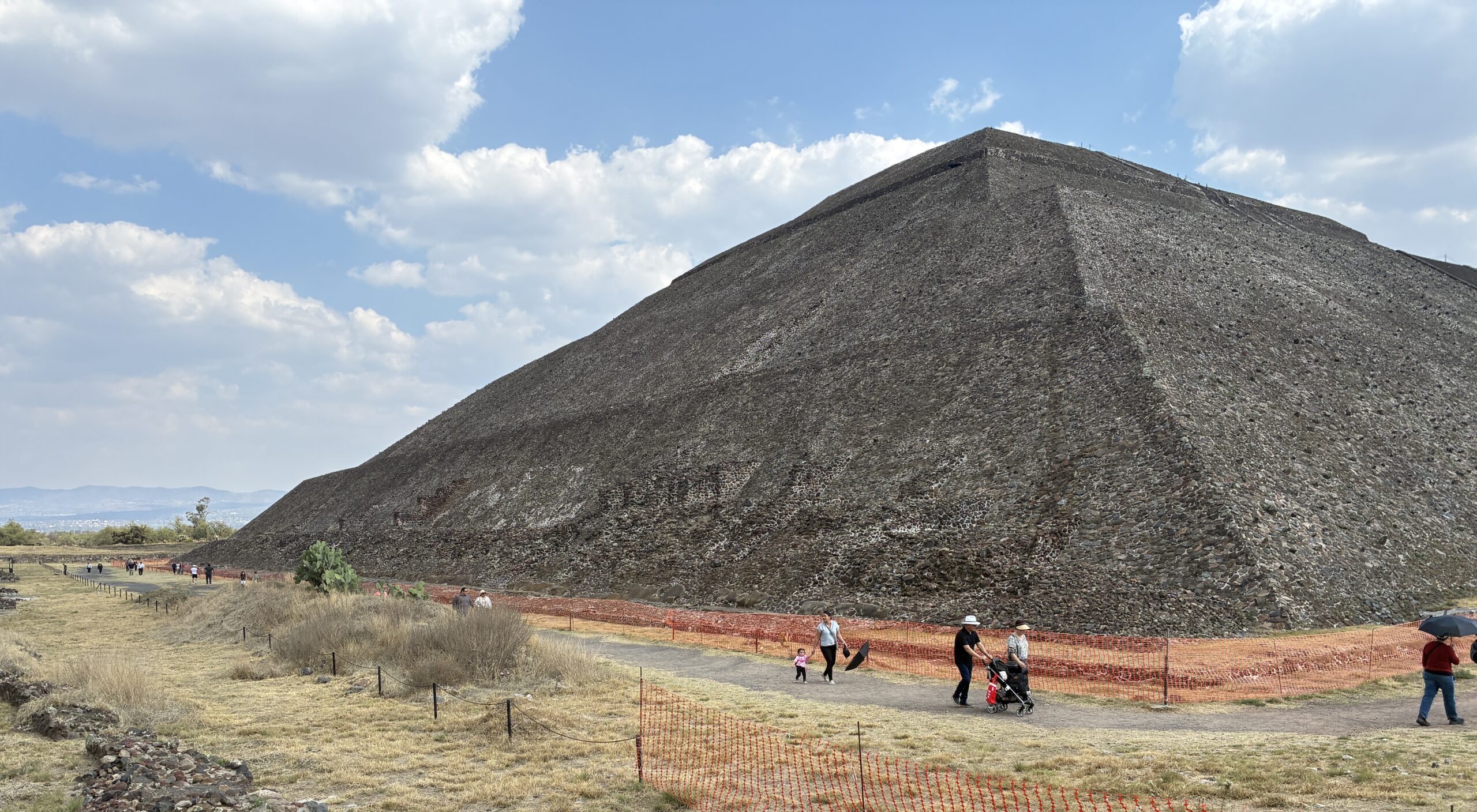
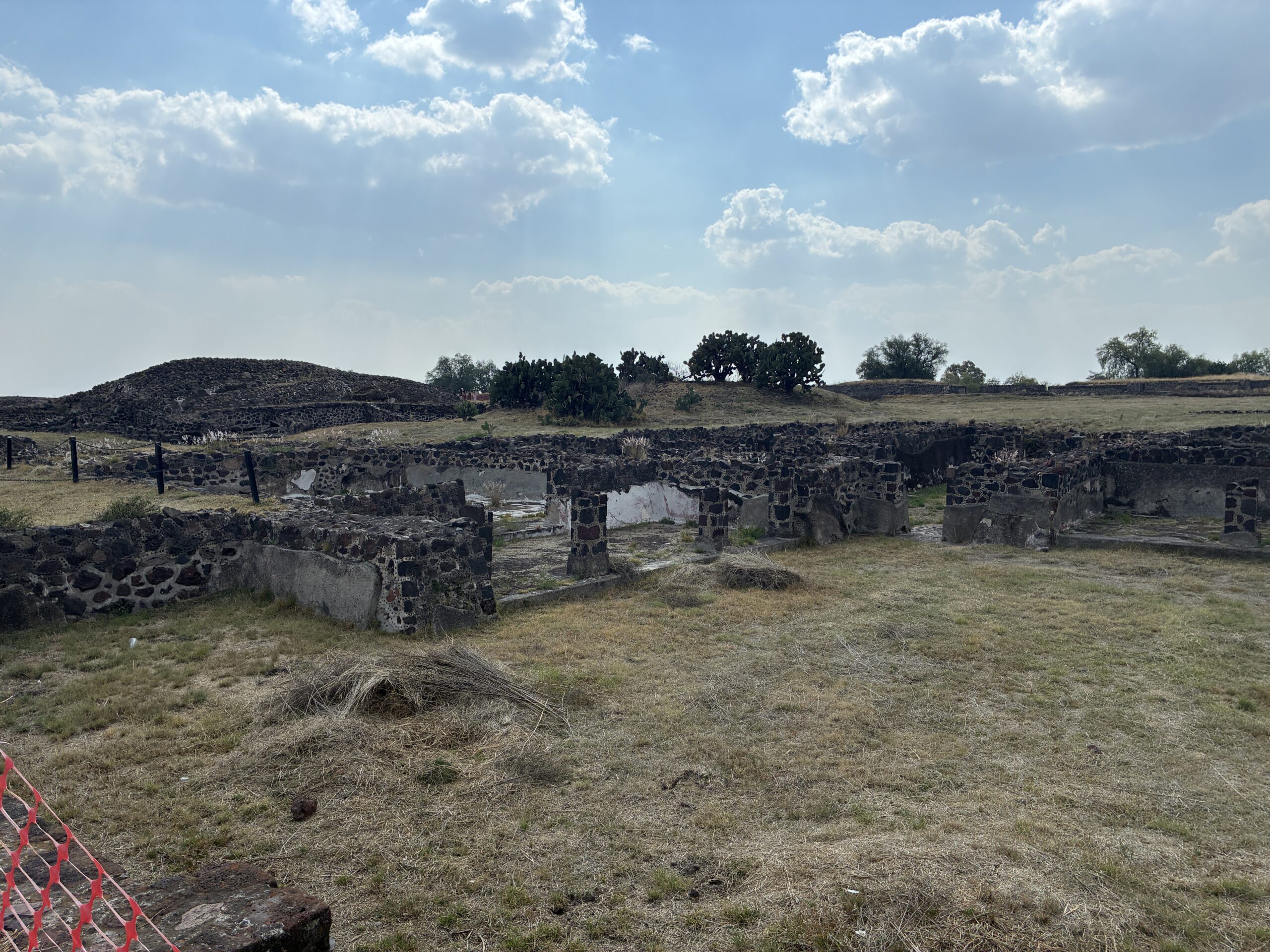
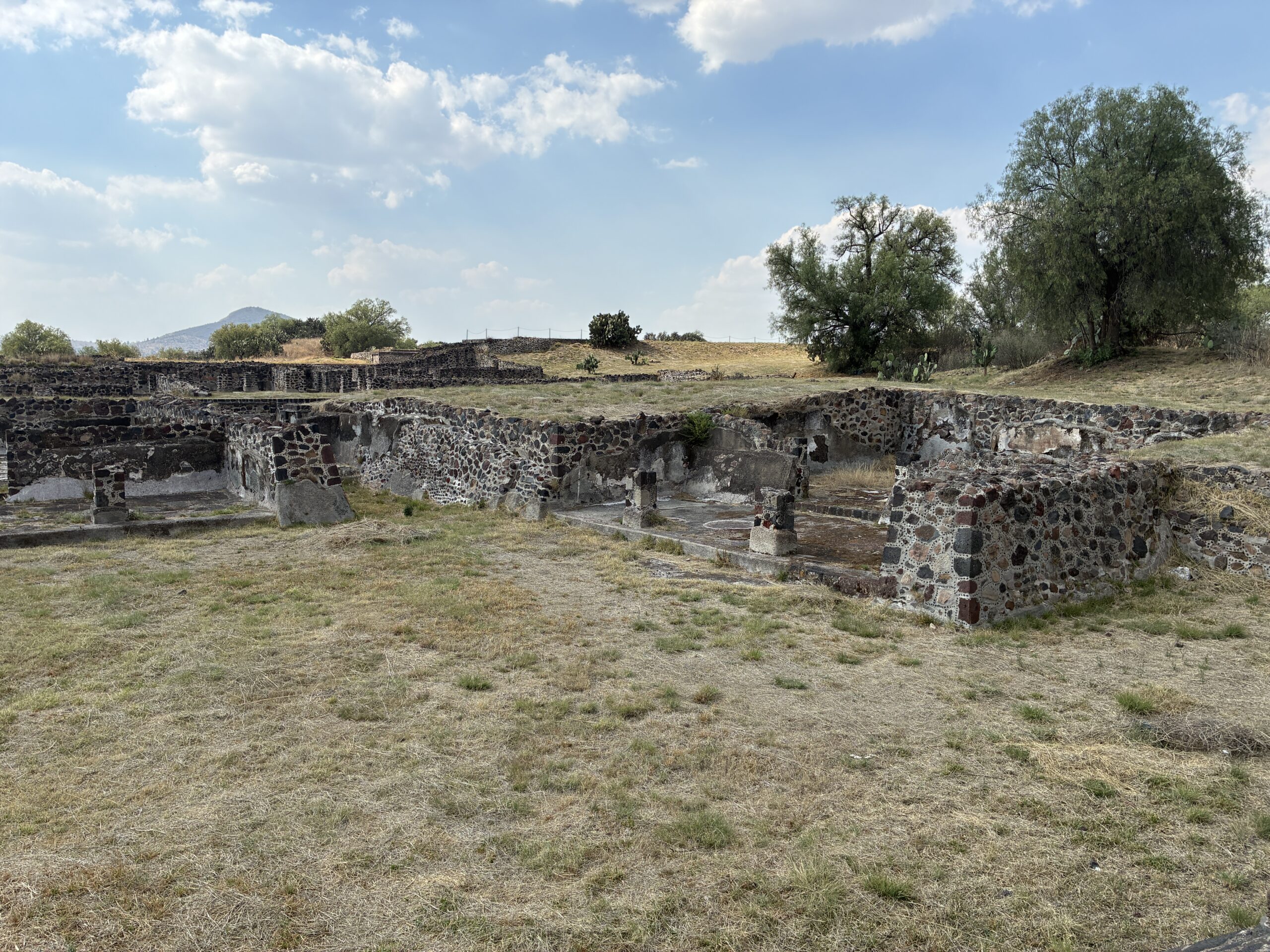
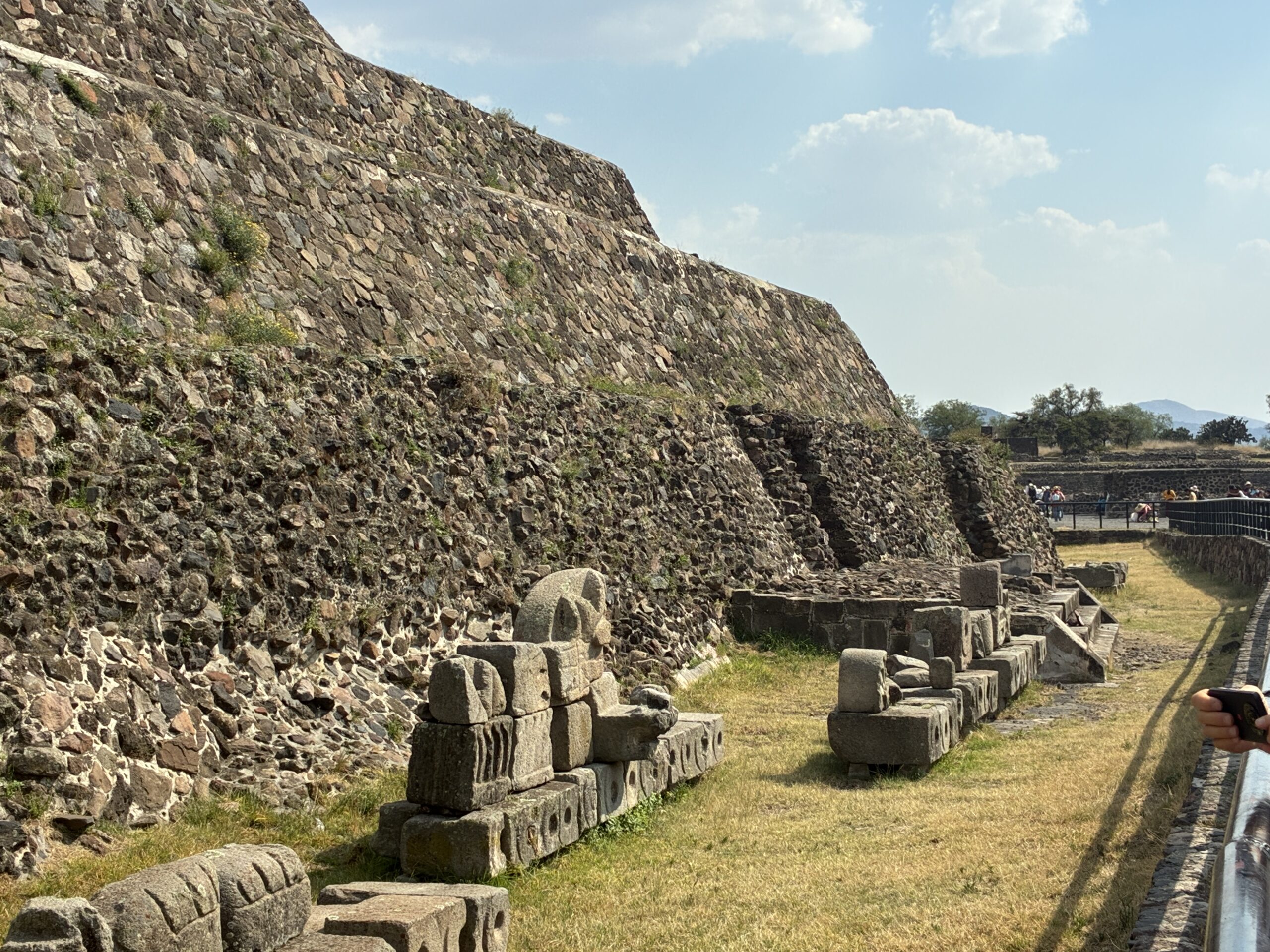
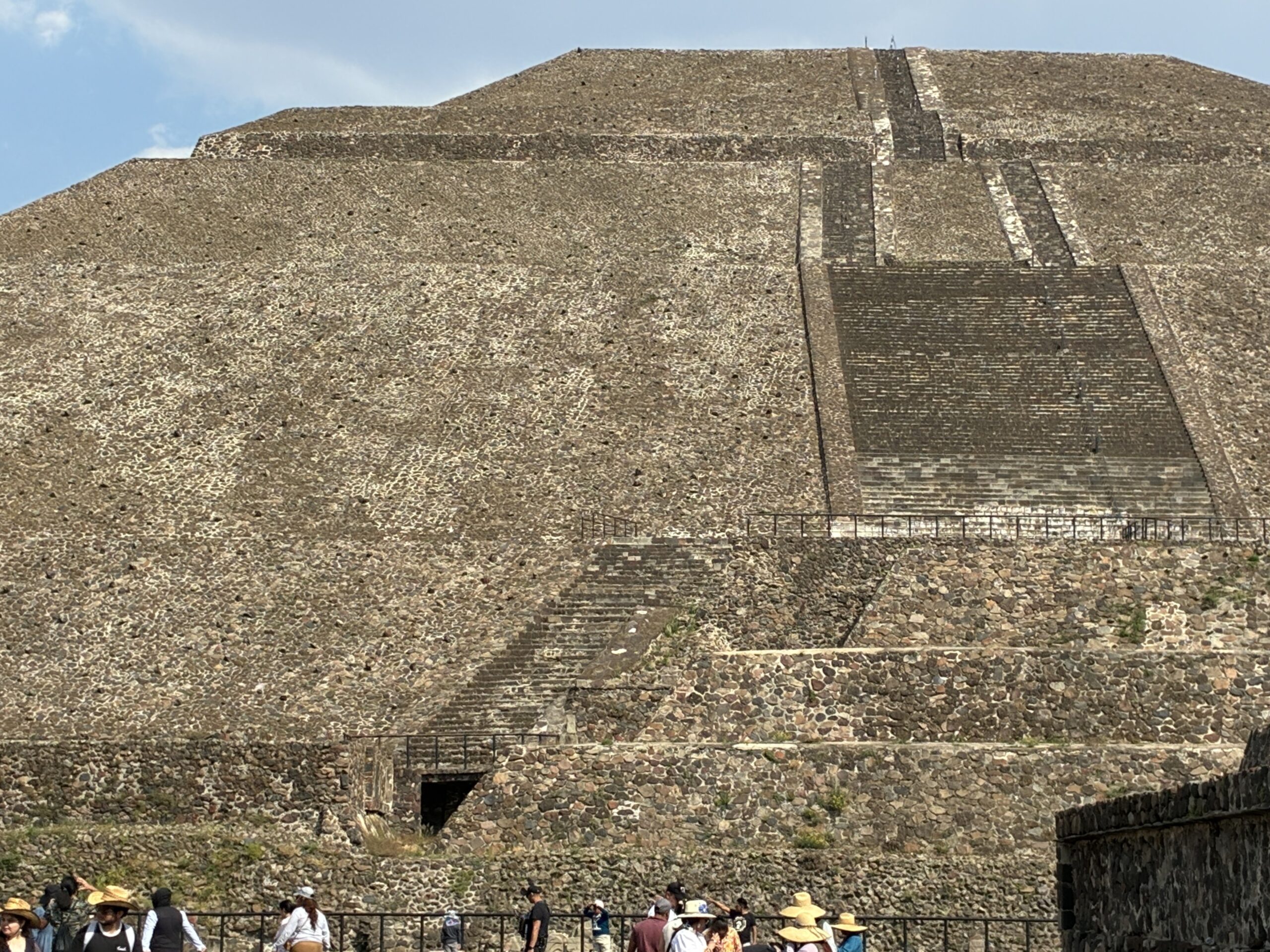
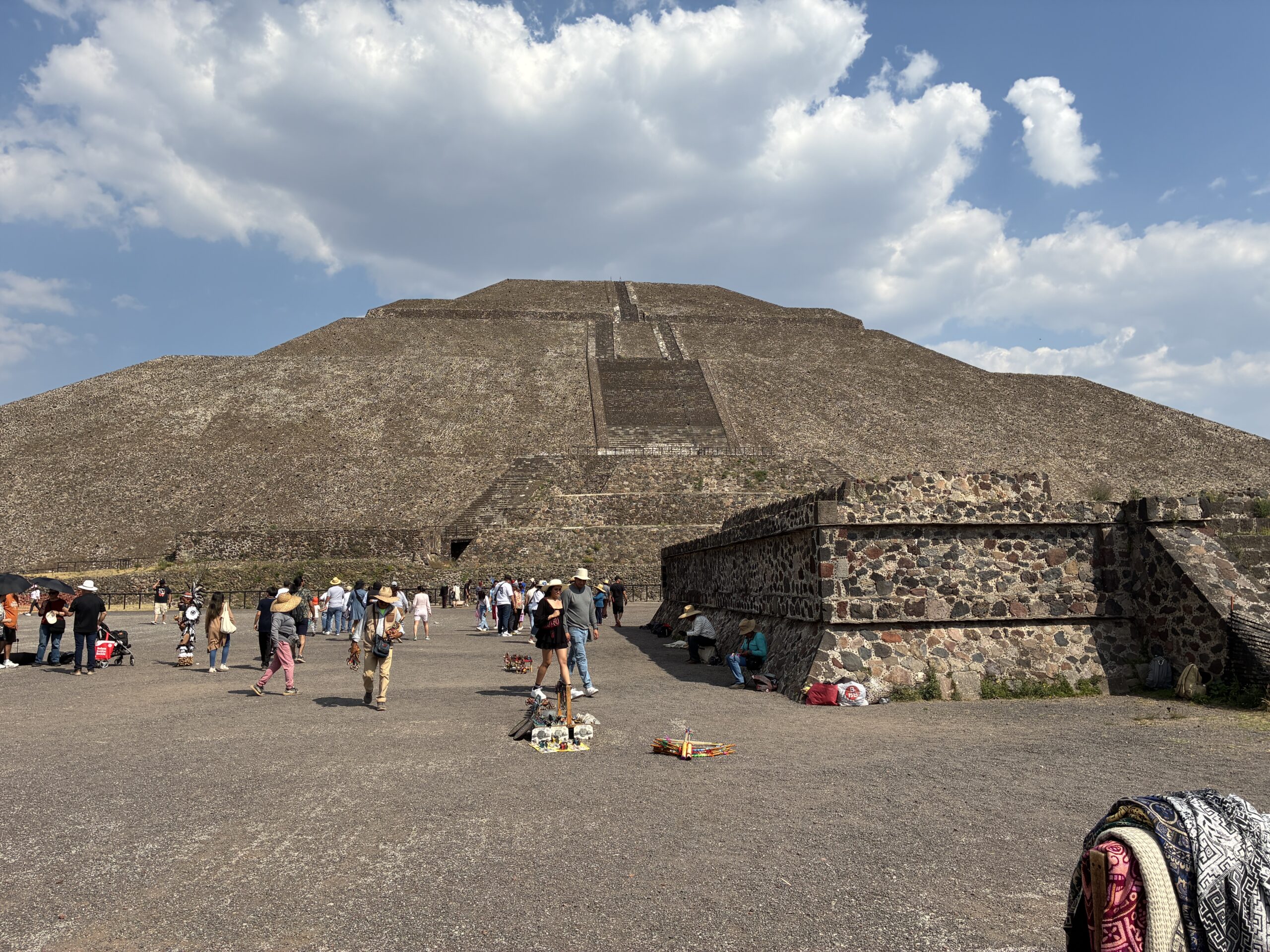
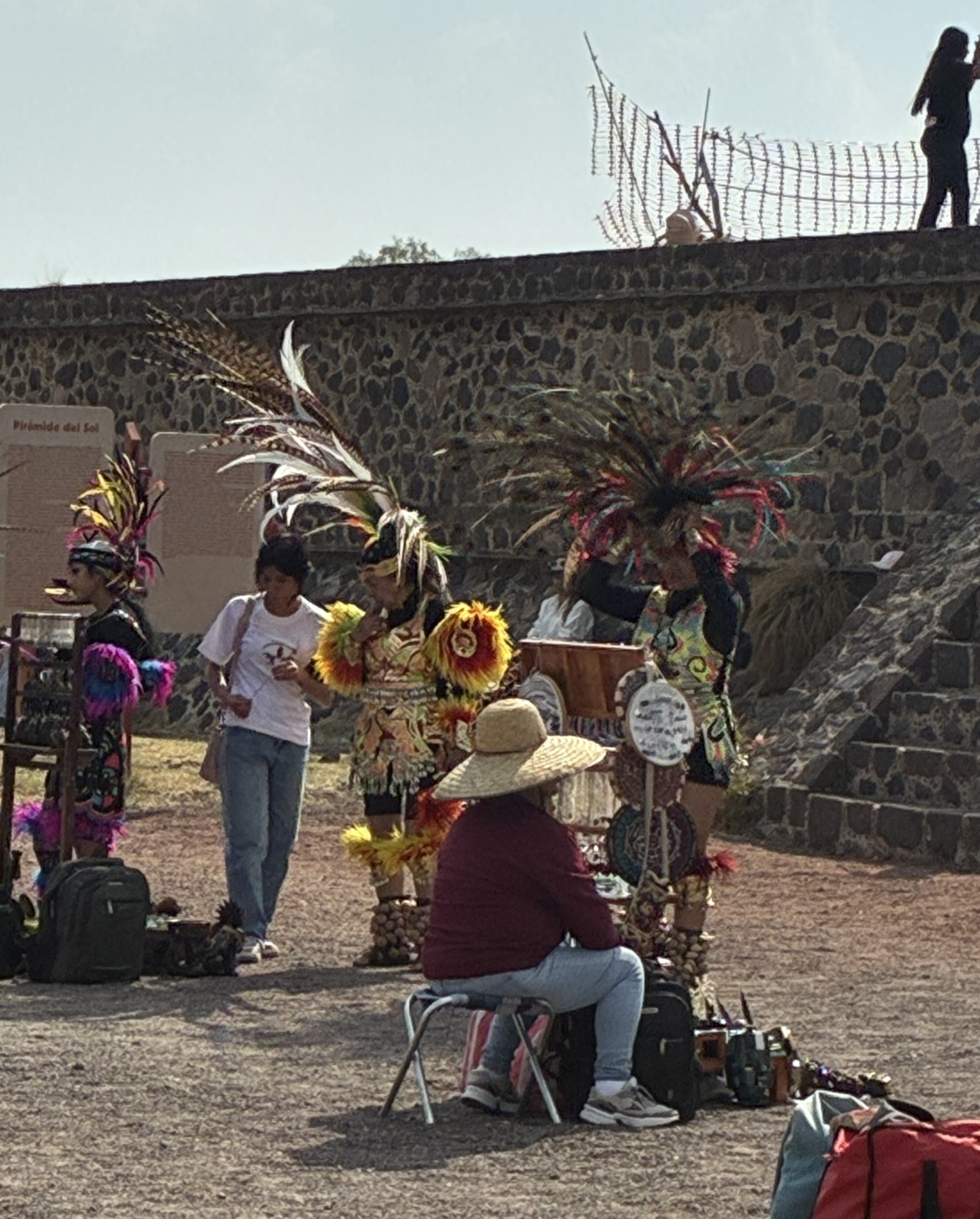
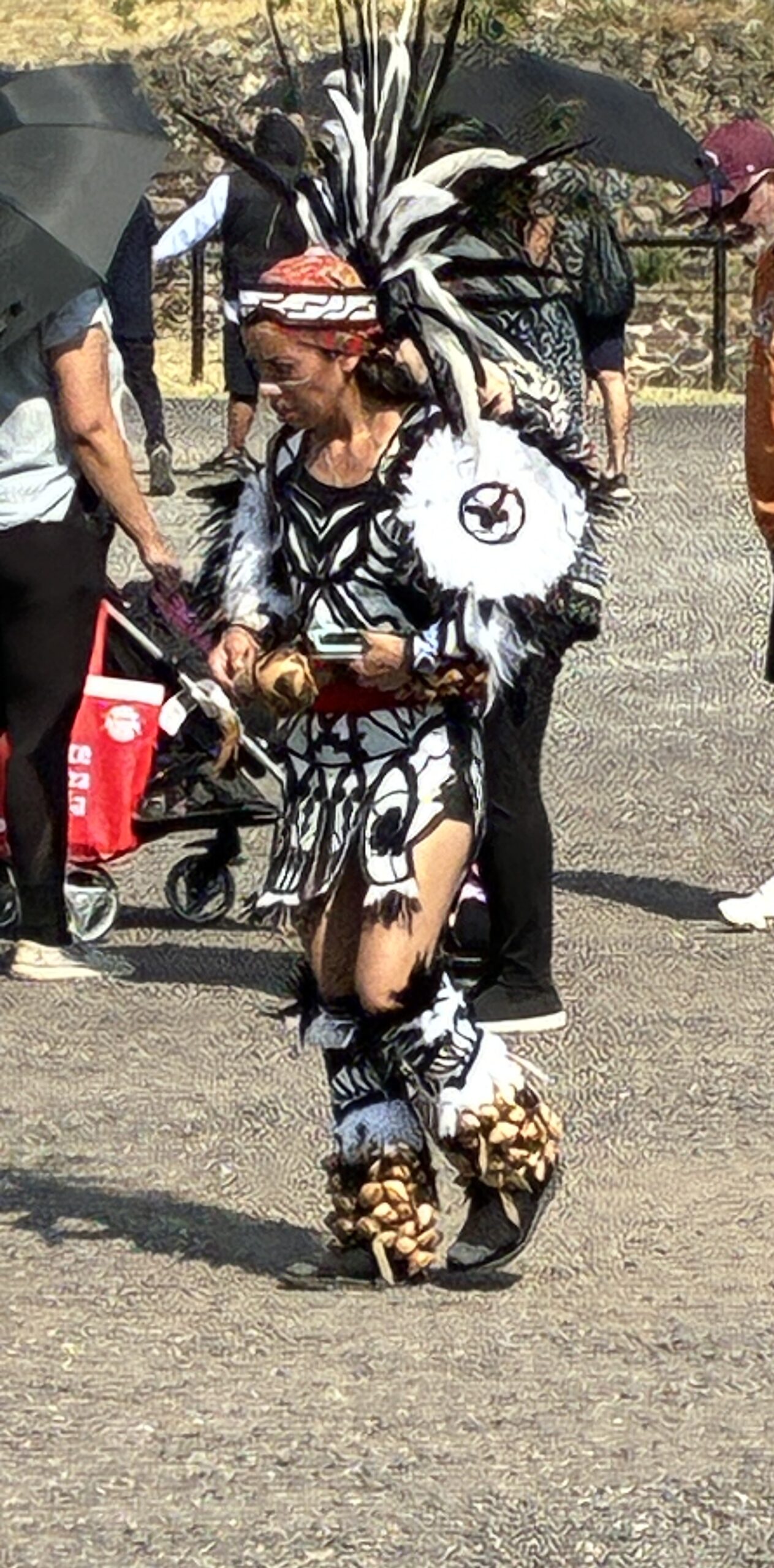
It was pretty hot out, and of course no shade anywhere, but dry, and I like that kind of heat. It was also very busy, which became more and obvious as we approached the Avenue of the Dead, heading toward the Pyramid of the Moon. which, unlike the Pyramid of the Sun, can be climbed by visitors.
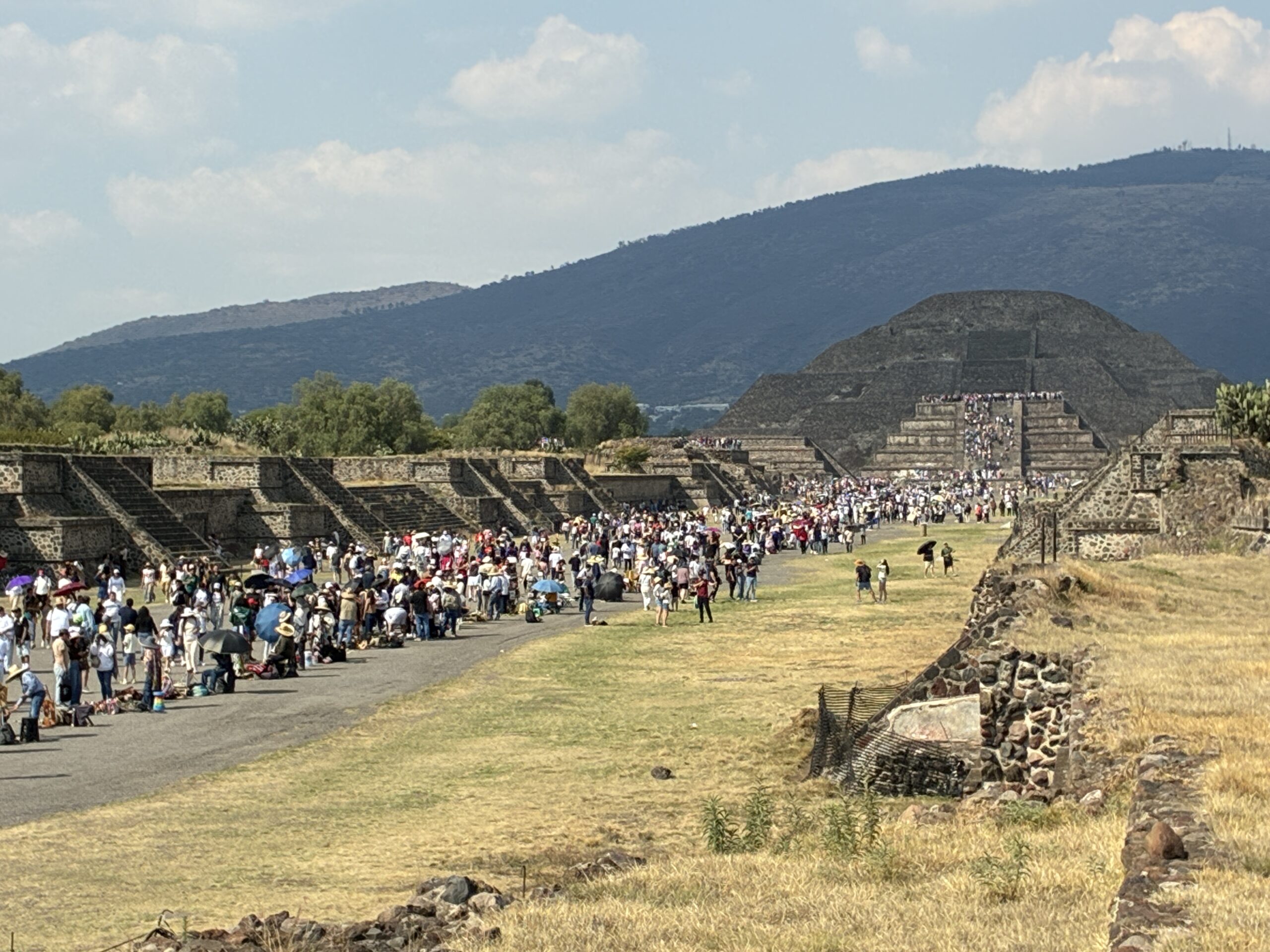
When viewed from above, seeing the constant procession of people on the Avenue of the Dead, streaming toward the Pyramid of the Moon, you get the size and magnitude of the place, its shape, and its gravity, or social weight. It’s almost like seeing the drama of a Hollywood bIblical epic.
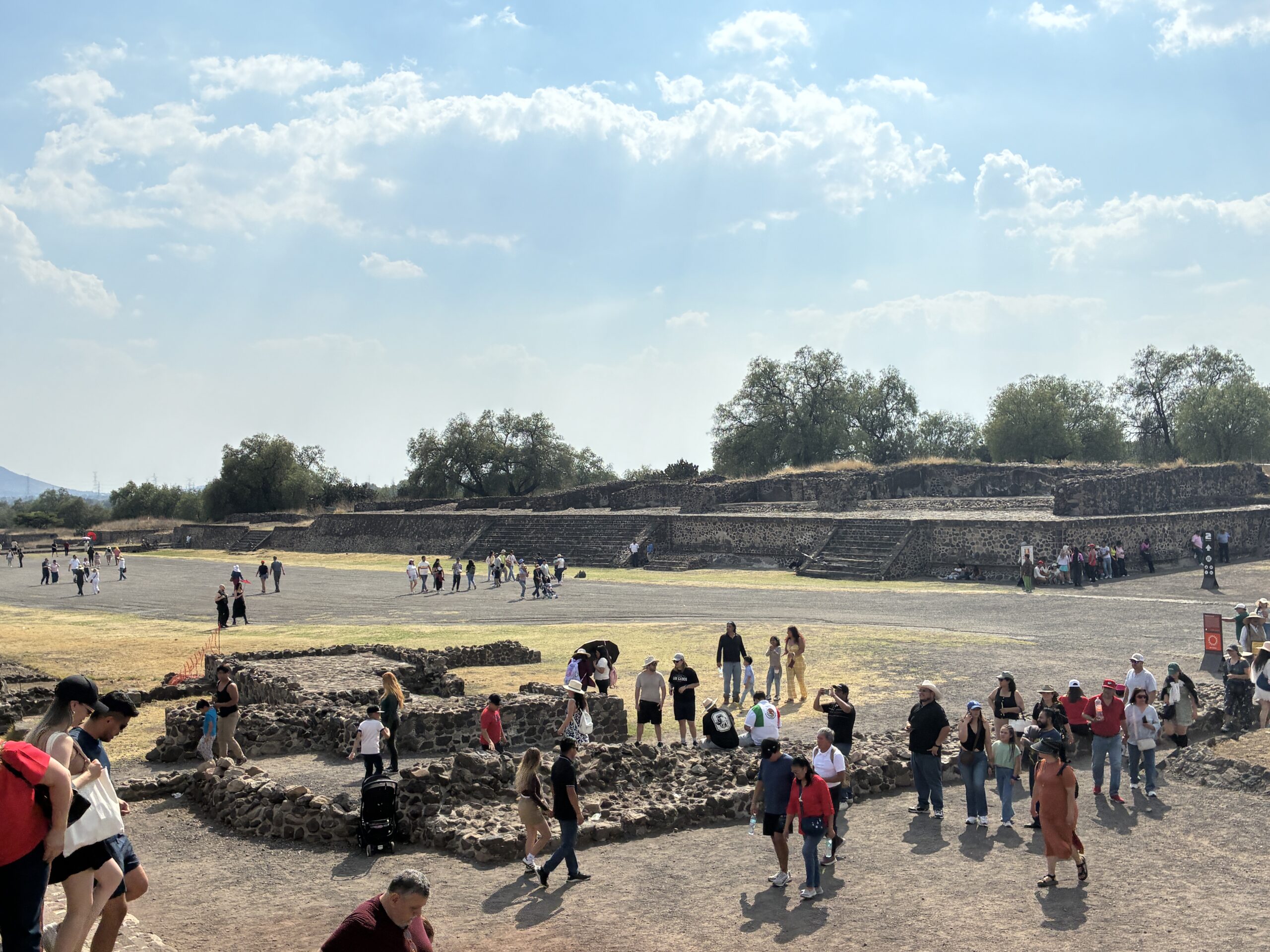
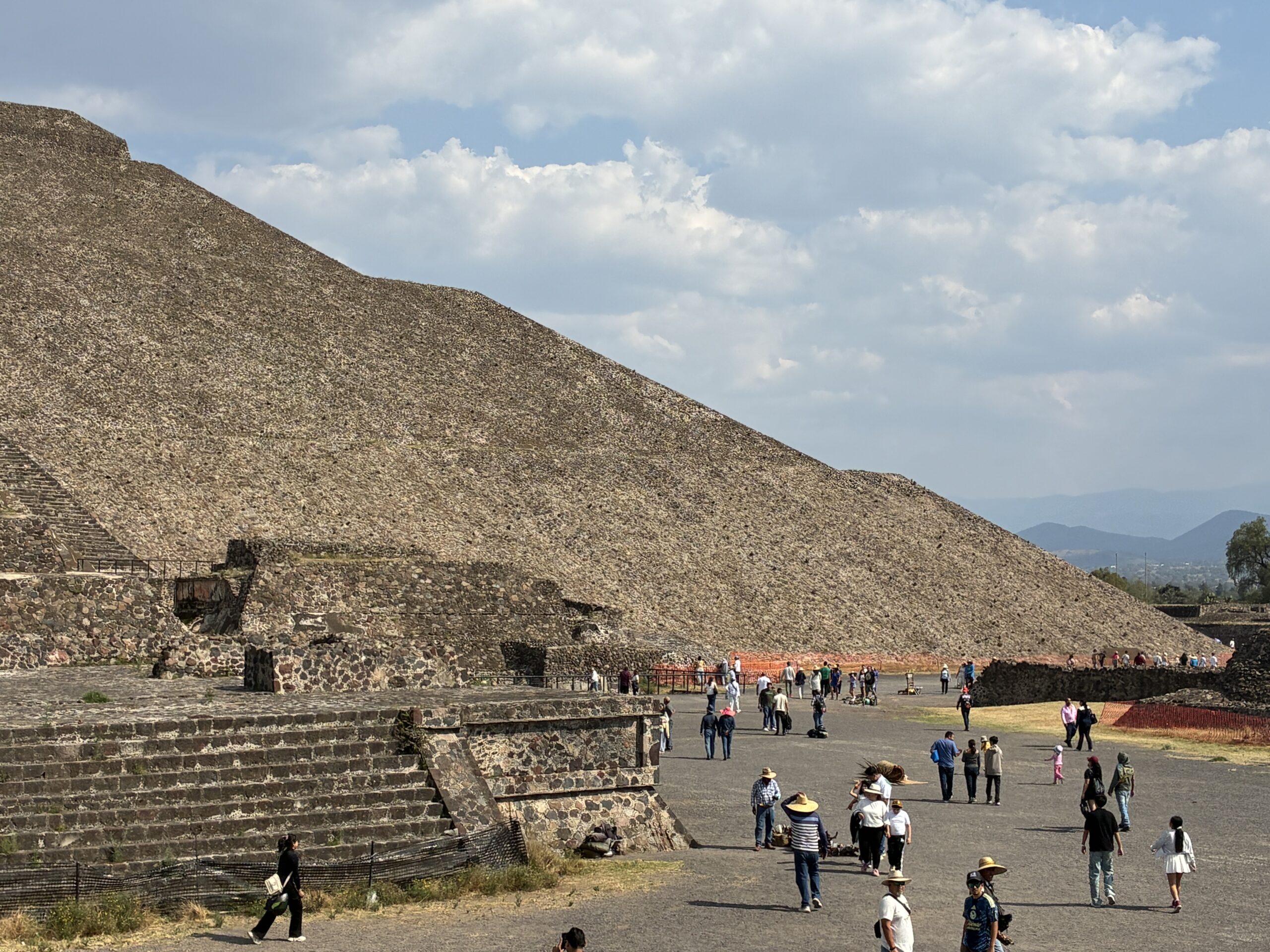
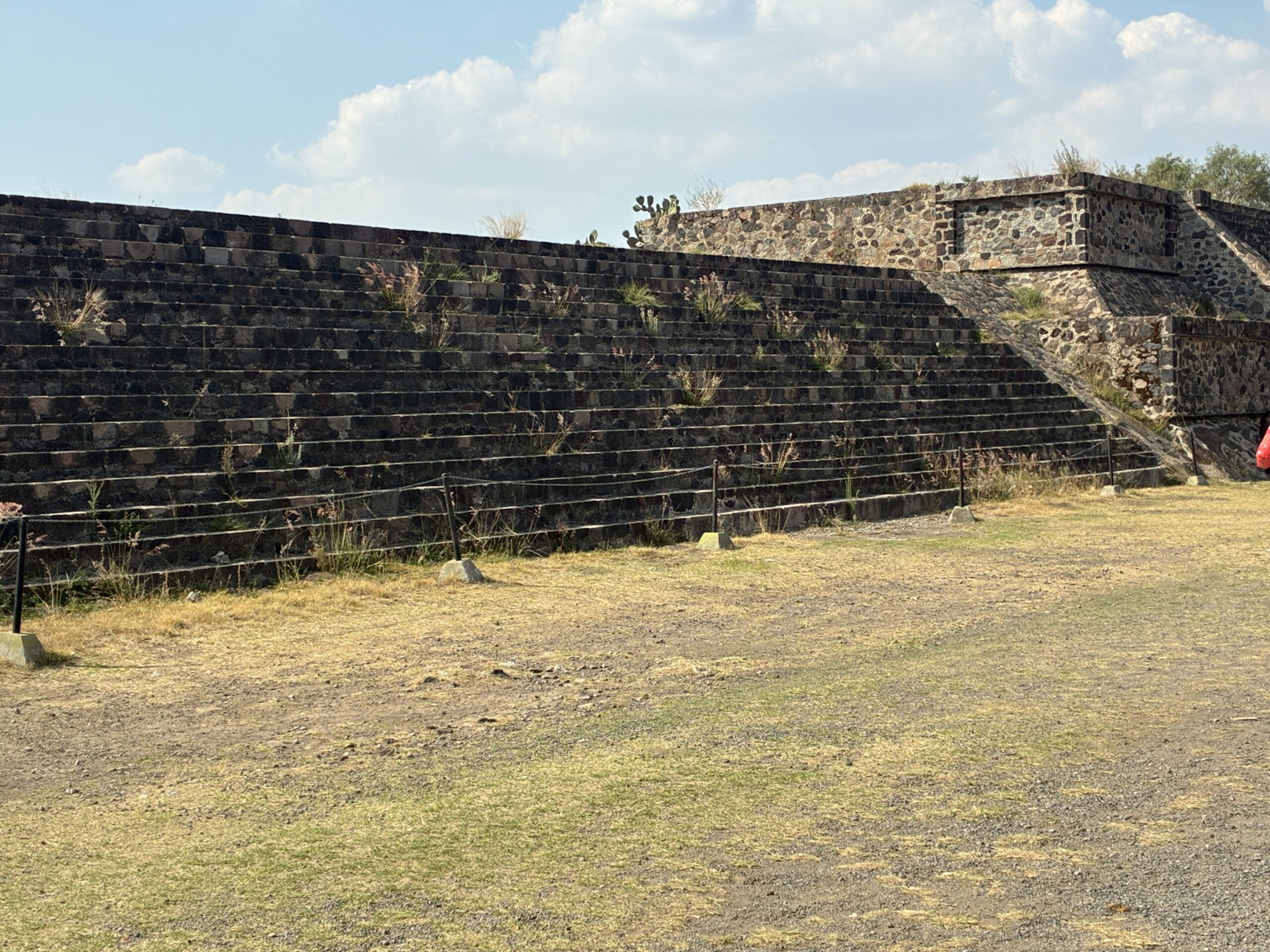
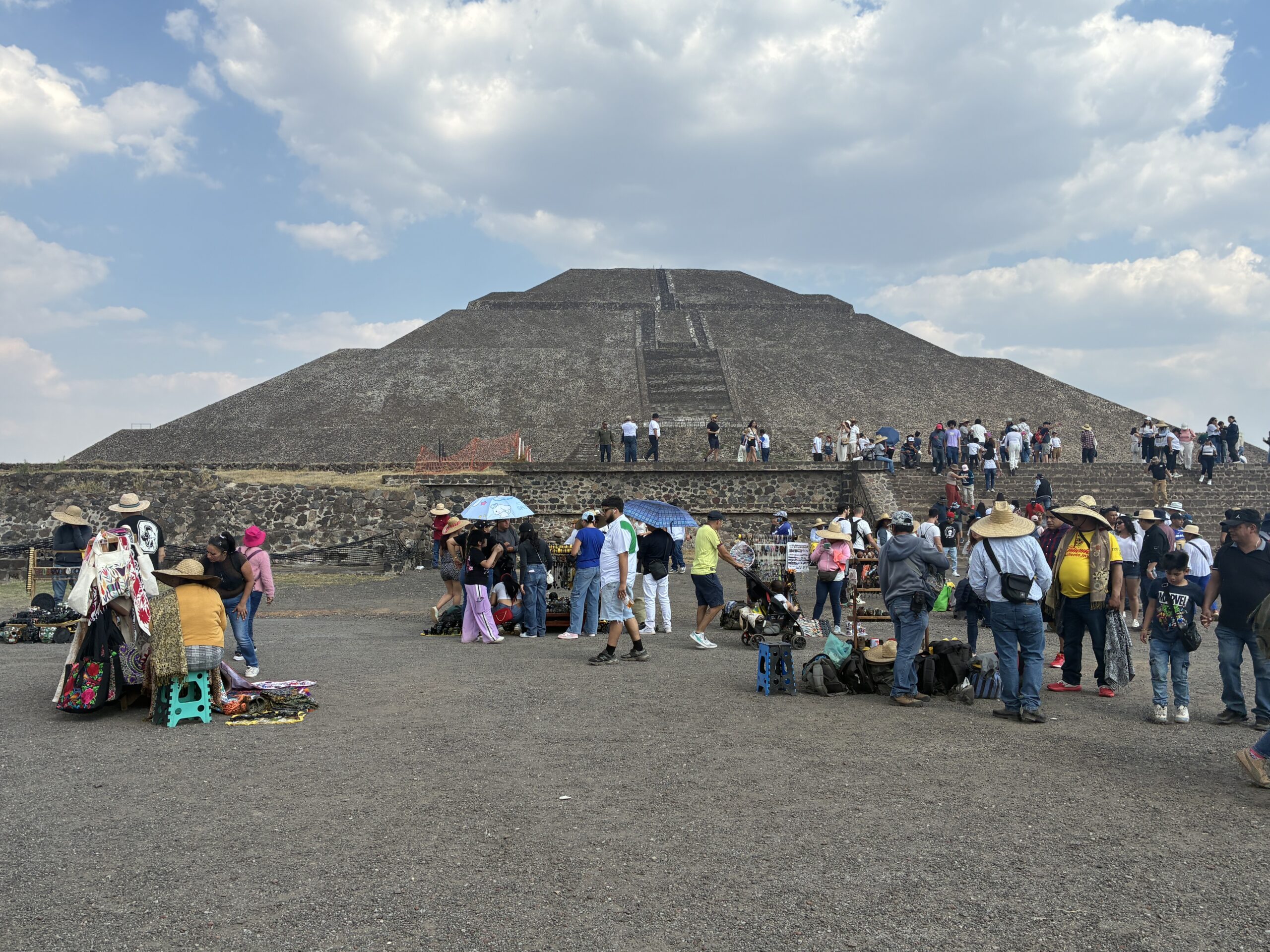
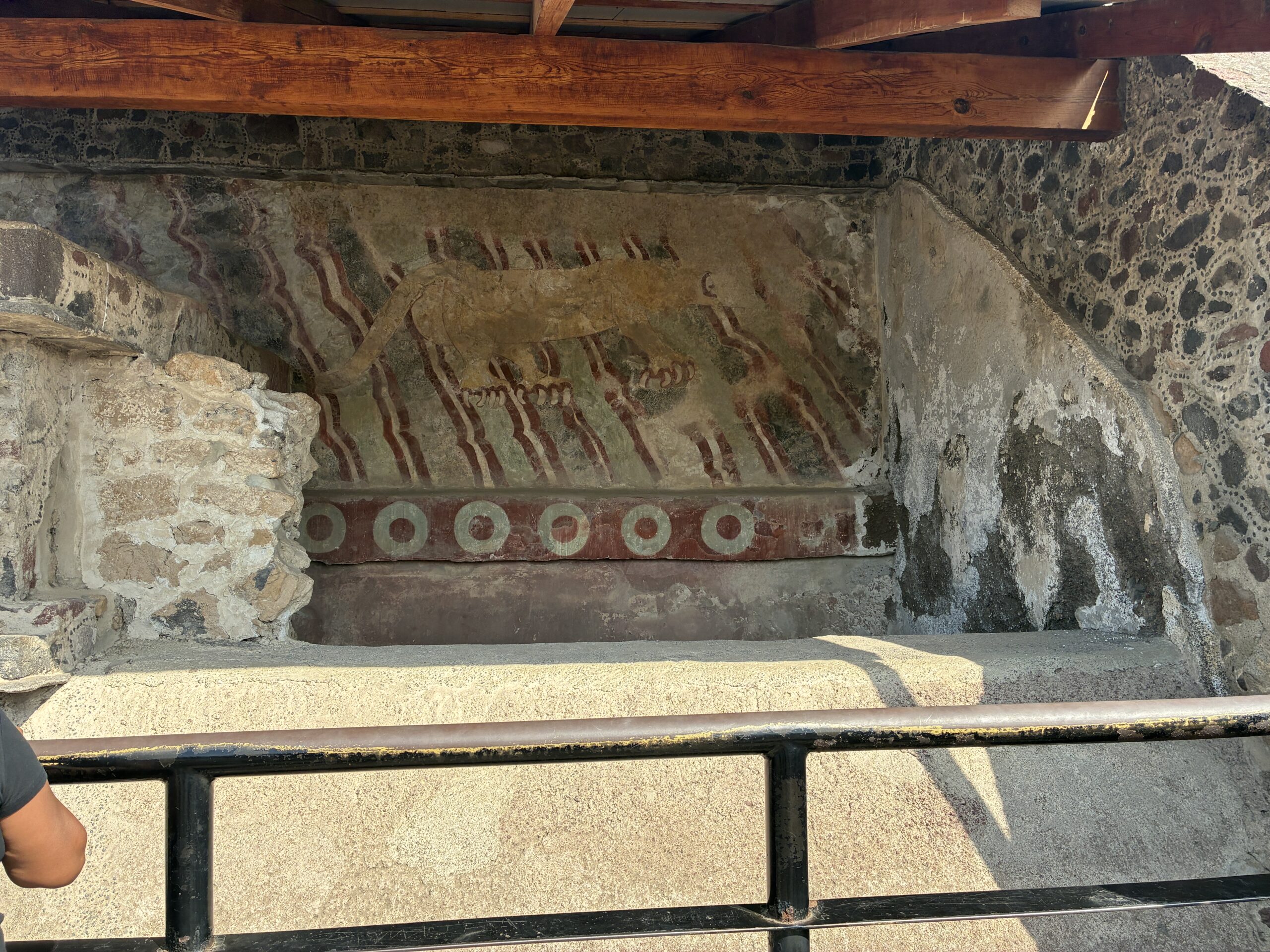
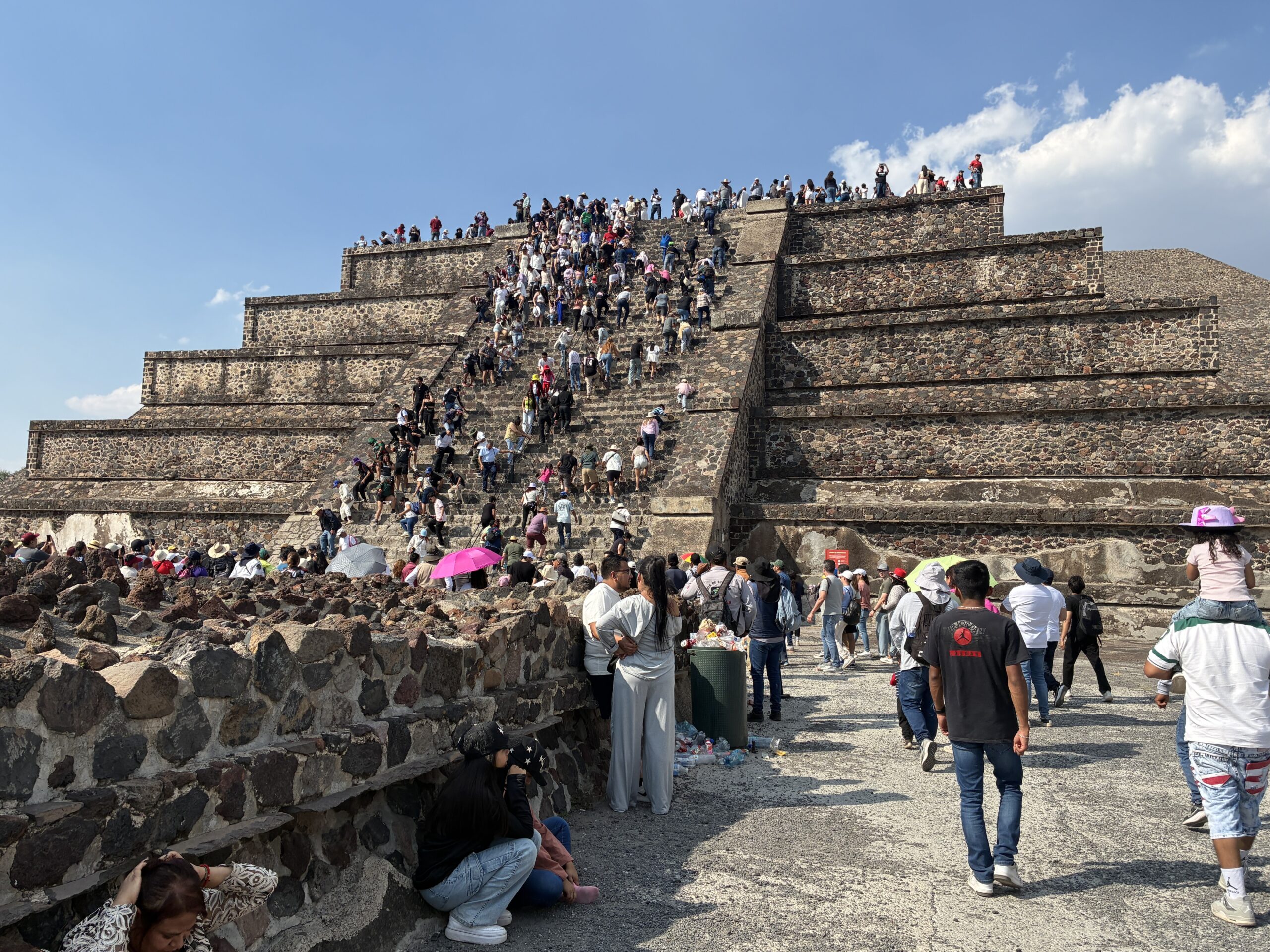
Unlike the Pyramid of the Sun, which cannot be climbed, the Pyramid of the Moon can be, or at least halfway up, and there was a constant procession of people heading for it, mostly to climb it, or moving away, having climbed down. I wondered whether I’d be able to make it up, but I was, quite easily. It’s heavy going, but not too bad if you take it slow. Along the centerline of the stairs is a rope guide for those who feel they need a hand hold, but the line for that stretches why back. From the top going down, the line for the rope stretches all the way around the perimeter of the oblong shaped top. Going up is challenging; coming down is dangerous. One slip, and you’d be be seriously hurt, at a minimum. And in some cases, people are holding babies as they head down. Frightening. One misstep. There was an ambulance at the base, standing by if help is needed.

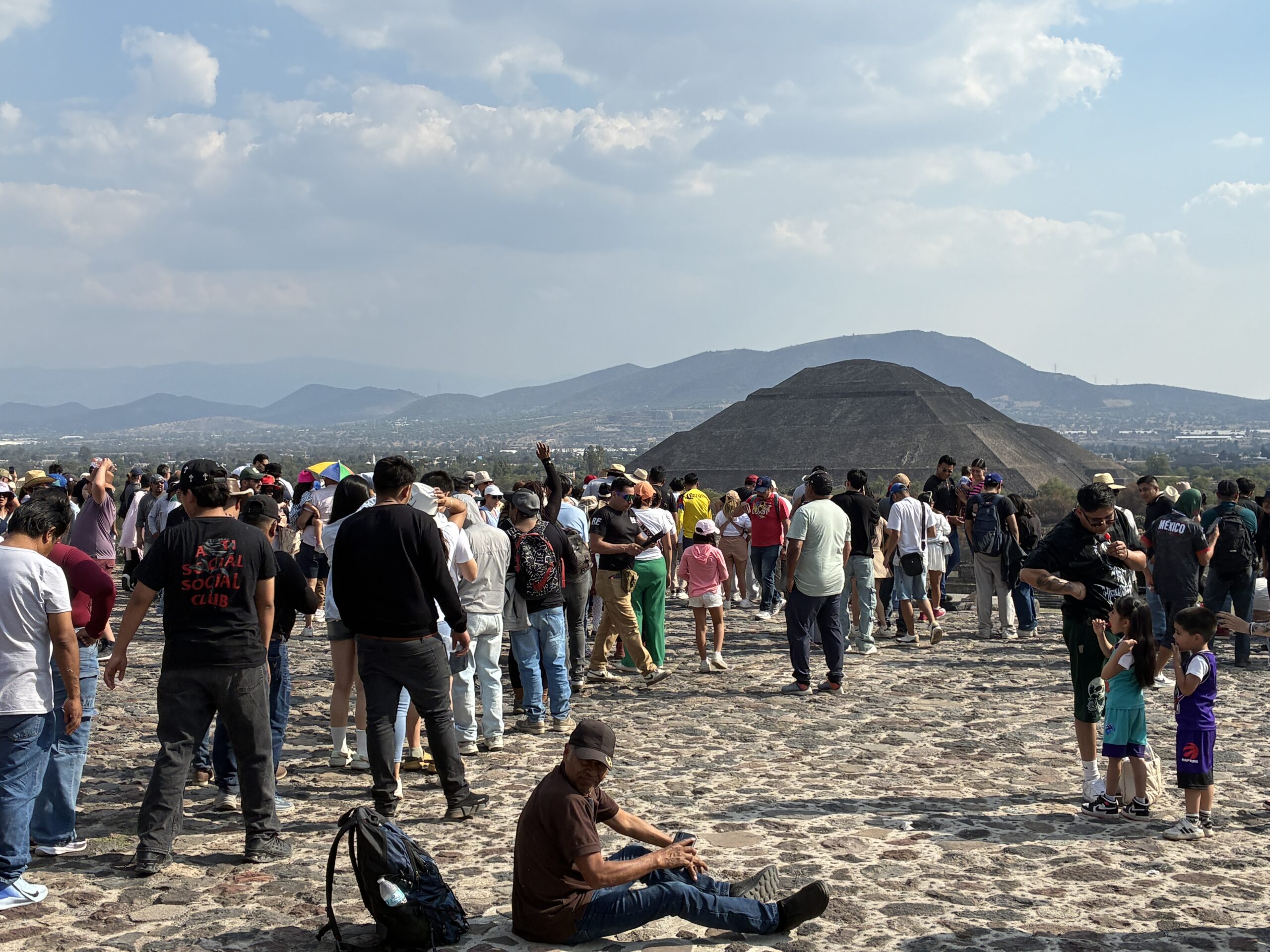
The views from the top are spectacular. Again, looking down on the main avenue looks like a hollywood epic. You get a pretty clear picture of how huge this was place was, and its layout and reverence.
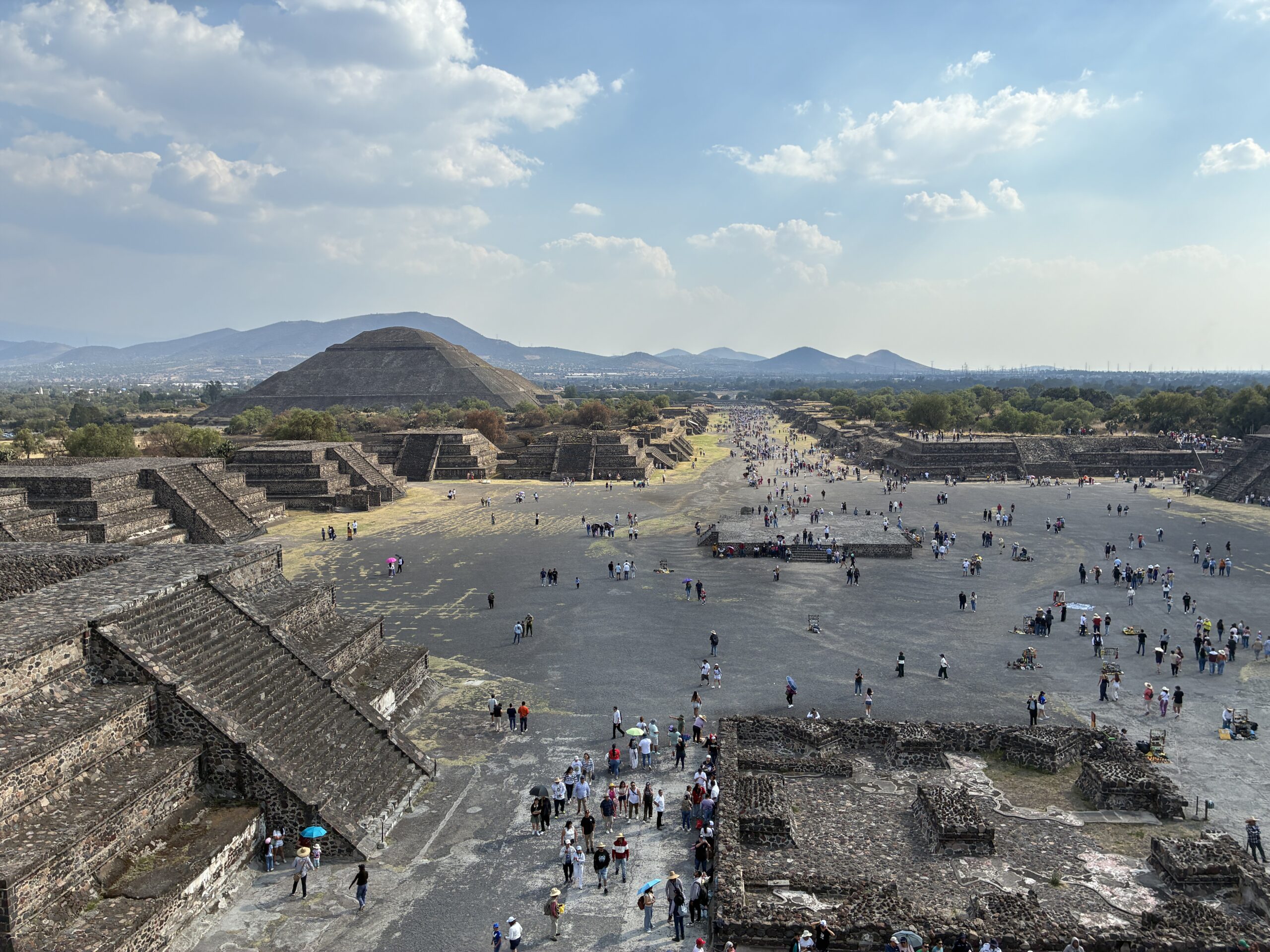
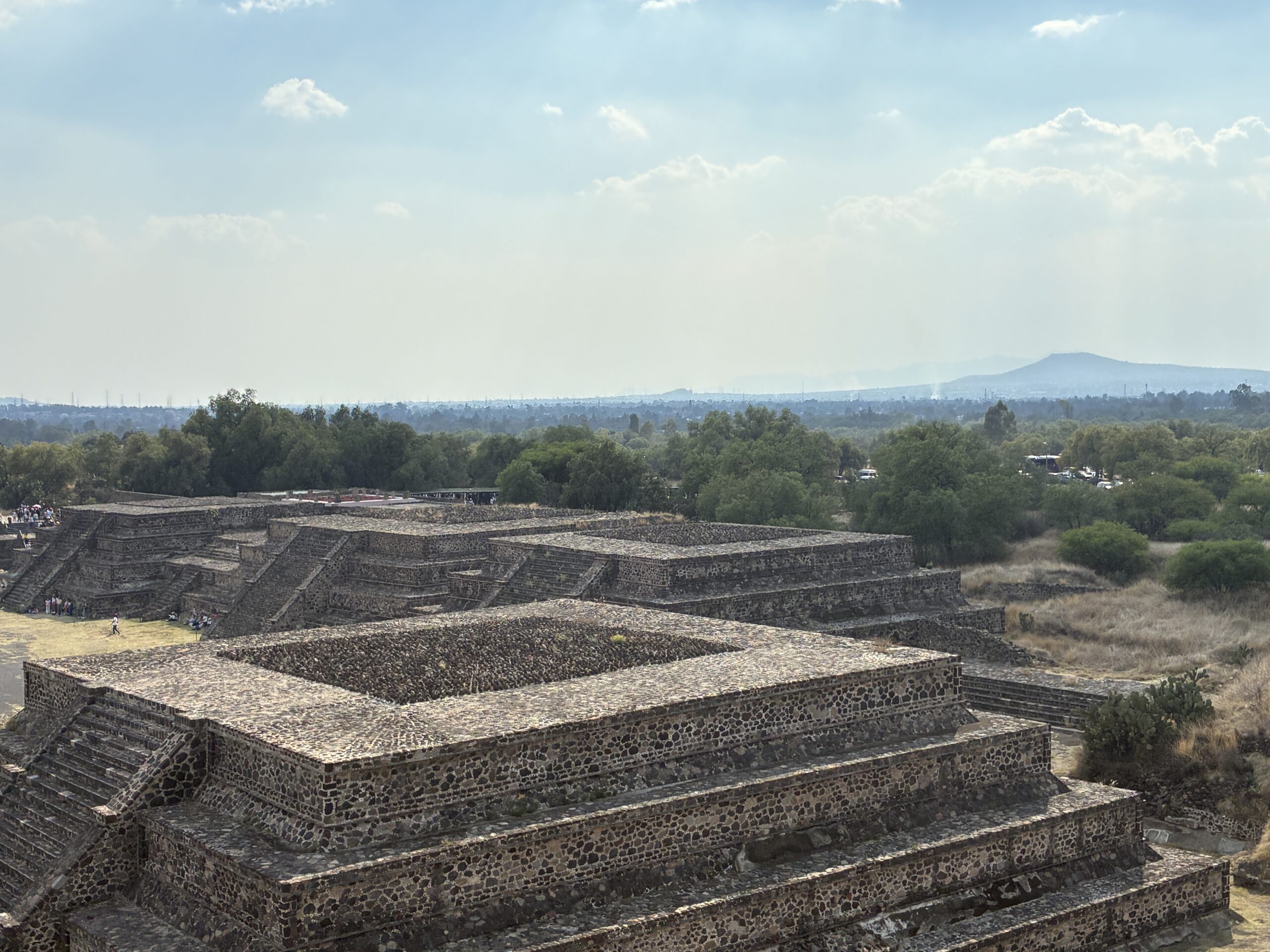
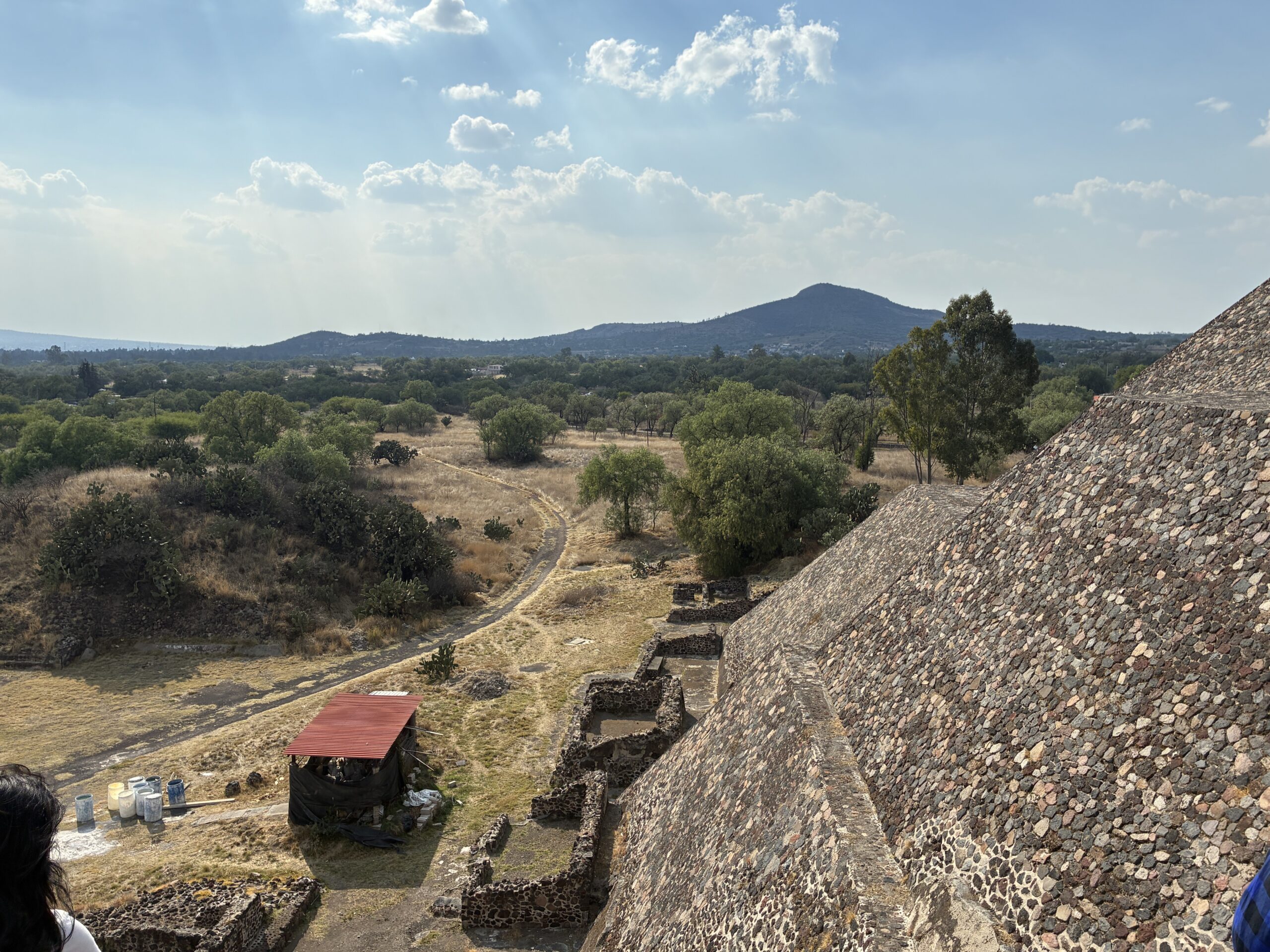
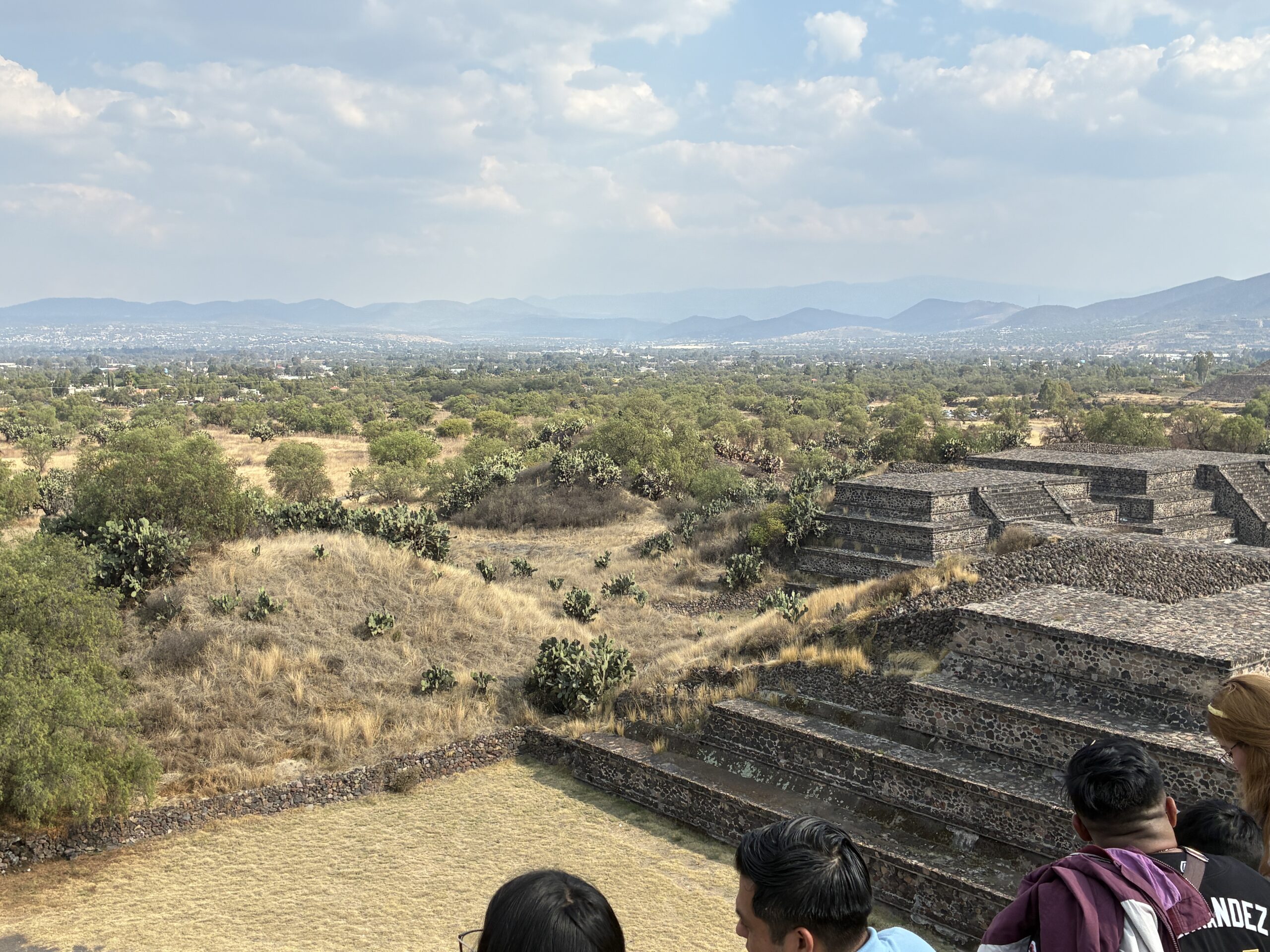


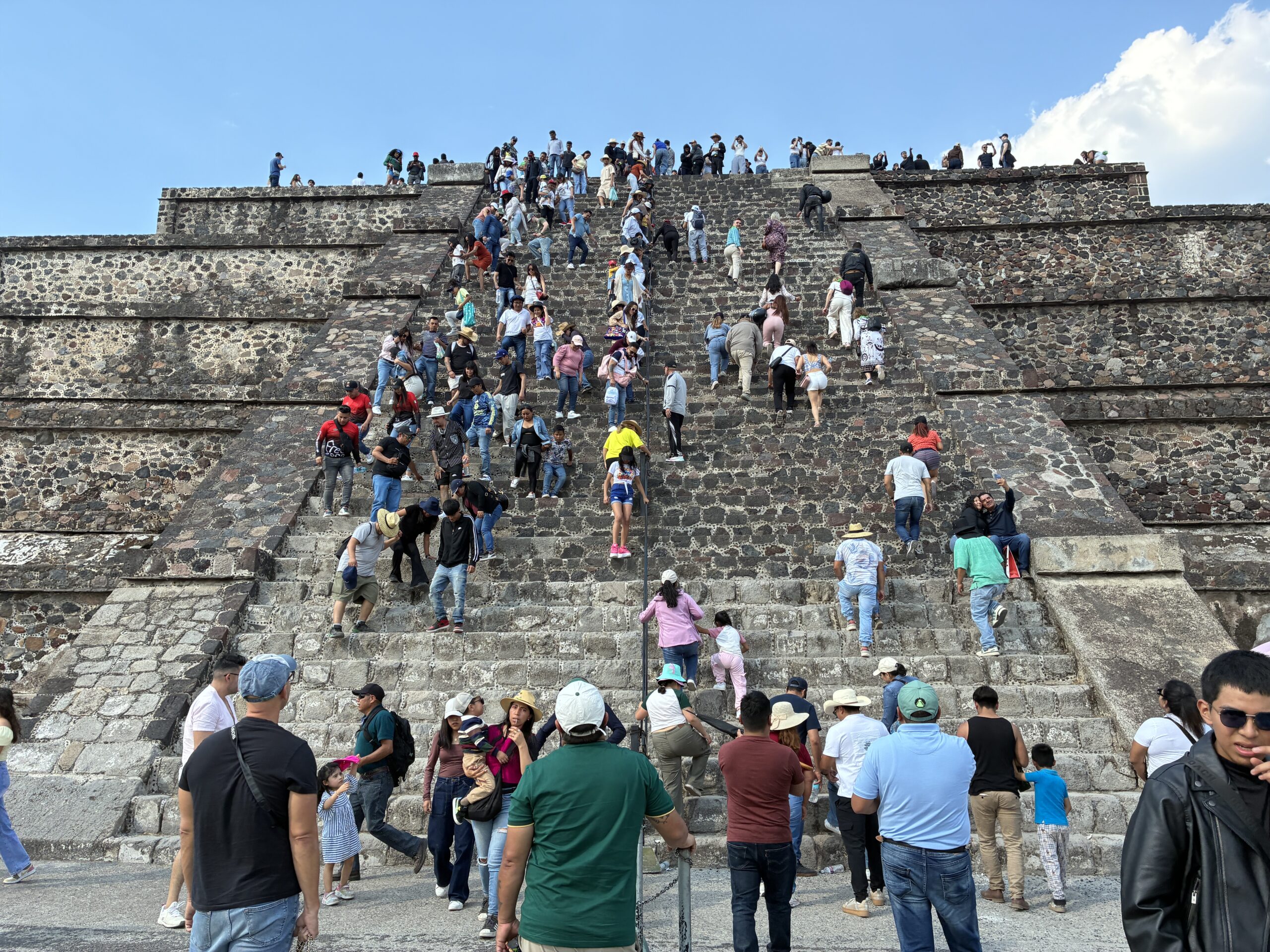
One back down, we met back up with Juan, who waited below, and headed back to the car. What a place to visit, and what an excellent day, and what a great guide.

During our drive back, we talked and went over the day, and Juan asked me how I was getting to the airport tomorrow, as I head to LA tomorrow (Monday) evening. He warned me against the taking the metro, at least in certain areas, and particularly Tepito, which is known (but not to me, until now) as a dangerous area. They’ll take your backpack, your wallet, and your shoes, Juan warned, echoed by Gracie and Roger in the back seat. I thought about taking a bus or taxi, as Juan recommended. It certainly would be easier.
Actually, I now realize, that on my way to the hotel when I first arrived, when it took the better part of 20 minutes for me to walk from the Lagunilla/Garibaldi subway exit to the hotel, through the street market and what I saw as a seedy kind of neighborhood, that was Tepito. I’m getting a T-shirt that says, “I walked through Tepito and lived.”
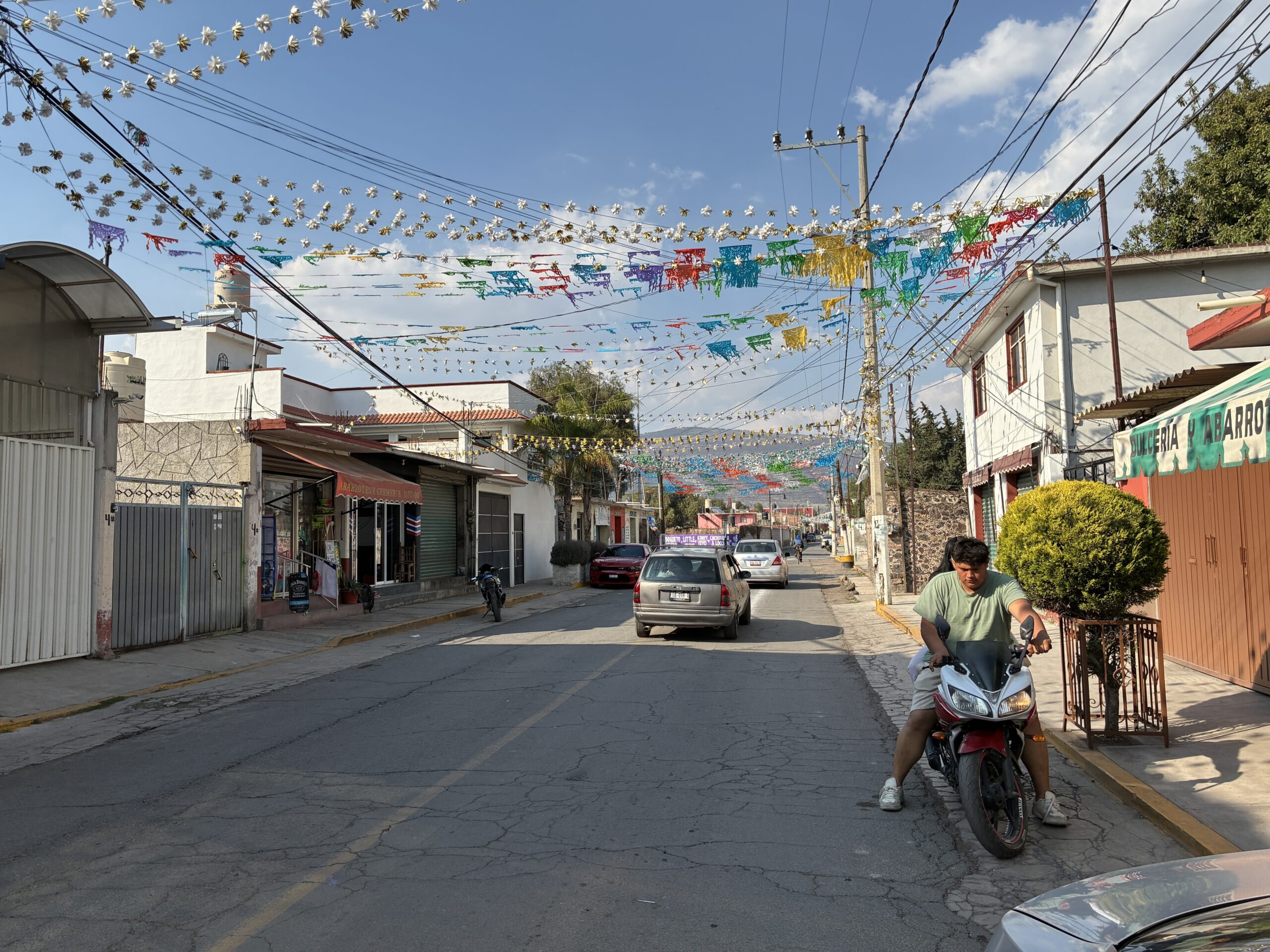

We had a very quick departure, as Juan said he could drop me off near my hotel rather than going all the way to Gracie and Roger’s hotel and walking back, which would have been fine with me. He seemed insistent it would be better, so I said sure, he made a quick stop, I got out, and we had a quick goodbye, and just like that that our excellent day together was over. It was, indeed, a great day. This has been a great trip thus far… how will tomorrow, my last day in Mexico, go?
My flight is at 7:50 tomorrow night, and I’ll plan to get to the airport three hours ahead, as I don’t know the layout or what to expect, and whether by subway, bus, or taxi, I’ll allow an hour to get there. Still, that gives me the morning and some of the afternoon to spend in Mexico City before I have to start on my way to the airport around 3. Till then, buenas noches.