Kyoto to Okinawa.
Laurence was feeling much better today and looking good, and his decision to return home is delayed for now.
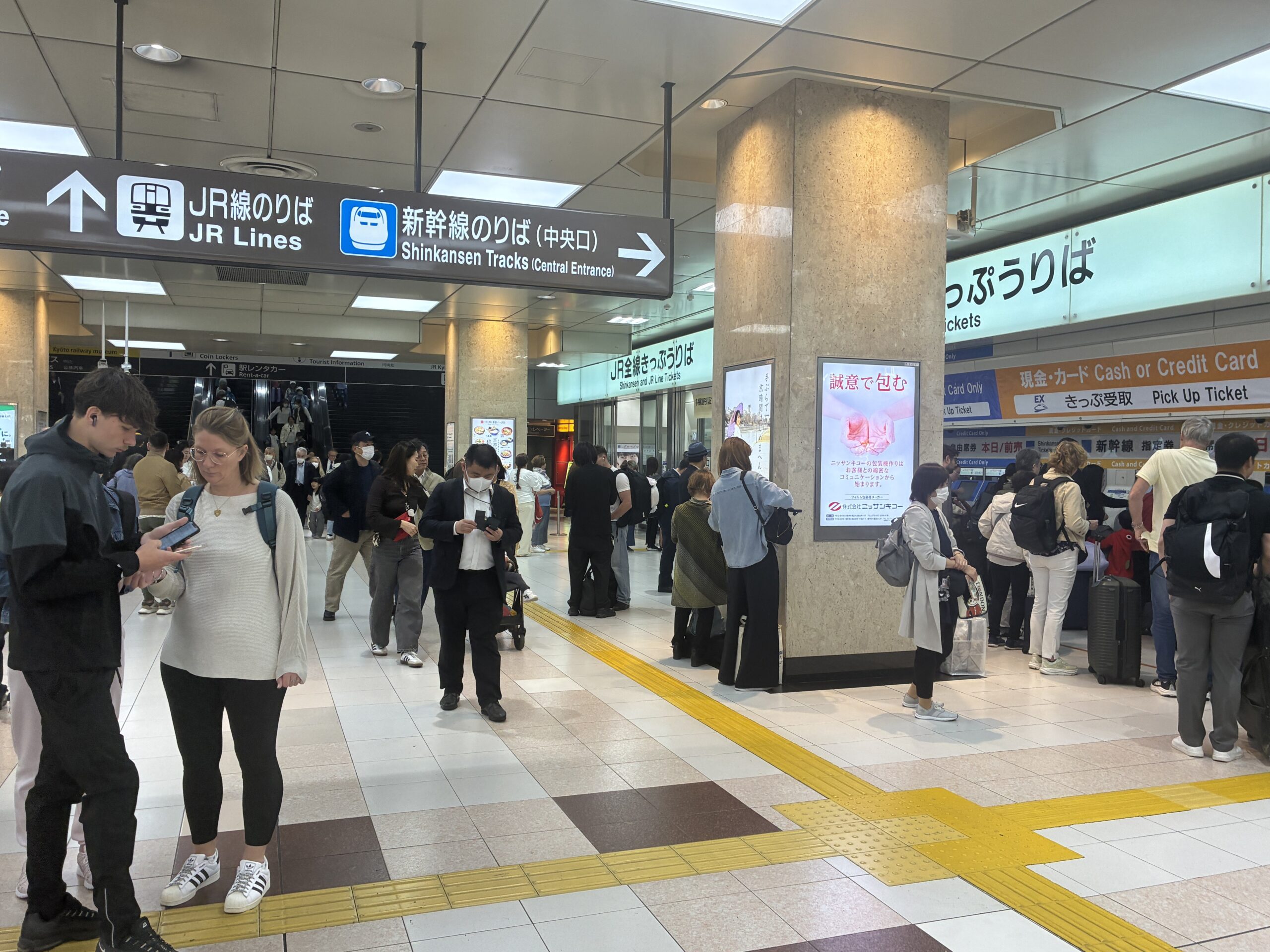
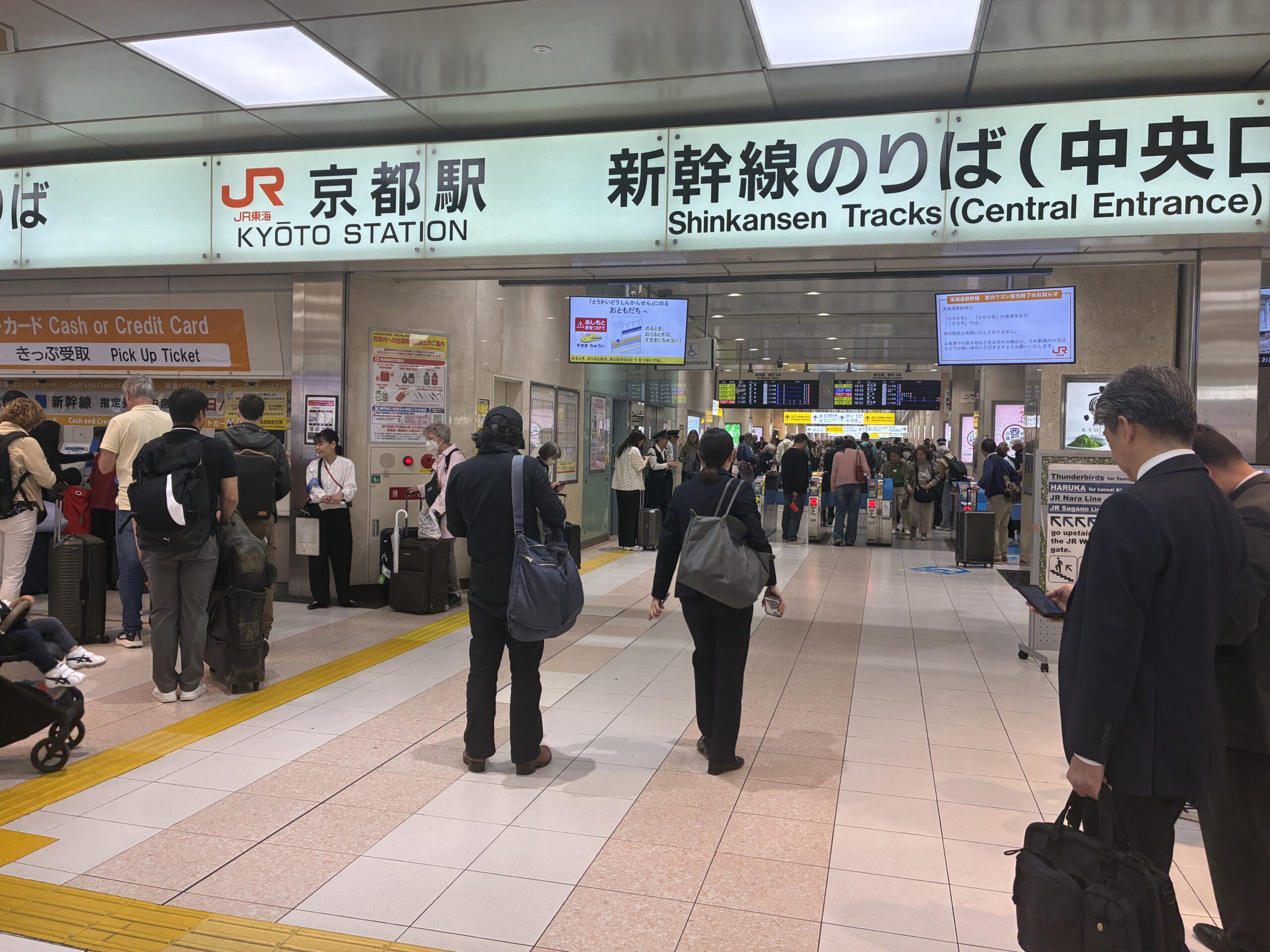
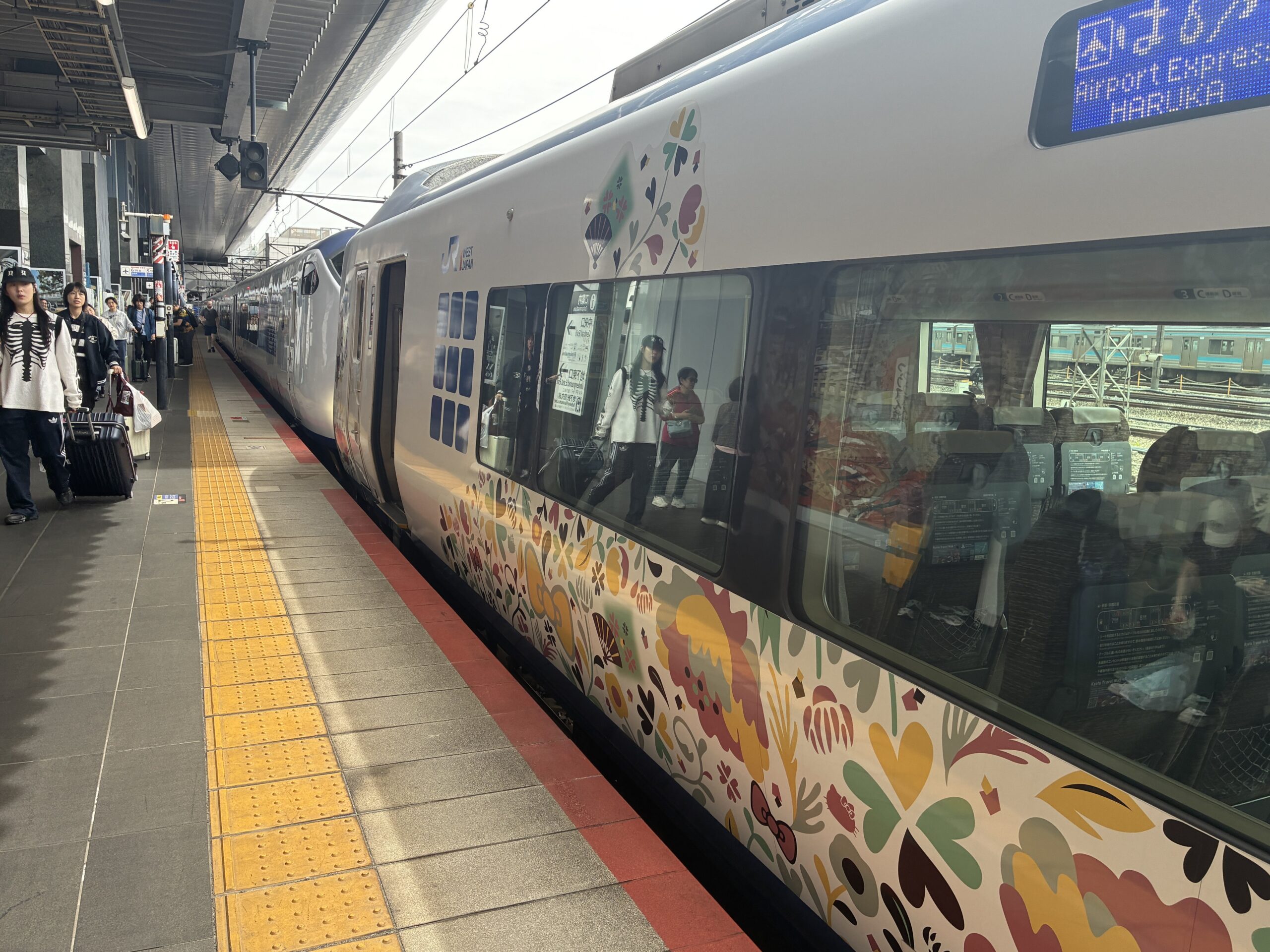
We got a taxi to Kyoto Station, which is BIG with multiple levels, and all went well picking up our Japan Rail tickets and boarding our train for the airport. No problem getting to the Osaka-Kansai airport, which is large but a nice and easy place to get around and not all crowded,and boarding our plane went smoothly, although we were assigned separate seats for this 2¼ hour flight. So far so good. That changed later, though… but we recovered!
We’ve been hearing about the earthquake in Hokkaido in north eastern Japan, with warnings that another may be possible, but Kyoto is a thousand miles south of Hokkaido, and we’re heading still further south to Okinawa, which is a thousand miles from Osaka, so we’re unaffected.
A little about Okinawa. It’s a subtropical archipelago about 199 miles north of the Tropic of Cancer, and one of the southernmost points in Japan, part of the Ryukyu Islands (known in Japan as the Nansei Islands), a chain of over 100 islands that stretch about 700 miles between the Japanese mainland and Taiwan.
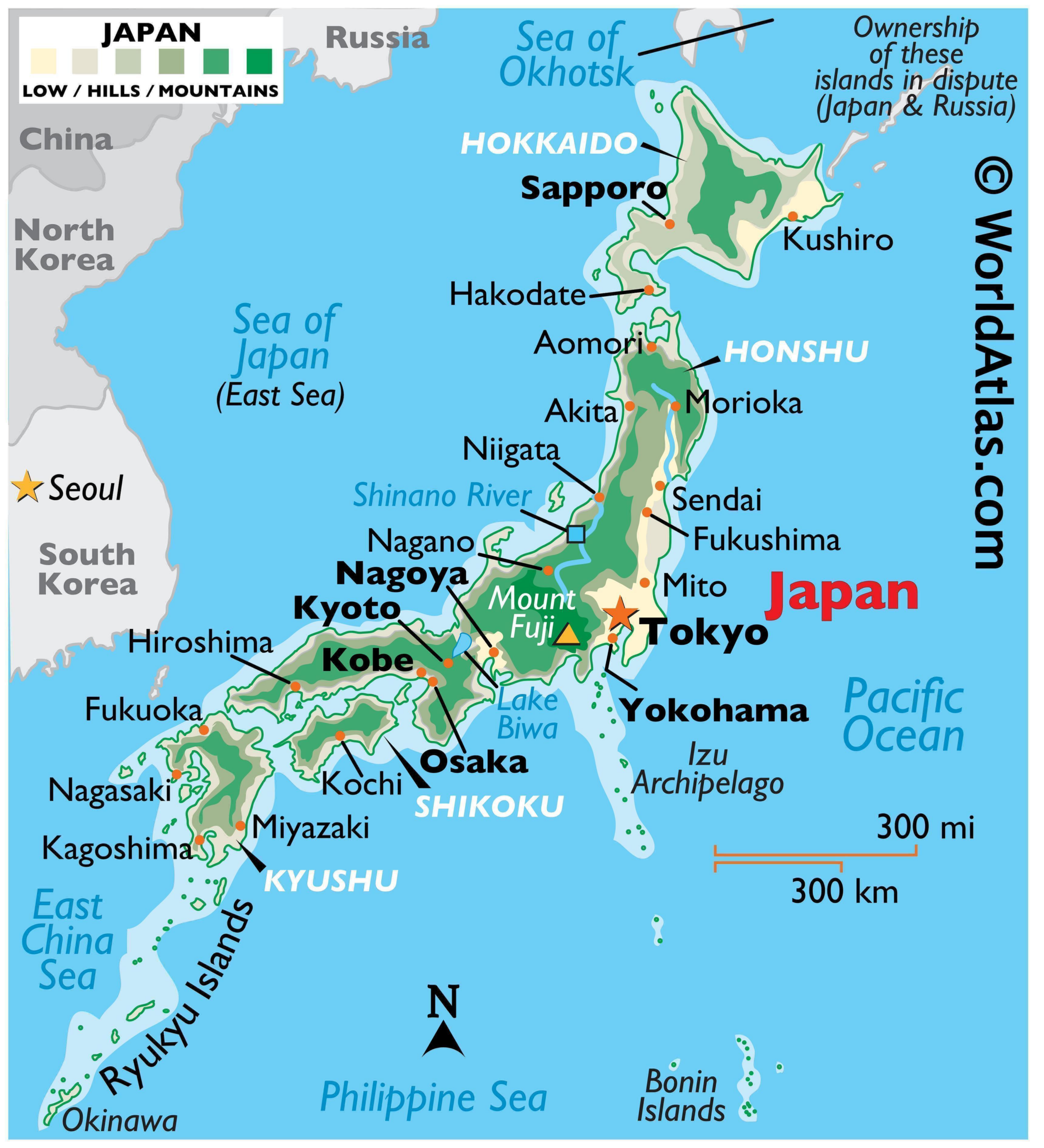
The region was once the independent Ryukyu Kingdom, established in 1429 and lasting 450 years until its formal annexation by Japan, and served as a major trading hub between China, Japan, Korea, and South-east Asia. It was first invaded by Japan in 1609, and formally annexed in 1879, when the last king of Okinawa was forced to abdicate. Following the second world war, Okinawa was occupied by the U.S. and U.S. administration lasted from 1945 until 1972 when the U.S. handed administration back to Japan. During WW2, the 1945 Battle of Okinawa was the largest amphibious assault in the Pacific Theater, in which over 12,000 Americans and 110,000 Japanese soldiers died , and between a third and a quarter of Okinawan civilians, around 150,000 people, died in the crossfire.
The Okinawan culture is its own, and reflects the long history of the island, with different foods, language variations, architecture, appearance, and culture. It’s also the birthplace of karate. The local language is Uchinaaguchi, and Okinawans often refer to themselves as Uchinanchu. The Okinawan identity, or Uchinanchu pride, is described as very strong, and the individuality of the culture is a point of honor for the people who live there.
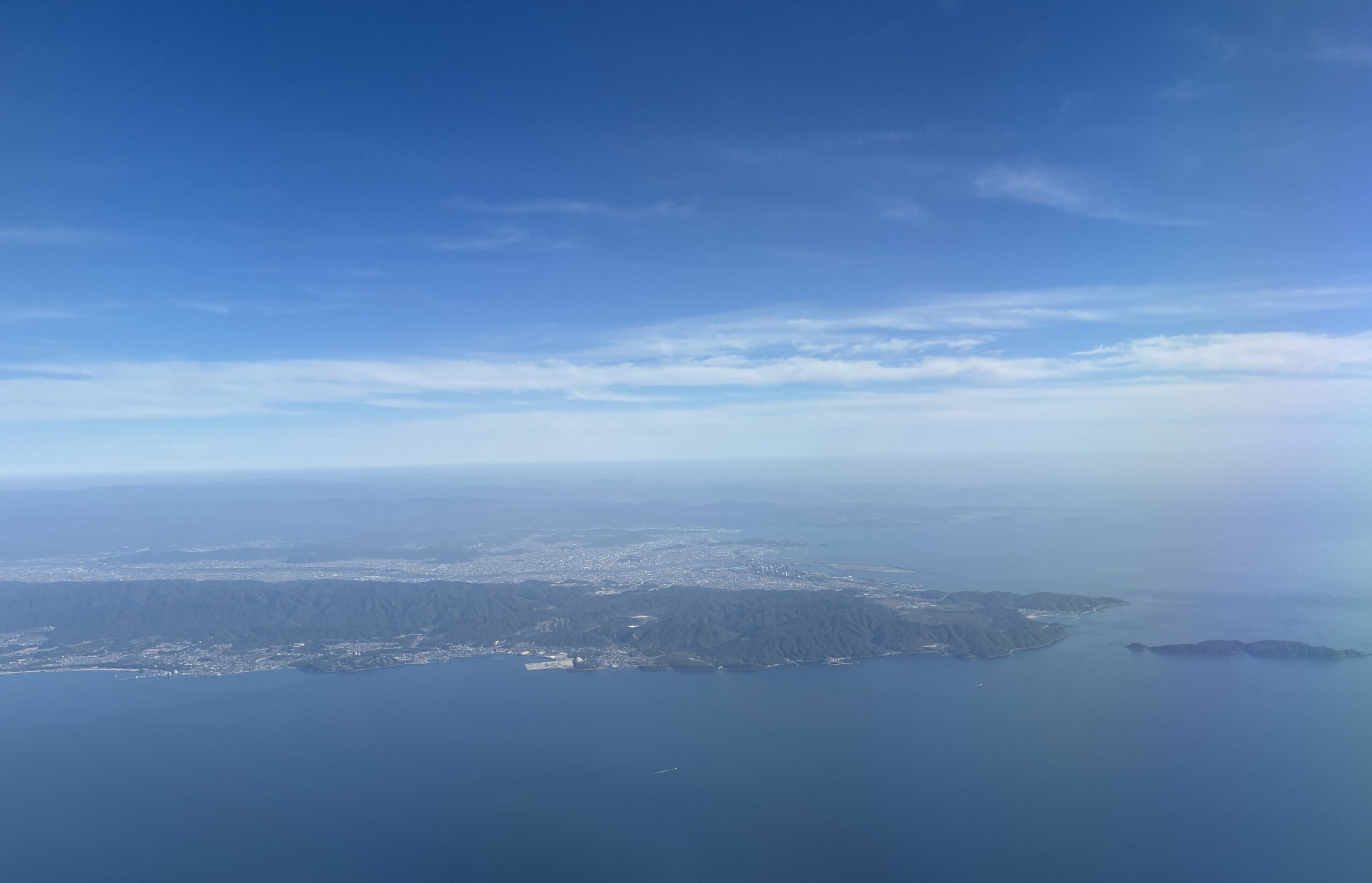
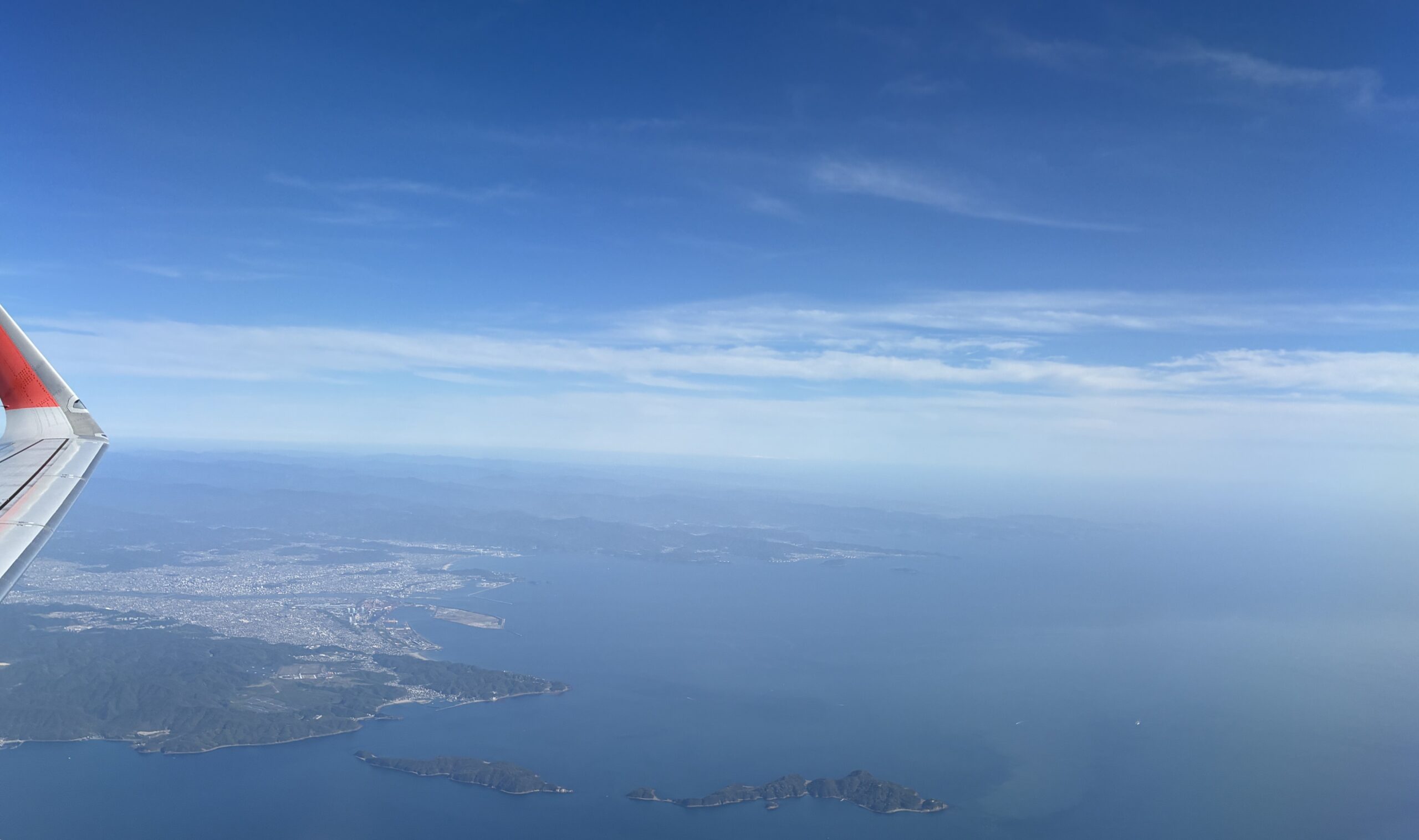
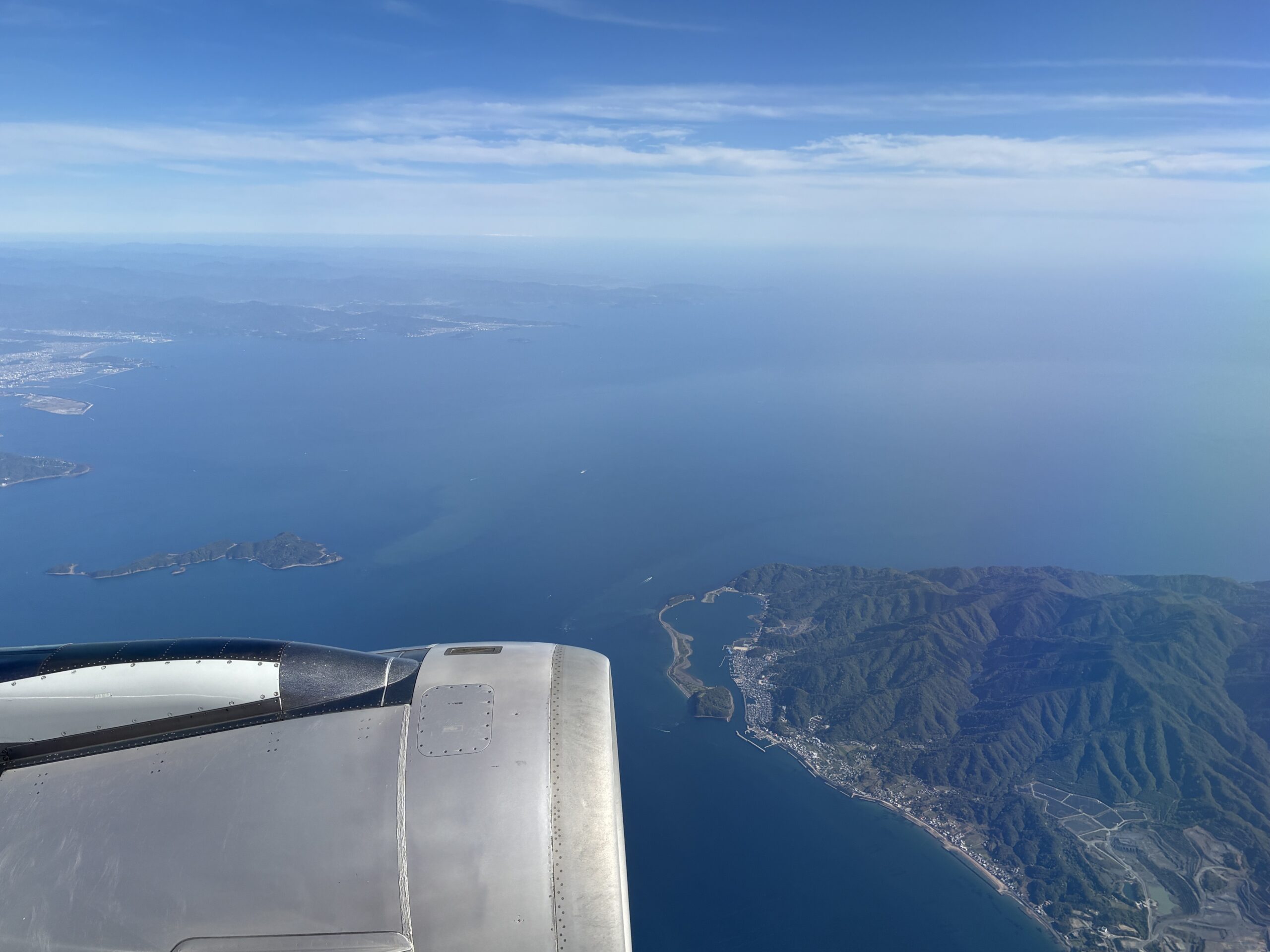
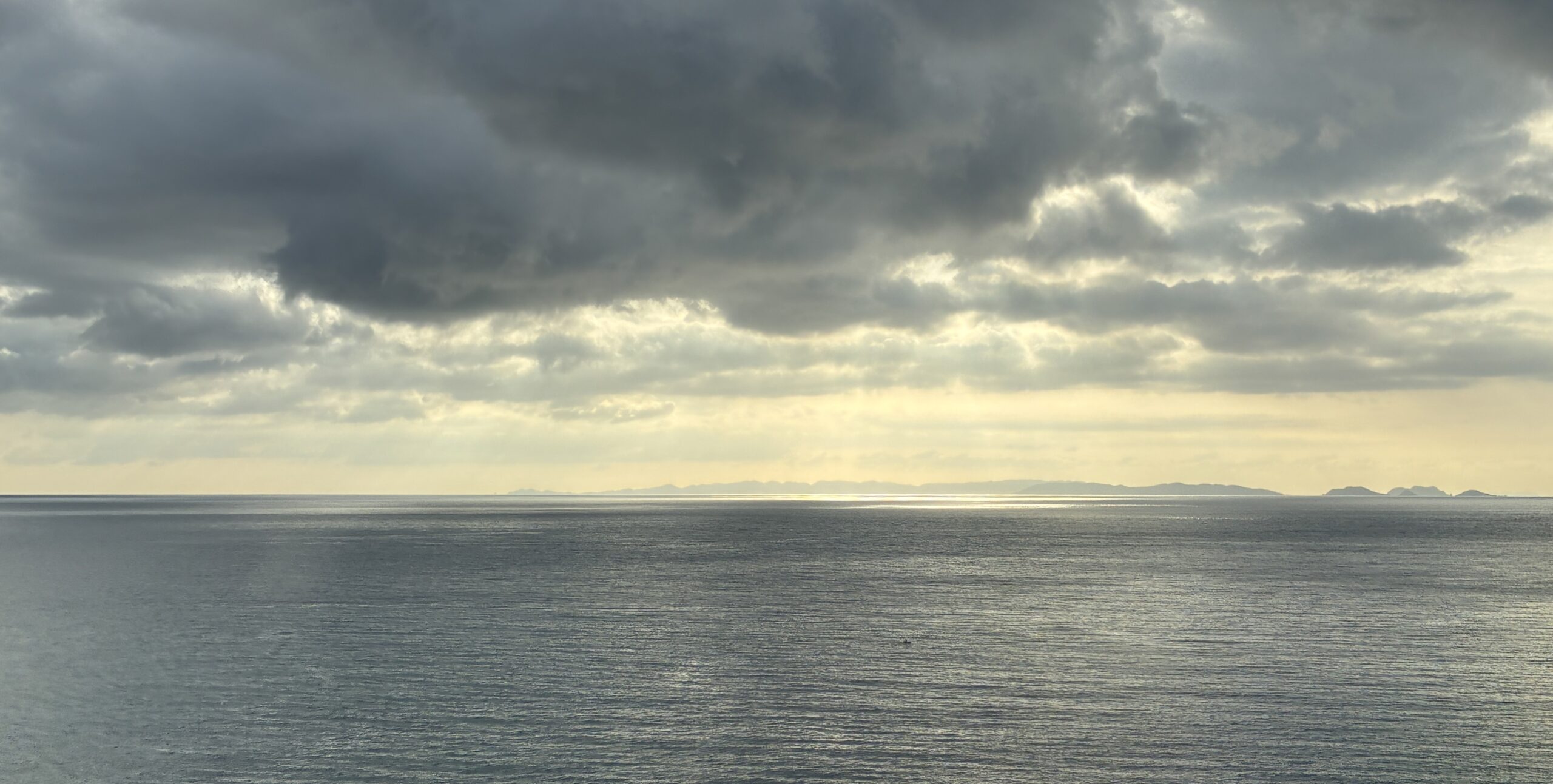
Back to our day. Our flight went well, landing at Okinawa Naha airport around 5:30 pm. Laurence was doing well, and all was going well until lining up for the rental car shuttle. It turns out you must have an international driver’s license to rent a car in Japan. What?!! I knew this was the case in Vietnam, where a visa is also required, but I never checked for Japan. I just assumed… but now we were screwed. Our entire plan for the next three days here was based on having a car, including getting to out hotel, about 30 miles and almost an hour north in the Onna region. Nothing to be done about it, and you can only get an international license in your home country and not within Japan. This was my first mistake in planning this trip (and I hope my last).
It took a few minutes to regroup, but we learned that we could at least get the airport shuttle or the airport limousine bus to Onna, a coastal village on the west coast, sitting on the East China Sea, that is a general resort area,which is where our hotel is. Sounds good, and there was an information counter in the airport where we could gather more information. We did get more information, and the first thing we learned was that we could catch either bus, except the last one left at 6, and it was now 6:10. Yikes again. It is possible to take local buses, but this could take between 2 and 2½ hours, so we did the only thing we could, and that was take a taxi.
The city of Naha, which is the capital and main city of Okinawa, is urban and was pretty busy at this time of day, and slow to get out of, but once we got clear of the city the rest of the ride was quick, although it was dark by the we got to out hotel, the Pension Blue Villa. I’ve never spent so much money on a taxi, which came to about $78 (actually, not too bad, considering), and we watched the meter climb as we drove through the initially busy traffic. It could have been worse, and at least we got to our hotel, and can figure the rest out from here tomorrow. Given that the car rental was $200, plus gas, the biggest problem won’t be cost (we can take the shuttle back to the airport, so won’t need a taxi again for that), but getting around. We’ll do fine, though, and will work out the details tomorrow.
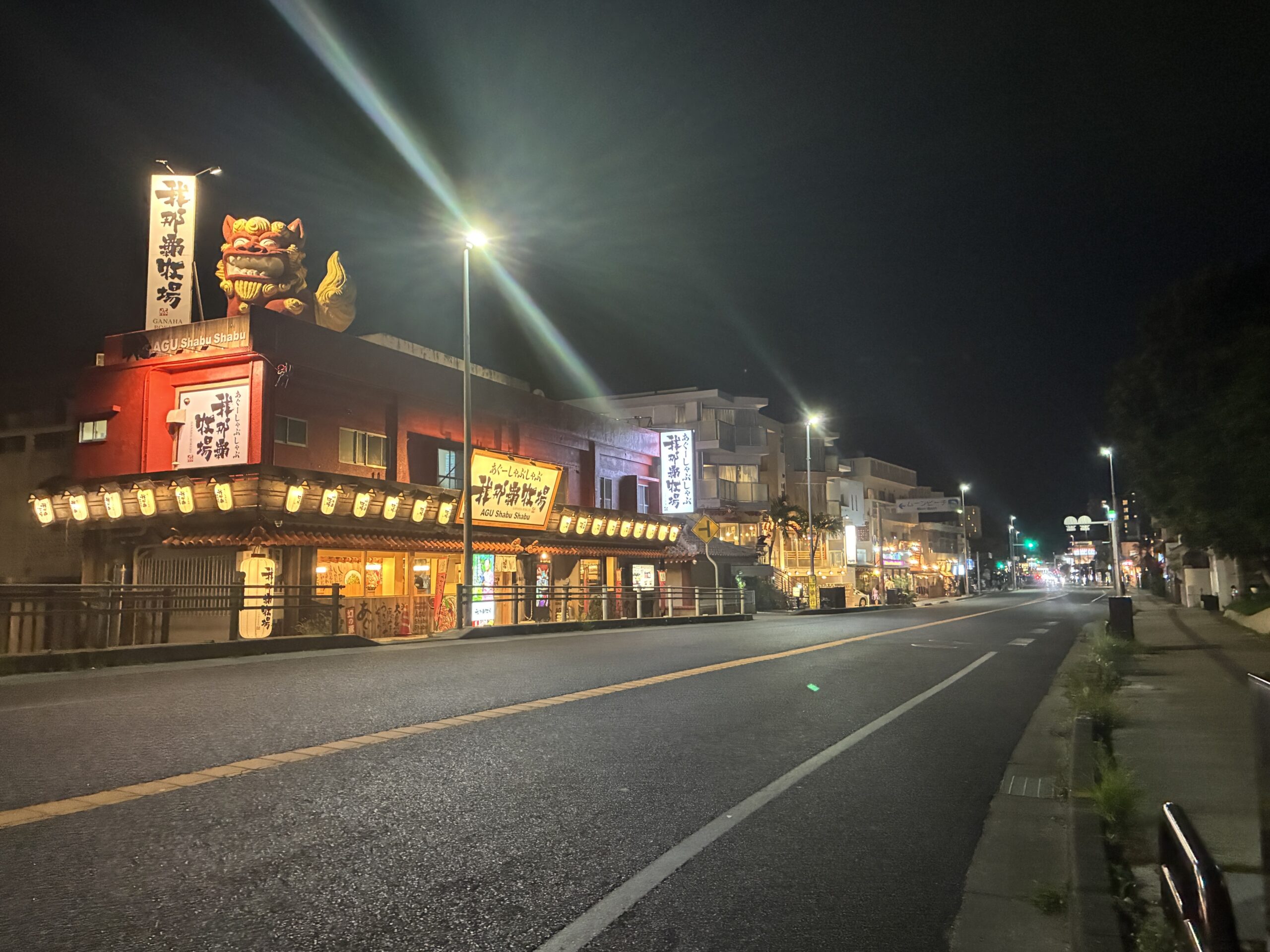
It was dark by the time we arrived at the Pension Moon Villa, an older and more run down, but still nice and our cup of tea, place, immediately surrounded by much higher priced and upscale hotels, in this resort area. The building is probably from the 70s, but its curving outside look seems like a 1950s style hotel. The lobby was lovely, and is an area for guests to hang, with a piano, guitars, and other musical instruments, and the young staff person was very friendly and very helpful, although spoke little English. She wanted to carry my backpack for me going up the two flights to our room on the fourth floor (I guess she saw two old men), but little did she know how heavy it actually is, and I didn’t need the help, But Laurence did, and his pack is much lighter as I’m carrying his heavier stuff, and she insisted on carrying his pack, which she did.
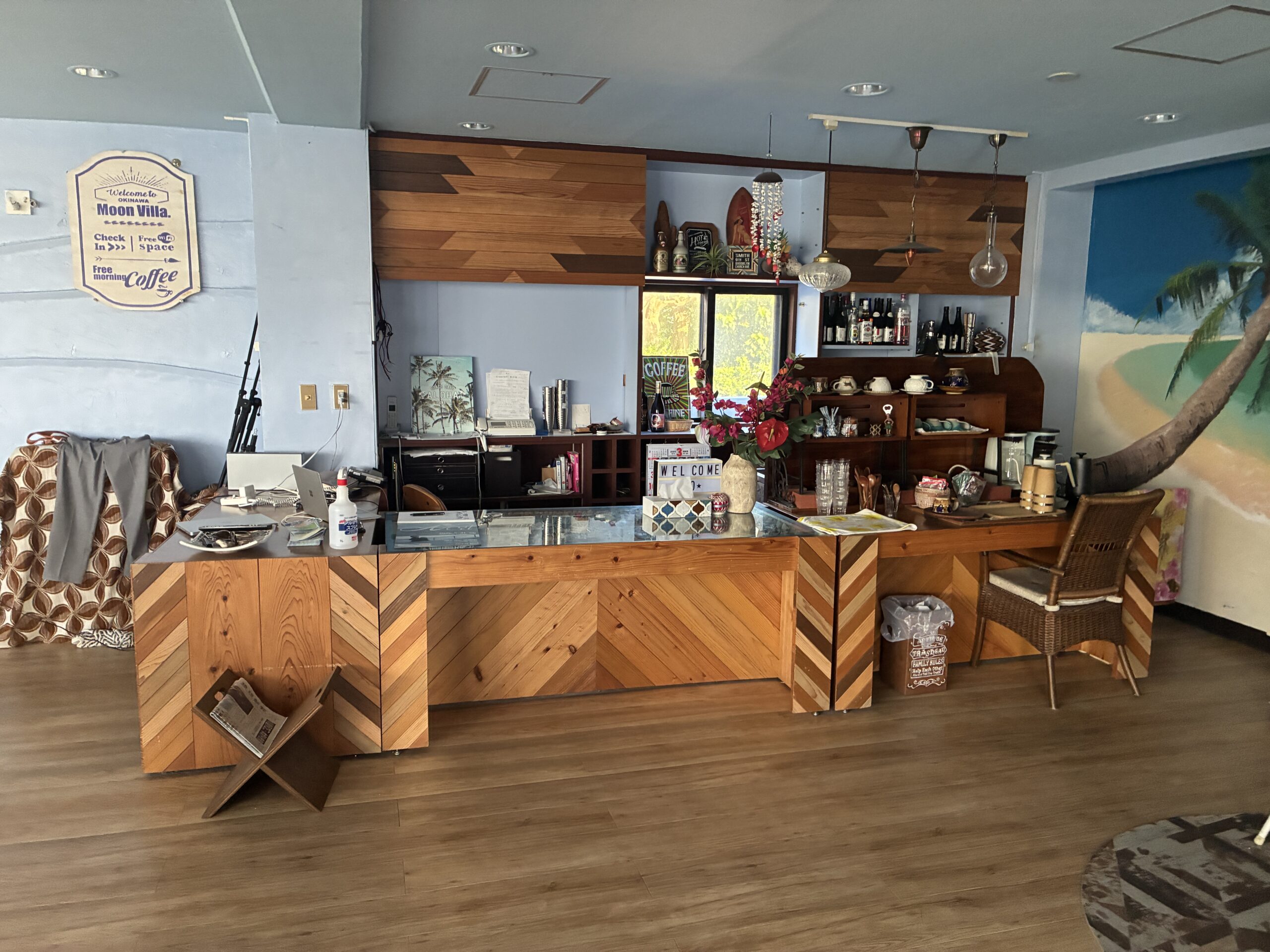
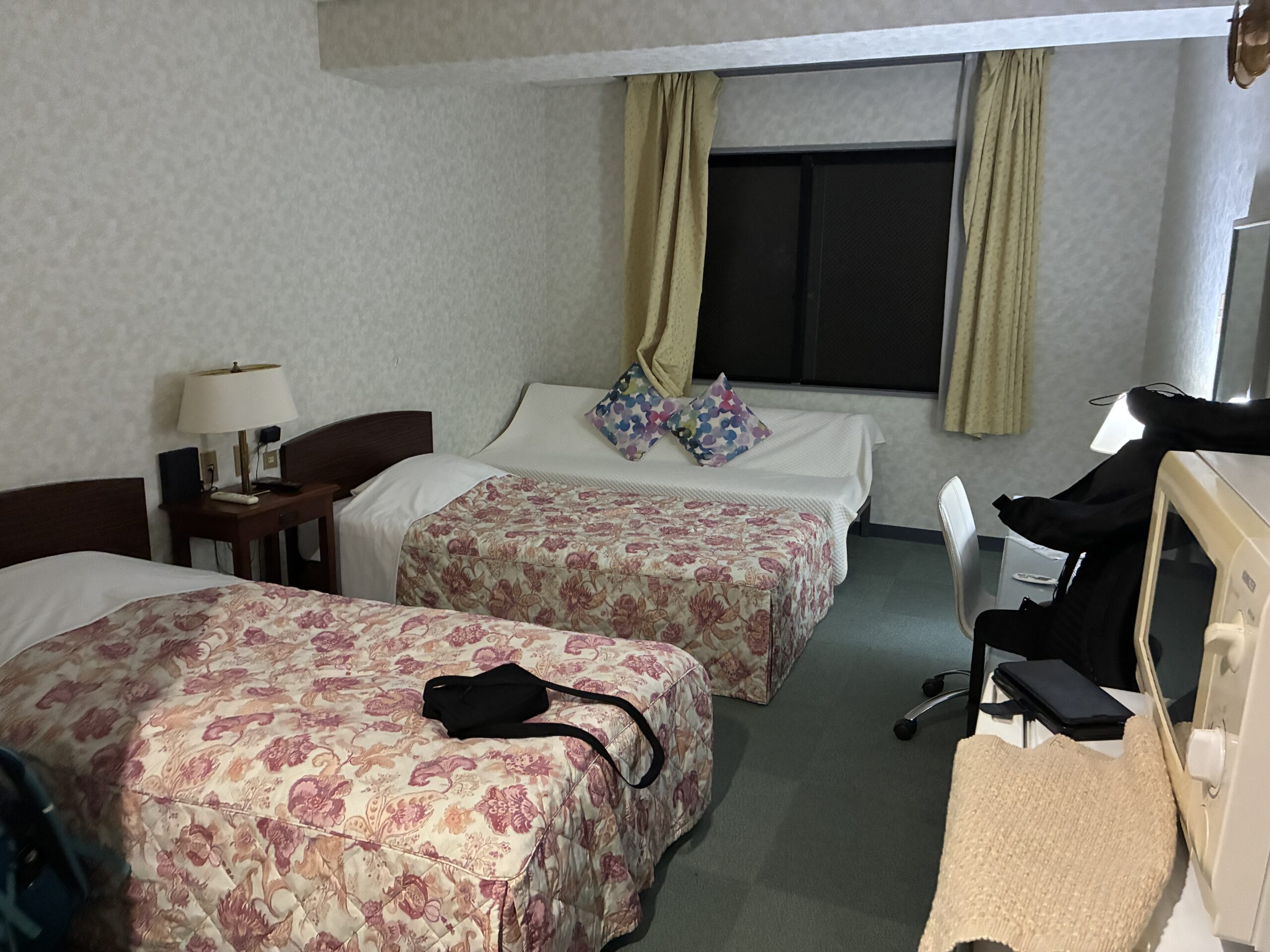
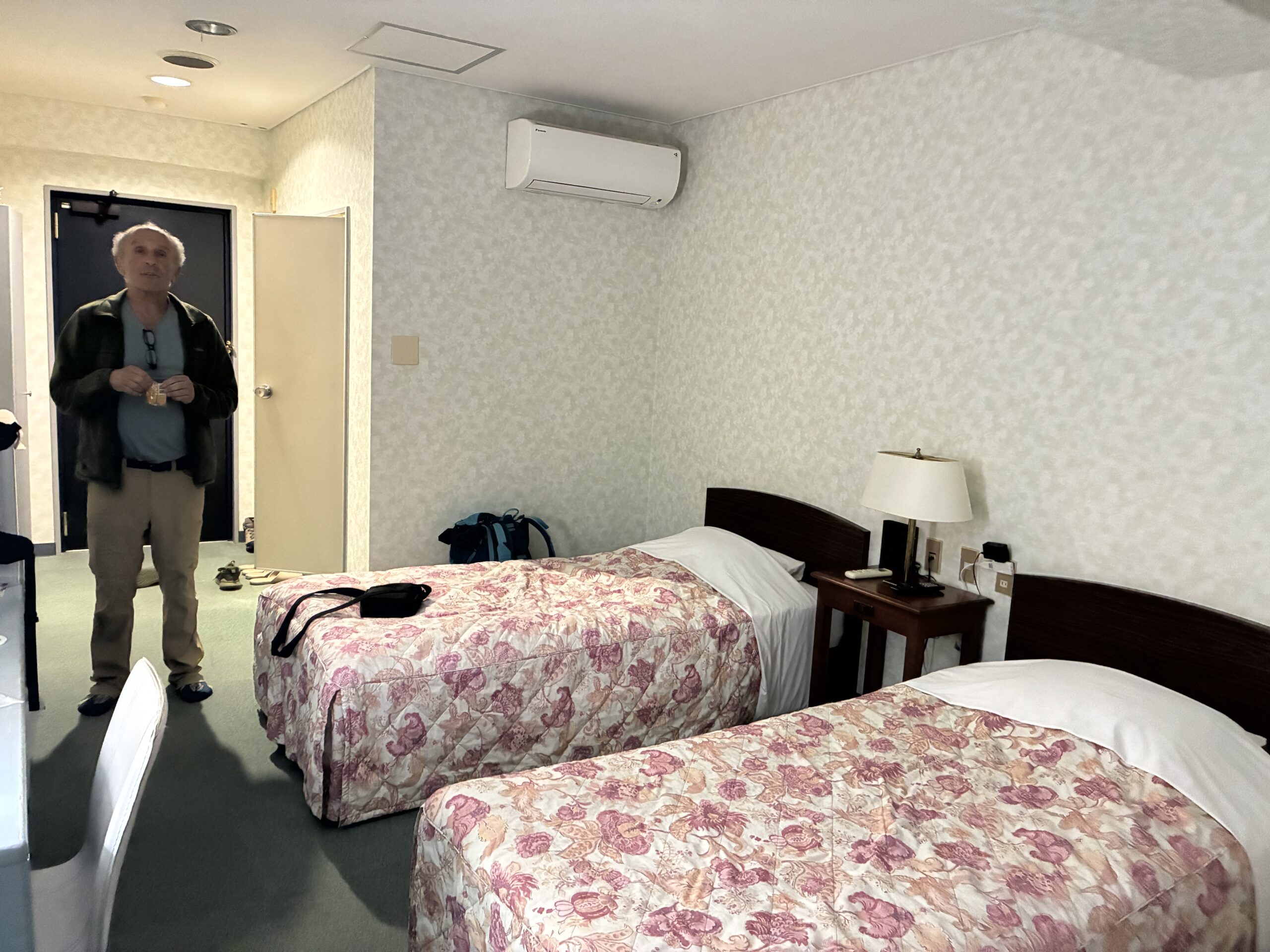
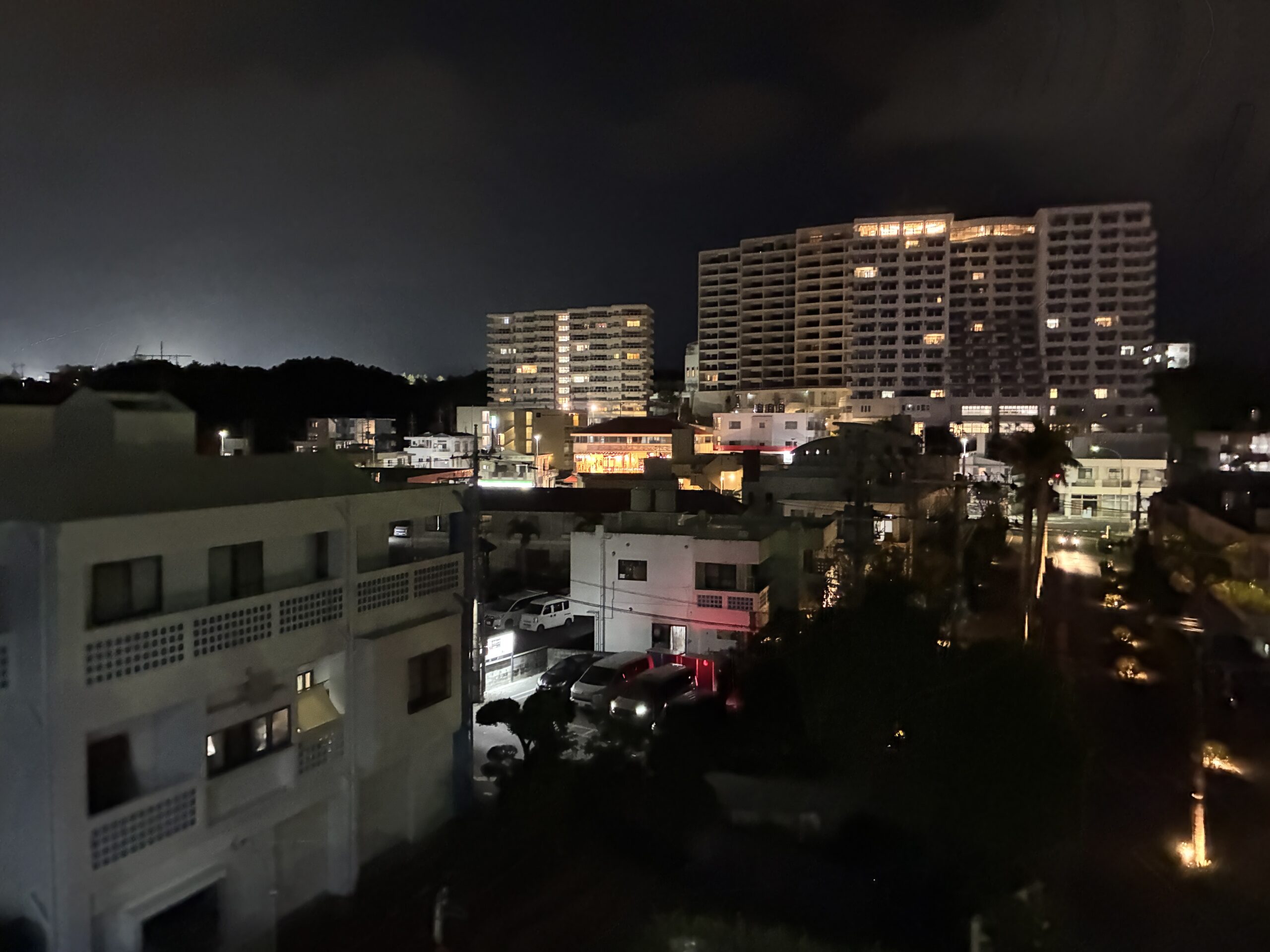
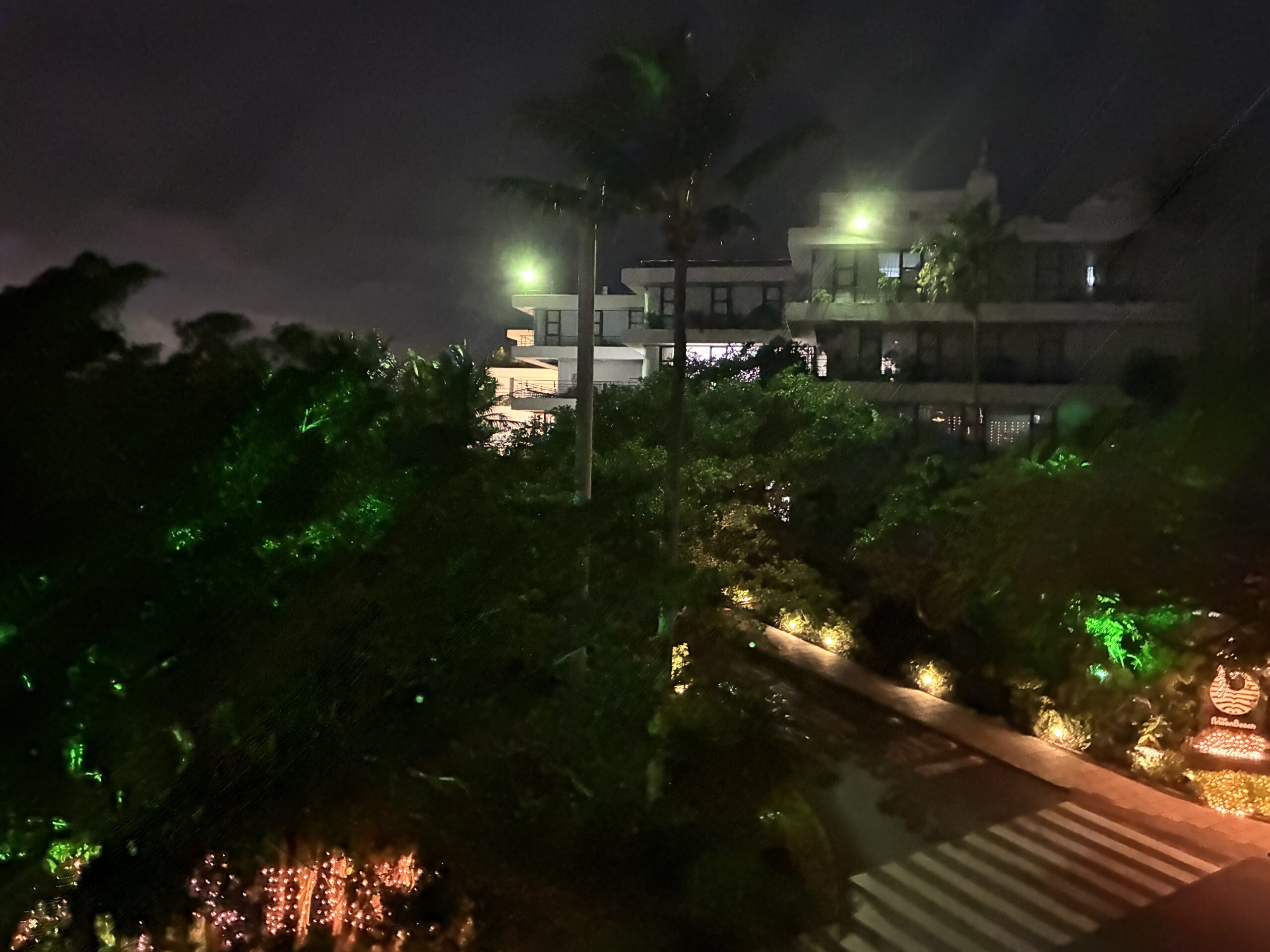
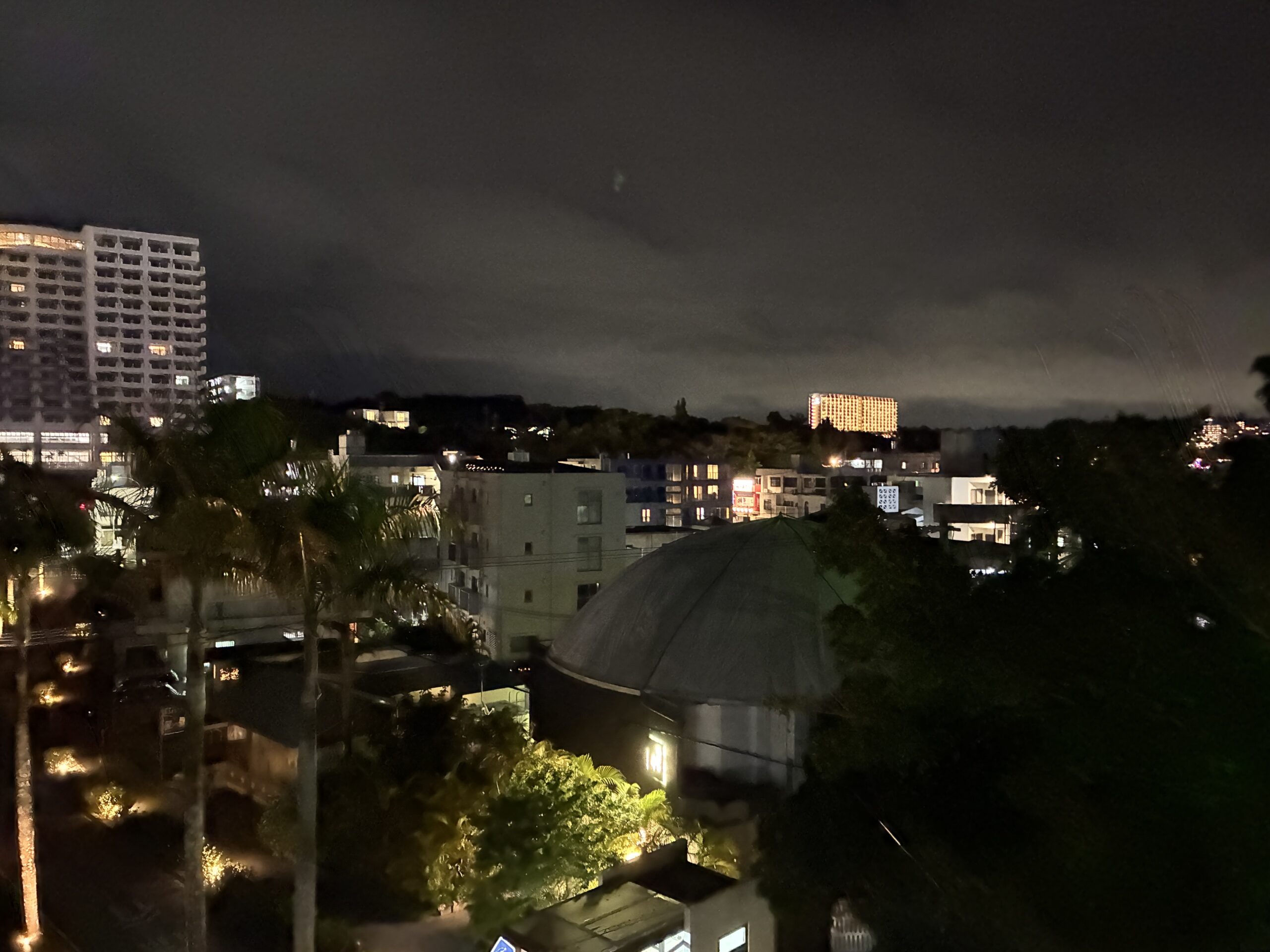
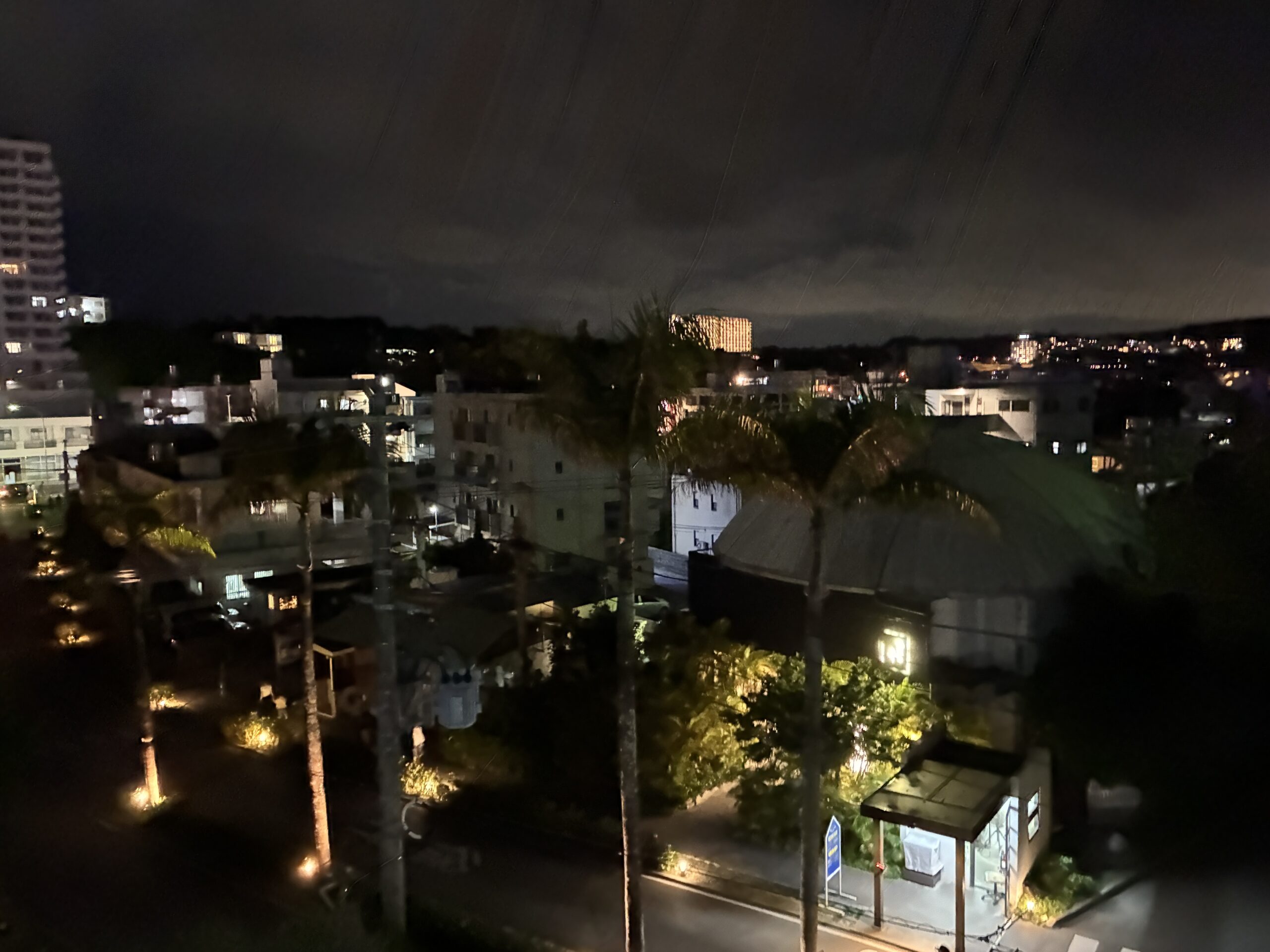
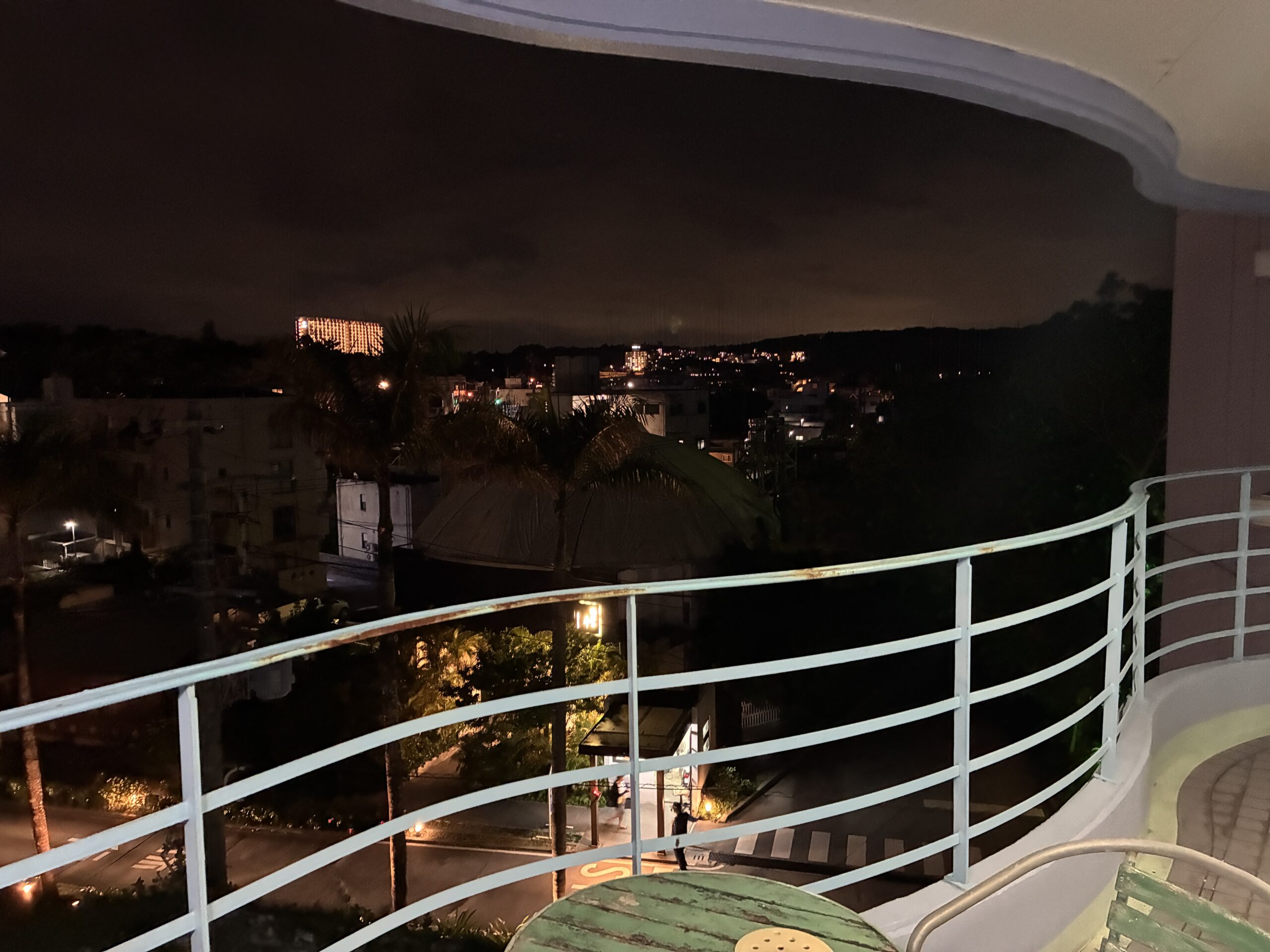
We settled in, figured we’d think about tomorrow tomorrow, and walked a little to see local eateries, and wound up buying prepared food which we ate on the fourth balcony.