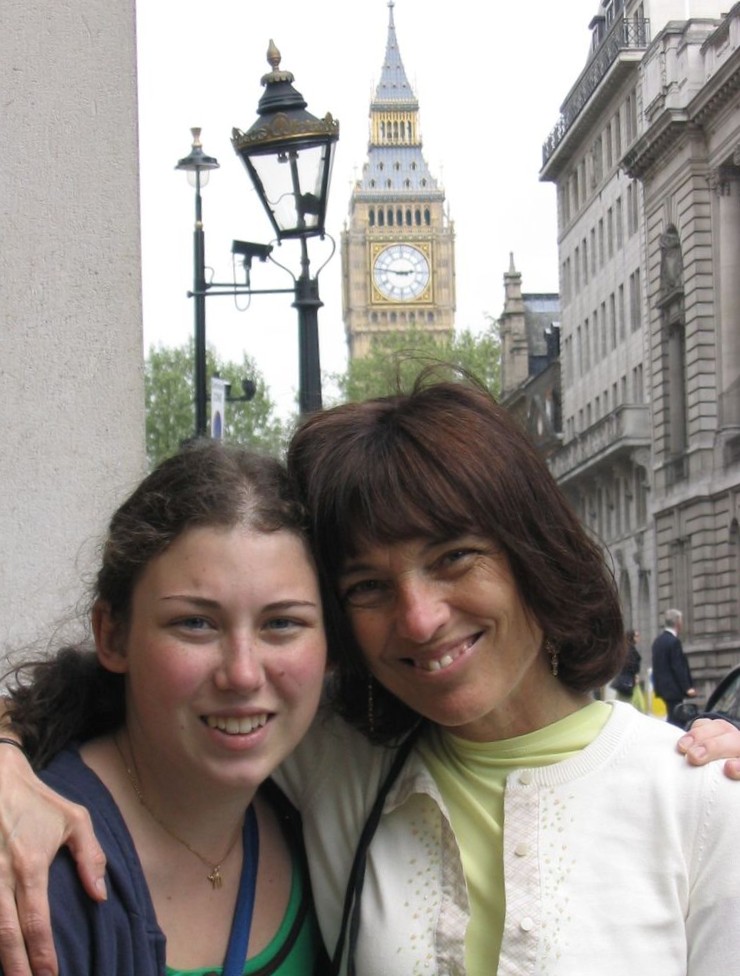
Hilary, Claudio, and Isa enjoy a day in London.
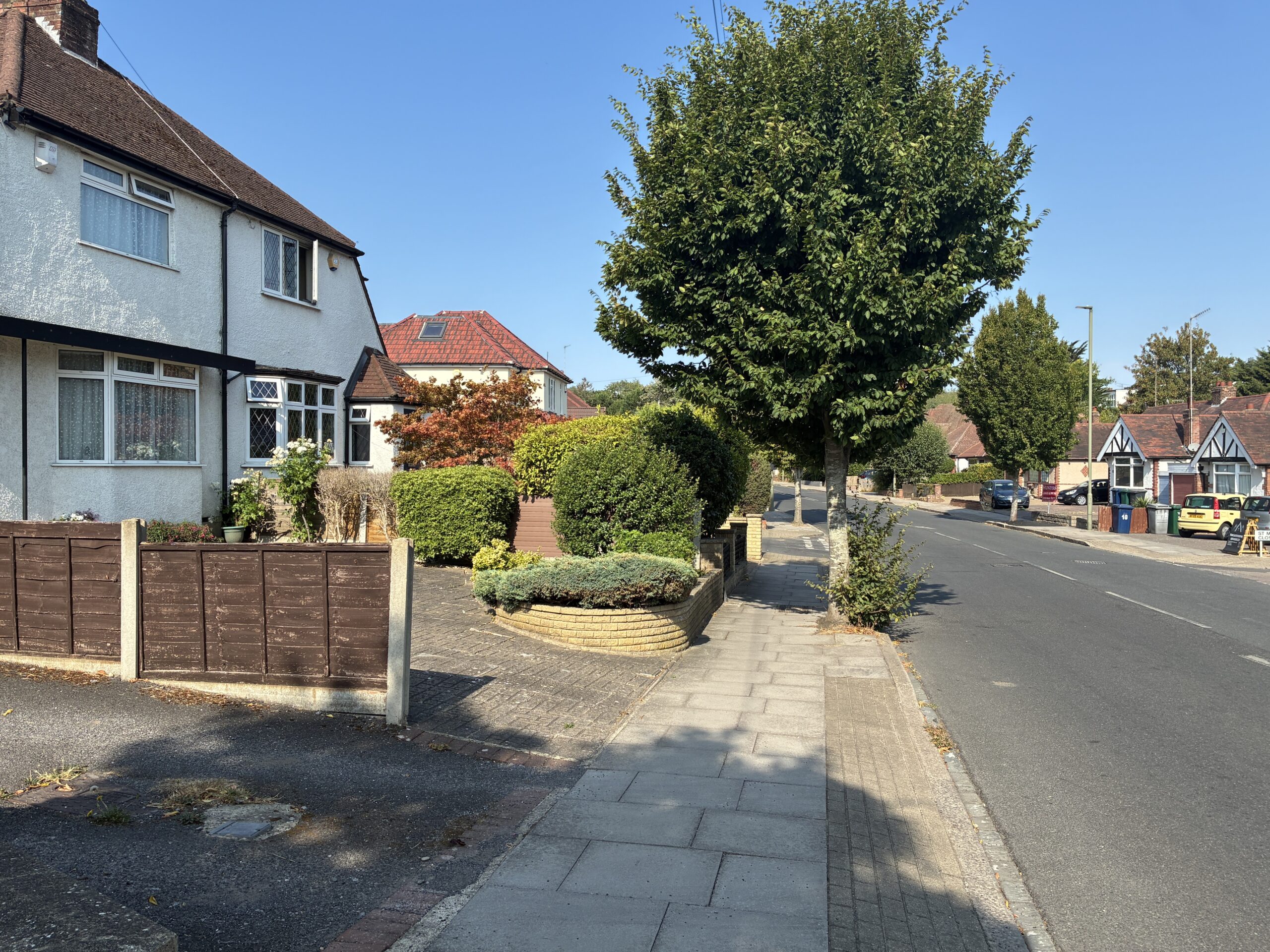
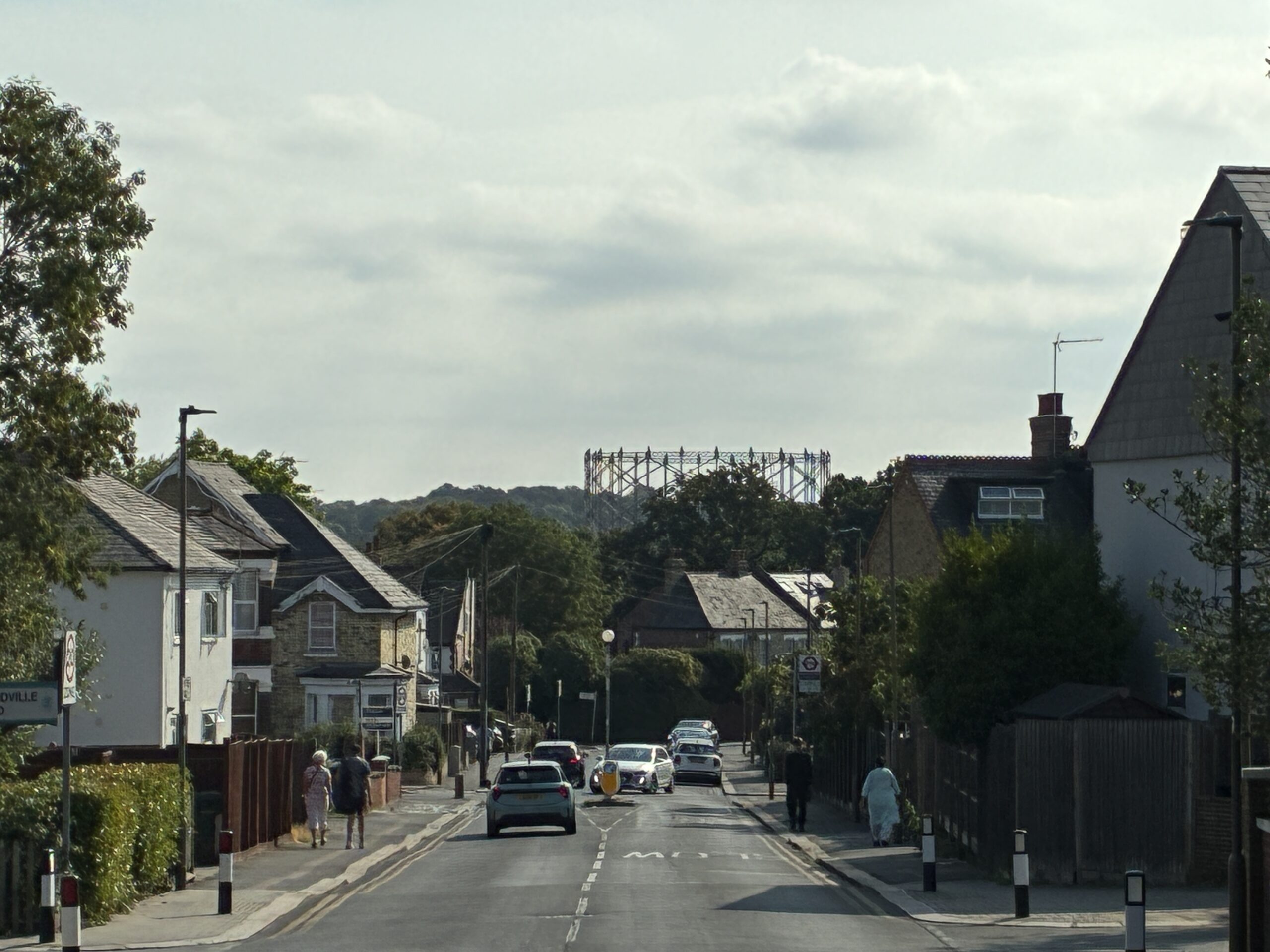
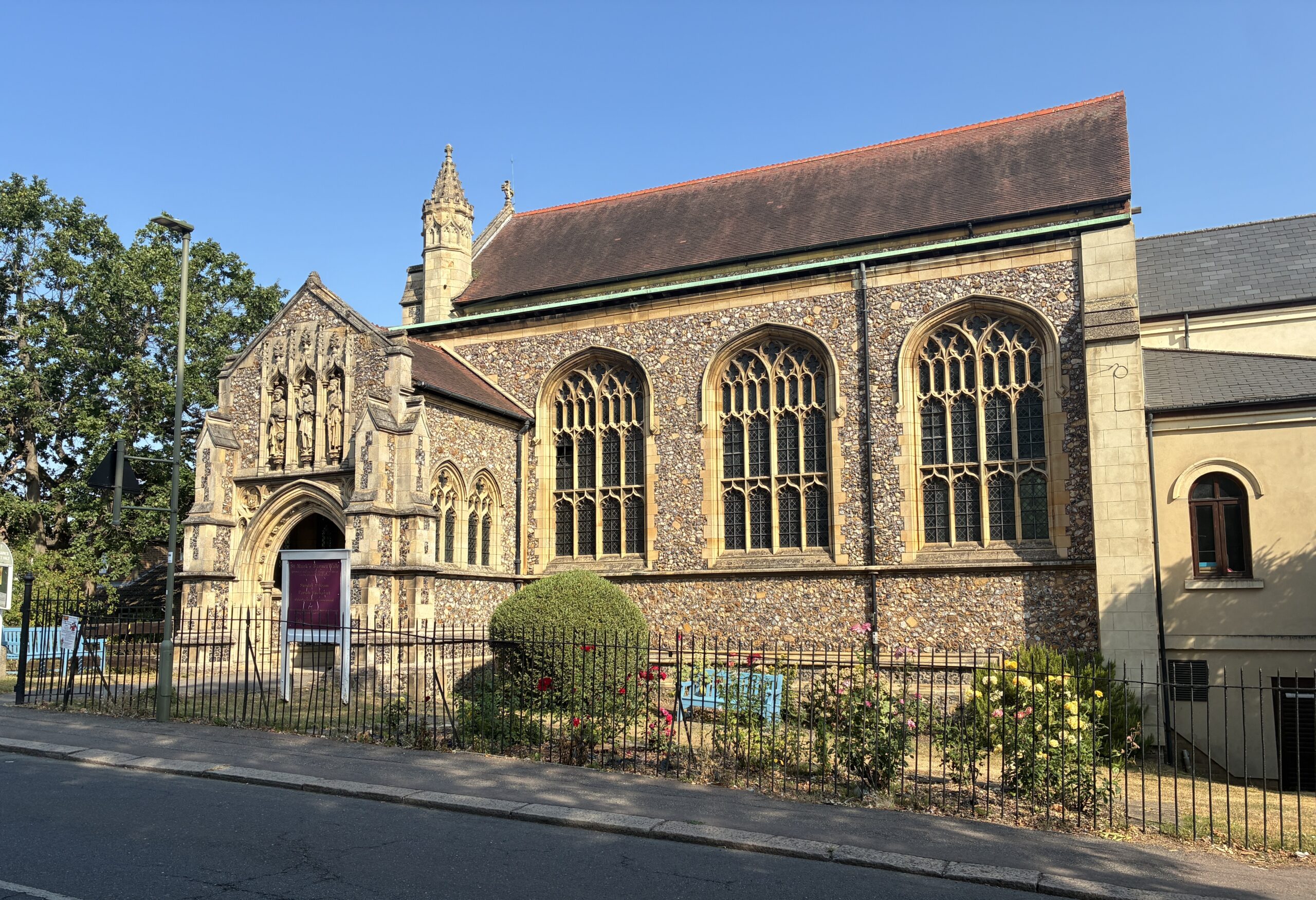
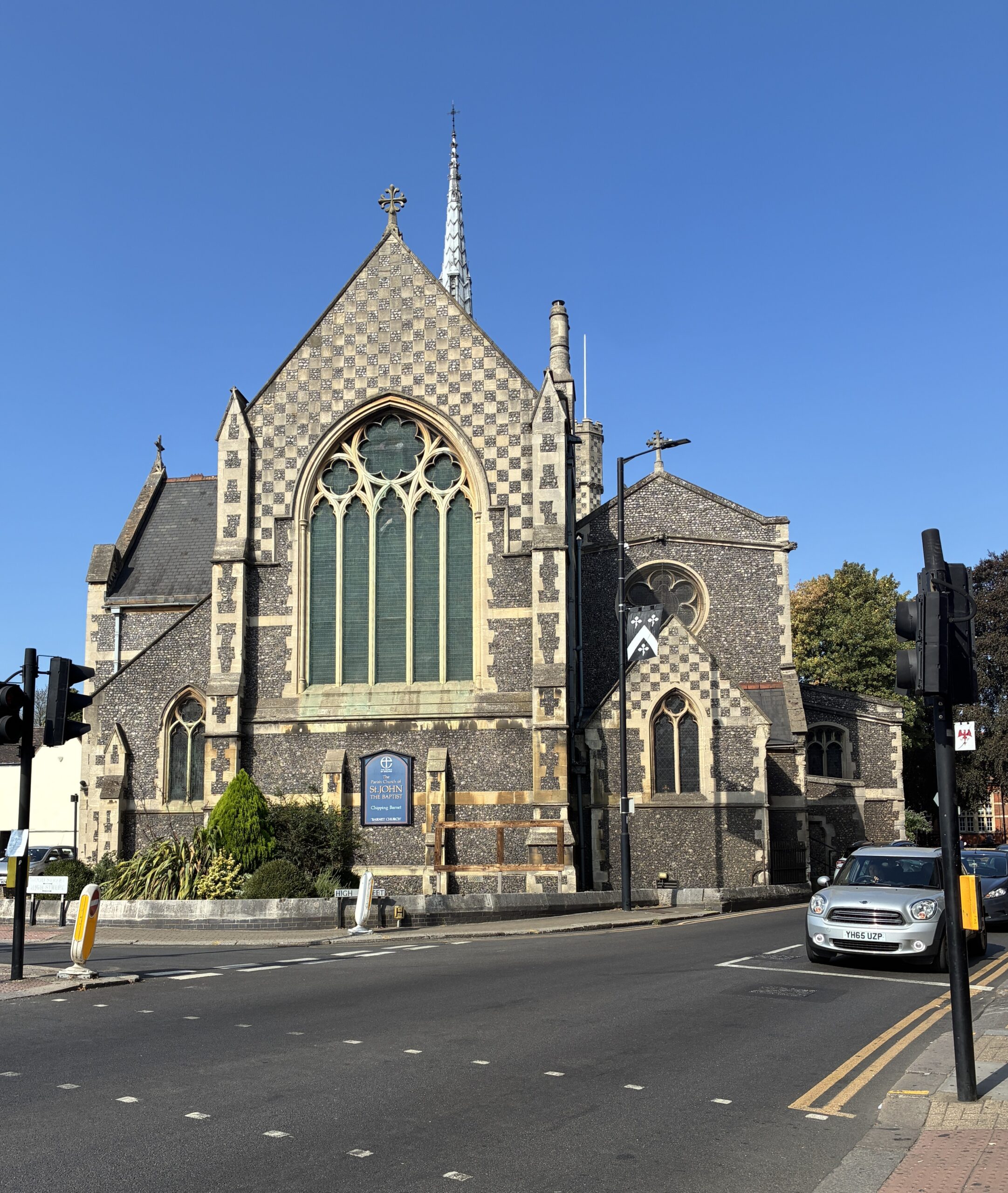
I don’t actually have too much I’m dying to do here in London, other than spending time with Hilary, partly because I was here for about ten days or so just a couple of years ago. I took care of some stuff in the morning, and then walked a couple of miles to Barnet High Street to pick up an Amazon package that I had delivered to the post office, and enjoyed the walk and the local scenery, and walked around Barnet for a bit before heading back to the flat.
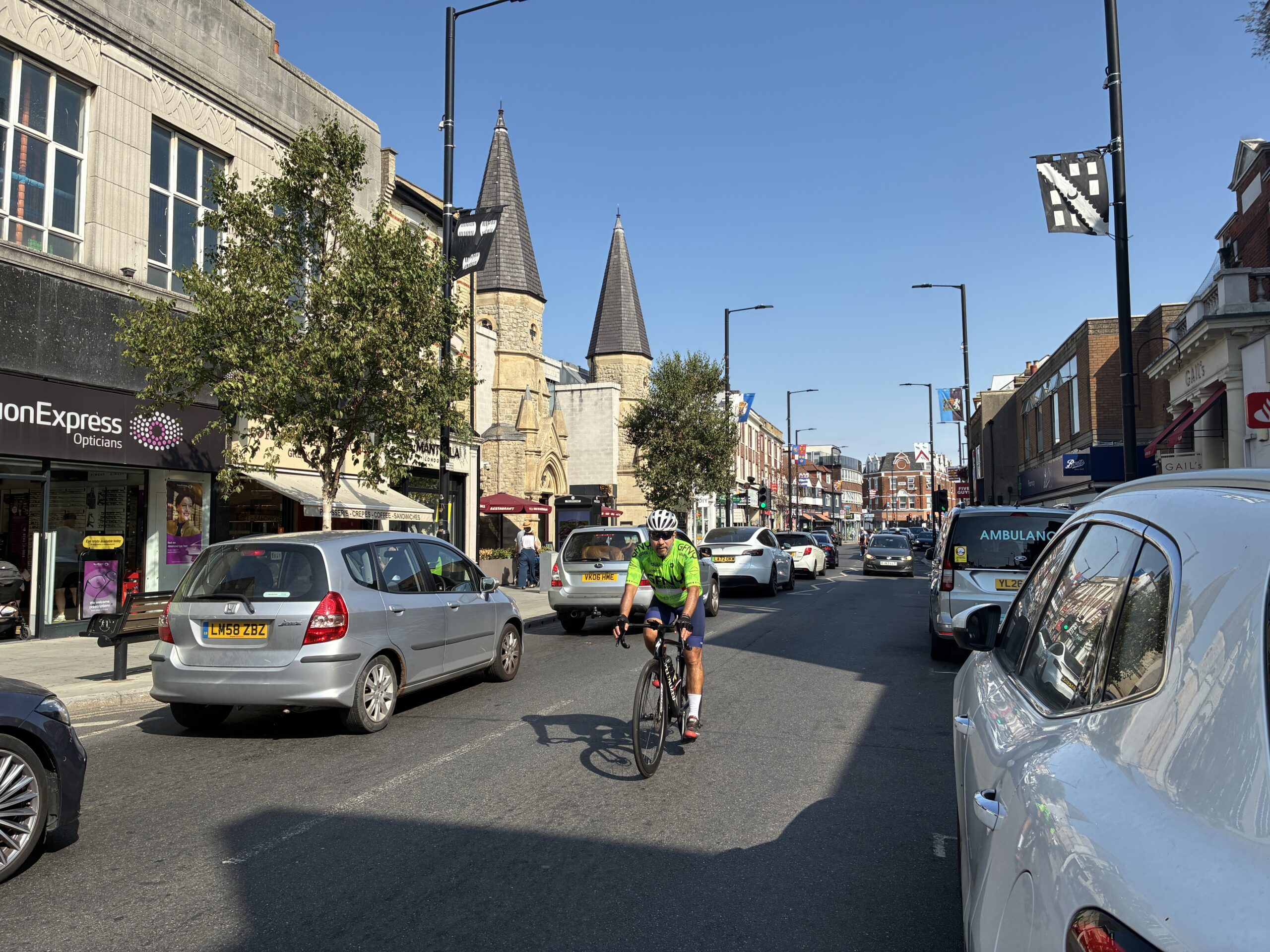
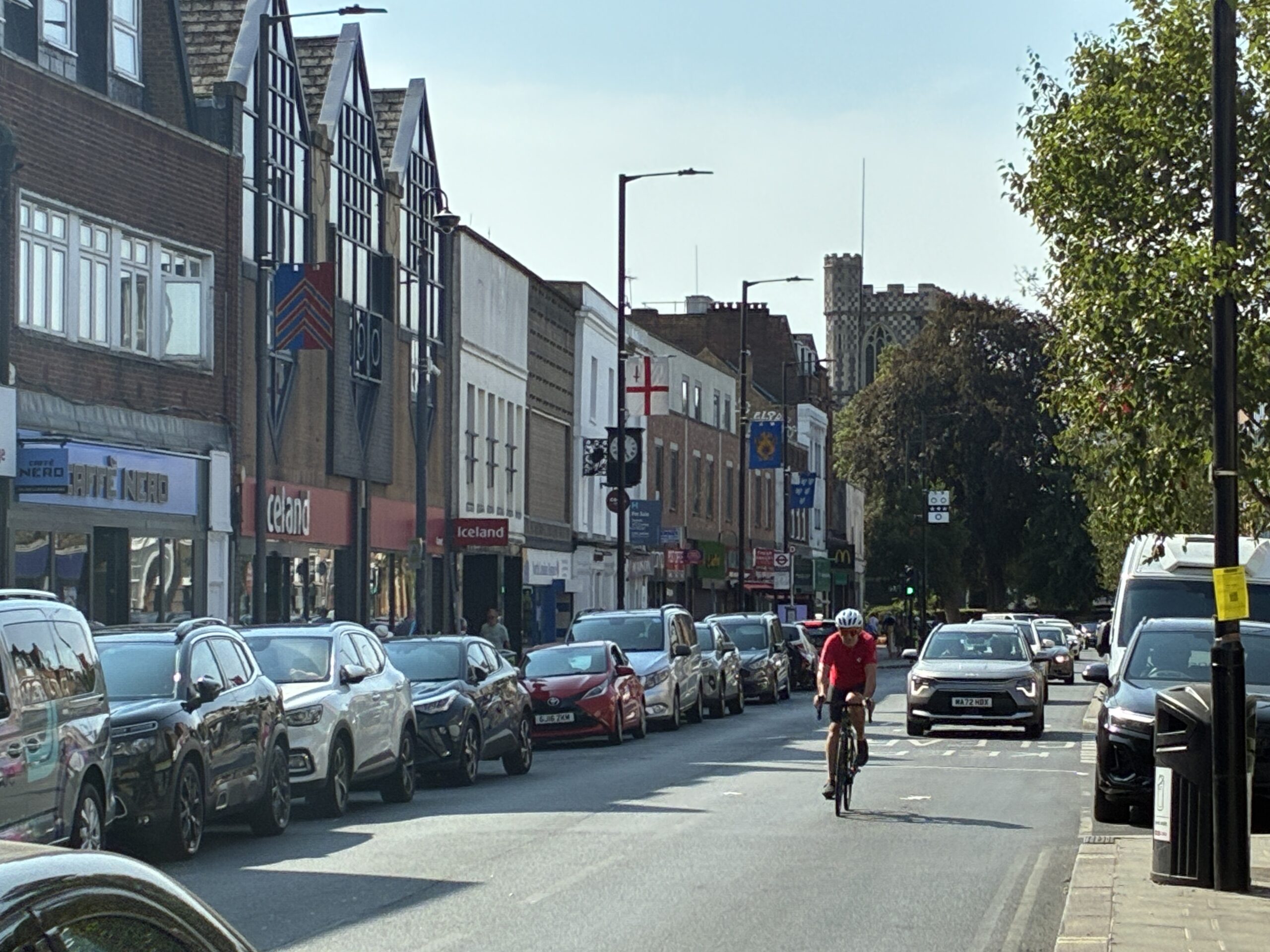
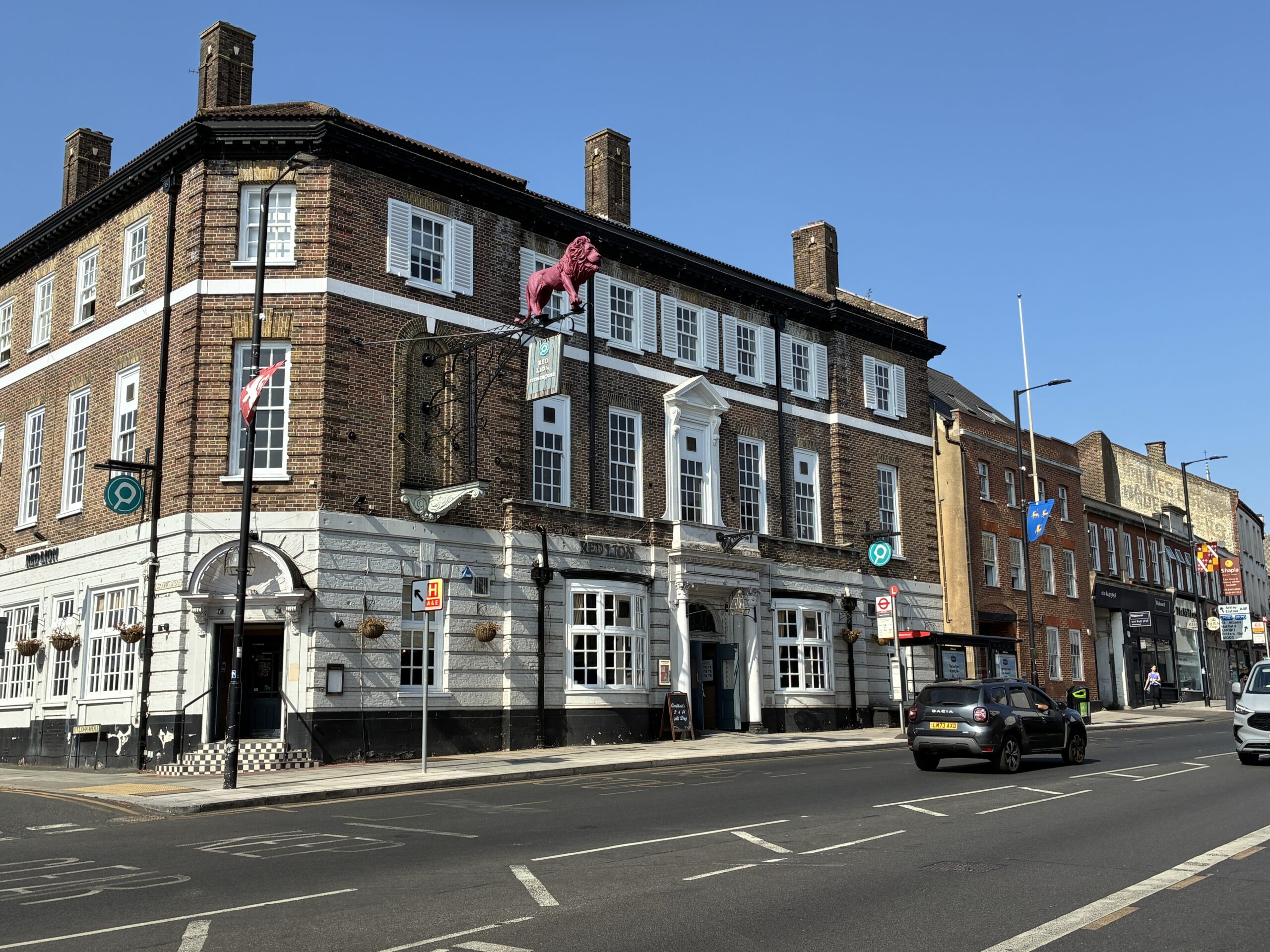
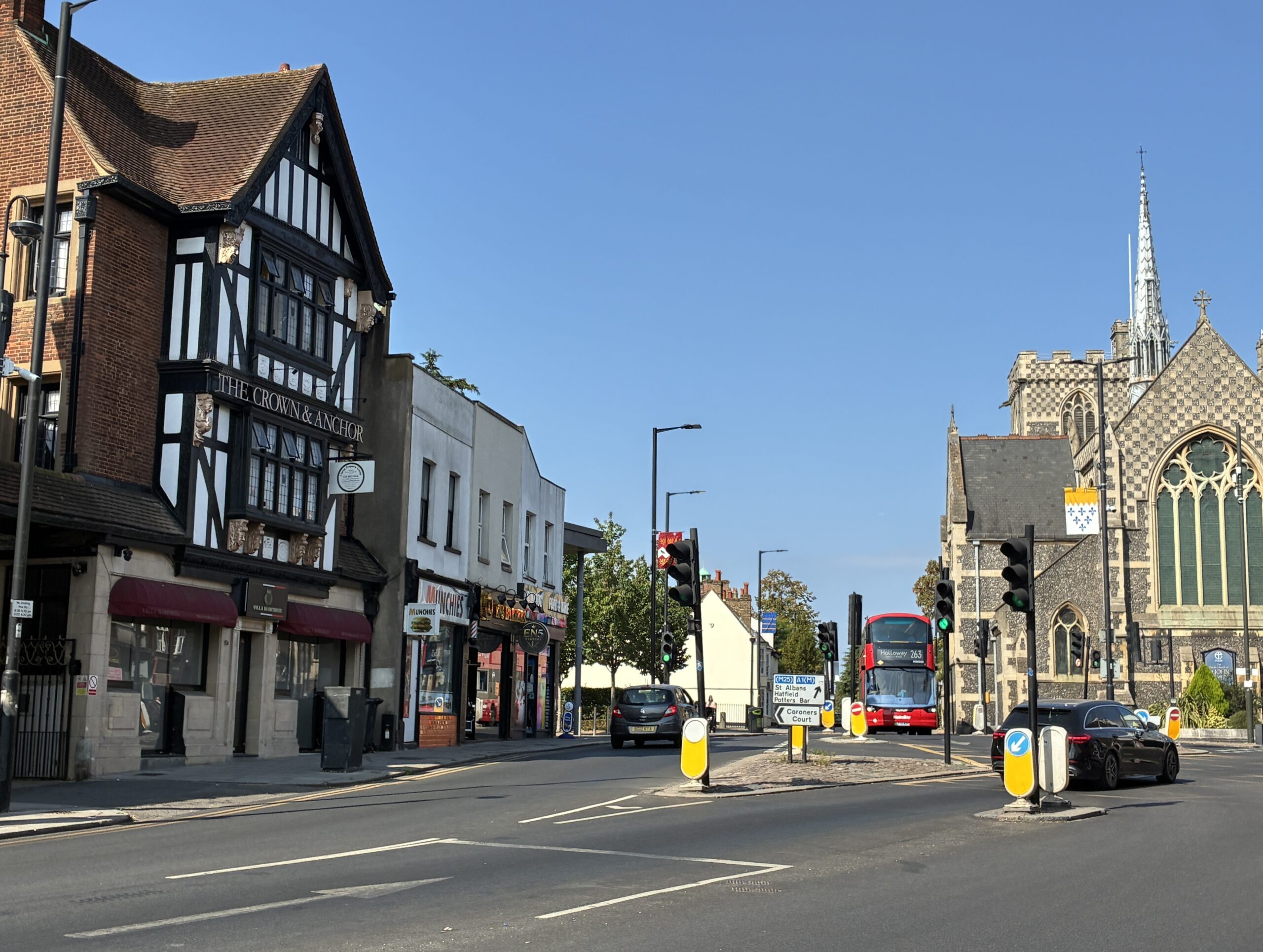
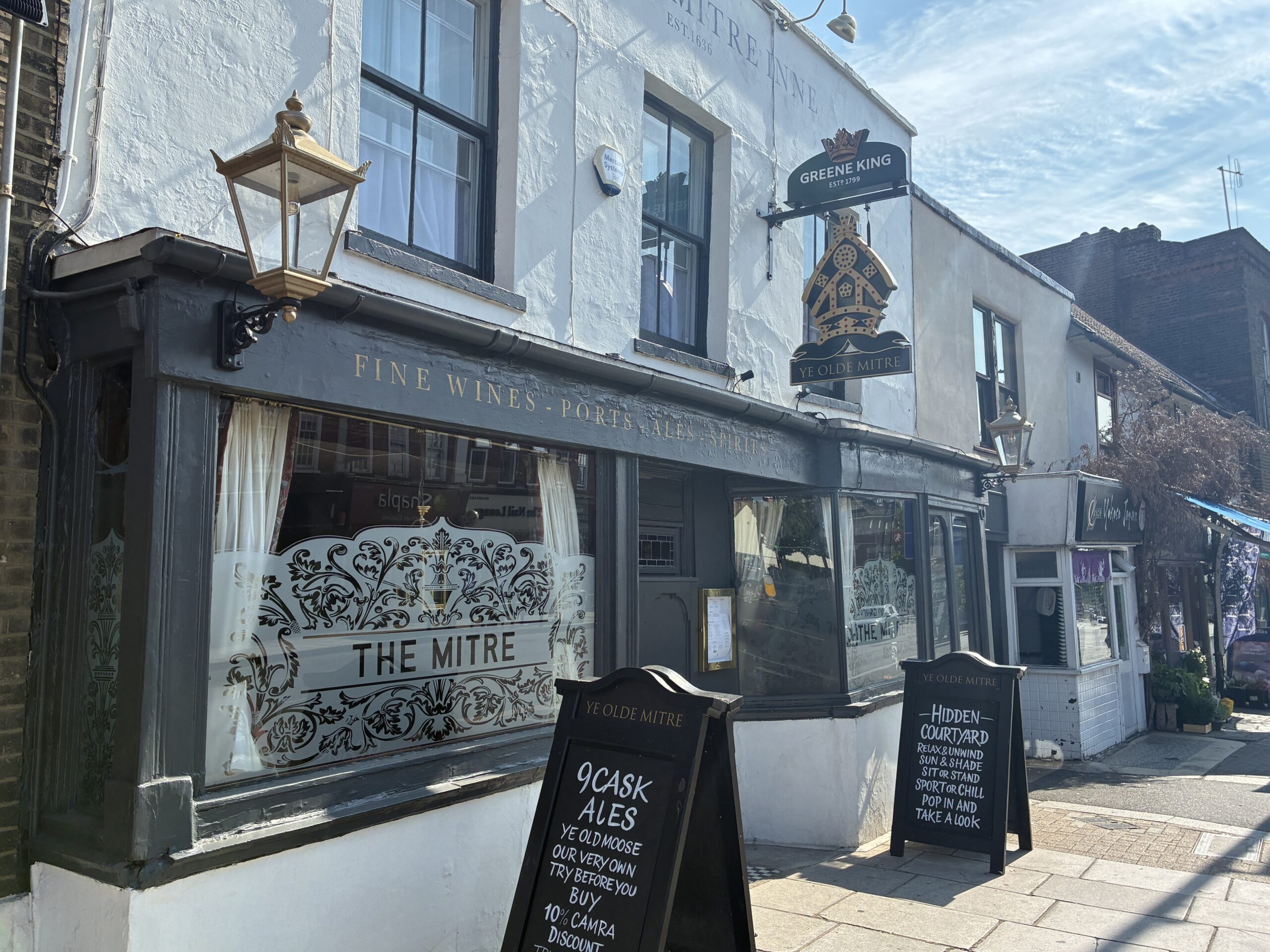
Hilary was gone by the time I returned to the flat, and Claudio and I later headed to Temple Fortune by bus to meet her at her hairdresser. I do love this whole area, as I grew up here. Aside from the deep and famous history of the area, dating back to Medieval times, despite all the changes, the entire area is essentially the same in structure and form as it was when I was growing up, and the same is true for much of London.
Shops have changed, new store fronts have gone up, pubs have changed hands and names, new offices and flats have been built, eateries and patisseries have expanded exponentially, multiculturalism has increased dramatically, and there is a more modern, contemporary, European, and multicultural feel to the streets, with outdoor cafes in abundance (and especially in this weather). But, nonetheless, they are the same streets, often with more-or-less the same houses, even those that have been modernized, the same parks, the same bus routes, and essentially the same or very close in structure and appearance to how they were in the 50s and 60s when I grew up here. The result is being in this area is very nostalgic for me , and filled with memories – I mean everything seems mostly the same – not just in terms of growing up here, but also with respect to my trips here with Bev, as well as Kaye when she was young. Very warm feelings.
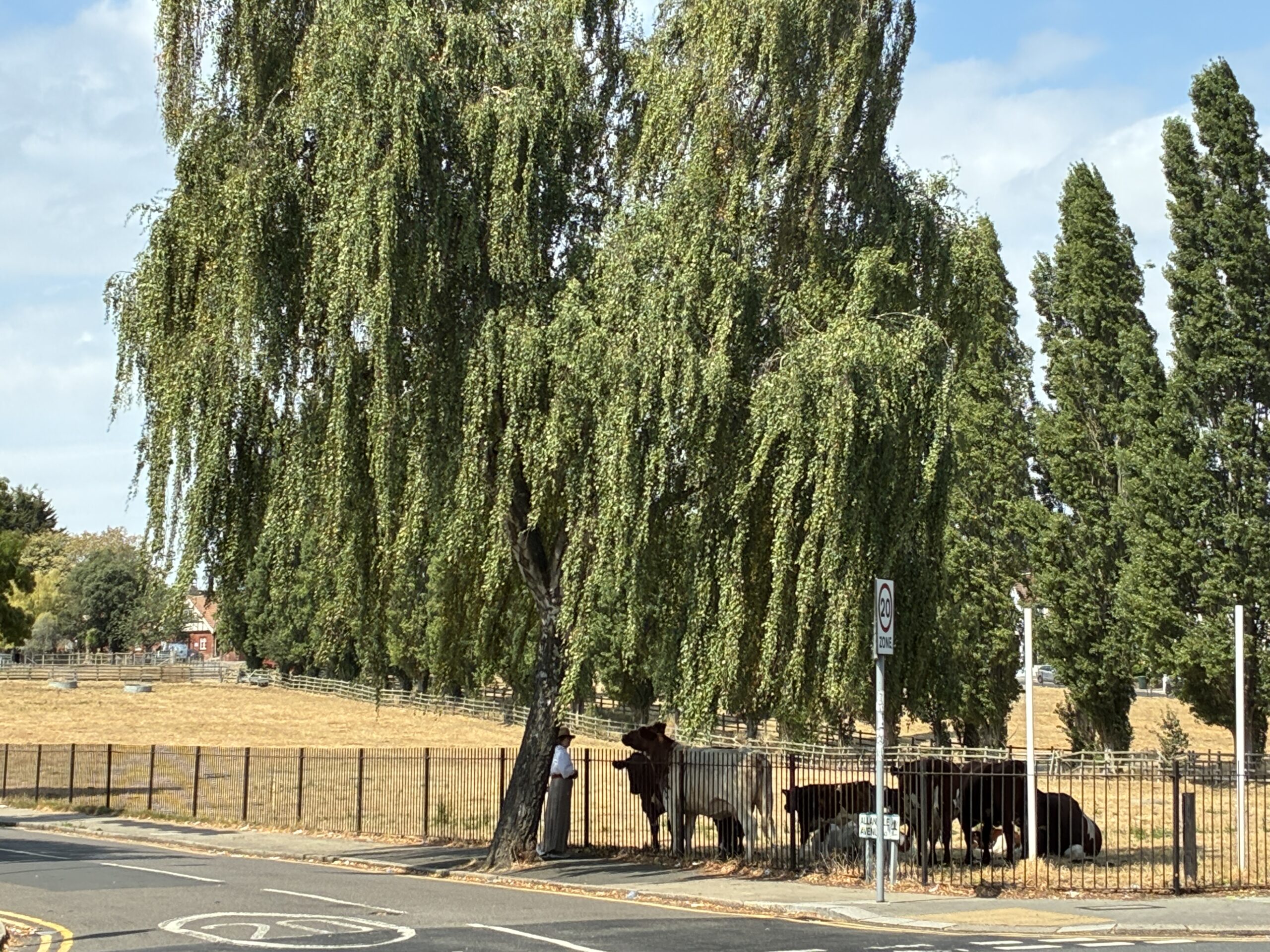
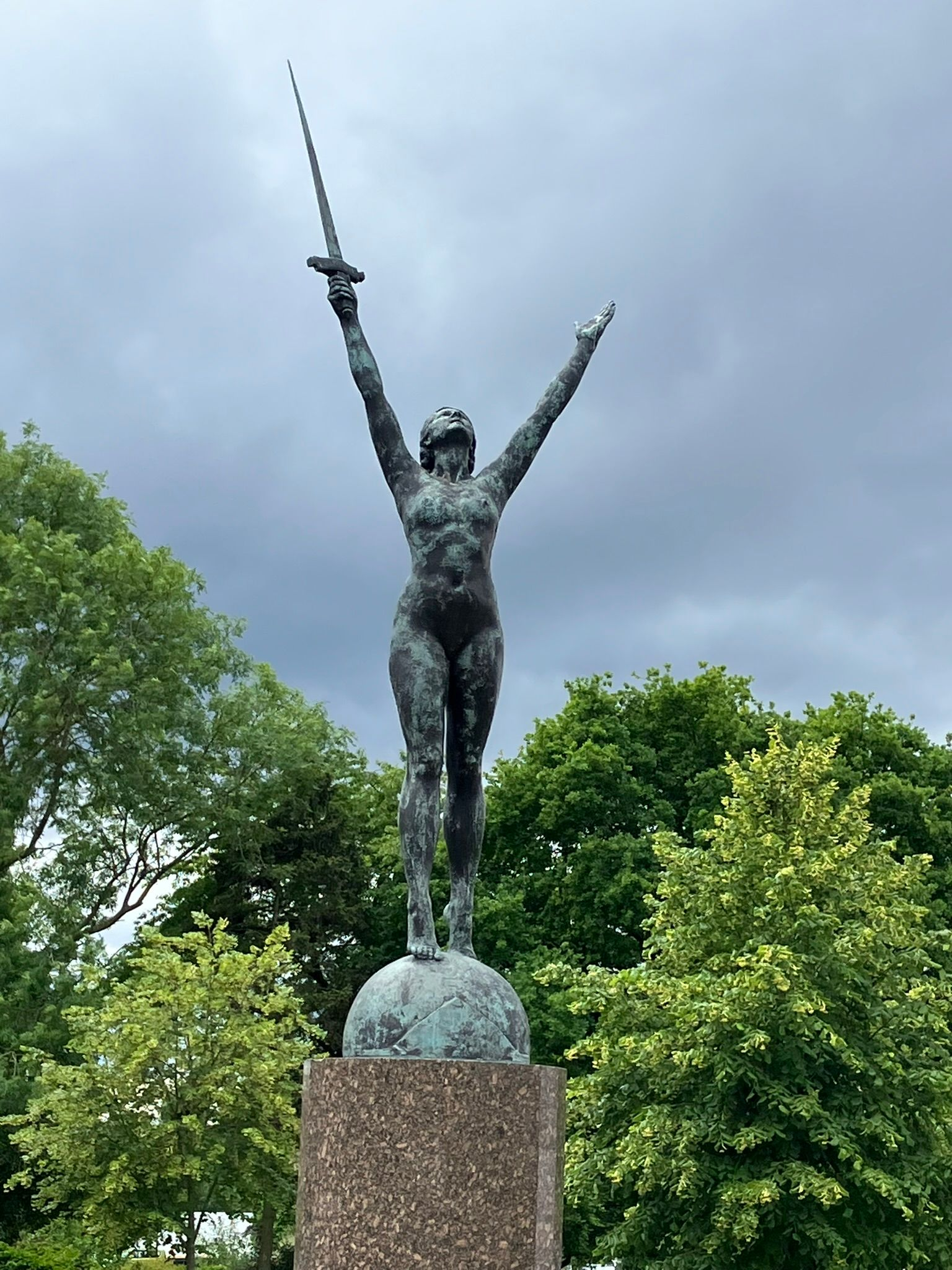
Claudio and I walked around Temple Fortune, itself with a deep history dating back to around 1240 and its Medieval landowners, the Knights of St John, and was essentially countryside for centuries. The name appears on a map from 1754, and by the late 18th century there was a Temple Fortune Farm here. The big change came around 1907 when the Golders Green Underground station opened, just down the road, and from then on the area became more residential and a shopping district, as it is today. By the late 19th century, a strong Jewish population was established here and in the Golders Green area, which remains the case today. And as today is Saturday, many of the kosher food and other Jewish owned stores were closed and shuttered for Shabus.
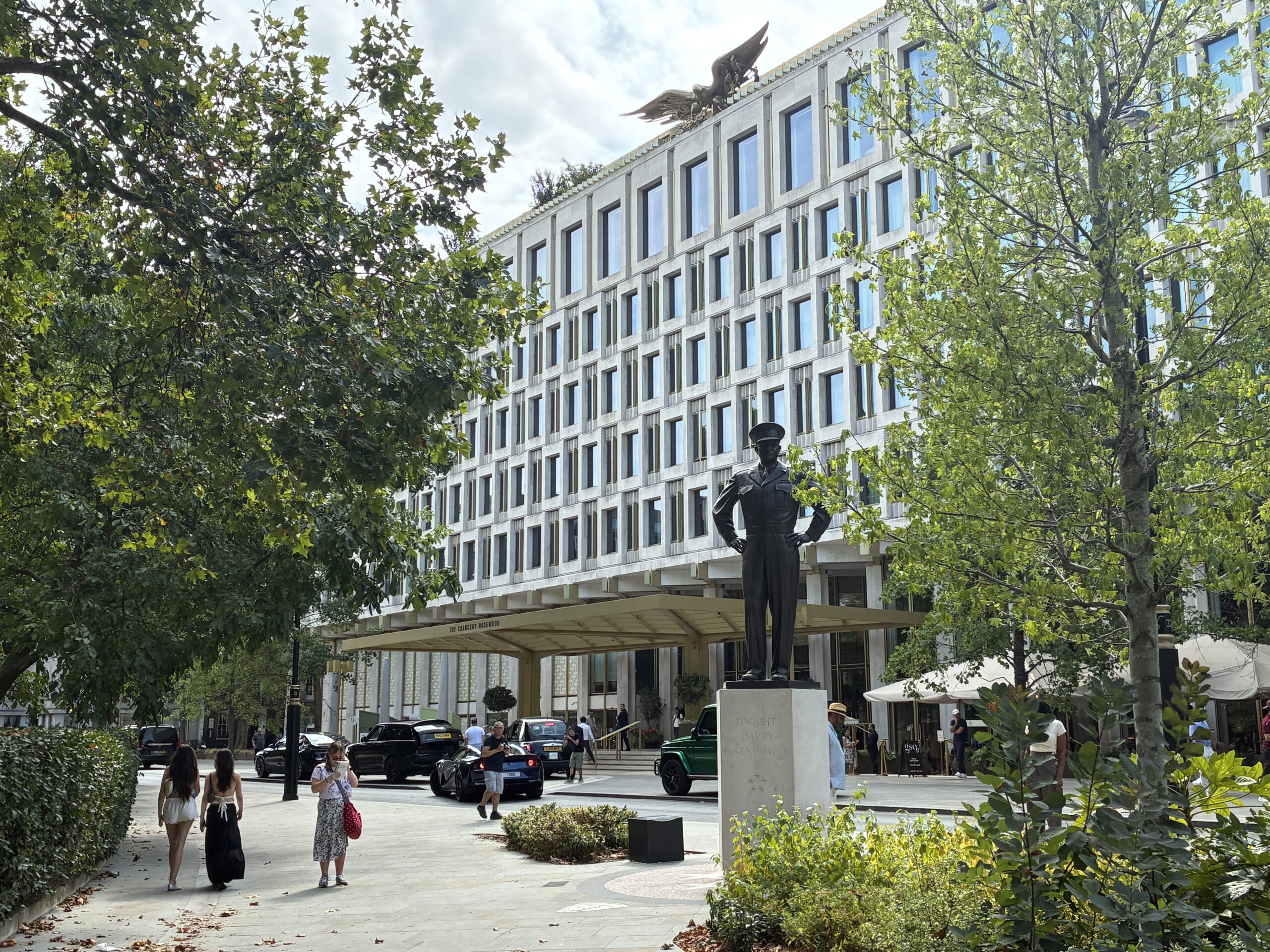
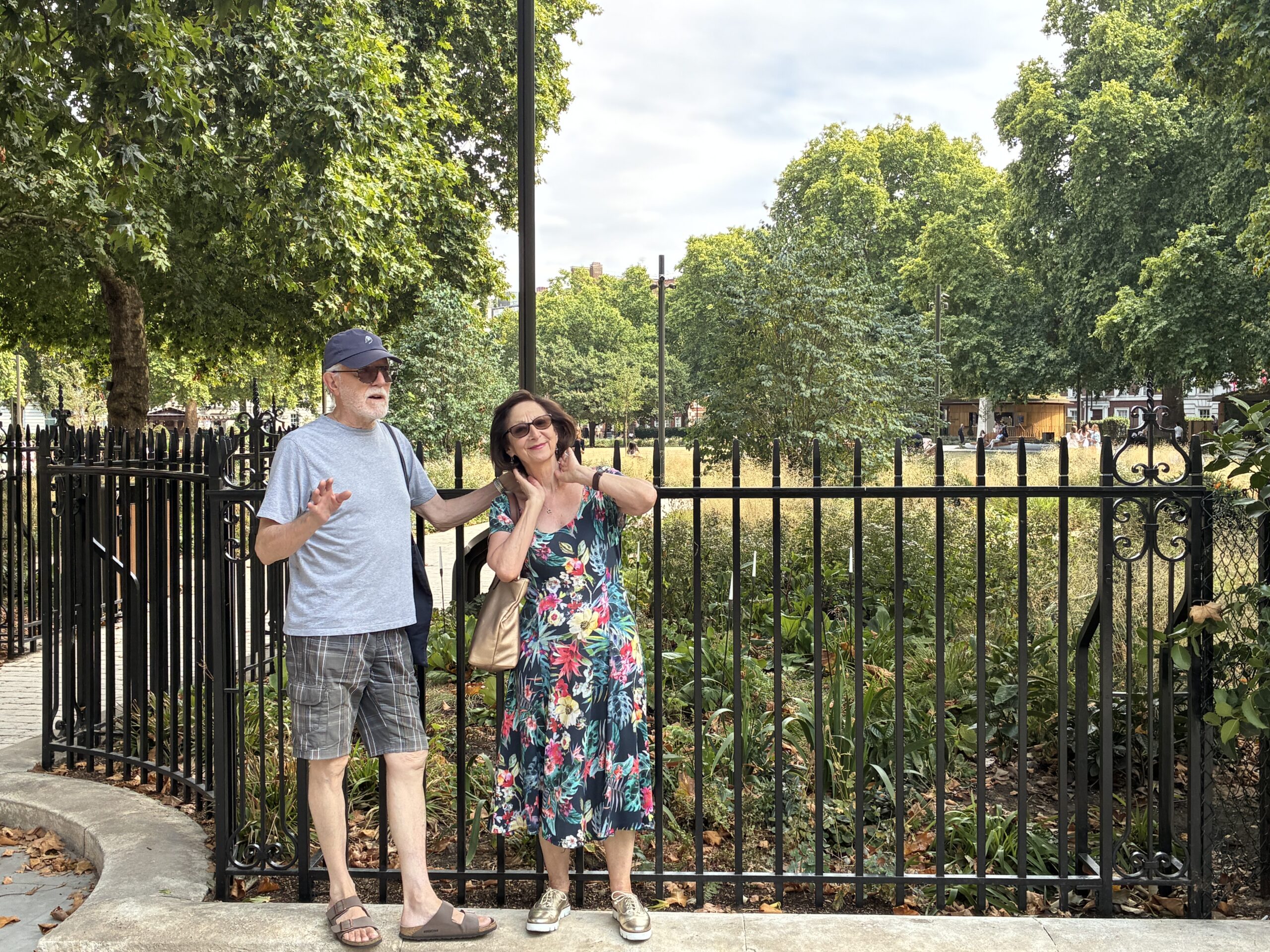
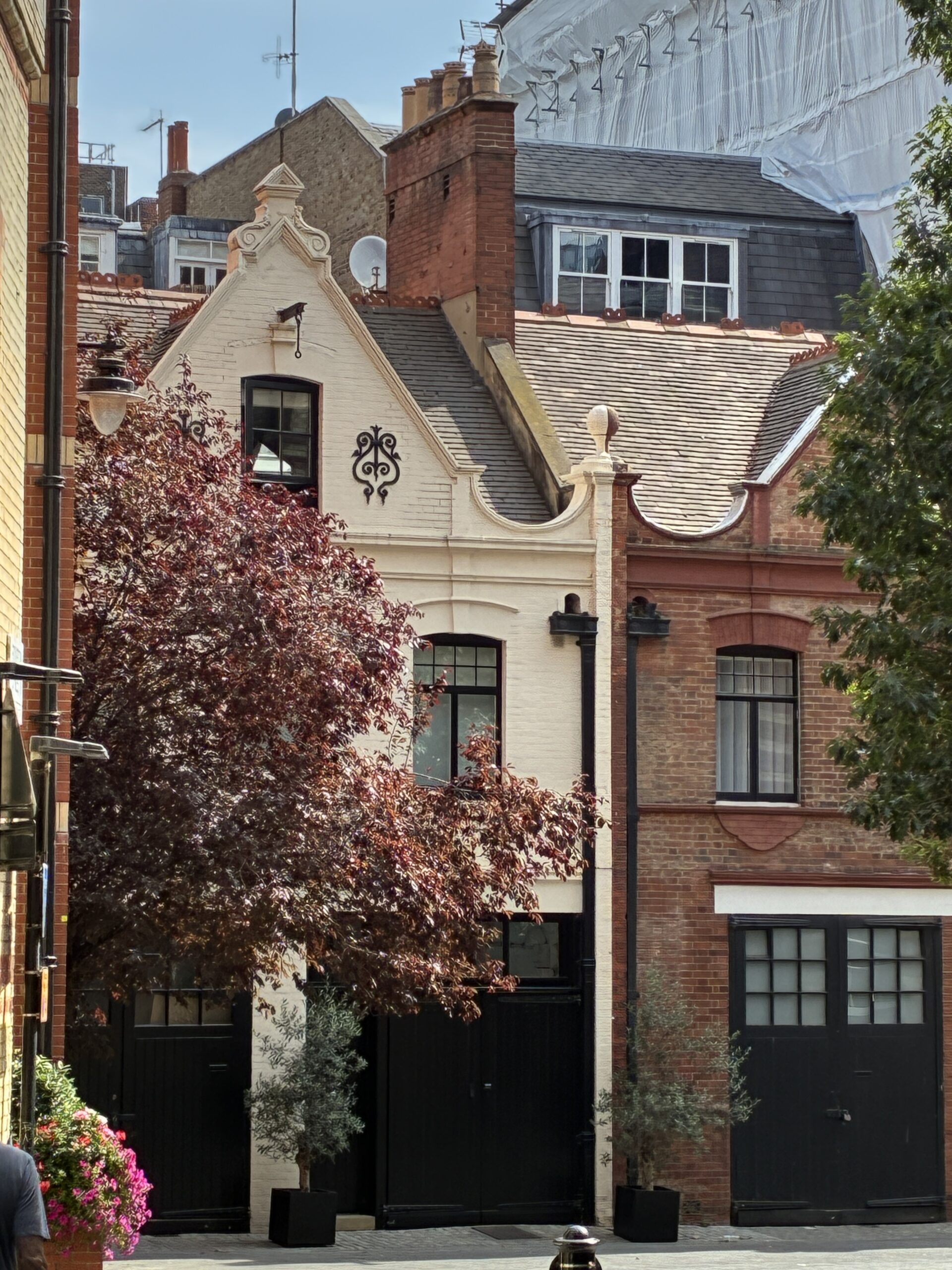
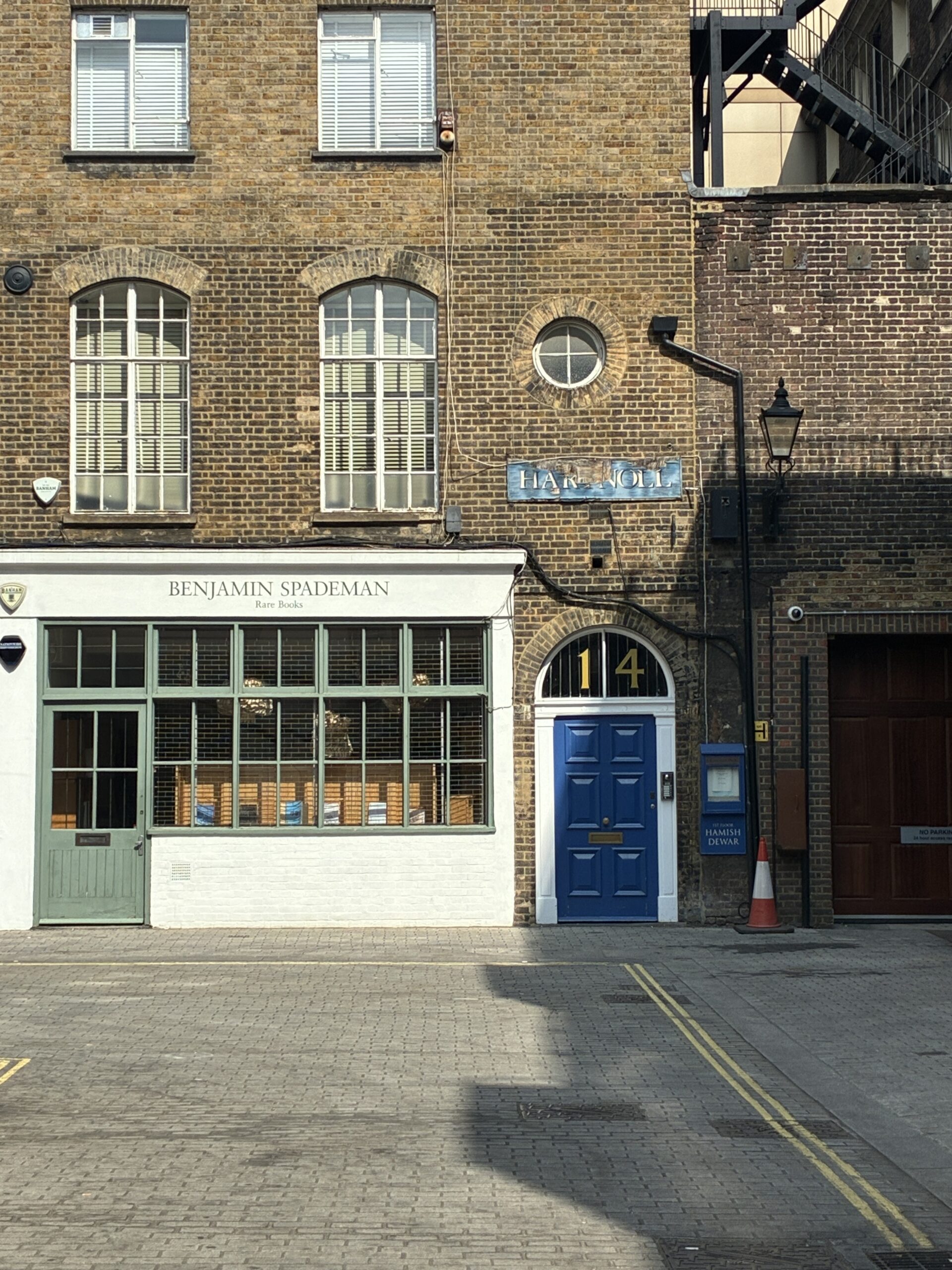
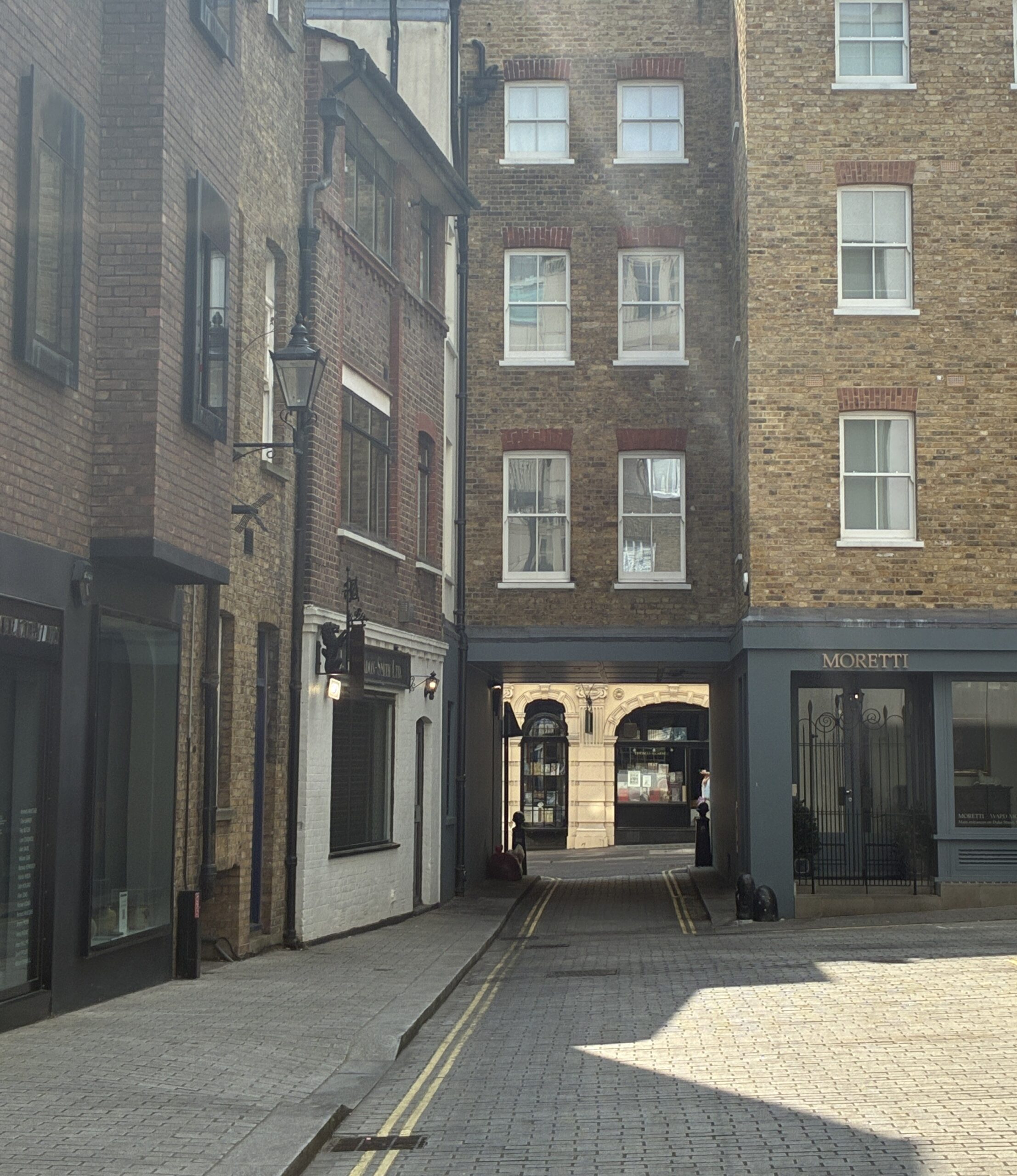
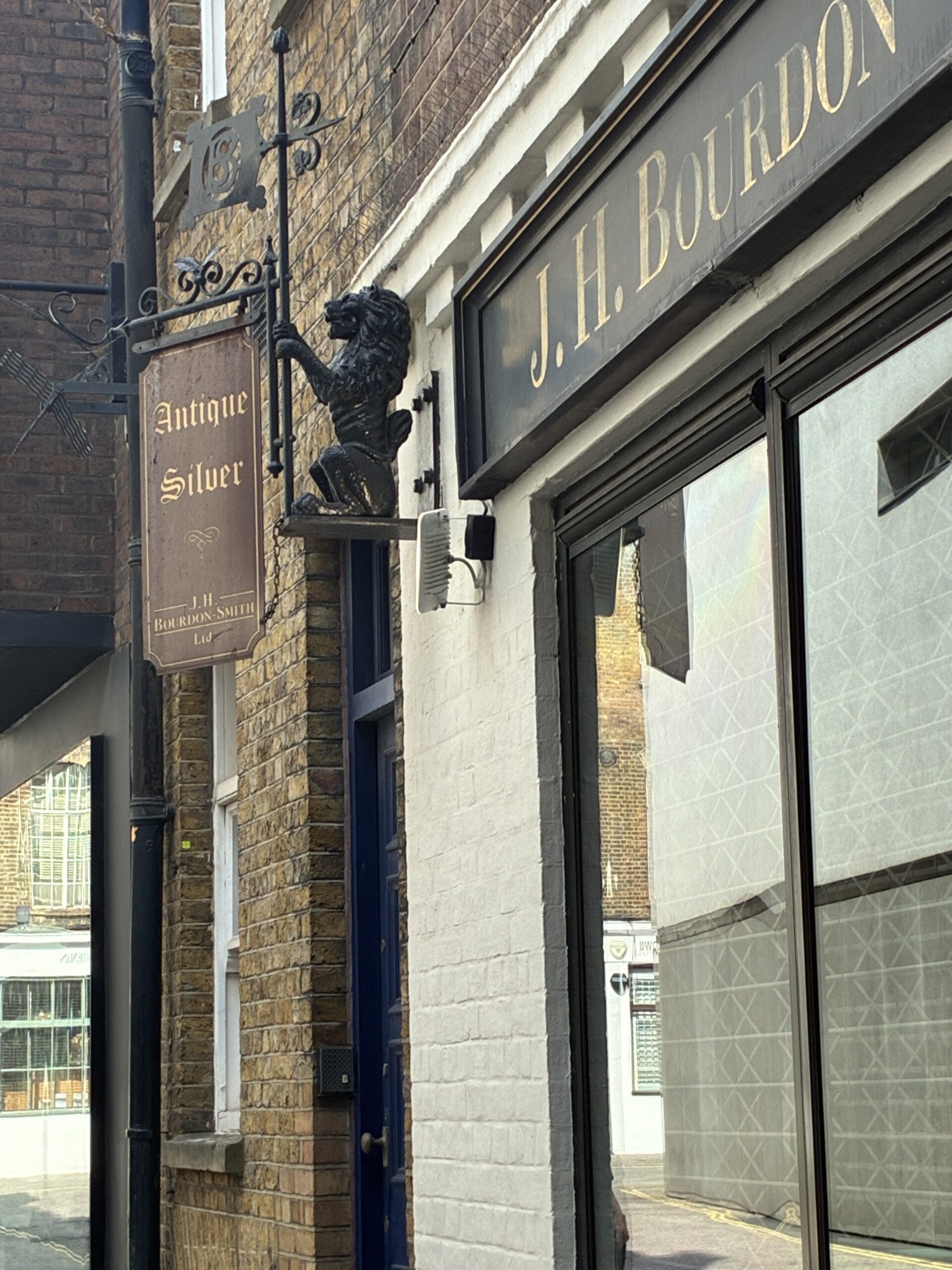
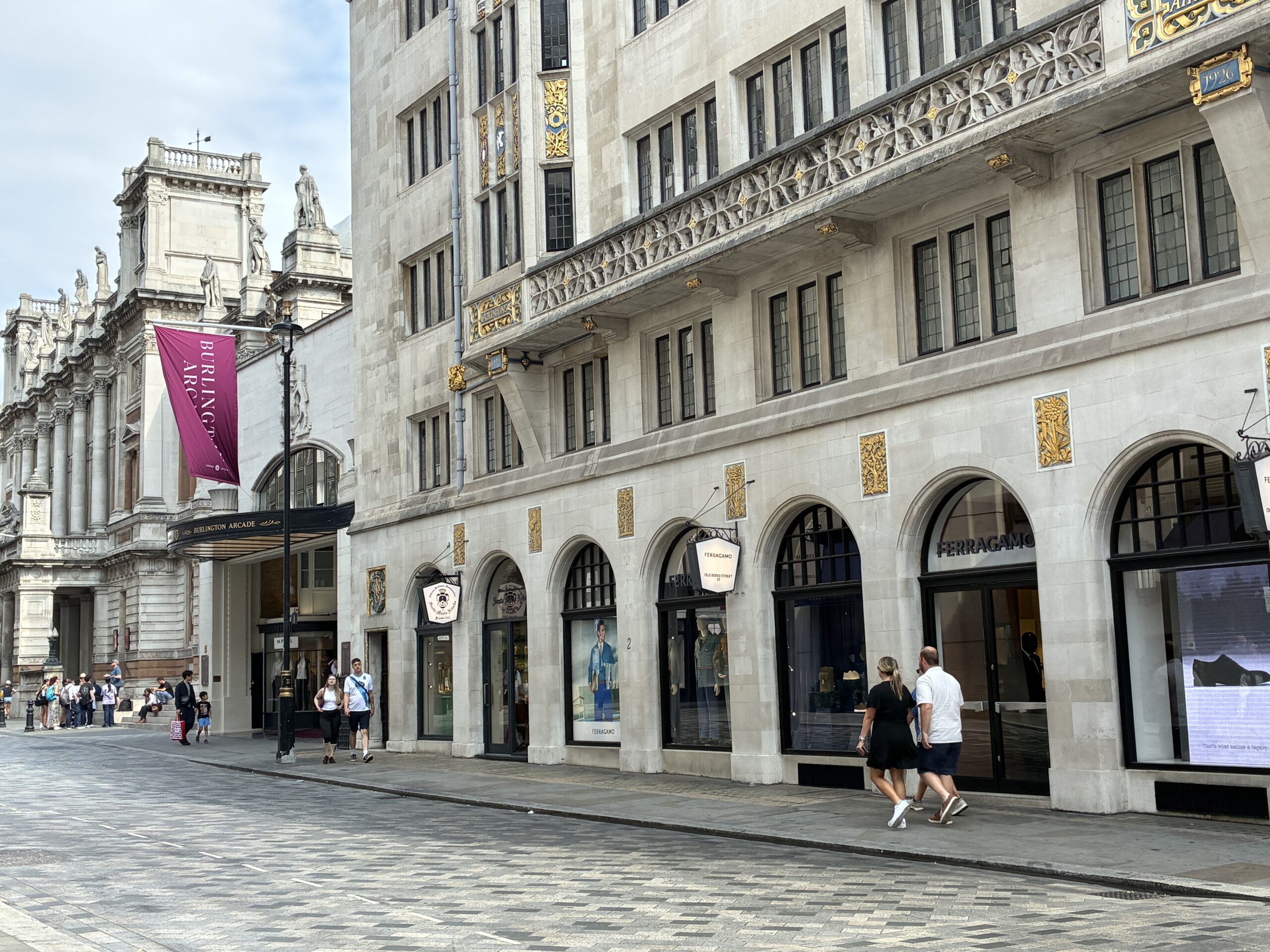
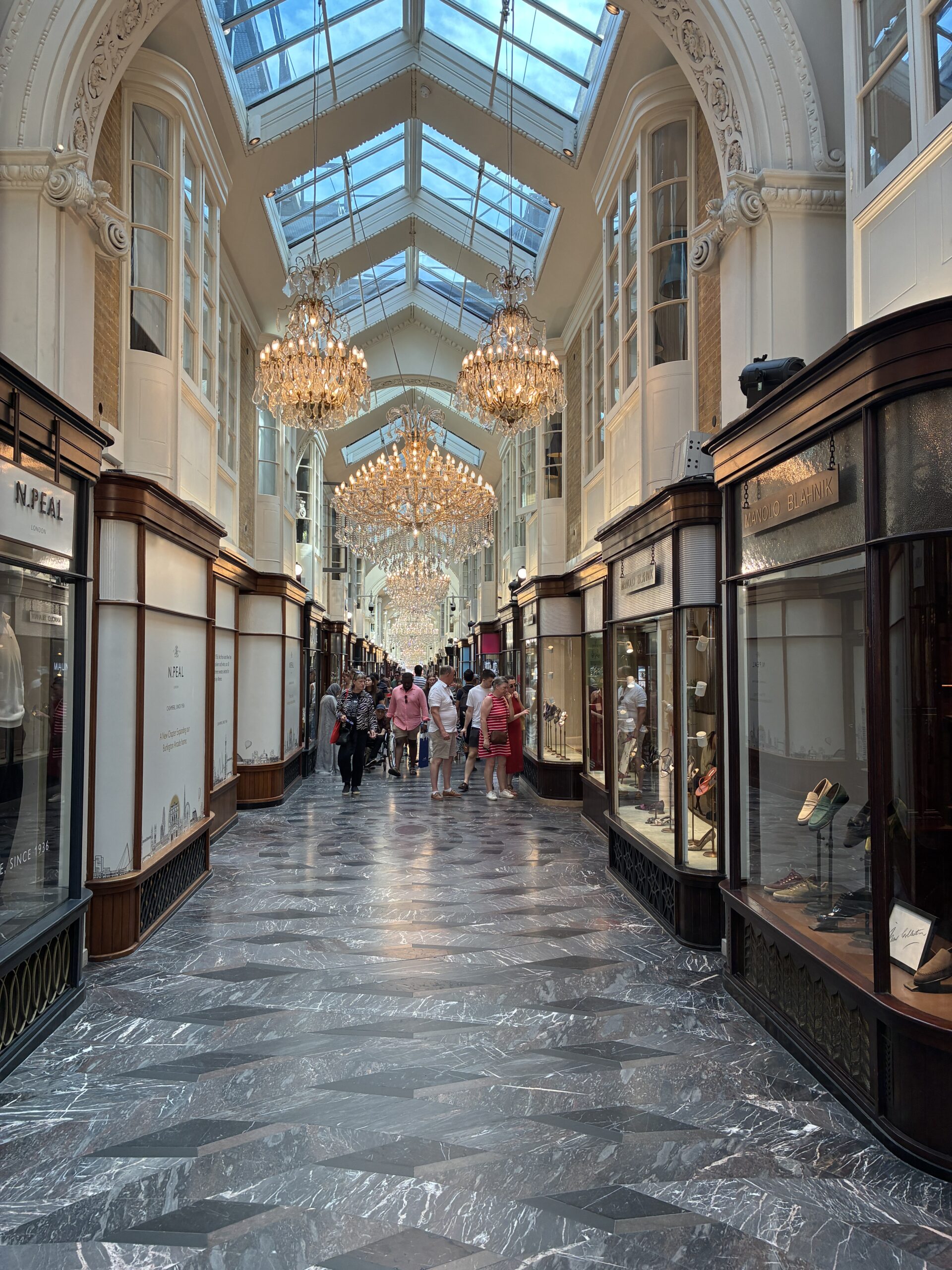
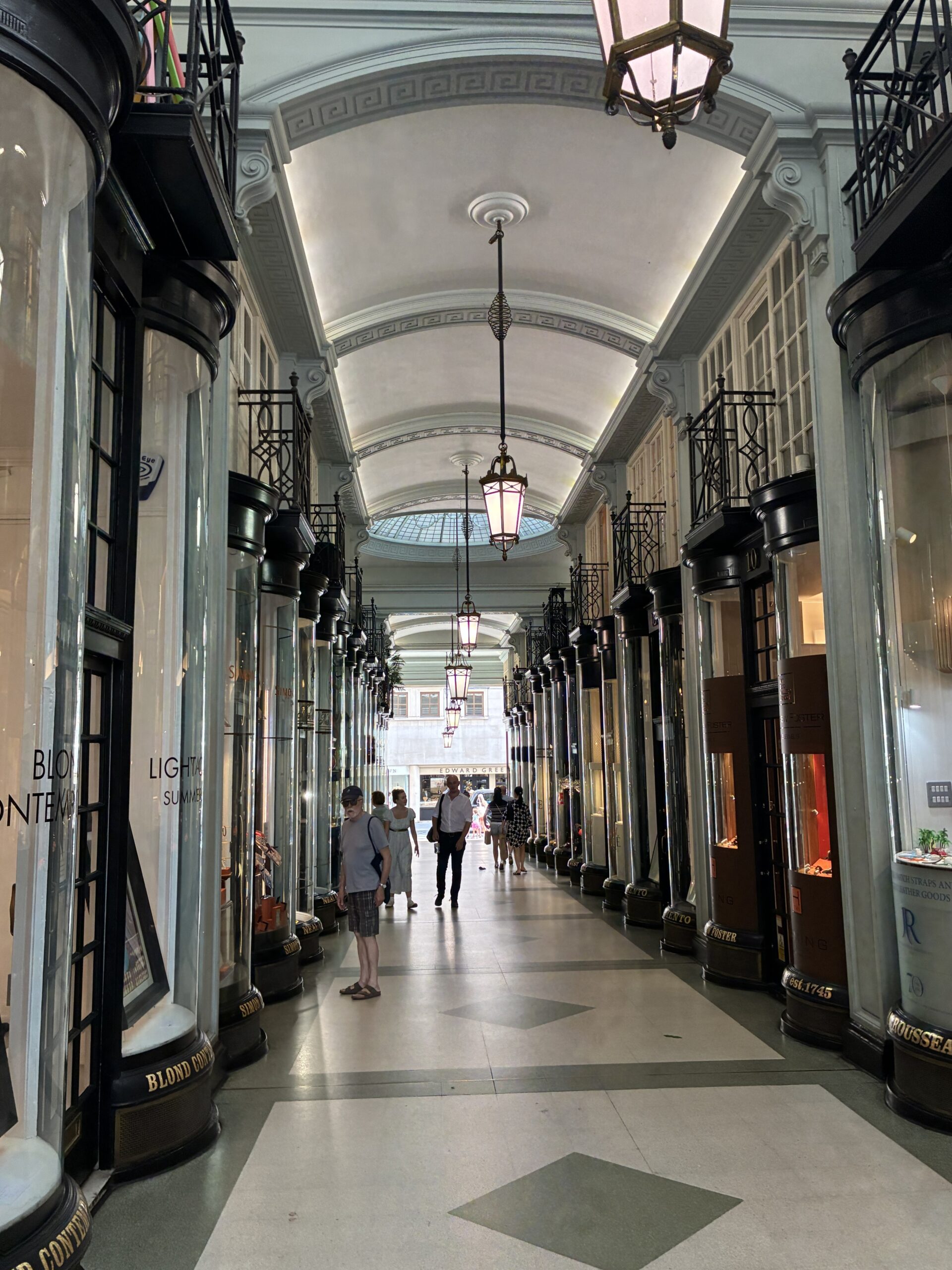
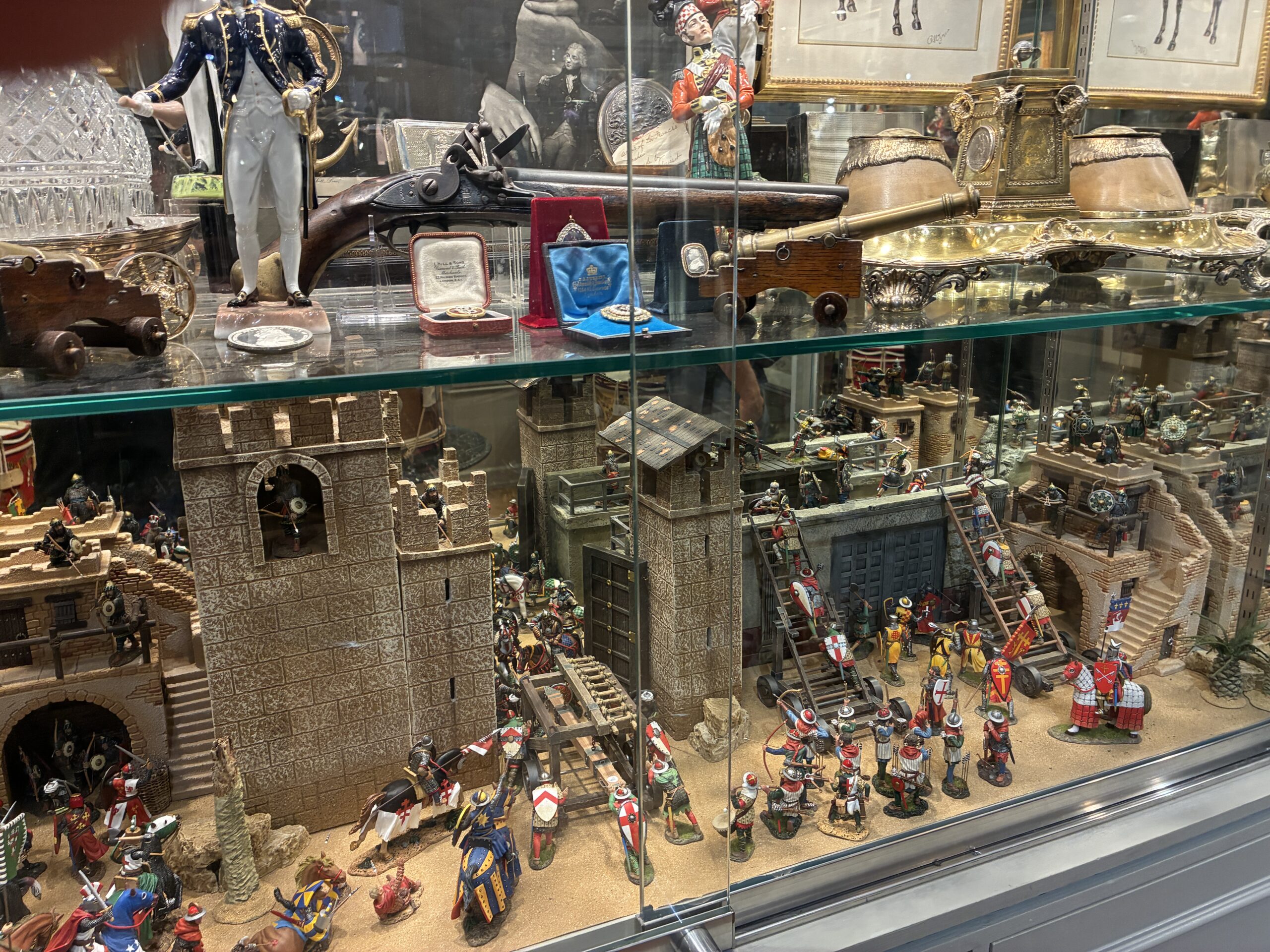
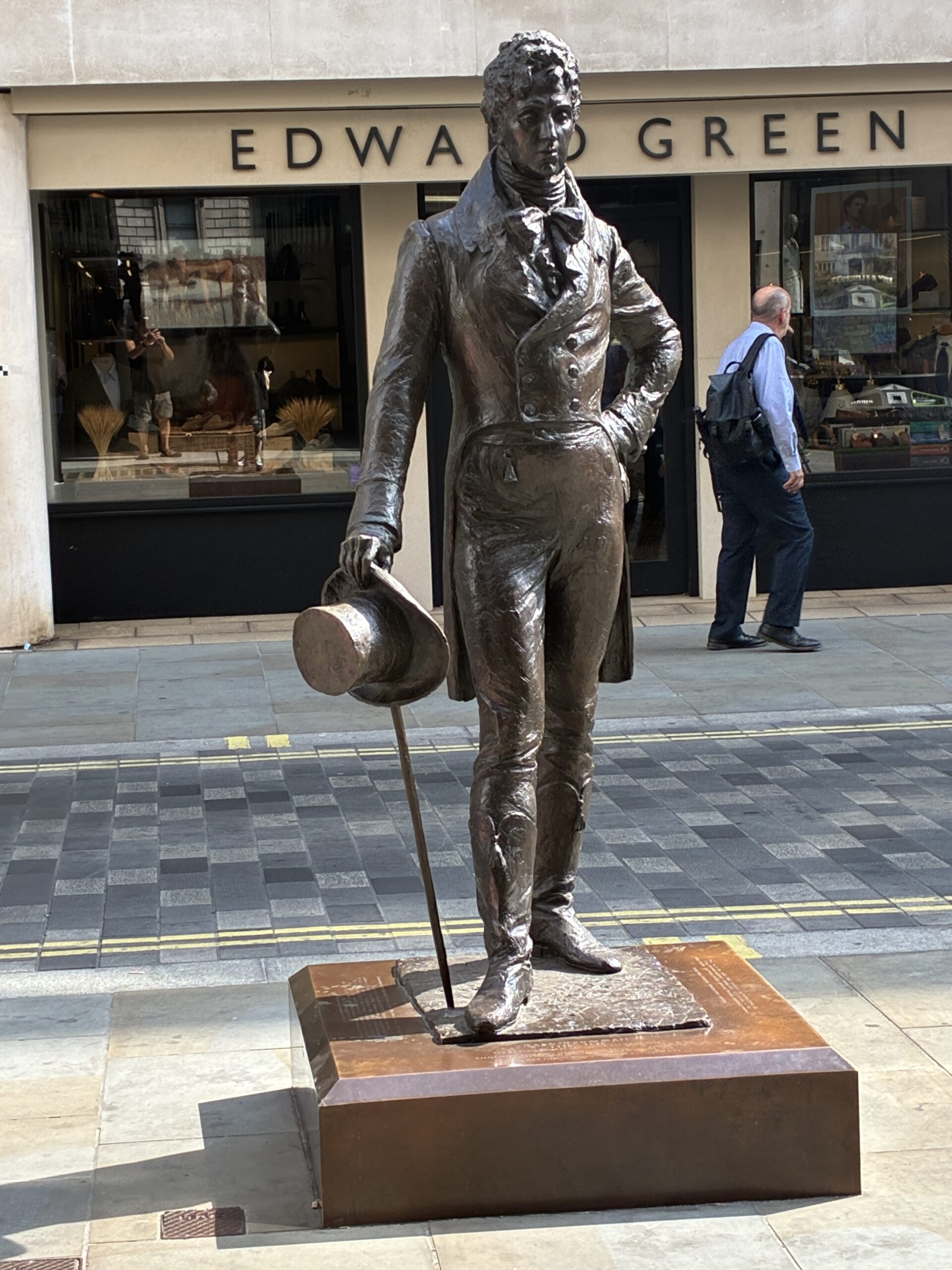
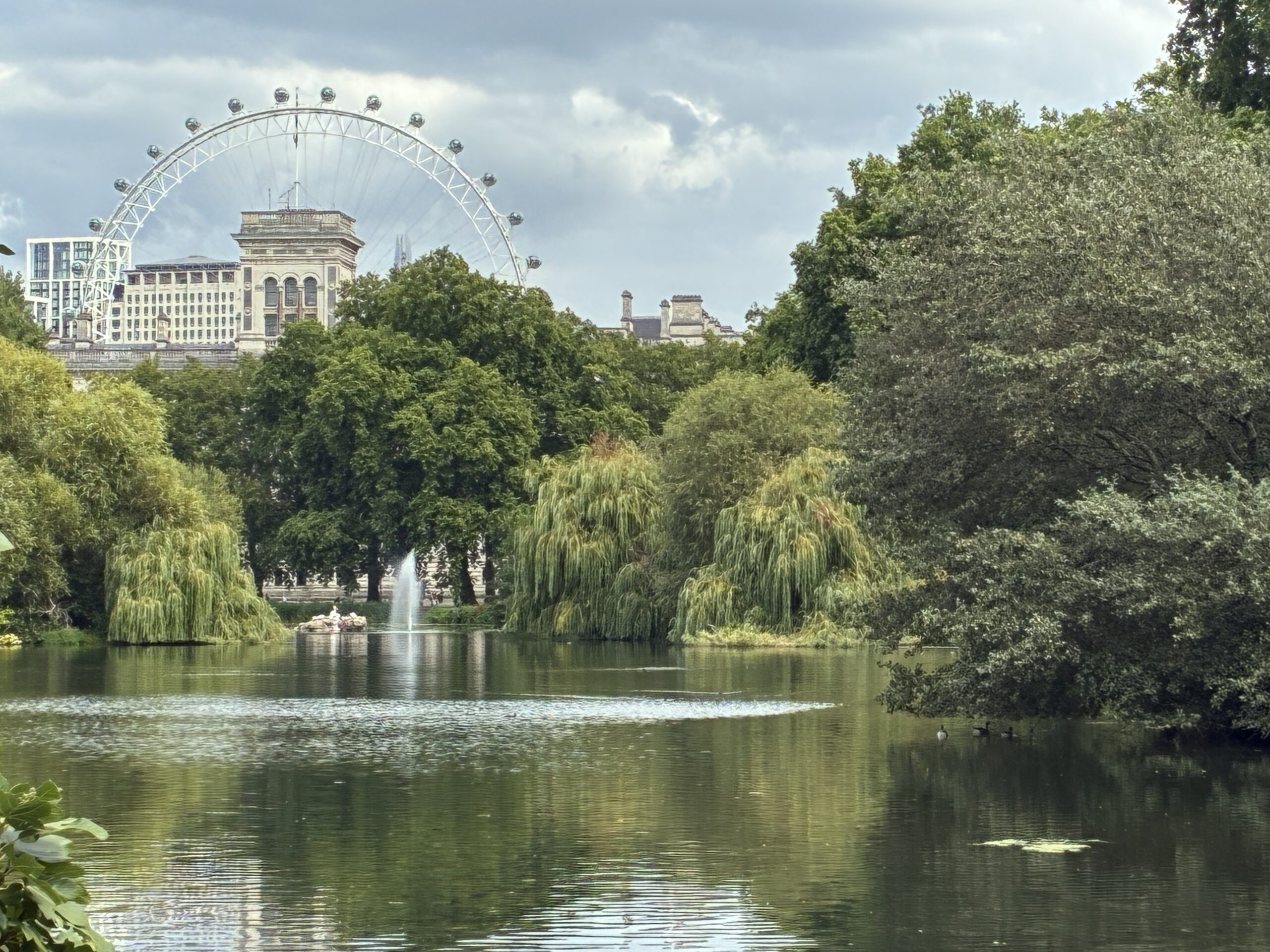
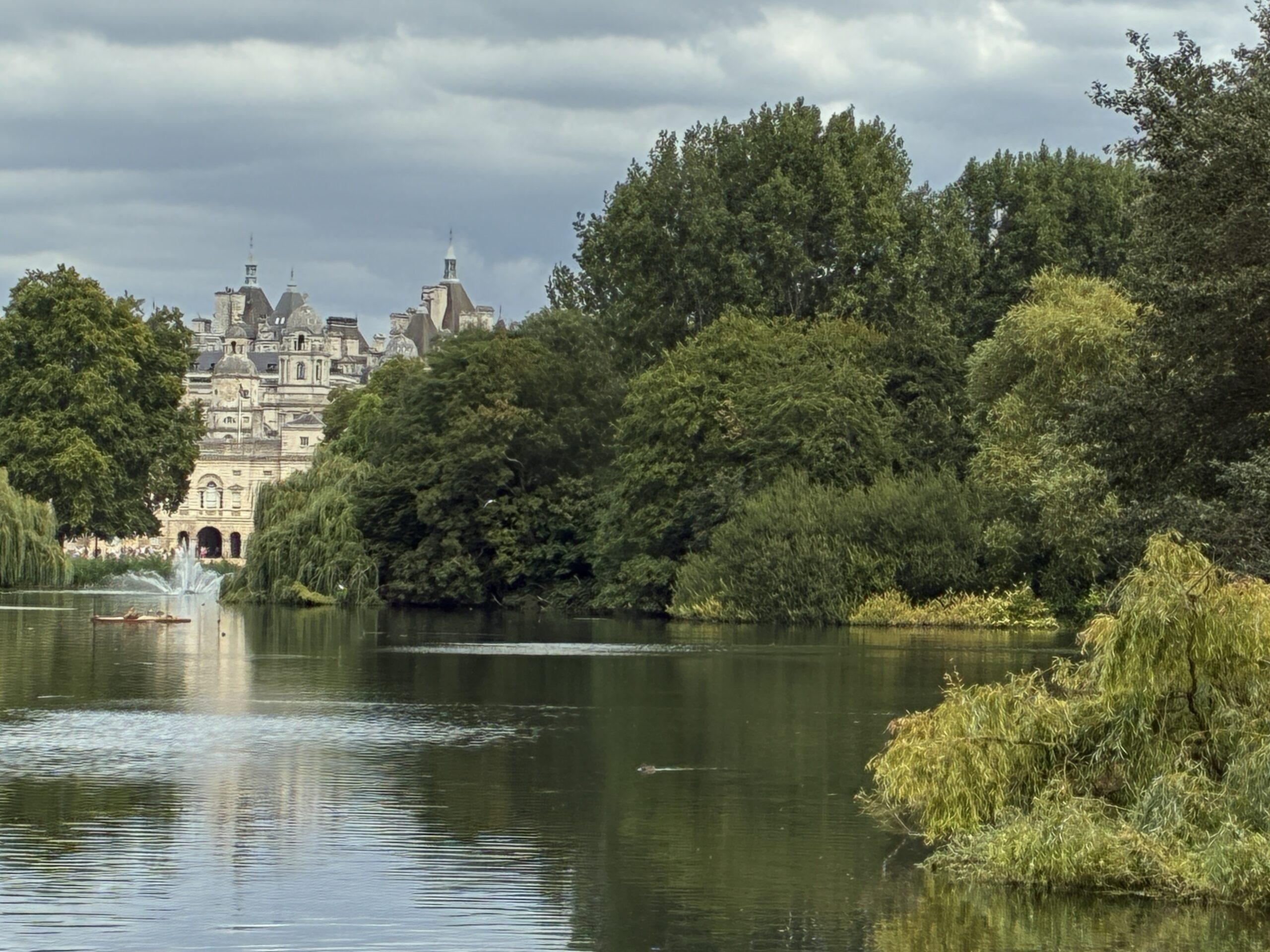
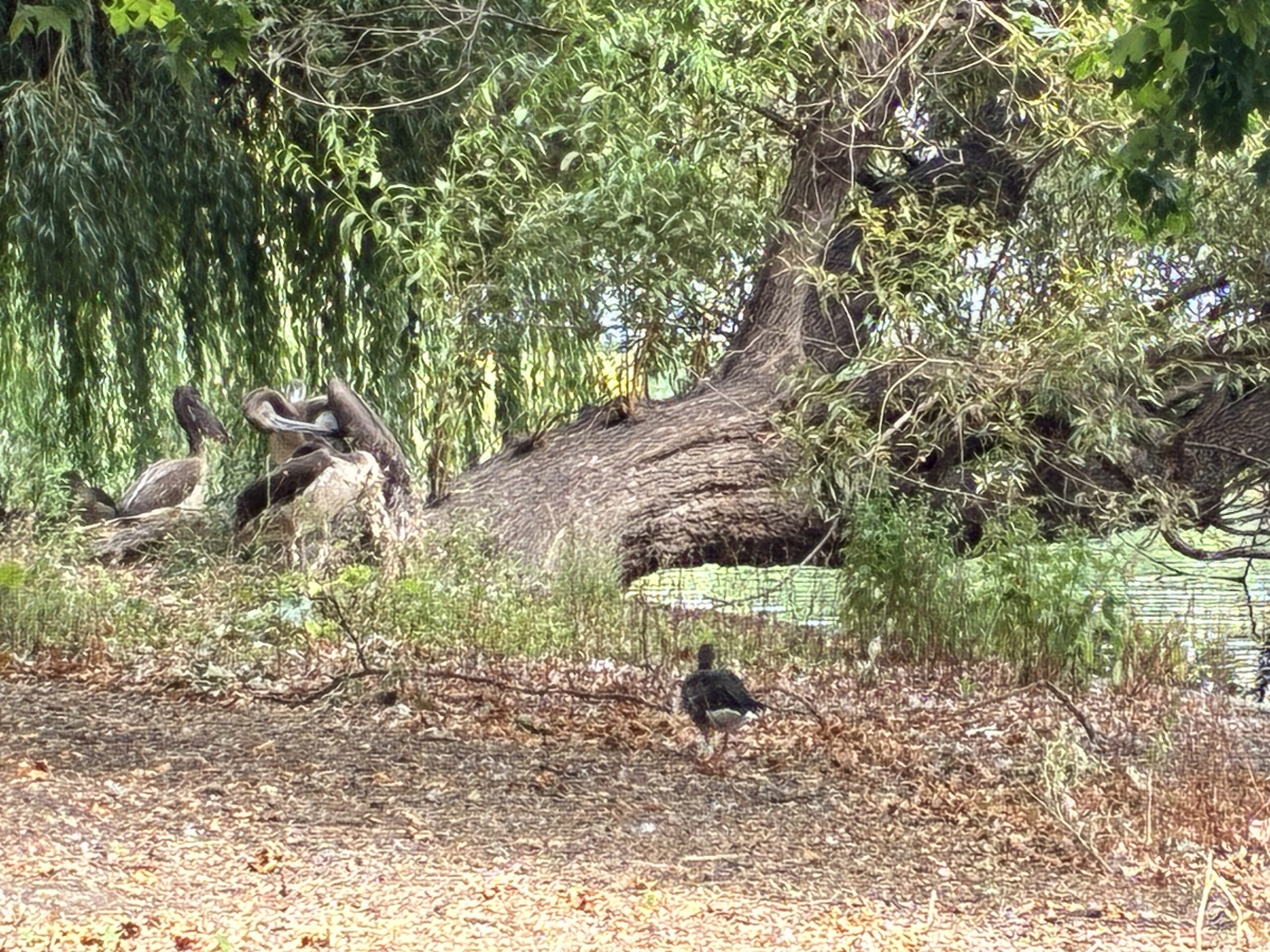
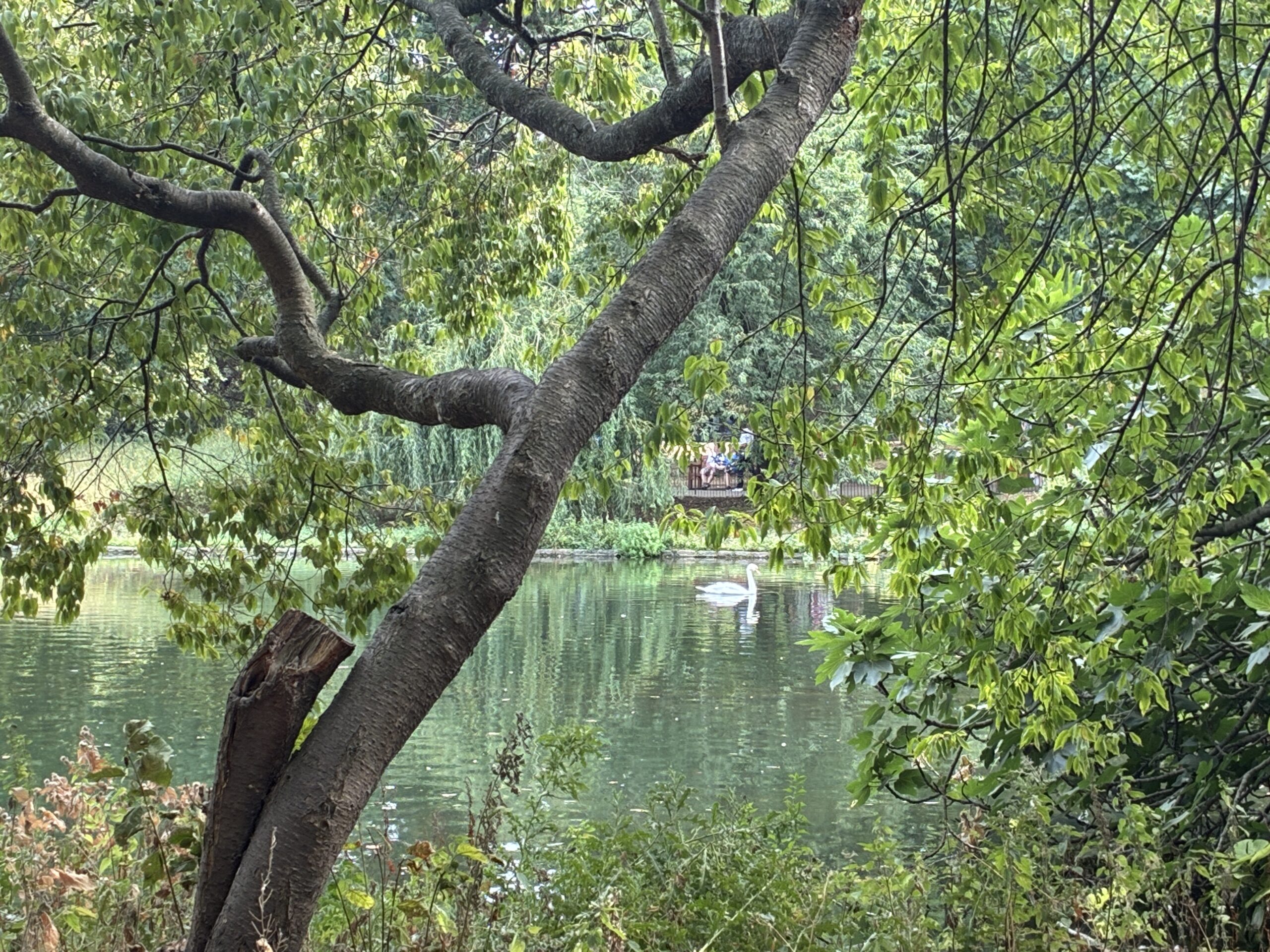
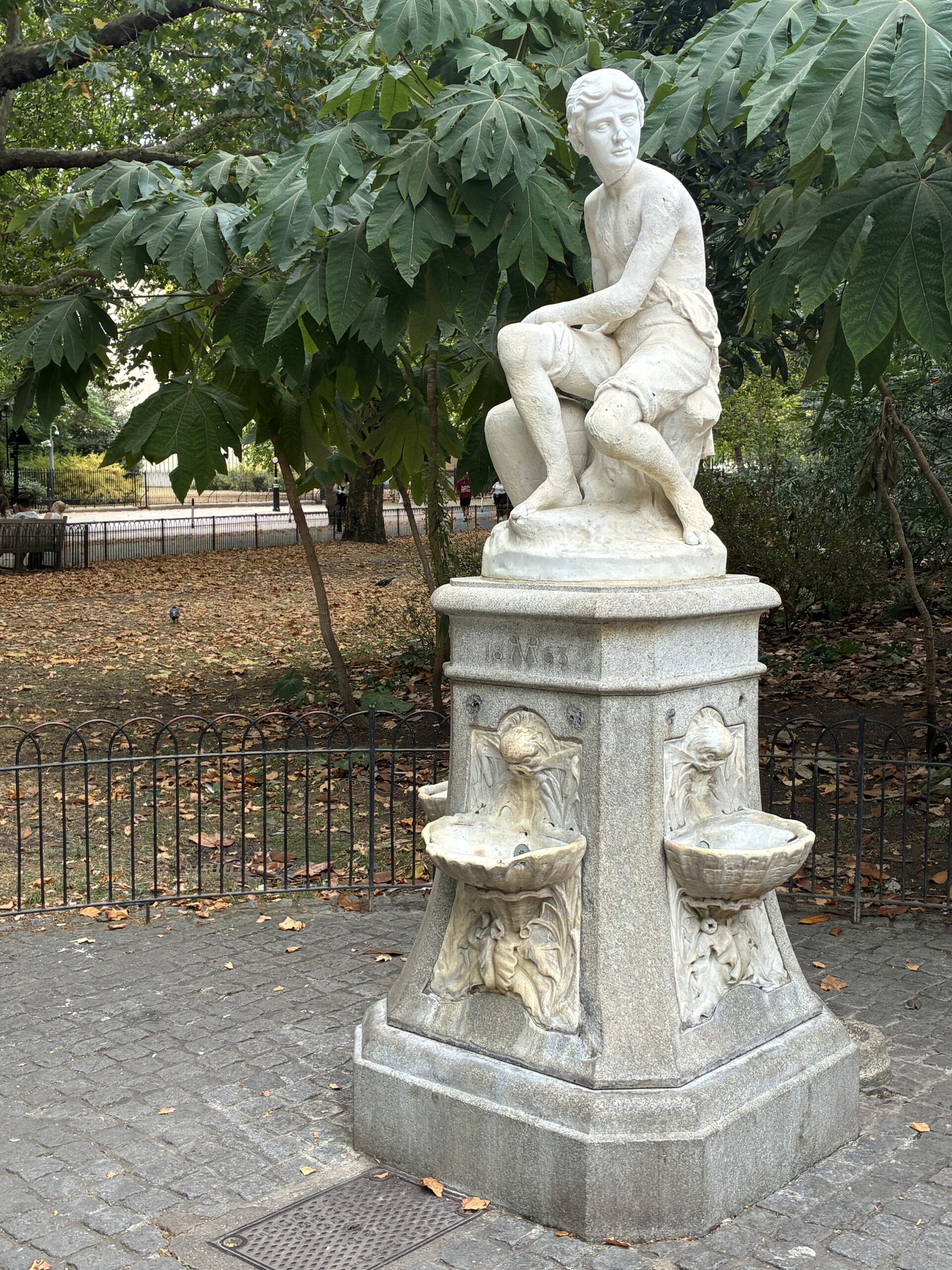
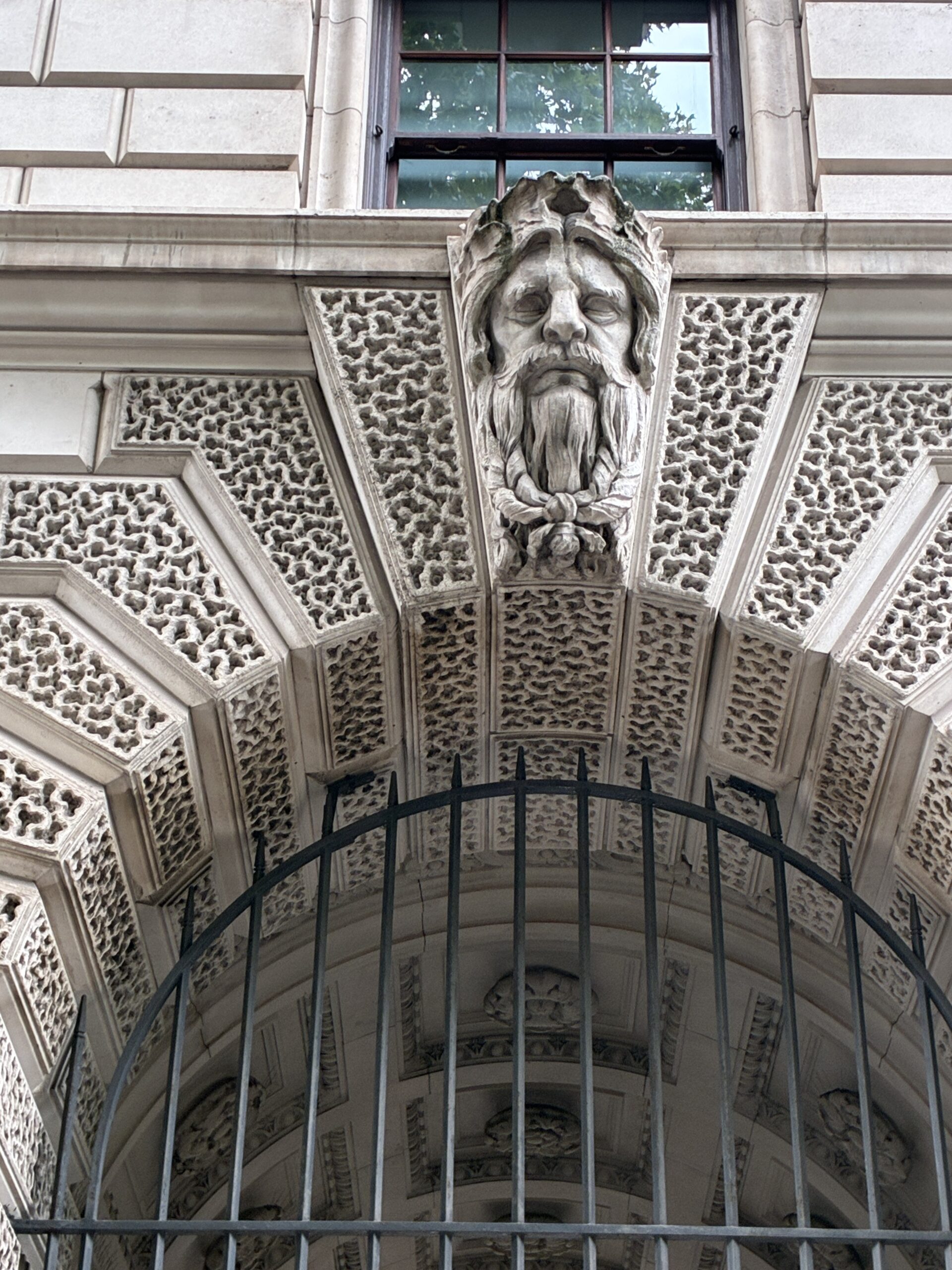
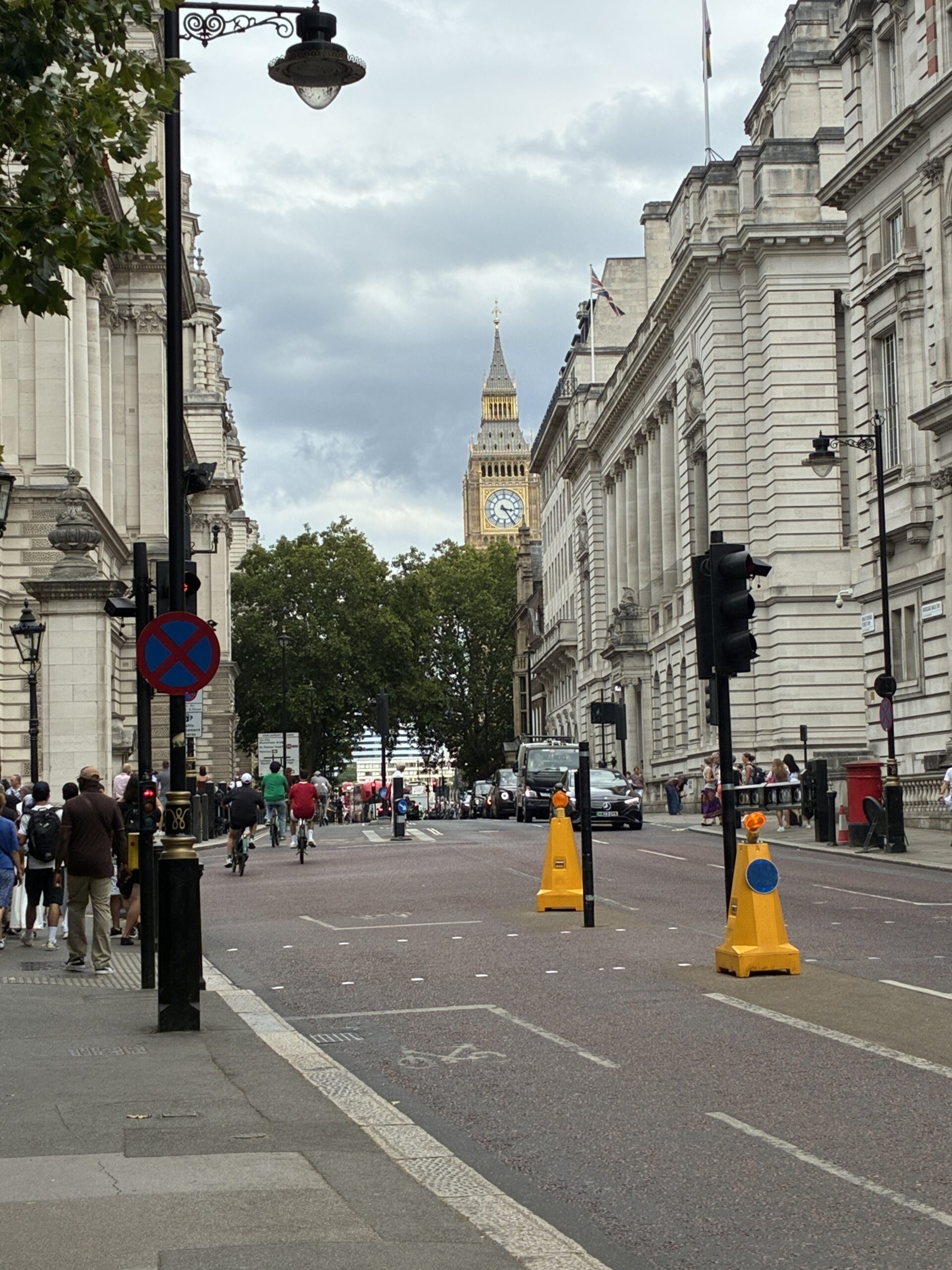
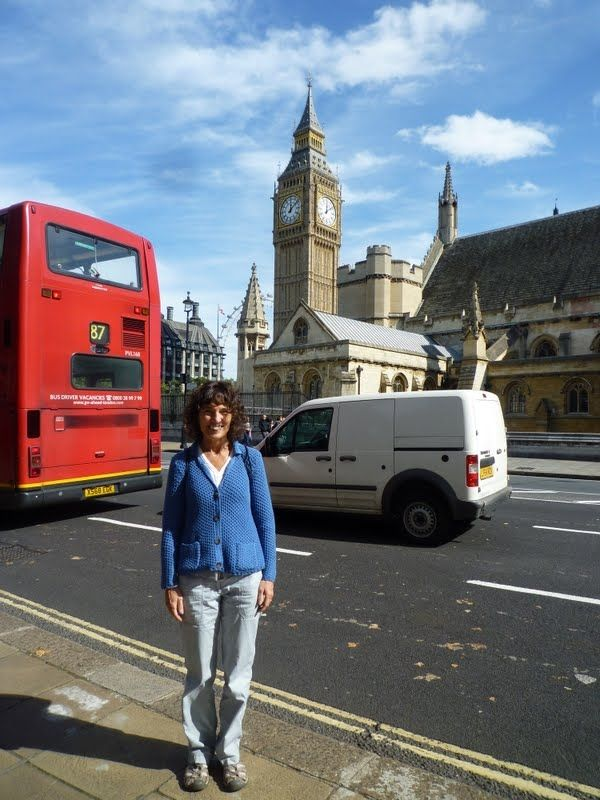
We took a bus into the West End, planning to take a Thames cruise west to Richmond, a long but lovely ride, heading in the other direction from where the boat ride Hilary and I took with Tom a couple of weeks ago. From the Marble arch area, we walked about four miles in this hot, but not too terribly hot, weather, meandering our way to Westminster Pier, near Big Ben and the Houses of Parliament. What a lovely walk as we passed through through Grosvenor Square, where the American Embassy was formerly located (and I attended an anti-Vietnam rally in 1968), along New Bond Street, past the Royal Academy and through the Burlington and Piccadilly Arcades, both of which are extremely high end shopping arcades (and especially the glitzy Burlington Arcade), along Pall Mall and the Mall, and finally through the lovely St. James’s Park and along Birdcage Walk, before reaching Westminster, home to Big Ben and the Houses of Parliament. Many, many tourists out visiting these areas today, in some cases literally lining up to take iconic photos of themselves with Big Ben in the background.


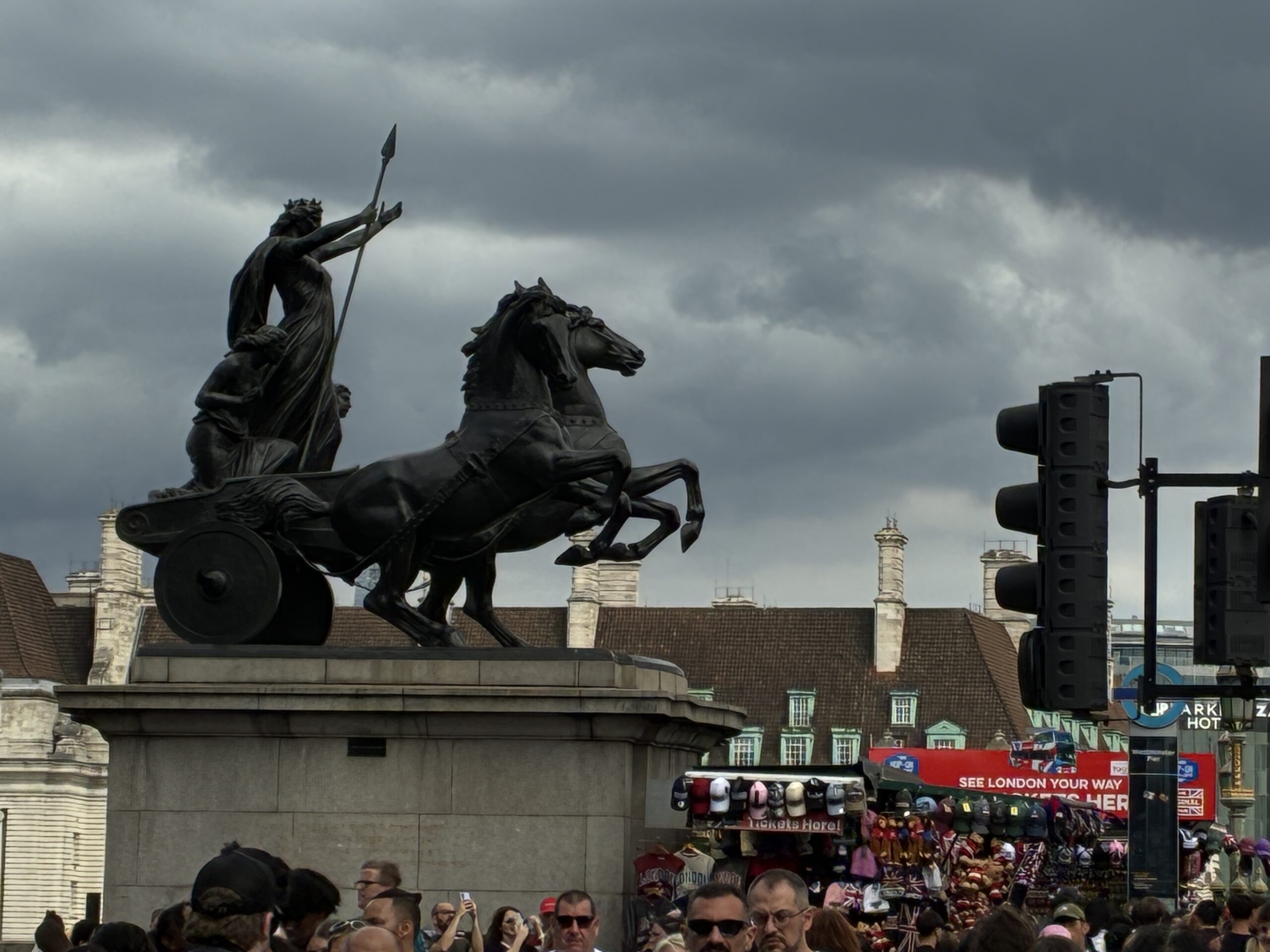
(spoiler alert: the Romans won).
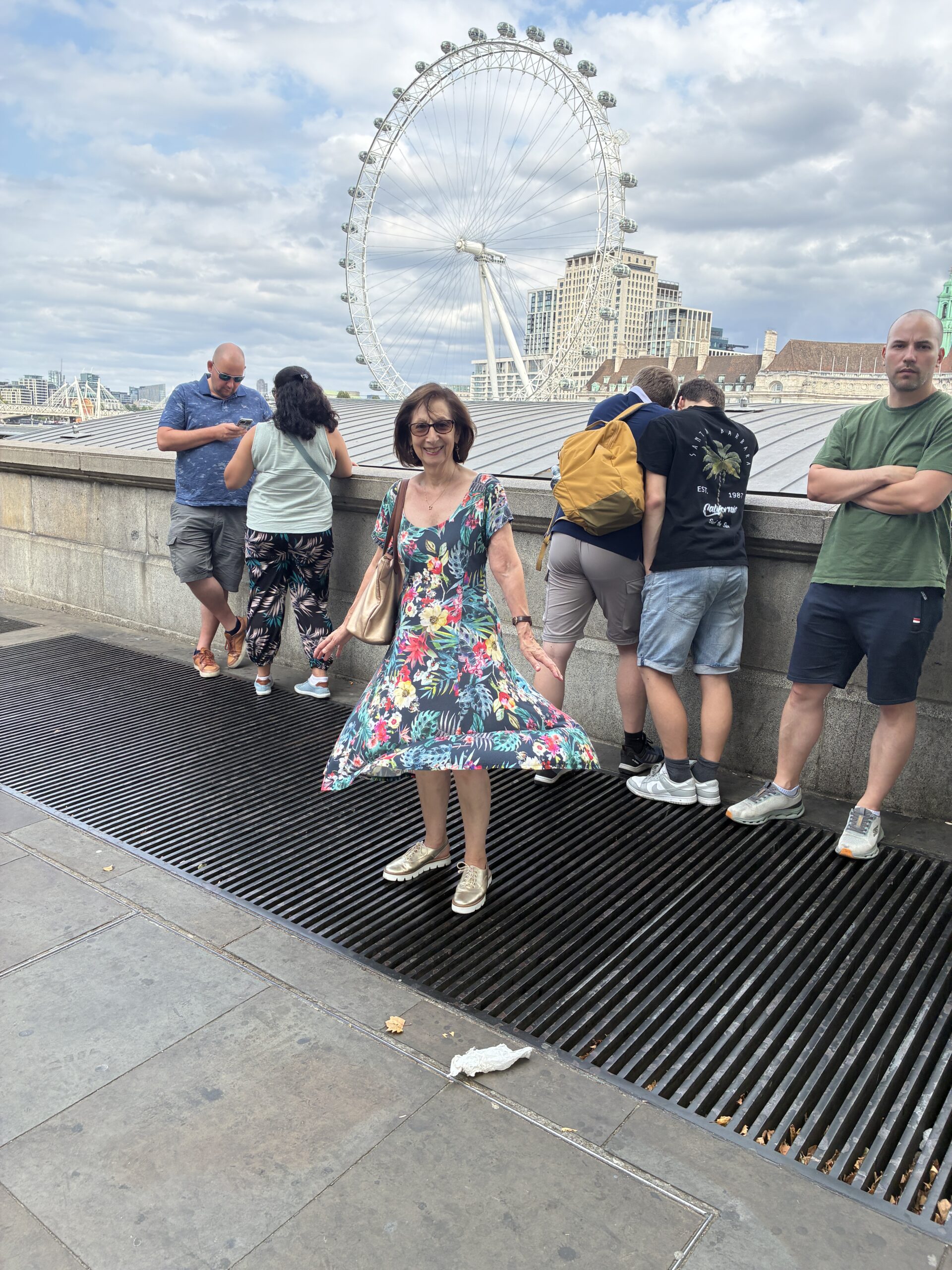
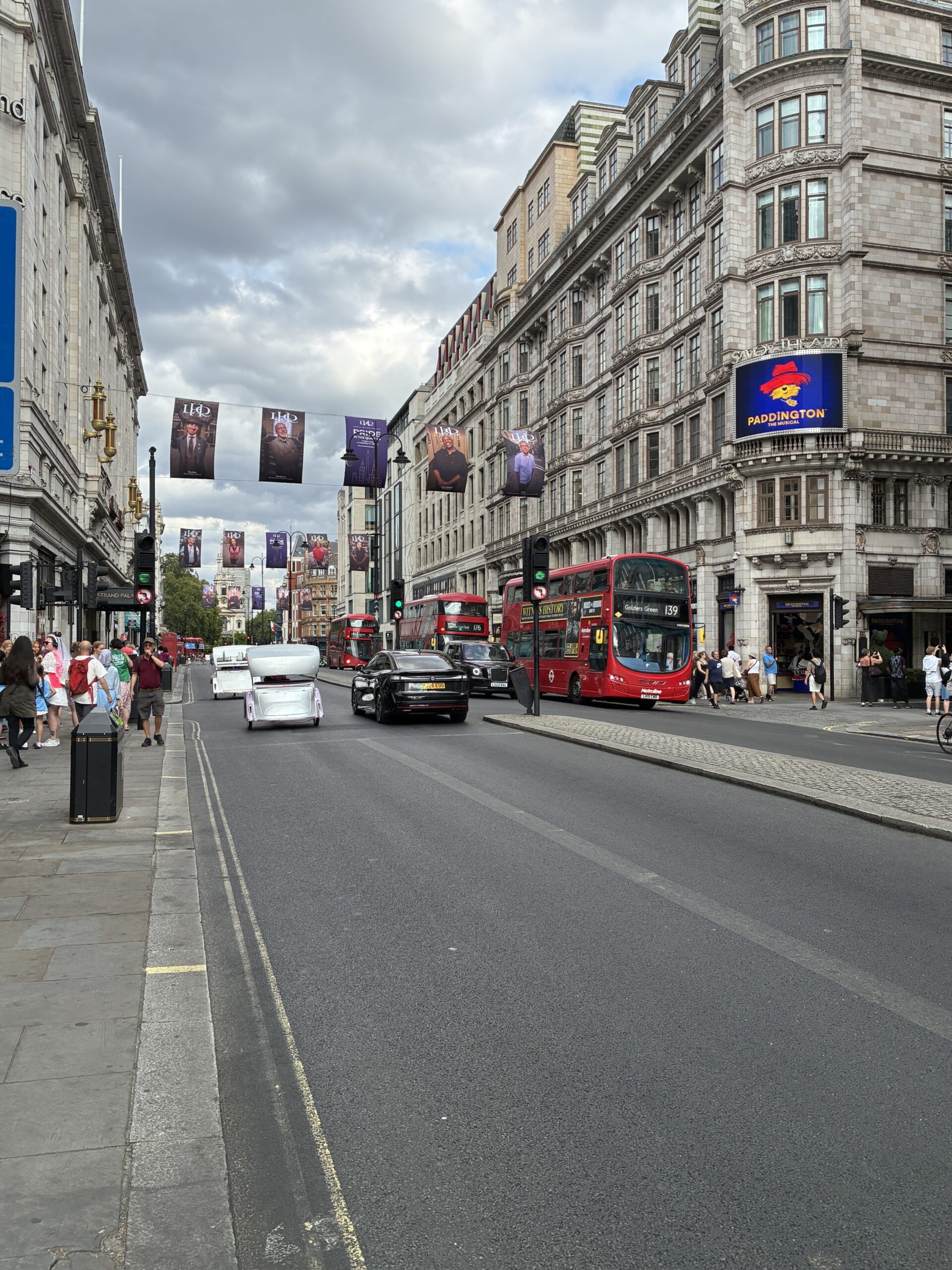
Well, we got to Westminster Pier on the Embankment after a very lovely walk through lovely London, only to find the cruises heading west to Richmond were over for the day, and are actually only offered a couple of times each day. Undaunted, we decided to instead walk up to Covent Garden and have something to eat. Which we did, walking up to and crossing the Strand, one of London’s oldest and most historically important streets. Its name comes from the Old English “strond,” meaning the edge or shore, because it originally ran along the north bank of the River Thames, which was then much wider than it is today. Land was reclaimed between the 16th to 18th centuries, narrowing the Thames considerably, and the most decisive change came with the construction of the Victoria Embankment (today’s north shore of the Thames), completed in 1870.
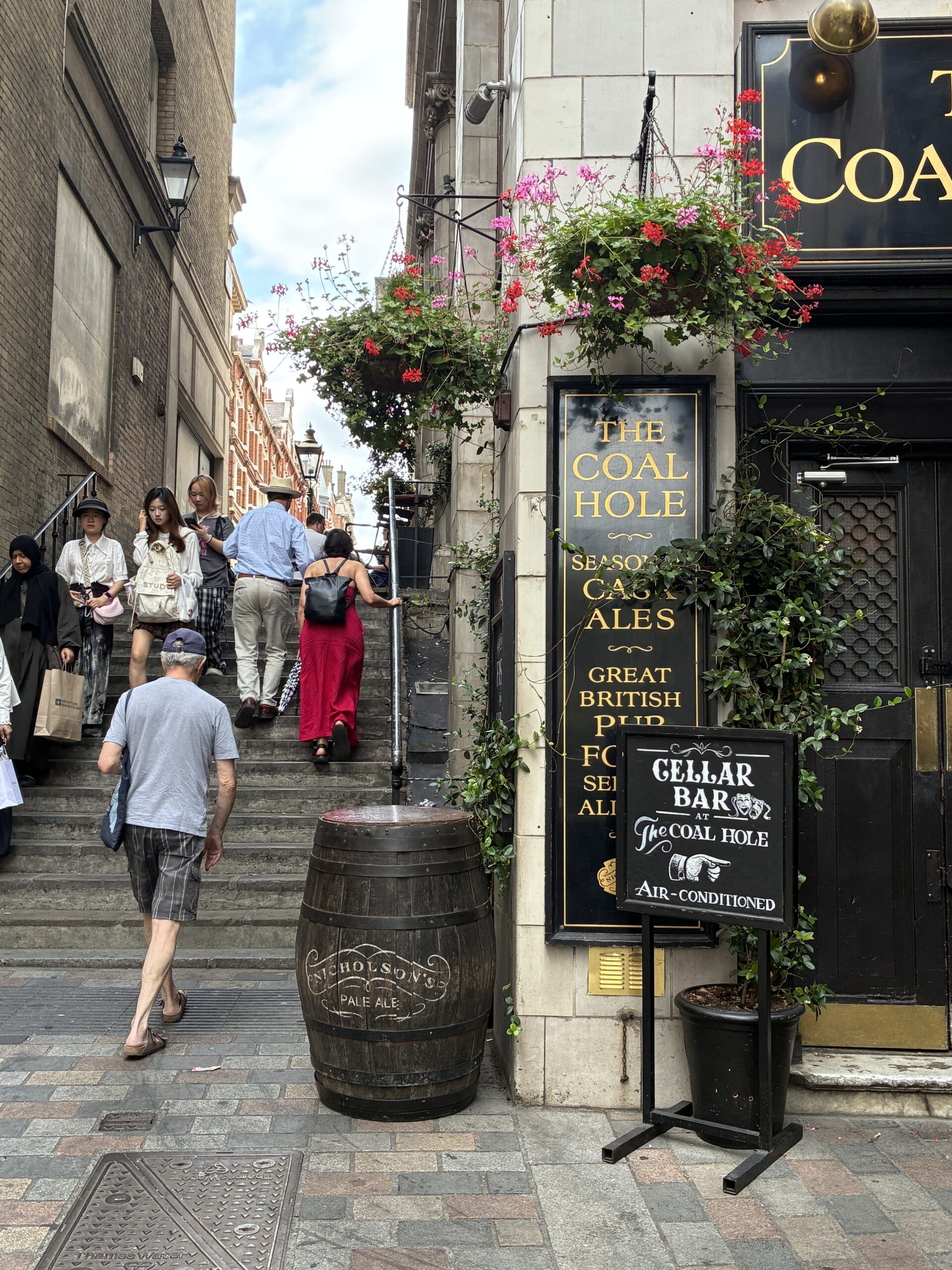
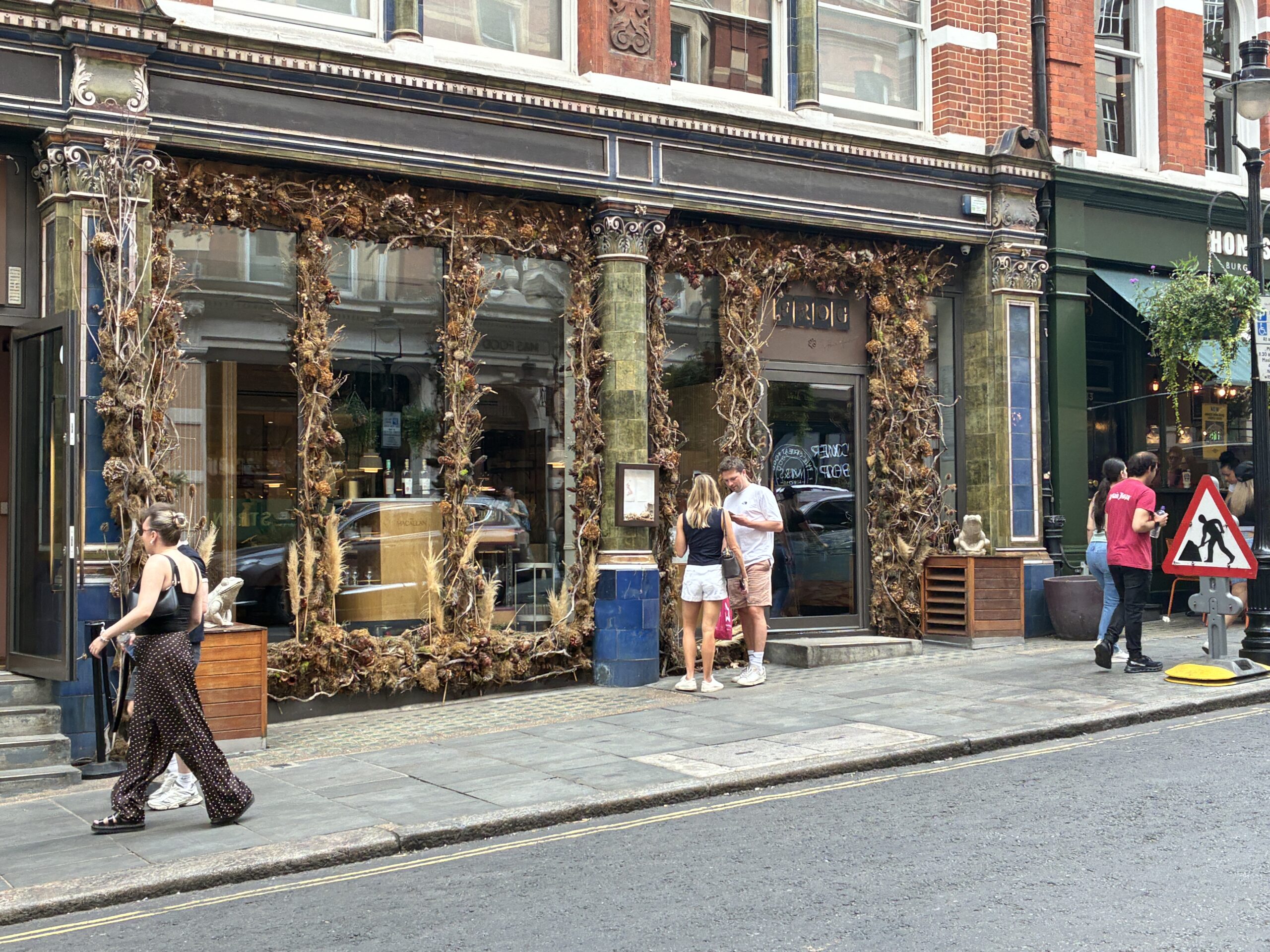
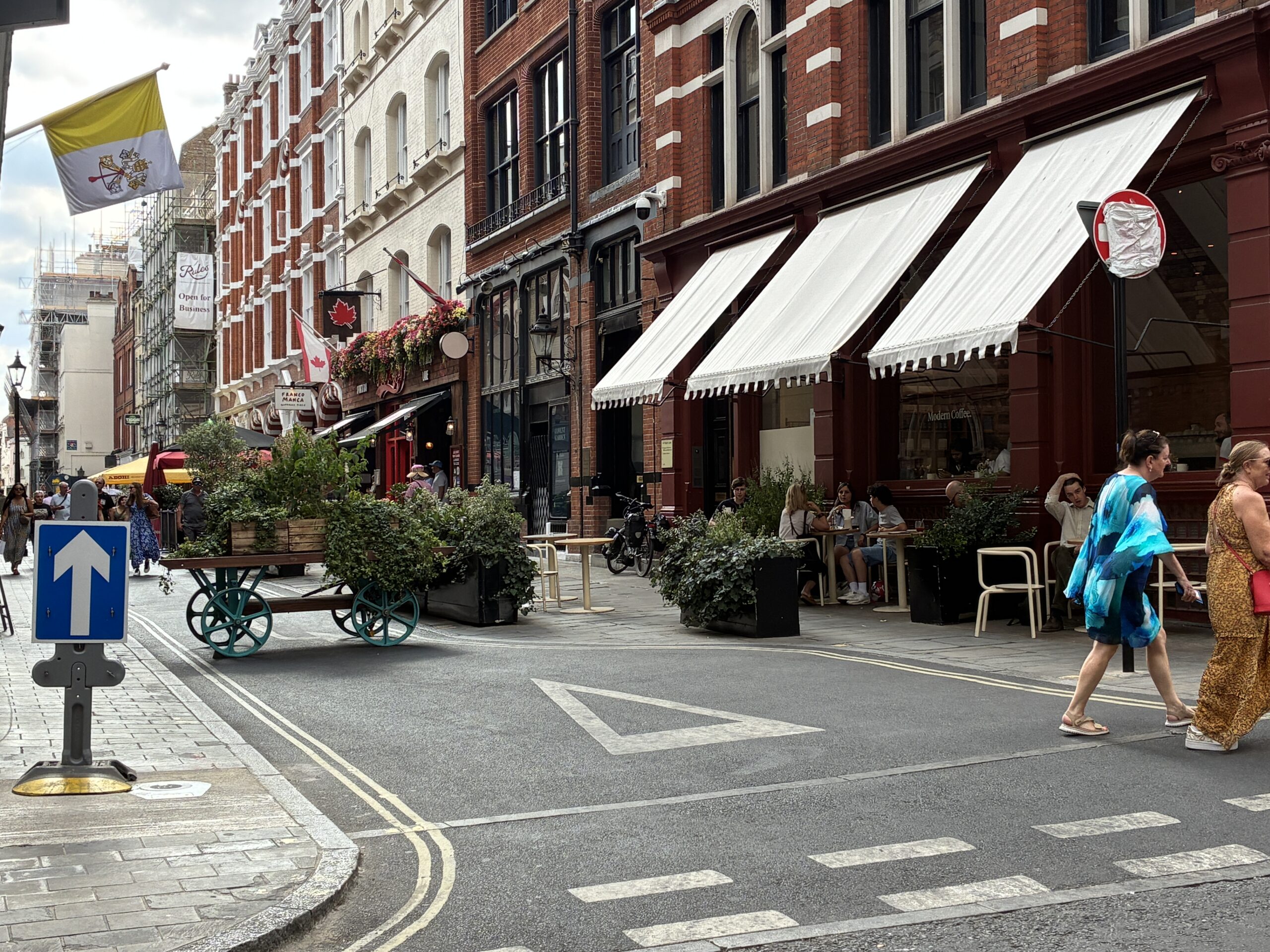
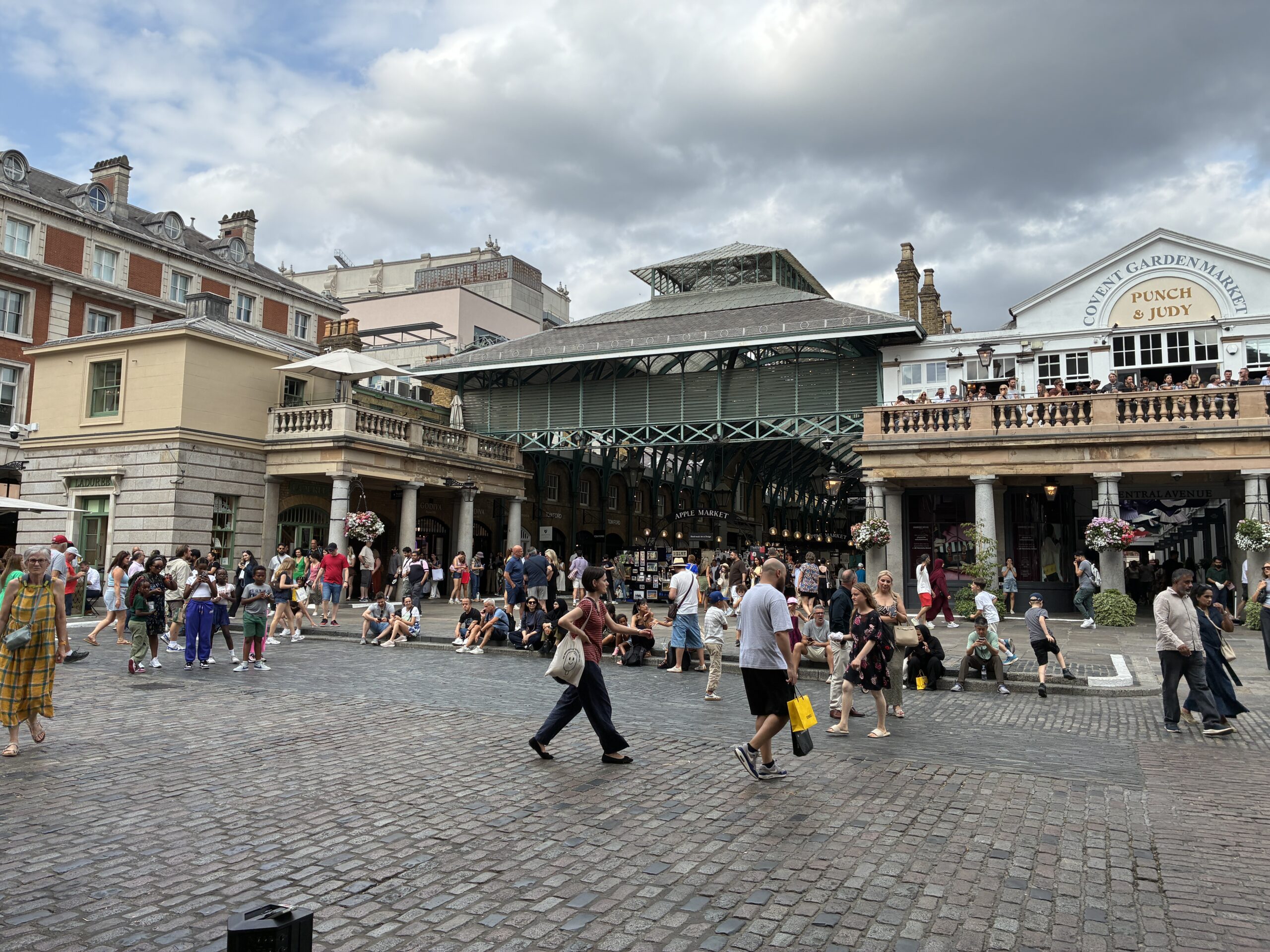
By the 16th century, this area had become known as Covent Garden, named for the gardens once belonging to Westminster Abbey, seated a short distance away by the Thames, alongside Big Ben and the Houses of Parliament, and in the 1630s a residential square was developed around what is now Covent Garden Piazza, designed by famed British architect Inigo Jones, inspired by Italian Renaissance architecture. Between 1650-1660 the local market in the square primarily became a fruit, vegetable and herb market, and by 1830 it had become established as as a fruit, vegetable, and flower market, and was the flower market featured in Pygmalion/My Fair Lady, set in Edwardian London, around 1912.
The famous flower market moved out of Covent Garden in 1974, and Covent Garden developed into the trendy and fashionable pedestrian plaza and general market it is today, moving into the covered areas that once housed the flower, fruit, and vegetable market, and filled with market stalls, speciality shops, restaurants, and bars, and often filled with street entertainers.
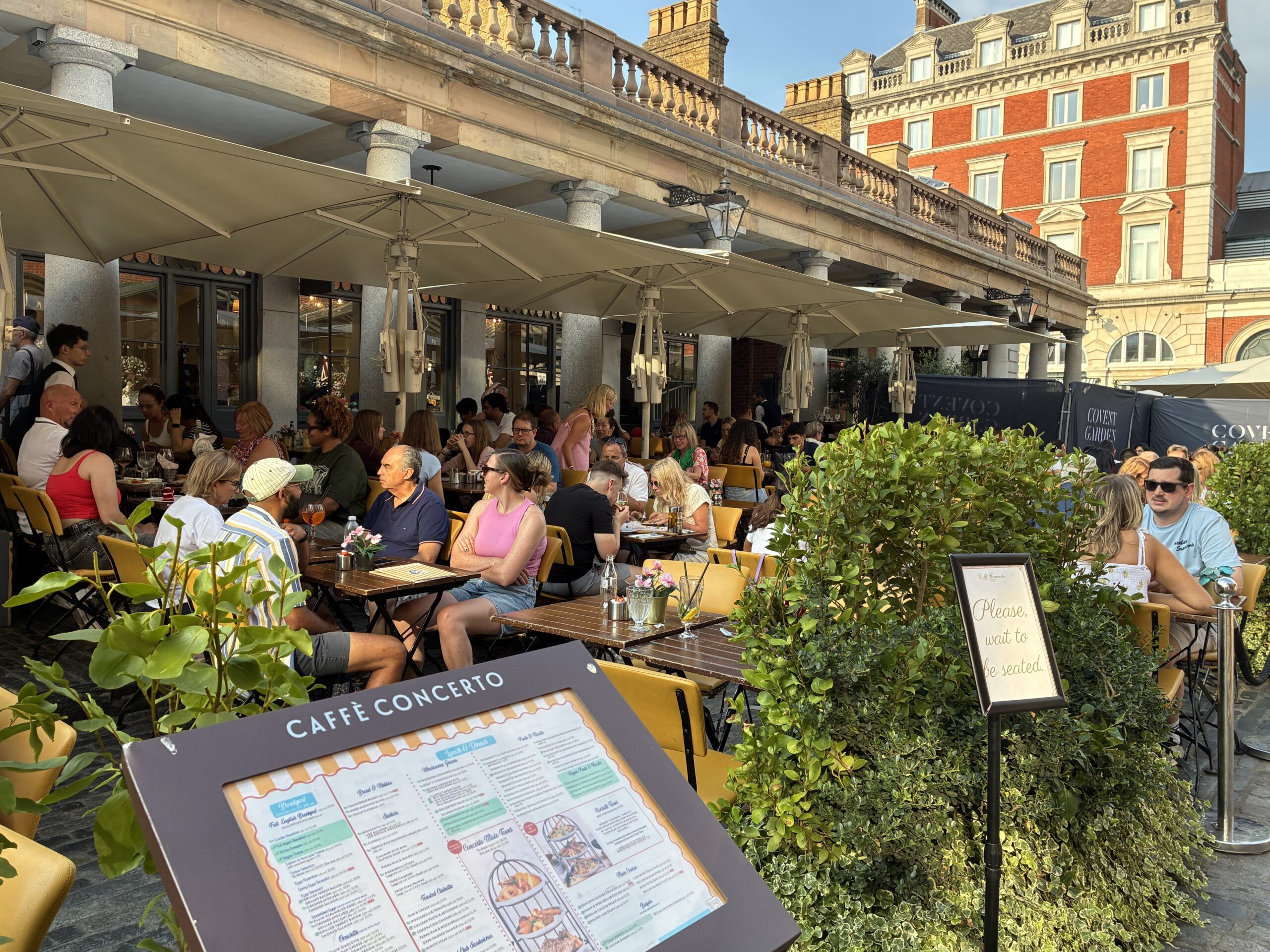
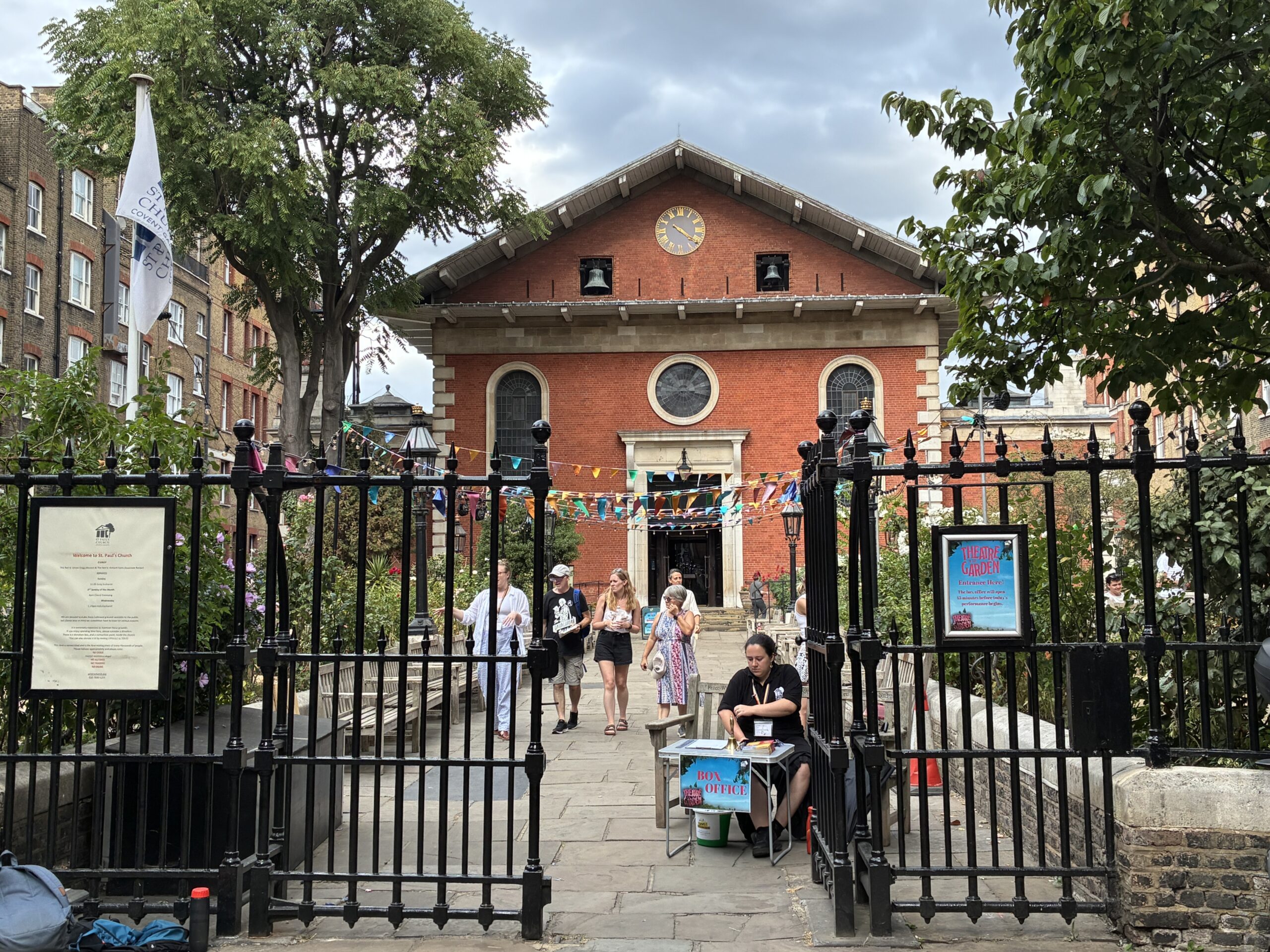
We grabbed a bite to eat, which was pretty good, walked some more around the area, which was pretty jam packed, before eventually moving into the even busier and even more jam packed Leicester Square, from where we caught the tube and went home.
We had a lovely day, and enjoyed our long walk and tour of the city. By the time we got home, I was very tired, although I’m not quite sure why, and off to bed I went around 10:30. That means I’m probably doomed to wake up at 4 am. But so be it.